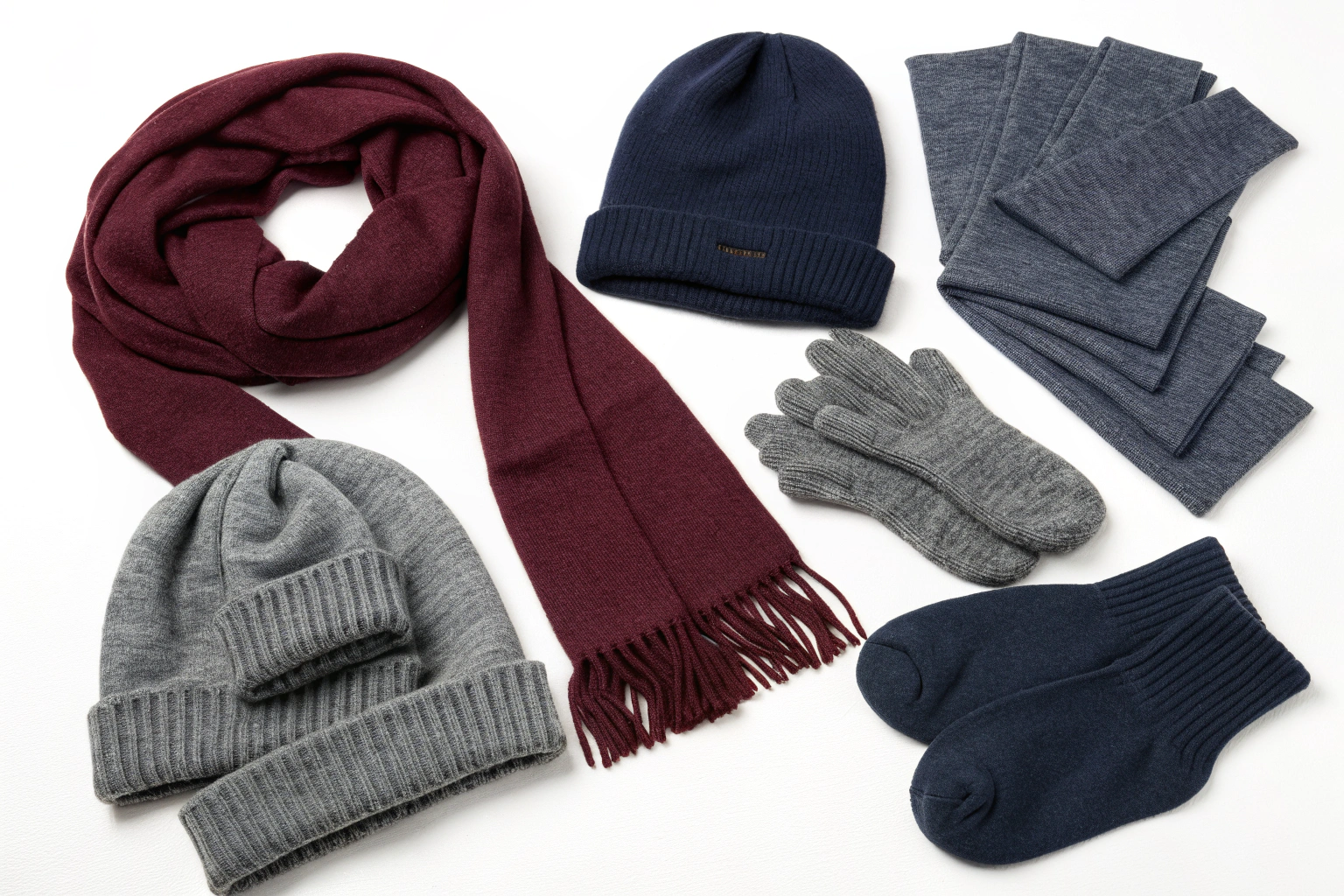
Winter accessories—like thick scarves, insulated gloves, fleece-lined hats, and thermal socks—can quickly drain your budget, especially when you need multiple pieces for layering or family use. But with strategic planning and smart sourcing, you can stay warm without overspending.
You can significantly reduce shopping costs for heavy winter accessories by buying off-season, choosing multi-functional designs, sourcing from wholesale markets or direct-from-factory suppliers (like those in Yiwu or Dongguan), prioritizing natural fibers with longevity, and leveraging bulk discounts—even as a small retailer or individual buyer.
The key isn’t just “buying cheap”—it’s buying wisely. Below, we break down proven, practical methods that work whether you’re outfitting your household or building an inventory for resale.
When Is the Best Time to Buy Winter Accessories at Lower Prices?
Timing is everything. Retailers clear winter stock aggressively once spring arrives—but you don’t have to wait until then to get deals.
The optimal time to buy heavy winter accessories at reduced prices is late February to early March (post-winter clearance) or August to September (early pre-season restocks at wholesale rates). Buying during these windows can save 30–60% compared to peak December demand.
For example, a high-pile fleece beanie that costs $12 in December may drop to $4.50 in March. Similarly, Alibaba and 1688 suppliers often offer “pre-order discounts” in late summer for winter items, locking in lower material costs before demand spikes. If you’re a small business owner, this is your chance to secure quality inventory before competitors.
Can You Really Save by Buying Off-Season?
Absolutely. Department stores and e-commerce platforms (including Shein, Zara, and Uniqlo) mark down winter accessories by 50–70% after February 15. Even premium brands like The North Face run “End of Season” sales in March. For resellers, off-season clearance lots on B2B platforms like Faire or Tundra often include overstock bundles at steep discounts.
What About Buying Early—Before Winter Starts?
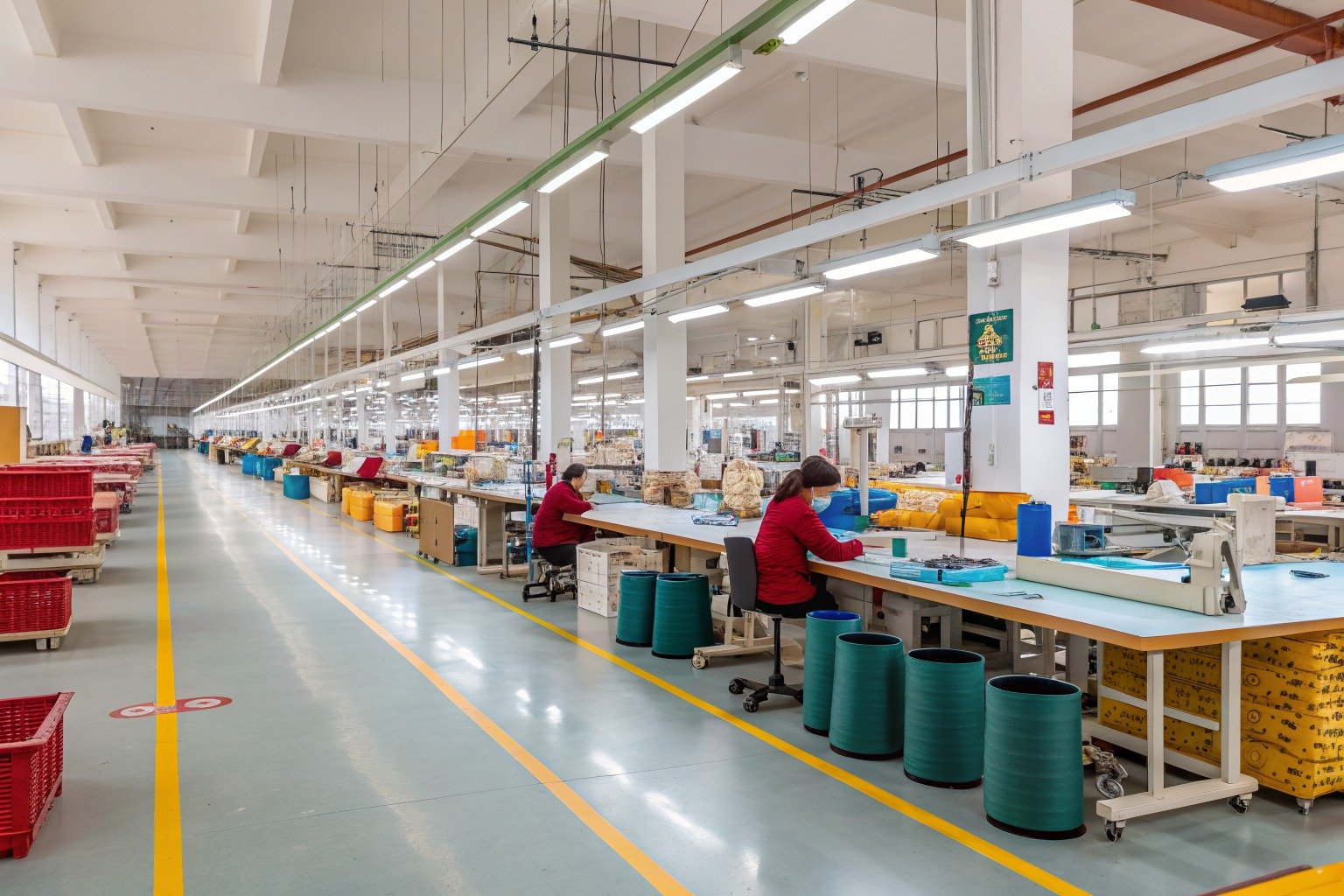
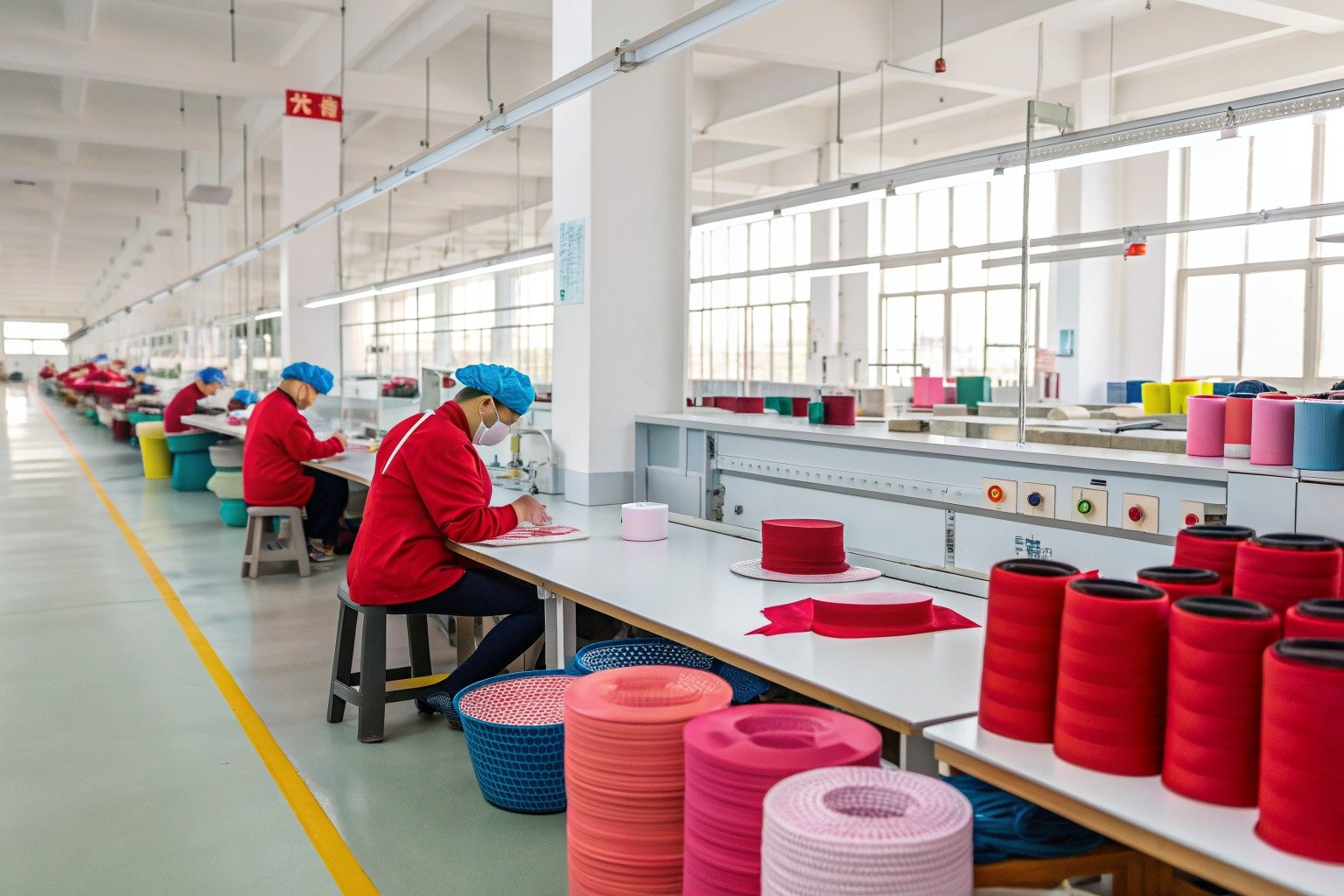
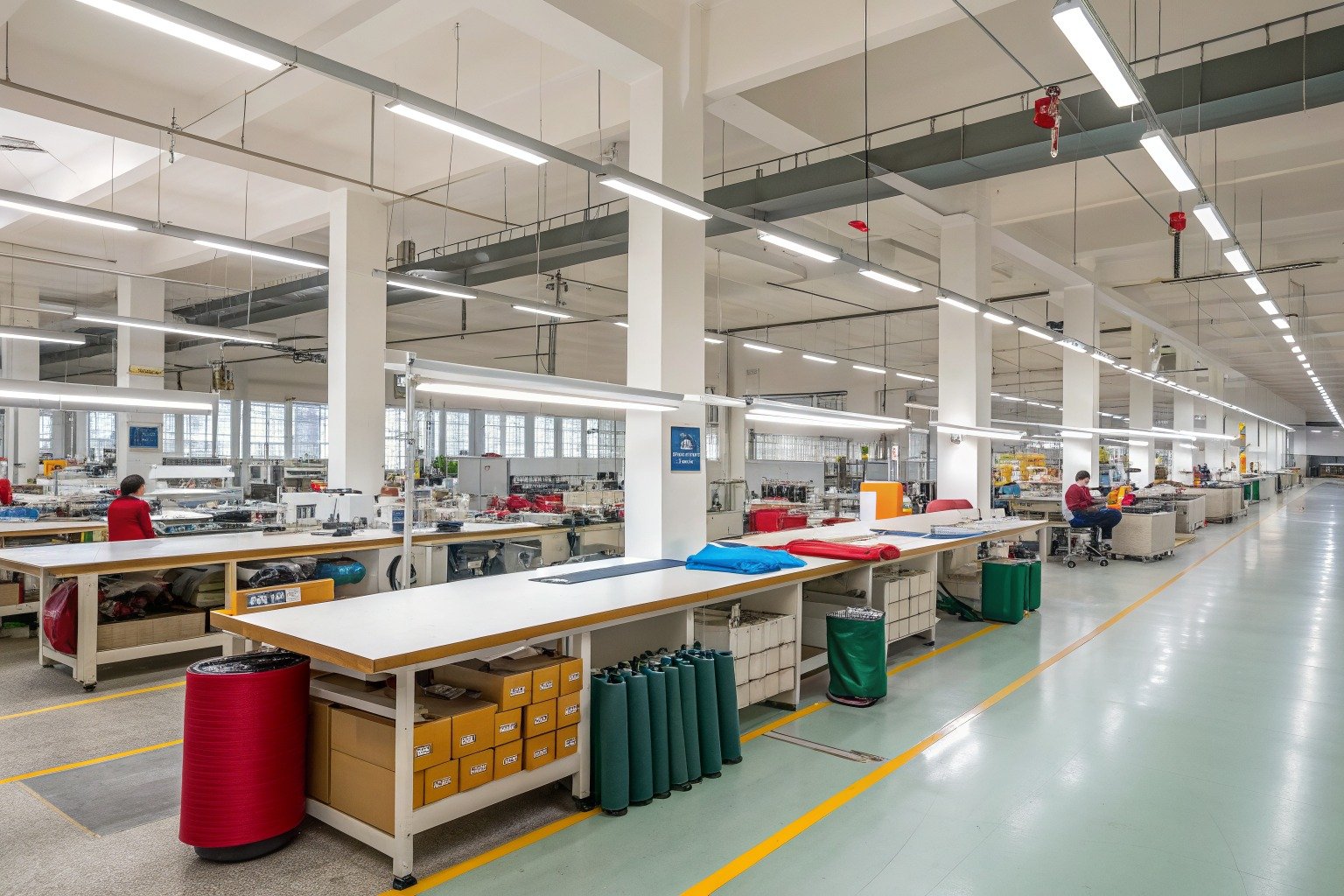
Yes—especially if you’re buying wholesale. Many Chinese factories offer “early bird” pricing in July–September for winter goods. At Shanghai Fumao Clothing, for instance, clients who confirm scarf or glove orders by August receive priority production slots and 8–12% volume discounts. This avoids the October–November rush when lead times double and air freight costs surge.
Which Materials Offer the Best Value for Money in Winter Accessories?
Not all “warm” fabrics are created equal. Some feel cozy but pill after two washes; others last years and actually improve with wear.
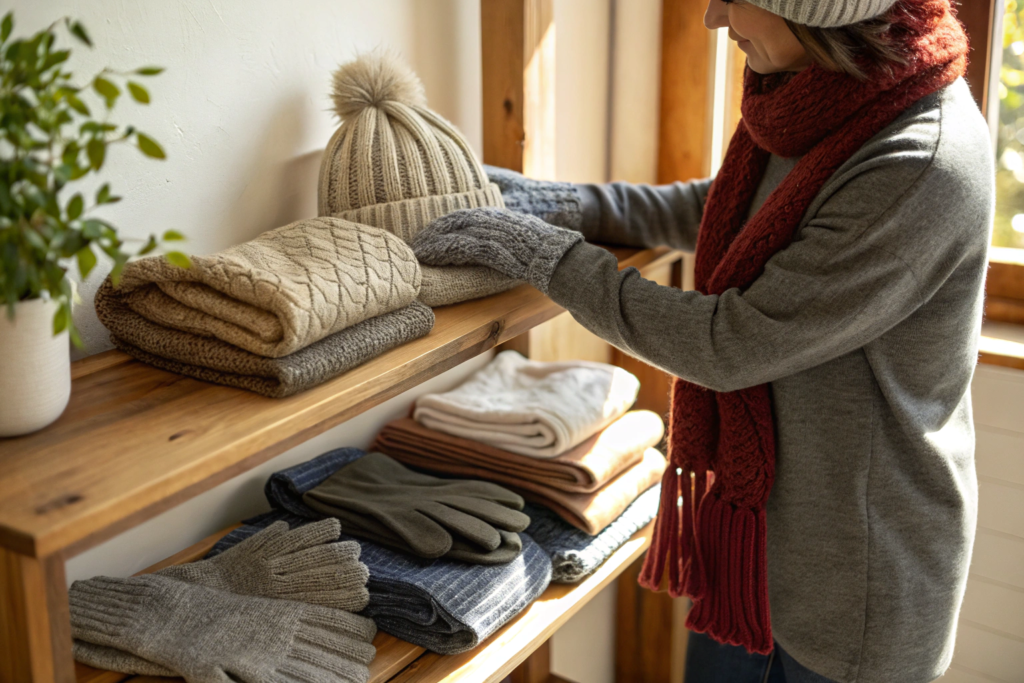
Natural fibers like merino wool, alpaca blends, and tightly woven cotton fleece offer the best long-term value—they retain heat better, resist odor, and outlast synthetic alternatives like acrylic or low-grade polyester. However, GRS-certified recycled polyester is a budget-friendly eco-option that performs well in gloves and beanies.
For example, a $15 merino wool scarf may cost more upfront than a $6 acrylic one—but it won’t itch, shed, or lose shape after washing. Over three winters, the acrylic version might need replacing twice, making the wool option cheaper in the long run. When sourcing, look for certifications like GOTS (Global Organic Textile Standard) or GRS (Global Recycled Standard) to ensure quality claims are verified.
Are Synthetic Fabrics Always Inferior?
Not necessarily. High-quality recycled polyester with brushed interiors (common in performance beanies and running gloves) offers excellent warmth-to-weight ratio and dries fast. Brands like Patagonia use it successfully. The red flag is “100% acrylic”—often stiff, static-prone, and prone to pilling.
Where Can You Find Quality Natural-Fiber Accessories at Low Cost?
- Wholesale markets: Yiwu International Trade Market (Zhejiang) has entire halls dedicated to wool-blend scarves and cashmere-feel gloves at ¥12–¥35/unit
- Factory-direct: Suppliers in Inner Mongolia specialize in genuine sheepskin and wool products (e.g., Hohhot-based vendors on 1688)
- Online B2B: Search “GOTS merino scarf OEM” on Alibaba—filter by “Trade Assurance” and “Verified Supplier”
Can Multi-Functional Accessories Cut Your Total Spending?
Yes—and dramatically. Instead of buying separate items for commuting, sports, and lounging, choose pieces that serve multiple roles.
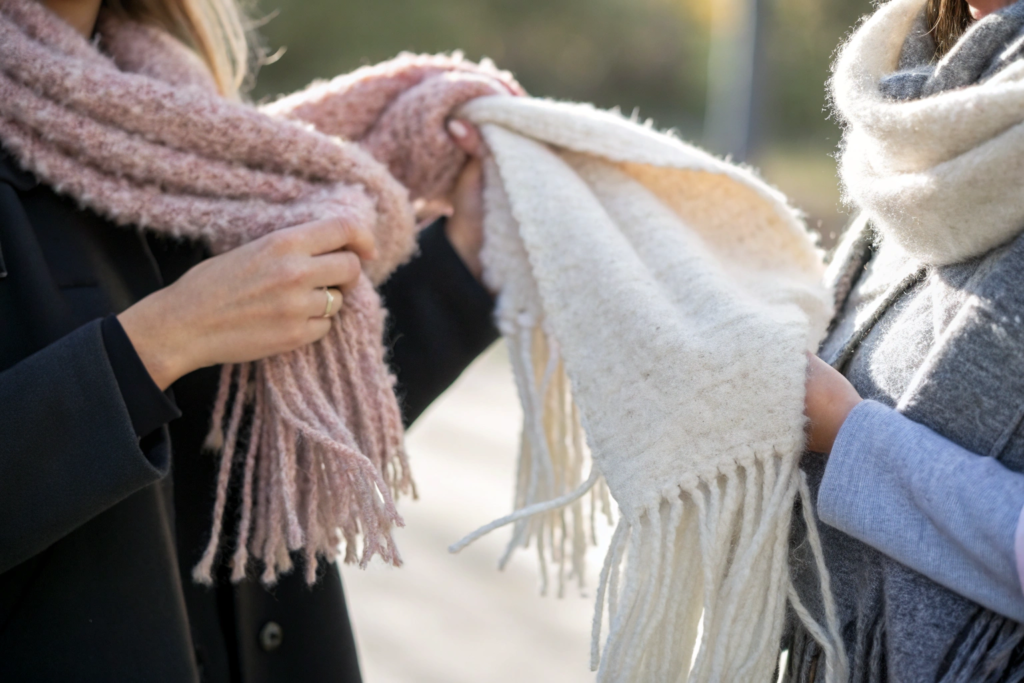
Multi-functional winter accessories—like convertible mittens (with touchscreen fingertips), reversible scarves, or beanies with hidden earphone ports—reduce the number of SKUs you need to purchase, saving 20–40% on total outlay.
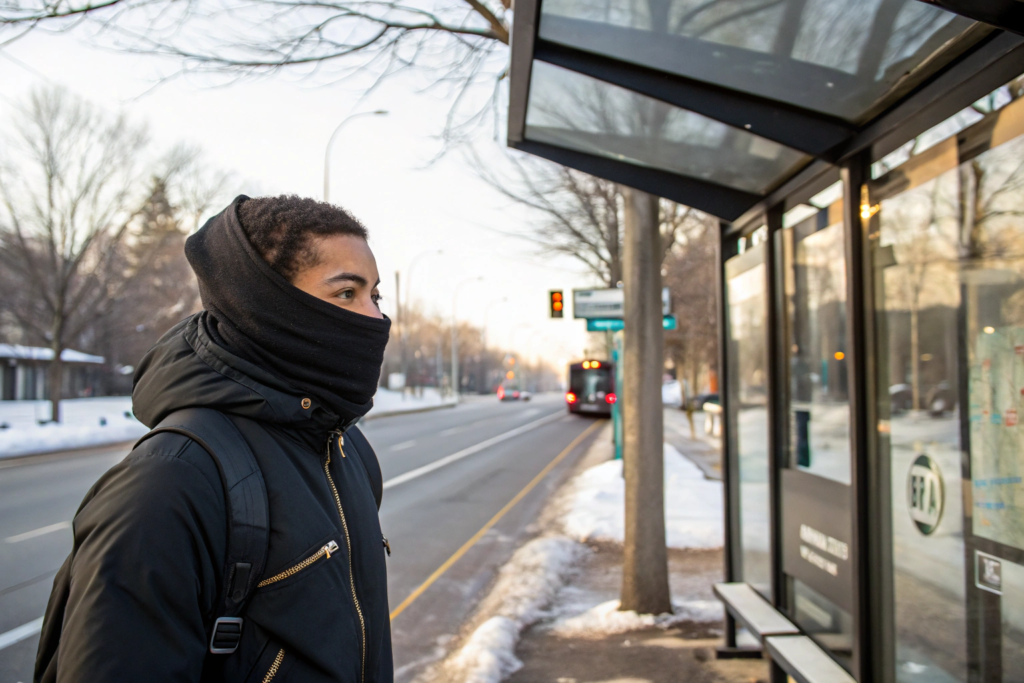
For instance, a single thermal neck gaiter can double as a face mask, headband, or balaclava—replacing three separate items. Similarly, a wide fleece headband with ear coverage eliminates the need for full hats indoors. Retailers like Uniqlo and Decathlon excel at these hybrid designs, but you can source even cheaper private-label versions from Dongguan or Quanzhou factories.
What Are the Most Practical Multi-Use Designs?
| Accessory Type | Functions Served | Cost-Saving Potential |
|---|---|---|
| Convertible mittens | Gloves + touchscreen use + wrist warmth | Replaces 2–3 items |
| Oversized wrap scarf | Scarf + shawl + blanket | Eliminates throw need |
| Thermal leg warmers | Leg insulation + yoga gear + bed warmer | Cross-season utility |
Look for seamless construction and flatlock stitching—these indicate durability for repeated use.
Do Multi-Functional Items Sacrifice Warmth?
Not if designed well. Key features to check:
- Wind-resistant outer layer (even on thin items)
- Brushed interior lining for trapped heat
- Elastic or ribbed cuffs to prevent cold air entry
Ask suppliers for thermal resistance (R-value) or clo-value data—many performance textile mills now provide this.
Should You Repair or Replace Worn Winter Accessories?
Extending the life of existing items is the ultimate cost-cutter—yet often overlooked.
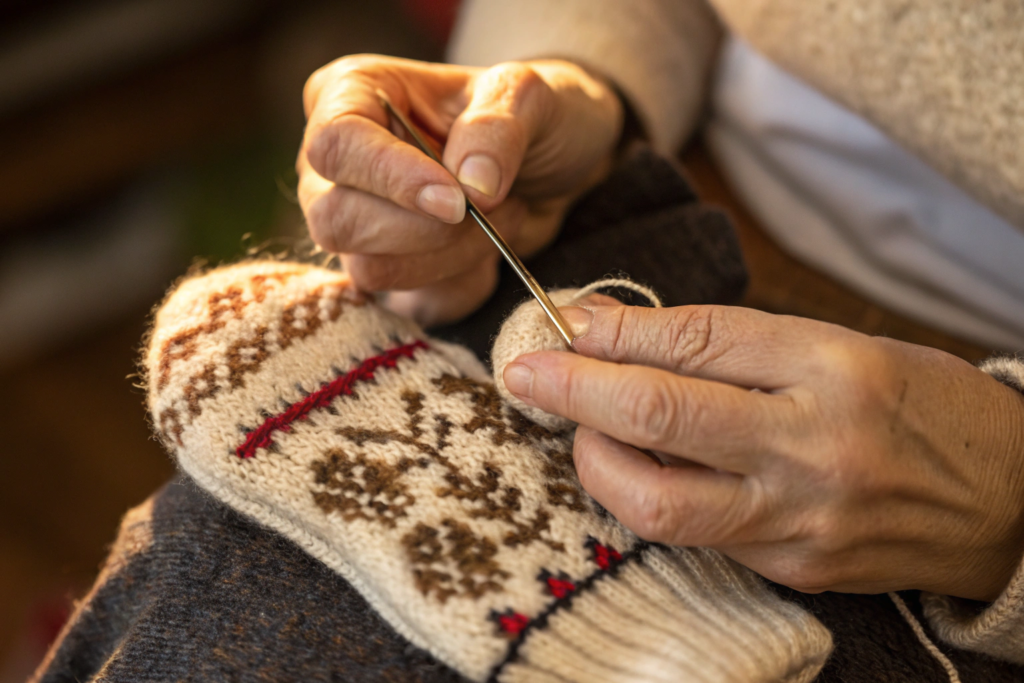
Repairing minor damage (like loose seams, pilled fabric, or detached linings) on heavy winter accessories can add 1–3 years of use, effectively cutting annual cost by 50% or more. Simple fixes include reweaving snags, re-dyeing faded wool, or replacing elastic in gloves.
For example, a $25 merino scarf with a small hole can be invisibly mended with duplicate yarn for under $5 (or DIY with a darning needle). Meanwhile, replacing it would cost full price. Brands like Patagonia and Eileen Fisher even offer free repair services—a model worth emulating at home.
What Repairs Are Worth Doing?
| Issue | Repair Feasibility | Cost vs. Replacement |
|---|---|---|
| Pilling | High (use fabric shaver) | $0 vs. $20+ |
| Loose stitching | High (hand-sew) | $0 vs. $15+ |
| Faded color | Medium (fabric dye) | $3 vs. $30 |
| Torn lining | Medium (replace inner layer) | $8 vs. $40 |
Avoid repairing stretched-out elastics or compromised waterproof membranes—those usually signal end-of-life.
Where Can You Learn Basic Repair Skills?
- YouTube channels like Clothing Repairs or The School of Making
- Local sewing cafés or community centers
- Free PDF guides from Repair Café International
Conclusion
Reducing shopping costs for heavy winter accessories isn’t about deprivation—it’s about strategic timing, smarter materials, functional design, and leveraging scale. Whether you’re a solo shopper or a small business, the same principles apply: buy off-season, choose durable natural fibers, consolidate functions, and never underestimate the power of bulk—even in modest quantities.
At Shanghai Fumao Clothing, we help buyers worldwide source high-performance winter accessories at factory-direct rates, with low MOQs and full compliance support for EU/US markets. If you’re planning your next winter buy and want samples, pricing, or material recommendations, contact our sourcing specialist Elaine at: elaine@fumaoclothing.com.