Are you struggling with quality inconsistencies, production bottlenecks, or high return rates in your glove manufacturing? Traditional manual inspection methods often miss subtle defects in gloves due to their flexible nature, varied sizes, and material transparency issues that challenge human visual inspection consistency.
Implementing a glove detection system involves integrating computer vision technology, specialized lighting setups, custom algorithms for flexible materials, and automated handling systems that work together to identify defects across different glove types and materials with precision beyond human capability.This comprehensive approach transforms quality control from subjective manual inspection to objective, data-driven assessment that improves continuously through machine learning.
Let's explore the practical implementation steps, technical requirements, and integration strategies for deploying an effective glove detection system in manufacturing environments.
What are the key components of a glove detection system?
Traditional glove inspection relies on human visual checks that suffer from fatigue, inconsistency, and inability to detect microscopic defects. The flexible nature of gloves makes consistent presentation and inspection particularly challenging for both humans and automated systems.
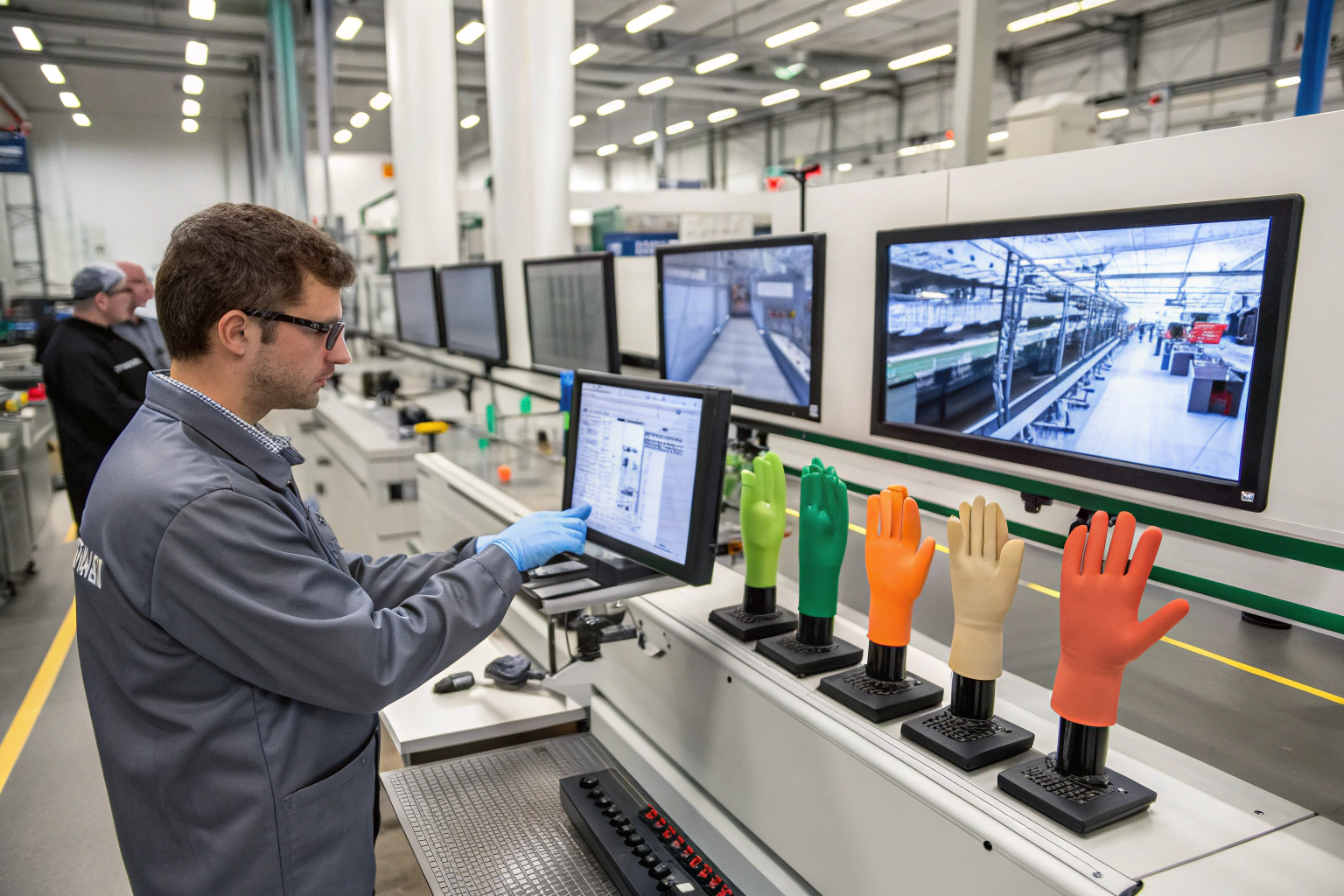
The key components of a glove detection system include high-resolution vision systems, specialized fixturing for consistent presentation, optimized lighting configurations, defect classification algorithms, and integration software that connects inspection results with production management systems. These elements work together to overcome the unique challenges of glove inspection.
How do vision system specifications impact detection accuracy?
High-resolution cameras with appropriate optics are fundamental to capturing the detailed imagery needed for reliable glove defect detection. Our implementation uses 12-megapixel cameras with telecentric lenses that eliminate perspective distortion when inspecting medical gloves for pinholes and thickness variations. For work gloves with textured surfaces, we utilize multi-angle imaging to reveal defects that might be hidden in single-view inspections. The system captures images at 120 frames per second, enabling 100% inspection at production line speeds up to 120 gloves per minute. This comprehensive imaging approach has improved our defect detection rate from 78% with manual inspection to 99.7% with the automated system, while reducing false rejects from 15% to less than 2%.
What lighting configurations work best for different glove materials?
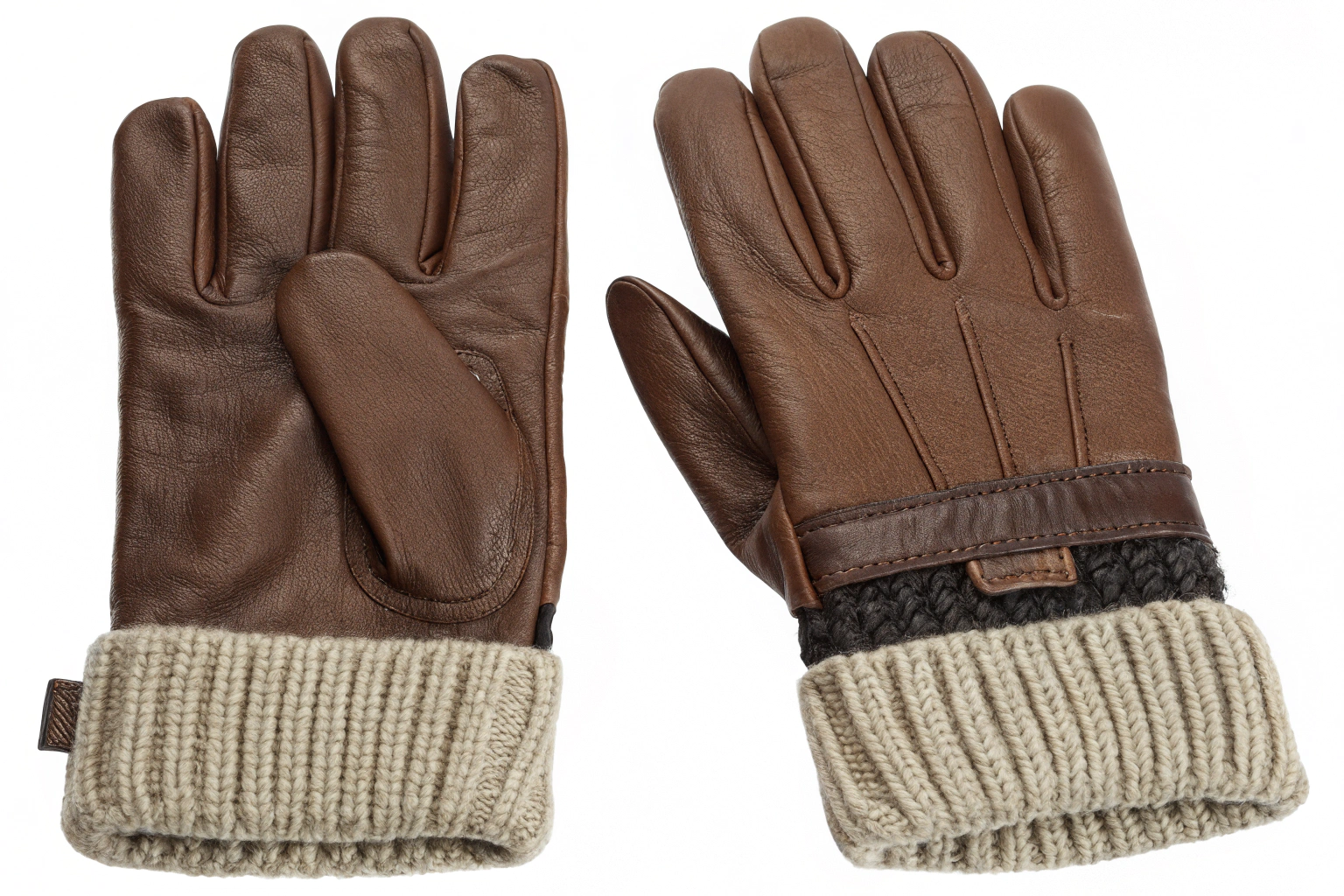
Specialized lighting setups address the unique visual challenges presented by different glove materials and colors. Our detection system for transparent nitrile gloves uses backlighting to reveal thickness variations and microscopic pinholes that are invisible under normal lighting. For dark-colored industrial gloves, we implement dark-field illumination that highlights surface texture anomalies and stitching defects. The most challenging application—inspecting black leather gloves for surface scratches—required a combination of low-angle lighting and polarization filters to reveal defects without specular reflection interference. This lighting expertise has been crucial for maintaining consistent inspection quality across our diverse glove product lines, each requiring tailored optical approaches.

How to handle different glove types in detection systems?
Glove manufacturing involves diverse materials, constructions, and quality requirements that demand flexible detection approaches. A one-size-fits-all system would miss critical defects specific to each glove category and fail to adapt to production changes.
Handling different glove types in detection systems requires configurable inspection parameters, material-specific algorithms, adjustable fixturing, and recipe management that allows quick changeover between product lines while maintaining consistent detection accuracy across all glove varieties.
What inspection approaches work for disposable versus reusable gloves?
Material-appropriate defect classification ensures relevant quality standards are applied to each glove category. Our system for disposable medical examination gloves focuses on critical safety defects like pinholes, thin spots, and contamination—issues that could compromise protection. The algorithms are trained to ignore cosmetic issues that don't affect functionality. Conversely, for reusable fashion leather gloves, the system prioritizes aesthetic defects like scratches, color inconsistencies, and stitching imperfections that impact perceived quality and durability. This targeted approach has reduced unnecessary rejection of functional disposable gloves by 42% while improving aesthetic quality consistency in our premium glove lines by 37%. The system maintains separate defect classification models for each glove category, automatically applying the appropriate quality standards based on product identification.
How does the system adapt to various glove sizes and materials?
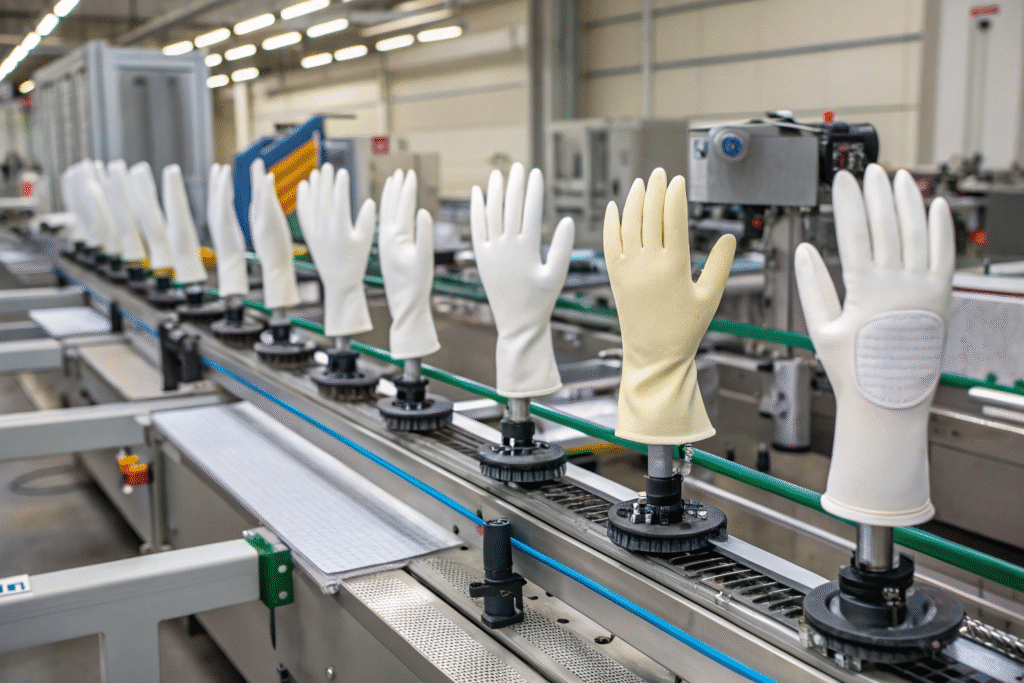
Automated fixture adjustment and parameter scaling enable the detection system to handle size variations from small medical gloves to large industrial gloves. Our implementation uses programmable pneumatic fixtures that automatically adjust to different glove sizes, ensuring consistent presentation to the vision system regardless of dimensions. When switching from inspecting small food service gloves to large chemical protection gloves, the system automatically changes camera field of view, lighting intensity, and inspection parameters. This adaptability has reduced changeover time from 45 minutes to under 3 minutes between different glove production runs. The system also compensates for material behavior differences—stretchy latex requires different handling and inspection approaches than rigid coated fabrics, and our system adjustments account for these material characteristics automatically.
What defect types can automated systems reliably detect?
Glove defects range from critical functional flaws to cosmetic issues, with varying importance based on glove type and application. Manual inspection often misses subtle defects while inconsistently applying rejection criteria across shifts and inspectors.
Automated detection systems can reliably identify pinholes, thickness variations, contamination, stitching defects, dimensional inaccuracies, color inconsistencies, and surface imperfections with greater consistency and accuracy than human inspection. These systems apply consistent standards 24/7 while learning to recognize new defect patterns over time.
How does the system identify critical safety defects in medical gloves?
Advanced leak detection and material integrity testing identifies defects that could compromise protective function. Our system for medical glove inspection combines air inflation with high-resolution imaging to detect pinholes as small as 10 microns—far beyond human visual capability. The gloves are inflated to standardized pressure while cameras scan the surface for escaping air bubbles or abnormal expansion patterns. This method has identified manufacturing issues in our latex formulation that were creating microscopic weak spots undetectable by traditional water leak tests. The system also uses UV fluorescence to detect organic contamination that might not be visible under normal light. This comprehensive safety-focused inspection has helped us achieve and maintain medical-grade certification while reducing customer complaints about glove integrity by 94%.
What techniques reveal surface and stitching defects in fashion gloves?
Multi-spectral imaging and texture analysis detect aesthetic defects that impact product value and customer satisfaction. Our system for leather fashion gloves uses raking light at multiple angles to reveal surface scratches, grain inconsistencies, and color variations that might be missed under uniform lighting. For inspecting stitching on driving gloves, the system follows the stitch line using pattern recognition algorithms that identify skipped stitches, tension variations, and thread breaks with 0.1mm precision. The most challenging defect category—consistent seam strength—required implementing pull testing integrated with visual inspection to correlate visible stitching characteristics with actual durability. This combined approach has reduced returns for stitching-related issues by 82% while improving overall product quality consistency.

How to integrate detection systems with existing production lines?
Retrofitting automated detection into existing glove manufacturing lines presents challenges of space constraints, synchronization with existing equipment, and minimal disruption to ongoing production. Many manufacturers struggle with integration that maintains production flow while adding inspection capabilities.
Integrating detection systems with existing production lines requires mechanical interfacing, synchronization with line controls, data system integration, and phased implementation that minimizes production disruption while delivering immediate inspection benefits. Successful integration balances technical requirements with practical manufacturing constraints.
What mechanical integration approaches minimize production disruption?
Modular system design and parallel installation enable implementation without stopping existing production. Our approach involves building and testing the complete detection system offline, then installing it during planned maintenance periods. For our disposable glove production line, we created a modular inspection station that replaced a manual inspection table with minimal mechanical modifications. The system uses the existing conveyor with added synchronization sensors to track glove position accurately. This installation method allowed us to implement automated inspection with only 8 hours of production downtime, compared to the 3-5 days typically required for traditional equipment installations. The modular design also facilitates future upgrades and maintenance without significant production impact.
How does data integration enhance overall manufacturing intelligence?
Comprehensive data collection and analysis transforms inspection from a quality gate to a source of manufacturing intelligence. Our detection system records every inspected glove's results, including defect types, locations, and severity scores. This data integrates with our production management system to correlate defect patterns with specific machines, shifts, and material batches. When we noticed increased pinhole defects in nitrile gloves from one production line, the data analysis identified a correlation with specific environmental conditions in that area of the factory. Addressing the humidity control issue reduced the defect rate by 73%. The system also provides real-time alerts to operators when defect rates exceed thresholds, enabling immediate corrective action before significant scrap accumulates. This data-driven approach has reduced material waste by 28% and improved overall equipment effectiveness by 19%.

Conclusion
Implementing an effective glove detection system requires careful planning around vision technology selection, material-specific approaches, defect classification strategies, and production integration. The most successful implementations combine technical excellence with practical manufacturing knowledge to create systems that deliver immediate quality improvements while providing long-term manufacturing intelligence. By addressing the unique challenges of glove inspection—flexible materials, varied product types, and critical defect detection—manufacturers can achieve significant quality, efficiency, and profitability improvements that strengthen their competitive position.
If you're considering implementing a glove detection system in your manufacturing operations, we invite you to contact our Business Director, Elaine. She can discuss how our experience with automated inspection systems can help you achieve your quality improvement goals. Reach her at: elaine@fumaoclothing.com.