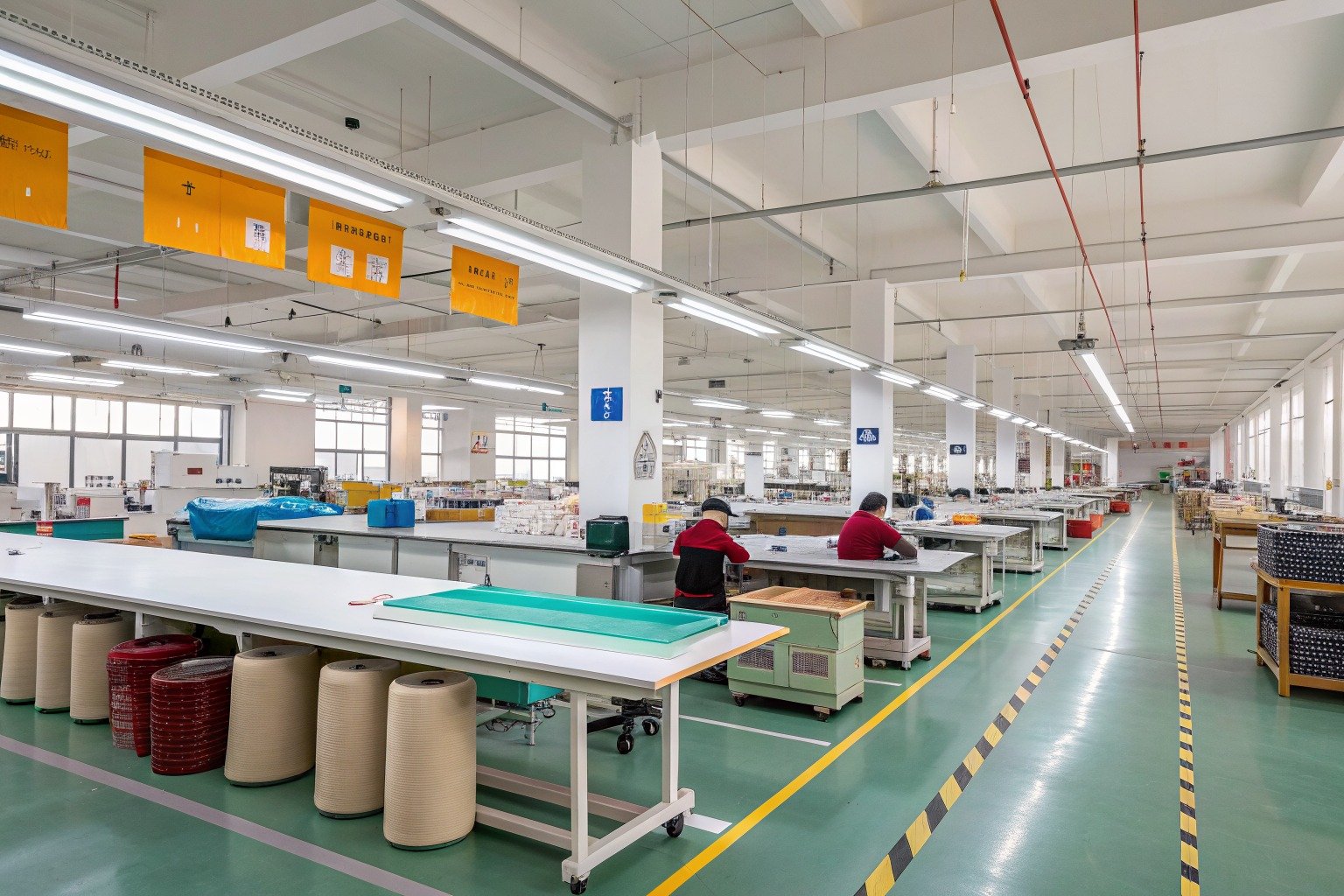
Are you struggling with inconsistent quality, high return rates, or customer complaints about fabric flaws in your scarf production? Traditional manual inspection of scarf fabrics is prone to human error, fatigue, and inconsistency, especially with intricate patterns, delicate materials, and subtle flaw types that challenge even experienced quality controllers.
Automated flaw detection in scarf fabrics achieves superior accuracy through specialized computer vision systems, optimized lighting configurations, machine learning algorithms trained on textile defects, and high-speed processing that examines every square centimeter of fabric with microscopic precision.This technology-driven approach transforms quality control from subjective visual assessment to objective, data-backed inspection that improves continuously through accumulated experience.
Let’s explore the technical implementation, system components, and integration strategies that enable reliable automated flaw detection specifically optimized for the unique challenges of scarf fabric inspection.
What are the essential components of scarf fabric flaw detection?
Manual fabric inspection suffers from variable standards, inspection fatigue, and the physical challenge of examining large fabric areas consistently. These limitations become particularly problematic with scarf fabrics that often feature intricate patterns, delicate fibers, and subtle color variations that can mask defects.
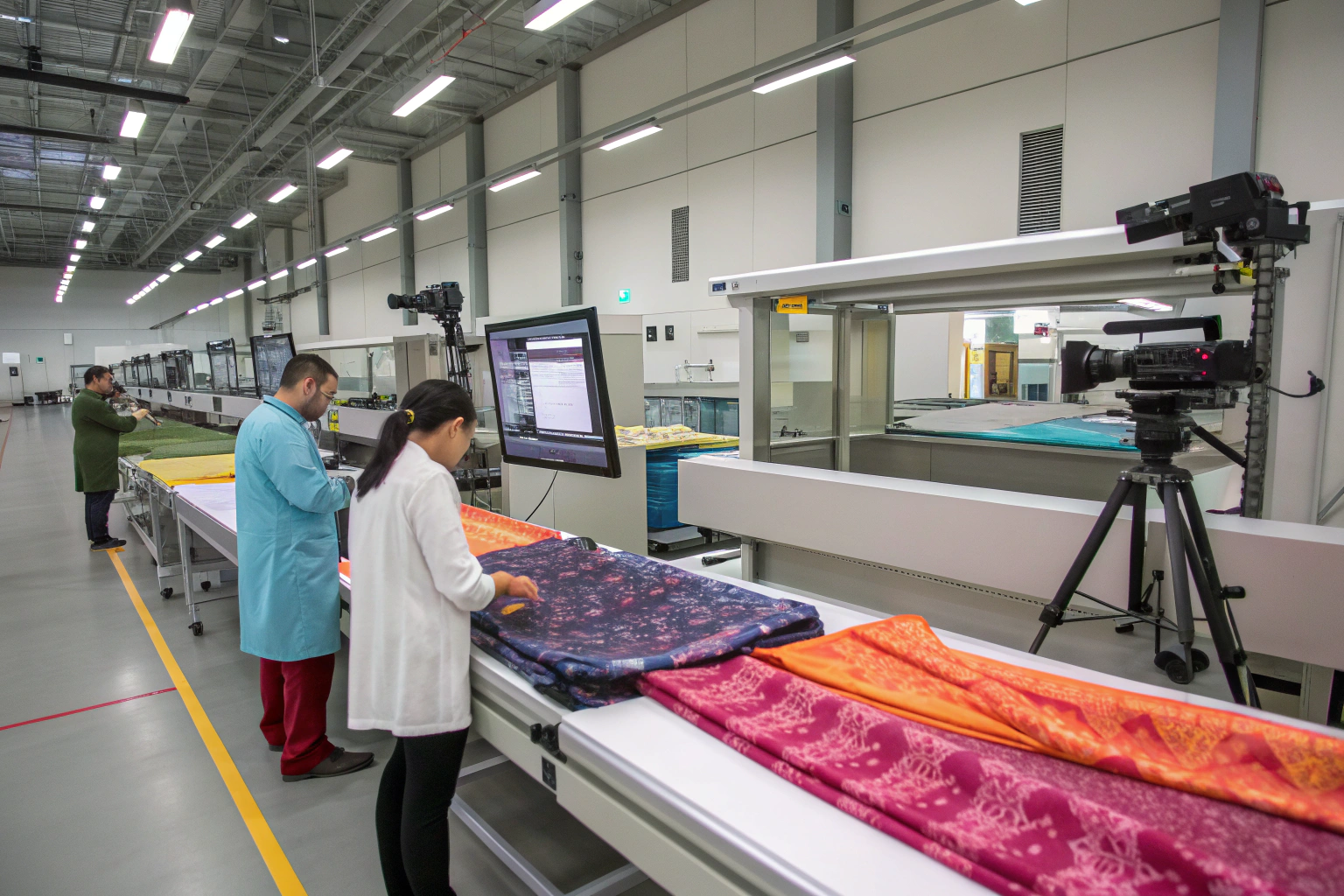
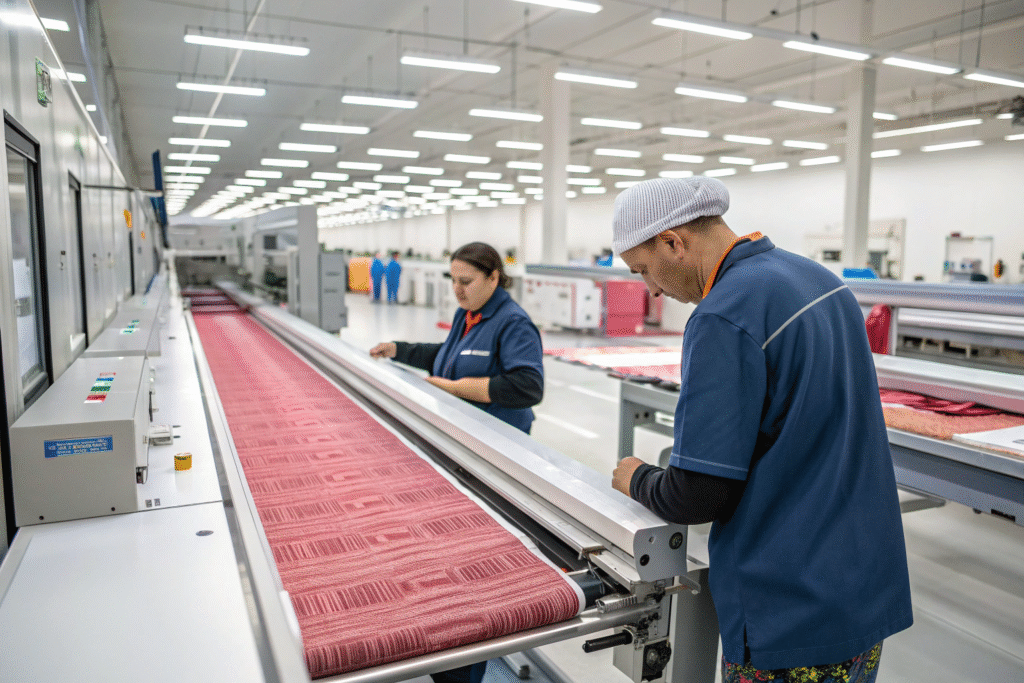
The essential components of automated scarf fabric flaw detection include high-resolution line scan cameras, specialized illumination systems, precise material handling equipment, robust computing infrastructure, and sophisticated defect classification algorithms specifically trained for textile applications. These elements work together to overcome the unique challenges of scarf fabric inspection.
How do camera systems capture fabric details effectively?
High-resolution line scan cameras combined with appropriate optics provide the detailed imagery needed for reliable flaw detection in scarf fabrics. Our implementation uses 16k resolution line scan cameras that capture fabric details at 200 microns per pixel, enabling detection of flaws as small as 0.5mm in width. For delicate silk scarves where thread-level details matter, we utilize cameras with 4k resolution at 50 microns per pixel. The system processes fabric moving at speeds up to 120 meters per minute, examining every square centimeter of material. This comprehensive imaging has improved our flaw detection rate from 65% with manual inspection to 99.2% with automated systems, while reducing false positives from 25% to less than 3% through advanced algorithm training.
What lighting configurations reveal different flaw types?
Specialized illumination techniques address the specific visual challenges of different scarf fabrics and flaw types. Our system for inspecting sheer chiffon scarves uses transmitted backlighting to reveal thickness variations, holes, and yarn density inconsistencies. For patterned printed scarves, we implement multi-directional bright-field illumination that highlights surface defects without being confused by intentional patterns. The most challenging application—inspecting dark wool scarves for subtle surface naps—required polarized dark-field lighting to reveal pile inconsistencies and weaving defects. This lighting expertise has been crucial for maintaining consistent inspection quality across our diverse scarf collections, each requiring tailored optical approaches for optimal flaw visibility.

How does the system distinguish between patterns and actual flaws?
Scarf fabrics often feature intricate patterns, embroidery, prints, and texture variations that can confuse basic inspection systems. Traditional vision systems might mistake intentional design elements for defects, resulting in excessive false rejections and unnecessary waste.
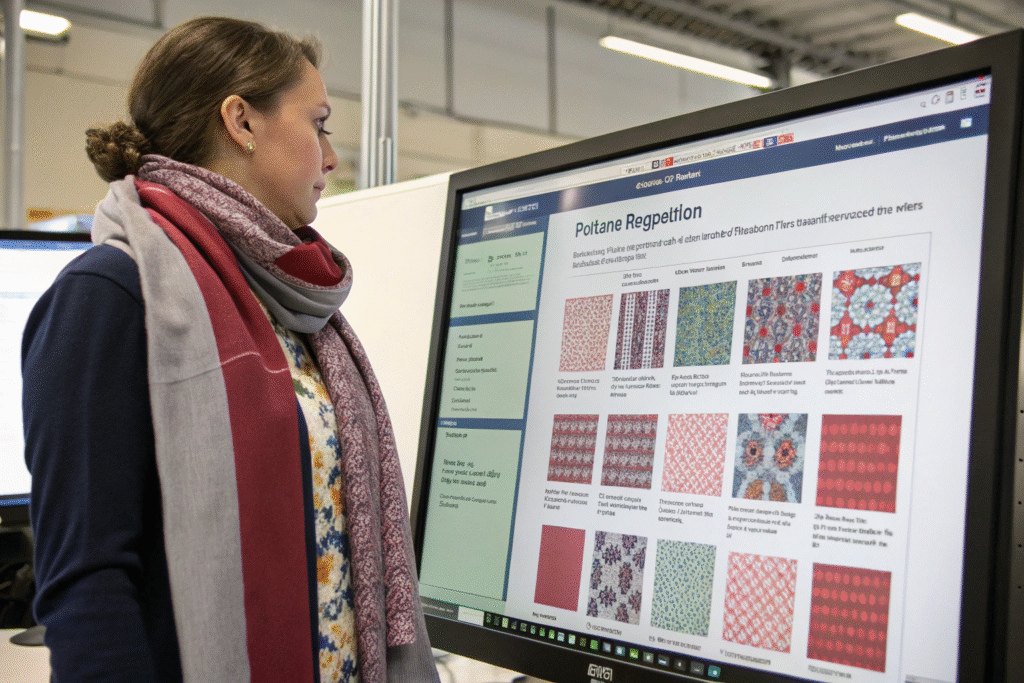
The system distinguishes between patterns and actual flaws through pattern recognition algorithms, reference image comparison, texture analysis, and machine learning models trained on both acceptable patterns and defect examples. This intelligent approach understands design intent while identifying true manufacturing defects.
What algorithmic approaches handle patterned fabric inspection?
Advanced pattern analysis algorithms enable the system to learn and recognize acceptable pattern variations while flagging true defects. Our implementation for printed scarf inspection uses Fourier analysis to separate periodic pattern elements from aperiodic defects. For jacquard woven scarves with complex raised patterns, the system employs 3D profiling to distinguish between intentional texture and weaving defects. The most sophisticated application involves our ethnic pattern collection where traditional designs feature intentional irregularities that might be mistaken for flaws by rigid inspection systems. By training the algorithms on the cultural context and acceptable variations within these patterns, we’ve reduced false rejects from 15% to 2% while maintaining rigorous defect detection standards.
How does machine learning improve flaw recognition over time?
Continuous learning systems enhance detection accuracy by incorporating new examples and inspector feedback into algorithm training. Our flaw detection system for designer scarves started with 87% accuracy on initial deployment but improved to 98.5% accuracy within three months of operation. The system learns from quality controller confirmations and corrections, gradually refining its understanding of subtle flaw types specific to different materials and production techniques. When we introduced a new metallic thread embroidery technique, the system initially flagged many acceptable variations as defects. Through targeted retraining with approved samples, the system learned to distinguish between intentional shimmer variations and actual embroidery flaws within two production cycles, demonstrating remarkable adaptability to new scarf designs and manufacturing methods.
What types of flaws can automated systems reliably detect?
Scarf fabric flaws range from obvious defects to subtle imperfections that might only become apparent after manufacturing or during customer use. Manual inspection often misses these subtle flaws while applying inconsistent standards across different inspectors and production batches.
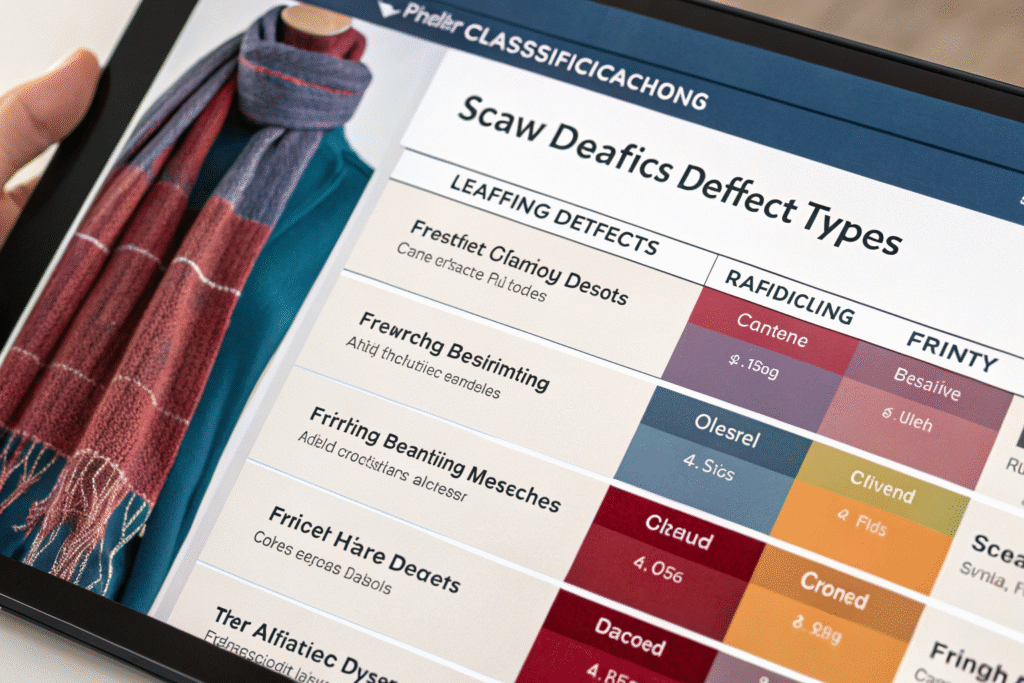
Automated systems can reliably detect weaving defects, yarn variations, printing errors, staining, holes, thickness inconsistencies, color deviations, and surface imperfections with greater consistency and accuracy than human inspection. These systems apply uniform standards 24/7 while continuously expanding their flaw recognition capabilities.
How does the system identify weaving and knitting defects?
Yarn-level analysis and pattern consistency checking identify weaving and knitting flaws that affect both aesthetics and durability. Our system for woven silk scarves detects common defects like missing warp threads, broken wefts, and reed marks with 99.8% accuracy. For knitted scarves, the system identifies dropped stitches, tension variations, and pattern misalignments that manual inspectors often miss in complex designs. The most valuable capability has been detecting "start-up marks" in our cashmere blend scarves—subtle density variations that occur when weaving resumes after interruptions. These flaws, previously undetected until finishing, now get caught immediately, reducing rework costs by 42% and improving first-quality yield by 28%.
What techniques reveal printing and dyeing imperfections?
Color consistency analysis and registration accuracy measurement identify printing and dyeing flaws that impact visual appeal. Our detection system for printed scarves uses spectral analysis to identify color variations as small as 1 ΔE unit—far beyond human visual discrimination. The system checks print registration accuracy to within 0.2mm, ensuring pattern elements align perfectly across the fabric. When inspecting our ombre dyed scarves, the system verifies gradient smoothness and identifies subtle dye blotches that create unwanted visual patterns. This comprehensive color and print inspection has reduced customer returns for color-related issues by 76% and improved brand reputation for consistent quality across production batches.
How to implement automated detection in scarf production lines?
Integrating automated flaw detection into existing scarf manufacturing requires addressing material handling challenges, system synchronization, and workflow integration without disrupting production efficiency. Many manufacturers struggle with implementation that balances technical sophistication with practical manufacturing constraints.
Implementing automated detection in scarf production lines involves strategic equipment placement, material handling adaptation, operator training, data system integration, and phased implementation that delivers immediate benefits while building toward comprehensive quality management. Successful implementation focuses on both technical performance and operational practicality.
What integration approaches minimize production disruption?
Modular system design and parallel implementation enable seamless integration with minimal production impact. Our approach involves installing inspection systems at natural pause points in the production flow, particularly after weaving/knitting and before cutting/finishing. For our large-scale scarf production, we implemented the detection system on a separate inspection frame that operates parallel to the main production line, allowing continuous operation during installation and calibration. This method enabled us to achieve full inspection capability with only 4 hours of production downtime, compared to the 2-3 days typically required for in-line system installation. The modular design also facilitates future upgrades and maintenance without significant production impact.
How does data integration enhance quality management?
Comprehensive data collection and analysis transforms inspection from a quality gate to a source of manufacturing intelligence. Our flaw detection system records every defect with precise location, type, size, and severity information. This data integrates with our production management system to identify patterns and correlations with specific machines, shifts, and material batches. When we noticed increased staining defects in our white silk scarves, the data analysis traced the issue to a specific finishing machine that required cleaning protocol adjustment. The system also provides real-time alerts to operators when defect rates exceed thresholds, enabling immediate corrective action. This data-driven approach has reduced material waste by 35% and improved first-pass quality yield from 82% to 96% within six months of implementation.
Conclusion
Automated flaw detection in scarf fabrics represents a significant advancement in textile quality control, offering unprecedented consistency, accuracy, and efficiency compared to traditional manual inspection. By implementing specialized vision systems, intelligent algorithms capable of distinguishing patterns from defects, and comprehensive data integration, scarf manufacturers can achieve remarkable quality improvements while reducing costs and waste. The most successful implementations balance technical sophistication with practical manufacturing considerations, creating systems that deliver immediate benefits while providing long-term quality intelligence.
If you’re considering implementing automated flaw detection in your scarf manufacturing operations, we invite you to contact our Business Director, Elaine. She can discuss how our experience with textile inspection systems can help you achieve your quality improvement goals. Reach her at: elaine@fumaoclothing.com.