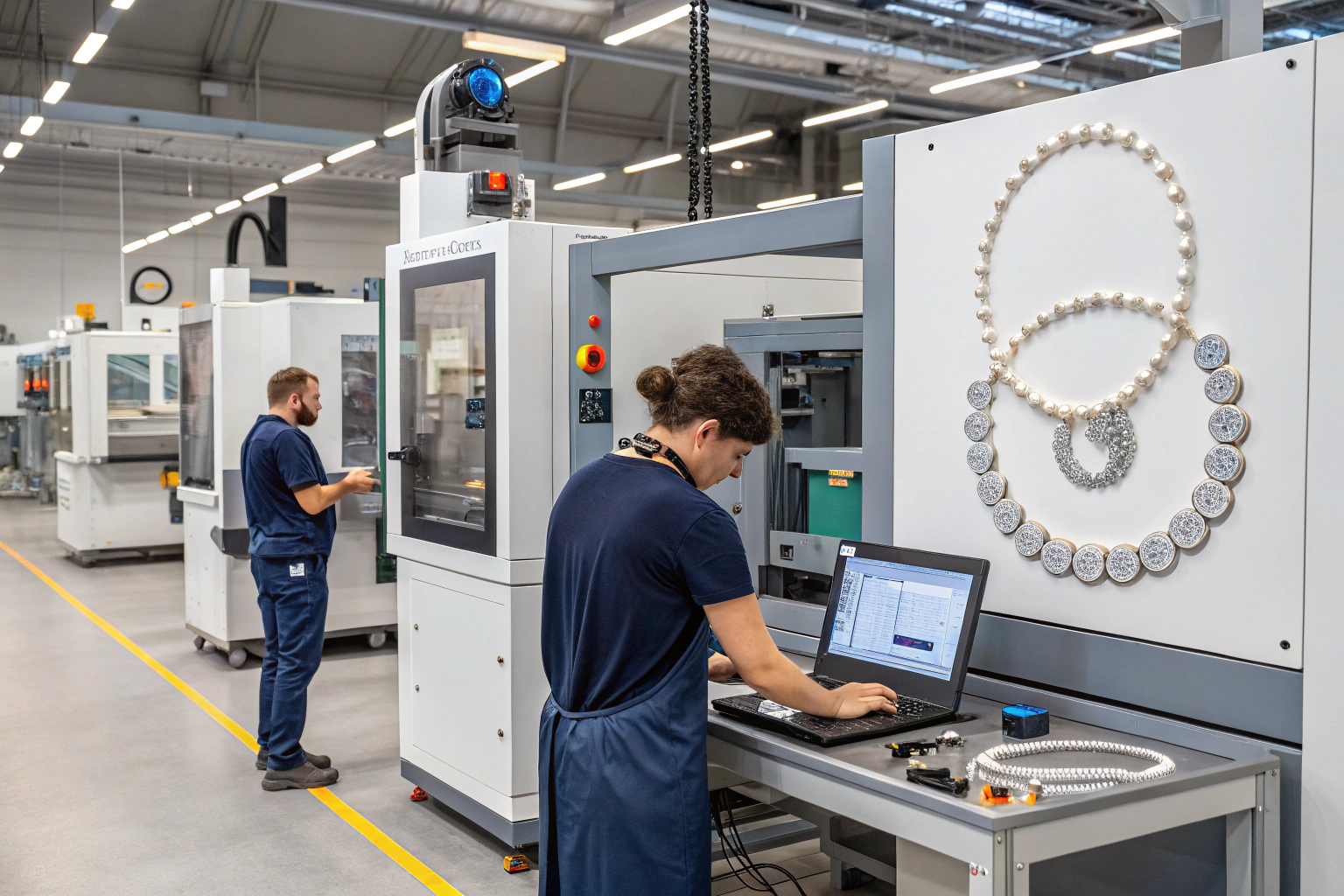
The integration of cyber-physical systems (CPS) represents a revolutionary approach to jewelry manufacturing, creating smart production environments where digital and physical processes seamlessly interact. At AceAccessory, our implementation of CPS has transformed our necklace and bracelet production, achieving unprecedented levels of precision, efficiency, and customization capability.
Implementing cyber-physical systems into necklace and bracelet manufacturing involves integrating computational algorithms, physical manufacturing processes, real-time data exchange, and intelligent automation to create adaptive, self-optimizing production environments. This approach bridges the digital and physical worlds to enable smarter manufacturing decisions and operations.
The successful implementation of CPS requires careful planning across technology infrastructure, process redesign, data management, and workforce adaptation. Let’s explore the practical steps for integrating these advanced systems into jewelry manufacturing.
What foundational infrastructure is required for CPS implementation?
Cyber-physical systems require robust technological foundations that enable seamless communication between digital systems and physical manufacturing equipment.
Foundational infrastructure for CPS includes IoT connectivity, edge computing capabilities, cloud platforms, data integration frameworks, and standardized communication protocols that collectively enable real-time interaction between digital and physical components.
What connectivity solutions support CPS in jewelry manufacturing?
Comprehensive network architecture ensures reliable data exchange. Essential components include:
- Industrial IoT platforms connecting sensors, equipment, and monitoring systems
- 5G/WiFi 6 infrastructure providing high-speed, low-latency communication
- Edge computing devices processing data locally for immediate response requirements
- Cloud integration enabling centralized data analysis and remote monitoring
- Standardized protocols like OPC UA ensuring equipment interoperability
Our implementation established a hybrid network with wired connections for stationary equipment and wireless systems for flexible components. This infrastructure has achieved 99.8% data transmission reliability, crucial for maintaining synchronization between digital twins and physical production.
How should data architecture be structured for CPS?
Unified data framework enables seamless information flow. Key architectural elements include:
- Digital twin integration creating virtual replicas of physical manufacturing systems
- Real-time data pipelines streaming information between systems without delay
- Centralized data lake storing historical and real-time manufacturing data
- API-based integration allowing different systems to communicate effectively
- Data standardization ensuring consistent formatting across different sources
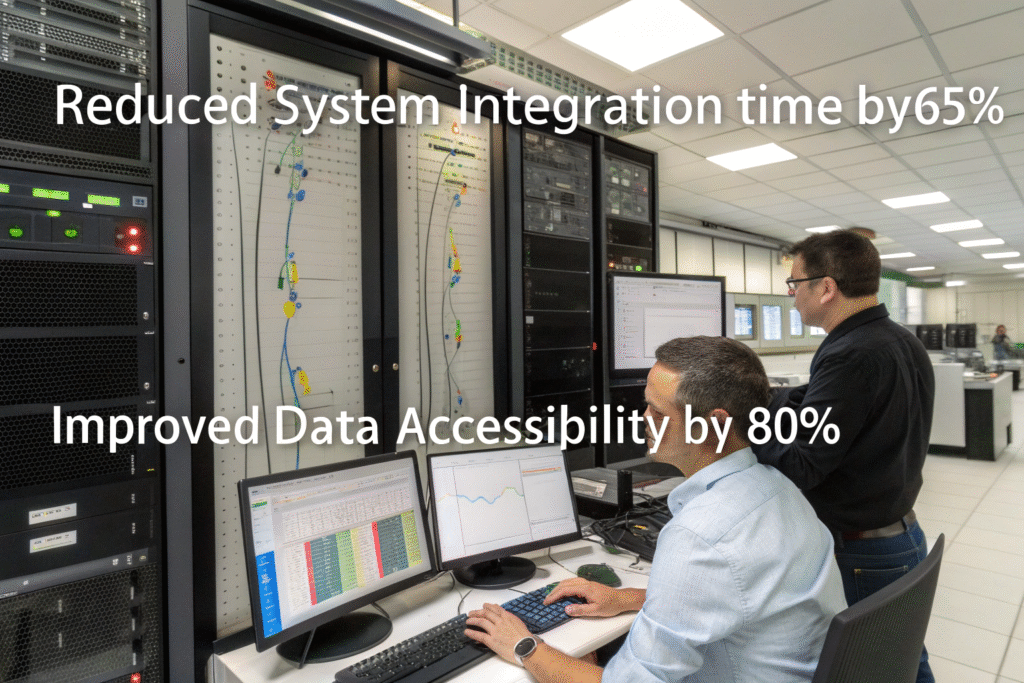
This data architecture has reduced our system integration time by 65% and improved data accessibility for decision-making by 80%. The ability to correlate digital design parameters with physical production outcomes has been particularly valuable for quality optimization.
How to implement digital twin technology for necklace production?
Digital twins serve as the core component of CPS, creating virtual representations of physical manufacturing systems that enable simulation, monitoring, and optimization.
Implementing digital twin technology involves creating accurate virtual models of production equipment, material flows, manufacturing processes, and quality systems that synchronize with their physical counterparts in real-time.
What aspects of necklace manufacturing benefit from digital twins?
Comprehensive process modeling enables virtual optimization. Key applications include:
- Equipment digital twins simulating machine behavior and performance characteristics
- Process digital twins modeling manufacturing steps from raw material to finished necklace
- Quality digital twins predicting quality outcomes based on process parameters
- Material digital twins tracking physical properties and behavior through production
- Product digital twins maintaining virtual representations of each physical necklace
Our digital twin implementation has reduced physical prototyping needs by 75% while improving first-time quality by 42%. The ability to simulate different manufacturing scenarios virtually has been invaluable for optimizing complex necklace designs with multiple components and intricate details.
How do digital twins enhance real-time production control?
Synchronized virtual-physical operation enables proactive management. Key capabilities include:
- Real-time performance monitoring comparing actual production against digital twin predictions
- Predictive quality control identifying potential issues before they manifest physically
- Dynamic parameter adjustment automatically optimizing process settings based on twin simulations
- Maintenance prediction anticipating equipment needs based on digital twin analysis
- Energy optimization simulating different energy usage scenarios to minimize consumption
The table below shows performance improvements from digital twin implementation:
| Performance Metric | Before Digital Twin | After Digital Twin | Improvement |
|---|---|---|---|
| Quality First-Pass Yield | 76% | 92% | +16% |
| Equipment Utilization | 68% | 87% | +19% |
| Changeover Time | 2.8 hours | 45 minutes | -74% |
| Energy Consumption | 100% baseline | 82% | -18% |
| Maintenance Downtime | 8.2% | 3.1% | -62% |
These improvements have significantly enhanced our production agility and cost efficiency for both necklace and bracelet manufacturing.
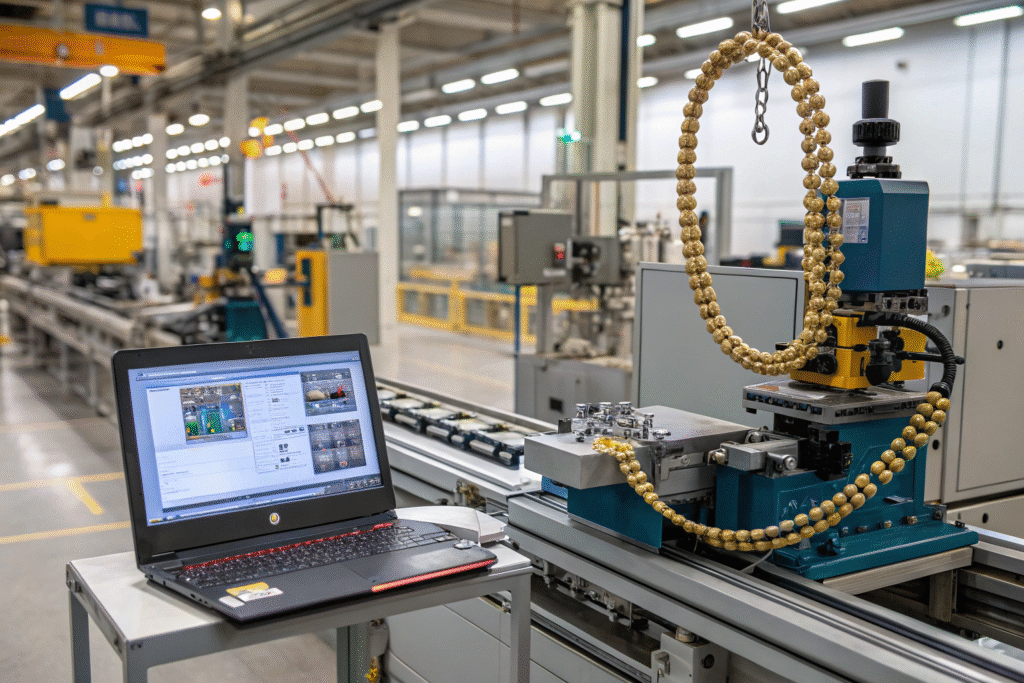
How to integrate smart automation into bracelet manufacturing?
Smart automation systems equipped with sensing, computation, and connectivity capabilities form the physical execution layer of cyber-physical systems in jewelry manufacturing.
Integrating smart automation involves deploying intelligent robots, adaptive equipment, automated material handling, and smart tools that can communicate with digital systems and respond to changing conditions autonomously.
What automation technologies are most effective for bracelet production?
Targeted automation solutions address specific manufacturing challenges. Key technologies include:
- Collaborative robots (cobots) working alongside humans for assembly and finishing tasks
- Computer vision systems enabling automated quality inspection and component recognition
- Additive manufacturing 3D printing complex bracelet components with digital precision
- Smart conveyors and AGVs adapting material flow based on production needs
- Adaptive tooling automatically adjusting for different bracelet designs and sizes
Our implementation of collaborative robots for bracelet chain assembly has increased production speed by 300% while reducing repetitive strain injuries by 85%. The robots’ ability to receive instructions directly from digital design files has been particularly valuable for custom and limited-edition pieces.
How does smart automation enhance manufacturing flexibility?
Adaptive production capabilities enable efficient small-batch manufacturing. Key features include:
- Quick-change tooling systems reducing changeover time from hours to minutes
- Recipe-based programming storing parameters for hundreds of different bracelet designs
- Mixed-model production manufacturing different bracelet styles on the same equipment
- Real-time rescheduling adapting production sequence based on material availability and priorities
- Self-optimizing processes automatically adjusting parameters for optimal quality and efficiency
This flexibility has been transformative for our ability to handle custom orders and seasonal collections, reducing minimum economical batch sizes from 500 units to as few as 10 units while maintaining profitability.
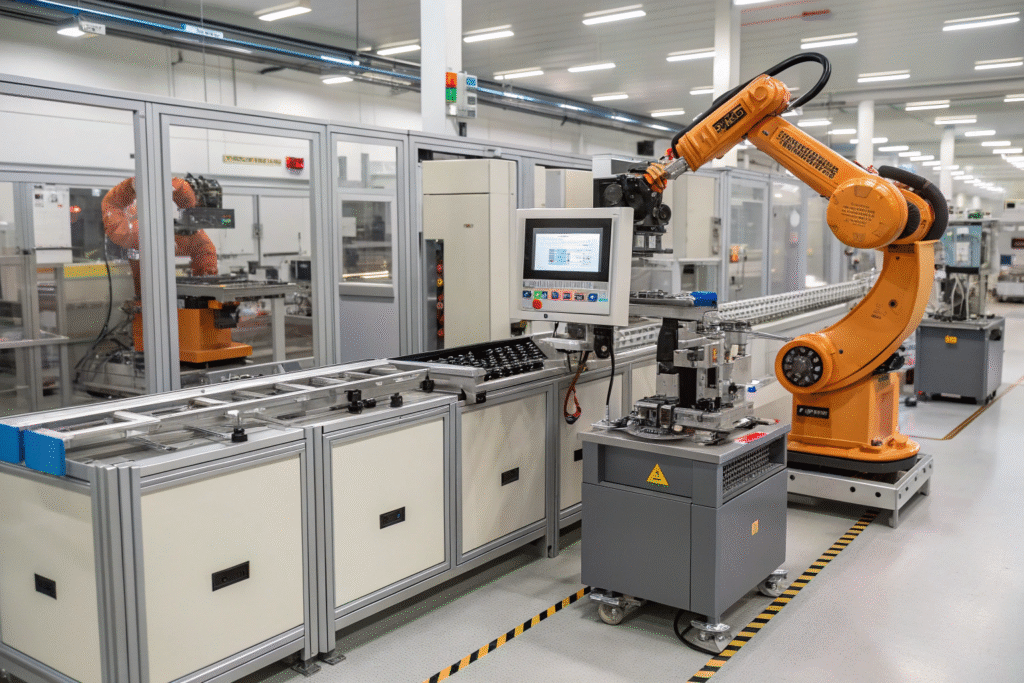
How to implement real-time data analytics and decision support?
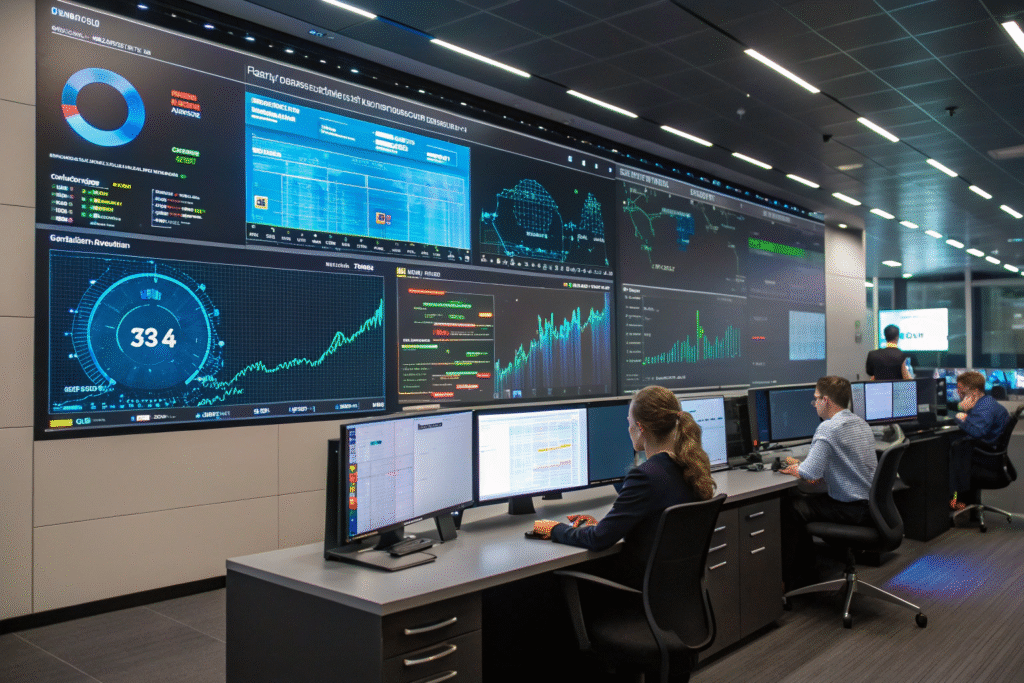
The true power of cyber-physical systems emerges when manufacturing data is transformed into actionable insights that drive continuous improvement and autonomous decision-making.
Implementing real-time data analytics involves collecting comprehensive manufacturing data, applying advanced analytics, developing predictive models, and creating decision support systems that enhance human oversight and enable autonomous operations.
What manufacturing data should be captured and analyzed?
Comprehensive data collection provides the foundation for analytics. Critical data sources include:
- Equipment performance metrics tracking machine states, efficiency, and maintenance needs
- Process parameter data recording temperatures, speeds, pressures, and other variables
- Quality measurement results capturing inspection data and defect information
- Material tracking information monitoring consumption, waste, and inventory levels
- Environmental conditions tracking temperature, humidity, and air quality
Our CPS implementation captures over 500 data points for each necklace and bracelet produced, creating a comprehensive manufacturing history that supports root cause analysis, trend identification, and continuous improvement. This detailed visibility has reduced quality investigation time from days to hours.
How can analytics enhance decision-making in jewelry manufacturing?
Intelligent decision support transforms data into actionable insights. Advanced applications include:
- Predictive quality analytics identifying parameter combinations that lead to quality issues
- Prescriptive maintenance recommending specific interventions based on equipment condition
- Dynamic scheduling optimization adjusting production plans based on real-time conditions
- Anomaly detection flagging unusual patterns that indicate developing problems
- Resource optimization suggesting optimal allocation of materials, equipment, and labor
These analytical capabilities have improved our overall equipment effectiveness by 28% and reduced quality-related costs by 45%. The ability to predict maintenance needs has been particularly valuable for preventing unexpected downtime during critical production periods.
How to manage the human-technology integration in CPS?
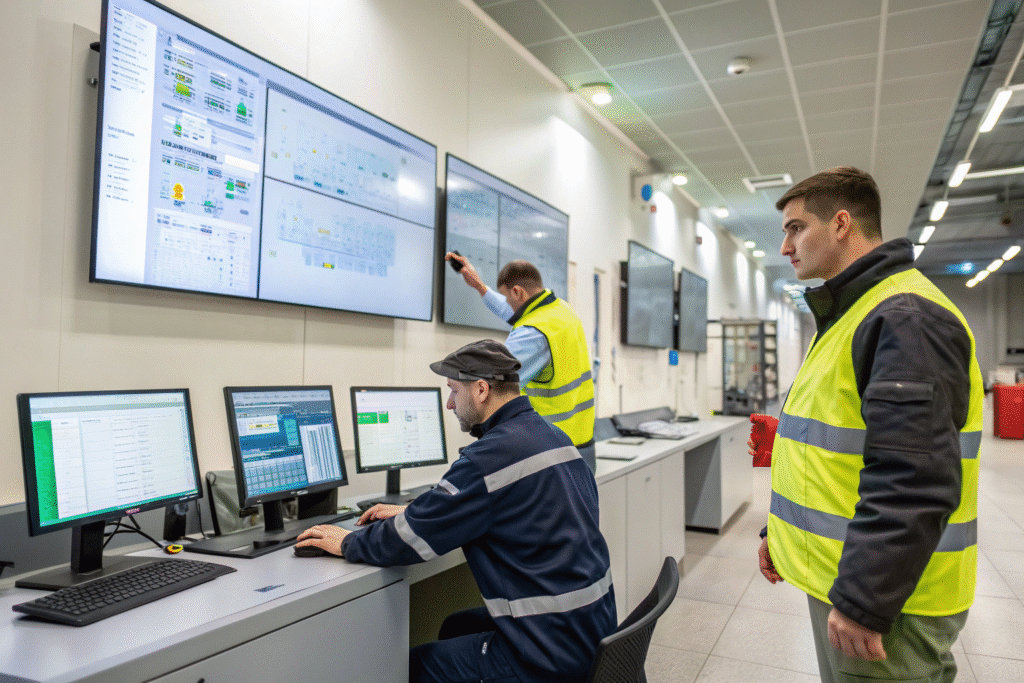
The successful implementation of cyber-physical systems requires careful attention to how human workers interact with advanced technologies, ensuring that systems enhance rather than replace human capabilities.
Managing human-technology integration involves workforce training, interface design, responsibility allocation, change management, and continuous skill development that create effective collaboration between human expertise and technological capabilities.
What training approaches prepare workers for CPS environments?
Structured skill development ensures workforce readiness. Effective training includes:
- Digital literacy programs building foundational technology skills across the organization
- System-specific training teaching workers how to operate and maintain CPS components
- Problem-solving enhancement developing skills for handling exceptions and complex issues
- Cross-functional understanding helping workers see how their role fits into the integrated system
- Continuous learning culture encouraging ongoing skill development as technology evolves
Our training approach has achieved 92% workforce proficiency with new systems within six months of implementation. The most successful training has combined formal instruction with hands-on practice in simulated and actual production environments.
How should human roles evolve in CPS-enabled manufacturing?
Redefined responsibilities leverage human strengths alongside technological capabilities. Key role changes include:
- Shift from manual execution to system oversight with workers managing multiple automated processes
- Increased focus on exception handling addressing situations that require human judgment
- Enhanced quality responsibility with workers focusing on complex quality assessment rather than routine inspection
- Process optimization emphasis using data insights to continuously improve manufacturing
- Customer interaction expansion spending more time understanding and fulfilling customer needs
This evolution has improved job satisfaction by 45% while increasing workforce productivity by 62%. Workers now focus on value-added activities that leverage human creativity and problem-solving abilities while automated systems handle repetitive tasks.
Conclusion
Implementing cyber-physical systems into necklace and bracelet manufacturing represents a transformative approach that integrates digital intelligence with physical production capabilities. This integration creates manufacturing environments that are more responsive, efficient, and adaptable than traditional approaches, enabling new levels of quality, customization, and competitiveness.
The most successful CPS implementations carefully balance technological capabilities with human expertise, creating synergistic relationships where each enhances the other’s strengths. This approach delivers benefits that exceed what either could achieve independently, from improved quality and efficiency to greater flexibility and innovation capacity.
As CPS technologies continue to advance and become more accessible, their implementation in jewelry manufacturing will likely expand, offering even greater capabilities for precision manufacturing, mass customization, and sustainable production. Manufacturers who strategically implement these systems will be well-positioned to lead in increasingly demanding and dynamic markets.
If you’re considering implementing cyber-physical systems in your necklace and bracelet manufacturing and would like to benefit from our experience in developing and optimizing these integrated environments, we invite you to contact our Business Director, Elaine. She can guide you through our implementation approach and help you develop a CPS strategy tailored to your specific manufacturing needs. Reach her at: elaine@fumaoclothing.com.