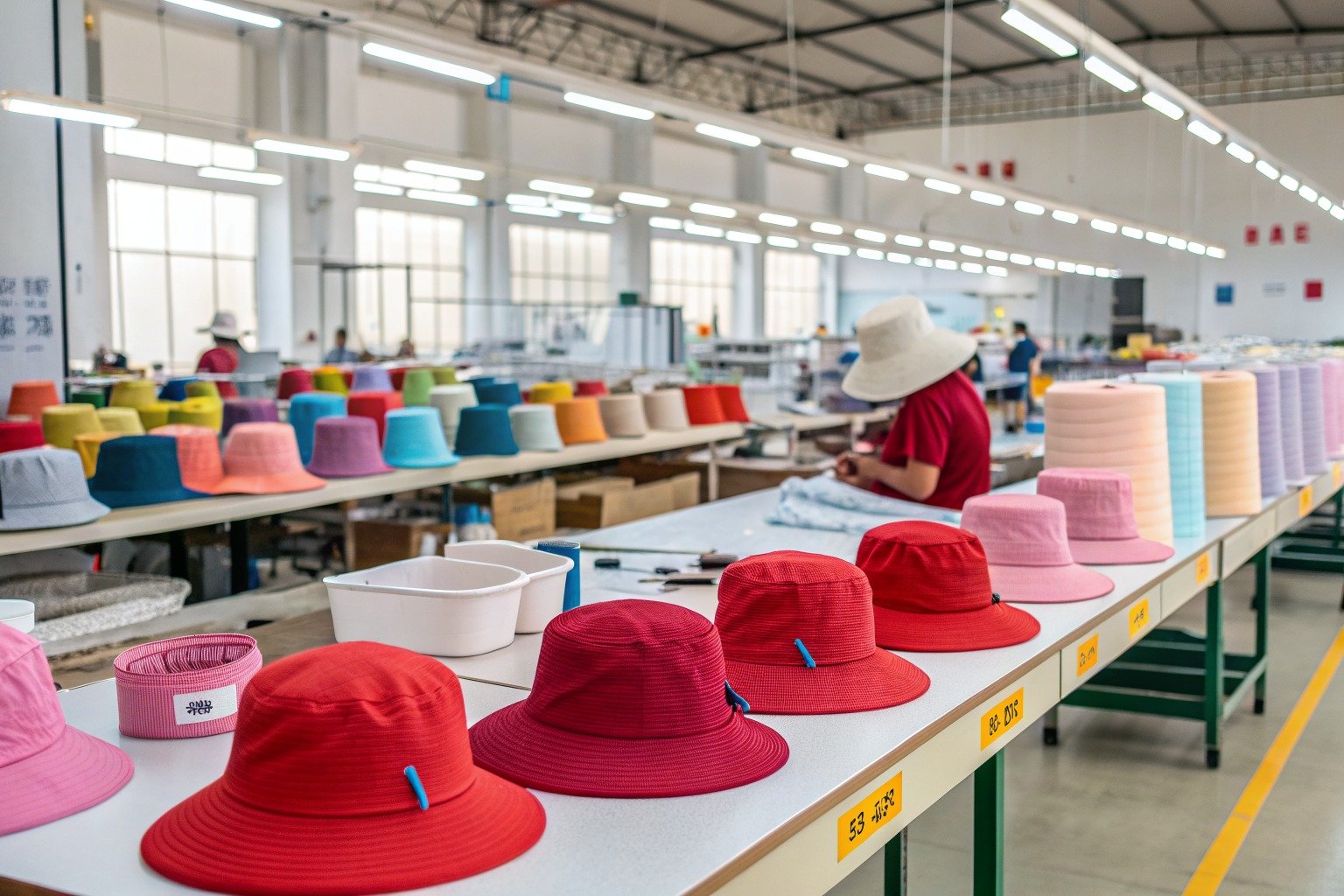
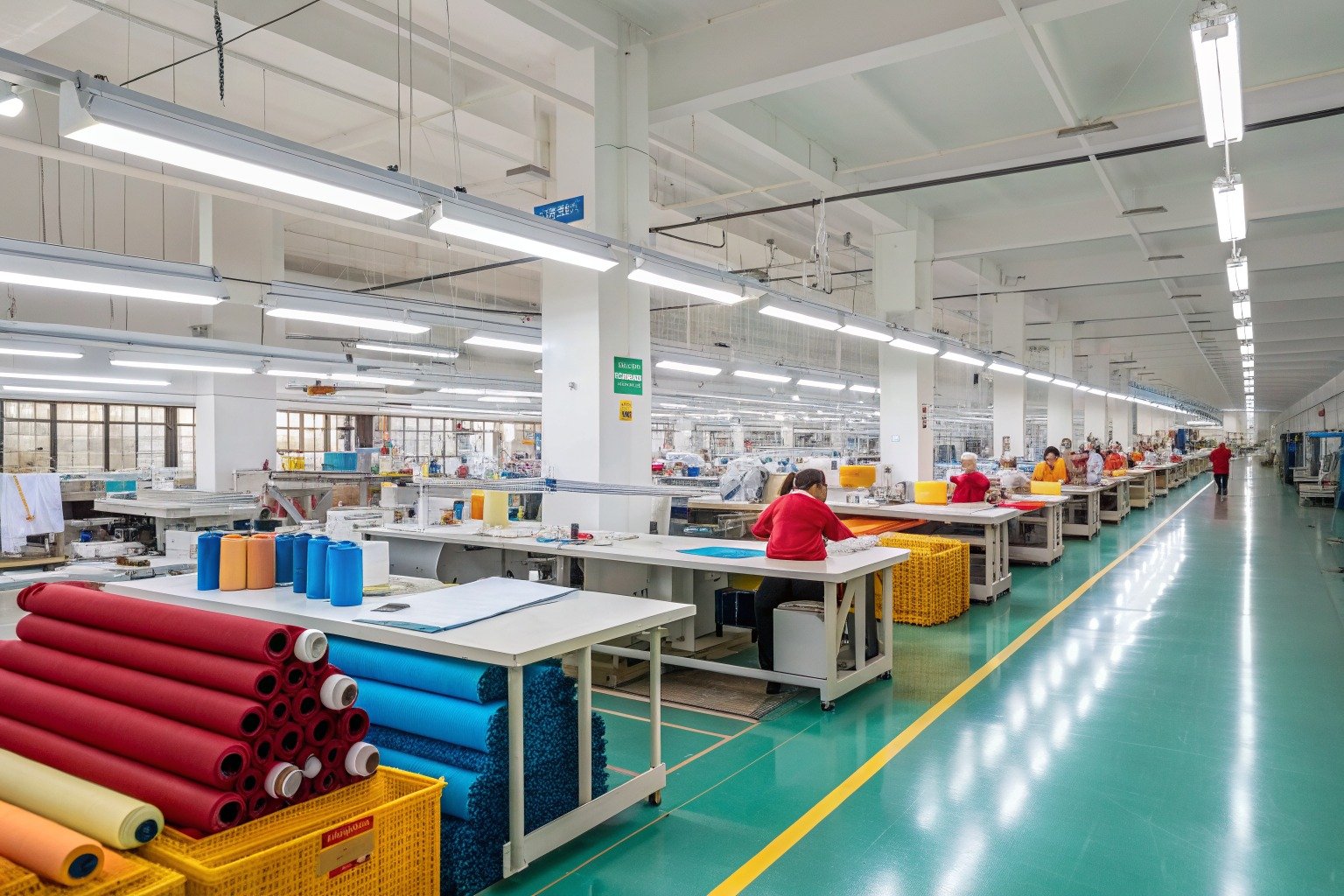
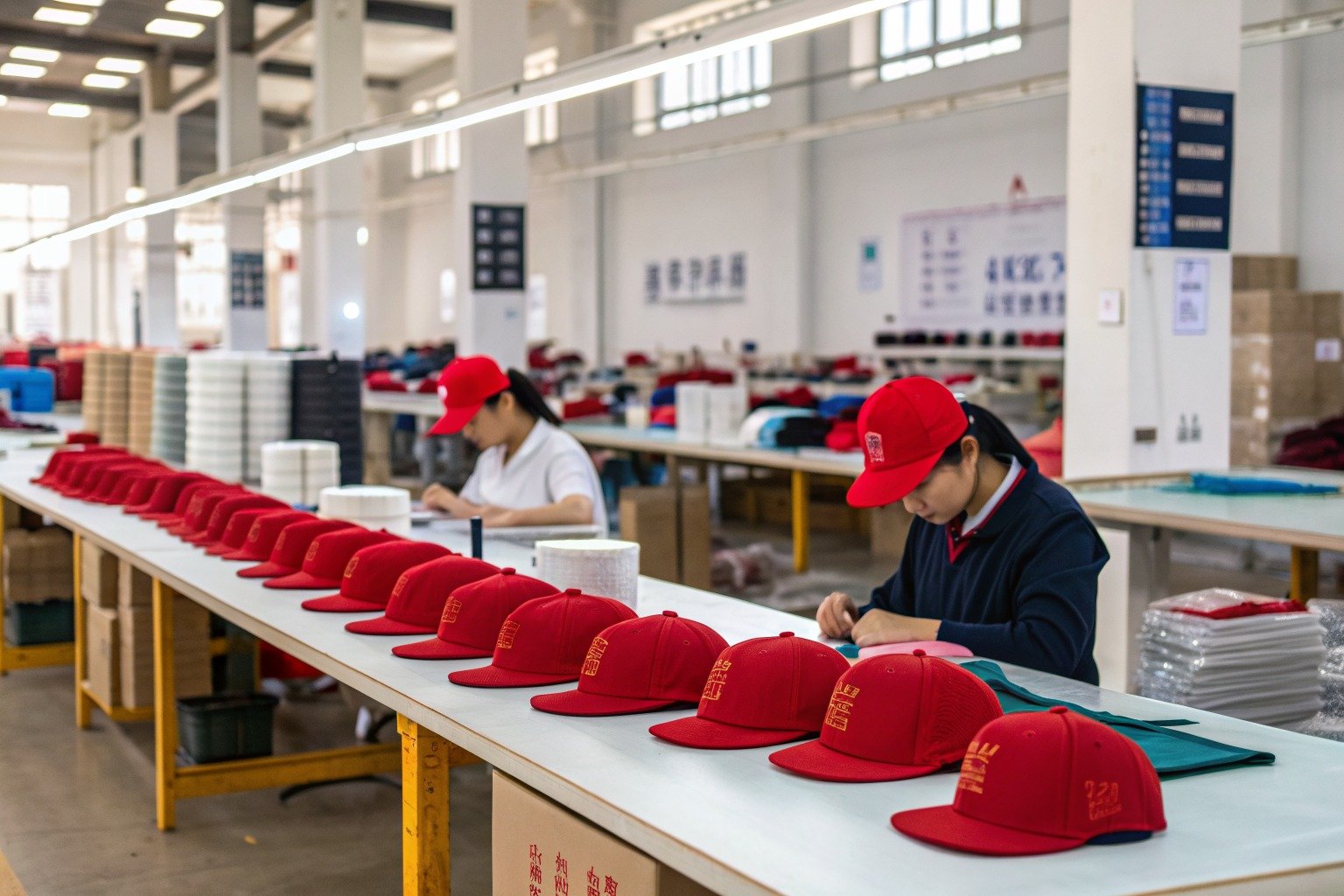
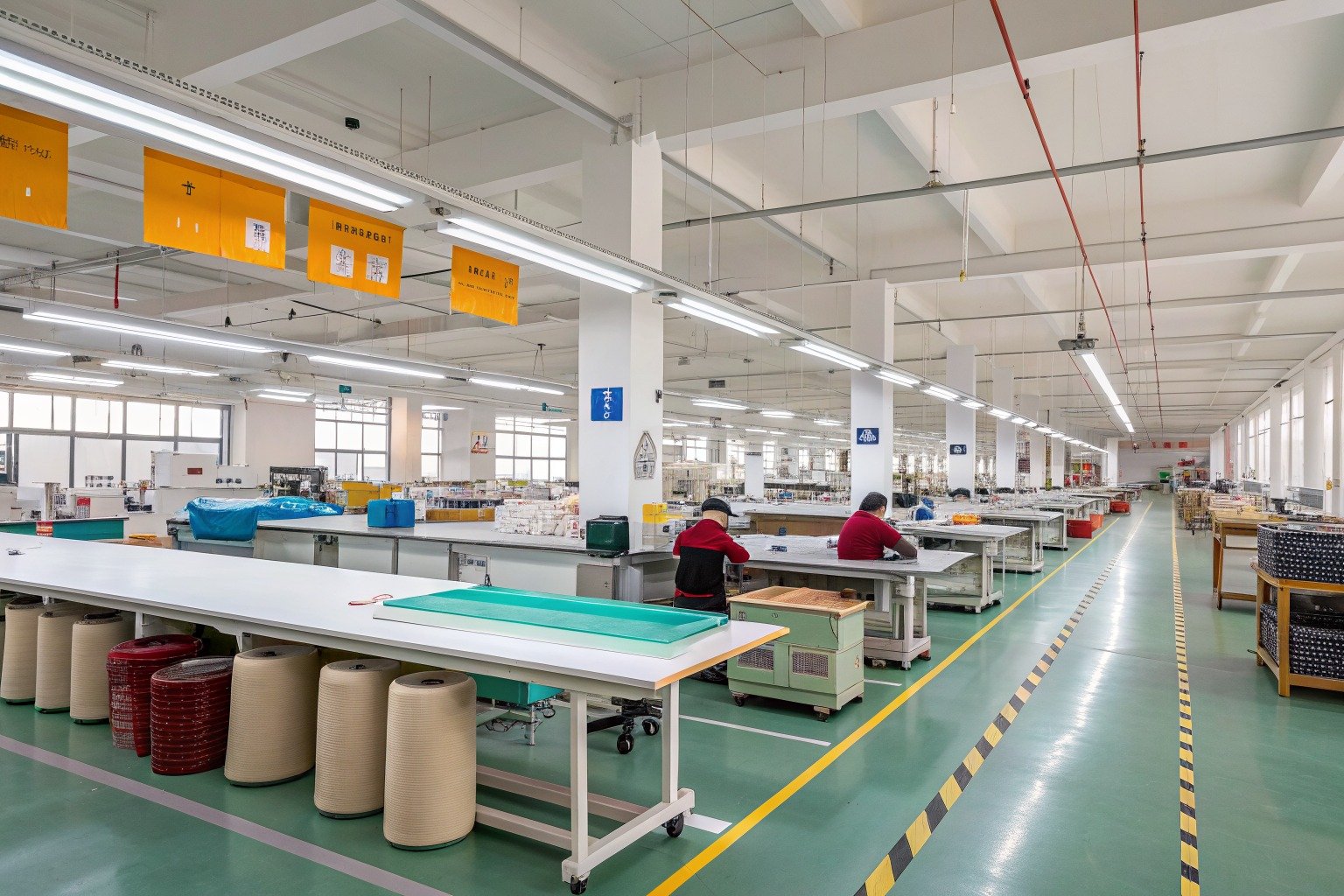
As a manufacturer and exporter, I know that your brand’s reputation depends on the quality of the products you sell. A single batch of faulty hair clips can lead to unhappy customers, returns, and damage to your brand’s image. You need a supplier who treats quality control with the same seriousness as you do. How can you be sure that the hair clips you order from China meet your exact standards before they are shipped to your warehouse in the US or Europe?
The most effective way to verify the quality of hair clips before shipping is to partner with a manufacturer that has a robust, multi-stage quality control system. This system should include thorough inspections of raw materials, strict checks during the production process, and a final random inspection against a pre-agreed standard, such as the AQL, before the goods are packed. This proactive approach catches defects early, saving you from the high costs and logistical headaches of receiving poor-quality goods.
Let’s break down the specific steps and checks you should expect from your supplier to ensure every shipment of hair clips is perfect.
What Are The Key Material Checks For Hair Clips?
The foundation of a high-quality hair clip is the material. Flimsy plastic or metal that rusts easily will lead to product failure and customer complaints. Insisting on rigorous material checks is the first and most crucial step in the quality control process.
A reliable manufacturer will begin quality control before production even starts. We require certificates of analysis for all incoming raw materials, from the plastic pellets and metal alloys to the pigments and coatings. For example, we verify that our plastic resins are from reputable sources and test metal components for composition and anti-rust properties. This initial screening prevents substandard materials from ever entering our production line, ensuring the fundamental quality and safety of the final hair clips.

Why is raw material certification non-negotiable?
Using certified raw materials is the first defense against product failure. We insist that our material suppliers provide relevant certificates, such as a Certificate of Analysis for plastics to ensure they are free from harmful substances and have the correct flexibility. For metal parts, we verify material grades to prevent the use of alloys that may corrode or break easily. This practice aligns with global safety standards, including those for REACH compliance, giving you confidence that the products are safe for your end consumers. It’s a simple step that prevents major issues down the line.
How do you test material durability and function?
Beyond paperwork, we perform physical tests on material samples. We subject plastic components to a flex test repeatedly to check for cracking. For metal springs in claw clips, we use a cycle testing machine to simulate thousands of opens and closes, ensuring the spring retains its tension. We also test coatings for adhesion and colorfastness to prevent chipping and fading. These practical tests, conducted in our in-house lab, simulate real-world use and are crucial for guaranteeing the functional durability of the hair clips you receive.
How Is The Production Process Monitored For Quality?
Quality isn’t just inspected in; it’s built into the product. Relying solely on a final inspection is risky, as it can miss issues that are baked into the production process. Continuous monitoring during manufacturing is essential for catching and correcting defects in real-time.
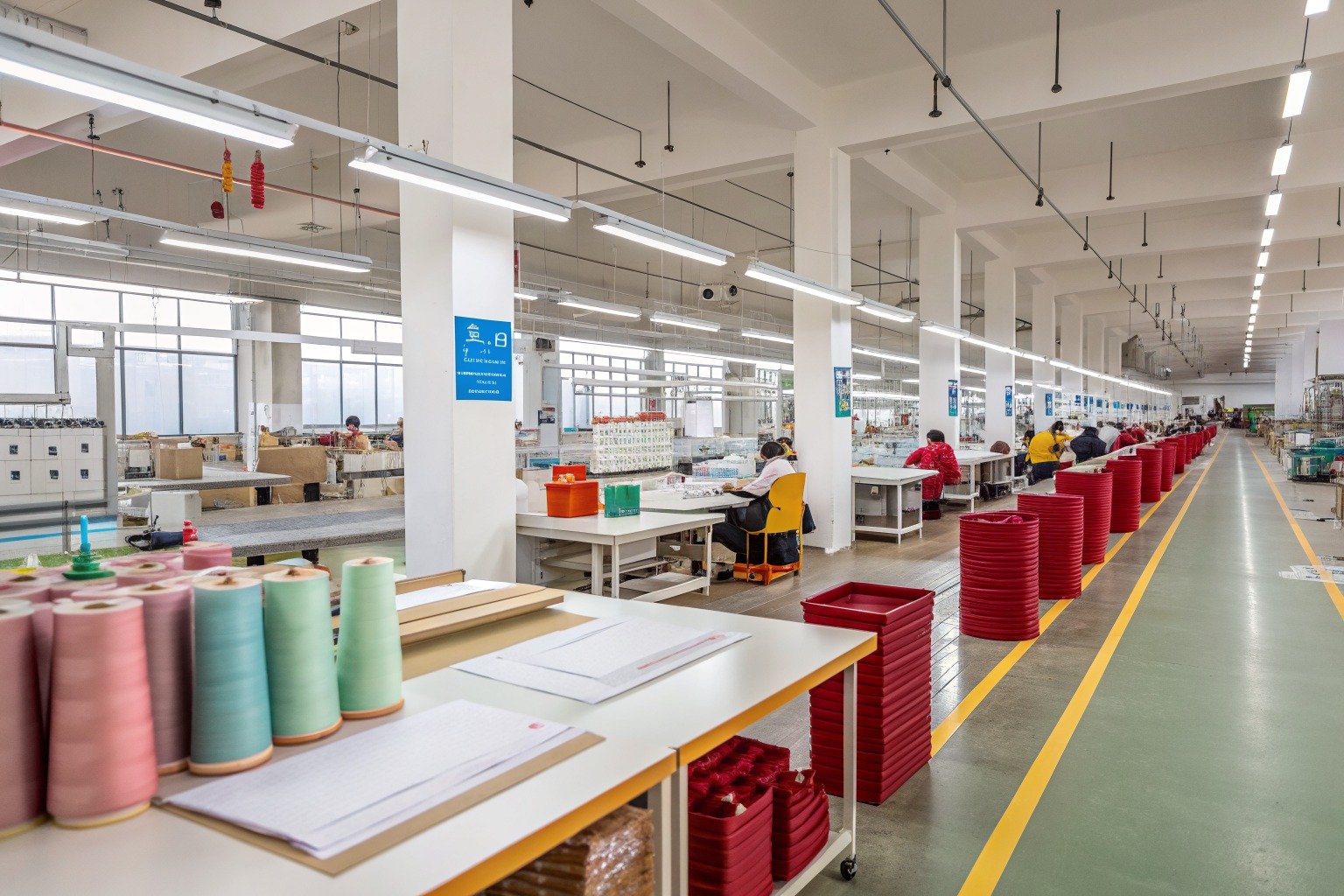
Our project managers and QC team conduct regular line audits. They check the settings on our injection molding machines to ensure they are producing clips with the correct dimensions and without flaws like flow lines or short shots. For decorated clips, we verify the alignment and consistency of printing or hot-stamping. This ongoing surveillance allows for immediate adjustments, minimizing waste and ensuring that the production run consistently meets the quality specifications we agreed upon with you.

What does in-process quality control involve?
In-process control is about proactive checks at various stages of assembly. For a simple hair clip, our QC staff might take samples from the production line every hour to check:
| Checkpoint | Tool Used | Acceptance Standard |
|---|---|---|
| Clip Size | Caliper | Must be within +/- 0.5mm of spec |
| Spring Tension | Force Gauge | Must meet minimum opening/closing force |
| Surface Finish | Visual Inspection | No scratches, bubbles, or dirt |
This data is recorded, allowing us to spot trends and correct machine settings or operator errors immediately, long before a large batch of defective units is produced.
How do you ensure consistent assembly and decoration?
For assembled hair clips, like claw clips with decorative elements, we monitor the assembly stations. We check that all parts snap together securely and that there is no glue residue. For decorated clips, we use approved color standards and limit samples to ensure every batch matches your brand’s colors perfectly. This attention to detail during the manufacturing process ensures visual consistency and functional reliability across your entire order.
What Does A Pre-Shipment Inspection Really Cover?
The pre-shipment inspection is your final safeguard. It is a comprehensive audit of the finished, packaged goods, ready for shipment. This inspection should be objective, data-driven, and based on a statistically valid sampling method to give you a true picture of the entire order’s quality.
We conduct our pre-shipment inspections according to the AQL (Acceptable Quality Limit) standard. This means we randomly select a sample size from the completed order based on statistical tables. Our inspectors, who are not part of the production team, check the samples against your approved prototype and specification sheet. They look for critical, major, and minor defects, from functional failures to minor cosmetic issues. The results determine if the batch passes or fails, providing a clear, unbiased quality report before the container is sealed.

How is an AQL inspection performed?
The AQL inspection is a systematic process. First, we determine the sample size based on the order quantity. Then, inspectors randomly select cartons from the warehouse and pull samples. Each unit is checked for:
- Critical Defects: Issues that render the product unsafe or non-functional (e.g., broken parts, sharp edges).
- Major Defects: Problems that would likely lead to a customer return (e.g., broken spring, significant color deviation).
- Minor Defects: Minor imperfections that do not affect function (e.g., a tiny, barely visible speck).
The number of defects found is compared to the AQL limits. If the defects exceed the limit for major issues, the batch fails and must be 100% sorted and re-inspected before release.
What is checked regarding packaging and labeling?
A proper pre-shipment inspection also covers packaging. We verify that the blister cards are not damaged, the poly bags are sealed and include any necessary warning labels, and the shipping cartons are strong enough for export. We also double-check that all barcode labels on the outer cartons scan correctly, which is vital for your warehouse receiving process. Proper packaging protects your investment during the logistics and clearance journey to your destination.
How Can You Be Involved In The Quality Verification Process?
A transparent partnership is key. You shouldn’t have to wait for the pre-shipment inspection report to see how your order is progressing. The best manufacturers will keep you in the loop and provide opportunities for you to verify quality at critical stages.
We empower our clients with visibility. Before mass production begins, we send a Design for Manufacturing report and pre-production samples for your approval. During production, we can share photos and videos of the process and the initial output. For the final pre-shipment inspection, you have the option to hire a third-party inspection company, or you can rely on our detailed inspection report with high-resolution photos and videos. This collaborative approach builds trust and ensures there are no surprises.

What is the role of pre-production samples?
The pre-production sample is your first tangible touchpoint with the product. It is made using the actual production materials and tools. You can physically test the clip, approve the color and feel, and give your final sign-off. This step is crucial for catching any discrepancies in the product development phase itself. Approving this sample sets a clear quality benchmark for both you and our factory, against which all future inspections will be measured.
How does third-party inspection support your verification?
Hiring a third-party inspection company like SGS or Bureau Veritas provides an extra layer of assurance. We fully support this. We provide them with access to our factory and the finished goods. Their independent report gives you a completely objective view of the product quality. While we are confident in our own quality control team, we understand that for large orders or new partnerships, this independent verification is a valuable step for you to manage your supply chain risk effectively.
Conclusion
Verifying the quality of hair clips before shipping is not a single event but a comprehensive process woven into every stage of manufacturing. It starts with certified raw materials, continues with vigilant in-process monitoring, and culminates in a rigorous, statistically valid pre-shipment inspection. Transparency and client involvement through samples and reporting are the cornerstones of a trustworthy supplier relationship. By insisting on these steps, you can confidently import hair clips that are durable, safe, and meet your customers’ expectations, protecting your brand and your bottom line.
If you are looking for a reliable partner who prioritizes quality and transparency for your hair accessory orders, we are here to help. Contact our Business Director Elaine today to discuss how we can produce your next batch of high-quality hair clips. Her email is: elaine@fumaoclothing.com.