As an accessory buyer, you face a constant battle. The pressure to offer competitive prices is immense. Yet, cutting corners on quality can damage your brand reputation and lead to customer dissatisfaction. At AceAccessory, we understand this dilemma intimately. We’ve partnered with numerous brands and retailers across the globe, helping them navigate the complex landscape of manufacturing in China. The question isn’t just about finding a low price; it’s about finding intelligent ways to achieve value.
The answer lies in a strategic partnership with a manufacturer that prioritizes efficiency at every stage of production. You can reduce costs without sacrificing quality by optimizing product design for manufacturability, leveraging a manufacturer’s robust supply chain and economies of scale, implementing rigorous in-line quality control to prevent waste, and choosing a partner with transparent logistics to avoid hidden fees and tariffs. This holistic approach targets the root causes of cost, not the symptoms.
Let’s explore the practical strategies that turn this possibility into a profitable reality for your business.
How does design for manufacturability cut your costs?
A design might look perfect on a screen, but if it’s difficult or inefficient to produce, your costs will skyrocket. At AceAccessory, our design team works backwards from the production line. We consider how a hair clip’s clasp is assembled or how a scarf’s hem is finished, right from the initial sketch. This proactive collaboration eliminates costly revisions and production delays down the road.
Design for Manufacturability (DFM) is the practice of designing products to make them easier and more cost-effective to produce. By simplifying assembly processes, selecting readily available materials, and standardizing components, we can significantly reduce labor hours and material waste. For example, a slight modification to a custom metal mold can reduce the cycle time for each injection molding piece, allowing for faster production runs and lower unit costs. This doesn’t change the aesthetic or function of your accessory; it makes it smarter to build.

What are the key DFM principles for accessories?
Applying DFM requires a detailed look at your product. We focus on three core principles. First, we minimize the number of parts. A hairband with three components instead of five is faster to assemble and has fewer potential failure points. Second, we standardize parts wherever possible. Using a common spring hinge for multiple hair clip designs simplifies procurement and reduces inventory costs. Third, we choose materials wisely. Often, a slightly different, more readily available fabric for a scarf can achieve the same look and feel at a lower cost and with shorter lead times.
How can your manufacturer help with value engineering?
Value engineering is a systematic method to improve the "value" of a product by examining its function. We ask, "What is the primary function of this belt?" If it’s decorative, can we achieve the same visual impact with a different buckle or stitching technique? Our project managers and engineers work as an extension of your team to analyze every component. We might suggest an alternative straw hat material that is more durable and cost-effective, or a different packaging solution that protects the product just as well but is cheaper to ship. This collaborative analysis often reveals surprising opportunities for savings without any compromise.
Can a supplier’s scale and logistics really lower my price?
Absolutely. A manufacturer’s operational scale and logistics capabilities are direct levers for your bottom line. Larger, consistent production volumes allow us to purchase raw materials like textile fabrics and metal components at significantly lower prices. These savings are then passed on to you. Furthermore, a factory with strong relationships with material suppliers ensures not only better pricing but also consistent quality and reliable delivery, preventing costly production stoppages.
Beyond the factory walls, logistics efficiency is where major hidden costs are often found. At AceAccessory, we have established partnerships with major shipping lines and freight forwarders. This allows us to consolidate shipments and secure preferential shipping rates that are often unavailable to smaller importers. We manage the entire process, from our warehouse to your destination port, ensuring transparency and avoiding the surprise fees that can erode your carefully calculated profit margins.

How does bulk material purchasing reduce my cost?
The economics are simple. When we order polyester thread or zinc alloy for belt buckles by the ton rather than by the kilogram, the price per unit plummets. Our purchasing power across a wide range of materials—from hat brims to umbrella canopies—gives us a distinct advantage. We maintain a large inventory of common materials, which means we can often start your production immediately without waiting for raw material deliveries, shortening your overall lead time and getting your products to market faster.
What logistics advantages should I look for?
You should look for a manufacturer that offers a seamless, transparent logistics experience. Key advantages include experience with US customs clearance, experience in handling Ocean freight logistics, and the ability to provide Door-to-Door (DDP) service. Our project managers handle all the complex documentation and coordination. We provide you with a clear sailing schedule and real-time tracking, so you’re never in the dark about your shipment’s status. This integrated approach saves you the time and expense of hiring and managing a separate logistics company.
Why is in-line QC a secret weapon for cost savings?
Many buyers view quality control as a cost center. We see it as one of the most powerful tools for cost reduction. The reason is simple: it’s always cheaper to prevent a defect than to fix it. Reworking faulty products, air-freighting replacements, and dealing with customer returns are enormous, often hidden, expenses. Our multi-stage QC process is designed to catch issues at the source, long before the product is finished and packed.
Our quality control team operates at every critical stage of production. They inspect raw materials upon arrival. They monitor the assembly line for early signs of deviation. They conduct thorough pre-shipment inspections based on internationally recognized standards like AQL sampling. This proactive approach ensures that a batch of hair clips with a weak clasp is corrected on the spot, preventing a much larger problem after shipping. This protects your brand and your wallet.

How does early defect detection save money?
Consider the cost trajectory of a defect. If a misstitch on a glove is found immediately by the sewing operator, it can be corrected in seconds. If found at the final inspection, it might require minutes to rework. If found by your customer, it leads to a return, a lost customer, and potentially a chargeback. The cost multiplies at each stage. Our in-line QC stops this cost escalation early. By investing in vigilant quality control processes, we save you from the far greater costs of failure after the fact.
What certifications should my accessory supplier have?
Certifications are independent verifications of a factory’s commitment to quality and ethical standards. They provide a baseline of trust. Key certifications to look for include the BSCI (Business Social Compliance Initiative) for social accountability and ISO 9001 for quality management systems. At AceAccessory, we maintain these and other relevant certifications. These are not just plaques on the wall; they are frameworks that ensure our processes are reliable, consistent, and capable of delivering the high-quality products you expect, batch after batch.
How can you avoid US tariffs on Chinese imports?
This is a critical concern for our American clients. While general US tariffs on Chinese goods are a reality, there are legal and effective strategies to mitigate their impact. The key is knowledge and precise classification. Many fashion accessories have specific Harmonized System (HS) codes, and the duty rates can vary significantly. Our expertise lies in correctly classifying your products and exploring all available avenues to minimize your duty liability.
We actively guide our clients on strategies to reduce their tariff burden. A powerful approach is considering a slight product modification. Sometimes, changing the material composition of an item, for example, using a different blend for a knit hat, can shift it into a category with a lower duty rate. We help you understand these possibilities during the development phase. Furthermore, for certain products, we can advise on the rules of origin and ensure all documentation is accurate to prevent any costly customs delays or disputes.

What is the first step to tariff reduction?
The first and most crucial step is obtaining the correct HS code for your product. This 10-digit code determines the duty rate. We have extensive experience in classifying a wide array of fashion accessories, from belts with metal buckles to umbrellas with wooden handles. We provide you with the recommended HS code for your goods, but we always advise you to consult with a licensed US customs broker for a binding ruling. This collaboration ensures you are fully prepared and compliant.
Are there legal ways to reduce tariff payments?
Yes, absolutely. One of the most straightforward methods is to utilize Foreign Trade Zones (FTZs) in the United States. Goods can be shipped to an FTZ without paying duties immediately, which helps with cash flow. Another strategy is to ensure your product’s value declaration is accurate and excludes non-dutiable charges like international freight. We provide transparent cost breakdowns and all necessary export documentation to support a correct and favorable valuation for customs purposes, ensuring you don’t pay a cent more than you legally should.
Conclusion
Reducing costs without sacrificing quality is not a myth; it’s a achievable outcome of a strategic manufacturing partnership. The path forward involves a holistic approach: designing for efficiency from the start, leveraging your supplier’s scale and logistics prowess, using quality control as a preventive financial tool, and navigating international trade regulations intelligently. This method targets the fundamental drivers of cost, creating a sustainable competitive advantage for your brand.
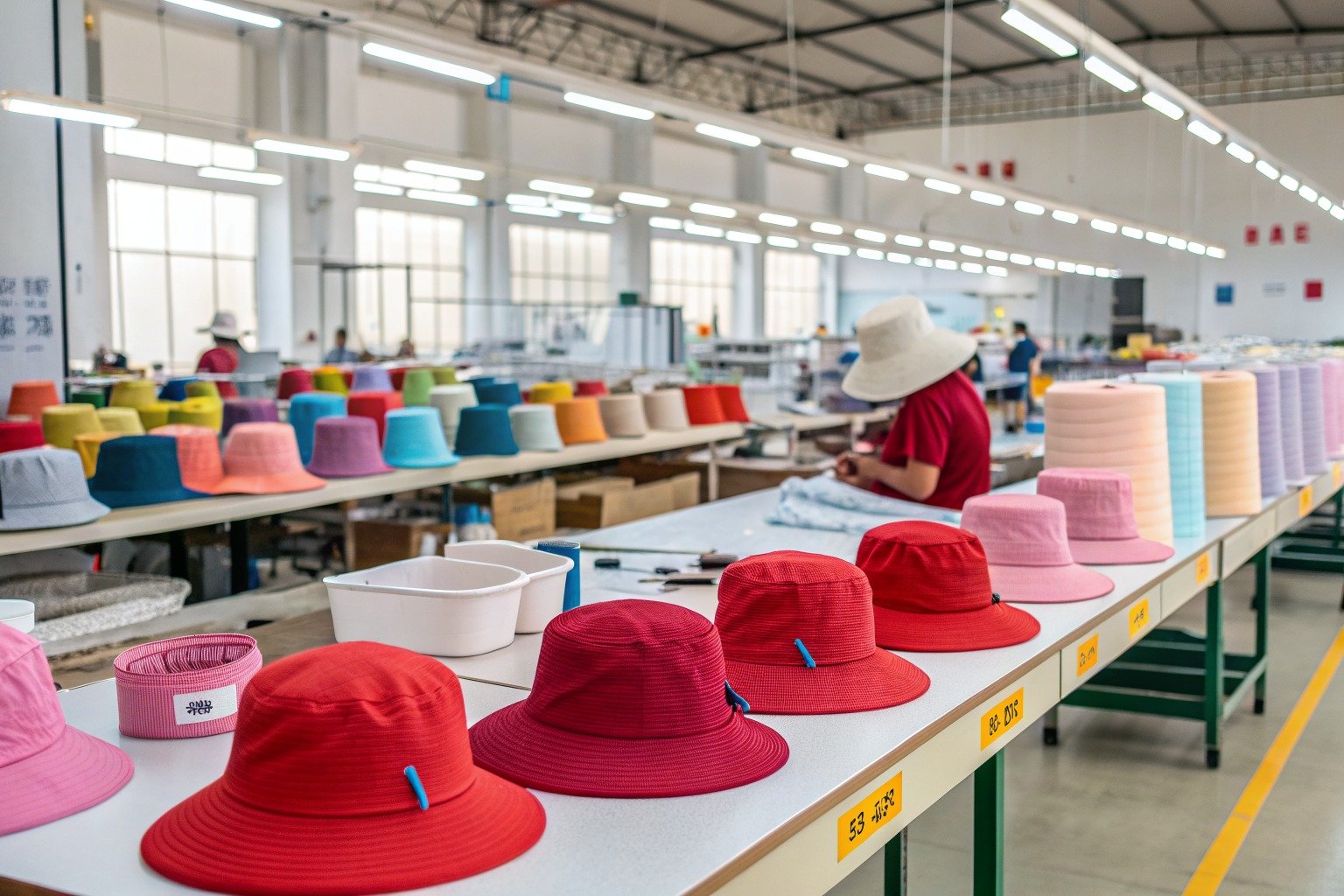
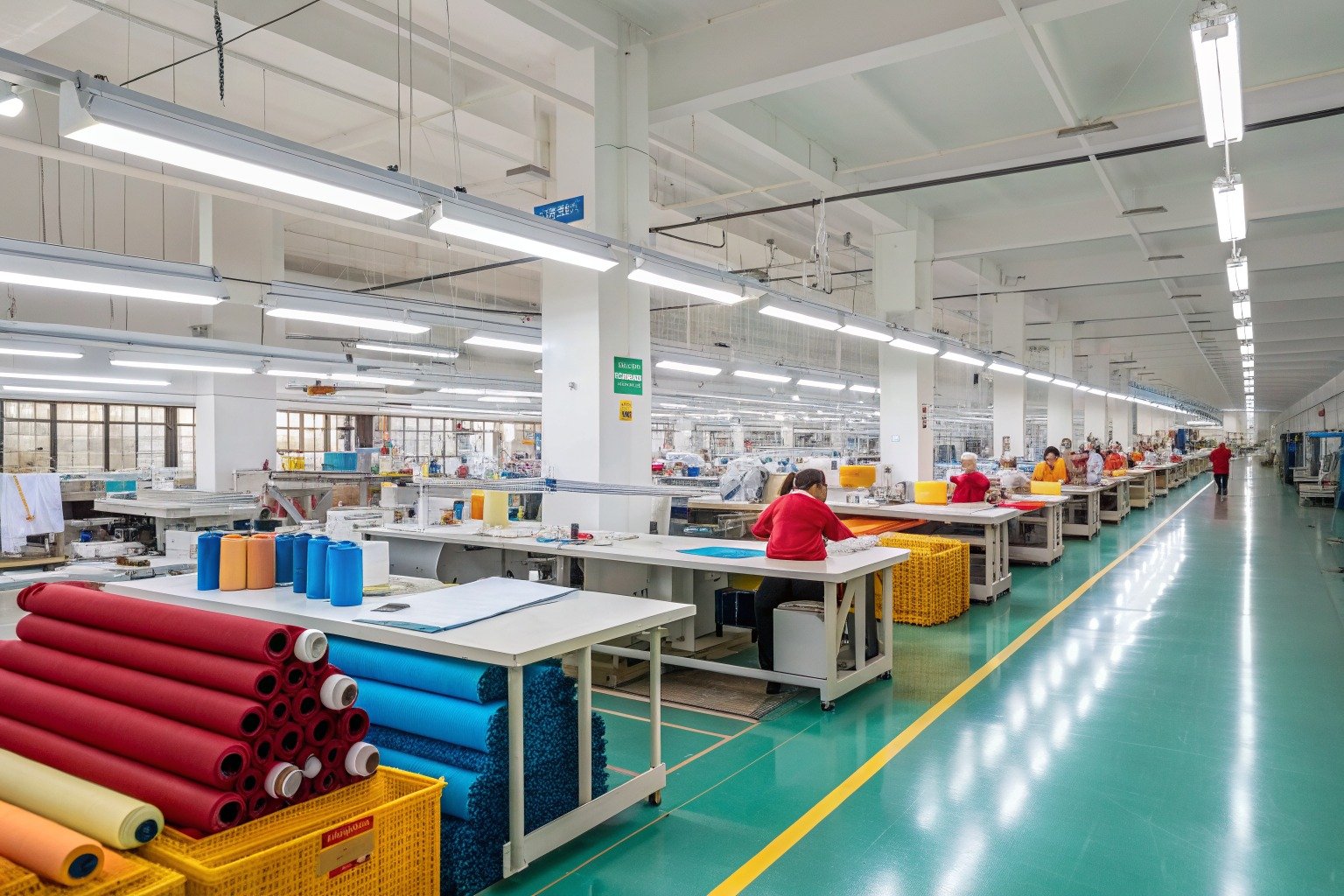
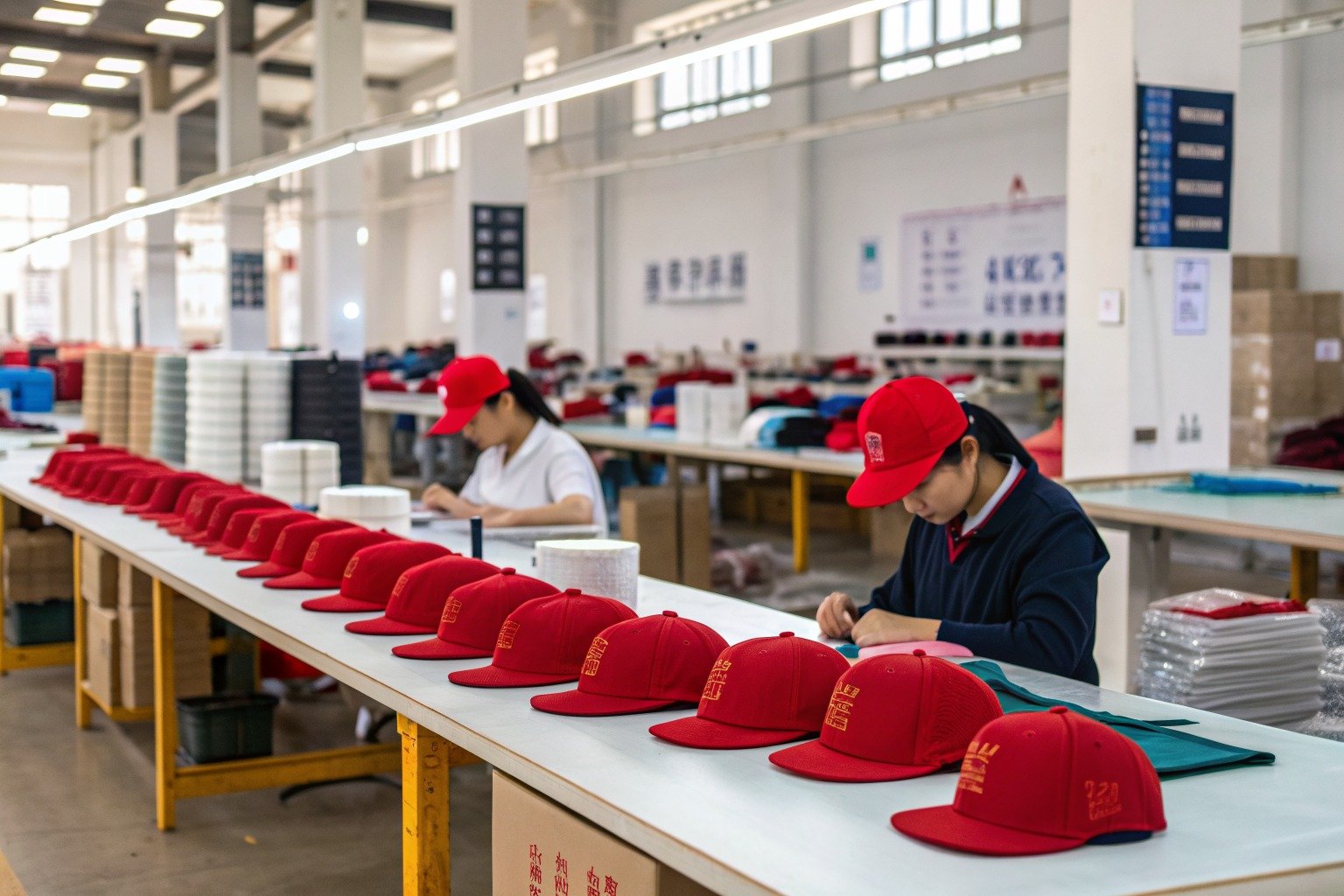
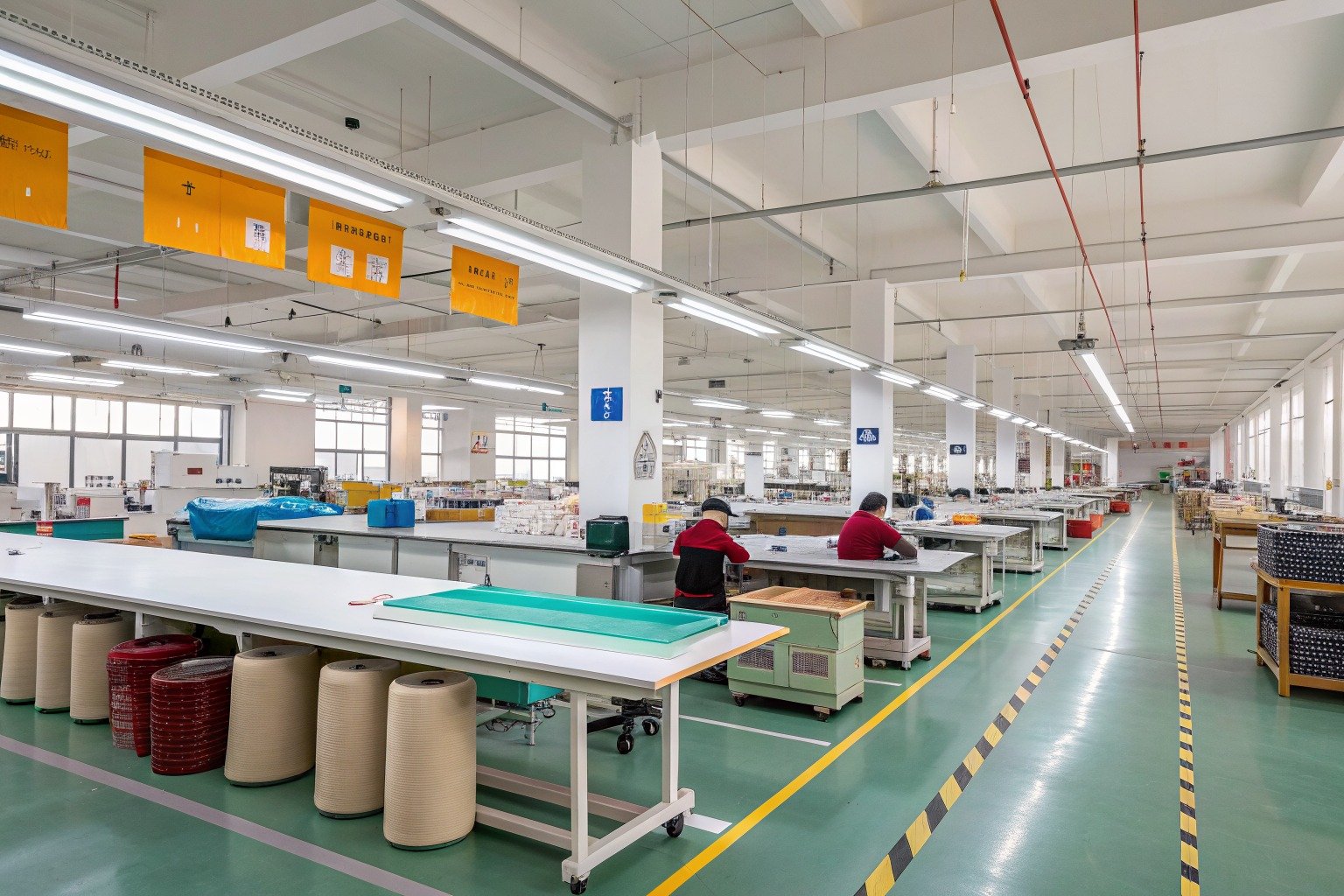
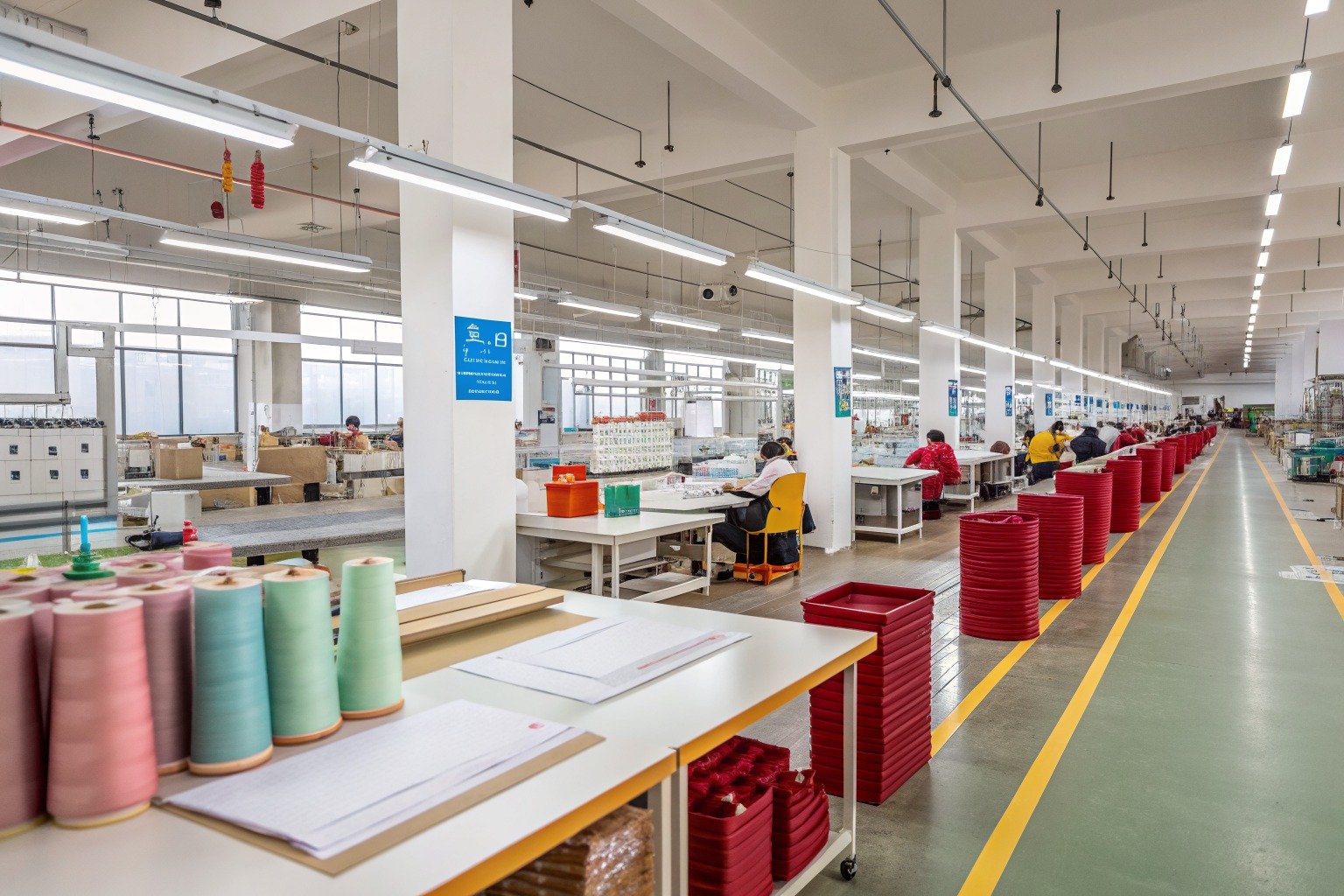
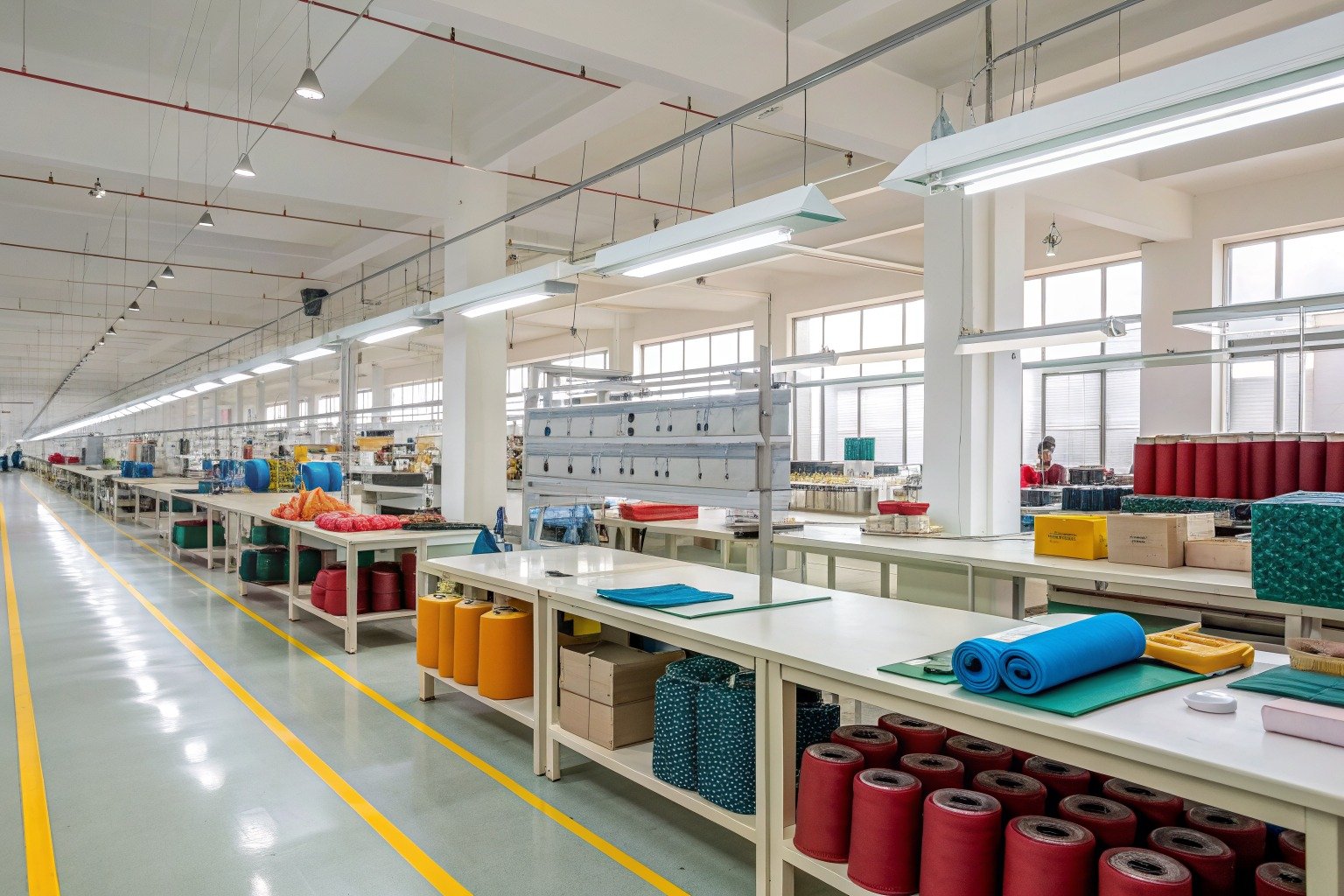
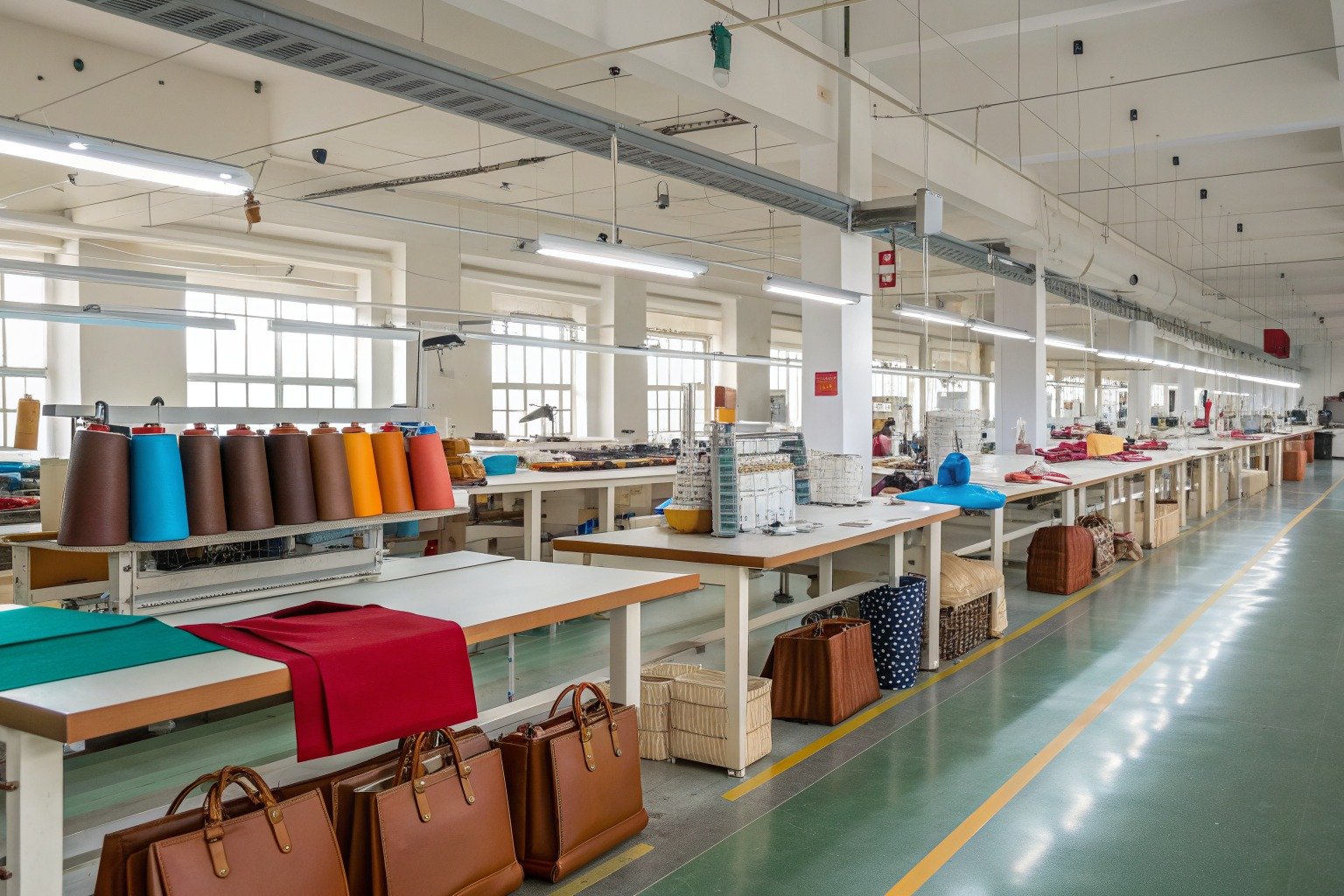
At AceAccessory, we are more than just a factory; we are your partner in building a profitable and resilient accessory line. Our modern facility in Zhejiang, complete with an in-house design team, experienced project managers, and a rigorous QC system, is built to deliver on this promise. Let us help you unlock the true value in your supply chain. If you are ready to produce high-quality accessories at a competitive cost, we invite you to contact our Business Director Elaine at elaine@fumaoclothing.com to discuss your next project.