The transition from traditional linear manufacturing to circular economy models represents a fundamental shift in how accessories are designed, produced, and managed throughout their lifecycle. Circular economy principles aim to eliminate waste, circulate materials, and regenerate natural systems while creating economic value.
Implementing circular economy principles in accessory manufacturing involves designing for durability and disassembly, utilizing circular materials, implementing take-back systems, developing new business models, and collaborating across value chains to keep products and materials in continuous use. This approach transforms waste into resources and creates multiple value cycles from single material inputs.
As early adopters of circular manufacturing principles for accessories, we’ve developed practical frameworks that balance environmental goals with commercial viability across product categories from jewelry to hair accessories and bags.
How to design accessories for circularity?
Circular design forms the foundation of successful circular economy implementation. This approach considers the entire product lifecycle from conception, ensuring accessories can be easily maintained, repaired, remanufactured, and ultimately disassembled for material recovery.
Key circular design strategies include designing for durability, disassembly, repair, upgradeability, and material purity. Each strategy addresses different aspects of keeping products and materials in use longer and recovering maximum value at end-of-life.
What does designing for durability and repair involve?
Longevity-focused design extends product lifespan through strategic choices:
- Modular construction: Creating accessories with interchangeable components that can be replaced individually
- Standardized connections: Using common screw types, snap fits, and connectors for easy repair
- Reinforced stress points: Adding material or support where wear typically occurs
- Accessible assembly: Designing so products can be opened without destruction
- Protective finishes: Applying durable coatings that resist scratching, tarnishing, and corrosion
Our design team has implemented a "circular design checklist" that all new accessory designs must pass before production. This includes requirements like "can be disassembled in under 5 minutes with basic tools" and "uses a maximum of 3 material types for easy separation." These practical guidelines ensure circularity is built into products from their inception rather than added as an afterthought.
How does material selection impact circularity?
Circular material strategies enable continuous material cycles:
- Material purity: Using single-material components or easily separable material combinations
- Non-toxic substances: Eliminating hazardous chemicals that complicate recycling
- Standardized material types: Limiting material varieties to streamline recycling processes
- Recycled content: Incorporating post-consumer and post-industrial materials
- Biological vs technical cycles: Selecting materials appropriate for their intended circular pathway
The table below shows how different accessory materials fit into circular systems:
| Material | Circular Pathway | Design Considerations | End-of-Life Processing |
|---|---|---|---|
| Recycled Aluminum | Technical cycle (recycling) | Avoid mixed alloys, design for easy separation | Melting and reforming into new products |
| FSC Wood | Biological cycle (composting) | Use non-toxic finishes, avoid composite materials | Industrial composting or material reuse |
| Recycled PET | Technical cycle (recycling) | Maintain material purity, avoid coatings | Chemical or mechanical recycling |
| Organic Cotton | Biological cycle (composting) | Remove non-organic components, use natural dyes | Industrial composting or fiber recycling |
| Bio-plastics | Biological or technical cycles | Match plastic type to local processing capability | Industrial composting or chemical recycling |
This material awareness ensures that accessories are designed with their eventual reprocessing in mind, creating closed-loop material systems.

How to implement circular material flows in manufacturing?
Circular material flows transform manufacturing from a linear process into a continuous loop where materials circulate without becoming waste. This requires rethinking material sourcing, production processes, and waste management.
Key circular flow strategies include industrial symbiosis, material recycling systems, remanufacturing processes, and waste-to-resource innovations that view all manufacturing outputs as valuable inputs for other processes.
How can manufacturing waste be eliminated through circular practices?
Zero-waste manufacturing approaches transform traditional waste streams:
- Material optimization: Nesting patterns and production planning that minimize off-cuts
- Closed-loop recycling: On-site reprocessing of production waste back into raw materials
- Industrial symbiosis: Partnering with other manufacturers to use each other’s by-products
- Reusable tooling: Implementing durable molds and equipment that don’t become waste
- Chemical management: Using water-based, non-toxic processes that enable water recycling
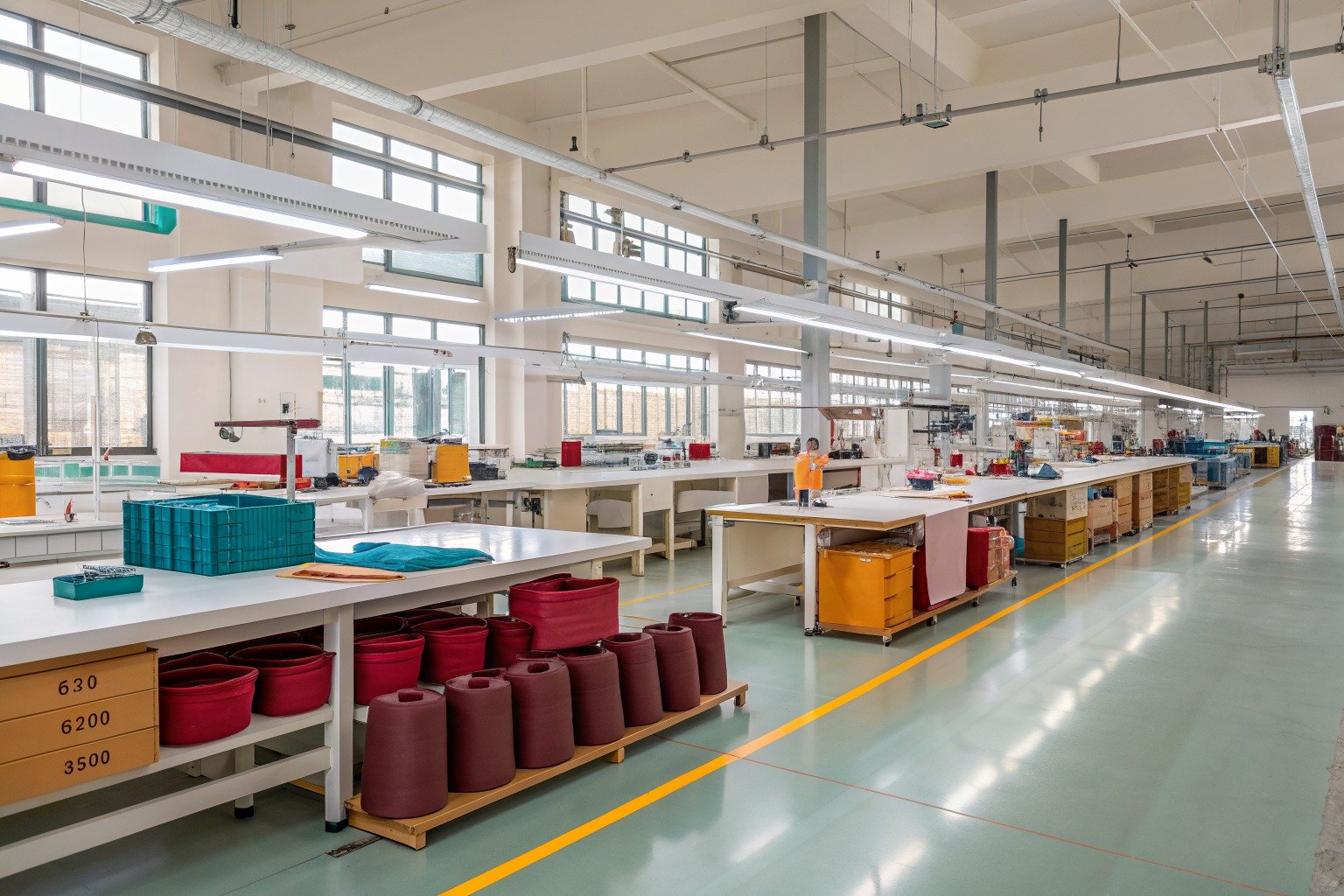
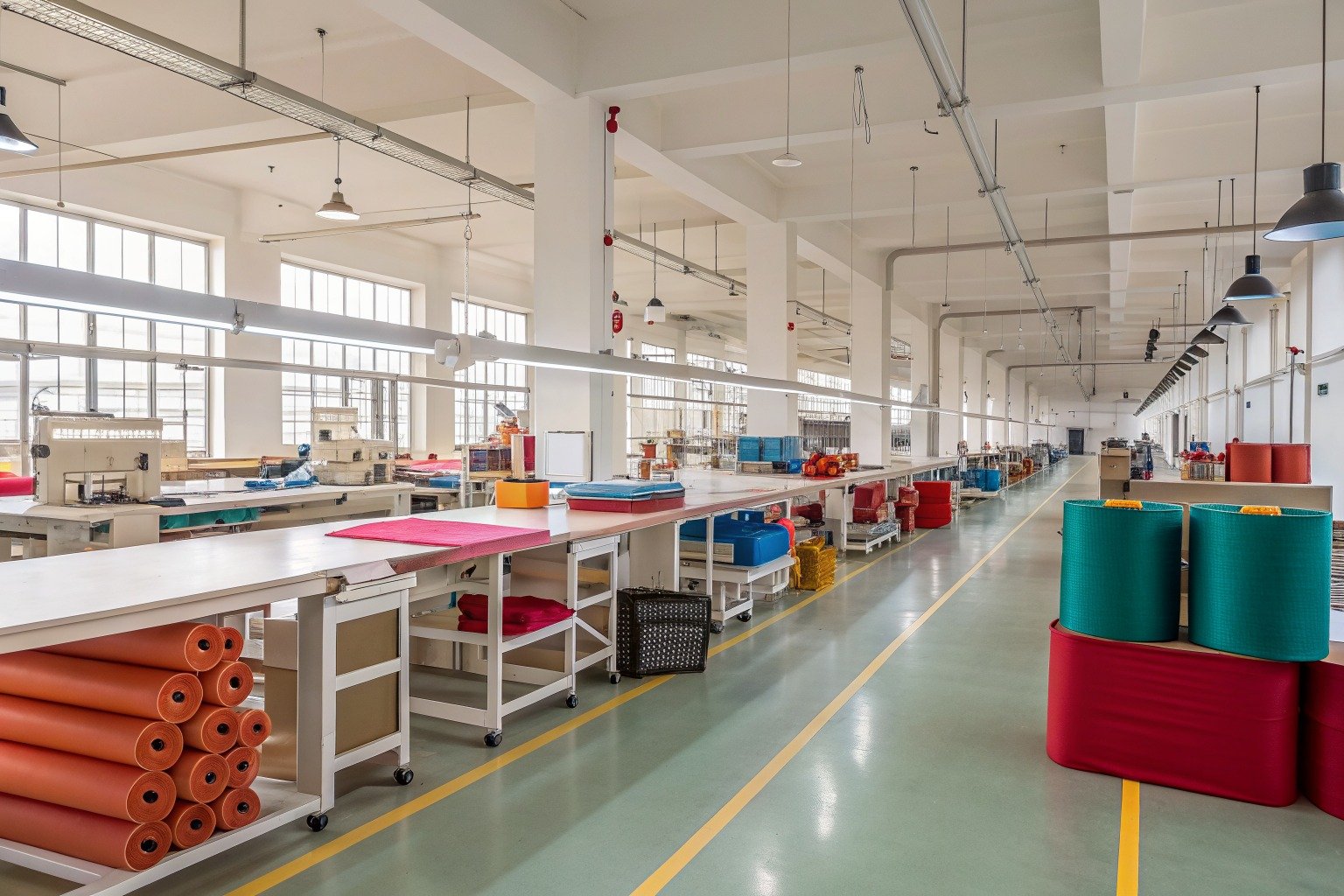
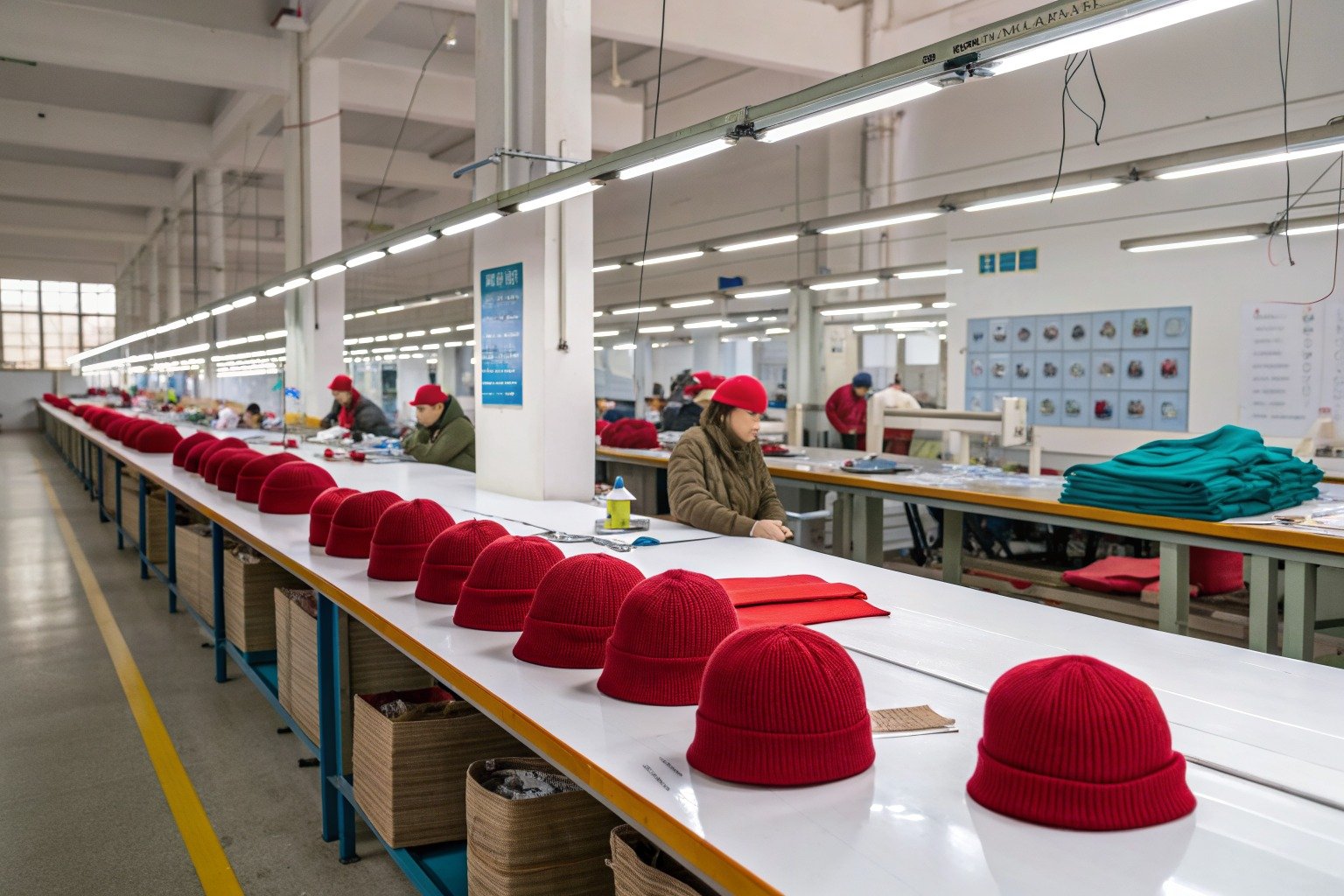
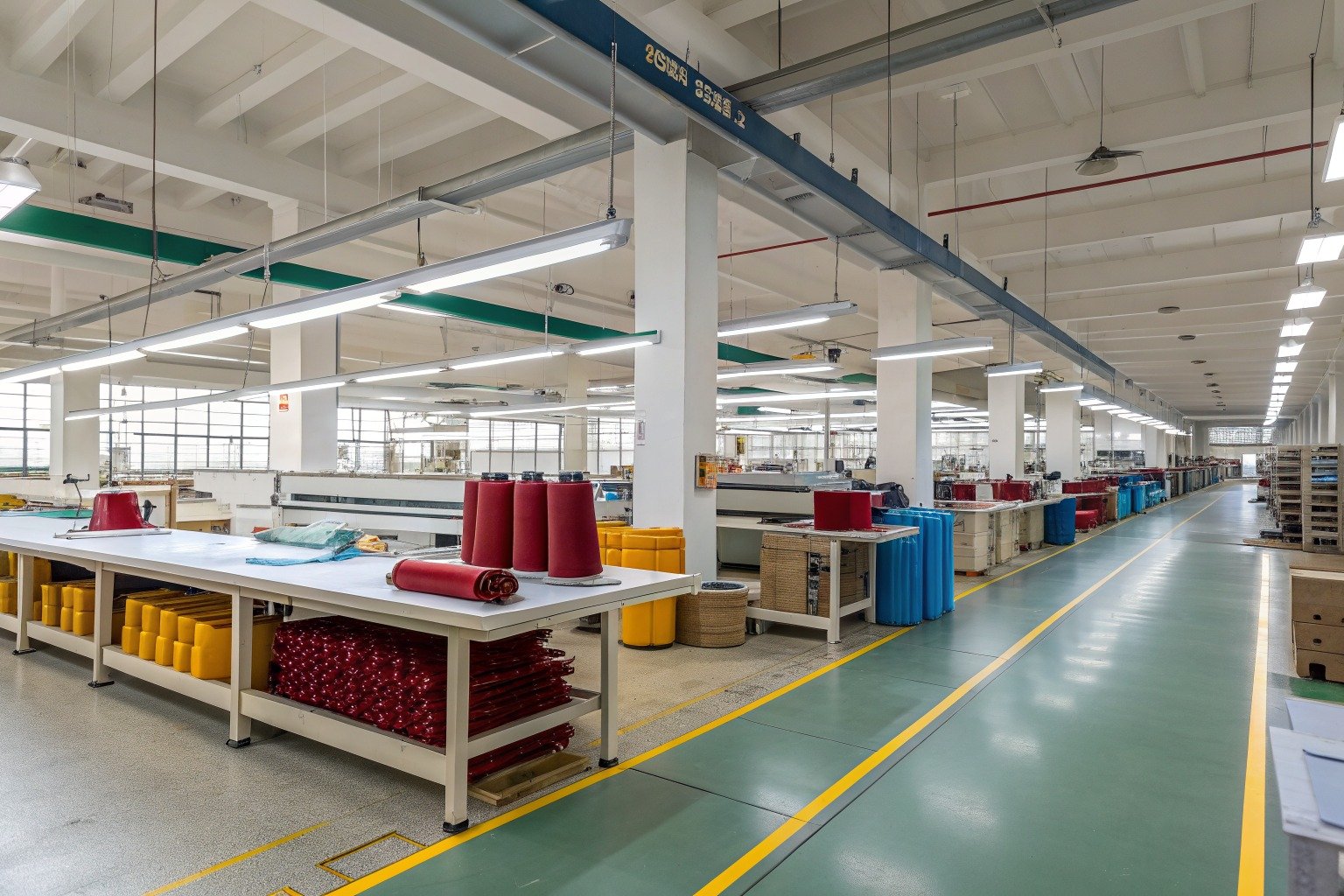
Our manufacturing facilities have achieved 92% waste diversion from landfills through these approaches. For example, metal off-cuts from hair clip production are collected and sent back to our metal supplier for remelting, while fabric scraps are shredded and used as filling material for pin cushions included with orders. These practices both reduce environmental impact and create economic value from what was previously considered waste.
What role do recycled and bio-based materials play in circular manufacturing?
Circular material inputs reduce virgin resource extraction:
- Post-consumer recycled content: Materials recovered from consumer products after use
- Post-industrial recycled content: Manufacturing waste from other processes
- Bio-based materials: From rapidly renewable resources that regenerate natural systems
- Recovered materials: From waste streams like ocean plastic or agricultural by-products
- Certified circular materials: With verified recycled content and recyclability
We’ve established material sourcing partnerships that ensure a consistent supply of high-quality recycled materials. Our recycled brass, for instance, comes from a closed-loop system where we return manufacturing waste and end-of-life products to the same supplier for reprocessing. This guarantees material traceability and quality while creating a reliable circular material flow.

How to establish product take-back and reverse logistics systems?
Take-back systems are essential for closing material loops in accessory manufacturing. These systems recover products at end-of-life, enabling material recovery, product refurbishment, or component harvesting.
Effective take-back strategies include convenient return channels, consumer incentives, efficient sorting and processing, and partnerships that scale reverse logistics capabilities.
What makes take-back programs successful for accessories?
Consumer-friendly return systems encourage participation and recovery:
- Multiple return channels: In-store drop-off, mail-back programs, and collection events
- Clear incentives: Discounts on new purchases, loyalty points, or charitable donations
- Easy process: Pre-paid shipping labels, simple packaging requirements
- Transparent outcomes: Communication about what happens to returned items
- Accessibility: Programs available to all customers regardless of location
Our take-back program has achieved a 45% return rate for certain product lines by making returns as easy as purchases. We provide pre-paid return mailers with every order and offer a 15% discount on future purchases for returned items. The program’s success demonstrates that consumers will participate in circular systems when barriers are low and benefits are clear.
How can returned accessories be processed for maximum value recovery?
Strategic end-of-life processing extracts optimal value from returned products:
- Assessment and sorting: Evaluating condition to determine optimal pathway
- Cleaning and refurbishment: Restoring products to like-new condition for resale
- Component harvesting: Removing usable parts for repair or new products
- Material separation: Disassembling into pure material streams for recycling
- Creative repurposing: Transforming materials into new product categories
We’ve developed a sophisticated sorting system that directs returned accessories to their highest-value destination. Products in excellent condition are cleaned and sold as "renewed" items with full warranty. Those with minor damage are repaired, while extensively damaged items are disassembled for parts or materials. This approach maximizes economic value while minimizing waste.

How to develop circular business models for accessories?
Circular business models create economic value while keeping products and materials in use. These models represent a fundamental shift from selling products to providing services, access, or performance.
Key circular business models include product-as-a-service, sharing platforms, repair and refurbishment services, and remanufacturing businesses that create value from existing products rather than constant new production.
How does product-as-a-service work for accessories?
Access over ownership models provide new revenue streams:
- Subscription boxes: Regular delivery of curated accessories with return of previous items
- Lease programs: Short-term rental for special occasions or trend experimentation
- Style membership: Access to a rotating collection of accessories for a monthly fee
- Performance contracts: Guaranteeing accessory functionality rather than selling physical products
- Upgrade programs: Regular exchanges for the latest styles with returned items being refurbished
We’ve piloted a jewelry subscription service that has demonstrated the commercial viability of product-as-a-service for accessories. Members receive new pieces monthly and return previous items, which are refurbished for the next user. The model reduces material consumption by 70% compared to traditional ownership while providing customers with variety and novelty.
How can traditional sales integrate circular principles?
Circular enhancements to conventional business models:
- Take-back guarantees: Committing to reclaim products at end-of-life
- Repair services: Offering maintenance and repair to extend product life
- Spare parts sales: Making components available for customer repairs
- Buy-back programs: Purchasing used products back for refurbishment
- Loyalty for longevity: Rewarding customers for keeping products longer
Even traditional sales models can incorporate circular elements. Our "Circular Collection" includes products sold conventionally but with guaranteed take-back and a repair warranty. Customers receive a loyalty discount proportional to how long they keep the product before returning it, incentivizing longer use while ensuring eventual material recovery.

Conclusion
Implementing circular economy principles in accessory manufacturing requires a systemic approach that transforms design practices, material flows, reverse logistics, and business models. The most successful implementations recognize that circularity is not a single initiative but an integrated system where each element supports the others. By designing for circularity, establishing material loops, creating take-back systems, and developing circular business models, accessory manufacturers can reduce environmental impact while building resilience, customer loyalty, and new revenue streams. The transition to circular manufacturing represents both an environmental imperative and a significant business opportunity in an increasingly resource-constrained world.
If you’re looking to implement circular economy principles in your accessory manufacturing, we invite you to contact our Business Director, Elaine. She can discuss our circular manufacturing framework and implementation experience. Reach her at: elaine@fumaoclothing.com.