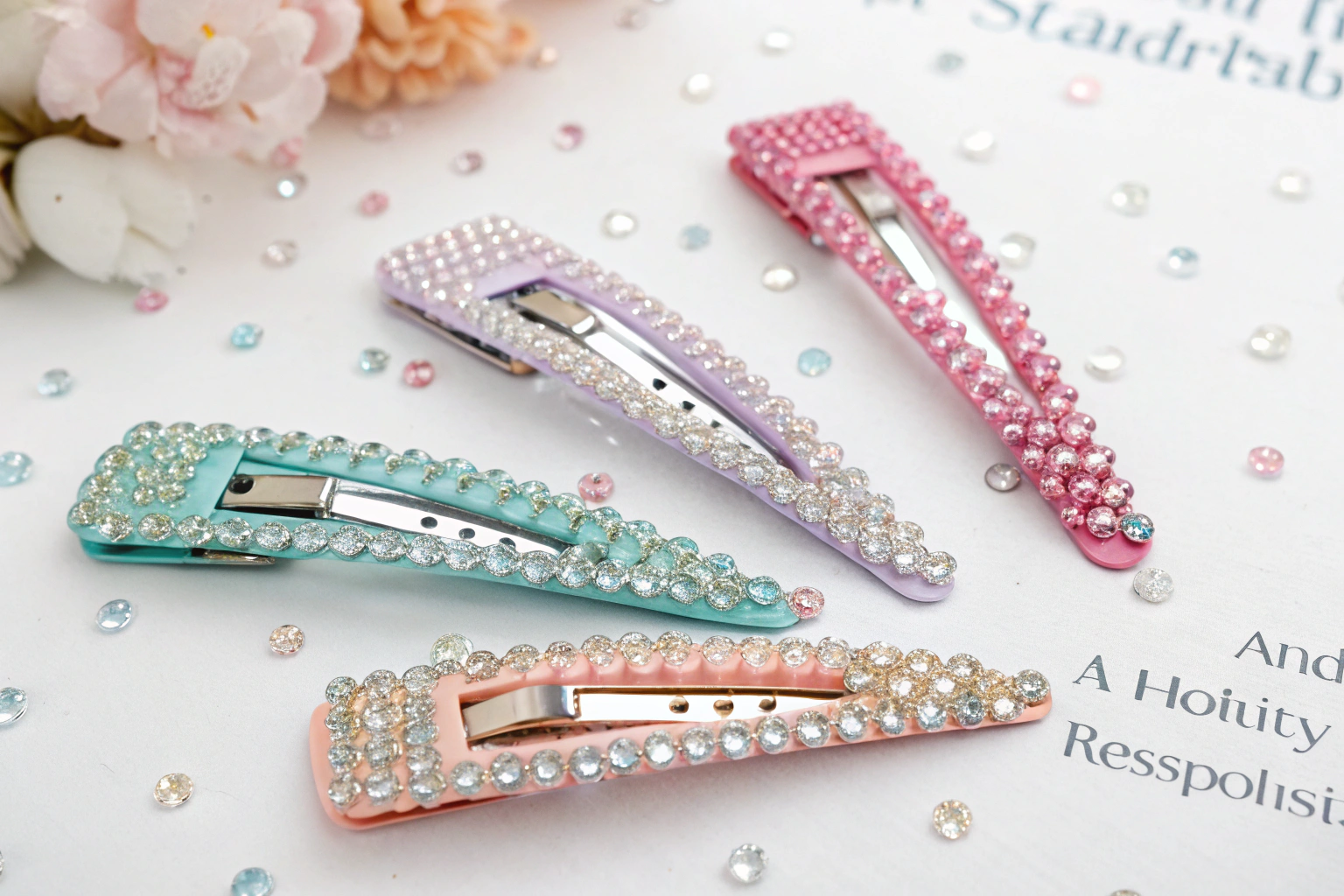
Three years ago, a children’s boutique owner named Sarah sent me a desperate email. She had just received a shipment of 2,000 adorable flower hair clips from another factory. They were cute. They were colorful. And they were a lawsuit waiting to happen. The tiny rhinestone centers popped off with a gentle squeeze. The alligator clips had sharp metal teeth. She knew she couldn’t sell them. The liability risk was too high. She had to eat the cost of the entire order. If you are in the children’s accessory market, you know this fear intimately. The fear of a small part detaching and becoming a choking hazard is not just a business concern. It is a moral weight. You need to know that the products you sell to parents are engineered for the reality of curious, mouthy toddlers.
Yes, we absolutely produce toddler-safe hair clips without small parts. This is achieved through specific design and manufacturing protocols: eliminating glued-on embellishments in favor of molded-in decoration or sewn fabric elements, using fully enclosed safety snap clips with rounded tips, and subjecting every component to a 15-pound pull test to exceed ASTM F963 and CPSIA small parts regulations. Our toddler line is designed to be adorable without being hazardous.
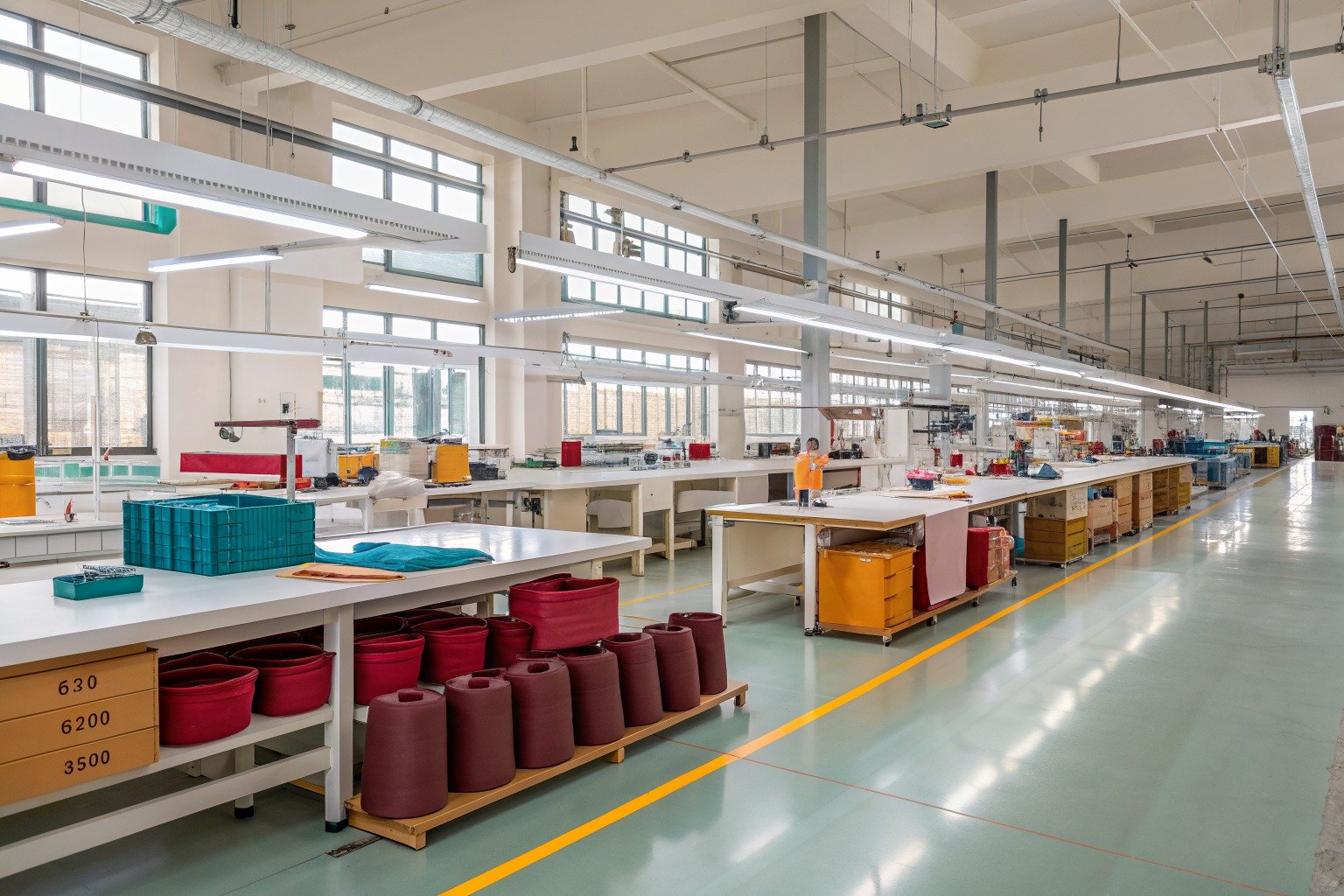
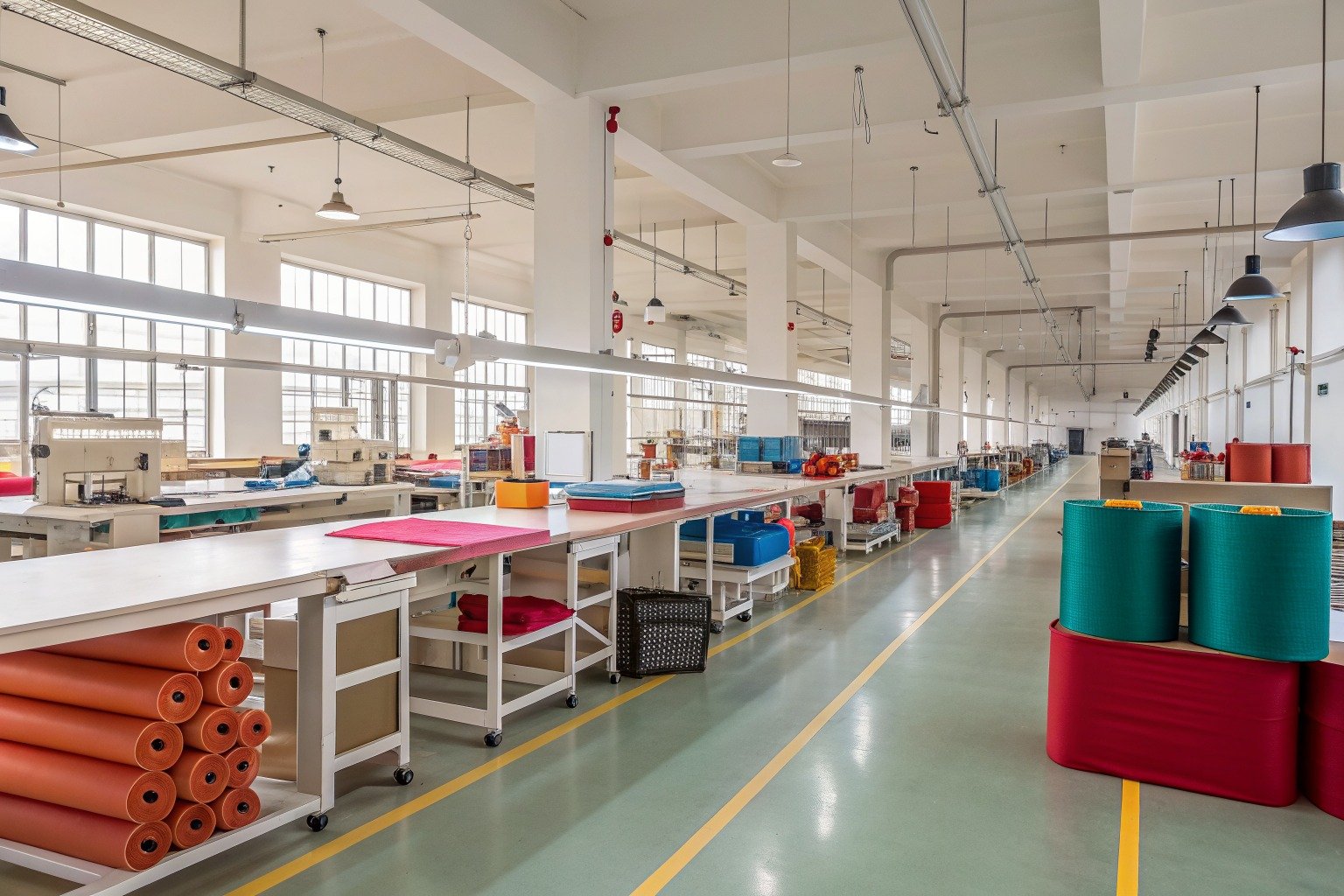
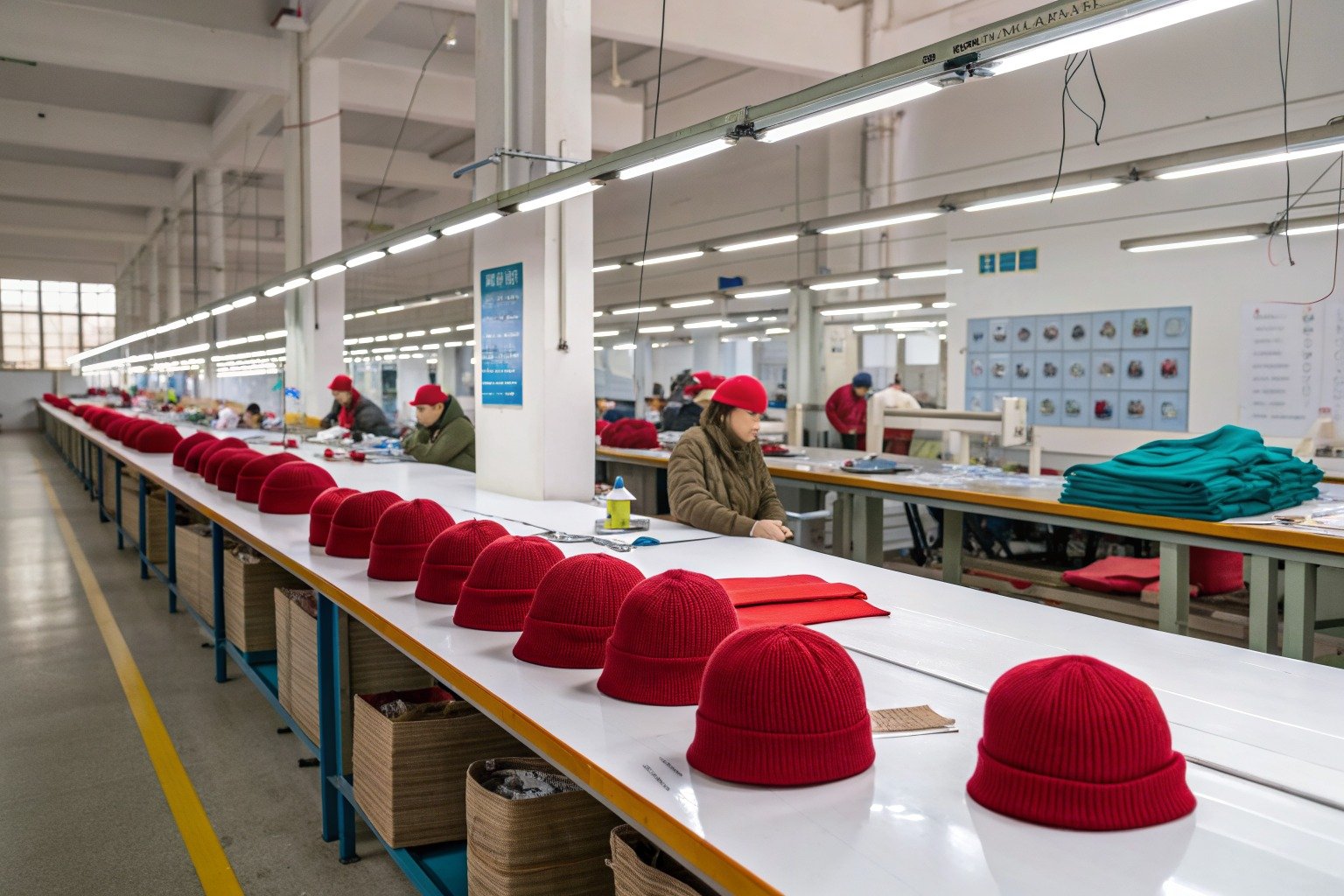
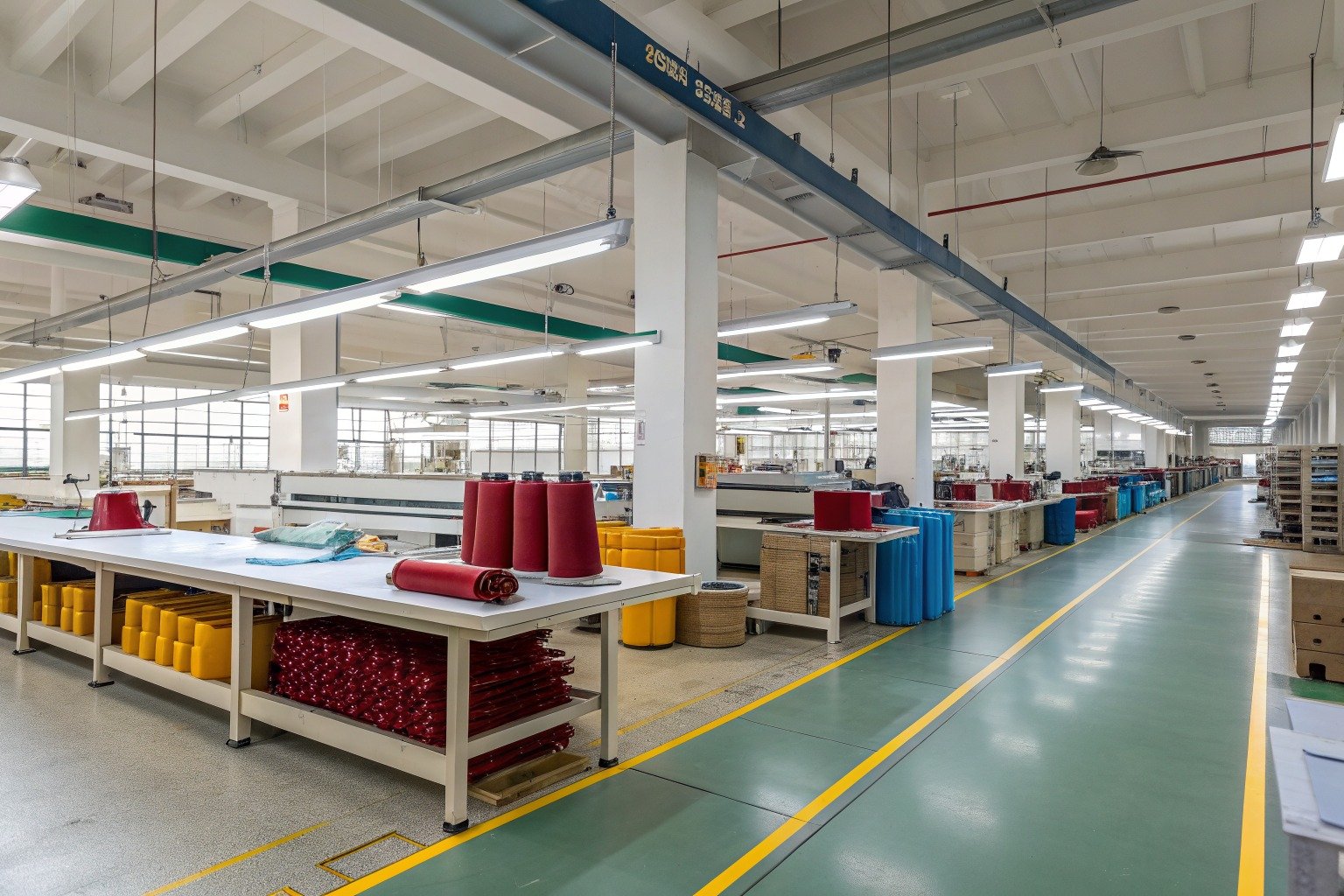
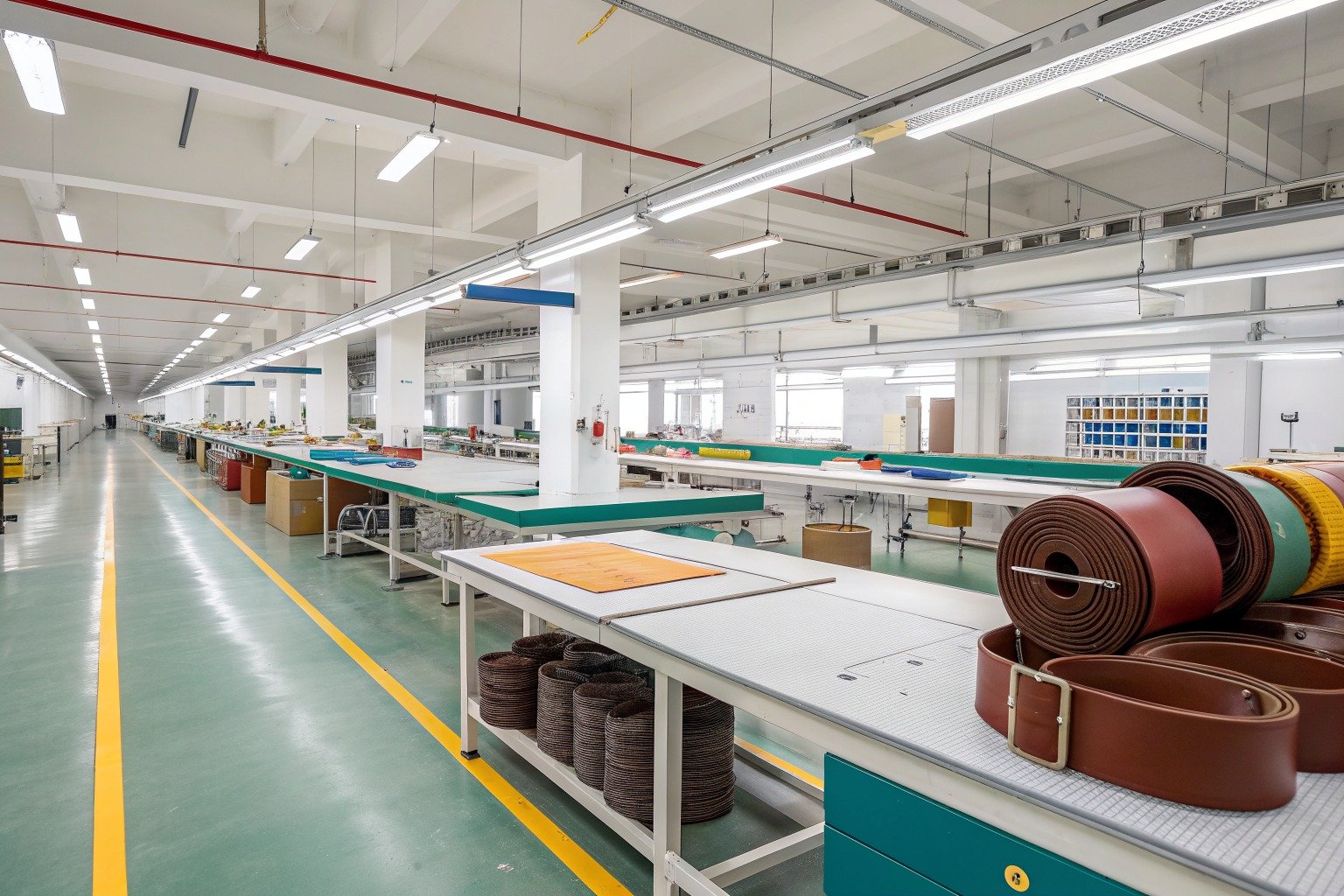
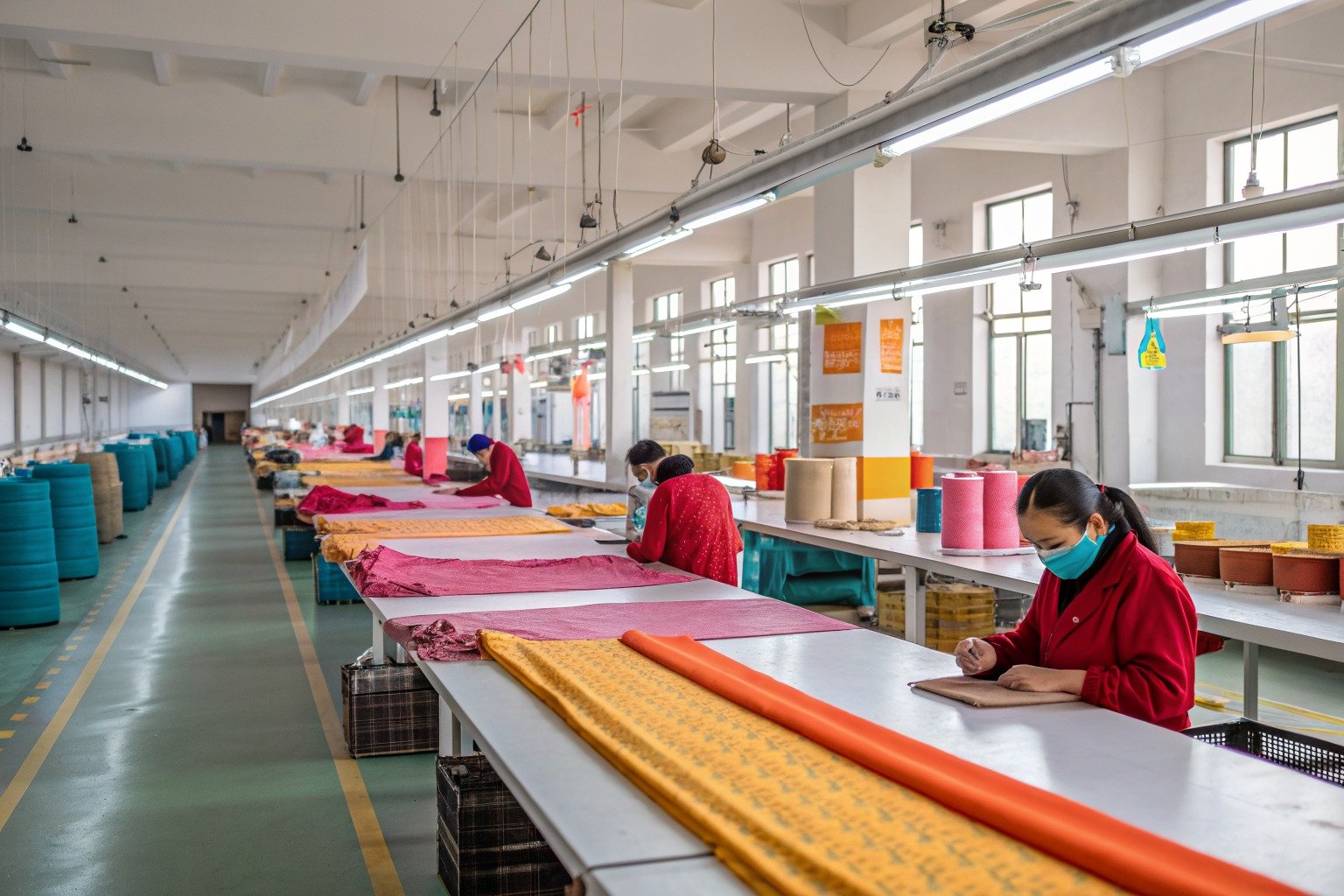
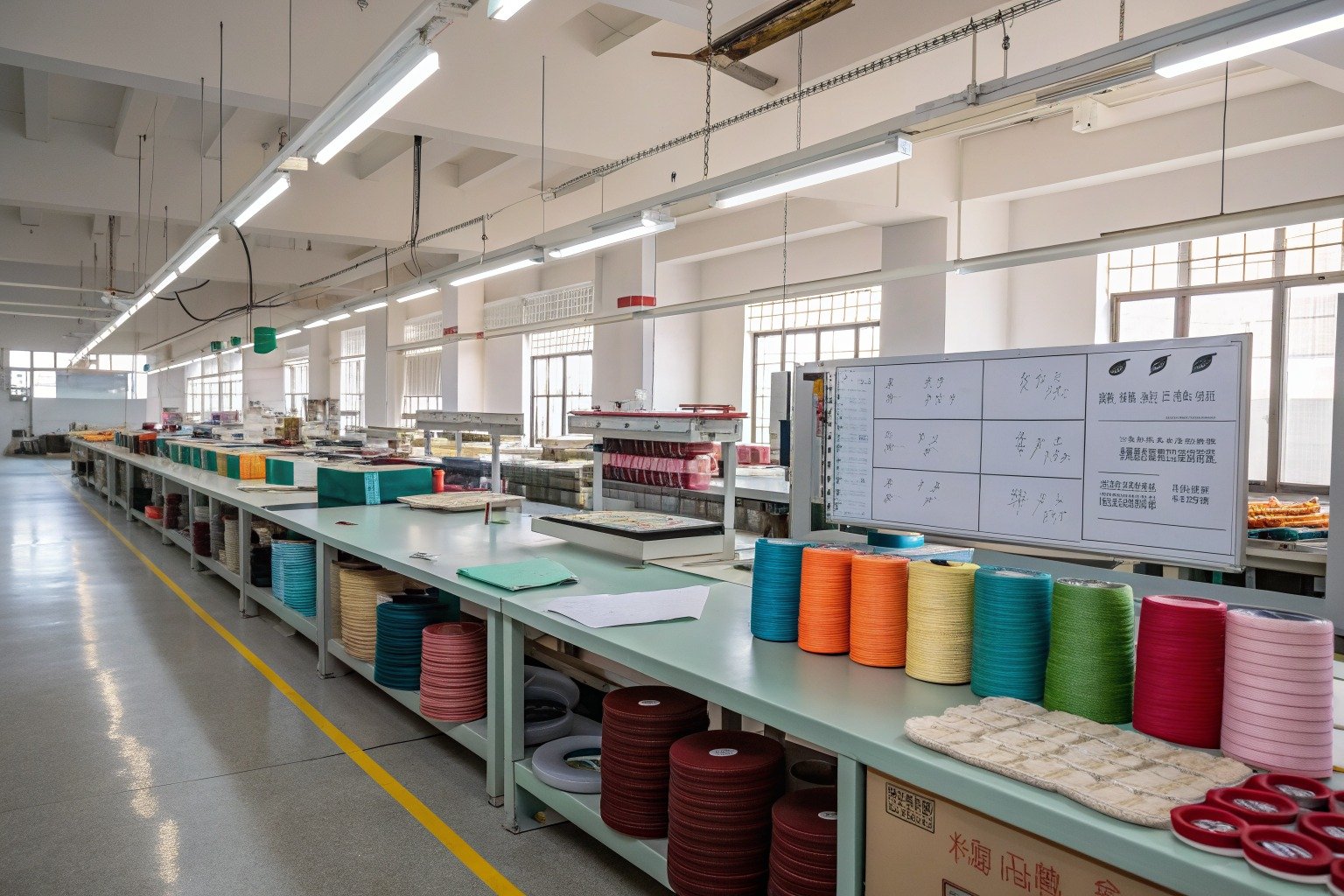
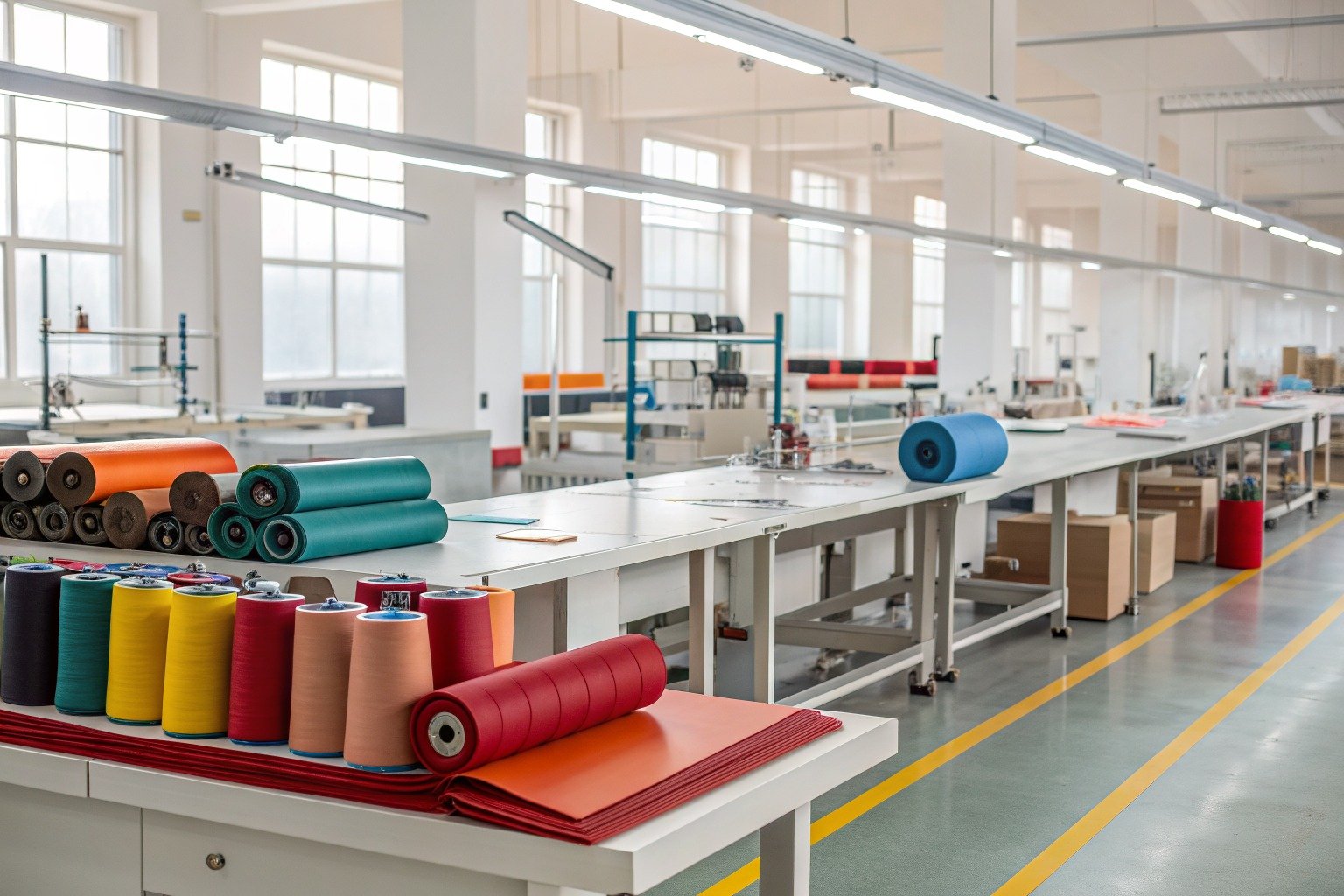
I run AceAccessory in Zhejiang Province. We have a dedicated line for infant and toddler hair accessories . I have studied the US CPSC guidelines and the European EN71 safety standards. I know that a "cute" clip is worthless if it cannot survive a safety test. The challenge for a factory is not just avoiding small parts. It is doing so while still making a product that parents actually want to buy. It cannot look like a medical device. It has to look like a beautiful, playful accessory. Let me walk you through exactly how we engineer safety into every toddler clip we produce, from the raw material to the final pull test.
What Are the ASTM F963 Small Parts Regulations for Hair Clips?
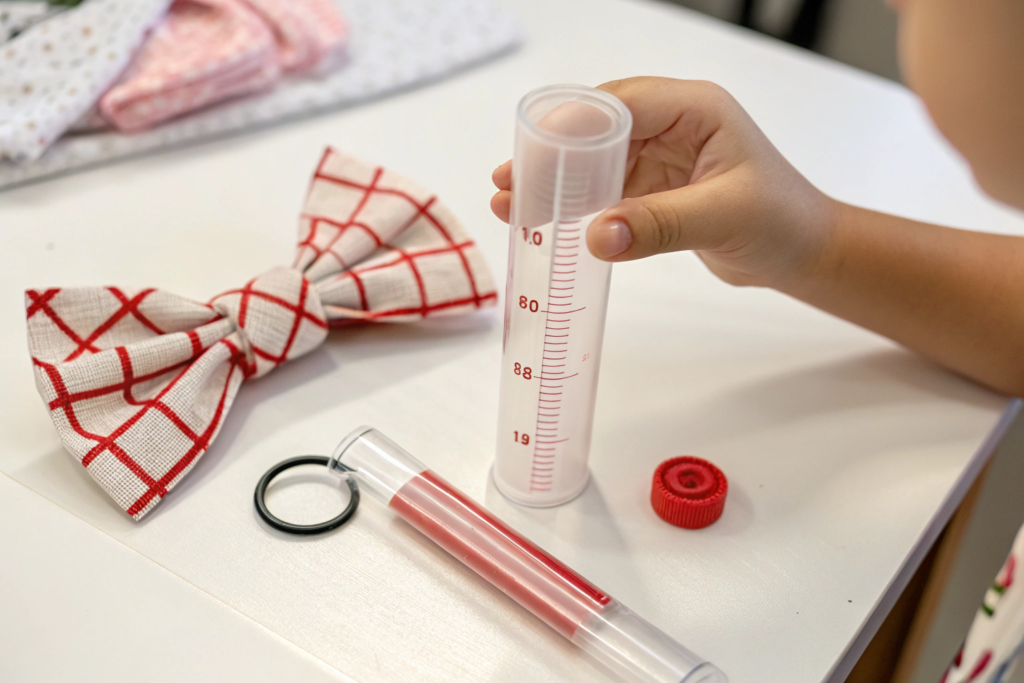
If you sell children’s products in the United States, you live under the shadow of ASTM F963 and the Consumer Product Safety Improvement Act (CPSIA) . These regulations define a "small part" as any object that fits completely into a specially designed small parts test cylinder. This cylinder has a diameter of 1.25 inches (31.7 mm) and a depth of 1 to 2.25 inches. It simulates the throat of a child under 3 years old.
If any component of your hair clip can fit inside that cylinder after being subjected to a "use and abuse" test (which includes a 15-pound pull test), that component is a banned hazardous substance for children under 3. You cannot sell it. It does not matter if you put a warning label on it saying "Ages 3+." If the product is demonstrably intended for a toddler, the CPSC will rule against you.
The tricky part for hair clips is the embellishment. A standard alligator clip base is usually too long to fit in the cylinder. But a glued-on rhinestone, a tiny plastic flower center, or a loose button often fits perfectly. This is why we have banned certain construction methods from our toddler line at AceAccessory. We do not glue tiny things onto big things. We either mold the decoration directly into the plastic or we sew it with thread that is knotted and secured with a back-tack.
How Does the 15-Pound Pull Test Impact Clip Construction?
The Pull Test is the nemesis of cheaply made toddler clips. The CPSC mandates that any component that a child can grasp with their fingers or teeth must withstand a pull force of 15 pounds (66.7 Newtons) for 10 seconds without detaching.
Let me put that into perspective. 15 pounds is the weight of a large Thanksgiving turkey. If you can grab the flower on a toddler clip and yank it off with less force than that, the clip fails. This is why glue alone is never sufficient. Glue degrades over time. Glue fails under heat. Glue is not a safety feature.
At AceAccessory, we use three methods to pass the pull test for toddler hair clips :
- Mechanical Attachment: The fabric bow is sewn through a hole in the plastic clip body. The thread is wrapped multiple times and back-tacked.
- Molded-In Features: The decorative flower or animal shape is part of the same injection mold as the clip body. There is no "part" to pull off. It is one solid piece of plastic.
- Ultrasonic Welding: For certain ribbon-wrapped clips, the ribbon end is welded to itself using high-frequency sound waves, creating a bond stronger than the fabric itself.
We perform this pull test in-house on every single production batch. We have a force gauge mounted to a test stand. The project manager pulls 10 random samples from the line. If one fails, the entire batch is quarantined and reworked. This is the level of quality control required for children’s products.
What Is the Difference Between CPSIA Tracking Labels and Standard Hangtags?
This is a paperwork detail that trips up many first-time importers of toddler goods. The CPSIA requires a permanent tracking label on the product itself, not just on the packaging. This label must contain specific information that allows the product to be traced back to the exact production batch.
A standard hangtag is not sufficient because it can be removed. The tracking label must be permanently affixed to the product. For a hair clip, this is a challenge. You don’t want a scratchy label rubbing against a baby’s scalp.
At AceAccessory, we have developed a compliant solution. We use a soft, woven satin label that is sewn into the back of the fabric bow or the underside of the clip padding. This label is small and soft, but it contains all the legally required data in legible print:
- Manufacturer Name: (e.g., "AceAccessory").
- Date of Production: (e.g., "06/2026").
- Batch/Lot Number: (e.g., "LOT# TDL-2605").
- Country of Origin: "Made in China."
This label ensures that if there is ever a safety recall, we can identify exactly which batch of toddler accessories is affected and trace it back to the specific raw material lot and production shift. This traceability is non-negotiable for major retailers like Target or BuyBuyBaby.
How Are No-Slip Grips Applied Without Creating Choking Hazards?
One of the biggest complaints about toddler clips is that they slip out of fine, wispy baby hair. The solution for older kids is a metal alligator clip with sharp teeth. That is absolutely forbidden for toddlers. The solution for toddlers is a silicone grip strip inside a smooth, snap-style clip.
But wait—isn’t a silicone strip a "small part" that could peel off? It could be, if it is applied cheaply. A silicone strip that is simply stuck on with pressure-sensitive adhesive (double-stick tape) will peel off over time. A toddler will pick at it. It will end up in their mouth.
At AceAccessory, we use a two-part liquid silicone injection process for our premium toddler clips. The silicone is applied in a liquid state directly onto the plastic clip body. It chemically bonds and cures into a solid, rubbery strip. There is no adhesive layer to fail. The silicone is effectively part of the plastic.
For fabric-covered clips, we use a no-slip velvet backing. This is a special fabric with a very short, dense pile. It provides friction against the hair but is sewn into the seam of the clip cover. There are no loose edges to fray or peel. It is an integrated part of the fabric design.
Are Snap Clips with Rounded Edges Safer Than Traditional Alligator Clips?
Absolutely. This is a fundamental design difference. Let me compare the two from a safety and engineering perspective.
| Feature | Traditional Alligator Clip | Toddler Safety Snap Clip |
|---|---|---|
| Mechanism | Metal spring with tension point. | Molded plastic living hinge. |
| Teeth | Sharp, interlocking metal teeth. | Smooth, rounded prongs. |
| Tip Shape | Often pointed, can scratch scalp. | Fully rounded, bulbous ends. |
| Pinch Risk | High. Can pinch skin if misaligned. | Low. The hinge is enclosed and soft. |
| Rust Risk | Yes. Metal can rust from moisture/saliva. | No. Plastic and stainless steel spring only. |
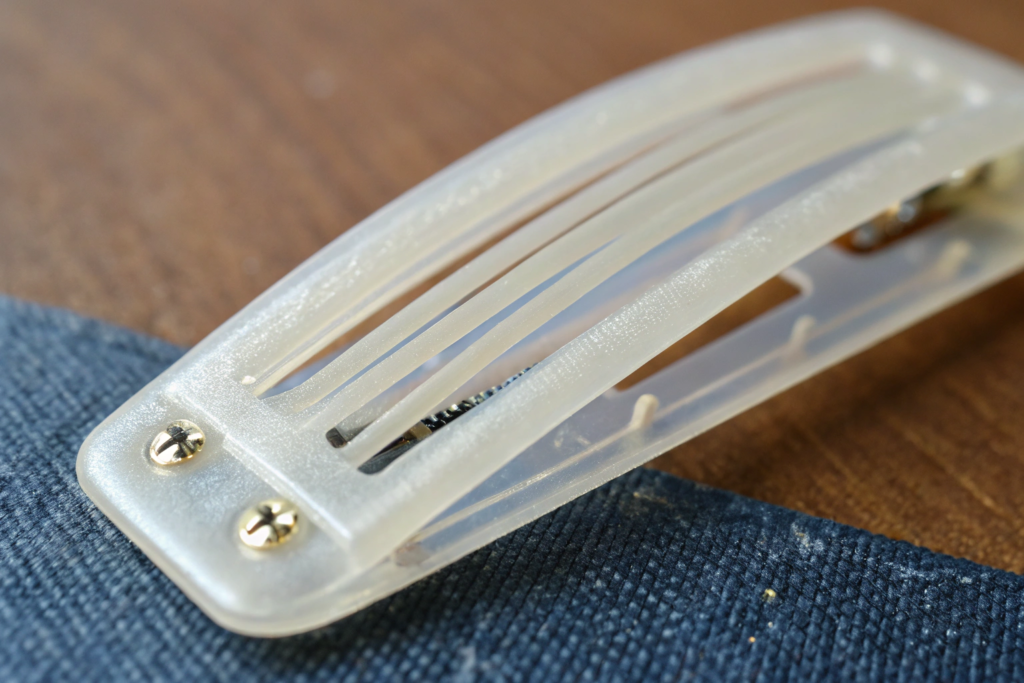
The Safety Snap Clip is the industry standard for under-3 products. It opens by squeezing the sides, and it closes with a soft snap. The tips are designed so that even if a toddler puts the entire clip in their mouth (which they will), the plastic surfaces are smooth and too large to be a choking hazard.
At AceAccessory, we use a reinforced nylon for these clips. Nylon is strong, lightweight, and has a natural "memory" that allows the hinge to flex thousands of times without breaking. We also use stainless steel springs that are fully enclosed within the plastic hinge barrel. There are no exposed metal parts for a child to access or for saliva to corrode. This is the kind of thoughtful engineering that defines a true toddler-safe accessory .
How Do You Ensure Fabric Bows Stay Securely Attached to Clips?
This is the most common failure point on toddler bows. The clip is safe, but the pretty bow falls off. The bow then becomes a potential choking hazard if it is small, or it just becomes a disappointing product.
The standard method in the industry is hot glue. We do not use hot glue on toddler bows. Period.
Our method is Sewn and Wrapped. Here is the process:
- The fabric bow is tied and shaped by hand.
- The center knot of the bow is wrapped tightly with matching thread.
- The bow is positioned on the top prong of the snap clip.
- A needle and heavy-duty bonded nylon thread is passed through the bow knot, around the clip prong, and through the bow knot again. This is repeated 3-4 times.
- The thread is tied off with a surgeon’s knot and a dot of non-toxic fabric glue is applied only to the knot to prevent unraveling. The glue never touches the clip or the main bow fabric.
This method ensures that the bow cannot be pulled off without breaking the nylon thread. And nylon thread has a tensile strength far exceeding 15 pounds. It is labor-intensive. It costs more than a dab of hot glue. But it is safe. It is durable. And it gives parents confidence that the hair accessory will survive the toddler years.
What Materials Are Certified Safe for Mouthing and Teething?
You have to assume that anything you make for a toddler will go in their mouth. It is not a possibility. It is a certainty. Therefore, the materials that touch the product must be oral-safe. This goes beyond just being "non-toxic." It means the materials must not leach harmful chemicals when wet with saliva.
The primary regulations governing this are CPSIA Section 101 (Lead Content) and Section 108 (Phthalates) . All accessible components of a children’s product must contain less than 100 ppm (parts per million) of lead. And certain phthalates (plastic softeners) are banned entirely in concentrations above 0.1%.
At AceAccessory, we require Mill Test Certificates from every raw material supplier. We do not take their word for it. We randomly send finished products to CPSC-Accepted Third-Party Laboratories (like SGS or Bureau Veritas) for annual compliance testing. This is a cost we bear to ensure our toddler line is clean.
We also avoid certain materials entirely for the toddler category:
- No Vinyl (PVC): Can contain phthalates.
- No Painted Surfaces: Paint can chip. We use inherently colored plastic (the color is mixed into the molten plastic before molding).
- No Glitter: Glitter is micro-plastic that sheds and can be ingested or get in eyes.
Are Water-Based Paints and Dyes Safer for Toddler Hair Accessories?
This is a nuanced area. For plastic parts, we recommend No Paint At All. Molded-in color is infinitely safer. There is nothing to chip, flake, or suck off.
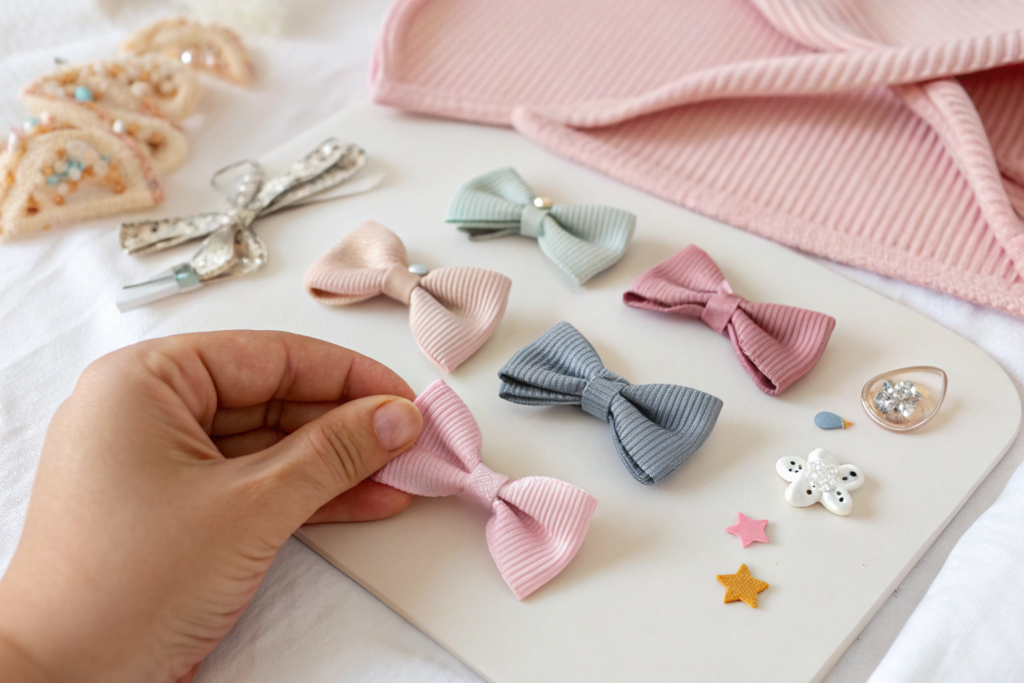
For fabric bows, we use OEKO-TEX Standard 100 certified fabrics. This certification ensures that every component of the fabric—the yarn, the dye, the thread—has been tested for harmful substances and is safe for direct skin contact, even for babies.
If a client insists on a printed fabric design, we use water-based, CPSIA-compliant inks. These inks do not contain heavy metals or phthalates. However, we still caution that any surface print can wear off with aggressive sucking. For a product explicitly marketed as a "teething accessory," we recommend 100% Silicone or Untreated Wood with a beeswax finish.
At AceAccessory, we are transparent about material options. We present the cost and safety profile of each choice. For example, a custom printed polyester bow is cheaper but has a surface print. A solid OEKO-TEX cotton bow is slightly more expensive but has zero surface chemicals. We let the client make the informed decision for their brand .
What Is the Safest Alternative to Metal Springs in Hair Clips?
Metal springs are the traditional way to make a clip snap shut. But metal can rust. And if the plastic housing breaks, a small metal spring is definitely a small part hazard.
For the ultimate in toddler safety, we offer Springless Silicone Clips. These are made entirely of soft, food-grade silicone. They have a molded slit in the center that pinches closed to grip a tiny tuft of hair. They do not have a strong "snap" like a traditional clip, so they work best for very fine hair or for holding back small side bangs.
However, for a more secure hold, we use the Encapsulated Stainless Steel Spring. This is the standard for our nylon safety snap clips. The spring is a small coil of stainless steel. But it is completely sealed inside the plastic hinge barrel during the injection molding process. The plastic flows around the spring. The spring cannot come out unless the plastic is destroyed with tools.
We also use Titanium Springs for premium orders. Titanium is lighter than steel, stronger than steel, and completely rust-proof. It is the material used in surgical implants. This is the highest standard available for hair accessories . It adds a few cents to the unit cost but provides absolute peace of mind regarding corrosion and breakage.
How to Test Toddler Clips for Durability and Washability?
Toddler clips live a hard life. They get dropped in the dirt. They go through the washing machine in a pocket. They get covered in oatmeal. A safe clip is useless if it falls apart after the first wash. Parents expect these accessories to be washable and durable.
At AceAccessory, our internal durability standard for toddler clips includes a 5-Cycle Wash Test. We take 10 random samples from the production line. We place them in a mesh laundry bag. We run them through a standard home washing machine cycle with warm water and detergent. Then we dry them on low heat. We repeat this 5 times.
After the wash test, we perform the Visual Inspection and Pull Test again.
- Fabric Bows: Must not fray, unravel, or lose color (colorfastness Grade 4 minimum).
- Clips: Must open and close smoothly. No rust on the spring (if encapsulated).
- Silicone Grips: Must remain fully bonded. No peeling edges.
This wash test simulates months of real-world use. It reveals weaknesses in thread tension, fabric edge finishing, and spring quality that a simple visual check misses. If a batch fails the wash test, we adjust the sewing machine tension or investigate the fabric batch before shipping.

How Do You Simulate Toddler "Chew and Pull" Abuse in the Factory?
We don’t have actual toddlers in the factory for ethical and practical reasons. But we have the next best thing: a Universal Testing Machine (UTM) and some very specific test fixtures.
To simulate chewing, we use a Reciprocating Abrasion Tester with a rubber "gum" fixture. The clip is clamped in place, and the rubber fixture rubs back and forth over the surface of the clip 1,000 times. This tests the adhesion of any surface decoration or the smoothness of the molded plastic. If the surface becomes rough or pitted, it fails.
To simulate a toddler yanking the clip out of their hair (or a sibling pulling it), we use the Drop Weight Tear Test. We attach a 5-pound weight to the bow of the clip and drop it from a height of 6 inches. This applies a sudden, sharp shock load to the attachment point. A sewn attachment absorbs this shock. A glued attachment fails instantly.
These are standard ASTM testing protocols. We have invested in this equipment because we are serious about children’s product safety . It allows us to provide our clients with a Certificate of Compliance (COC) that is backed by real data, not just a promise.
Can You Provide Third-Party Lab Certification for Toddler Clips?
Yes, and we strongly encourage it. While we are confident in our internal testing, we know that major retailers and online platforms like Amazon require Third-Party CPSC-Accepted Lab Reports.
We work with SGS and Bureau Veritas (BV) in Shanghai. The process is straightforward:
- We produce a pre-production sample of your toddler clip design.
- We ship the sample to SGS with a request for CPSIA Total Lead and Phthalates Testing plus ASTM F963 Physical and Mechanical Tests.
- The lab issues a formal report with pass/fail criteria.
- We provide this report to you for your records.
The cost of this certification is typically $300 – $500 USD per SKU, depending on the number of colors and materials. This is a necessary cost of doing business in the toddler category. It protects you from liability. It also allows you to list your products as "CPSC Certified" which is a major trust signal for parents browsing online. At AceAccessory, we manage the lab submission process for you. You just pay the lab fee directly or through our invoice. We make safety compliance as seamless as possible for our clients .
Conclusion
Producing toddler-safe hair clips without small parts is not about a single magic material or a secret design. It is about a comprehensive, uncompromising approach to engineering, material selection, and quality control. It requires rejecting the shortcuts of the adult fashion market—no glue, no tiny rhinestones, no sharp metal teeth—and embracing methods that prioritize a child’s safety over marginal cost savings.
From the 15-pound pull test to the encapsulated stainless steel spring, every detail of a truly safe toddler clip is intentional. The use of OEKO-TEX certified fabrics, molded-in color plastics, and sewn mechanical attachments ensures that the product can withstand the rigorous, messy, and mouthy reality of toddler life. The investment in third-party lab testing provides the documentation necessary to stand behind the product with confidence.
You should never have to lie awake at night worrying that a product you sold might harm a child. By partnering with a factory that understands and implements the full scope of ASTM F963 and CPSIA requirements, you can focus on building a beautiful, trusted brand for the youngest customers.
If you are developing a line of toddler accessories and want to ensure every clip meets the highest safety standards, we can guide you through the material and construction options.
Contact our Business Director, Elaine. She can provide samples of our toddler-safe snap clip mechanisms and fabric attachment methods. Email Elaine at: elaine@fumaoclothing.com