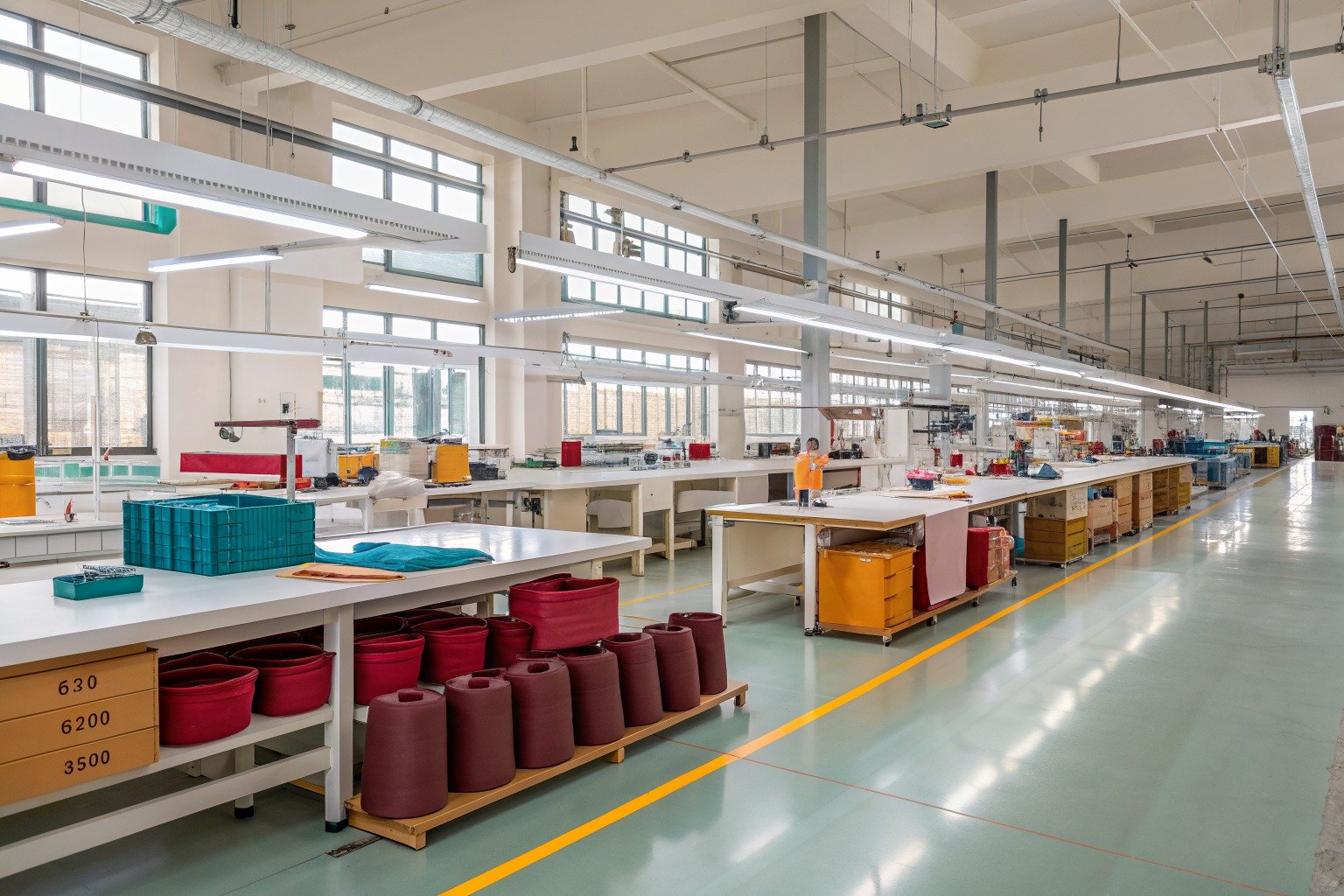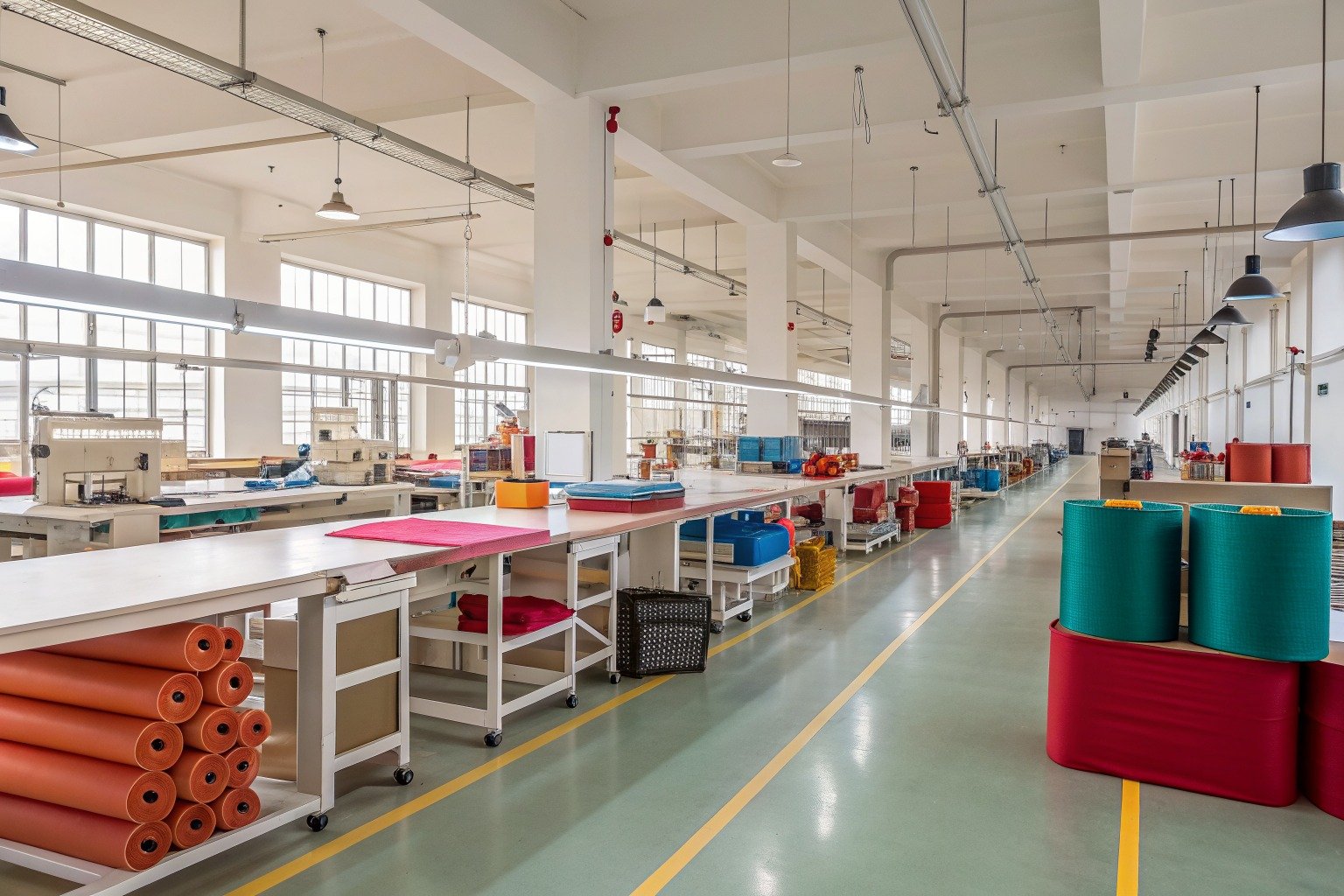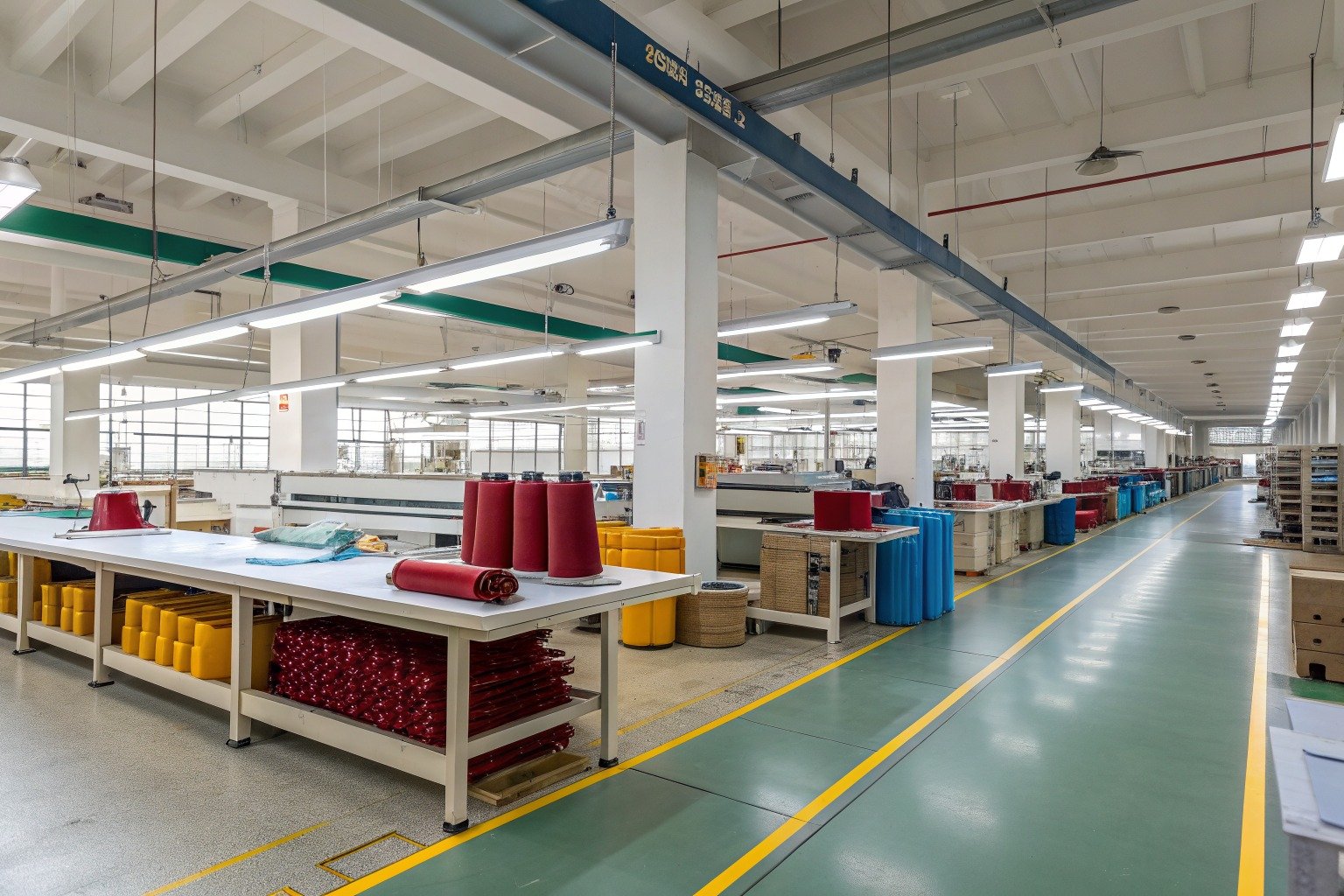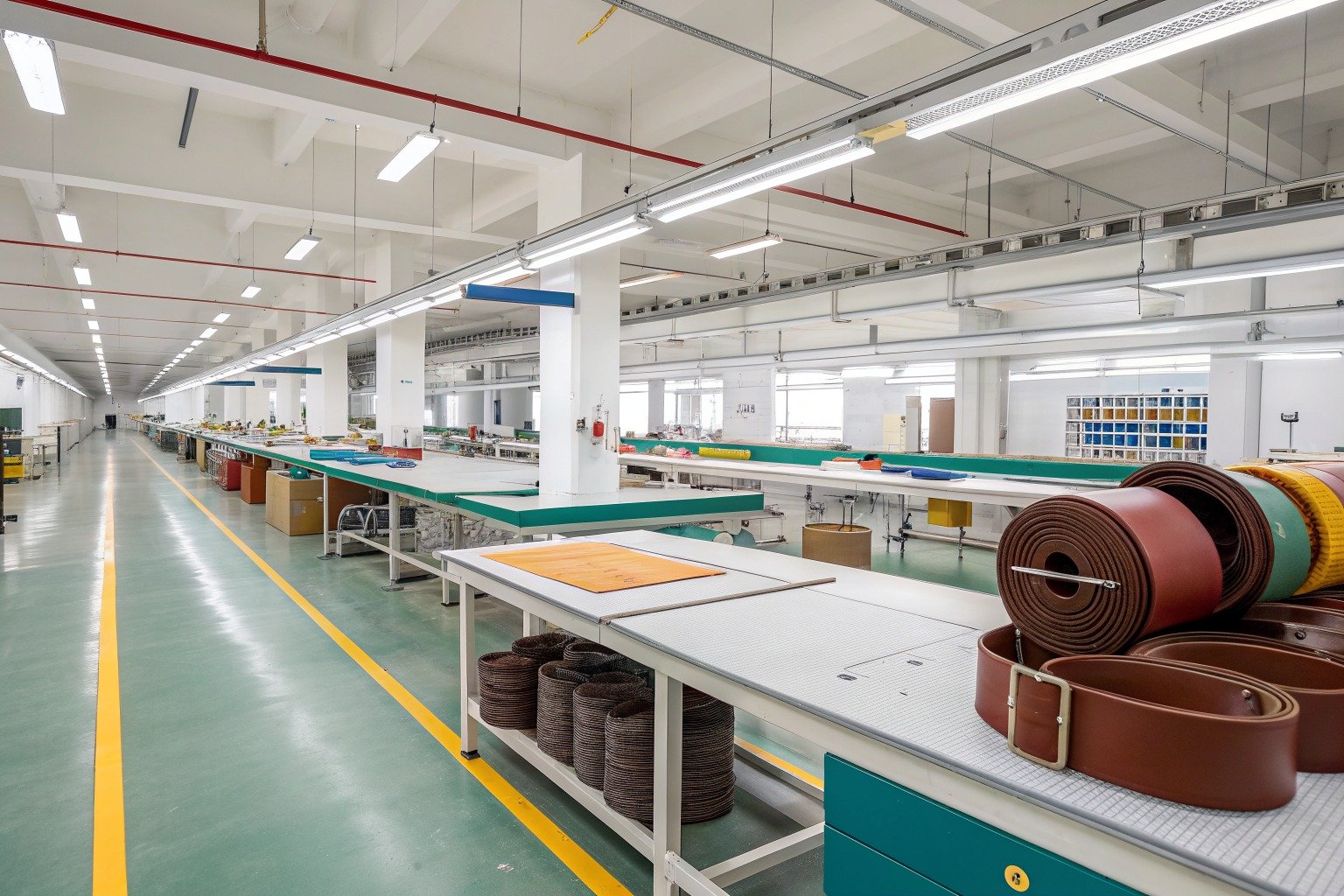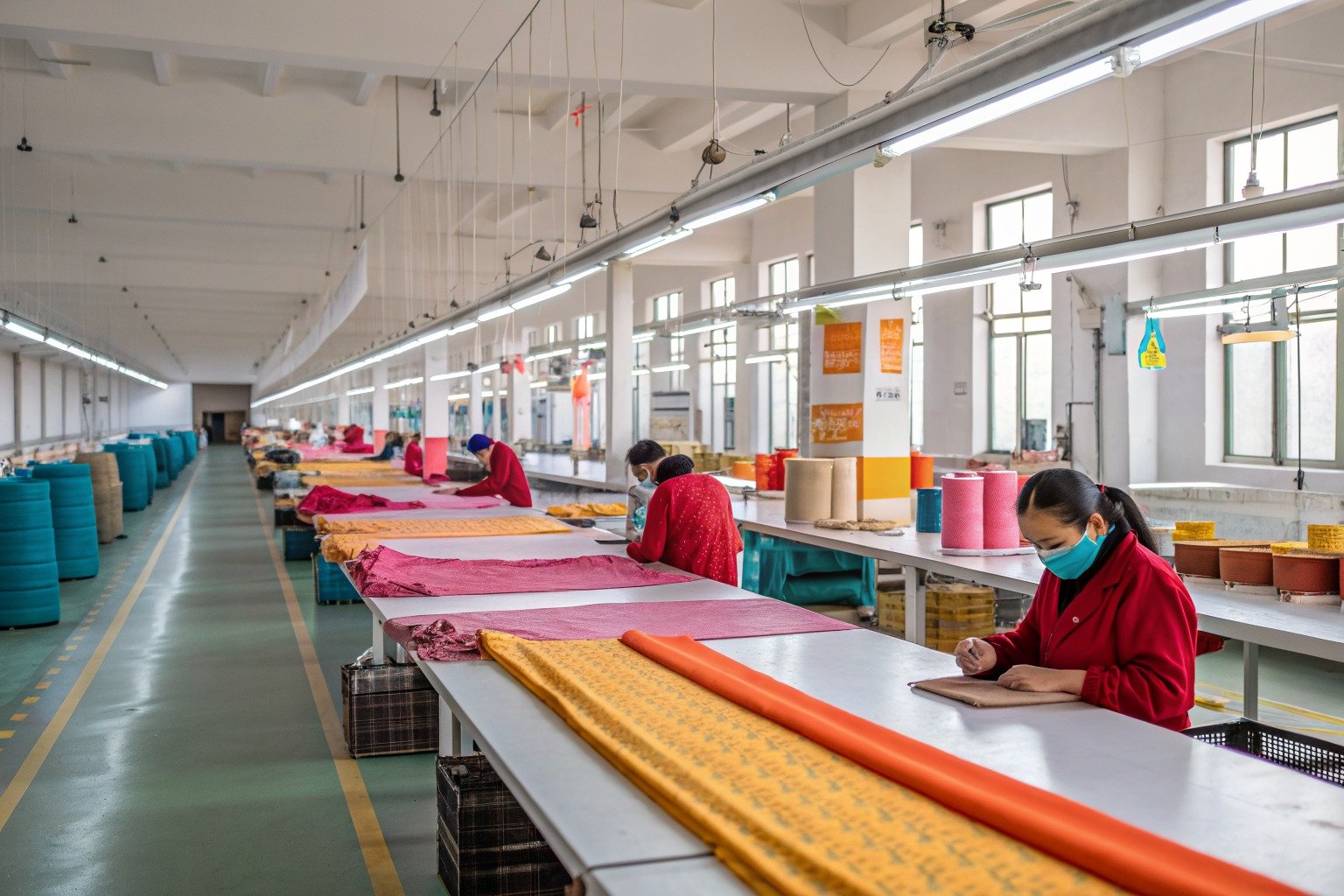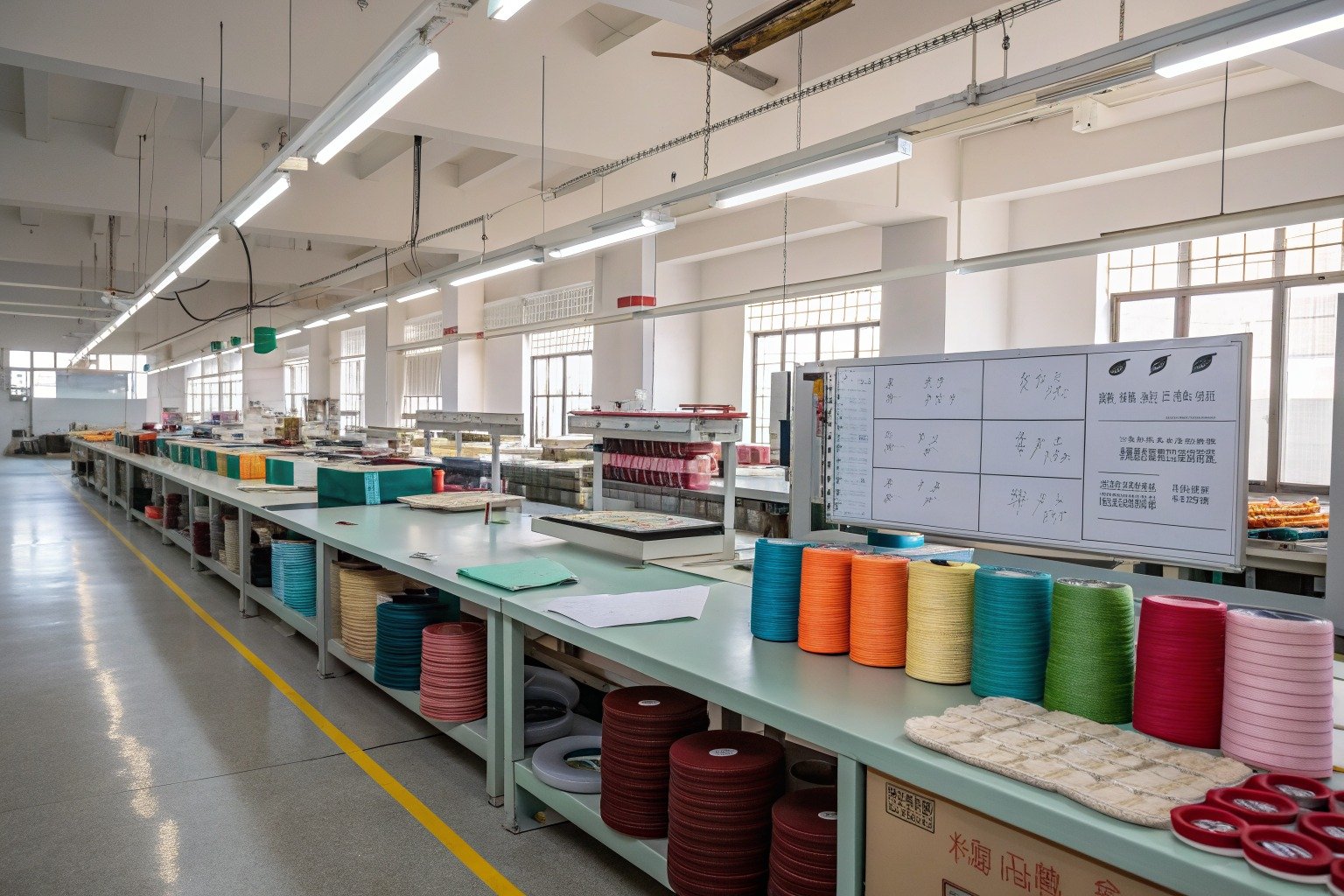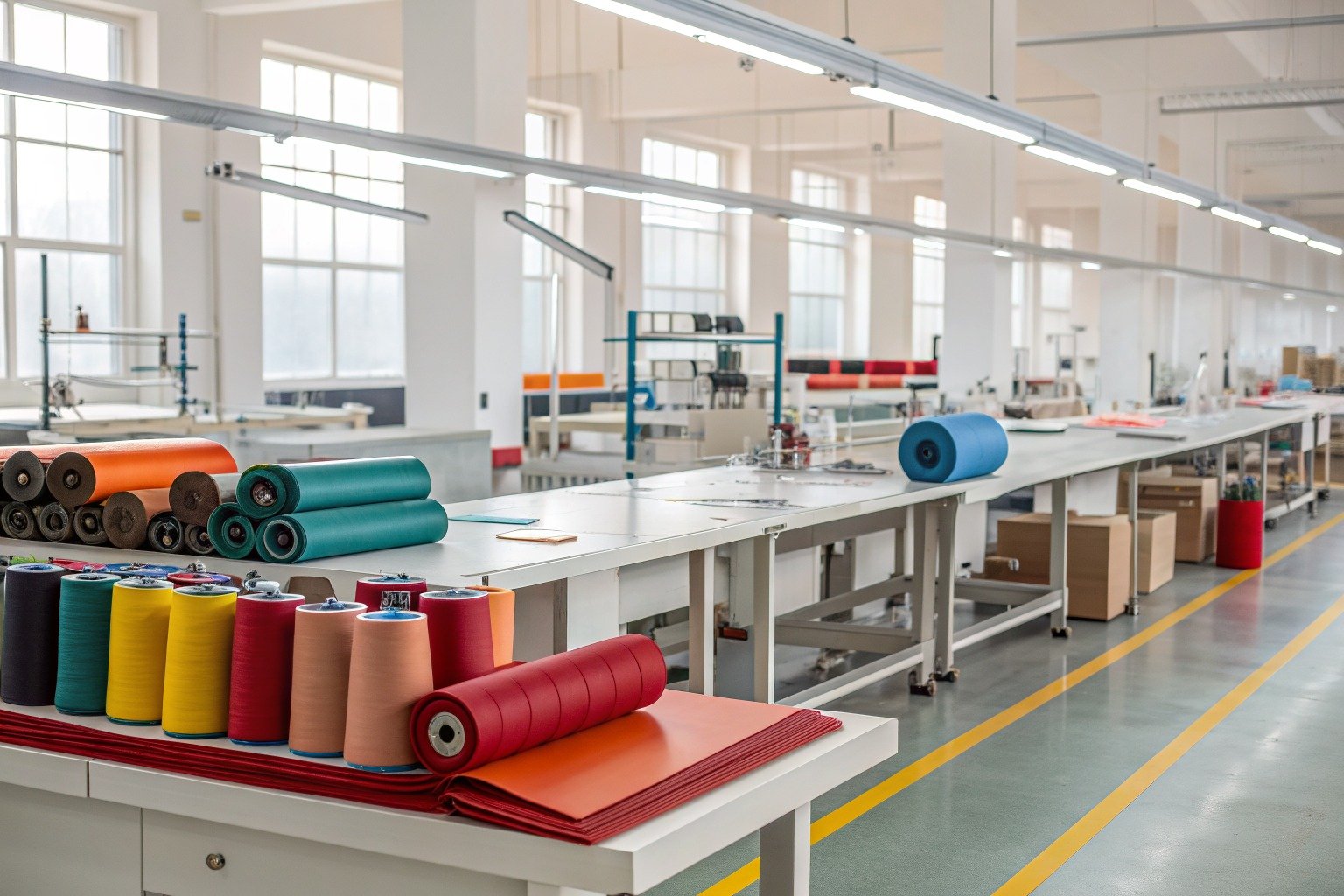
A few years ago, a buyer named David placed a large order for hair accessories with a new factory. The communication was smooth. The pre-production photos looked great. He wired the balance payment and waited for his goods. When the shipment arrived at his 3PL, he opened a carton and found loose threads, crooked stitching, and colors that didn’t match the approved sample. He contacted the factory. They sent a "QC Report" they had generated themselves. It was a single page with three checkboxes and a blurry photo. It was worthless. David had no leverage. He couldn’t prove the defects existed before shipping. He had to sell the subpar goods at a discount, damaging his brand’s reputation. If you are like Ron, you cannot physically inspect every production run in China. The fear of paying for a container of defective merchandise with no independent verification is a legitimate business risk.
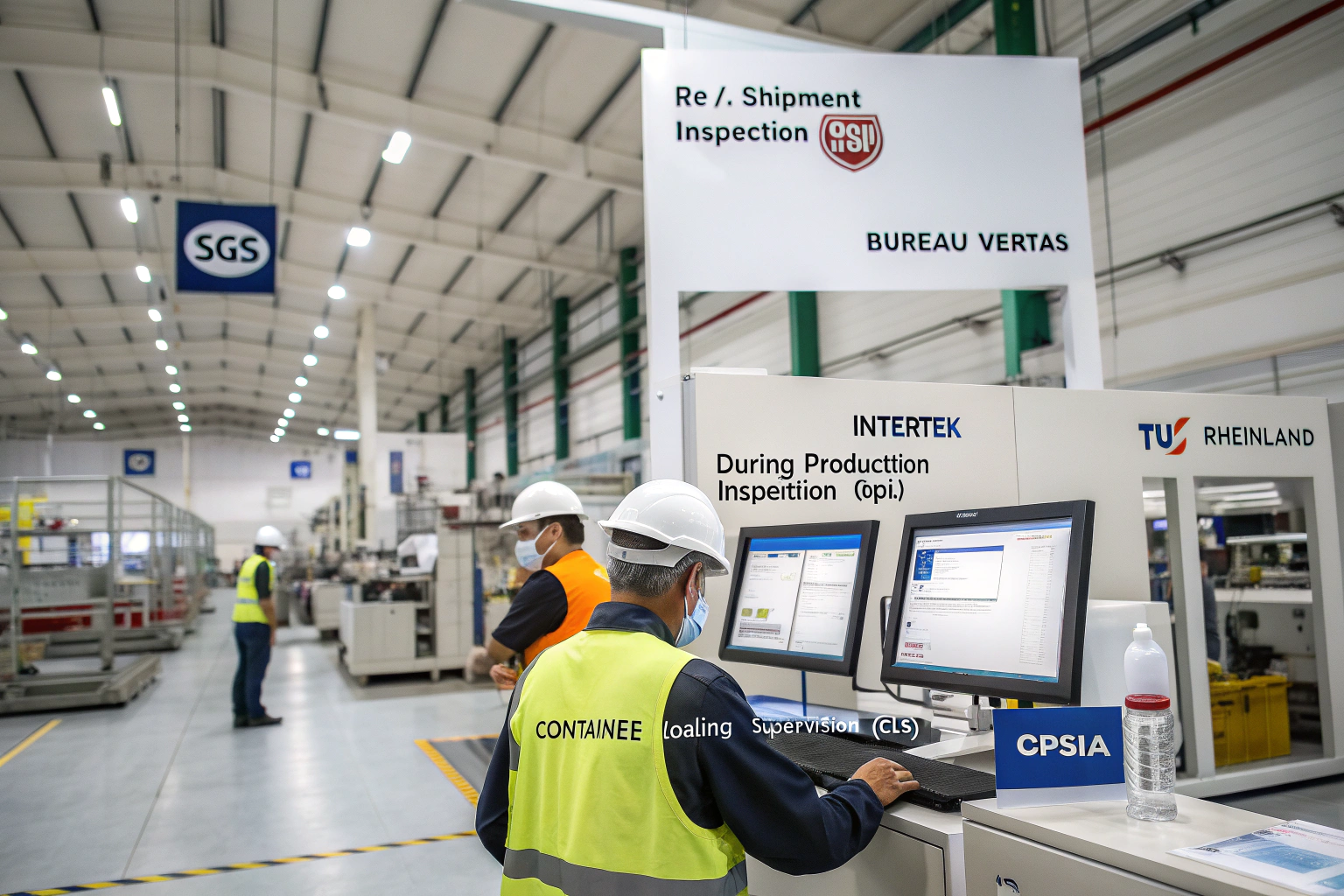
Yes, a professional factory like AceAccessory not only allows third-party inspections but actively facilitates and encourages them. We can provide a range of reports from internationally accredited agencies including SGS, Bureau Veritas (BV), Intertek, and TÜV Rheinland. These reports cover Pre-Shipment Inspection (PSI), During Production Inspection (DPI), Container Loading Supervision (CLS), and specialized testing for CPSIA compliance. The cost is typically borne by the buyer, but the transparency and risk mitigation they provide are invaluable for cross-border trade.
I run AceAccessory in Zhejiang Province. I have been on both sides of the inspection table. I have watched inspectors tear apart cartons and reject entire lots. It is not a comfortable feeling, but it is a necessary part of professional manufacturing. A factory that refuses a third-party inspection is a factory that has something to hide. A factory that welcomes them is a factory that is confident in its quality systems. I want my clients to sleep well at night, knowing that an independent set of eyes has verified the quantity, workmanship, and safety of their order before that container leaves the port. Let me walk you through exactly what these reports are, what they cost, and how the process works from the factory’s perspective.
What Types of Third-Party Inspection Reports Are Available for Accessories?
The term "Inspection Report" covers a wide range of services. You need to know which type of report is appropriate for your specific concern. Ordering the wrong type of inspection is a waste of money.
At AceAccessory, the three most common reports our clients request are:
-
Pre-Shipment Inspection (PSI): This is the most common and cost-effective option. The inspector visits our factory when production is 100% complete and at least 80% packed. They pull a random statistical sample (based on AQL standards) from the finished cartons. They check for visual defects, dimensional accuracy, labeling, and packaging integrity. This report gives you the final "Go / No-Go" decision before we load the container. It answers the question: "Is this shipment acceptable to send?"
-
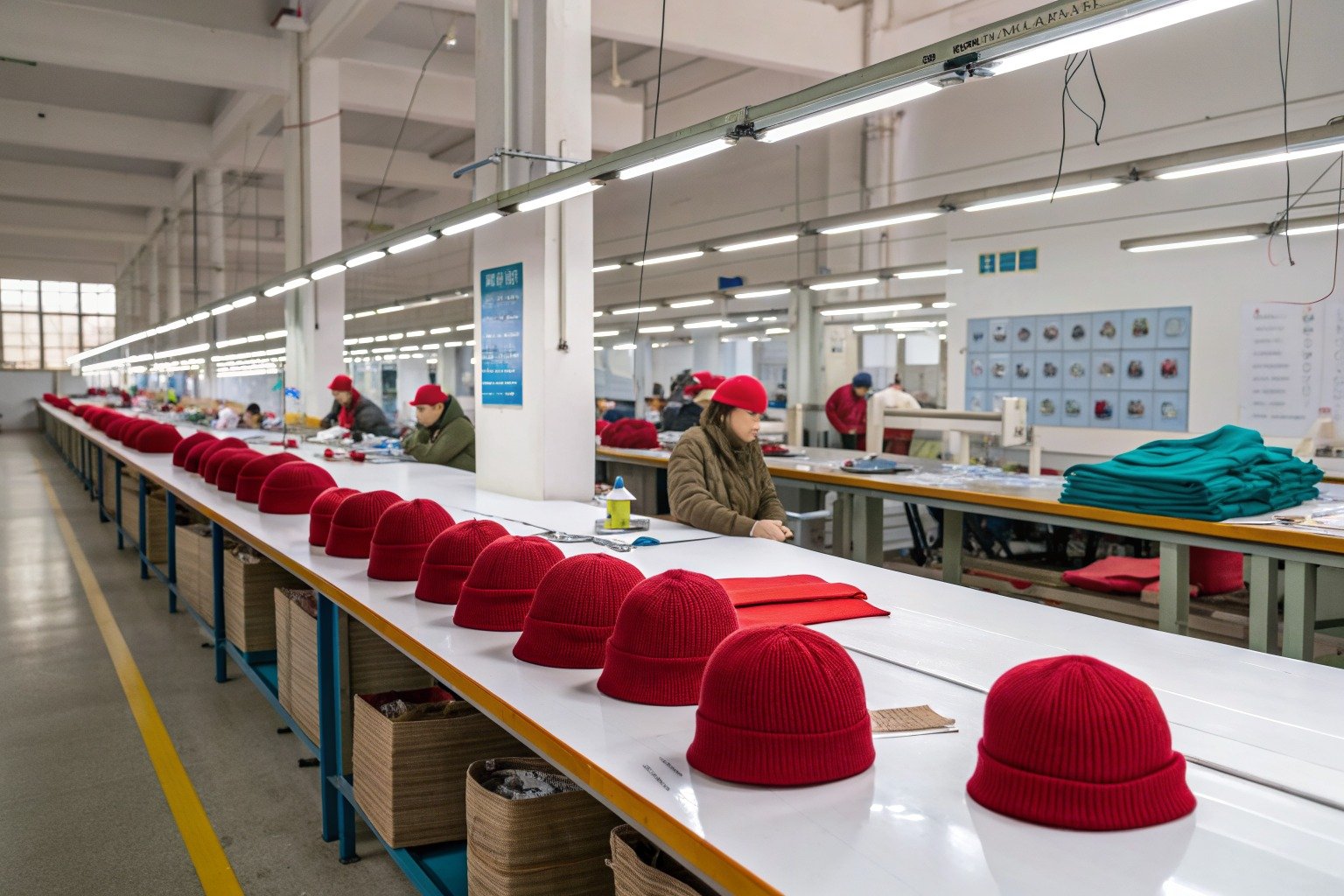
During Production Inspection (DPI / DUPRO): This inspection happens when 20% to 60% of the order is complete. The inspector goes onto the production floor. They check the work-in-progress. This is critical for catching systemic issues early. For example, if the stitching tension is wrong on a batch of hats , catching it at 20% allows us to correct the machines before the remaining 80% is ruined. This report answers the question: "Is the factory making the goods correctly?"
-
Container Loading Supervision (CLS): The inspector watches the container being loaded. They verify the carton counts, check the pallet stacking, ensure the container is clean and dry, and record the seal number. This report answers the question: "Did the correct quantity of the correct goods get sealed in the container?"
There are also specialized Lab Tests (often called "Product Audits") where samples are sent to the lab for Lead Content, Phthalates, or Flammability testing. These are required for children’s products and certain regulated categories.
What Is the Difference Between AQL Level II and Level III Inspections?
This is the most technical part of the inspection order. AQL stands for Acceptable Quality Limit. It is the statistical standard that determines how many samples the inspector pulls and how many defects are allowed.
Most consumer goods, including fashion accessories , use AQL Level II . This is the default "normal" inspection severity. For a batch of 10,000 hair clips, Level II requires inspecting 200 pieces. The acceptable defect limit is usually 2.5% for Major defects (broken clip, missing logo) and 4.0% for Minor defects (loose thread, slight scuff).
Level III is a tighter inspection. It is used for high-value goods, medical devices, or when a factory has a history of quality issues. For the same 10,000 pieces, Level III requires inspecting 315 pieces. It takes longer and costs more (about 20-30% more in inspection fees).
When should you use Level III?
- First order with a new factory.
- Complex product with many components (e.g., a shawl with beading).
- Strict retailer requirements (e.g., Walmart, Target).
At AceAccessory, we are comfortable with Level II for our standard products because our internal QC already acts as a filter. But we never object if a client wants to pay for Level III. We understand it is about their risk tolerance. We provide the space and the samples for the inspector to do their job thoroughly.
How Does Container Loading Supervision Prevent Short Shipments?
I have heard horror stories. A buyer orders 10,000 pieces. The factory invoices for 10,000 pieces. The container arrives with 8,000 pieces. The factory claims the other 2,000 "must have been stolen at the port." This is almost always a lie. The factory short-shipped to save cost or because they didn’t finish production on time.
Container Loading Supervision (CLS) eliminates this risk entirely. Here is the exact process at AceAccessory when a CLS is ordered:
- Pre-Load Count: The inspector arrives 2-3 hours before loading. They walk the warehouse floor. They count the final, sealed cartons that are staged for shipment. They verify the total quantity matches the packing list.
- Container Inspection: The inspector enters the empty container. They check the walls and floor for holes, water damage, or odors. They take a photo of the empty interior.
- Loading Supervision: As our warehouse team loads the cartons, the inspector counts every single carton entering the container. They ensure no "mystery pallets" are added or removed.
- Seal Verification: Once loading is complete, our team closes the doors. The inspector watches us affix the High-Security Bolt Seal. They record the unique seal number in their report. This seal number must match the number on the Bill of Lading.
- Final Photo: A photo of the closed container doors with the seal clearly visible.
This process costs approximately $250 – $350 USD. It is cheap insurance against a $10,000 short-shipment loss. We welcome CLS inspections at AceAccessory because they protect us as well. If a container arrives short, we have a third-party record proving we loaded the full quantity. It protects our reputation.
What Does the Third-Party Inspection Process Look Like at the Factory?
Many buyers imagine a hostile, adversarial relationship between the factory and the inspector. They picture the factory trying to hide defects and trick the inspector. While this does happen at low-quality workshops, it is not the reality at a professional factory like AceAccessory.
For us, the inspection is a collaborative audit. We prepare for it. We want the inspector to find zero defects because a clean report makes our client happy and reduces the chance of a costly return.
Here is the internal workflow at AceAccessory on Inspection Day:
- 8:00 AM: Inspector arrives at our gate. Our project manager greets them and verifies their credentials (SGS/BV ID badge).
- 8:15 AM: Meeting in the conference room. We provide the Production File. This includes the approved Gold Sample, the Tech Pack with measurements, the Packing List, and the QC Checklist.
- 8:30 AM: The inspector reviews the file and selects the Sample Size based on AQL tables.
- 9:00 AM: Carton Selection. The inspector randomly selects the cartons to be opened. We do not choose the cartons for them. We provide a forklift and a worker to bring the selected pallets to the inspection table.
- 9:30 AM – 12:00 PM: Inspection. The inspector opens the cartons and inspects the pieces. We provide a clean, well-lit table, a magnifying lamp, and a weighing scale. Our project manager is present to answer questions but does not interfere with the sampling process.
- 1:00 PM: Defect Review. The inspector shows us any defects found. We have the opportunity to clarify if a defect is within tolerance (e.g., "That’s a slub in the natural cotton yarn, not a defect"). If the defect is valid, we accept it.
- 2:00 PM: Inspector completes the digital report on their tablet.
- 4:00 PM: We receive the Draft Report via email. We review it for factual accuracy (e.g., "PO Number listed incorrectly").
This is a smooth, professional process. It is how a modern manufacturing partner operates.

How Does the Factory Prepare for an SGS or BV Inspector Visit?
Preparation is the key to a fast and accurate inspection. A disorganized factory wastes the inspector’s time (which costs you money by the hour) and creates a bad impression.
At AceAccessory, we have a Pre-Inspection Checklist that our project manager completes 24 hours before the inspector arrives.
- Carton Readiness: 100% of the order must be finished and 80% packed. The cartons must be neatly stacked by PO number.
- Documentation Ready: Commercial Invoice, Packing List (with carton breakdown), and Approved Sample on the table.
- Inspection Area: A dedicated table (minimum 2m x 1m) with good lighting (minimum 800 Lux) and a power outlet.
- Tools Available: Weighing scale (calibrated), tape measure, metal detector (for apparel), barcode scanner.
We also do an Internal Pre-Check. Our internal QC team randomly pulls 5 cartons the day before. They inspect 50 pieces. If they find any issues, we fix them before the third-party inspector arrives. This is not "hiding defects." This is due diligence. It is our job to ensure the product is right before we call for an external audit. This proactive approach results in higher pass rates and faster turnaround for our clients .
What Happens If a Shipment Fails the Inspection?
No factory likes to talk about this, but it is the most important question. What is the Failure Protocol?
A "Fail" grade from SGS or BV means the number of defects found exceeds the AQL limit. The inspector issues a Red Report. The shipment is Not Allowed to Load.
At AceAccessory, here is exactly what happens if this occurs (and it is rare, but it has happened):
- Immediate Notification: The project manager calls the client within 1 hour. We send the draft report. We do not hide it.
- Root Cause Analysis: We determine why it failed. Was it a labeling error? A stitching issue on one specific production line?
- Corrective Action Plan:
- Option A: 100% Rework. We open every single carton. We fix the specific defect. We re-pack. We schedule a Re-Inspection (Client pays re-inspection fee).
- Option B: Sort and Ship. We sort the entire batch. We separate "Good" from "Defective." We ship only the "Good" quantity and credit the client for the shortfall.
- Option C: Scrap and Remake. If the defect is fundamental (wrong fabric), we scrap the batch and start over. We absorb this cost.
The key difference between a good factory and a bad one is who pays for failure. At AceAccessory, if the failure is due to our manufacturing error, we pay for the rework labor. The client pays the third-party re-inspection fee (approx. $200-$300) because that fee goes to SGS, not to us. This is the industry standard. We stand behind our quality control .
How Much Do Third-Party Accessory Inspections Cost in China?
This is the practical question every buyer wants answered. The cost of an inspection is not fixed; it depends on Man-Days (the number of days an inspector is on site) and Travel Expenses.
For a standard Pre-Shipment Inspection (PSI) of fashion accessories like hair clips or belts, the cost is relatively affordable, especially when weighed against the risk of a bad shipment.
Here is a realistic cost breakdown based on current rates from major agencies for inspections in the Zhejiang/Ningbo area:
| Inspection Type | Estimated Cost (USD) | Man-Days Required | Notes |
|---|---|---|---|
| Pre-Shipment Inspection (PSI) | $250 – $350 | 1 Man-Day | Most common. Includes report. |
| During Production (DPI) | $280 – $380 | 1 Man-Day | Slightly higher due to floor time. |
| Container Loading (CLS) | $250 – $300 | 0.5 Man-Day | Local inspector. Fast report. |
| Full Combination (DPI + PSI + CLS) | $700 – $900 | 2.5 Man-Days | Package discount often available. |
Factors that increase cost:
- Weekend/Holiday Surcharge: Add 15-25%.
- Remote Factory Location: If the factory is 3+ hours from the inspector’s office, they charge travel time and mileage.
- Complex Product: Inspecting a simple hair band is fast. Inspecting a complex belt with a buckle and leather and stitching takes longer.
At AceAccessory, we are located in the heart of Zhejiang’s manufacturing belt. We are within a 2-hour drive of SGS and BV offices in Ningbo and Hangzhou. This proximity means no remote surcharges for our clients. It is a logistical advantage that saves you money on every inspection.
Are There More Cost-Effective Alternatives to SGS and BV?
Yes. SGS and Bureau Veritas are the "Big Two." They are the gold standard and are accepted by every major retailer in the world. They are also the most expensive.
If you are a smaller brand or selling exclusively on your own Shopify store, you can use Regional Inspection Companies. Companies like V-Trust, AQF, or QIMA offer excellent service at a lower price point. Their inspectors are often former SGS/BV employees.
Here is a cost comparison for a 1 Man-Day PSI in Zhejiang:
- SGS / BV: $298 – $350
- V-Trust / QIMA: $220 – $280
The savings of $70-$100 per inspection adds up over a year.
Important Caveat: Check the Accreditation. Make sure the inspection company is ISO 17020 accredited. This ensures their processes and reporting standards meet international norms.
At AceAccessory, we are happy to work with any accredited inspection company you choose. We have a list of local agencies we have worked with successfully in the past that we can recommend to first-time buyers. We do not take kickbacks or commissions from these agencies. We simply want you to have a smooth, trustworthy inspection experience. This is part of our commitment to transparent sourcing .
What Is Included in the Standard Man-Day Rate?
When you pay $298 for a PSI, you are not just paying for a person to stand there for 8 hours. You are paying for a comprehensive service. It is important to know what is included and what is excluded.
Included in Standard Rate:
- Travel Time: Up to 2 hours from inspector’s base.
- On-Site Inspection Time: Up to 8 hours (including lunch break).
- Sampling: AQL statistical sampling (Level II standard).
- Visual Inspection: Checking for workmanship defects.
- Functional Testing: Testing the spring on a hair clip , measuring dimensions.
- Packaging Check: Verifying labels, barcodes, and assortment.
- Digital Report: PDF report with photos, findings, and Pass/Fail result delivered within 24 hours.
Excluded (Extra Cost):
- Overtime: If inspection exceeds 8 hours (rare for a well-prepared factory).
- Lab Testing: Sending samples to a lab for chemical analysis (e.g., $150 for Lead Test).
- Re-Inspection Fee: If the first inspection fails and requires a second visit.
At AceAccessory, we ensure the inspection finishes within the standard 1 Man-Day window because we have the goods prepared and the paperwork ready. We respect the inspector’s time, which keeps your costs predictable.
How to Verify the Authenticity of a Third-Party Inspection Report?
Unfortunately, document fraud exists. Unscrupulous factories have been known to photoshop old reports or create fake reports with stolen logos. If you are not physically present, how do you know the report you received via email is real?
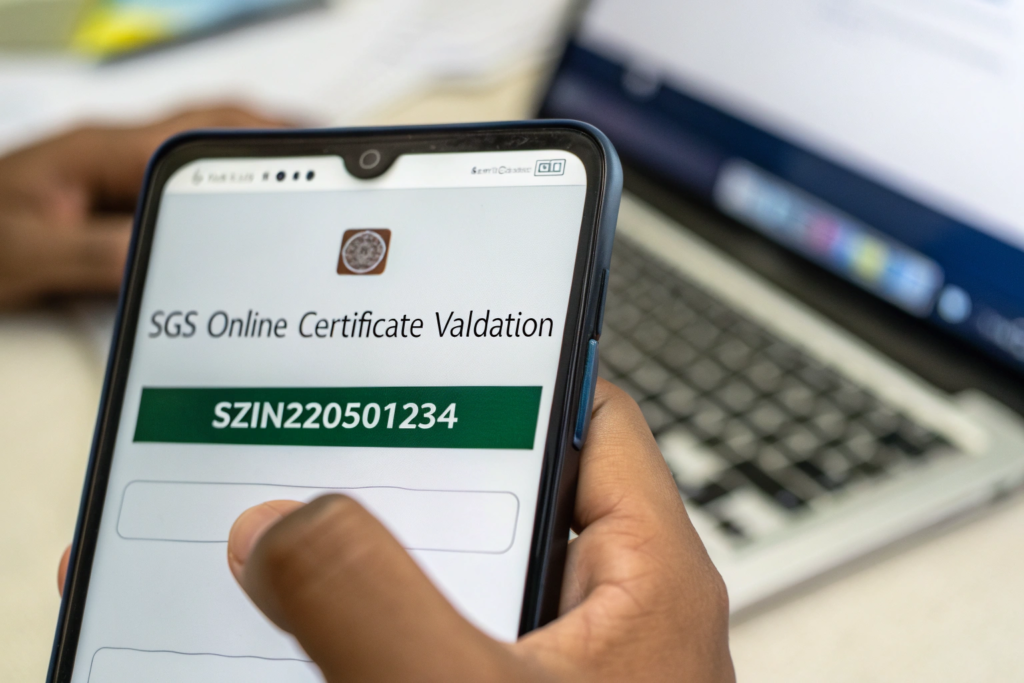
The answer is Online Verification Portals. Every legitimate third-party inspection agency (SGS, BV, Intertek, V-Trust) has a public certificate validation tool on their website.
Here is the exact process you should follow for every report you receive:
- Locate the Report Number. On an SGS report, it is in the top right corner (e.g., "NBIN230501234").
- Go to the Agency’s Official Website. Do not click a link in the PDF. Type the URL manually.
- Find the "Verify Report" or "Check Certificate" Link. Usually in the footer or "Resources" section.
- Enter the Report Number and the Inspection Date.
- Verify the Details. The portal will show the Client Name, Factory Name, Product Description, and Result.
If the portal says "Invalid Number" or the details don’t match the PDF you received, stop the shipment. Call the factory immediately. This is a major red flag.
At Shanghai Fumao, we encourage clients to verify the report online. We are proud of our reports. We want you to see the official record in the agency’s database. It validates our commitment to transparency.
What Are the Security Features on an Official SGS or BV Certificate?
Beyond the online portal, the PDF document itself has security features. Learning to spot a fake PDF takes seconds and can save you a fortune.
SGS Security Features:
- Header: The SGS logo is a specific shade of orange/red.
- Watermark: When printed, a faint "SGS" watermark is visible in the background paper.
- Digital Signature: The PDF is digitally signed by "SGS-CSTC Standards Technical Services Co., Ltd." If you open the PDF in Adobe Acrobat, you will see a blue ribbon at the top indicating a valid signature. If the signature is invalid or missing, the PDF has been altered.
- Photo Stamp: SGS embeds a date and time stamp directly on the photos taken during the inspection.
Bureau Veritas (BV) Security Features:
- QR Code: BV reports almost always have a QR code on the first page. Scanning it takes you directly to the verification portal.
- Consistent Formatting: BV uses a very rigid, standardized template. If the fonts look weird or the alignment is off, it’s a red flag.
At AceAccessory, when we forward the report to the client, we always include the original, unmodified PDF file directly from the inspector’s email. We do not take screenshots. We do not compress the file. We preserve the digital signature integrity. This is a small but critical detail in our service standard .
How Should You Document the Report for Your Own Compliance Records?
Receiving the report is not the end. As the Importer of Record, you are responsible for maintaining compliance records. If US Customs or the CPSC audits you, you need to produce this documentation.
I advise my clients to follow a simple digital filing system:
Folder Structure:
/Year/Supplier_Name/PO_Number/
Files inside folder:
PO_12345_PSI_Report_SGS.pdf(The original PDF)PO_12345_Packing_List.xlsxPO_12345_Bill_of_Lading.pdfPO_12345_SGS_Verification_Screenshot.png(A screenshot of the successful online verification).
Keep these records for at least 5 years (CPSC requirement for children’s products is 5 years, general apparel is recommended 3-5 years).
This disciplined record-keeping proves that you exercised Reasonable Care in sourcing your products. In the event of a product liability claim or a customs inquiry, this documentation is your shield. It demonstrates that you did not just buy blindly; you verified quality through an independent third party.
Conclusion
The ability to provide and facilitate third-party inspection reports is a fundamental marker of a legitimate and professional manufacturing partner. It is the mechanism that replaces blind trust with verifiable evidence in the complex world of cross-border trade. A factory that welcomes SGS, BV, or other accredited inspectors onto their floor is a factory that operates with transparency and stands behind the quality of its workmanship.
These reports—whether a Pre-Shipment Inspection, a During Production Audit, or a Container Loading Supervision—serve distinct purposes in mitigating the specific risks of importing. They protect against defective merchandise, short shipments, and non-compliant labeling. Understanding the nuances of AQL sampling levels and the cost structure of inspections empowers you to make informed decisions about how much risk mitigation is appropriate for each order.
Ultimately, the inspection report is more than just a Pass/Fail document. It is a critical component of your legal and financial due diligence as an importer. It provides the documentation necessary to defend your brand in the marketplace and before regulatory agencies.
If you are considering an inspection for your next order and want a factory that will prepare the goods properly and respect the inspector’s time, we are here to support that process. Contact our Business Director, Elaine. She can coordinate the inspection scheduling and provide all the necessary pre-inspection documentation. Email Elaine at: elaine@fumaoclothing.com