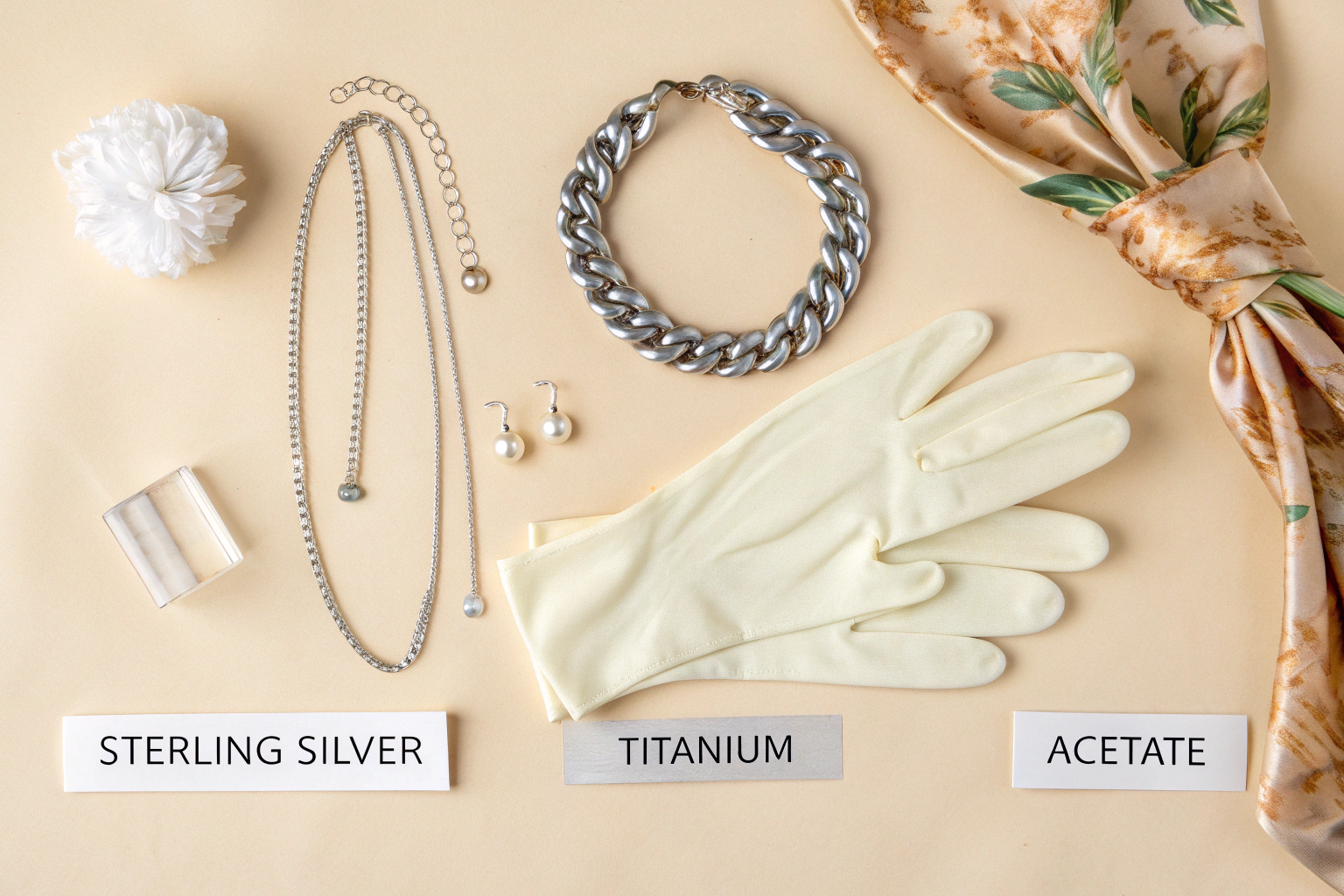
I’ve been in this business for decades, and I can tell you that one of the most common, yet often hidden, concerns among consumers is skin sensitivity. For a significant portion of the population, wearing certain accessories can lead to itching, redness, rashes, and discomfort. This is not just a minor annoyance; it can be a major barrier to enjoying fashion. As an industry, we have a responsibility to understand these issues and to offer options that are safe and comfortable for everyone.
The demand for hypoallergenic and sensitive-skin friendly accessories is growing. Consumers are more aware than ever of what they put on and in their bodies. They are seeking out materials that are not only beautiful but also safe, non-irritating, and kind to their skin. For buyers like Ron, understanding these materials is essential for serving this important and expanding market.
At Shanghai Fumao Clothing, we take skin sensitivity seriously. We offer a wide range of accessories made from hypoallergenic materials and are committed to providing our clients with safe, high-quality products. In this post, I’ll share the best materials for hypoallergenic and sensitive-skin friendly accessories. For more on our commitment to quality and safety, you can read our guide on the key tests for chemical safety in children’s hair accessories.
What Causes Skin Reactions To Accessories?
Before we discuss the solutions, it’s important to understand the problem. Skin reactions to accessories are most commonly caused by two things: contact dermatitis from certain metals and irritation from rough or chemically treated fabrics.
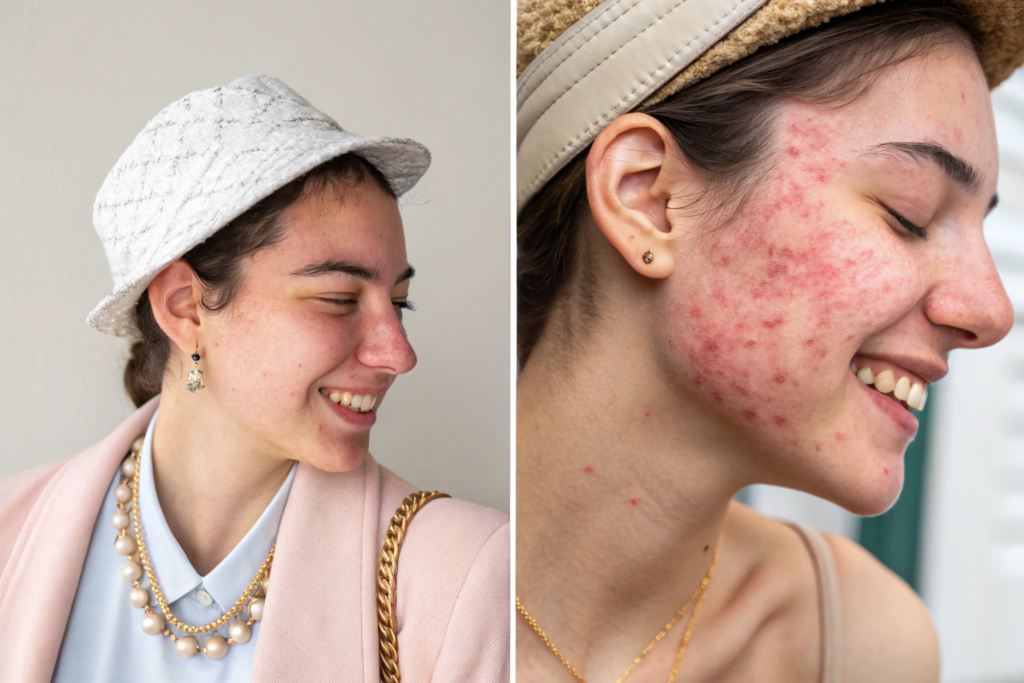
What is the most common cause of metal allergies?
The most common cause of metal allergy is nickel. Nickel is a cheap, widely used metal that is often alloyed with other metals to make them harder or more durable. It’s found in countless items, including jewelry, belt buckles, zippers, buttons, and eyeglass frames. For people with a nickel allergy, even brief contact can cause a red, itchy, and sometimes blistering rash. This condition is known as allergic contact dermatitis.
Other metals that can sometimes cause reactions include cobalt and chromium, though nickel is by far the most common culprit.
What fabric-related issues can cause skin irritation?
- Rough Fibers: Some natural fibers, like low-quality wool, can be coarse and scratchy, causing physical irritation (contact dermatitis) on sensitive skin.
- Chemical Residues: Fabrics can be treated with a variety of chemicals during manufacturing, including dyes, finishing agents, and anti-wrinkle treatments. These chemicals can sometimes remain on the fabric and cause allergic reactions or irritation in sensitive individuals.
- Synthetic Fabrics: Some people find that certain synthetic fabrics, like polyester or nylon, can trap heat and moisture, leading to skin irritation, especially in warm weather.
Understanding these causes is the first step in choosing safe materials. This is similar to the considerations we take when testing for chemical safety in children’s products, where the stakes are even higher.
What Are The Best Hypoallergenic Metals For Accessories?
For delicate metal accessories such as intricate jewelry, ornate belt buckles, and polished watch cases, selecting the appropriate metal is of paramount importance for individuals with sensitive skin. The wrong choice can lead to uncomfortable redness, persistent itching, or even unsightly rashes, turning a cherished adornment into a source of irritation. Imagine the disappointment of wearing a beautiful silver necklace that leaves a trail of tiny, inflamed bumps along your collarbone, or a sleek leather belt buckle that causes a raw, burning sensation against your waist.
For those with sensitive skin, the tactile experience of metal against their body becomes a critical consideration, where the subtlest of reactions can mar both comfort and confidence. Opting for hypoallergenic metals like surgical-grade stainless steel, pure titanium, or 14k gold (which contains less nickel than lower karatages) can transform this potential concern into a seamless, enjoyable experience.
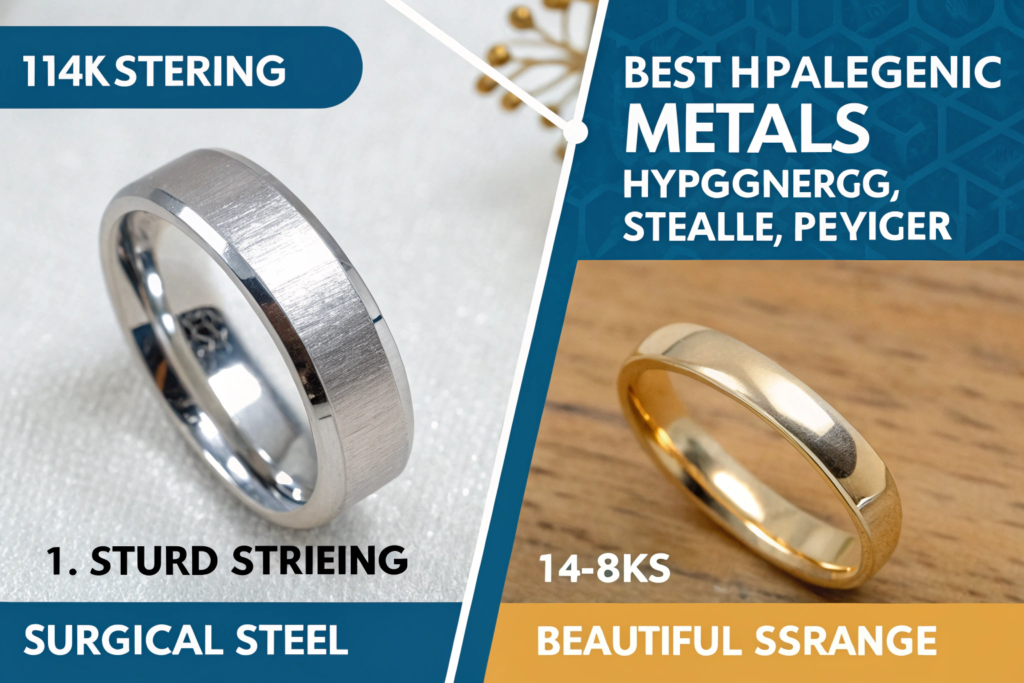
What is surgical-grade stainless steel?
Surgical-grade stainless steel (often referred to as 316L or 304 steel) is an alloy that is highly resistant to corrosion and contains very low levels of nickel. It is the same material used for surgical implants and medical instruments, which speaks to its biocompatibility and safety.
- Why it’s good: It’s extremely durable, affordable, and highly unlikely to cause allergic reactions. It’s an excellent choice for earrings, necklace chains, bracelets, and watch cases.
- Considerations: It has a silver-gray color and a modern look. While very low in nickel, it is not 100% nickel-free. However, the amount is so small that it rarely causes problems, even for those with nickel sensitivities.
A surgical-grade stainless steel necklace chain is a safe and stylish choice.
What metals should be avoided?
- Nickel: The most common allergen. Avoid any jewelry described as "nickel-plated" or "nickel alloy."
- Brass: An alloy of copper and zinc. It often contains nickel as well and can cause reactions.
- Copper: Can sometimes cause reactions, especially if it comes into direct contact with the skin for prolonged periods.
- Costume Jewelry Metals: These are often made from base metals like iron or zinc alloyed with nickel and then plated with a thin layer of a more desirable metal. The plating can wear off, exposing the nickel underneath.
Choosing the right metal is the most important step for those with metal sensitivities. This is similar to the careful selection of materials for sunglass frames, where both performance and skin contact are considerations.
What Are The Best Hypoallergenic Materials For Fabric Accessories?
For fabric-based accessories like scarves, gloves, hats, and hair accessories, the choice of material is key to comfort for those with sensitive skin. Imagine the gentle caress of a scarf woven from ultra-soft cashmere, its fibers so fine they barely whisper against delicate necklines, or the warm embrace of hypoallergenic merino wool gloves that trap just enough heat without irritating chapped hands. A hat crafted from organic cotton, its breathability preventing sweat from stinging tender scalps, or hair accessories adorned with silk ribbons that glide through strands without tugging or causing redness—these are not mere items, but companions that honor the fragility of sensitive skin. The right material transforms everyday wear into a soothing ritual, where every touch feels like a tender reassurance, free from the itch of rough fibers or the sting of harsh dyes.
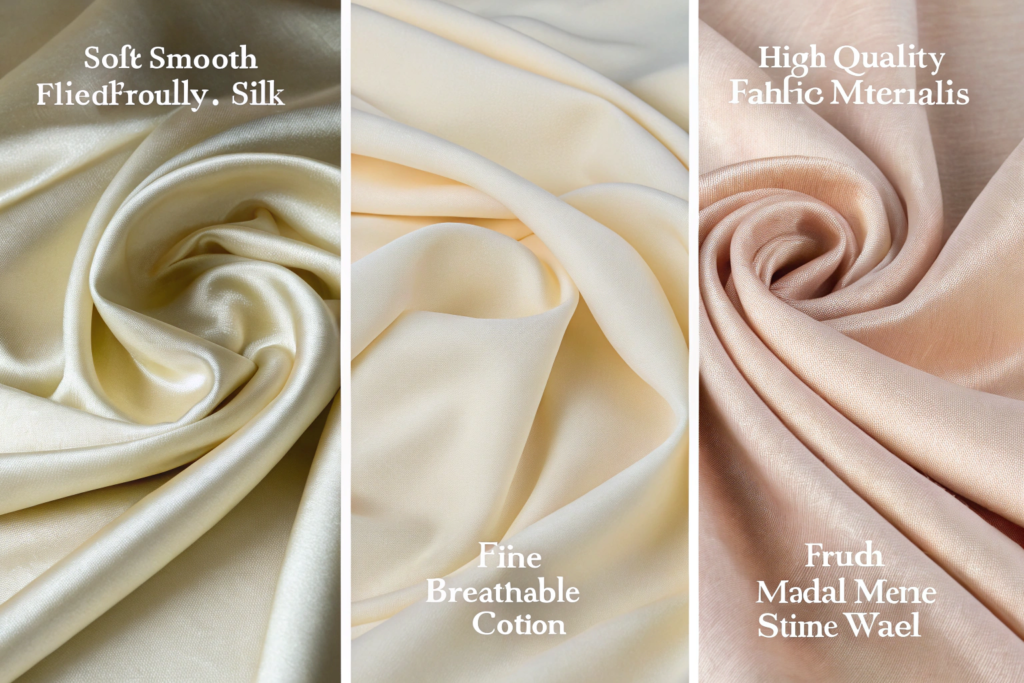
What are the best natural fibers for sensitive skin?
- Silk: Silk is a natural protein fiber that is incredibly smooth, soft, and breathable. It is naturally hypoallergenic and resistant to dust mites and mold. It feels luxurious against the skin and is an excellent choice for scarves and hair accessories. As we discussed in how to source high-quality silk twill scarves, the quality of the silk matters greatly.
- Organic Cotton: Cotton is soft, breathable, and generally well-tolerated. Organic cotton is an even better choice because it is grown without the use of harsh pesticides and chemicals, and it is processed without the same level of chemical treatments. This reduces the risk of irritation from chemical residues.
- Modal and Bamboo: These are semi-synthetic fibers made from natural cellulose. They are incredibly soft, smooth, and breathable, often even softer than cotton. They are also naturally hypoallergenic and moisture-wicking, making them a great choice for accessories that will be in direct contact with the skin.
- Fine Merino Wool: While some people find wool itchy, fine Merino wool has very fine fibers that are soft and non-irritating for most people. It is also naturally temperature-regulating and moisture-wicking. Look for Merino with a low micron count (under 20 microns) for guaranteed softness. This is similar to the quality indicators we look for in high-quality wool for tartan scarves.
A soft, pure silk scarf is a luxurious and safe choice for sensitive skin.
What synthetic fibers can be safe?
Some synthetic fibers, like microfiber polyester, can be made very smooth and soft and can be safe for sensitive skin, provided they are free from harsh chemical finishes. However, they may not be as breathable as natural fibers, which can be an issue for some people.
The key is to look for fabrics that are soft, smooth, and free from chemical irritants.
What Are The Best Materials For Plastic And Resin Accessories?
For accessories like hair clips, buttons, and some jewelry components, plastic and resin materials are common. These materials come in a kaleidoscope of hues—vibrant pinks that mimic cherry blossoms, deep blues like the ocean at dusk, and matte whites that catch the light softly. They can be smooth as polished stone, with a cool, slippery touch, or textured with intricate patterns that feel like tiny landscapes under the fingertips.
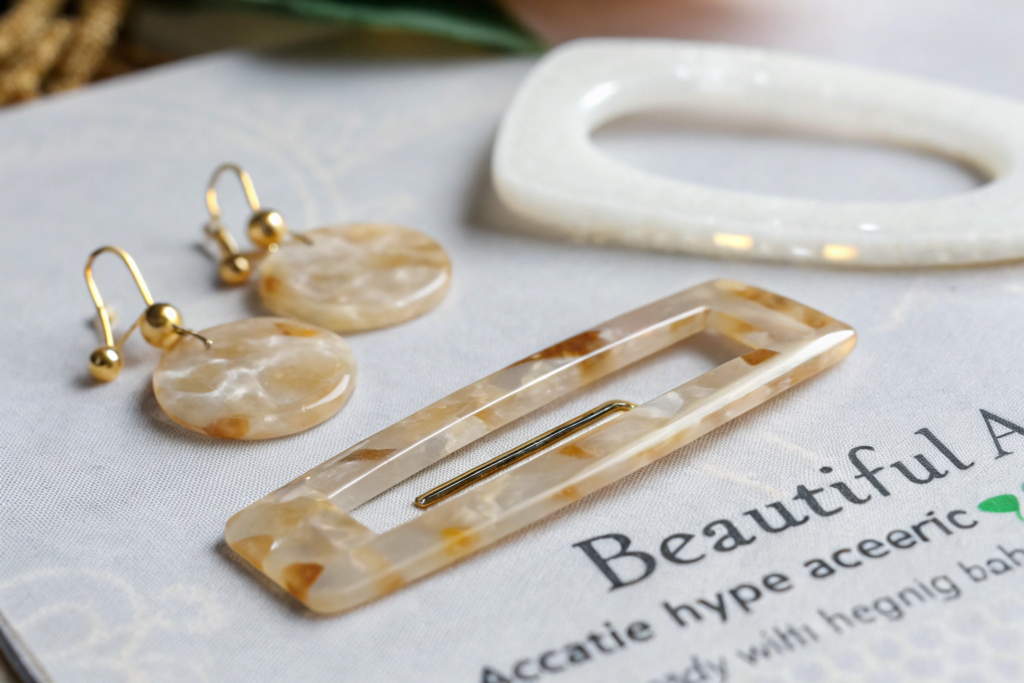
What is acetate and why is it a good choice?
Acetate is a plant-based plastic, typically made from cotton and wood pulp. It is a popular choice for high-quality hair accessories and eyewear frames.
- Why it’s good: Acetate is hypoallergenic and gentle on the skin. It’s also lightweight and comfortable to wear. Unlike some other plastics, it doesn’t contain the same levels of potentially irritating additives. A high-quality acetate hair clip is a safe and stylish choice, much like the fashionable and affordable hair clips we’ve discussed.
What about other plastics and resins?
- High-Quality Resin: High-quality, non-toxic resins used in jewelry can be safe for most people. The key is to avoid cheap, low-quality resins that may contain irritating chemicals or have rough, unfinished edges.
- Avoid: Cheap, mass-produced plastic accessories may be made from materials that contain phthalates or other chemicals that can cause skin irritation in sensitive individuals. They may also have rough seams or edges that can cause physical irritation.
As with all materials, quality matters. This is similar to the distinction between different price segments in fashion accessories, where higher quality often means safer, better materials.
Conclusion
Choosing the right materials is essential for creating accessories that are safe and comfortable for everyone, especially those with sensitive skin. For metal accessories, opt for hypoallergenic options like surgical-grade stainless steel, titanium, nickel-free sterling silver, and high-karat gold. For fabric accessories, choose soft, natural, and minimally processed fibers like silk, organic cotton, modal, and fine Merino wool. And for plastic accessories, look for high-quality acetate and non-toxic resins. By understanding these materials, you can make informed choices that prioritize both style and skin health.
At Shanghai Fumao Clothing, we are committed to providing our clients with accessories that are not only beautiful but also safe and comfortable. We offer a wide range of products made from hypoallergenic materials, including surgical-grade stainless steel jewelry, silk scarves, organic cotton accessories, and acetate hair clips. We understand the importance of quality and safety and can help you create a collection that caters to customers with sensitive skin.
If you’re ready to develop a line of hypoallergenic and skin-friendly accessories, let’s talk. Please contact our Business Director, Elaine, at elaine@fumaoclothing.com. We’ll help you create products that everyone can enjoy.