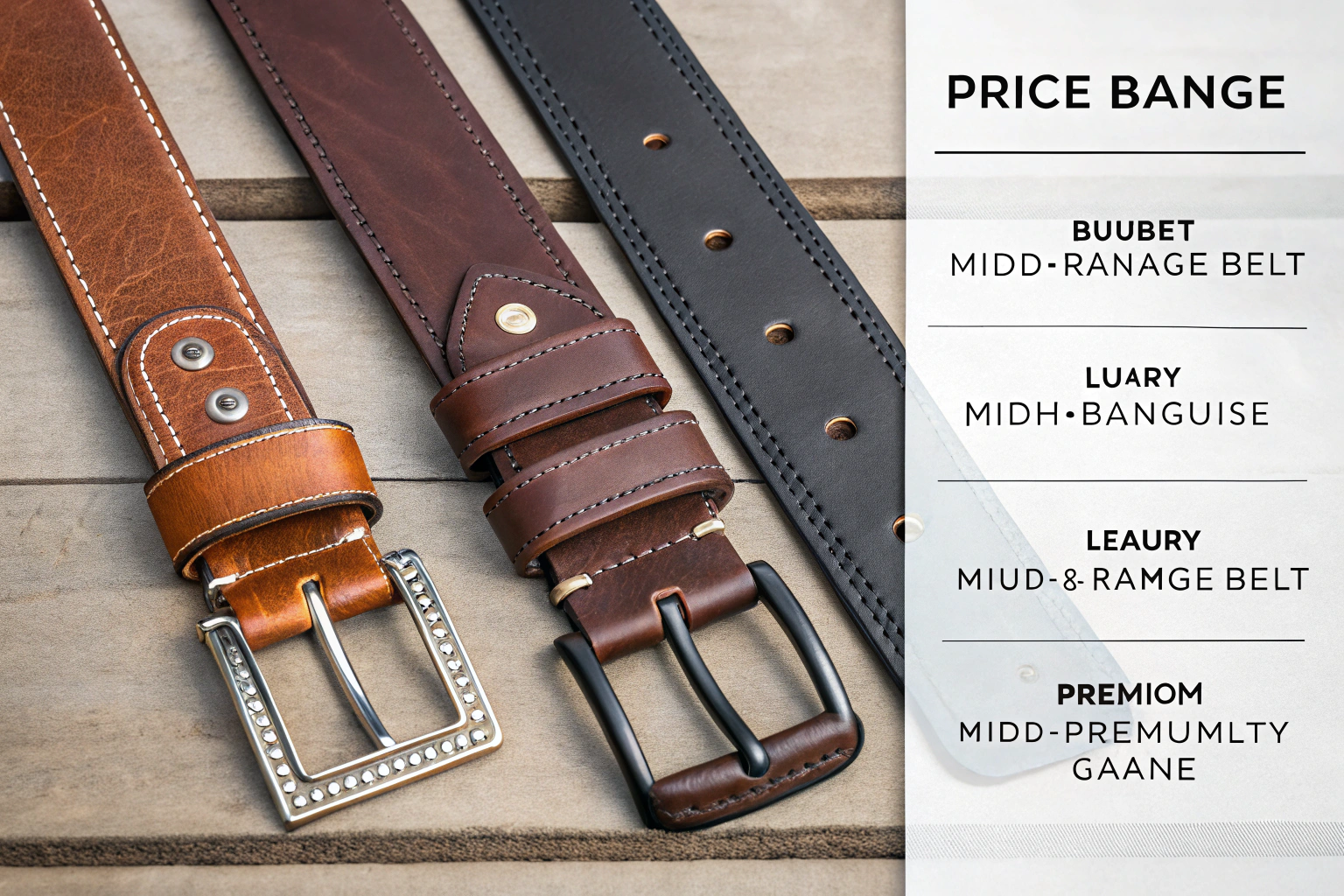
I’ve been in this business for decades, and I can tell you that one of the most common questions I get from buyers like Ron is: "What’s the real difference between a $10 belt and a $100 belt?" It’s a fair question. At first glance, they might look similar in a product photo. But the difference, when you hold them in your hands, is immense. It’s the difference between a disposable item and a potential heirloom.
Understanding the quality differences across price segments is essential for any buyer, whether you’re sourcing for a fast-fashion retailer or a luxury boutique. You need to know what you’re paying for, and you need to be able to communicate that value to your customers. The price tag reflects a combination of factors: materials, construction, design, branding, and the story behind the product.
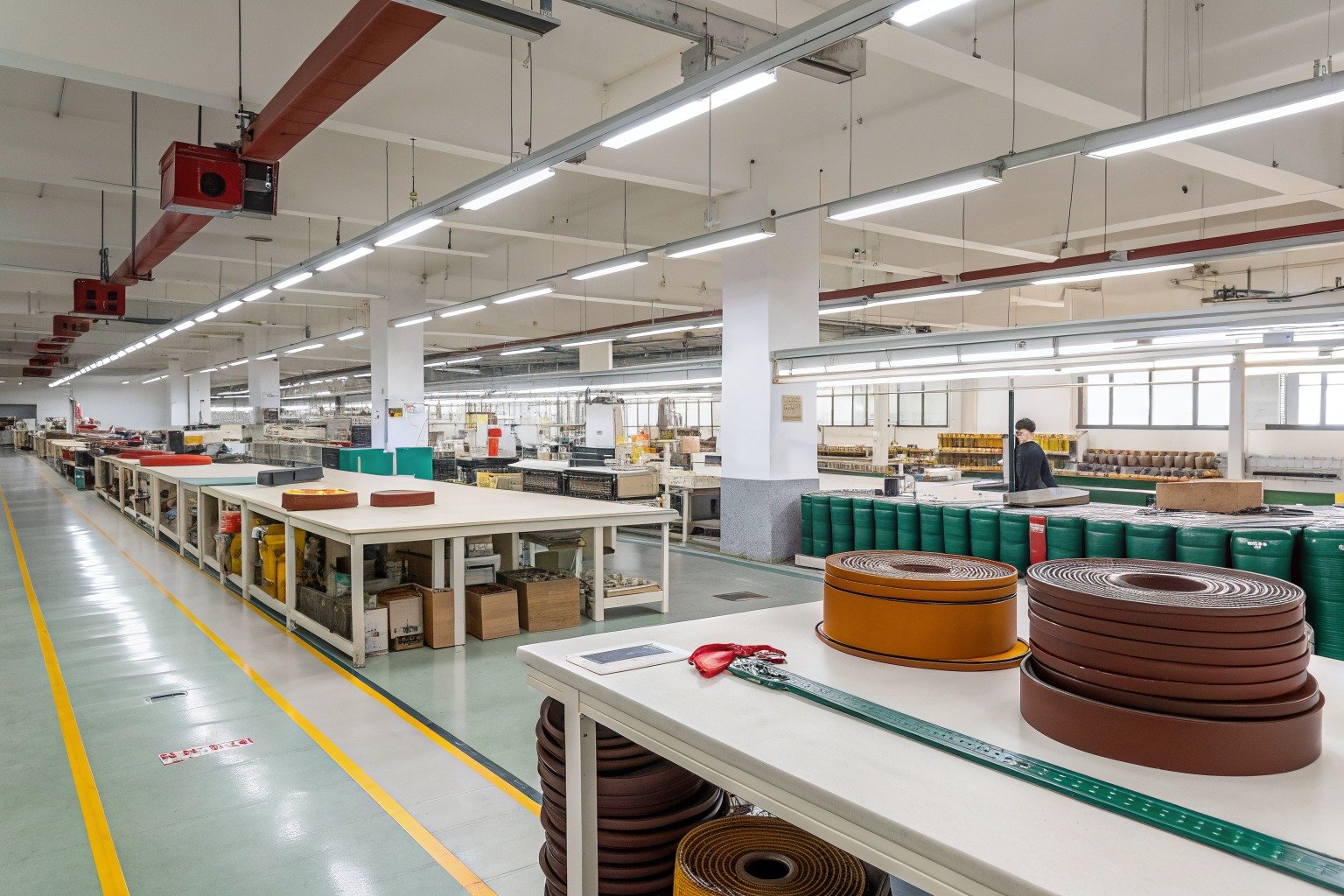
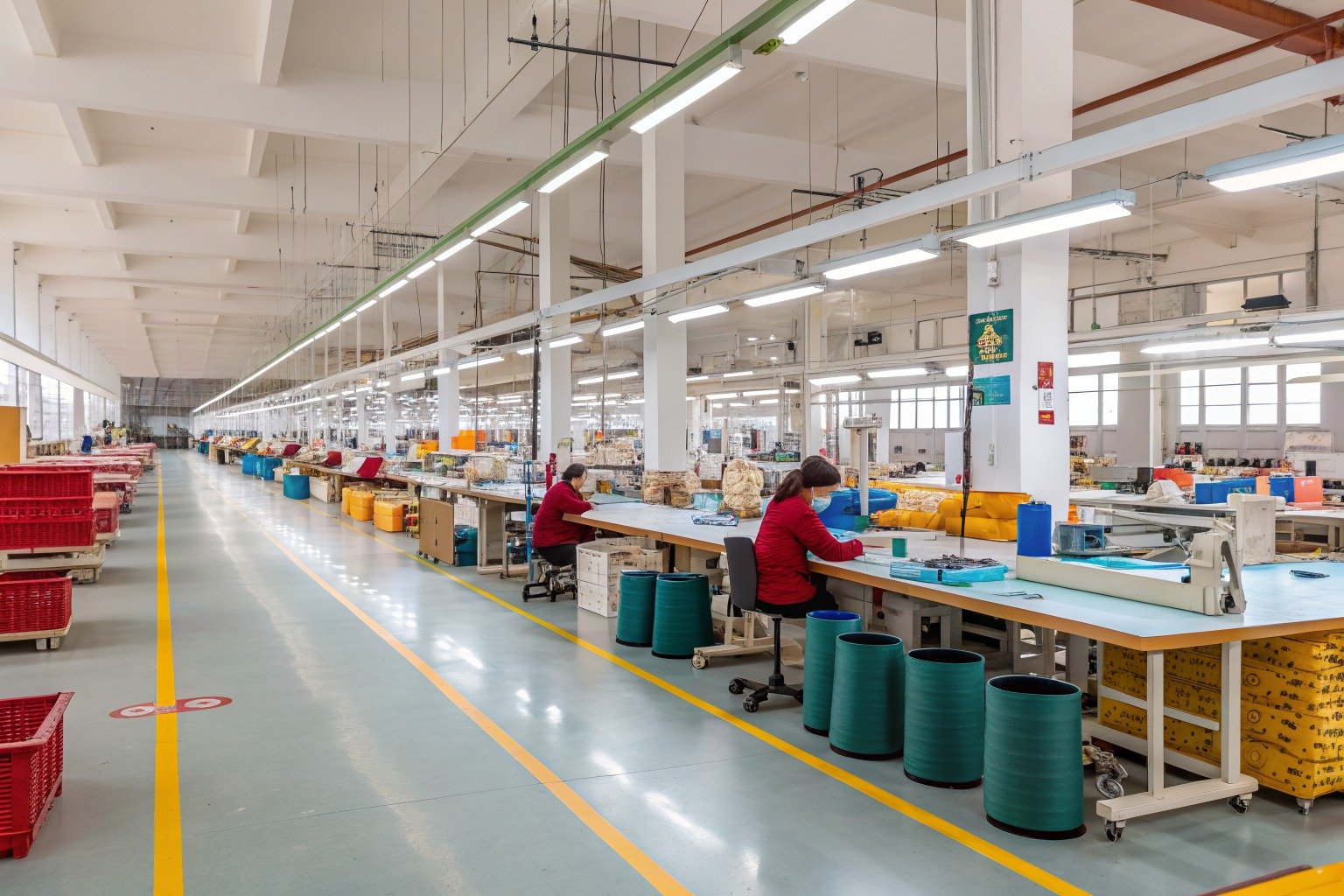
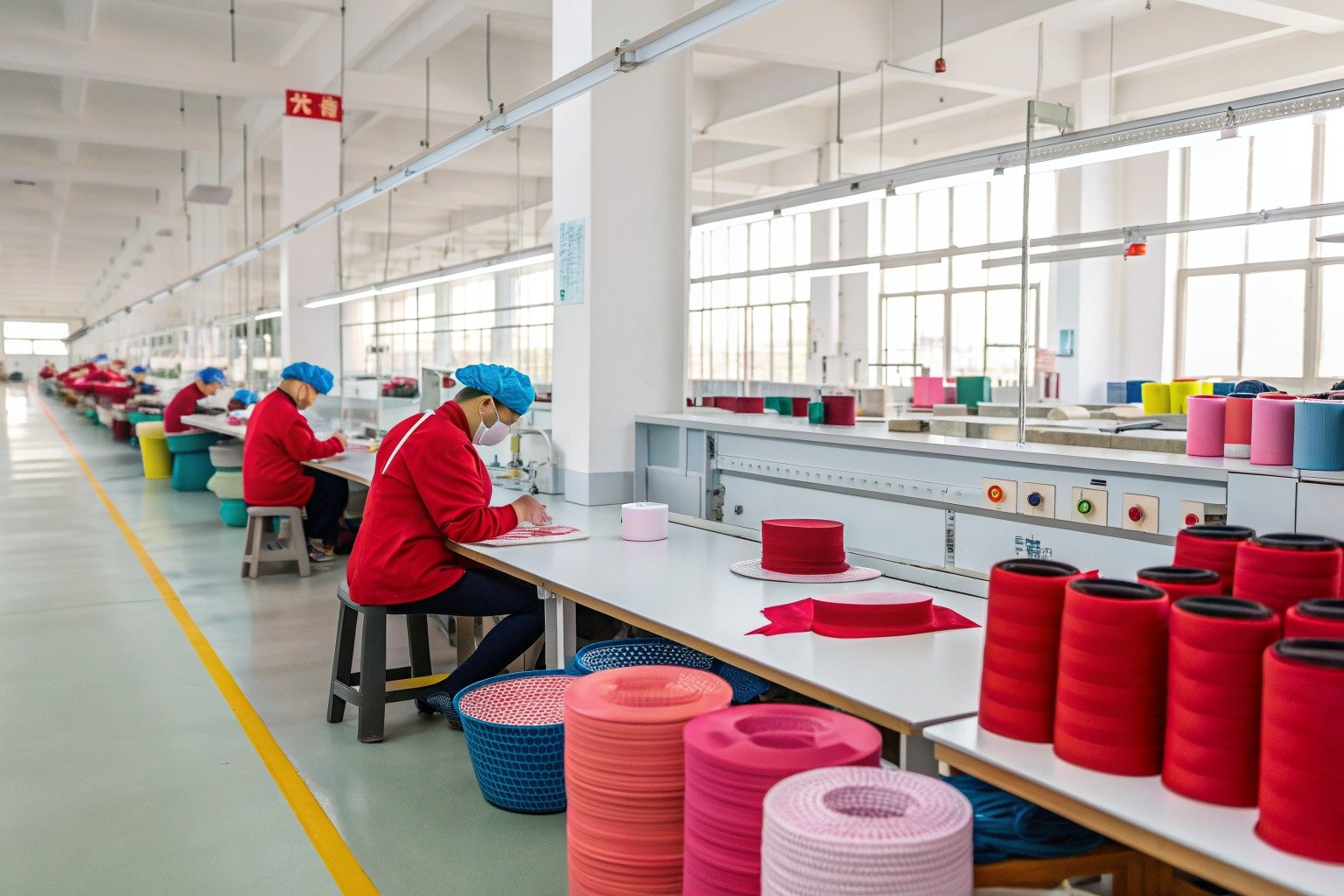
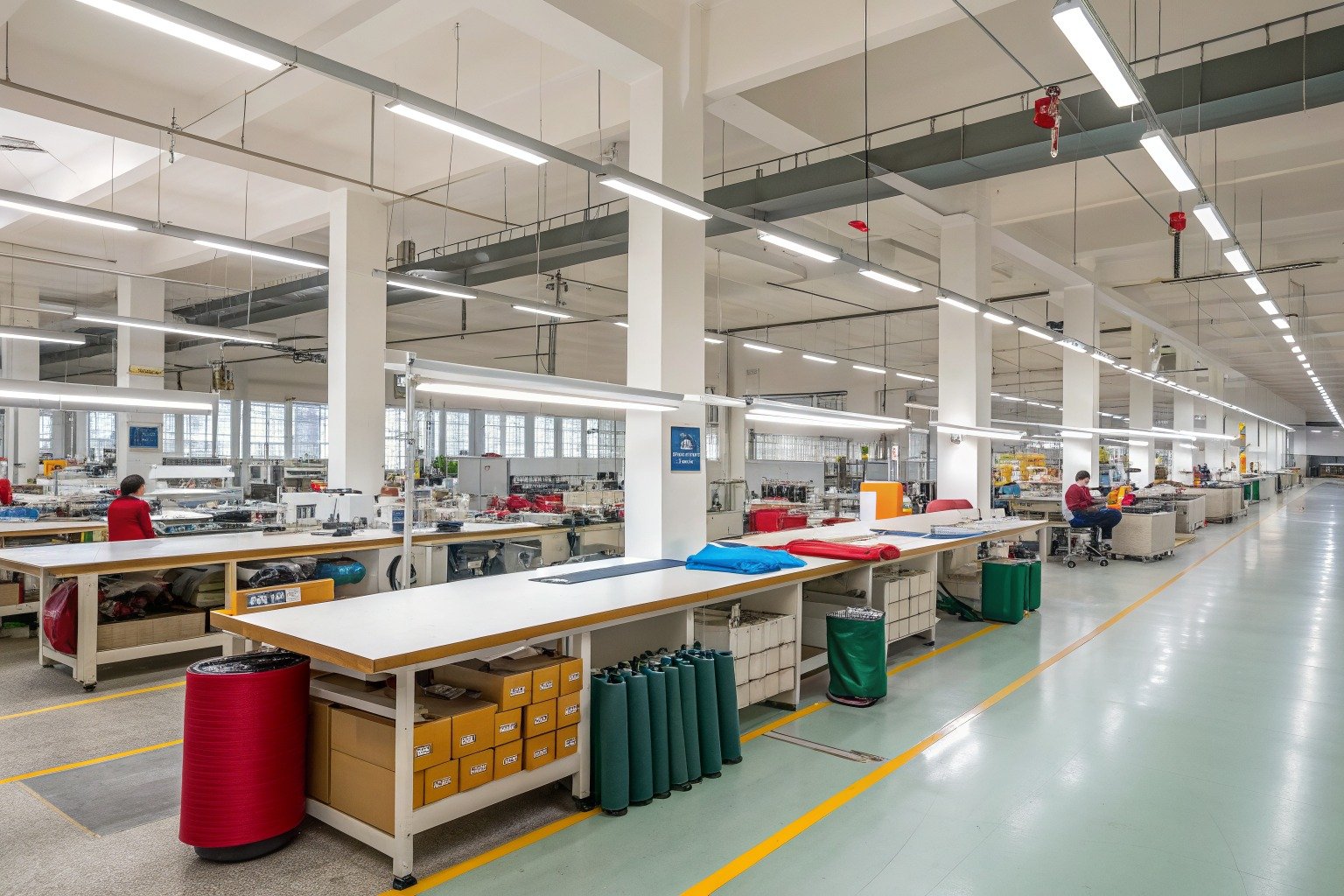
At Shanghai Fumao Clothing, we manufacture accessories across the entire price spectrum. We understand the nuances of each segment and how to achieve the desired quality at the target price point. In this post, I’ll break down the key differences in fashion accessory quality for various price segments. For more on how we approach quality, you can read our guide on the most important tests for abrasion resistance in belt leather.
What Defines The Budget/Economy Price Segment?
The budget or economy price segment is all about accessibility. These are products designed to be affordable for the widest possible audience. They are often trend-driven, and the expectation is that they may not last for years, but they offer a quick, stylish fix at a low price. Think fast fashion.
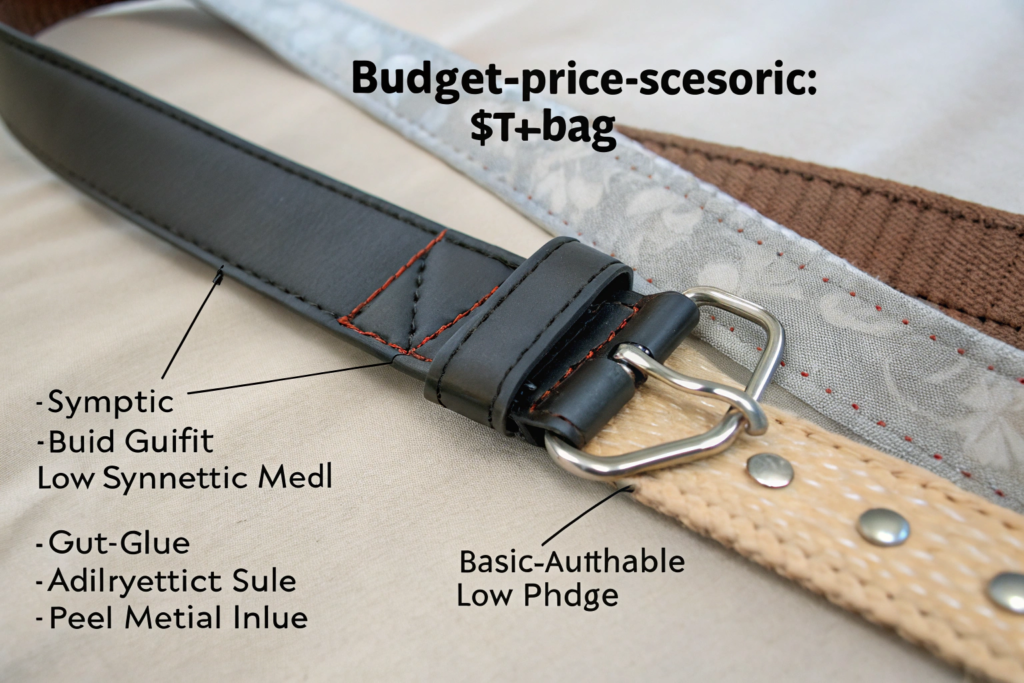
What are the typical materials used in budget accessories?
- Metals: Base metals like iron or zinc alloy with thin plating (often called "costume jewelry" plating). The plating may wear off over time, revealing the base metal underneath. Hardware may be lightweight and feel less substantial.
- Fabrics: Synthetic fabrics like polyester, acrylic, or low-quality cotton. These may be less durable, prone to pilling, or have a less pleasant hand feel.
- Leather: In this segment, you will almost never find genuine leather. Instead, you’ll find "faux leather" (PU leather) or "bonded leather" (made from leather scraps and adhesives). These materials can look passable at first but may peel, crack, or degrade over time.
- Findings: Clasps, zippers, and other findings will be of basic quality. Zippers may be from lesser-known brands and may not operate as smoothly. Clasps may feel flimsy.
The focus is on achieving a certain look at the lowest possible cost. This is similar to the material choices we see in how to source fashionable and affordable hair clips, where acrylic and plated metals are used to keep costs down.
What are the typical construction techniques?
- Construction: Construction is often simplified to reduce labor costs. For example, a bag might have fewer interior pockets, simpler linings, and less reinforcement at stress points. A belt might have a glued rather than stitched construction.
- Stitching: Stitching may be less precise, with occasional loose threads or unevenness. Bar-tack stitching at stress points is often minimal or absent.
- Finishing: Finishing details are kept to a minimum. Raw edges may not be finished as neatly, and there may be more visible glue or loose threads.
The focus is on getting the product out the door quickly and cheaply.
What Defines The Mid-Range Price Segment?
The mid-range segment is where you start to see a significant jump in quality, a noticeable elevation that feels like stepping into a world of refined craftsmanship and thoughtful design. These products are designed to be durable, long-lasting, their materials feeling sturdier under the touch, their construction whispering of resilience against the wear and tear of daily life.
They offer a much better value proposition than budget items, striking a harmonious balance between affordability and excellence that leaves you feeling satisfied rather than merely adequate. They are often the ‘sweet spot’ for consumers who want quality without paying luxury prices, a haven for those who crave the richness of well-made goods but are mindful of their wallets.
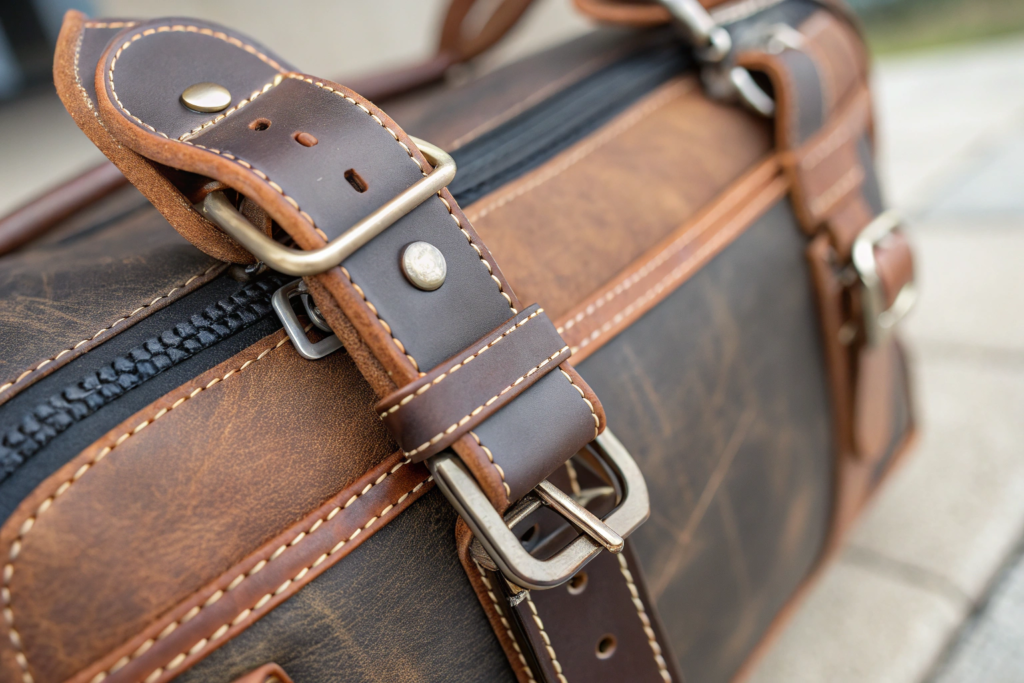
What are the typical materials used in mid-range accessories?
- Metals: Better quality base metals like brass or higher-grade zinc alloys with thicker, more durable plating. The hardware feels more substantial and is less likely to tarnish or wear quickly.
- Fabrics: Higher-quality natural fibers like good-grade cotton, linen, or wool, as well as better-quality synthetics that have a nicer hand feel and are more durable. For example, a mid-range canvas tote might be made from 12-14 oz cotton canvas, a significant upgrade from a budget tote, much like the material considerations in how to source high-quality cotton twill caps.
- Leather: This is a major differentiator. In the mid-range, you will often find genuine leather, though it’s important to understand that "genuine leather" is a broad term. It is real leather, but it may be from lower-quality cuts or have a corrected grain (with an applied finish). It is still a huge step up from faux leather in terms of durability and feel.
- Findings: Zippers will be from better brands (like YKK) and will operate smoothly. Clasps and other findings will be more robust and well-made.
What are the typical construction techniques?
- Construction: Construction is more thoughtful and robust. Stress points are reinforced, often with bar-tack stitching. Bags may have more interior organization and better-quality linings.
- Stitching: Stitching is neater, more even, and more secure. There are fewer loose threads. The overall construction is more precise.
- Finishing: Finishing details are given more attention. Edges are finished more neatly, and there is attention to the overall appearance and feel of the product.
The focus is on creating a product that is both stylish and durable. This is the segment where you start to see a real focus on reinforcements for stress points and better construction details.
What Defines The Premium/Luxury Price Segment?
The premium and luxury segment is the pinnacle of quality, craftsmanship, and design. These products are not just accessories; they are investments, heirlooms, and statements of personal style. The price reflects not only the cost of materials and labor but also the brand’s heritage, the design, and the story behind the product.
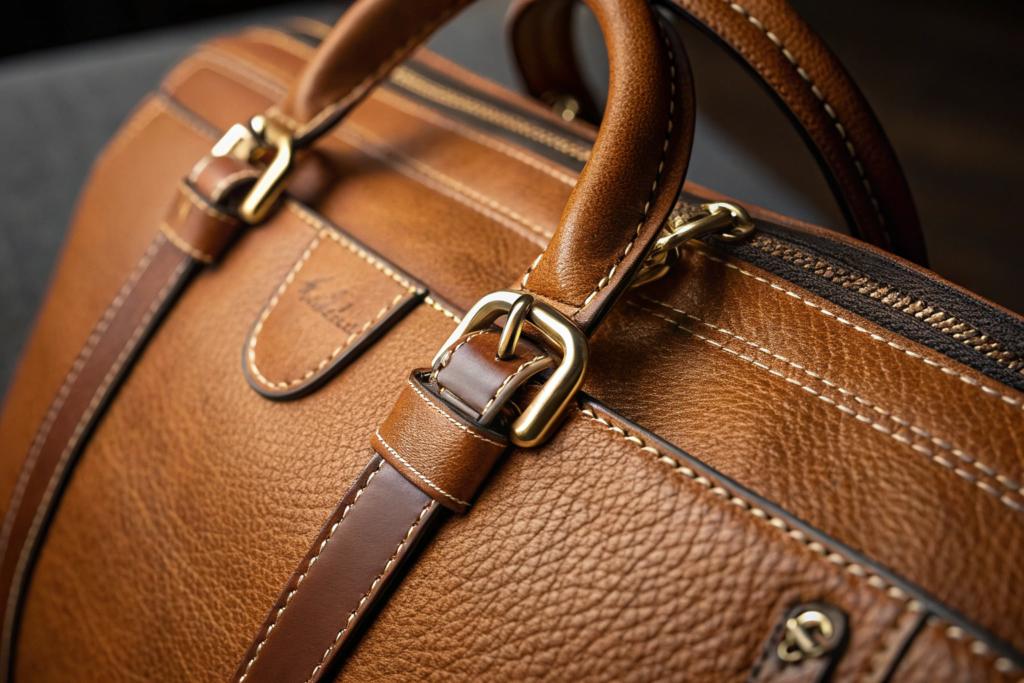
What are the typical materials used in luxury accessories?
- Metals: High-quality metals like solid brass, sterling silver, gold, or platinum. Platings, if used, are of the highest quality and thickness. Hardware is often custom-designed and may feature the brand’s signature motifs. The weight and feel are substantial and luxurious.
- Fabrics: The finest natural fibers: the highest-grade wools (like Merino or cashmere), the finest silks, and the most luxurious cottons. Fabrics are sourced from prestigious mills with long histories. This is reminiscent of the care taken when sourcing high-quality pashmina wool shawls, where fiber fineness is paramount.
- Leather: This is where the difference is most stark. Luxury accessories use full-grain leather, the highest quality grade. Full-grain leather retains the natural grain of the hide, with all its unique markings. It is incredibly strong, develops a beautiful patina over time, and is a true mark of quality. Exotic leathers like alligator, crocodile, or ostrich may also be used.
- Findings: Zippers are from the best manufacturers (like Riri or Lampo) and are often custom-made. All hardware is of the highest quality and designed to last a lifetime.
What is the overall quality expectation?
The expectation for luxury accessories is that they are heirloom-quality. They are designed to last a lifetime and beyond. They can be passed down from generation to generation. The value proposition is about the ultimate in quality, craftsmanship, design, and brand heritage. A luxury leather belt is not just a functional item; it’s a piece of art. This is the segment where the best finishes for a brushed metal look are applied with the utmost precision, and where manual designs like hand-tooling are highly prized.
How Can You Visually Identify The Differences?
While the previous sections weave intricate tapestries of detailed descriptions, here’s a quick visual guide—like a vibrant snapshot frozen in time—to help you spot the differences at a glance. Imagine holding up a magnifying glass to the world of contrasts, where subtle shifts in hue, texture, and form leap out with striking clarity.
This guide is your key to unlocking the hidden language of variation, transforming the abstract into the tangible with a single, vivid sweep of the eye. It’s not just a list; it’s a window into the nuanced dance of distinctions, designed to make the invisible visible and the complex simple, inviting you to see the world anew through the lens of immediate, sensory-rich comparison.
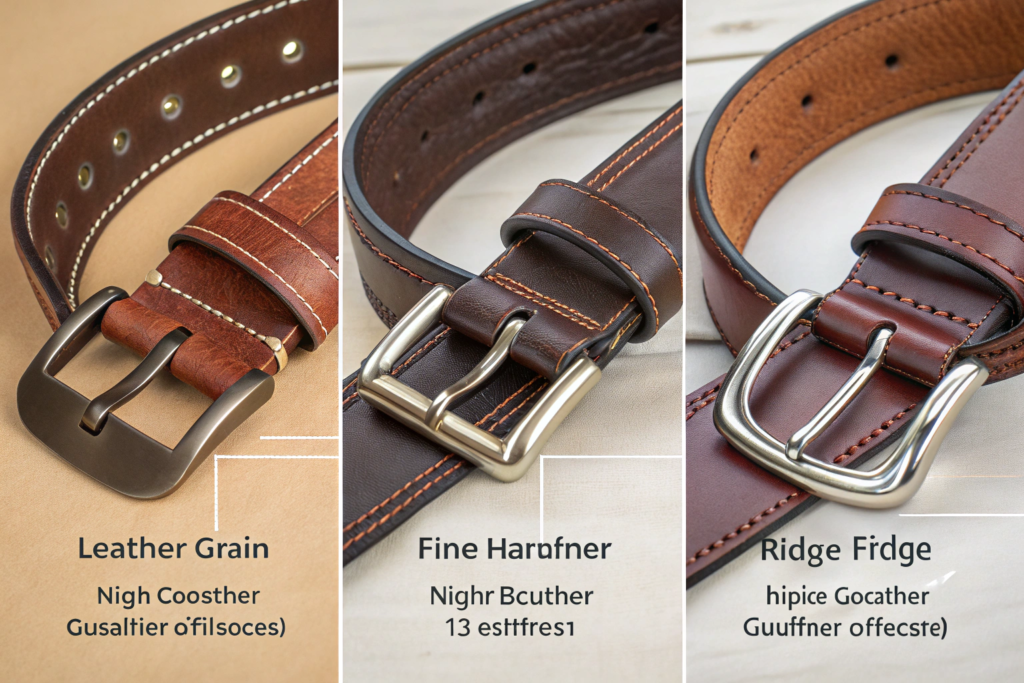
What to look for at a glance:
| Feature | Budget/Economy | Mid-Range | Premium/Luxury |
|---|---|---|---|
| Leather/Fabric | Faux leather, bonded leather, low-grade synthetics. Feels plasticky or cheap. | Genuine leather, good-quality fabrics. Feels substantial and pleasant. | Full-grain leather, exotic leathers, finest fabrics (cashmere, silk). Feels incredibly soft, luxurious, and substantial. |
| Hardware | Lightweight, thin plating, may feel flimsy. Often generic. | Better weight, thicker plating, feels solid. May be custom-designed. | Substantial weight, high-quality finish (e.g., solid brass, sterling silver). Often custom-designed and branded. |
| Stitching | Simple, may be uneven, loose threads. Minimal reinforcement. | Neat, even, secure. Bar-tack stitching at stress points. | Flawless, even, precise. May be hand-stitched. Impeccable. |
| Edges | Raw or poorly finished. May be rough or have visible glue. | Neatly finished. Edges may be painted or burnished. | Perfectly finished. Edges are smooth, polished, and flawless. |
| Overall Feel | Lightweight, feels disposable. | Solid, feels durable and well-made. | Luxuriously heavy (in a good way), feels like an investment piece. |
By training your eye to look for these details, you can quickly assess the quality and price segment of any accessory. This is similar to the way we evaluate the most important factors in sourcing durable and flexible sunglass frames, where materials and construction are key.
What are the typical construction techniques?
- Construction: Construction is meticulous and often involves a high degree of handwork. Stress points are reinforced with the utmost care. Linings are made from the finest materials, like silk or high-quality leather. Details like hand-stitching are common.
- Stitching: Stitching is flawless, even, and precise. In high-end leather goods, you may find hand-saddle stitching, which is incredibly strong and a hallmark of true craftsmanship.
- Finishing: Finishing is impeccable. Edges are carefully painted, burnished, and polished. Every detail, no matter how small, is perfect. The product feels flawless to the touch.
Conclusion
The differences in fashion accessory quality across price segments are significant and reflect a combination of material choices, construction techniques, and finishing details. Budget accessories prioritize affordability and trendiness, often at the expense of longevity. Mid-range accessories offer a sweet spot of quality and value, using better materials and construction to create durable, long-lasting pieces. Premium and luxury accessories represent the pinnacle of craftsmanship, using the finest materials and meticulous techniques to create heirloom-quality items. Understanding these differences is essential for both consumers making informed purchases and buyers sourcing products for their market.
At Shanghai Fumao Clothing, we have the expertise and capabilities to manufacture accessories across all price segments. Whether you need a high-volume, affordable fashion item or a small batch of exquisite, handcrafted luxury pieces, we can help. We understand the nuances of each segment and can guide you in selecting the right materials and construction techniques to achieve your desired quality and price point.
If you’re ready to develop an accessory collection at any price point, let’s talk. Please contact our Business Director, Elaine, at elaine@fumaoclothing.com. We’ll help you create products that perfectly match your vision and your market.