In the fast-paced world of fashion, staying ahead of accessory trends is not just an advantage—it’s a necessity. For buyers and brands, accurately forecasting the next popular hair clip, hat, or scarf can mean the difference between a best-selling season and stagnant inventory. The pressure to consistently pick winners can be immense.
Predicting the next big accessory trend involves a multi-faceted approach that combines deep market research, analysis of cultural and social media signals, understanding of historical fashion cycles, and collaboration with a manufacturing partner that has strong design and rapid production capabilities. This strategic process transforms guesswork into an informed, data-driven forecast.
By mastering these predictive techniques, you can minimize risk and maximize the commercial success of your accessory lines. Let’s explore the core methods that can sharpen your forecasting abilities and give you a competitive edge in the market.
How does market research reveal accessory trends?
Systematic market research is the foundational step in de-risking trend prediction. It moves your decisions beyond gut feelings and into the realm of data-backed strategy. By understanding what has already resonated with consumers, you can make educated projections about what will capture their interest next.
A robust market research strategy for accessories should analyze past sales data from your own records and industry reports to identify consistently strong performers and emerging patterns. It also involves monitoring your competitors’ best-selling items and product launches. Furthermore, using tools like Google Trends to track search volume for terms like "wide headbands" or "bucket hats" provides real-time insight into consumer curiosity and demand. This triangulation of data points reveals a clear picture of the market landscape.

What data points are crucial for trend forecasting?
The most crucial data points come from a mix of quantitative and qualitative sources. First, historical sales data is invaluable. Look at your own best-selling hair accessories and scarves from previous seasons. Identify which colors, materials, and styles showed the strongest performance and longest lifespan. Second, industry market reports from firms like Euromonitor International offer macro-level analysis of the accessories sector, highlighting growth categories and consumer shifts. Third, real-time data from platforms like Google Trends shows you what consumers are actively searching for, allowing you to spot a rising trend like "canvas belts" or "crocheted bags" as it gains momentum.
How can you analyze your competition effectively?
Effective competitive analysis goes beyond just looking at their website. Create a systematic process. First, identify both your direct competitors (other accessory brands) and indirect ones (fast-fashion apparel brands with accessory lines). Follow their social media accounts and note which of their product posts receive the most engagement. Sign up for their newsletters to monitor new launches and promotional strategies. Second, use tools like Similarweb to analyze their website traffic and see which product pages are most popular. This can reveal if a specific type of knit beanie or statement hair clip is driving significant consumer interest for them, signaling a trend you might also capitalize on.
Why are cultural and social signals so important?
While data provides the "what," cultural and social signals explain the "why" behind a trend. Accessories are deeply personal items that often reflect the wearer’s identity, values, and connection to broader cultural movements. Ignoring this layer means missing the emotional driver of consumer behavior.
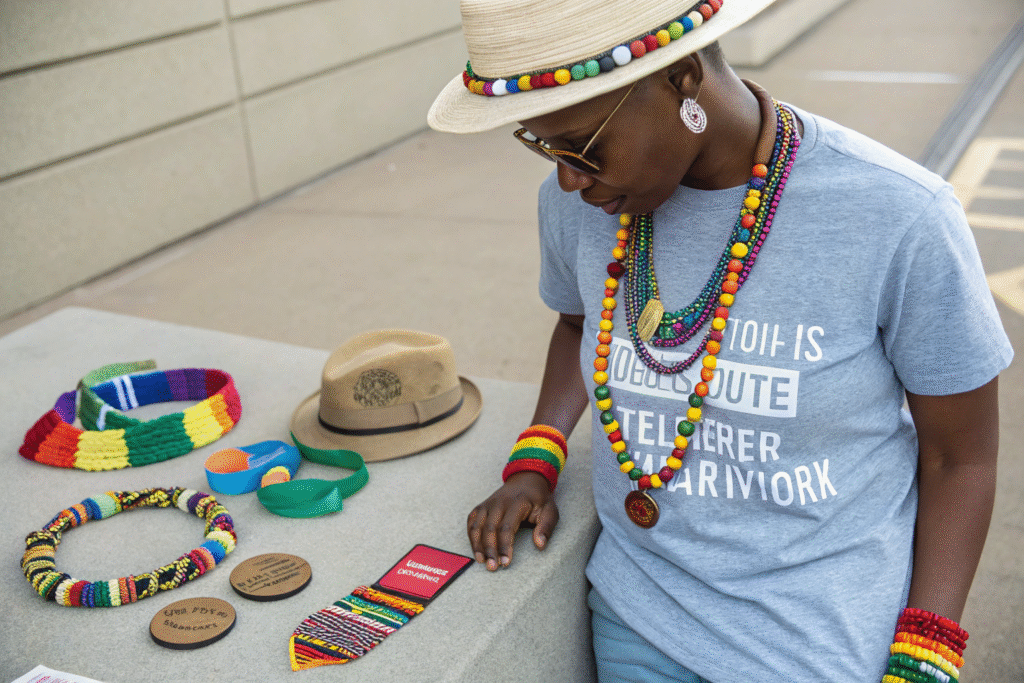
Social media platforms, particularly TikTok, Instagram, and Pinterest, have become the primary accelerants for fashion trends. A style showcased by a key influencer can create massive, instantaneous demand for a specific type of hair band or sun hat. Beyond individual posts, paying attention to subcultures—such as the "cottagecore" aesthetic driving interest in vintage-style hair clips and straw bags—is critical. These platforms are your live feed into the collective consciousness of your target market, showing you what they find aspirational and desirable before it hits the mainstream market.
How can you leverage social media for trend spotting?
To leverage social media effectively, you need a structured approach. Start by identifying and following trendsetters and influencers in your niche, not just mega-celebrities but also micro-influencers whose audiences are highly engaged. Pay attention to the recurring styles, colors, and accessories in their content. Second, use the platforms’ built-in discovery features. Explore Instagram Reels and TikTok’s "For You" page dedicated to fashion. Follow relevant hashtags like #HairAccessoryTrends or #ScarfStyle. These feeds are curated by user behavior, making them a powerful tool for spotting a rising hair accessory or bag style as it begins to gain traction organically.
What cultural shifts influence accessory design?
Major cultural shifts always manifest in fashion. The increased focus on wellness and comfort, for example, has directly influenced the demand for accessories like soft, oversized scarves and comfortable, non-pulling fabric headbands. The growing emphasis on sustainability has boosted the popularity of accessories made from natural materials like straw hats and recycled-fiber belts. Furthermore, global events influence design; the rise of remote work led to a "zoomification" of fashion, where the focus shifted to accessories visible on camera, such as statement earrings and hair clips. By aligning your product development with these broader cultural currents, you ensure your offerings remain relevant and resonant.
Can historical cycles predict future accessory trends?
Fashion is famously cyclical, and understanding its rhythmic nature is a powerful predictive tool. While fabrics and details may change, core silhouettes and styles often re-emerge, updated for a new generation. This historical perspective provides a reliable framework for forecasting.
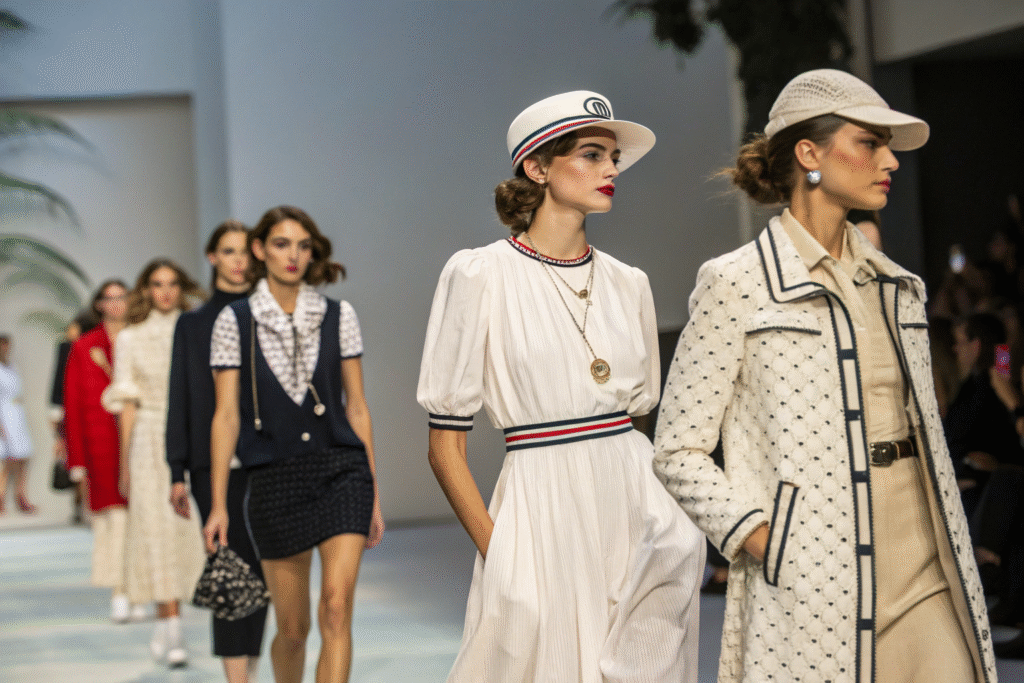
The general rule of thumb is that trends reoccur roughly every 20-30 years, as a new generation discovers and reinvents the styles of their youth. The recent resurgence of 90s-inspired accessories like scrunchies, thin hair clips, and bucket hats is a perfect example of this cycle in action. By looking at what was popular in the past, you can develop an educated forecast for what might come back next. This isn’t about mere replication; it’s about identifying the nostalgic essence of a past trend and reinterpreting it with contemporary materials, colors, and sensibilities to create something fresh yet familiar.
Which vintage styles are making a comeback?
Currently, we are seeing strong signals pointing to a revival of early 2000s (Y2K) aesthetics. This translates to a growing interest in accessories like sparkly hair barrettes, low-rise belts, and small, logo-printed fabric bags. Looking further back, the 70s influence remains strong, evident in continued demand for wide-brimmed hats and fringed shawls. Monitoring fashion archives and vintage-focused social media accounts can provide early signals for which decade will be mined for inspiration next, allowing you to prepare prototypes and sourcing for these styles ahead of the curve.
How do you adapt a retro trend for modern markets?
Adapting a retro trend requires a careful balance. The key is to capture the spirit of the original trend without creating a costume piece. This means updating the proportions, materials, and color palette. For example, a 70s-inspired maxi scarf might be reproduced in a lighter, more modern silk-blend fabric with a contemporary digital print. A 80s-style statement belt could be redesigned with a more minimalist buckle to suit today’s tastes. Successful adaptation involves focusing on the quality of materials and construction, ensuring the retro accessory feels fresh, desirable, and well-made to the modern consumer, rather than simply dated.
What role does your manufacturer play in trend response?
A trend is only valuable if you can capitalize on it quickly. The ability to respond with speed and quality is where your manufacturing partner becomes your most critical asset in the trend prediction game. The most accurate forecast is useless if your supply chain cannot deliver the product to market while the trend is still hot.
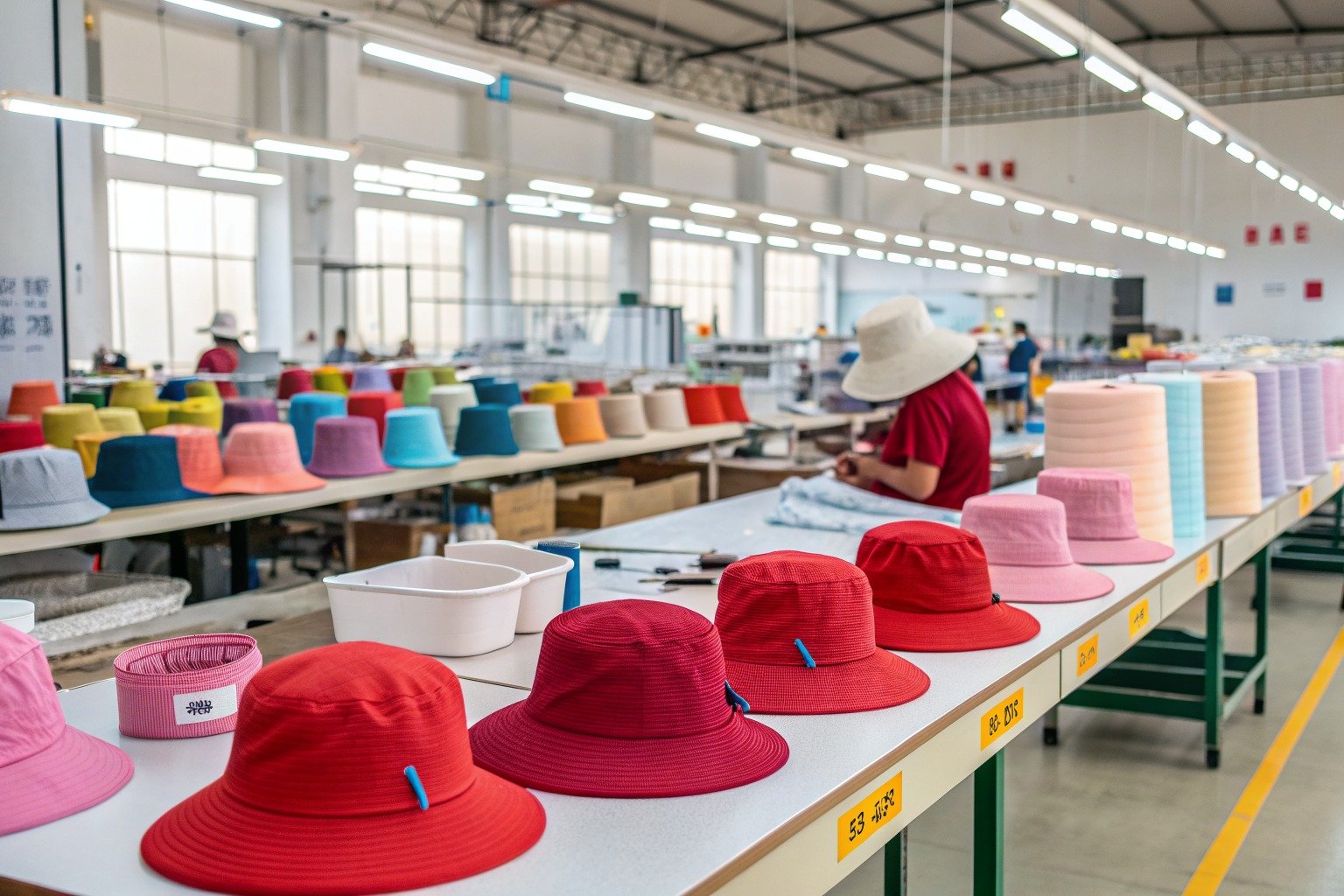
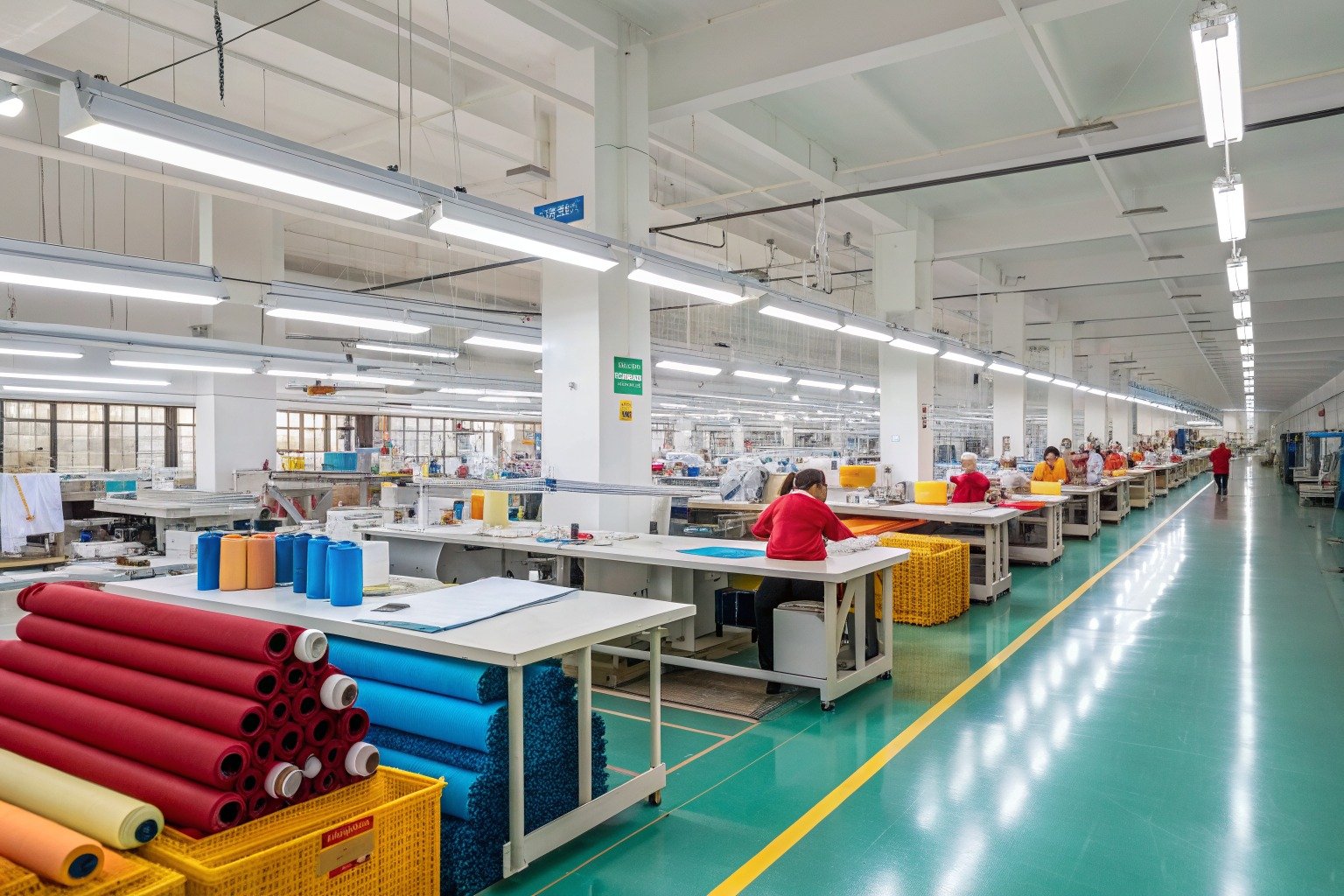
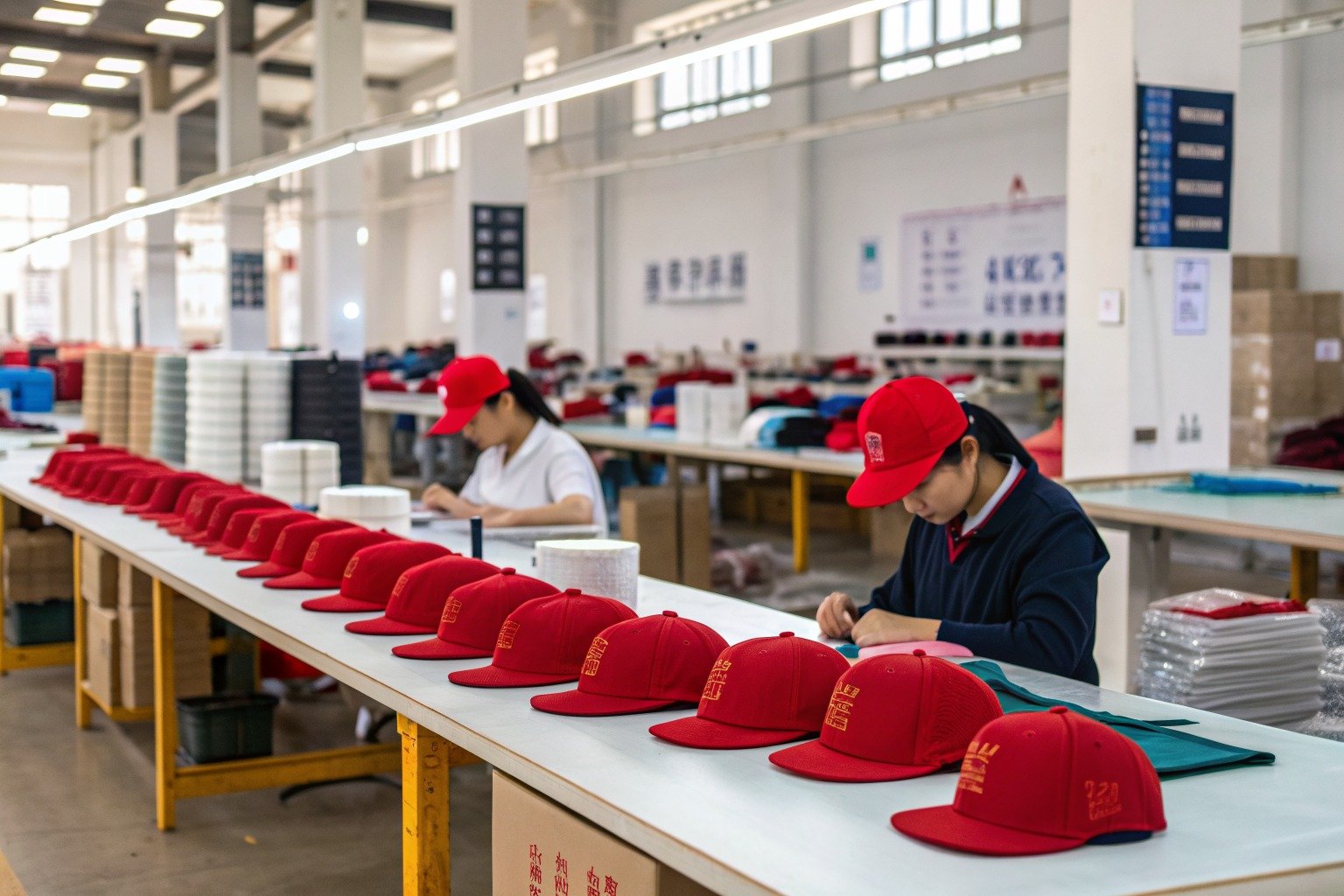
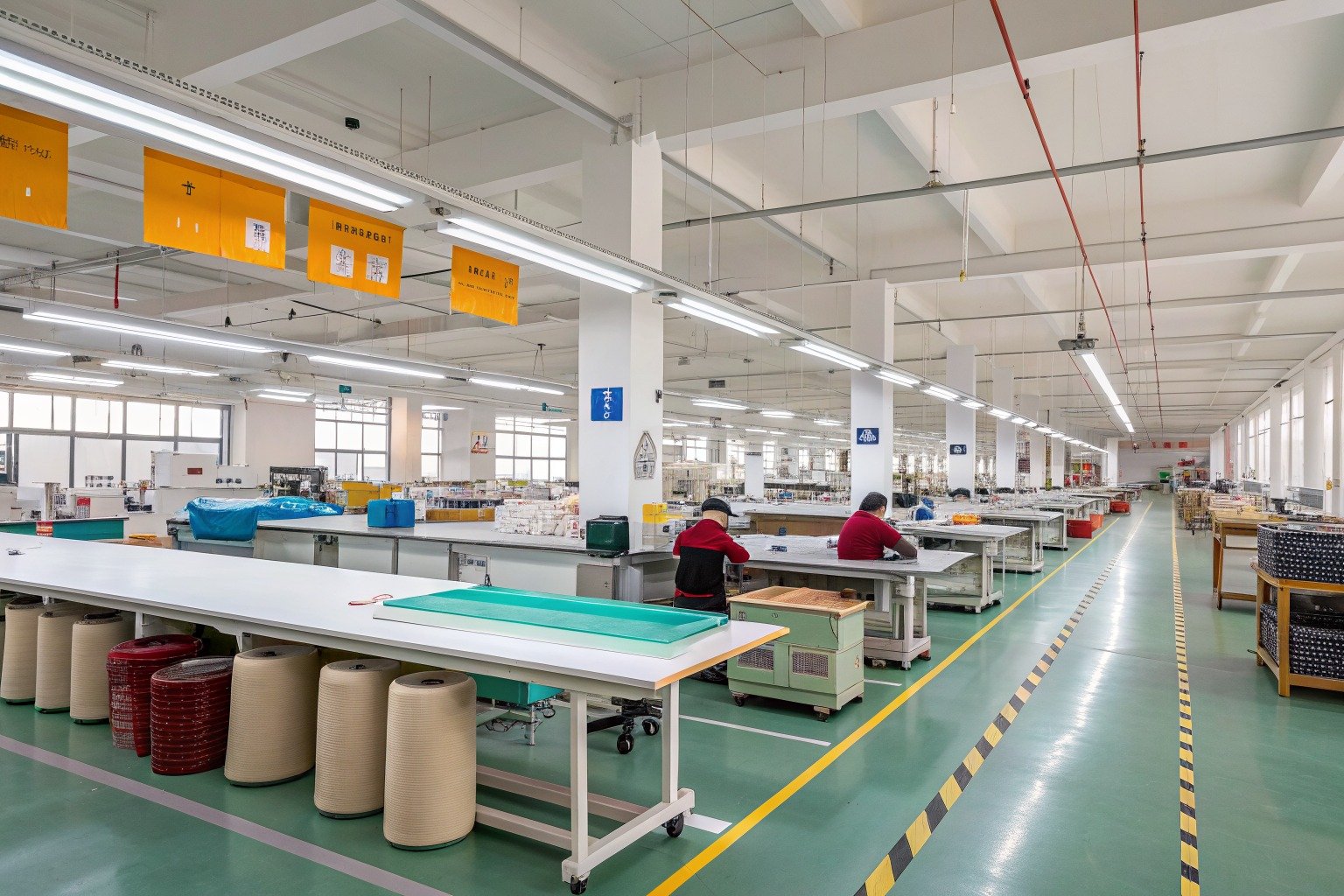
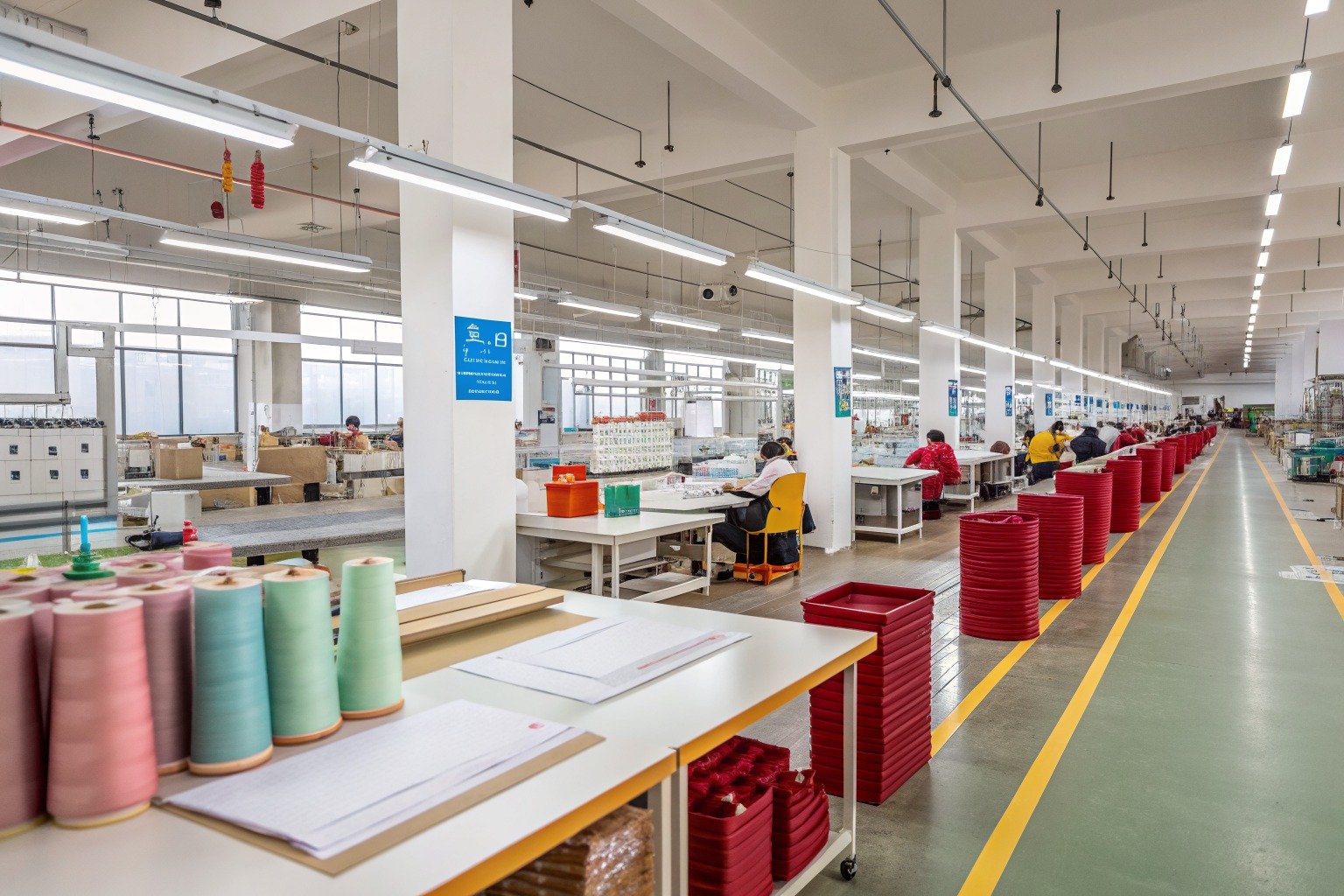
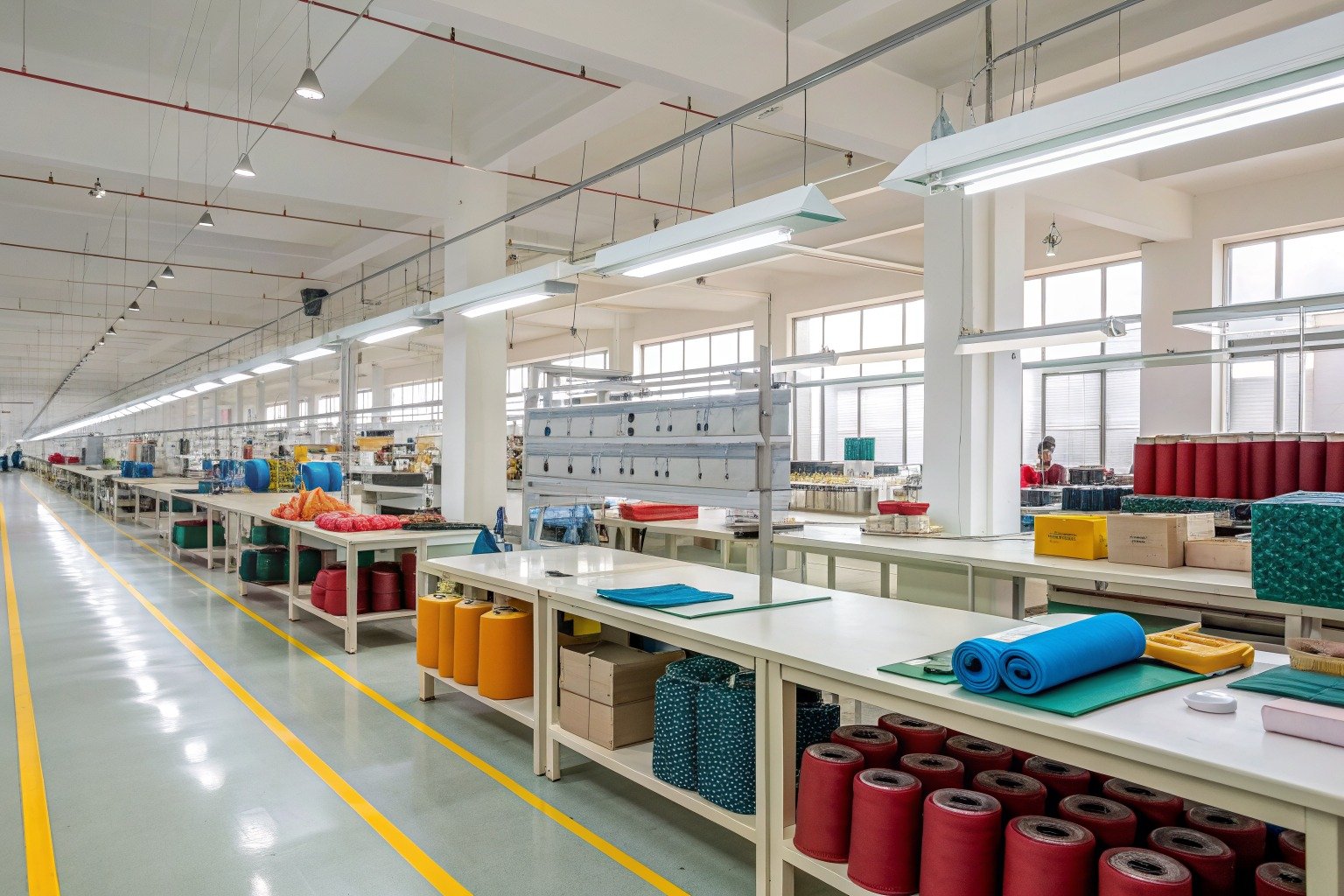
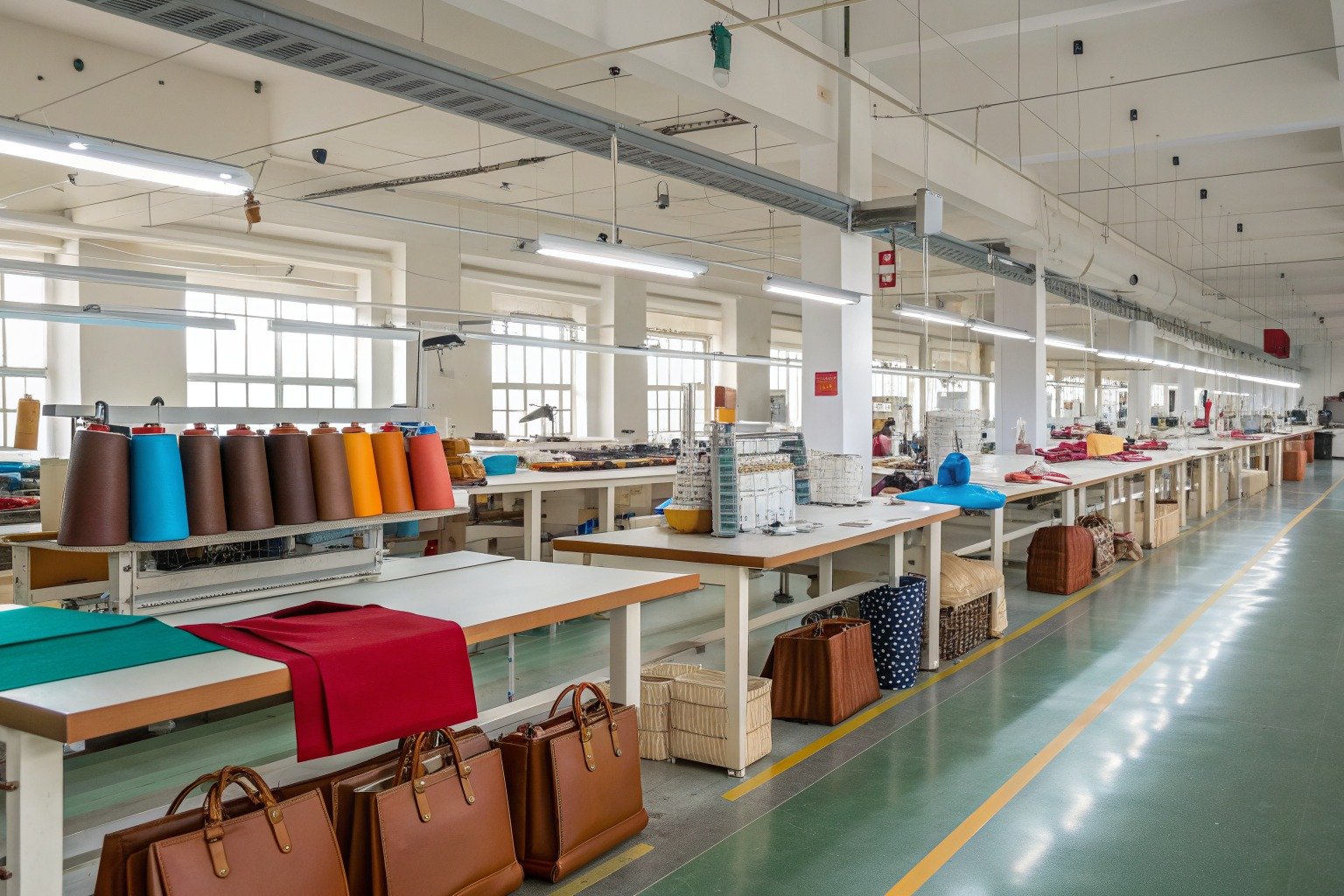
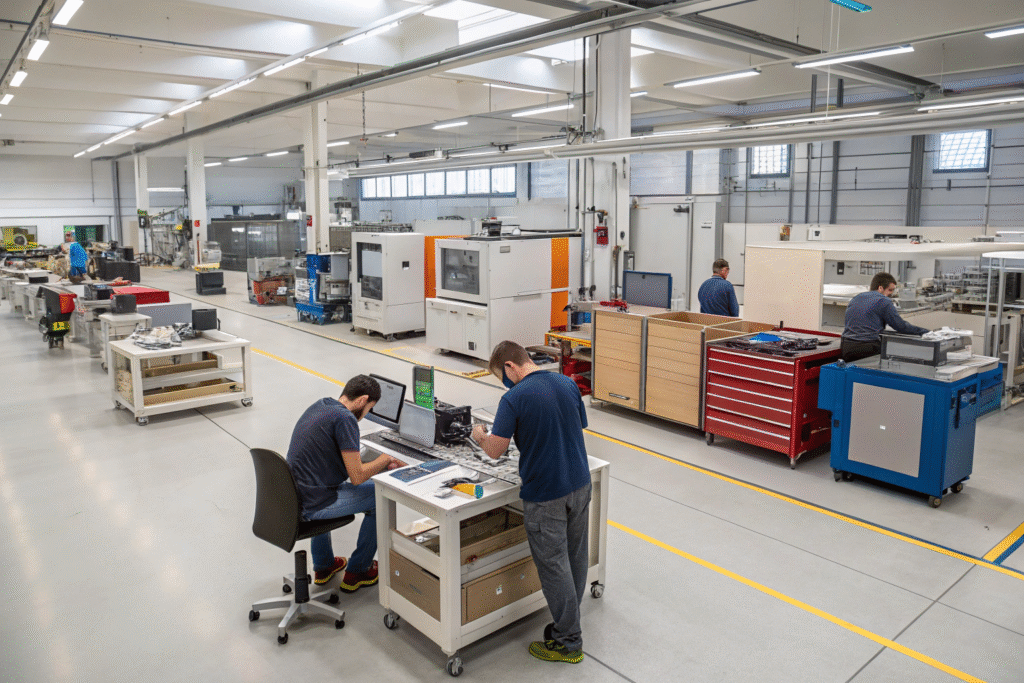
A manufacturer with an in-house design team and strong product development capabilities can be a proactive source of trend intelligence, providing you with early concepts and samples. More importantly, a partner with a flexible, modern production setup is essential for rapid turnaround times. This agility allows you to place smaller, test orders for a trending hair band or beanie style, gauge market response, and then scale production up rapidly without the delays that cause you to miss the trend window. Furthermore, a manufacturer experienced in navigating logistics and customs clearance ensures your trendy products reach your warehouse reliably and without unexpected delays.
Why is speed-to-market critical for trendy accessories?
In the world of fast-moving trends, speed-to-market is everything. The lifecycle of a viral accessory trend can be as short as a single season. A delay of a few weeks in production or shipping can mean your products arrive when the market is already saturated or consumer interest has waned. This turns a potential best-seller into dead stock. A manufacturer that prioritizes fast production cycles and has established, efficient shipping channels empowers you to be responsive. It allows you to act on your trend predictions with confidence, knowing you can get high-quality products to your customers—whether in the US or Europe—while the demand is at its peak.
How can a manufacturer’s design team help?
A manufacturer’s in-house design team is an extension of your own trend forecasting unit. At our factory, AceAccessory, our designers are constantly analyzing the same market data, social signals, and historical cycles we’ve discussed. They use this insight to create pre-developed product collections and individual samples that align with predicted trends. This service provides you with a significant head start. Instead of building a trend-led product from scratch, you can select from a curated range of relevant, well-designed hair clips, belts, or caps that are already moving toward production. This collaboration dramatically shortens your development timeline and reduces your internal resource burden.
Conclusion
Predicting the next big accessory trend is a strategic process that blends art and science. It requires a disciplined approach to market research, a keen eye for cultural and social signals, an understanding of fashion’s historical cycles, and, most critically, a partnership with an agile and capable manufacturer. By integrating these four elements into your business strategy, you can move from reactive ordering to proactive trend forecasting, ensuring your inventory is filled with the accessories your customers will be searching for next.
This proactive approach minimizes financial risk and positions your brand as a leader, not a follower. The goal is to build a supply chain that is as dynamic and responsive as the fashion market itself. If you are looking to partner with a manufacturer that can provide timely trend insights, high-quality production, and reliable logistics for your next accessory order, we are here to support your vision. For a direct conversation, please feel free to contact our Business Director Elaine at: elaine@fumaoclothing.com.