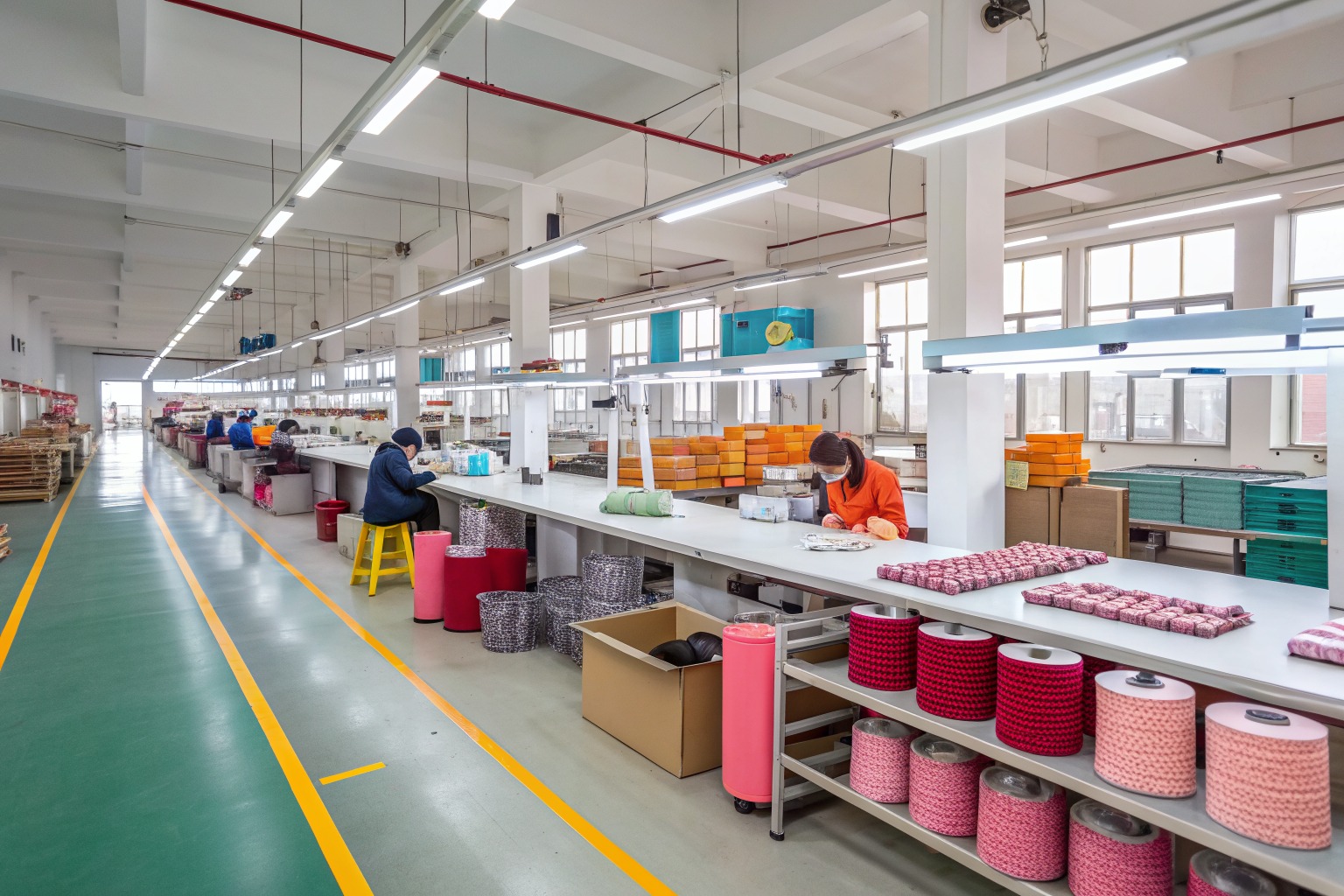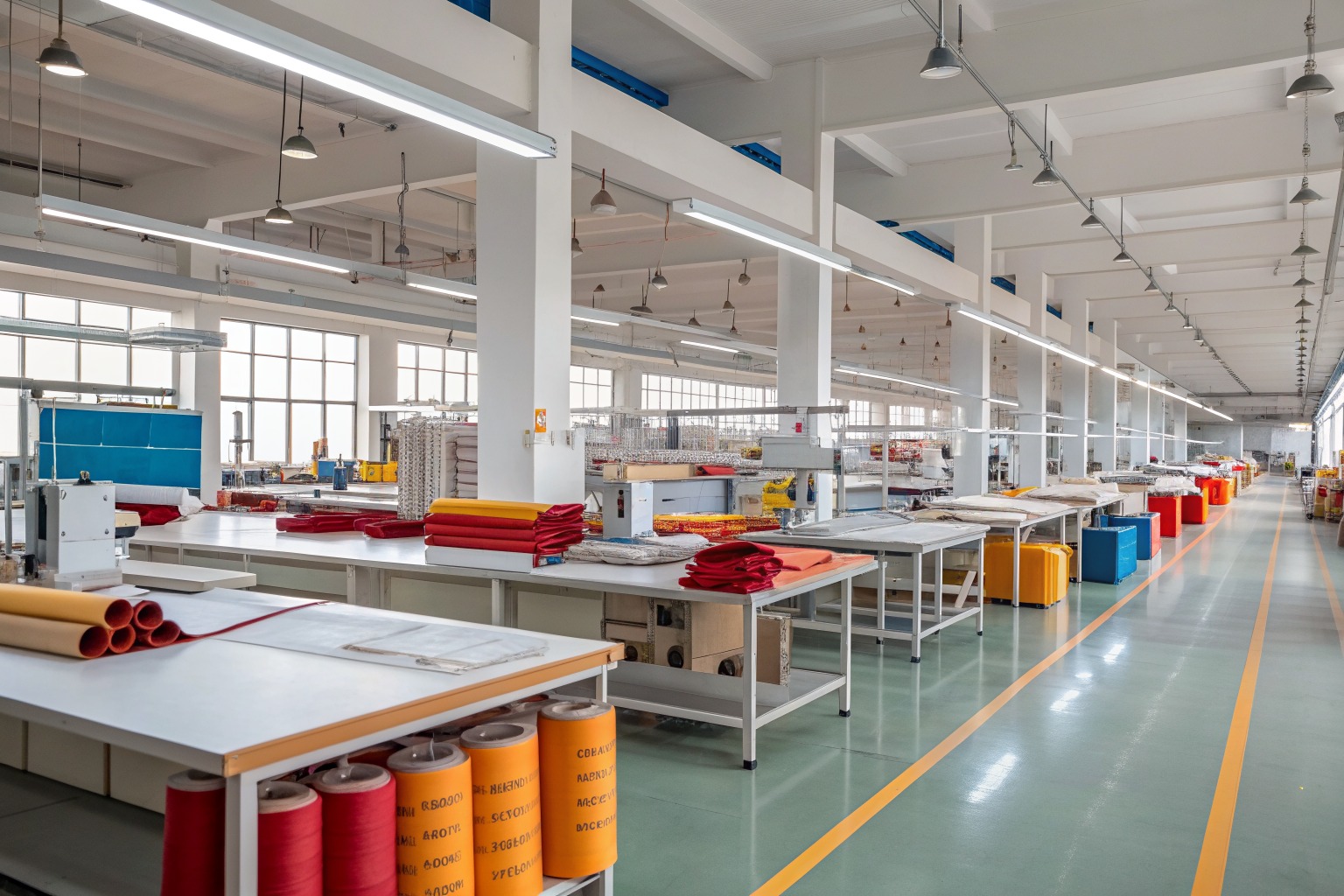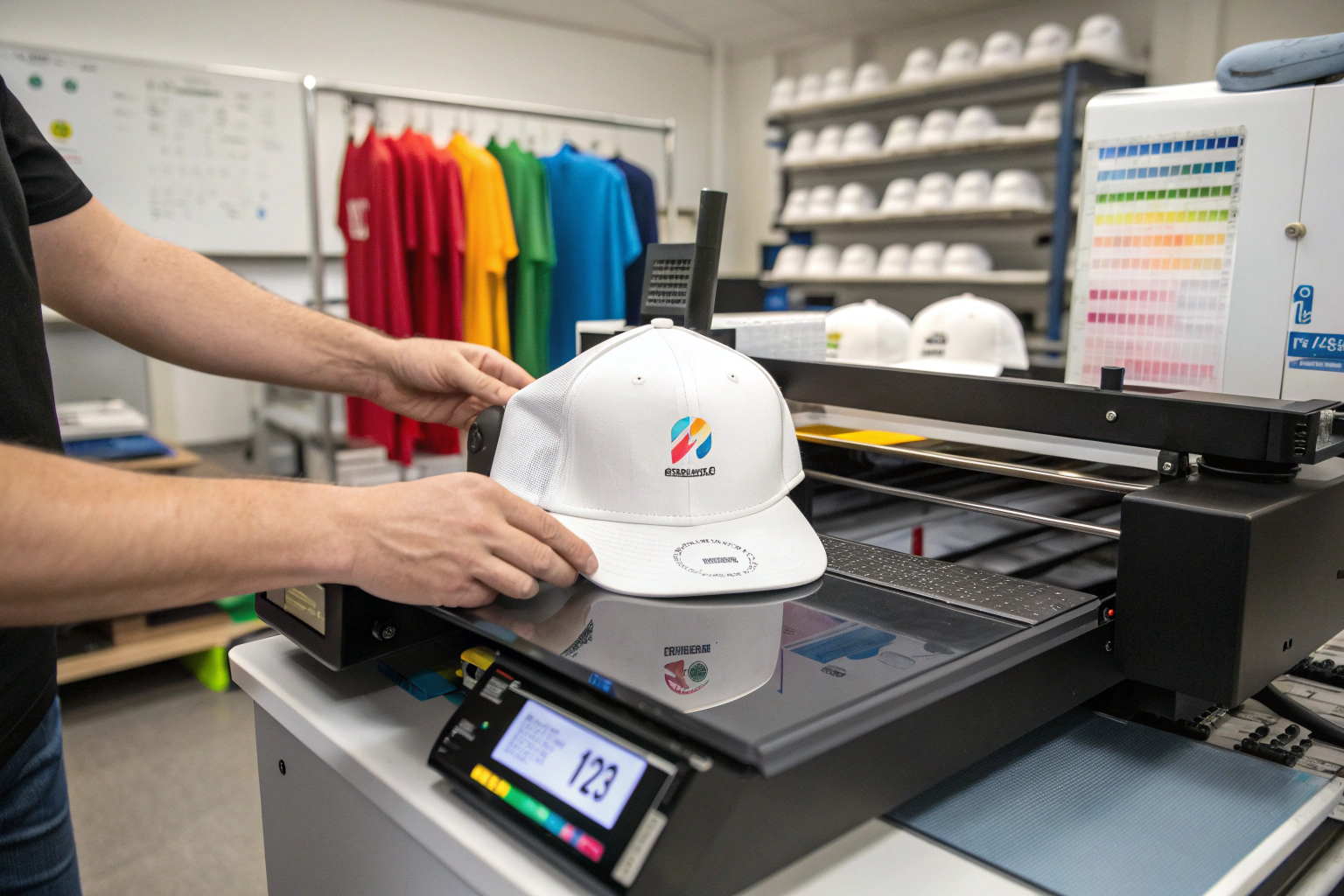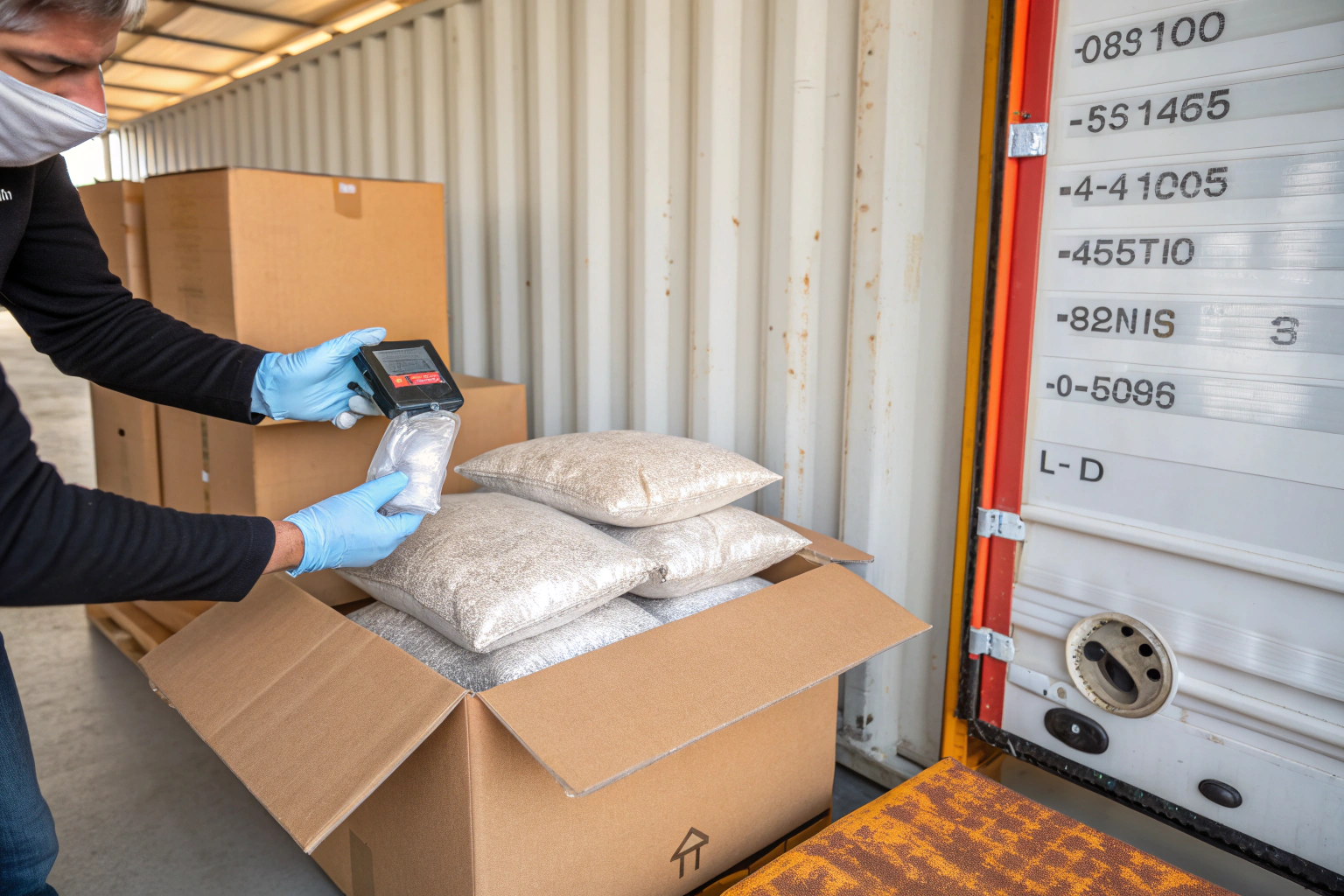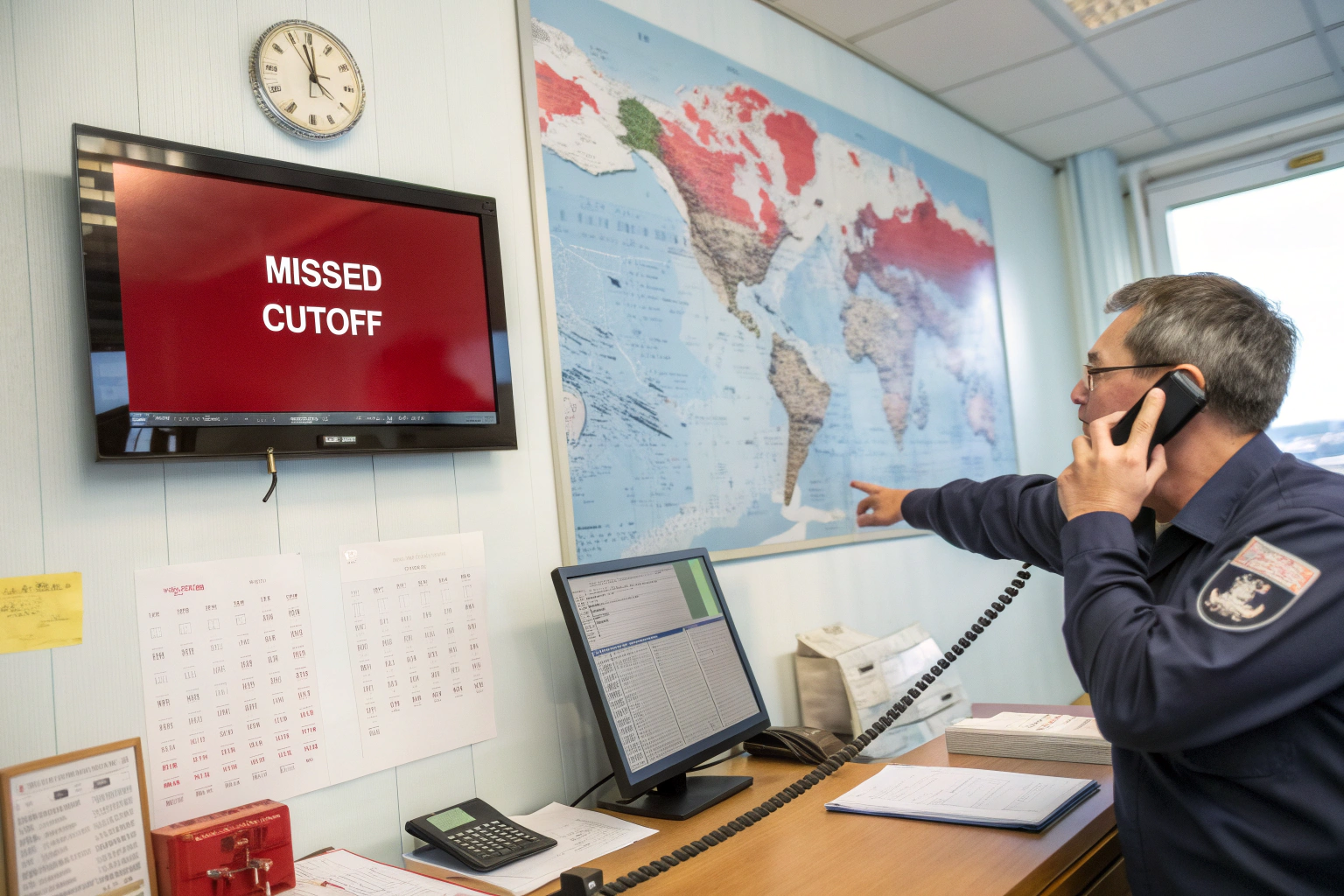
I was sitting in my office one Friday afternoon when our shipping coordinator knocked on my door. Her face told me the news before she said a word. The truck carrying 8,000 custom caps for a German retail chain had broken down on the highway. The container missed the vessel cutoff at Ningbo Port by three hours. The ship sailed without us. The next vessel on that route was not for another week. The buyer’s delivery window was already tight. I had a choice. I could hide behind the trucking company’s failure and tell the buyer it was not our fault. Or I could own the problem, present solutions, and work the weekend to fix it. I chose the second path, and that decision saved a ten-year customer relationship.
The best way to handle a factory that misses the vessel cutoff date is to respond with a structured, solution-focused crisis management process. The first step is immediate containment and communication. The factory must inform the buyer within hours, not days. The buyer should not discover the missed cutoff from their freight forwarder or from a tracking portal. The factory must own the failure, even if the root cause was a subcontractor or a trucking issue. The buyer contracted with the factory, not with the factory’s trucking company. The factory is responsible for the outcome.
The second step is a rapid rebooking attempt. A missed cutoff does not always mean a missed sailing. There are options to recover the container. The factory can work with the freight forwarder to see if the container can be loaded onto a later vessel from the same port that week. Some carriers have multiple weekly sailings on major routes. If that is not possible, the factory can explore rolling the container to a faster service, even if it costs more. The goal is to minimize the delay to the buyer’s delivery window.
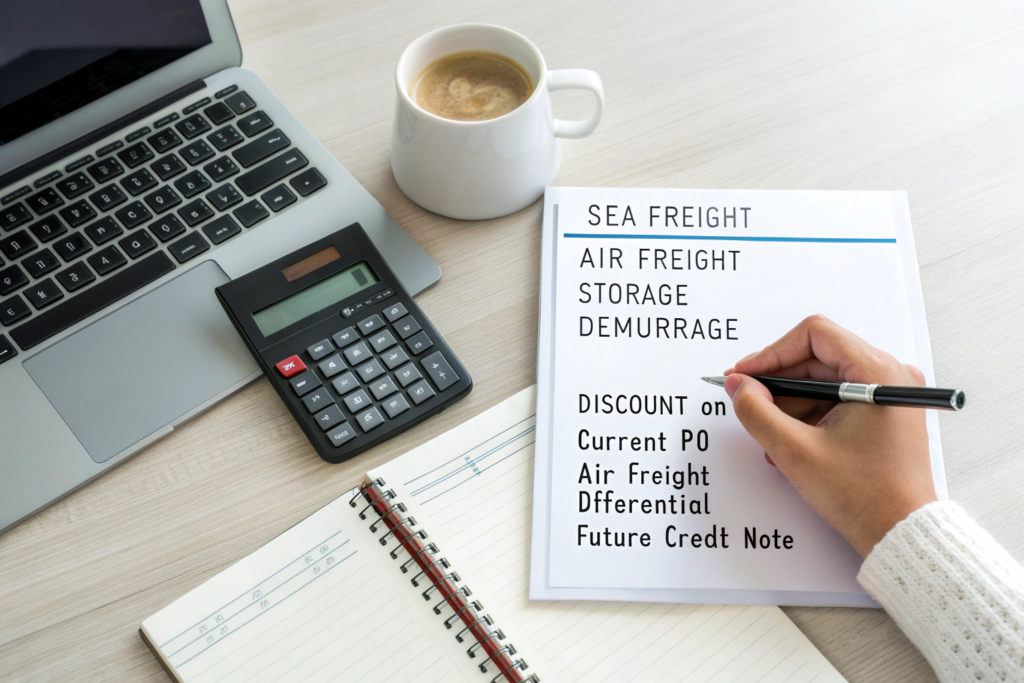
The third step is a full cost analysis and a transparent offer of compensation. The factory must understand the financial impact of the delay on the buyer. This includes potential air freight costs if the goods are needed urgently, storage charges, and lost sales. A responsible factory will offer a discount on the current order, cover the cost difference for a faster shipping service, or credit the buyer on a future order. The compensation should be proportionate to the impact, and it should be offered proactively, not grudgingly after the buyer demands it.
What Are My Immediate Steps When My Hat Factory Misses a Shipping Deadline?
When the factory informs you that the vessel cutoff has been missed, your response in the first 24 hours determines how much of the damage can be recovered. Panic is not a strategy. You need a clear sequence of actions that move the shipment forward and protect your downstream commitments.
The first action is to request the specific details. Which vessel was missed? What was the cutoff date and time? What was the reason for the miss? Is the container already at the port, or is it still at the factory or a warehouse? These details matter because they determine the recovery options. A container that missed the cutoff by three hours but is sitting at the port terminal has more options than a container that has not yet left the factory.
The second action is to contact your freight forwarder directly. Do not rely solely on the factory’s communication. Your forwarder has access to the carrier’s booking system and can confirm the vessel schedule, the next available sailing, and the rebooking process. The forwarder can also advise on whether the container can be rolled to a faster service or whether the current booking can be amended without penalty.
The third action is to assess the impact on your own delivery commitments. When is your customer expecting these hats? What is the contractual delivery date? Is there any buffer in your warehouse receiving schedule? Knowing the size of the delay allows you to evaluate the cost of different recovery options. A one-week delay might be absorbed by your existing buffer. A two-week delay might require air freight for a portion of the order.
The fourth action is to document everything. Send a written confirmation of the missed cutoff to the factory, summarizing your understanding of the situation and the timeline. Request a written corrective action plan from the factory. This documentation is not about assigning blame. It is about creating a clear record that will be useful if the delay causes a contractual dispute later.

How Do I Quickly Determine the Financial Impact of a Missed Vessel Sailing?
The financial impact of a missed vessel sailing depends on four factors. The first is the length of the delay. A missed weekly sailing on a major route like Shanghai to Rotterdam means a seven-day delay. A missed sailing on a less frequent route, like Ningbo to a secondary Mediterranean port, might mean a two-week delay. The longer the delay, the higher the cost.
The second factor is the carrying cost of the inventory. The goods are already paid for. They are sitting in a container or a warehouse, not generating revenue. The capital tied up in those goods has a daily cost, calculated as the value of the goods multiplied by your cost of capital divided by 365 days. A shipment of 10,000 hats with a value of 30,000 euros has a carrying cost of roughly 5 to 10 euros per day, depending on your financing terms. This is small but not zero.
The third factor is the cost of storage and demurrage. If the container is already at the port when the cutoff is missed, it may begin accruing storage charges. The terminal gives a certain number of free days, usually 3 to 7. After that, daily storage fees apply. The factory or the forwarder should clarify whether the container will remain at the port or be returned to the factory to await the next booking.
The fourth factor is the cost of a missed delivery window. If your customer has a seasonal promotion, a store opening, or a contractual delivery date, a delay can trigger penalties. The penalty might be a percentage of the invoice value or a flat fee per day. Understanding these downstream costs helps you evaluate whether to pay for a faster recovery option. For a supply chain risk assessment, the total cost of a delay includes both direct logistics fees and indirect business losses.
Should I Immediately Book Air Freight for a Portion of My Hat Order?
Air freight is the emergency recovery tool for missed vessel cutoffs. It is expensive, often five to ten times the cost of sea freight per kilogram. But for a portion of the order that is needed urgently, it can be the difference between meeting a retail launch date and missing it entirely. The decision to book air freight depends on the size of the delay and the urgency of the demand.
A practical approach is to split the shipment. Send a small portion, perhaps 10 to 20 percent of the total order, by air freight to cover the immediate retail needs while the remaining goods travel by sea. This approach limits the air freight cost to a small volume while ensuring that shelves are not empty. The air-freighted portion arrives in 3 to 5 days, depending on the destination. The sea-freighted portion arrives in 3 to 5 weeks.
The cost analysis should compare the air freight premium against the cost of lost sales or customer penalties. If the air freight premium is 2,000 euros and the lost sales from empty shelves would be 5,000 euros, the air freight is a rational investment. If the air freight premium is 5,000 euros and the goods are replenishment stock for a slow-moving item, waiting for the next vessel is the better financial decision.
How Do I Prevent My Cap Factory From Missing Future Vessel Cutoff Dates?
Preventing future missed cutoffs requires systemic changes, not promises. A factory that misses a cutoff due to a truck breakdown has an operational problem. A factory that misses cutoffs repeatedly has a management problem. Your role as the buyer is to insist on process improvements that reduce the probability of a repeat.
The first preventive measure is to build buffer days into the production schedule. The factory’s production completion date should be at least 3 to 5 days before the vessel cutoff date. This buffer absorbs minor delays such as machine breakdowns, fabric shortages, or labor issues. If the production finishes late, the buffer allows the goods to still make the cutoff. If the buffer is consumed by production delays, the factory should immediately flag the risk to the buyer and consider alternative shipping options.
The second measure is to require the factory to use a reliable trucking company with a proven track record. The trucking leg from the factory to the port is a frequent point of failure. Traffic, mechanical problems, and driver shortages can all cause delays. A factory that works with a logistics company that specializes in port deliveries, and that has a backup trucking option, is more likely to meet the cutoff.
The third measure is to establish clear communication protocols. The factory should confirm the booking with the freight forwarder at least 7 days before the cutoff. The factory should send a pre-alert to the buyer 48 hours before the container is scheduled to leave the factory. The factory should provide real-time updates during the trucking leg. If any issue arises, the buyer should know immediately, not after the cutoff has passed.
What Buffer Days Should I Require in My Cap Factory’s Production Schedule?
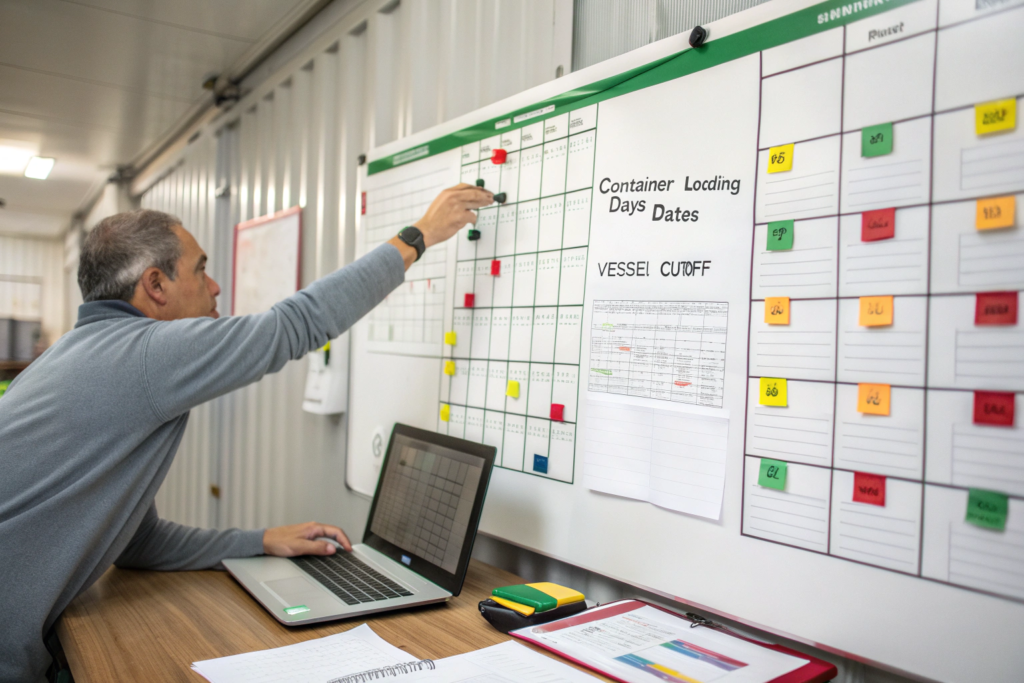
The buffer is the cushion between the scheduled production completion date and the vessel cutoff date. The size of the buffer depends on the distance from the factory to the port, the reliability of the local logistics, and the complexity of the order. For a factory located within a few hours’ drive of a major port, a buffer of 3 days is usually sufficient. This allows for one day of trucking, one day for port processing and export clearance, and one day as a contingency for minor delays.
For a factory located further inland, or for a port with known congestion issues, a buffer of 5 to 7 days is more appropriate. A longer buffer absorbs the additional trucking time and the risk of port delays. The buffer should be clearly stated in the purchase order and in the production schedule. The factory should update the buyer if the buffer is being consumed by production delays.
The buffer is not a license for the factory to relax its production discipline. It is a safety net. The factory should still target the production completion date, not the buffer date. The buffer exists to protect against the unexpected. A factory that consistently uses the buffer to cover its own poor planning will eventually miss the cutoff despite the buffer.
How Do I Write a Vessel Cutoff Compliance Clause in My Purchase Order?
A vessel cutoff compliance clause is a contractual provision that defines the factory’s responsibilities and the consequences of a missed cutoff. The clause should be clear, measurable, and enforceable. It should specify the required buffer between production completion and vessel cutoff. It should require written confirmation of the booking and the cutoff date. It should define the factory’s obligation to notify the buyer immediately if a delay is anticipated.
The clause should also address compensation. A common structure is a liquidated damages provision, which specifies a fixed amount or a percentage of the invoice value payable for each week of delay. A clause that requires the factory to cover the cost difference for air freight if the sea freight deadline is missed provides a direct, measurable consequence. The compensation should be proportionate to the actual damage and should be enforceable in the factory’s jurisdiction.
The clause should be written in clear, simple language that both parties understand. Vague language like "the factory will use best efforts to meet the shipping schedule" is not enforceable. Specific language like "the factory will deliver the goods to the named port no later than 5 days before the vessel cutoff date specified in the booking confirmation" is enforceable. The clause should be reviewed by a lawyer familiar with international trade contracts and the relevant jurisdiction. The International Chamber of Commerce provides model contract clauses that can be adapted for this purpose.
What Compensation Should I Demand When a Factory Misses a Vessel Cutoff?
The compensation conversation is the most uncomfortable part of handling a missed cutoff, but it is necessary. A factory that misses a deadline has caused real financial harm to your business. The compensation is not a punishment. It is a restoration of balance. The factory failed to deliver on its contractual obligation. The compensation covers the additional costs you incurred because of that failure.
The first compensation option is a discount on the current order. This is the simplest and most direct form. If the delay costs you 1,000 euros in additional logistics fees and carrying costs, the factory issues a credit note for 1,000 euros on the current invoice. This is easy to administer and provides immediate financial relief.
The second option is coverage of the air freight differential. If you decide to air freight a portion of the order to mitigate the delay, the factory should cover the difference between the sea freight cost and the air freight cost for that portion. This is a logical consequence because the factory’s failure caused the need for the expedited shipping. The factory might resist this if the air freight cost is very high. A negotiated split, where the factory covers a percentage of the differential, is a reasonable compromise.
The third option is a credit on a future order. This is often more palatable to the factory because it does not require an immediate cash outlay. The factory issues a credit note that can be applied to a future purchase. This is useful when the current order’s value is already fixed and the buyer does not want to complicate the payment. The credit should be documented clearly, with a value, an expiry date, and the specific future order it applies to.
The amount of compensation should be based on the actual financial impact, not on an arbitrary penalty. Document the costs with receipts, invoices, and calculations. A well-documented claim is hard to dispute. A vague demand for a "goodwill discount" is easy to ignore.
How Do I Document a Missed Vessel Cutoff for a Formal Compensation Claim?
Documentation is the foundation of a successful compensation claim. The claim must be supported by evidence that proves three things. First, the factory missed the cutoff. Second, the miss caused a delay. Third, the delay caused specific, measurable costs. The evidence should be collected as the events unfold, not assembled after the fact.
The first document is the booking confirmation from the freight forwarder. This shows the vessel name, the voyage number, the port of loading, the cutoff date and time, and the container number. The booking confirmation is the baseline. It proves what was scheduled.
The second document is the factory’s communication confirming the miss. This might be an email, a WhatsApp message, or a formal notification. It should include the time and date of the notification and the reason given for the miss. If the factory does not provide written confirmation, the buyer should send an email to the factory summarizing the situation and requesting confirmation.
The third document is the revised booking confirmation for the next vessel. This shows the new cutoff date and the revised estimated time of arrival at the destination. The difference between the original ETA and the revised ETA is the length of the delay.
The fourth document is the cost evidence. This includes invoices for storage charges, demurrage, air freight, and any other costs incurred because of the delay. It also includes a calculation of the carrying cost of the inventory for the additional days in transit. Each cost item should be linked to the delay with a short written explanation.
Should I Switch Factories After a Missed Vessel Cutoff?
Switching factories is a significant decision that should not be made in the heat of the moment. A missed vessel cutoff is a serious failure, but it is not necessarily a reason to abandon a long-term relationship. The question is whether the failure is a one-off incident or a symptom of systemic problems. A factory that misses one cutoff due to a truck breakdown, communicates transparently, offers fair compensation, and implements preventive measures is a factory worth keeping. A factory that misses cutoffs repeatedly, hides the problem, and resists responsibility is a factory to leave.
Consider the factory’s track record. If this is the first missed cutoff in a history of reliable shipments, the relationship has value. The buyer has invested time in developing the factory’s understanding of their product specifications, quality standards, and packaging requirements. Switching factories means starting that process over, with new risks and unknown quality. The cost of switching may exceed the cost of the missed cutoff.
Consider the factory’s response to the failure. A factory that owns the mistake, communicates proactively, and offers fair compensation demonstrates integrity. This is a partner worth retaining. A factory that blames the trucking company, goes silent, and hopes the buyer will not notice demonstrates a lack of accountability. This is a supplier to replace.
The decision should be made after the immediate crisis is resolved and the compensation is settled. Evaluate the factory’s performance over the entire order cycle, not just this one incident. If the overall record is strong, the relationship can recover. If the miss is part of a pattern, it is time to find a new partner.
Conclusion
A factory missing a vessel cutoff date is a serious disruption to your supply chain, but it is not an unmanageable catastrophe. The best response is a structured process that begins with immediate communication and containment, moves through rapid rebooking and cost analysis, and concludes with fair compensation and systemic prevention. The factory must own the failure, not hide behind its subcontractors. The buyer must document the impact, not just express frustration.
The recovery options range from a simple rebooking on the next vessel to a partial air freight shipment for urgent goods. The choice depends on the length of the delay, the urgency of the demand, and the financial trade-offs. A good factory will present these options transparently and work with the buyer to find the least disruptive solution. A poor factory will deflect blame and leave the buyer to solve the problem alone.
Prevention is the long-term answer. Buffer days in the production schedule, reliable trucking partners, and clear communication protocols reduce the probability of a missed cutoff. A vessel cutoff compliance clause in the purchase order creates contractual clarity and consequences. A documented track record of on-time performance builds trust and reduces the need for reactive crisis management.
At Global-Caps, we treat a missed vessel cutoff as a failure that requires immediate correction and long-term prevention. We have invested in logistics coordination, buffer scheduling, and transparent communication because we know that a late shipment undermines the trust that took years to build. If you are dealing with a factory that has missed a deadline and you need a reliable partner for future production, we are here to help. Contact our Business Director Elaine. She can review your supply chain timeline, discuss how we manage vessel cutoff compliance, and provide references from clients who have experienced our on-time delivery performance. Reach her at elaine@fumaoclothing.com. Let’s build a supply chain that meets its deadlines.