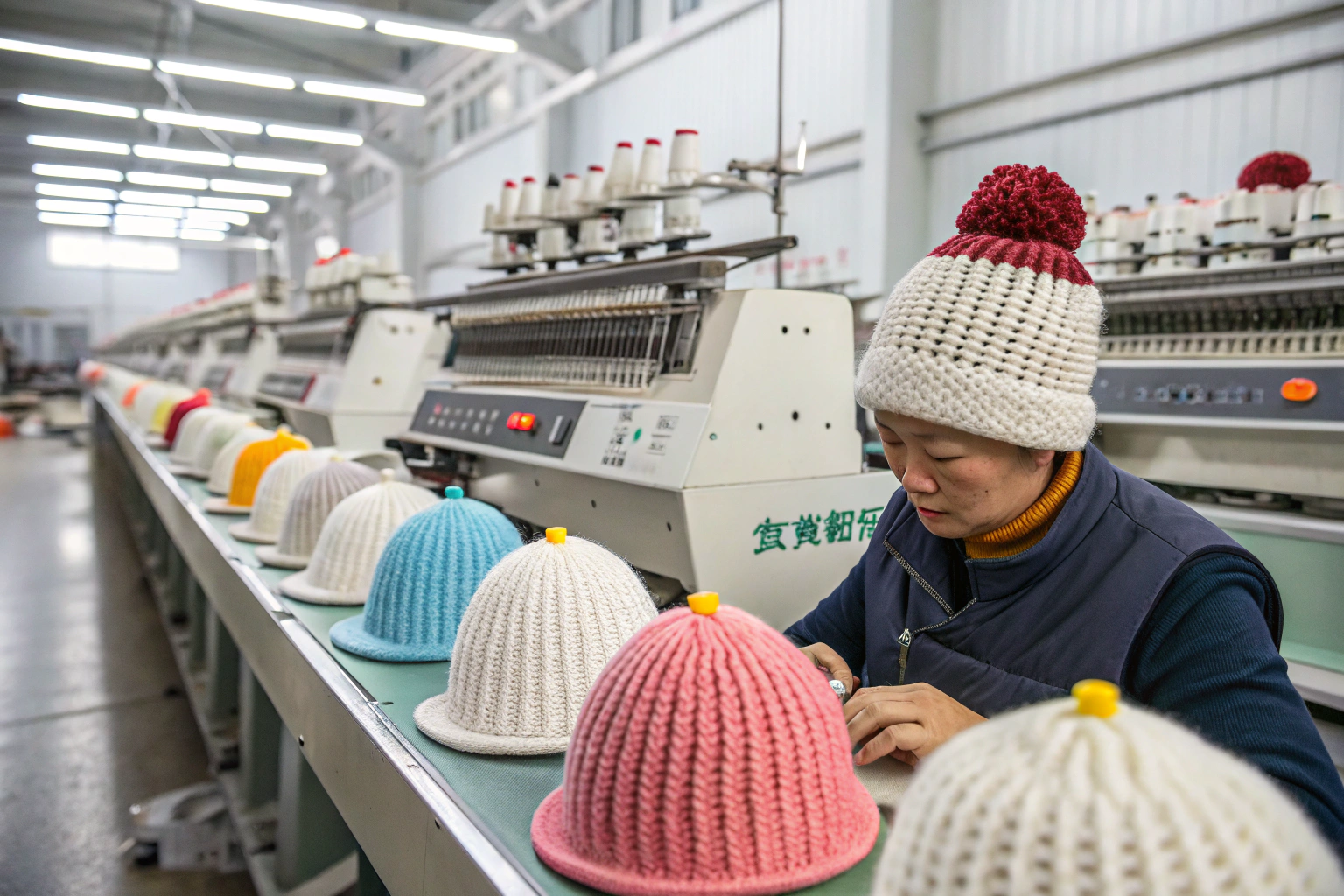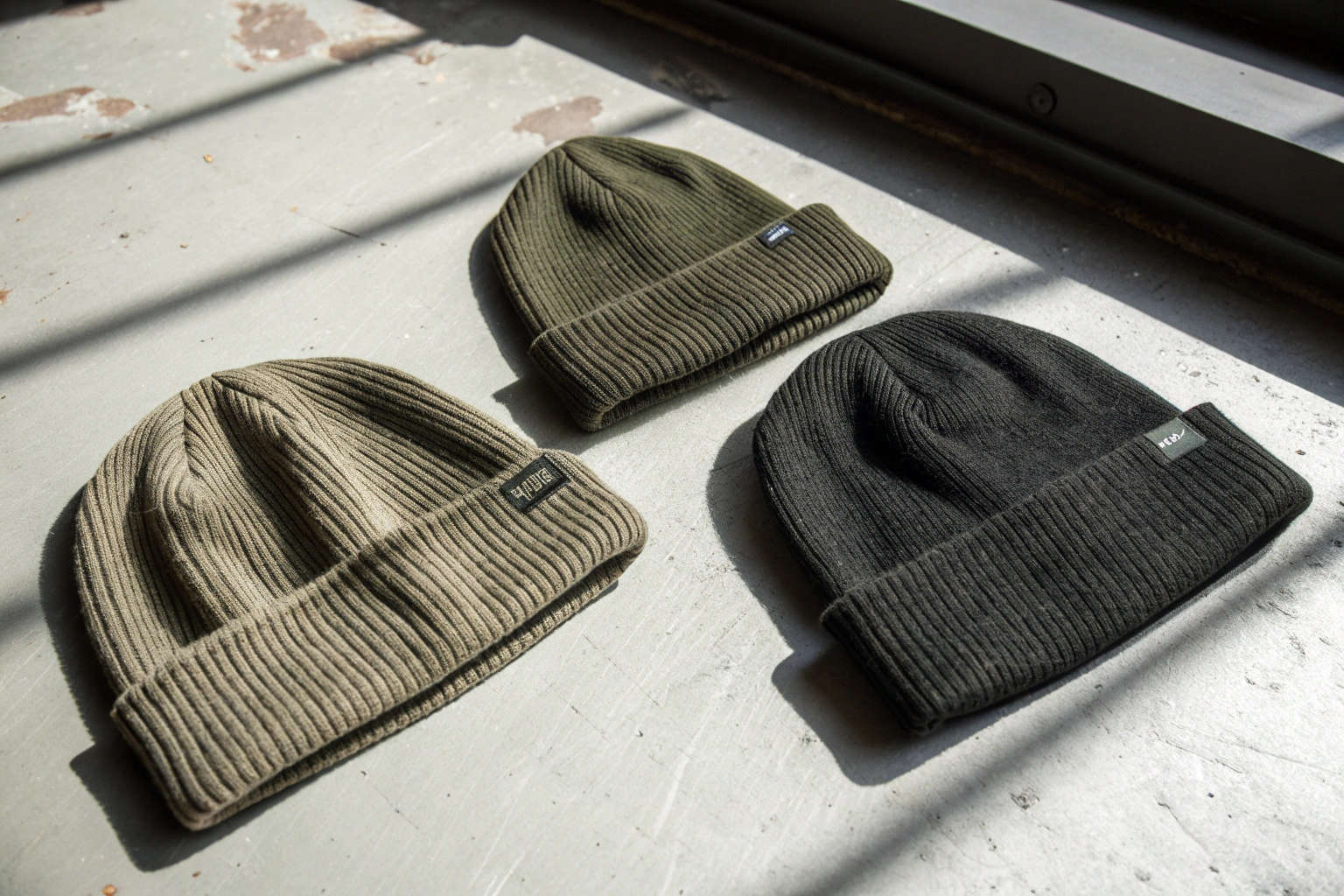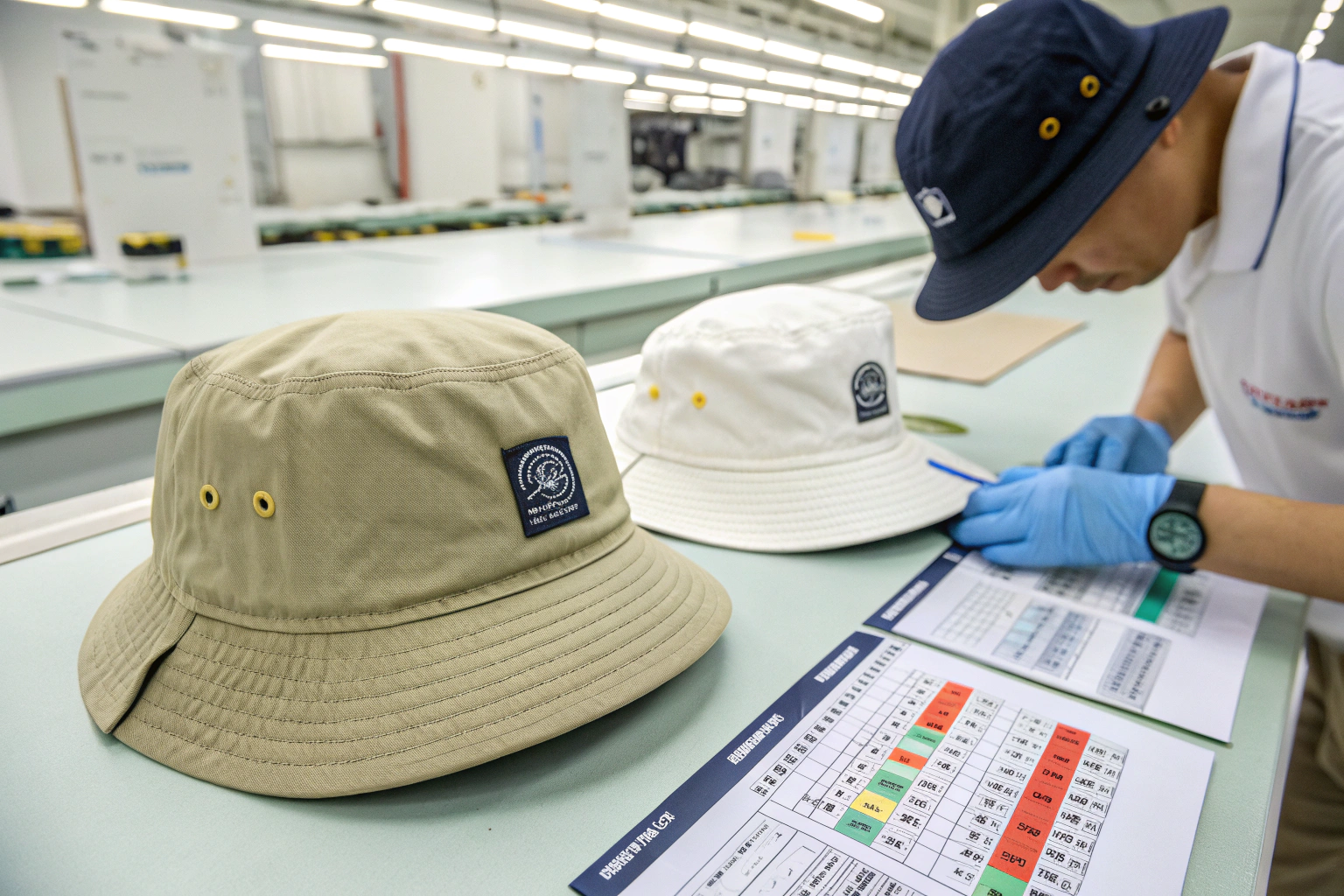
A Moscow-based buyer once rejected an entire shipment of summer hats at our factory gate. The hats were well-made. The stitching was clean. The colors matched the Pantone references perfectly. The problem was a missing hangtag. His purchase order specified a moisture-wicking label, and our production team had used a standard care label instead. He refused to accept the goods, and he was right. In his market, that label was not a marketing extra. It was a legal and commercial requirement. We re-labeled all two thousand hats over a weekend, and I never made that mistake again.
Russian buyers require moisture-wicking labels on summer hats because the label serves as documented proof of functional performance for a consumer who is intensely skeptical of marketing claims. Russian customers demand objective evidence that a summer hat will actively manage sweat, not just absorb it and become heavy and stained. The label, especially when backed by a recognized testing standard, provides the instant, credible verification that drives purchase decisions in a market where word-of-mouth reputation and product functionality carry more weight than brand name alone.
At AceAccessory, we supply summer hats to several Russian importers and brands, and their labeling requirements are among the most specific and technically detailed of any market we serve. Let me explain the functional, cultural, and regulatory reasons behind this requirement so you can spec your next order correctly and avoid a costly rejection.
What Functional Performance Does a Moisture-Wicking Hat Deliver?
A moisture-wicking label is not just a word. It describes a specific physical process that is fundamentally different from simple absorption. A standard cotton hat absorbs sweat like a sponge and holds it. The hat becomes heavy, wet, and dark with moisture stains. When the sun hits it, the trapped sweat heats up, creating an uncomfortable, sauna-like environment against the scalp. A moisture-wicking hat is engineered to prevent exactly this scenario. The fabric actively moves moisture away from the skin, spreads it across a larger surface area, and releases it into the air through evaporation. The label is the consumer's guarantee that this engineered function is present.
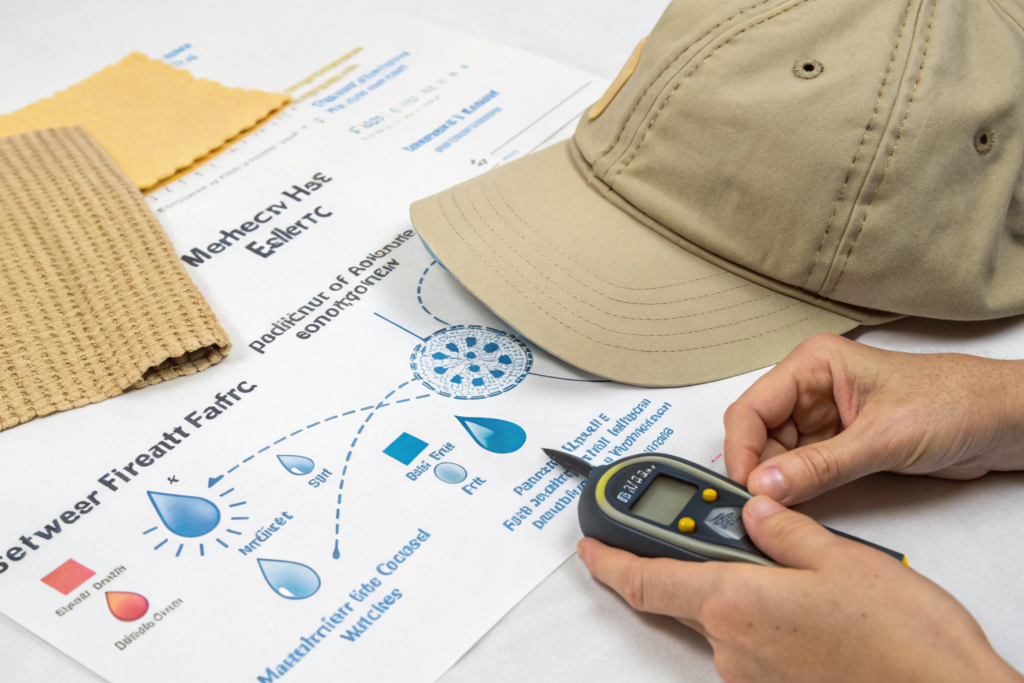
How Does Moisture-Wicking Technology Differ from Basic Sweat Absorption?
The difference is capillary action. A moisture-wicking fabric is typically a synthetic fiber like polyester or nylon that has been extruded with a modified cross-section. Instead of a smooth, round fiber, the yarn has channels, grooves, or a hollow core. These microscopic channels create capillary force that pulls liquid moisture along the fiber surface. The fabric is also treated with a hydrophilic finish that reduces the surface tension of the water, allowing it to spread rapidly across a wide area rather than pooling in one spot. A standard cotton fiber has a flat, ribbon-like shape that absorbs water into the fiber itself, causing it to swell and hold the moisture. Cotton feels wet. A wicking polyester feels relatively dry because the water is on the surface, evaporating, not trapped inside the fiber. This is the functional story the moisture-wicking label tells. It says this hat will not become a wet, heavy, uncomfortable mess on a hot summer day. For the Russian consumer, who experiences intense, if short, summer heatwaves, this functional difference is highly valued.
What Testing Standards Support a Legitimate Moisture-Wicking Claim?
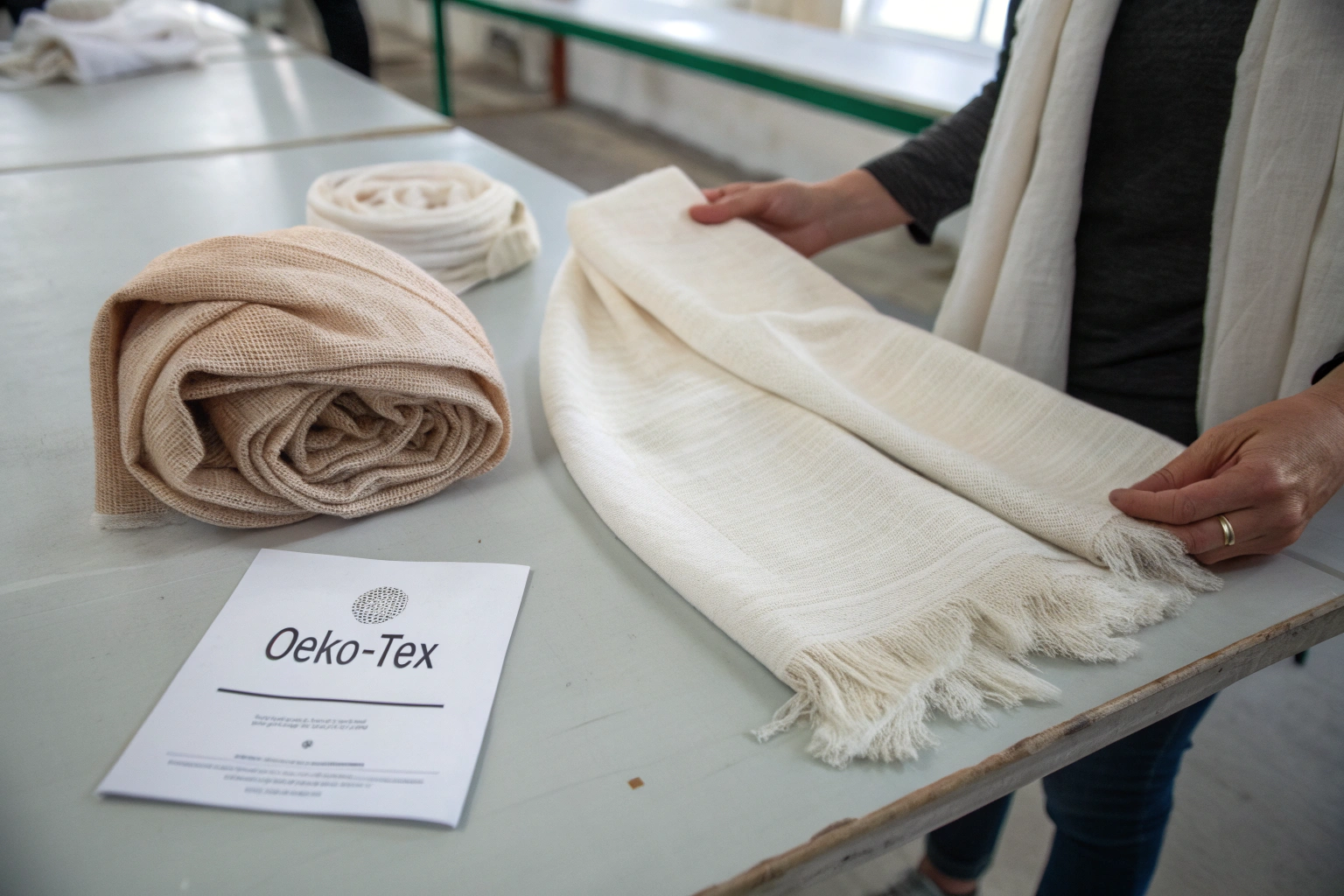
A legitimate moisture-wicking label must be backed by a test report. A factory that prints "moisture-wicking" on a label without any testing is making an unsubstantiated claim. The most recognized testing standards include AATCC Test Method 195, which measures liquid moisture management properties of textile fabrics, and AATCC Test Method 79, which measures the absorbency of textiles. These tests produce quantifiable data. A fabric's wicking rate is measured in millimeters per second. Its one-way transport capability, the ability to move moisture from the inner face to the outer face, is measured on an index scale. A drying rate test measures how many minutes it takes for a saturated fabric to return to its dry weight under controlled conditions. When we produce moisture-wicking hats for Russian buyers, we include a copy of the test report with the shipment documentation. The label is not just a claim. It is a summary of a verified test result. For more information on textile moisture management testing, you can explore resources from AATCC.
Why Is Functional Labeling Critical for the Russian Consumer Market?
The Russian consumer approaches a purchase differently than consumers in many Western markets. There is a deep cultural preference for functional, practical, and durable goods over purely decorative or brand-driven items. This is rooted in Soviet-era consumer culture, where products were scarce and had to last. A label that says "100% cotton" is a basic material fact. A label that says "moisture-wicking" with a test standard reference is a performance promise. The Russian buyer has been trained by decades of market experience to look for the second type of label.
How Does the Russian Consumer's Skepticism Toward Marketing Claims Affect Labeling?
Russian consumers have lived through waves of imported goods with exaggerated claims. They have developed a sharp instinct for distinguishing a real technical feature from an empty marketing slogan. A hat that simply says "cool and comfortable" on a swing tag will be ignored or met with suspicion. A hat that has a sewn-in woven label stating "Moisture Wicking, tested to AATCC 195" in both English and Russian communicates technical competence. It tells the consumer that the brand has invested in testing, not just in advertising copy. This translates directly into sales conversion at retail. A customer standing in a store comparing two similar-looking hats will choose the one with the specific, test-backed functional claim almost every time. The label is the silent salesperson that answers the unspoken question: "Why should I believe this hat will actually keep me dry?"
Why Do Russian Retail Buyers Use Functional Labels as a Vendor Screening Tool?
Russian importers and retail buyers use the presence or absence of proper functional labeling as a quick, low-cost way to assess a supplier's professionalism. A factory that can provide a moisture-wicking hat with a properly formatted, test-backed label is a factory that understands quality control and international standards. A factory that offers a "moisture-wicking" hat but cannot produce a test report or labels the hat with a generic, vague claim is a factory that is probably cutting other corners as well. The label requirement functions as a filter. It separates the suppliers who invest in technical performance from those who only invest in marketing. Russian buyers have told me directly that they will not even open a sample package if the supplier's website or catalog does not show evidence of functional testing and labeling. The label is a prerequisite for entering a business conversation, not a nice-to-have addition.
What Specific Label Formats and Languages Do Russian Buyers Require?
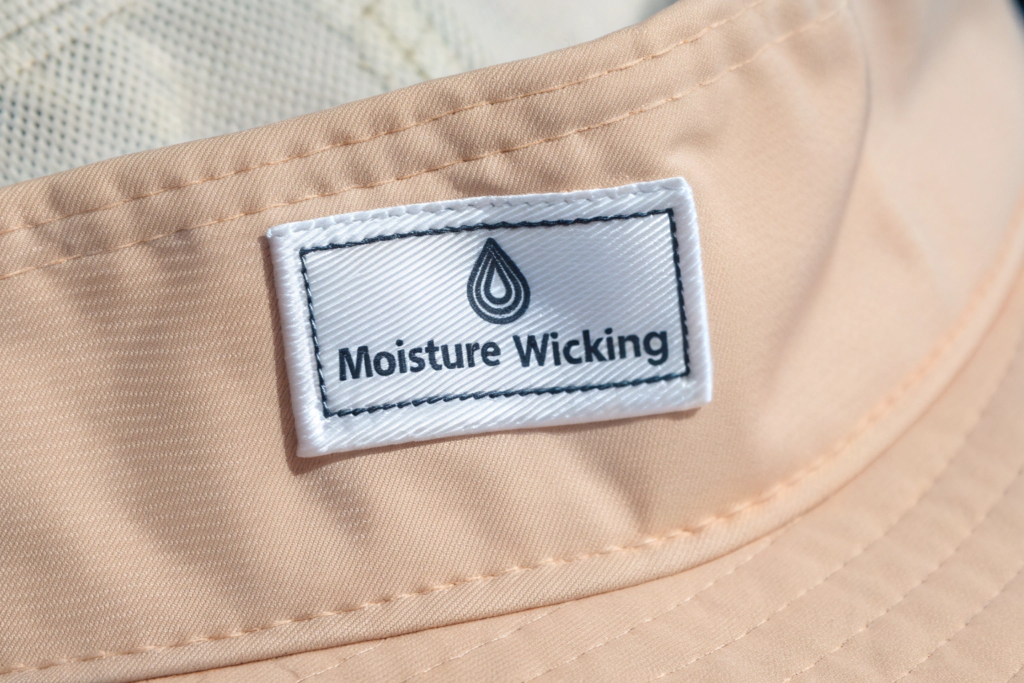
The format of the label is not a minor detail. Russian buyers typically require a sewn-in woven label, not a cheap printed tag that will fade or tear off after a few washes. The label must include the functional claim in Russian language, not just in English. This is partly a consumer communication requirement and partly a regulatory requirement under Russian consumer protection law, which mandates that product information must be provided in the Russian language.
What Information Must Appear on a Compliant Functional Label?
A compliant moisture-wicking label for the Russian market must include several specific elements. First, the functional claim in Russian, such as "Влагоотведение" or "Отвод влаги," which translates directly to "moisture wicking" or "moisture removal." Second, the fiber composition of the hat in Russian, specifying the percentages of each material. Third, care instructions in Russian using the standardized care symbols that are recognized internationally. Fourth, the country of origin, "Сделано в Китае," meaning "Made in China." Some buyers also request the testing standard reference, such as "AATCC 195," to be included directly on the label. This is a lot of information to fit onto a small sewn-in label, and it requires careful layout design to ensure legibility. We work with a specialized label supplier who produces woven labels with Cyrillic text and tests the wash fastness to ensure the text remains readable after multiple laundry cycles.
How Do Hangtags and Packaging Complement the Sewn-In Label?
In addition to the sewn-in label, Russian buyers often request a hangtag that expands on the moisture-wicking story. The hangtag provides more space for marketing language and graphics. It might include a diagram showing how the wicking technology works, a brief explanation of the testing standard, and care tips for maintaining the wicking performance over time. The hangtag is the educational tool. The sewn-in label is the permanent legal record. Both must be consistent in their claims. A hangtag that promises "instant cooling" while the sewn-in label only says "polyester" is a mismatch that will cause problems. The packaging, including the polybag and any header card, should also avoid making claims that the testing does not support. A claim like "reduces body temperature by 5 degrees" requires a very specific and expensive thermal regulation test that is completely different from a moisture-wicking test. Do not put it on the packaging unless you have the test report to prove it.
How Can a Factory Prove the Moisture-Wicking Claim Is Genuine?
The most valuable thing a factory can provide to a Russian buyer is not the hat itself, but the documentation that proves the hat will perform as labeled. A moisture-wicking claim without a test report is a liability. If a consumer or a regulatory body challenges the claim, the importer must be able to produce evidence. The test report is that evidence. A factory that proactively provides this documentation builds a level of trust that translates into repeat orders and larger volumes.
What Is the Difference Between a Mill Certificate and an Independent Lab Test?
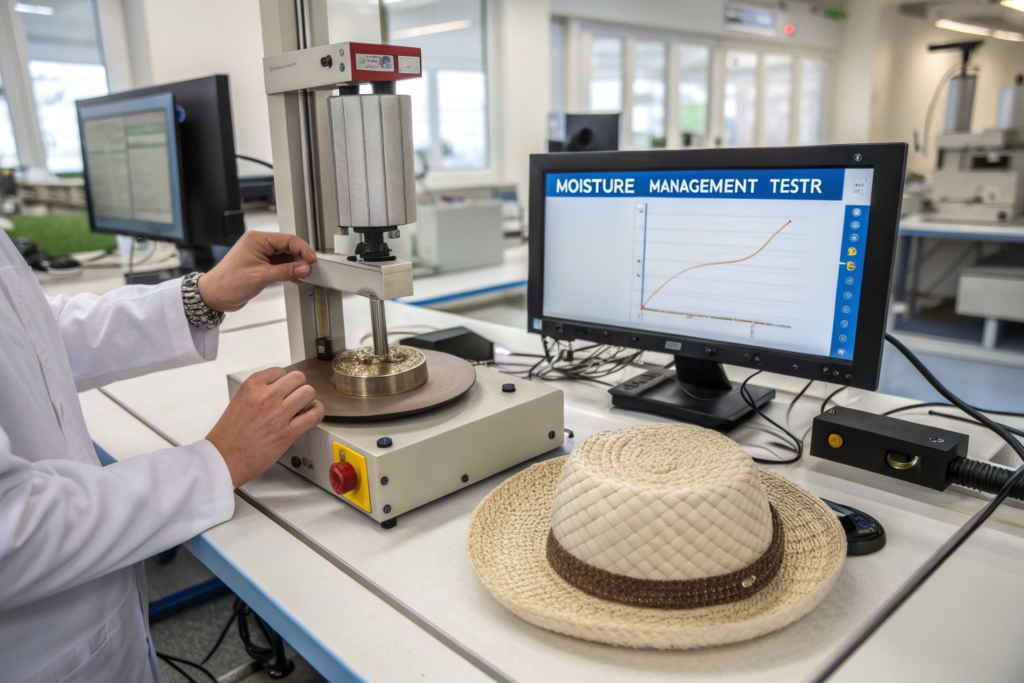
A mill certificate is a document provided by the yarn or fabric supplier stating that the material has moisture-wicking properties. It is a starting point, but it is not sufficient on its own. The mill certificate describes the raw material, not the finished hat. The dyeing, finishing, and assembly processes can affect the final moisture management performance. A fabric that wicks beautifully in its greige state may lose some of that performance after being dyed with a heavy, hydrophobic dye. An independent lab test, performed on a sample cut from an actual finished hat, provides the most credible evidence. We send finished hat samples to an accredited third-party laboratory for AATCC 195 testing. The lab report shows the test results on our company letterhead as the submitter and the lab's accreditation logo. This independent verification is what gives Russian buyers the confidence to make large orders.
How Often Should Moisture-Wicking Performance Be Re-Tested?
Fabric performance can drift over time due to changes in yarn supply, dye formulations, or finishing chemical batches. A test report from two years ago may not accurately represent the performance of today's production. We re-test our moisture-wicking fabrics annually, or whenever we change a major input such as the yarn supplier or the dyehouse. For a new buyer placing a first order, we offer to pull a sample from the first production run and send it for a fresh lab test before shipping the bulk order. This adds a few days to the timeline, but it provides the most current and relevant documentation. It also demonstrates a commitment to transparency that goes beyond the minimum requirement. The cost of the test, typically a few hundred dollars, is a small price for the peace of mind it provides to both the factory and the buyer.
Conclusion
Russian buyers require moisture-wicking labels on summer hats because the label is the linchpin of a functional product promise. It communicates to a skeptical, technically-minded consumer that the hat is engineered to actively manage sweat, not just passively absorb it. It provides the objective, test-backed evidence that a retail buyer uses to screen suppliers and justify purchase decisions. And it fulfills the Russian-language consumer information requirements that are mandated by law and expected by the market.
The label is not an afterthought. It is the culmination of fiber engineering, fabric testing, and regulatory compliance. A hat that is truly moisture-wicking but lacks the proper label will fail in the Russian market because the consumer has no way to distinguish it from a standard, non-wicking hat. A hat that has the label but lacks the underlying test report is a legal and reputational risk for the importer.
At AceAccessory, we treat functional labeling as an integral part of the product, not a final add-on. Our Russian-market orders are produced with Cyrillic woven labels, AATCC 195 test reports, and consistent hangtag messaging. Our project managers verify the label content against the test report before any hat is packed, eliminating the kind of mismatch that causes rejections.
If you are sourcing summer hats for the Russian market and need a factory that understands the labeling and testing requirements, please reach out to us. We can share a sample of our Russian-language label format and a copy of our most recent moisture-wicking test report.
For a direct conversation about your Russian-market summer hat order, please contact our Business Director, Elaine. You can reach her at elaine@fumaoclothing.com. Let us ensure your hats meet the functional standards your customers demand.