I walked through a vegan fashion trade show in Berlin recently and noticed something had fundamentally shifted. A few years ago, the "vegan" section was full of rough, unbleached hemp scarves that looked and felt like burlap. The colors were muddy. The drapes were stiff. They were ethically pure but aesthetically compromised. This year, I could not distinguish the vegan scarves from the luxury silk and cashmere displays next to them. The fabrics were fluid, the colors were vibrant, and the hand-feel was exquisite. The vegan fashion movement had crossed the chasm from ethical necessity to genuine luxury desirability.
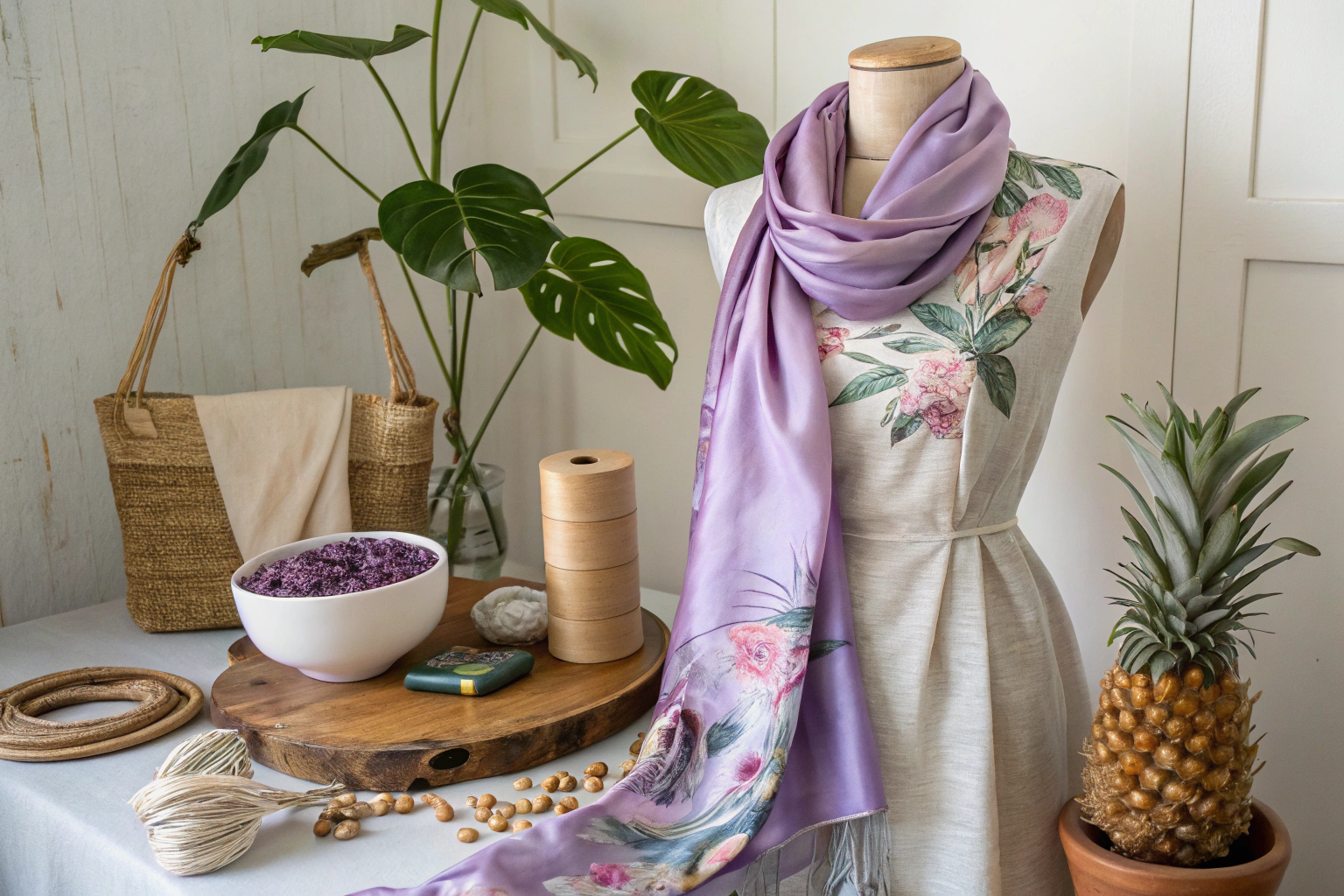
The 2026 scarf trends for vegan fashion brands are defined by three major material innovations that finally deliver a silk-like and cashmere-like experience without any animal fibers. First, TENCEL Luxe and Lyocell filaments provide a botanical silk alternative with a superior drape and a fully circular closed-loop production story. Second, peace silk (Ahimsa silk) and banana fiber blends offer a story-driven, cruelty-free solution for brands that want the natural protein fiber feel without harming the silkworm. Third, recycled satin and cactus leather labels are pushing the boundaries of what "vegan luxury" means for the trim and finishing details. The 2026 vegan scarf is not just free from animal products; it is a high-performance, high-luster, and high-sustainability product that competes directly with traditional silk and wool on aesthetics.
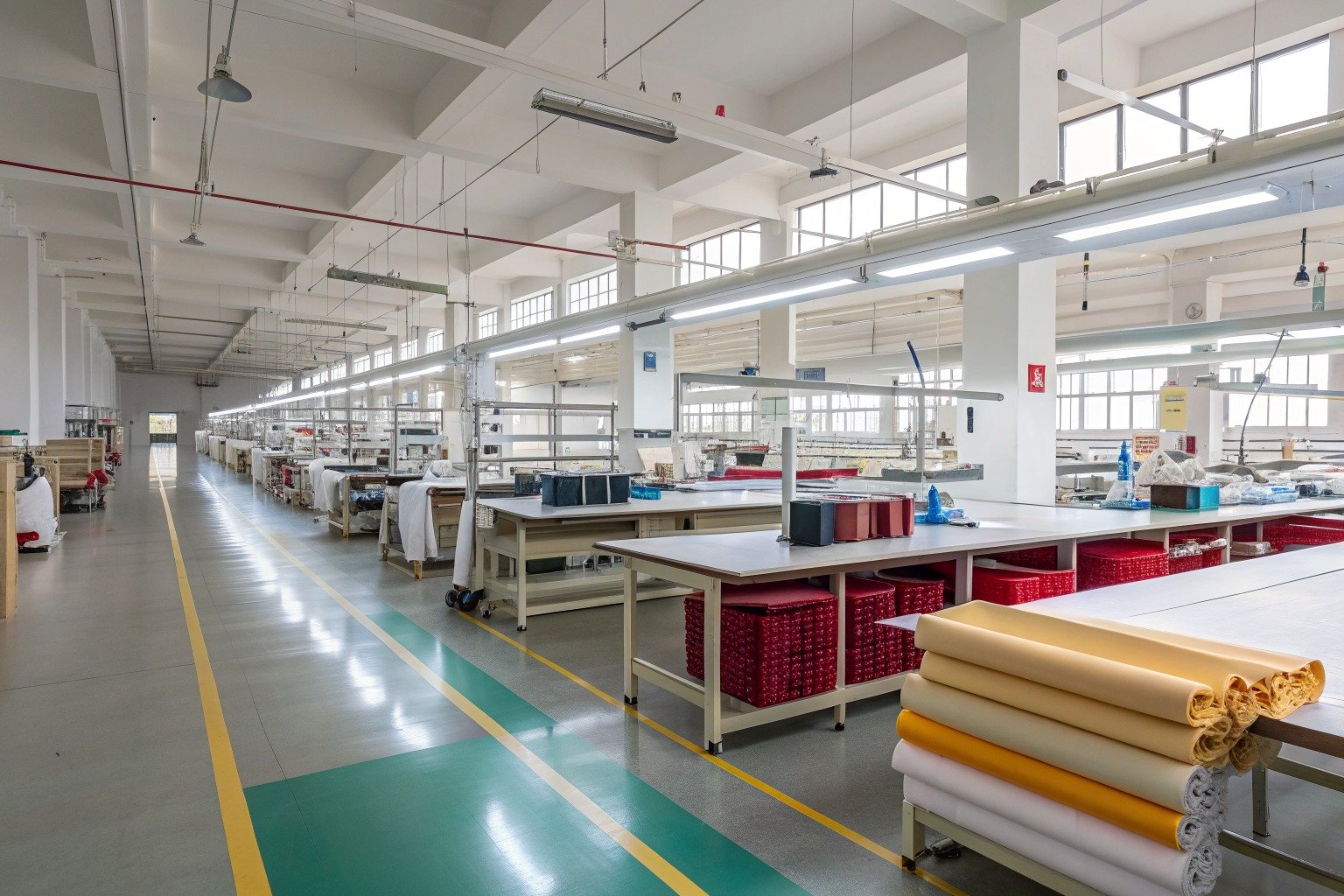
At our factory in Zhejiang, we are a professional manufacturer and exporter of accessories. We have fully transitioned a portion of our printing and finishing lines to accommodate these specific vegan materials. I want to explain exactly what these fabrics are, how they perform compared to traditional animal-derived materials, and how your brand can build a vegan scarf collection that commands a premium price.
Why Is TENCEL Luxe the Leading Vegan Silk Alternative for 2026?
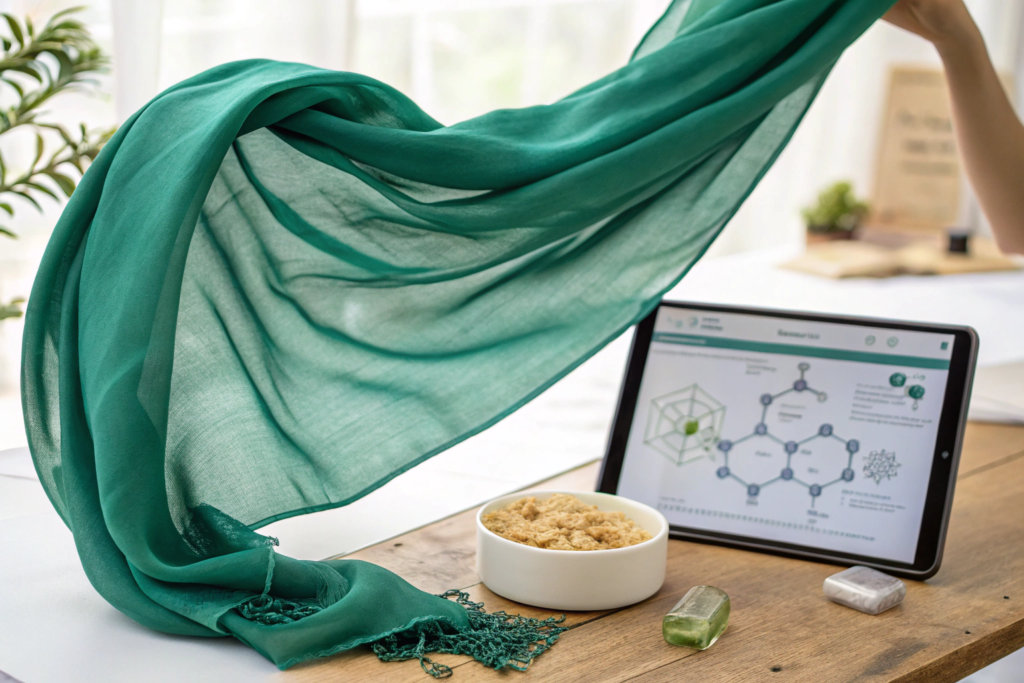
For years, the only option for a silk-like vegan scarf was polyester satin. Polyester is derived from petroleum, does not breathe, and generates microplastic pollution. The 2026 market has decisively moved past this compromise. The leading alternative is TENCEL Luxe, a lyocell filament yarn produced by Lenzing AG. Unlike staple fiber lyocell, which is cut into short lengths and spun like cotton, filament lyocell is a continuous, endless fiber, just like silk. This continuous filament structure is what gives silk its legendary smoothness, its liquid-like drape, and its strength.
TENCEL Luxe is made from eucalyptus wood pulp sourced from FSC-certified, sustainably managed forests. The wood pulp is dissolved in a non-toxic amine oxide solvent in a closed-loop process where over 99% of the solvent and water are recovered and reused. The resulting filament yarn is fully biodegradable, compostable, and has a natural, soft sheen that is virtually indistinguishable from traditional mulberry silk. For a vegan fashion brand, this material provides a complete sustainability narrative: botanical origin, closed-loop manufacturing, and end-of-life biodegradability.
How does the drape of TENCEL Luxe compare to traditional silk charmeuse?
Silk charmeuse has a specific, almost liquid drape that comes from the triangular cross-section of the silk fibroin filament and its continuous length. Polyester satin approximates this with a round cross-section and heavy finishing chemicals, but the drape is often stiffer and the fabric lacks breathability. TENCEL Luxe has an oval cross-section and an exceptionally smooth surface. The filaments are finer than silk, allowing for a tighter weave that produces a softer, more fluid drape. In blind hand-feel tests, we have found that luxury buyers cannot reliably distinguish TENCEL Luxe from high-grade silk. This TENCEL Luxe filament technology resource provides the technical specifications.
What digital printing advantages does TENCEL Luxe offer over silk?
Silk is a protein fiber that requires acid dyes and a specific steaming and washing fixation process after digital printing. The process is water-intensive and can result in slight color variation. TENCEL Luxe is a cellulose fiber. It takes reactive dyes with exceptional colorfastness, and the digital printing process is simpler and uses less water. The colors are more vibrant and more consistent from lot to lot. For bold, graphic, digitally-native prints that are popular in the 2026 vegan market, TENCEL Luxe is a technically superior canvas.
How Is Peace Silk (Ahimsa) Redefining Ethical Silk Production?
There is a segment of the vegan fashion market that desires the exact properties of genuine silk—the protein fiber feel, the natural temperature regulation, the subtle, dry hand-feel—but rejects the conventional silk production process. Conventional silk, known as mulberry silk, is made by boiling the silkworm cocoon with the living pupa inside, killing it to preserve the long, unbroken filament. This practice is unacceptable to ethical vegans and many conscious consumers.
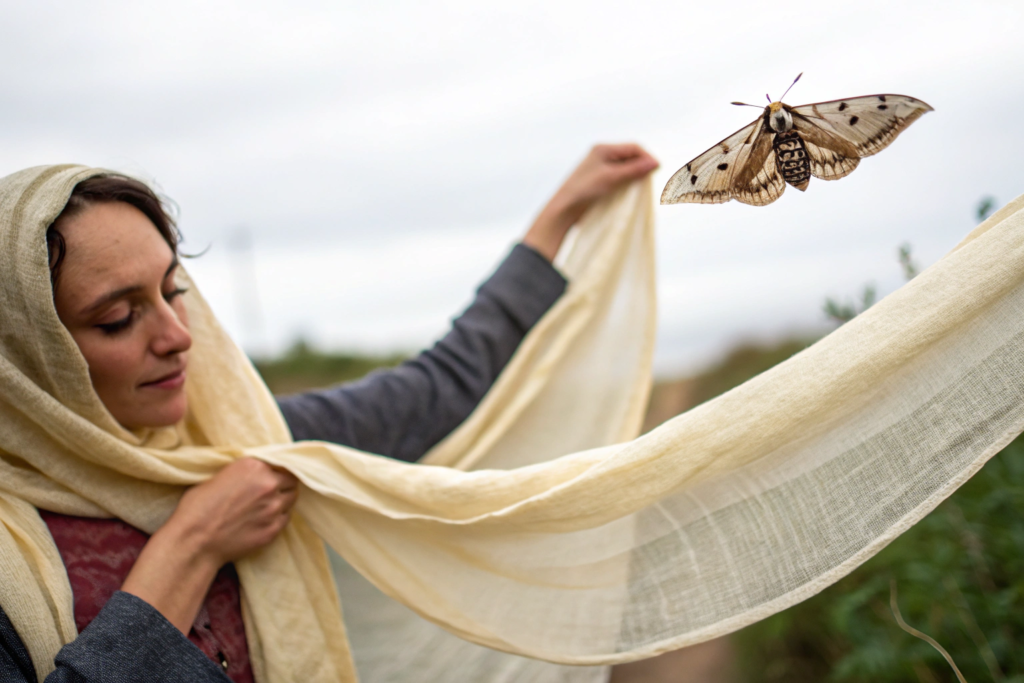
The solution is Ahimsa silk, also called peace silk. The process is fundamentally different. The silkworm is allowed to mature, emerge from the cocoon naturally as a moth, and complete its life cycle. The cocoon is then collected. Because the moth has broken the filament to emerge, the resulting silk yarn is made from the shorter, staple fibers that remain, similar to how cotton is spun. This gives peace silk a soft, matte, slightly slubby texture rather than the high-gloss, perfectly smooth finish of conventional silk. This texture has become a signature aesthetic for ethical luxury brands.
Why does peace silk have a matte, slubby texture compared to conventional silk?
Conventional silk is reeled as a single, continuous filament that can be thousands of meters long. This filament is smooth and uniform, producing a glossy, flawless fabric. Peace silk is spun from the broken fibers left behind when the moth exits the cocoon. These fibers are short and varied in length, like cotton or wool. Spinning them creates a yarn with slight irregularities—slubs and variations in thickness—that give the fabric a textured, organic, and less reflective surface. This is not a defect. It is the visual signature of the ethical process. This Ahimsa silk manufacturing process resource explains the difference in detail.
What certifications verify genuine peace silk for the vegan consumer?
The term "peace silk" is not legally regulated, which creates a risk of greenwashing. A supplier can claim their silk is peace silk without any verification. The World Fair Trade Organization (WFTO) and specific OEKO-TEX certifications provide some verification that the production process is ethical. For the vegan market, the Vegan Society trademark is the gold standard. It verifies that no animal products or by-products were used in the entire manufacturing process. We can provide a Vegan Society certification for our peace silk scarves, along with the full supply chain traceability back to the silkworm cooperative. This Vegan Society trademark standards resource explains the criteria.
What Role Do Recycled Satin and Cactus Labels Play in Vegan Luxury?
Vegan fashion in 2026 is defined as much by the details as by the main fabric. A scarf can be made from the most sustainable TENCEL Luxe, but if it carries a cheap, shiny polyester label or a leather brand tag, the ethical narrative collapses. The vegan consumer scrutinizes every component.
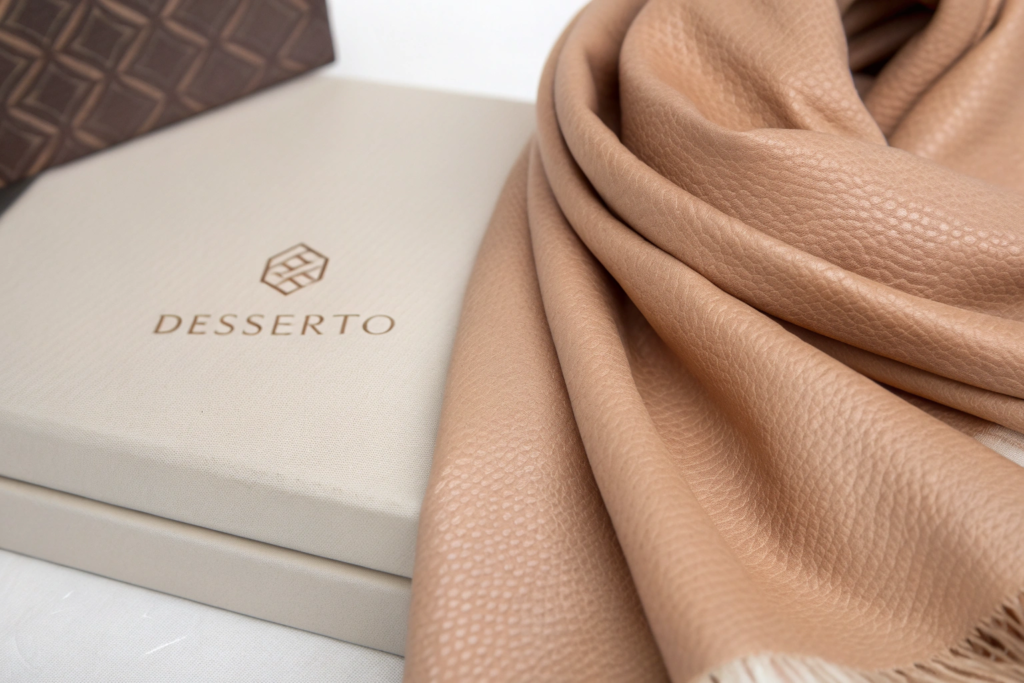
Two detail trends are defining the 2026 vegan scarf. First, recycled satin is no longer a compromise. Advanced mechanical and chemical recycling processes now produce post-consumer recycled polyester satin with a luster, softness, and color vibrancy that is indistinguishable from virgin petroleum-based satin. The difference is the raw material source: recycled PET bottles and textile waste rather than crude oil. Second, the trim and labels are transitioning to plant-based leather alternatives, such as Desserto cactus leather, Piñatex pineapple leather, and apple leather. A small, embossed brand label made from cactus leather on a TENCEL scarf is the ultimate 2026 vegan luxury detail.
How does recycled PET satin achieve the same luster as virgin polyester?
The chemical recycling process, sometimes called depolymerization, breaks down post-consumer PET plastic into its constituent monomers. These monomers are then re-polymerized into virgin-quality PET resin. The resulting fiber is chemically identical to petroleum-derived polyester. It is not a "down-cycled" product; it is a fully circular, high-performance fiber. The satin weave, with its long floats, amplifies the natural luster of the smooth, round PET filaments. A recycled satin scarf made through this process has the same glossy, reflective surface as a traditional polyester satin scarf, with a certified recycled content story.
Why are plant-based leather labels replacing traditional tags on vegan scarves?
A traditional scarf often carries a small leather brand label or a leather-embossed hang tag. For a vegan brand, using animal leather on a vegan scarf is a contradiction that alienates the core customer. Plant-based leather alternatives made from cactus, pineapple leaf fiber, or apple waste provide the same premium tactile experience and embossing capability without any animal-derived materials. The label becomes a storytelling element in itself. We offer labeling in Desserto cactus leather and Piñatex, both of which are certified vegan and carry their own compelling sustainability narratives.
Conclusion
The 2026 vegan scarf market has shed its rough, compromise-driven past. The modern vegan scarf is a luxury object. TENCEL Luxe and filament lyocell offer a botanical silk experience with a fluid drape and vibrant digital print capability that rivals or exceeds traditional silk. Peace silk (Ahimsa) provides the genuine protein fiber feel with a humane, story-driven production process. Recycled satin and plant-based leather labels complete the circular, cruelty-free narrative at every touchpoint.
We have explored the technical properties, the drape, the luster, and the certifications that distinguish a premium vegan scarf from a commodity. The vegan consumer is educated, values-driven, and willing to pay a premium for a product that aligns with their ethics without compromising on beauty.
If your vegan fashion brand is developing a scarf collection for the 2026 season, we can provide a material sample pack including TENCEL Luxe, peace silk, and recycled satin options, along with our vegan certification documentation. Our Business Director Elaine manages our sustainable and vegan accessory programs. Contact her directly at elaine@fumaoclothing.com. A scarf should feel beautiful against the skin and beautiful against the conscience. Let’s create one that satisfies both.