I watched a European department store buyer walk down our sample aisle last spring, picking up each cup and immediately flipping it over to look at the bottom. She wasn’t checking the price tag; she was looking for the recycling symbol and the material code. Her customers, she explained, had stopped buying "green" products based on color alone. They wanted to know if the cup could go in their curbside recycling bin, if it was made from actual recycled waste, and if the bamboo fiber cup they bought last year was genuinely biodegradable or just a cleverly marketed piece of plastic. That buyer’s focus on the bottom of the cup captures the 2026 market for eco-conscious drinkware perfectly.
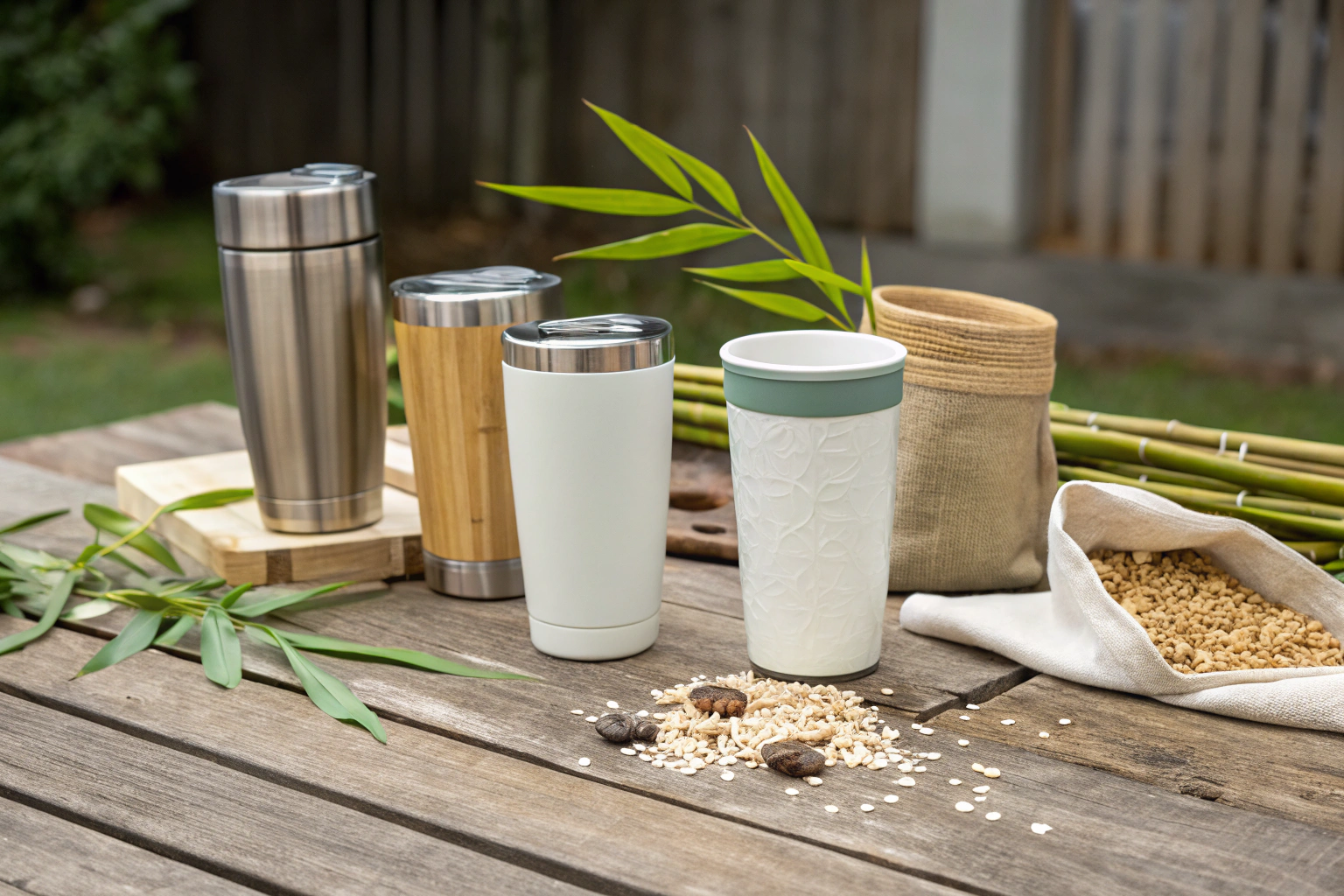
The most common 2026 cup materials for eco-conscious brands are recycled stainless steel with high post-consumer content, rPET (recycled polyethylene terephthalate) fabric and hard plastic, upcycled rice husk and wheat straw composites, and responsibly sourced bamboo fiber composites. These materials are not selected simply because they "look natural"; they are chosen because they offer a verified, quantifiable reduction in carbon footprint and plastic waste compared to virgin plastics. In 2026, the eco-conscious consumer is educated, skeptical, and equipped with a smartphone to verify your claims.
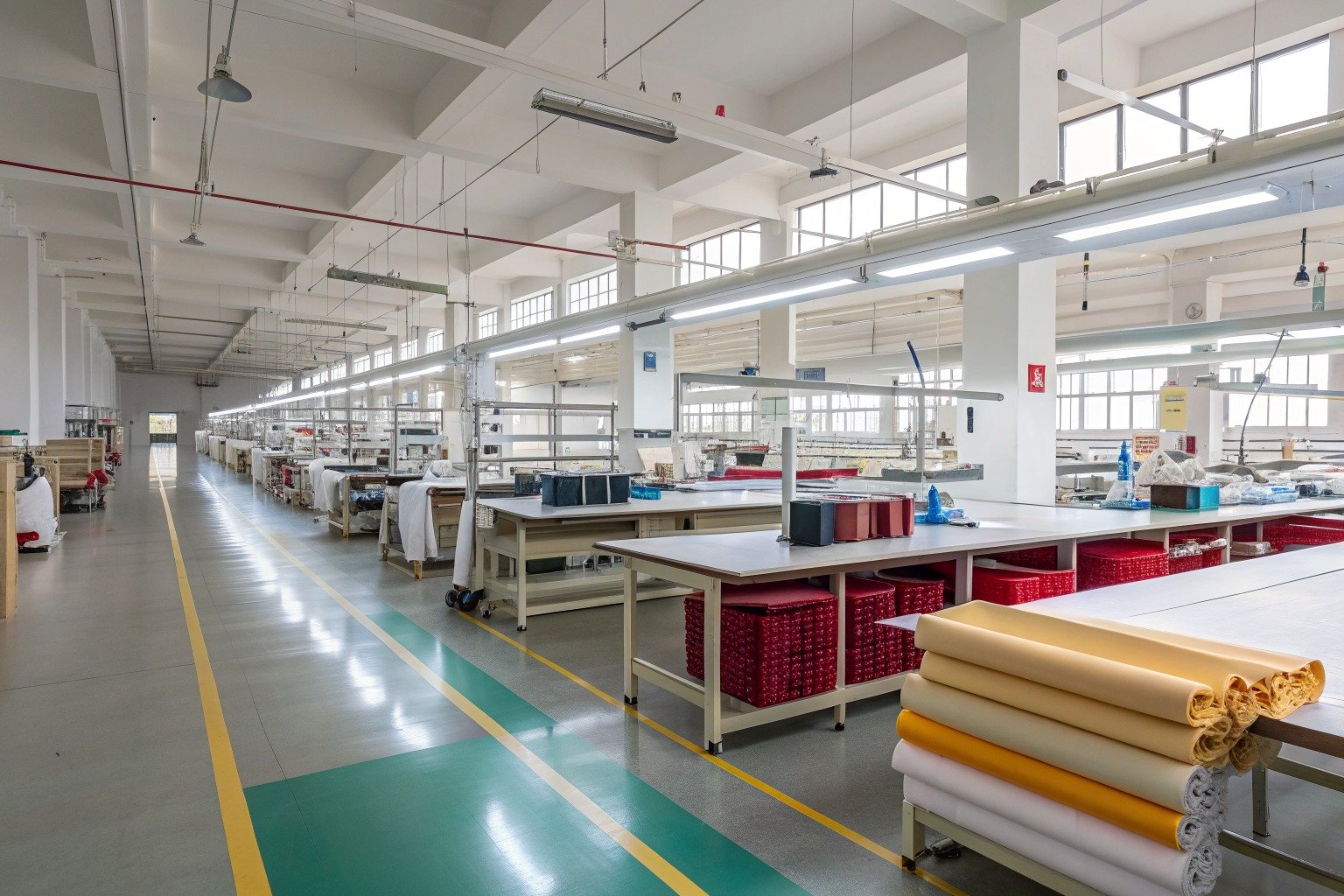
In our Zhejiang factory, we have been adapting our production lines to meet this demand. I want to walk you through the specific materials winning the market, the certifications that verify their eco-credentials, and the performance trade-offs you need to understand when designing a product for the conscious consumer.
Why Is Recycled Stainless Steel Dominating the Premium Reusable Segment?
In the premium reusable cup market, recycled stainless steel has pulled ahead of the competition for a simple reason: it lasts a lifetime. While a plastic cup, even a recycled one, will eventually crack or degrade, a stainless steel cup survives drops, dishwasher cycles, and years of daily use without losing its structural integrity. This inherent durability means the embodied carbon from manufacturing the cup is amortized over thousands of uses, giving it an exceptionally low per-use environmental impact.
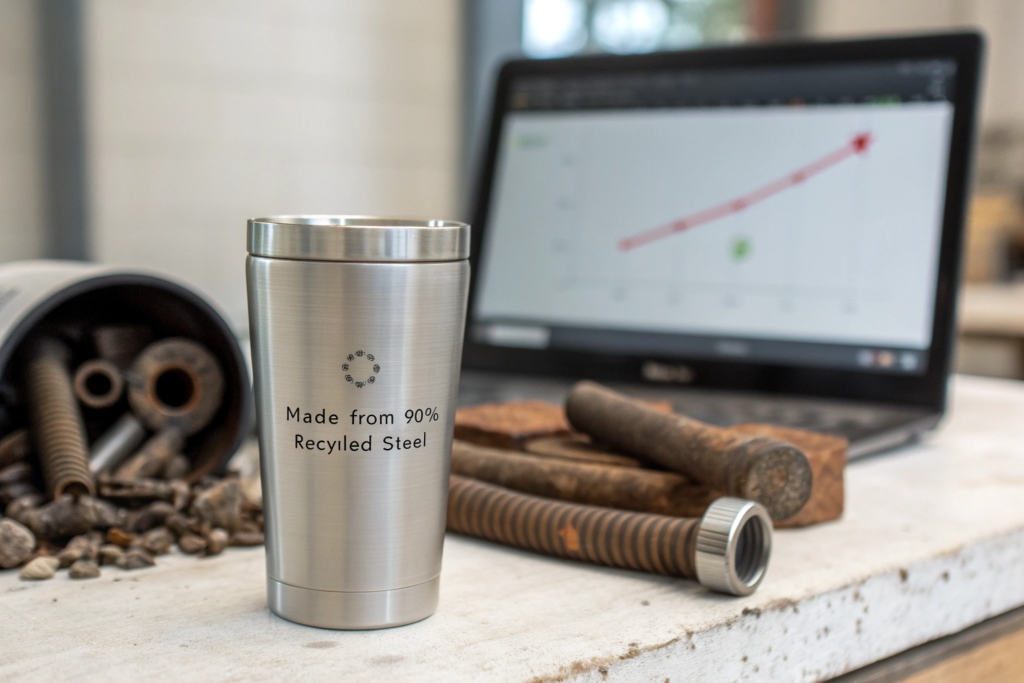
For the 2026 market, the bar has been raised. It is no longer enough to make a cup from stainless steel. The eco-conscious consumer wants to know that the steel itself contains high post-consumer recycled content. The manufacturing process for recycled stainless steel uses significantly less energy than producing virgin steel from iron ore, because the melting point of scrap steel is achieved more efficiently than smelting raw ore. This energy savings translates directly into a reduced carbon footprint that brands can quantify and market.
How does the electric arc furnace process reduce the carbon footprint of steel cups?
Stainless steel production traditionally relies on blast furnaces that smelt iron ore using coking coal, a carbon-intensive process. Recycled stainless steel is produced primarily in an electric arc furnace (EAF). The EAF melts down scrap steel using high-power electric arcs. The process uses up to 70% less energy than the blast furnace route, and if the electricity powering the furnace comes from renewable sources, the carbon footprint drops even further. As a manufacturer, when we source our stainless steel coils, we require our suppliers to provide a material certificate that specifies the recycled content percentage. This allows our brand clients to make a verified, specific claim like "Made with 90% recycled stainless steel" rather than a vague "eco-friendly" label. This electric arc furnace recycling technology provides transparent carbon metrics.
What is the difference between 18/8 and 304-grade steel in terms of consumer safety?
The terms 18/8 and 304 stainless steel refer to the alloy composition. 18/8 contains 18% chromium and 8% nickel. 304 is the industry grade designation for essentially the same alloy. The chromium creates a passive layer of chromium oxide on the surface, which makes the steel resistant to rust and corrosion. The nickel adds luster and further corrosion resistance. For a cup, this means it won’t rust, won’t impart a metallic taste to water or coffee, and is fully dishwasher-safe. Food-grade 304 stainless steel is also non-reactive with acidic beverages like orange juice or coffee. We use only 304 food-grade stainless steel for our drinkware products. This food grade stainless steel specifications resource confirms the safety standards.
How Are rPET and Upcycled Crop Waste Transforming the "Plastic-Free" Narrative?
The war on single-use plastic has created a paradox for the reusable cup industry. A reusable plastic cup, by definition, prevents hundreds of disposable cups from entering landfills. Yet the plastic itself is still derived from petroleum. The 2026 market resolves this tension by shifting to recycled and bio-based feedstocks. The material is still plastic, but its origin story has changed from an oil well to a recycling center or a farm.
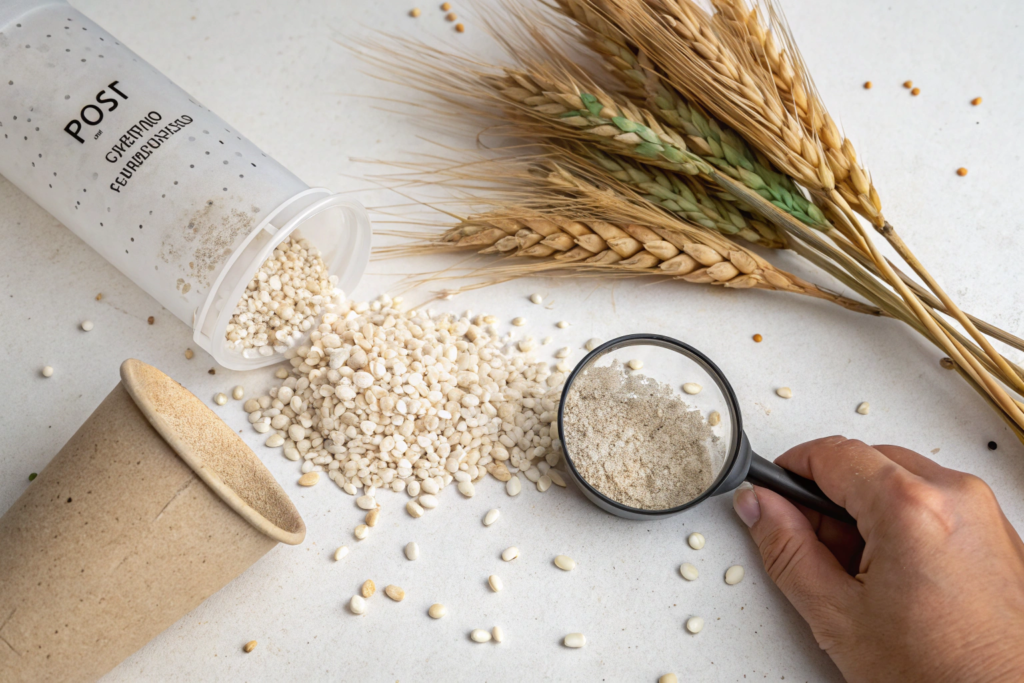
The two leading players in this space are rPET (recycled polyethylene terephthalate) and wheat straw or rice husk composite plastics. rPET is made by shredding, washing, and melting down post-consumer plastic bottles into pellets that can be injection-molded into new cups. Wheat straw composite is made by blending the fibrous stalks left over after grain harvest with a food-grade polypropylene binder. The resulting material has a natural, speckled look and a slightly warmer feel than pure plastic. Both materials keep agricultural or consumer waste out of the incinerator and give it a second life as a durable, practical cup.
Why is rPET considered a safe material for daily drinking cups?
rPET has been rigorously tested and approved by health authorities worldwide, including the FDA and EFSA, for food-contact use. The recycling process involves "super-cleaning" the plastic flakes at high temperatures under vacuum, which removes volatile contaminants. The resulting resin is chemically identical to virgin PET. A cup made from rPET is free from BPA (Bisphenol A) and phthalates. It is lightweight, shatterproof, and clear. It also carries a powerful marketing narrative: "This cup was once a water bottle." We use only FDA-approved food-grade rPET pellets in our production. This FDA recycled plastics for food contact guidance provides the regulatory framework.
What are the advantages and limitations of wheat straw composite cups?
Wheat straw composite cups have a unique aesthetic that appeals strongly to the "cottagecore" and natural-lifestyle segments of social media. The visible fibers create a matte, organic texture. The material is lightweight, durable, and dishwasher-safe on the top rack. However, it has limitations. It is not transparent. It is not microwave-safe because the natural fibers can heat unevenly. And critically, it is not biodegradable in a home compost. The polypropylene binder, which typically makes up 30% to 50% of the material, is a conventional plastic. The cup will last for years but eventually must be disposed of as plastic waste. An honest marketing approach acknowledges this. The cup is not "plastic-free"; it is "made with upcycled crop waste that reduces virgin plastic use." This wheat straw plastic composite explained transparency is essential for brand credibility.
What Role Do Bamboo Fiber and Natural Coatings Play in 2026 Cup Design?
Bamboo fiber cups exploded in popularity a few years ago as the "natural" alternative to plastic. They were marketed as biodegradable, sustainable, and perfect for the eco-conscious family. Then the backlash came. Investigations revealed that many so-called bamboo cups were simply melamine plastic with a small amount of bamboo powder mixed in. When exposed to heat, the melamine could degrade and release formaldehyde. The word "bamboo" had been used as a greenwashing label for what was essentially a conventional plastic cup.
The 2026 market has learned from this scandal. The current generation of legitimate bamboo fiber cups uses a fundamentally different binder system. The melamine binder is replaced with a plant-based resin, such as polylactic acid (PLA) derived from corn starch, or a food-grade polypropylene that is clearly and transparently disclosed. The bamboo fiber, typically sourced from FSC-certified forests, provides the texture and reduces the overall plastic content. The marketing is honest, specific, and backed by certifications.
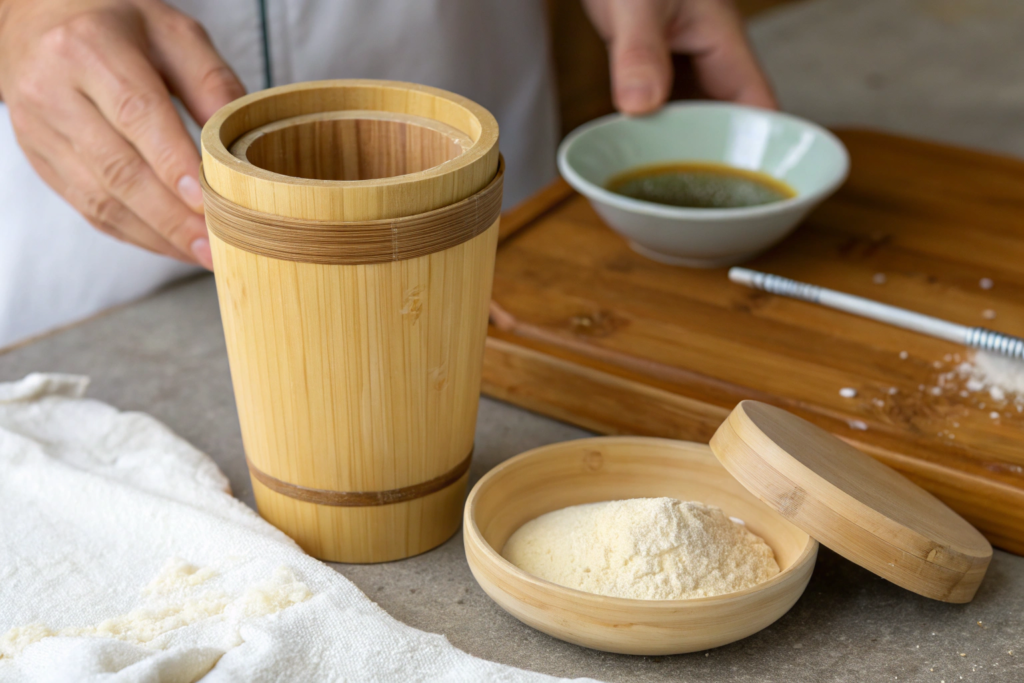
What is the difference between melamine-bound and PLA-bound bamboo composites?
Melamine-formaldehyde resin is a hard, durable thermoset plastic. It was used in early bamboo cups because it was cheap and produced a smooth finish. However, melamine can migrate into food when heated above 70 degrees Celsius, particularly with acidic contents like coffee or lemon juice. The European Union has since restricted the use of melamine in bamboo composite cups marketed for hot drinks. PLA-bound bamboo composites use a thermoplastic derived from fermented corn starch instead of melamine. PLA is certified compostable in industrial facilities. A PLA-bound bamboo cup is genuinely plastic-free in the sense that it contains no petroleum-based synthetic polymer. However, it has lower heat resistance than melamine and is best suited for cold or warm beverages. We produce PLA-bound bamboo cups only for use cases that match their thermal limits. This EU bamboo cup safety regulations explain the current legal stance.
How do natural vegan wax coatings replace plastic lamination in paper cups?
A traditional paper cup is lined with a thin layer of polyethylene (PE) plastic to make it waterproof. This lamination makes the cup difficult to recycle because the paper and plastic layers must be separated. The 2026 eco-conscious alternative is a natural coating based on plant-based waxes, such as carnauba wax, candelilla wax, or a starch-based dispersion. These coatings are applied as an aqueous dispersion to the paperboard and dried to form a waterproof, heat-sealable barrier. A cup with this coating can be processed in standard paper recycling streams or certified for home composting. We offer this natural coating for our paper cup lines and provide the relevant TUV or DIN compostability certificates to our clients.
What Certifications Should Eco-Conscious Brands Look for in 2026?
In 2026, a vague green leaf icon on the bottom of a cup is worse than useless; it is a red flag to an educated consumer. The eco-conscious buyer demands specific, verifiable, third-party certifications. These certifications are the currency of trust in the sustainable drinkware market. They transform a marketing claim into a legally defensible, audited statement of fact.
The certifications you need depend on the material and the marketing claim you are making. A recycled content claim requires a Global Recycled Standard (GRS) or Recycled Claim Standard (RCS) certificate. A biodegradability or compostability claim requires an industrial compostability certificate (EN 13432) or a home compostability certificate (TUV OK Compost HOME). A sustainable forestry claim for bamboo or paper requires an FSC (Forest Stewardship Council) chain-of-custody certificate. A broad chemical safety claim requires an FDA food-contact letter or EU Framework Regulation (EC) 1935/2004 compliance. Stacking these logos on the product and backing them up with digital traceability is the new standard.
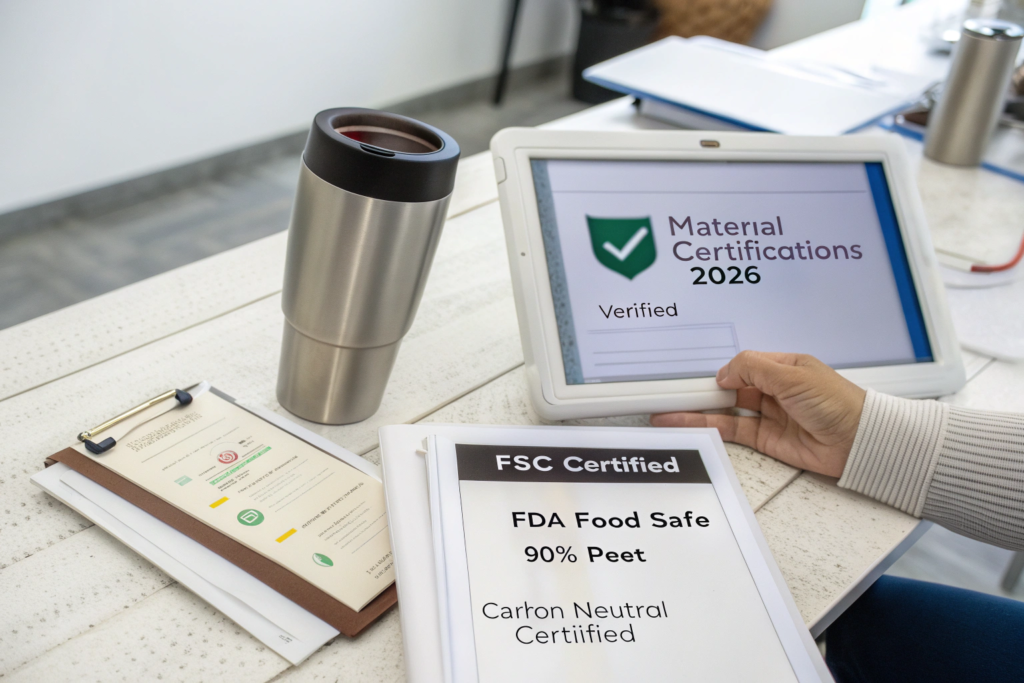
How does the Global Recycled Standard (GRS) verify the "loop" for drinkware?
The Global Recycled Standard (GRS), managed by Textile Exchange, verifies the recycled content in a product and tracks it through the entire supply chain. A GRS certificate is not a generic statement; it is a scope certificate that covers a specific facility for a specific product category. The certificate has a unique number that can be verified on the Textile Exchange public database. For a cup, the GRS certificate proves that the stainless steel coil, the rPET pellet, or the paperboard was genuinely derived from post-consumer or post-industrial waste, and that the mass balance of recycled content was tracked through the manufacturing process. We maintain valid GRS certificates for our recycled product lines. This Global Recycled Standard verification portal allows brands to check the authenticity of a certificate in seconds.
Why is a digital product passport becoming a requirement for eco-friendly cups?
A digital product passport (DPP) is a scannable QR code or NFC tag embedded on the product or its packaging that links to a webpage containing the product’s full material composition, carbon footprint data, and end-of-life instructions. The European Union is phasing in DPP requirements under the Ecodesign for Sustainable Products Regulation. Even ahead of regulation, leading eco-conscious brands are adopting DPPs because they provide the ultimate transparency that skeptical consumers demand. A customer scans the code, sees the cup’s recycled steel content, its country of origin, its carbon footprint calculation, and a video explaining how to recycle it. We can integrate DPP codes into the cup’s base engraving or packaging. This digital product passport for sustainable goods is the future of product transparency.
Conclusion
The 2026 cup materials for eco-conscious brands are defined by a single standard: verifiable truth. The era of greenwashing is closing. The recycled stainless steel cup wins on durability and infinite recyclability, with its carbon story told through electric arc furnace data. The rPET and wheat straw composite cups offer a practical, lightweight alternative with a waste-to-resource narrative that resonates with consumers who want to see the physical proof of recycling. Bamboo fiber has matured beyond the melamine scandal, with PLA binders and natural coatings offering genuinely plant-based solutions where the thermal limits are respected. And certifications like GRS, FSC, and the coming Digital Product Passport have turned sustainability from a promise into a verifiable public record.
Each material offers a different combination of performance, price point, and environmental narrative. The right choice depends on your brand’s specific values and your customer’s daily use case.
If you are developing a cup program for an eco-conscious brand and want to explore material samples, certification packages, and digital product passport integration, we can provide a comprehensive development kit. Our Business Director Elaine manages our sustainable drinkware partnerships and can guide you through the material selection and verification process. Contact her directly at elaine@fumaoclothing.com. The most sustainable cup is the one your customer uses for a decade. Let’s build it together.