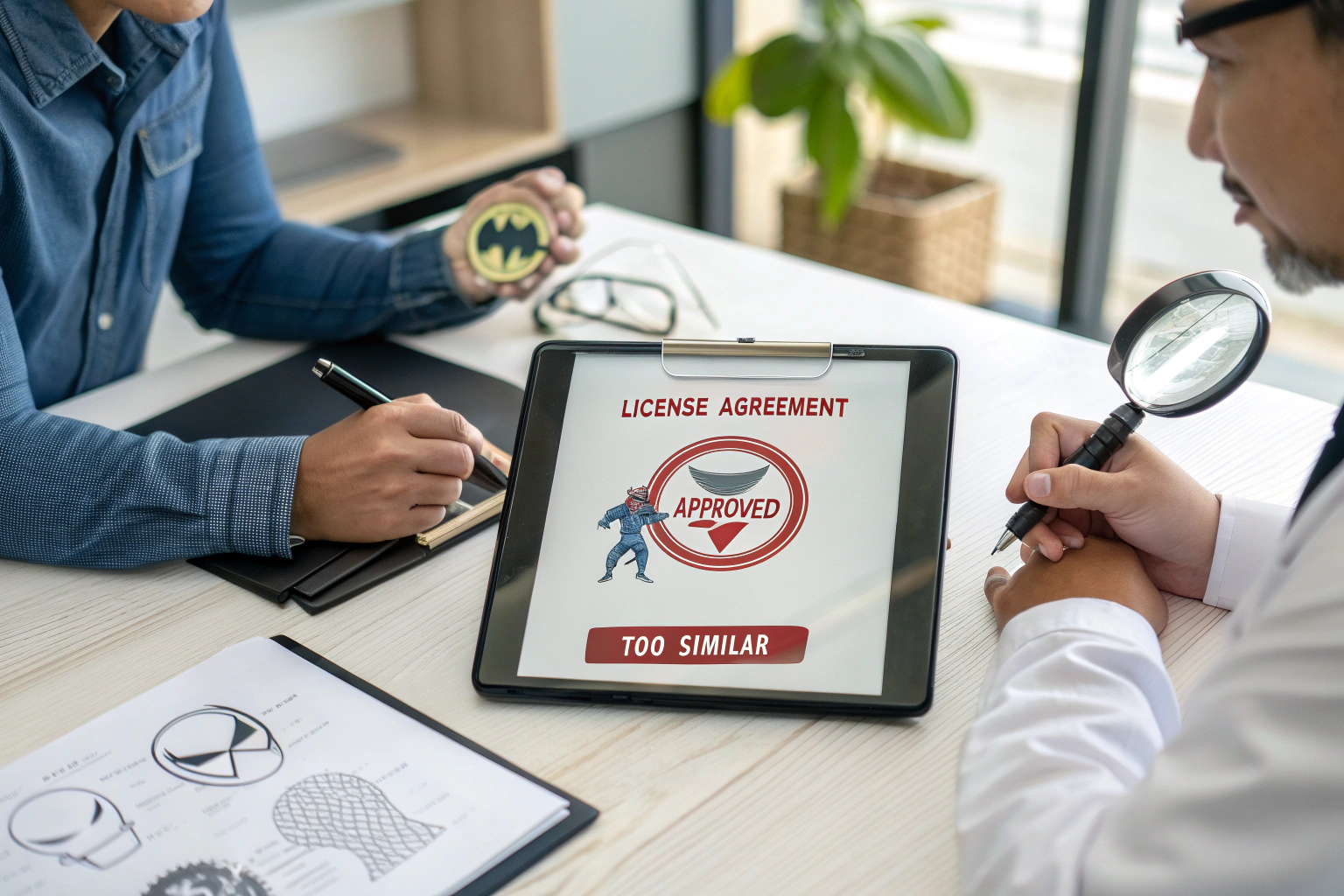
A small accessories brand owner once walked into a trade show with a belt that had a geometric lightning bolt buckle. It was sharp, modern, and within hours, a lawyer for a major entertainment studio had served him with a cease-and-desist letter. He was stunned. He hadn’t used a logo. He hadn’t used a character’s face. He had simply designed a buckle that, in his words, "felt heroic." The court later found that the overall impression of the belt—its color scheme, the specific angle of the bolt, and the style of the rivets—created a likelihood of confusion with the studio’s protected trade dress. That legal battle cost him his entire season’s profit.
You avoid copyright infringement on licensed character belts by understanding that copyright protects the specific visual expression of a character—the exact drawing, the name, the color palette, and the distinctive accessories—and trademark law protects the brand association that the character represents. The safest path, and the only path for a legitimate business, is to either obtain a formal licensing agreement from the intellectual property holder or to commission an original design that a qualified IP attorney has reviewed and cleared as non-infringing. There is no middle ground of "close enough" that is legally safe.
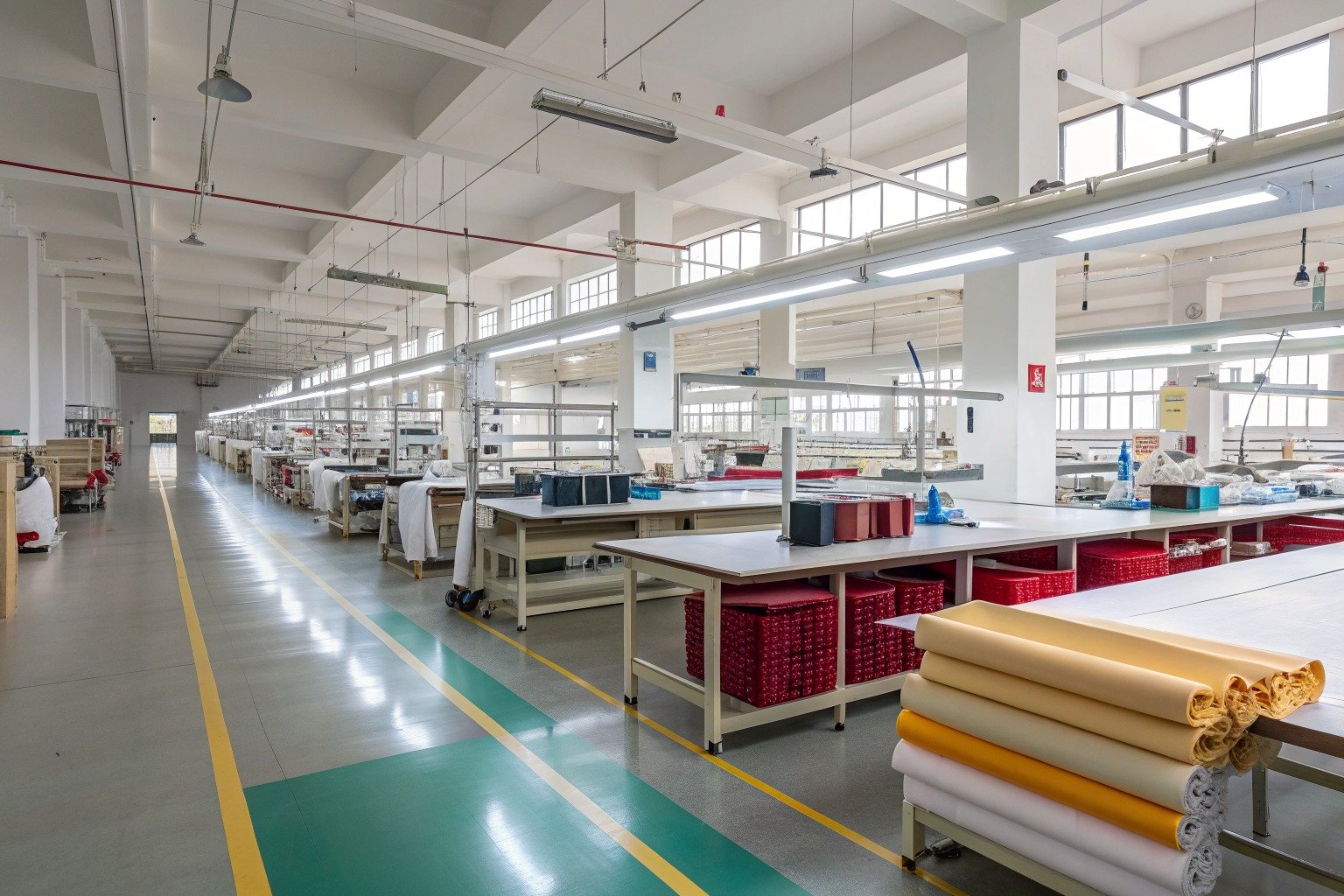
In our factory, we produce belts for many brands, and we have a strict internal protocol for handling any design that references popular culture. I want to explain the legal framework that governs character licensing, the specific design elements that trigger infringement claims, and the practical steps you can take to protect your brand and your factory relationship.
What Is the Legal Difference Between Copyright and Trademark for Character Designs?
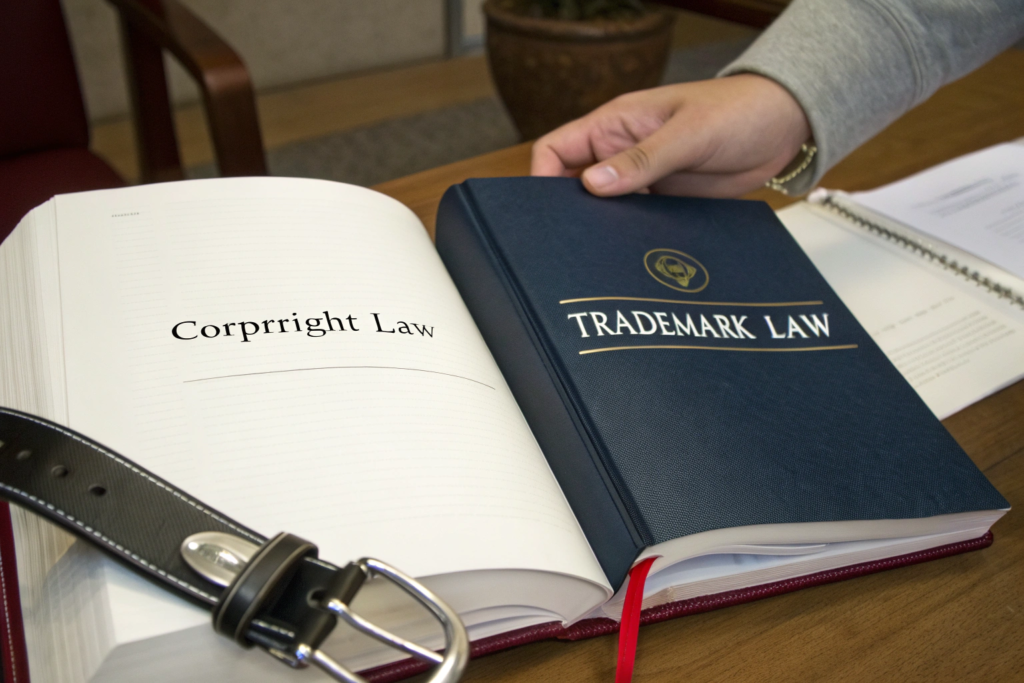
To avoid infringement, you must first understand what exactly the law protects. Copyright and trademark are two distinct legal mechanisms that often overlap in the world of character merchandise. Confusing them is the root cause of most infringement mistakes. A brand owner who thinks "I didn’t copy the exact drawing, so I am safe" does not understand trademark. A brand owner who thinks "I changed the colors, so I am safe" does not understand copyright.
Copyright protects an original work of authorship fixed in a tangible medium. For a character, the copyright covers the specific visual depiction—the exact drawing of the character’s face, body, costume, and distinctive features. Copyright does not protect an idea, a concept, or a genre. A "young wizard with glasses" is an idea, and it is not protected. Harry Potter, as specifically drawn and described, is a copyrighted expression, and it is protected. Trademark protects a word, phrase, symbol, or design that identifies the source of a product. A character’s name, a logo, a distinctive color scheme used consistently in branding, and even the character’s silhouette can function as trademarks if consumers associate them with a specific company or franchise.
How does the "likelihood of confusion" standard apply to belt designs?
Trademark infringement is determined by the "likelihood of confusion" standard. The question is not whether your belt buckle is an exact copy of a registered trademark. The question is whether an ordinary consumer, seeing your belt on a store shelf, would be likely to believe that it is produced, sponsored, or approved by the owner of the character franchise. Courts consider multiple factors: the similarity of the designs, the strength of the original trademark, the similarity of the products, and evidence of actual consumer confusion. A belt that uses a distinctive color combination—red and gold with a specific lightning motif, for example—along with a buckle shape that evokes a famous character’s costume can create a likelihood of confusion even if no logo or character face appears anywhere on the product. This trademark likelihood of confusion factors guide explains the legal test.
Why do "trade dress" and "character silhouette" protections matter for belt buckles?
Trade dress is a subcategory of trademark law that protects the overall visual appearance of a product, including its shape, color, and design elements, if that appearance has become distinctive of the brand. The shape of a particular superhero’s shield, the silhouette of a famous cartoon mouse’s ears, and the specific arrangement of colored bands on a belt are all examples of trade dress that may be protected. You cannot circumvent a trademark by removing the character’s face if the remaining design elements still communicate the character’s identity through trade dress. The trade dress protection under trademark law resource explains this often-overlooked area of IP protection.
What Specific Design Elements Most Commonly Trigger Infringement on Belts?
Certain design elements are litigation magnets. They are the visual vocabulary of popular characters, and even when used in isolation, they can trigger a consumer’s recognition and a lawyer’s demand letter. Understanding these trigger elements helps you steer your design team away from dangerous territory before investing in samples and production.
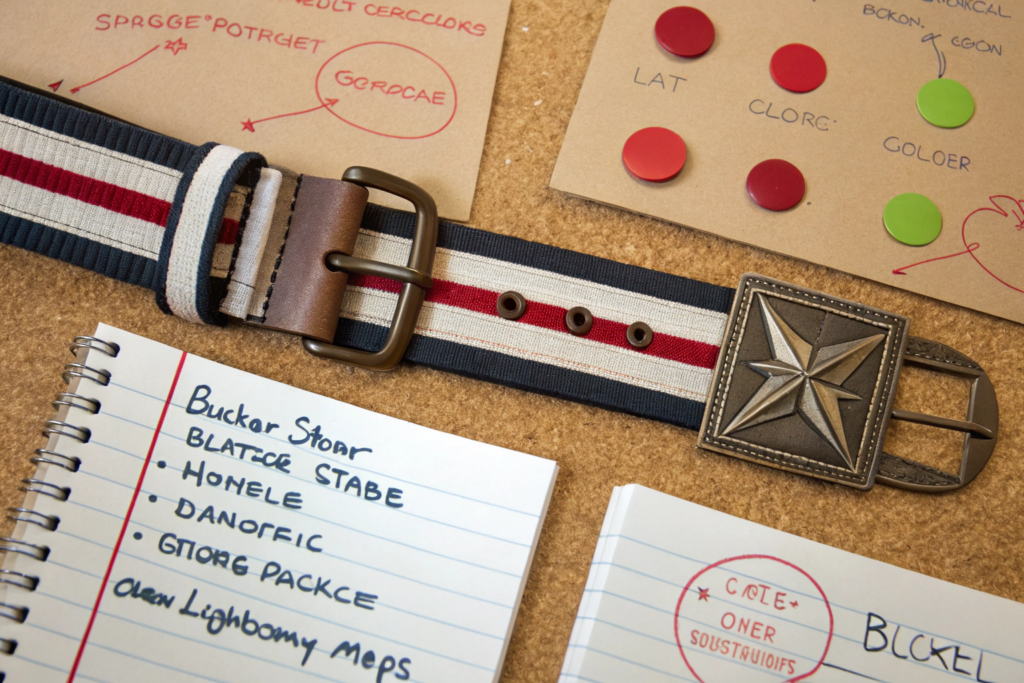
The most commonly litigated design elements on belts include distinctive buckle shapes that evoke a specific character’s emblem, specific color combinations that are strongly associated with a franchise, and character names or unique typography printed on the belt webbing or packaging. Even a font choice can cause problems if the font is uniquely associated with a character’s logo. The key is to design from a place of original inspiration rather than attempting to evoke a specific existing character through subtle cues.
How can a generic "superhero" theme cross the line into infringement?
A "superhero" is a genre concept that no one owns. You can design a belt with a bold, dynamic buckle shape inspired by comic book art in general. The line is crossed when your design incorporates elements specific to a particular character: the exact diamond shape and color of a famous superhero’s chest emblem, the specific weapon silhouette of a known character, or the unique combination of colors and patterns that a studio has established as the character’s visual identity. To stay on the safe side of the line, work with broad archetypes—strength, speed, flight—and avoid referencing any specific character’s iconography. Have an IP attorney review the design sketches before the sampling phase. This copyright and character merchandising resource explains the boundaries.
Why is the packaging text just as important as the belt design itself?
Infringement is not limited to the product. The packaging, the product name, the product description on your website, and the social media hashtags you use are all part of the consumer’s overall impression. A belt that is visually generic but sold with packaging that reads "Wizard Academy Belt" or marketed with hashtags referencing a famous school of magic is inviting a trademark claim. The packaging text and the marketing copy must be as original as the physical design. We advise clients to avoid any reference to character names, franchise titles, or known fictional locations in their product naming and marketing, even if the belt design itself would pass an infringement analysis. This marketing and trademark infringement risk is often overlooked.
What Is the Process for Obtaining a Legitimate Character License for Your Belt?
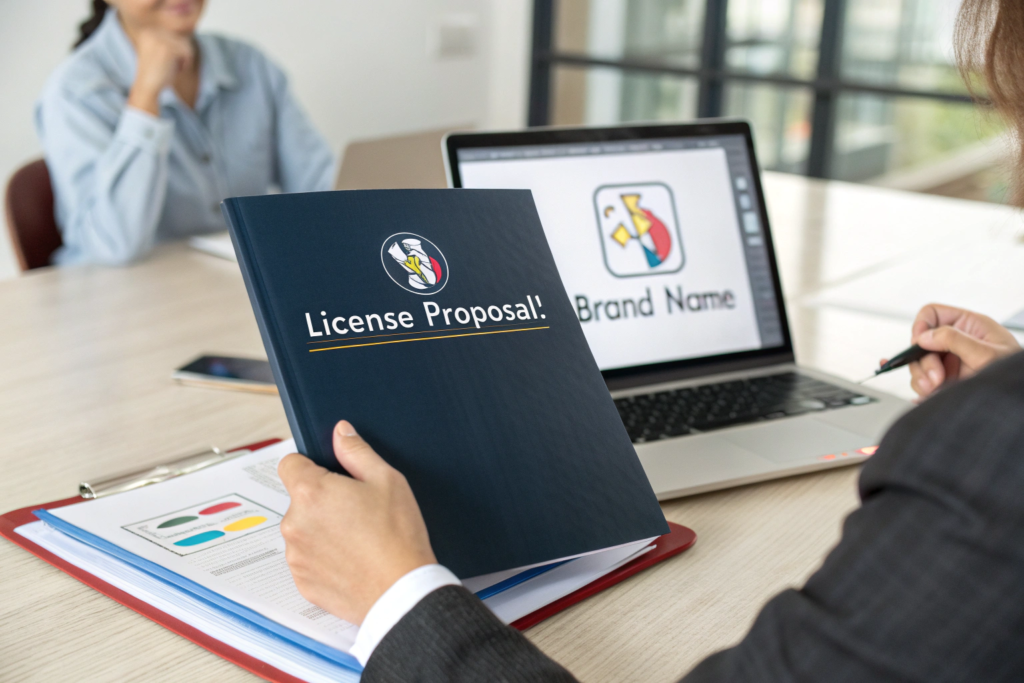
If your brand’s strategy genuinely depends on a specific character, the legitimate path is to pursue a licensing agreement. This is a business transaction, not a legal loophole. The intellectual property holder grants you the right to use the character on your belts in exchange for a royalty fee, typically a percentage of the wholesale or retail price, and a guaranteed minimum payment. The process is competitive, often expensive, and requires a demonstration that your brand has the distribution, the quality standards, and the marketing capability to enhance the character’s value.
Licensing is not a simple purchase. It is a partnership. The licensor, the character owner, will review your product samples, your quality control processes, your factory’s social compliance audit report, and your retail distribution channels. They will require approval of every design before production. They will likely require that the licensed product be produced in a factory that meets their specific supply chain standards.
What are the typical royalty rates and minimum guarantees for character belts?
Royalty rates for character licensing in the fashion accessories category typically range from 8% to 12% of the wholesale price. A guaranteed minimum royalty payment, often a significant five or six-figure sum, is usually required and is paid in advance against future royalties. The licensor wants assurance that the partnership will generate meaningful revenue regardless of how the product sells. In addition to the financial terms, the license agreement will specify the product category, the geographic territory, the retail channels, and the term, typically one to three years with an option to renew. This character licensing business guide provides an overview of the commercial terms.
How does factory compliance factor into the licensor’s approval process?
Major entertainment studios and character owners require that licensed products be manufactured in factories that meet specific ethical sourcing and social compliance standards. The factory must pass a social compliance audit from a recognized third-party auditor, disclose its full supply chain, and often comply with the licensor’s own code of conduct. A brand applying for a license must be prepared to provide the factory’s audit reports, quality certifications, and production capability documentation. We support our brand clients through this process by providing our audit reports, our certifications, and our factory profile documentation. The factory social compliance for licensing requirement is a standard part of the approval process.
What Internal Review Process Does a Responsible Factory Use Before Production?
A responsible factory does not blindly produce whatever design a client submits. It conducts a reasonable review of the design for potential intellectual property violations. This is not legal advice—we are not a law firm—but it is a business safeguard that protects both the client and the factory from the devastating consequences of producing infringing goods, which can include customs seizure, destruction of the goods, and legal liability.
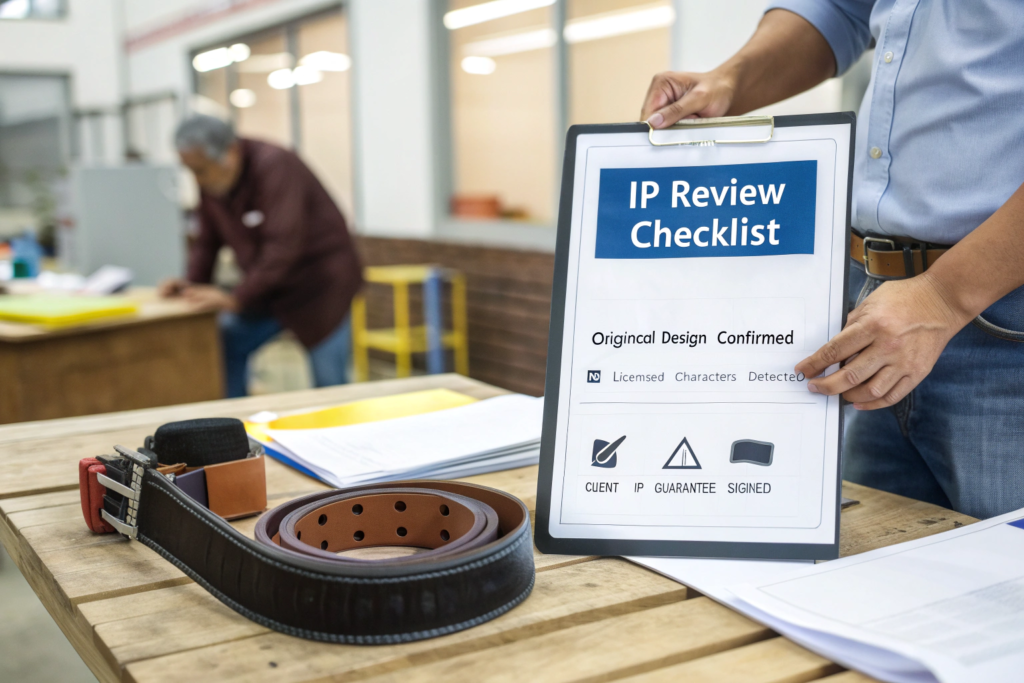
Our internal IP review protocol includes three mandatory steps before a design enters the sampling phase. First, we ask the client to sign a design originality guarantee, a clause in the development agreement where the client warrants that their design does not infringe any third-party intellectual property. Second, our design team conducts a visual review of the artwork, flagging any elements that appear to reference known characters or trademarks. Third, if a design triggers a flag, we request documented proof of a licensing agreement before proceeding. If the client cannot provide this proof, we decline to produce the design.
What is a "Design Originality Guarantee" and why should the factory ask for it?
A Design Originality Guarantee is a clause in the product development agreement where the client explicitly warrants that they own or have licensed all intellectual property in the submitted design. The clause also includes an indemnification provision, meaning the client agrees to cover the factory’s legal costs if a third-party IP holder sues over the design. This document does not prevent a lawsuit, but it establishes the contractual understanding that the IP risk belongs to the client, who created the design, not the factory, who manufactured it to the client’s specification. A professional factory will insist on this protection. A factory that does not is exposing itself and its other clients to legal risk. This intellectual property indemnification in manufacturing is a standard business practice.
How does the factory’s IP review training protect your supply chain?
Our project managers and design reviewers receive annual training on identifying potential IP infringements in accessory designs. This training, developed with input from an IP law firm, covers the basics of trademark and copyright law, the specific design elements most commonly associated with major character franchises, and the procedure for escalating a flagged design. This training means that a potential infringement can be caught early, before the design goes to sampling, before the mold is machined, and before the brand has invested significant development money. The earlier an infringement risk is identified, the less costly it is to correct. This factory IP compliance training protects the entire supply chain.
Conclusion
Avoiding copyright infringement on character belts is not about finding a clever loophole or changing the design "just enough" to hope nobody notices. The legal standards of copyright, trademark, and trade dress protection, combined with the "likelihood of confusion" test, close most of the gaps that amateur designers try to exploit. The only legally safe path to using a known character is a formal licensing agreement, which involves royalty payments, minimum guarantees, and a rigorous approval process. The alternative, and the path most brands choose, is to commission original designs that draw on broad genre themes without referencing any specific character’s protected visual identity.
We have explored the legal frameworks that protect characters, the specific design elements that trigger infringement claims, the process and requirements for obtaining a legitimate license, and the internal review protocols that a responsible factory uses to protect its clients from unintended infringement.
If you are developing a belt collection and want to ensure your designs are legally safe, we can discuss our internal IP review process and connect you with our partner IP law firm for a design clearance review. Our Business Director Elaine manages our accessory design development and can coordinate the legal review of your belt artwork. Contact her directly at elaine@fumaoclothing.com. A great belt design is an original belt design. Let’s create one together.