You are the production manager for a mid-sized apparel brand. You just finished placing orders for the fall collection. You ordered 3,000 belts from a factory in Yiwu. You ordered 5,000 scarves from a factory in Suzhou. You ordered 2,000 hats from a factory in Qingdao. Now you are staring at three separate shipping schedules. Three separate invoices. Three separate sets of customs documentation to review. Three separate truck deliveries to coordinate at your New Jersey warehouse. Your logistics coordinator is overwhelmed. Your bookkeeper is processing three times the wire transfers. And you just realized that the belt shipment is delayed by two weeks, which means the coordinated floor set you planned is now broken. You are not just managing a supply chain. You are juggling flaming torches.
Apparel brands should consolidate accessory orders with a single factory like Shanghai Fumao to achieve significant cost savings through freight consolidation and volume pricing, to drastically reduce the administrative and logistical complexity of managing multiple vendor relationships, to ensure brand consistency across all accessory categories through unified quality standards, and to gain a strategic development partner with a holistic view of the brand’s seasonal assortment.
I manage AceAccessory in Zhejiang, and our factory is uniquely positioned to serve as a single-source partner for a wide range of fashion accessories. We make belts, hats, scarves, hair accessories, and more under one roof. This is not an accident. It is a deliberate business model designed to solve the exact pain point you are experiencing. Let me explain the compelling business case for consolidation.
How Does Consolidation Reduce Total Landed Cost and Logistics Spend?
The most immediate and quantifiable benefit of consolidation is the reduction in logistics costs. Ocean freight is priced by container space. A full container is dramatically more cost-effective per unit than multiple smaller shipments.
When you order belts from one factory, scarves from another, and hats from a third, you are almost certainly shipping Less than Container Loads or LCL. LCL freight rates are significantly higher per cubic meter than Full Container Load or FCL rates. You also pay multiple origin handling fees, multiple destination terminal fees, and multiple truck delivery fees. Each separate shipment incurs its own set of fixed costs.
By consolidating all your accessory orders with AceAccessory, we combine everything into one or more full containers. You pay one ocean freight bill. You pay one set of terminal fees. You pay for one truck delivery. The savings on a multi-category order can easily amount to thousands of dollars per season. This freight consolidation cost savings for mixed accessory shipments from China goes straight to your bottom line.

How Does Volume Pricing on Materials Benefit Consolidated Orders?
Beyond freight, consolidation unlocks better pricing on the products themselves. A factory that is making your belts, hats, and scarves has significantly greater purchasing power with material suppliers than a factory making only one category.
We purchase leather for your belts, yarn for your hats, and fabric for your scarves. Because our aggregate material volume is higher, we negotiate better prices from the tanneries, yarn spinners, and fabric mills. A portion of these savings is passed on to you in the form of a more competitive FOB price. This is a benefit that fragmented sourcing cannot replicate. A small belt factory has limited leverage with the leather supplier. A diversified factory like AceAccessory has much greater leverage. This volume material purchasing power and cost benefit for consolidated accessory production translates into a tangible price advantage.
What Is the Impact on Inventory Management and Warehousing?
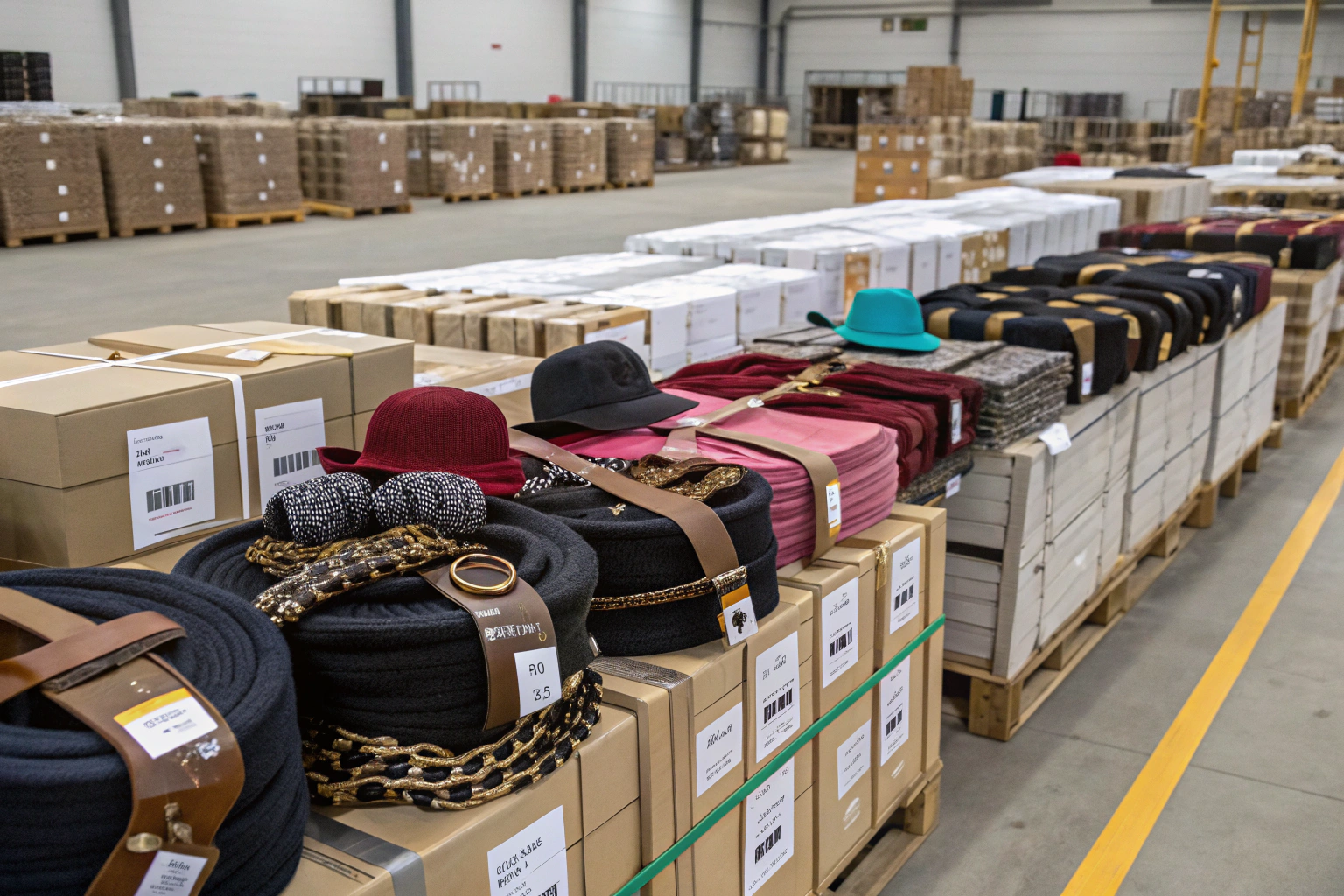
Receiving one consolidated container instead of three separate LCL shipments simplifies your inbound logistics and warehouse operations dramatically. You schedule one receiving appointment. You allocate your warehouse labor once. You process one set of receiving documents.
With multiple vendors, you are tracking multiple vessel schedules, coordinating multiple delivery appointments, and potentially staging partial shipments while waiting for the delayed vendor. This complexity consumes management time and warehouse space. A consolidated shipment arrives complete. Your entire accessory assortment for the season is available for picking and packing immediately. This warehouse receiving efficiency and inventory management with consolidated vendor shipments reduces labor costs and speeds up your time to market.
How Does Consolidation Streamline Communication and Project Management?
Managing multiple vendor relationships is a significant drain on your team’s time and mental bandwidth. Each vendor relationship requires its own set of communications. You are emailing the belt factory about buckle delays. You are on a call with the scarf factory about color matching. You are chasing the hat factory for a tracking number. This is cognitive overhead that distracts from your core business.
When you consolidate with AceAccessory, you have one point of contact. Your dedicated project manager, let us call her Elaine, is responsible for your entire accessory program. You send one email with questions about the belts, the scarves, and the hats. You get one consolidated response. You have one weekly status call. The time savings are substantial. Your team can redirect that time from vendor management to more valuable activities like product development and sales. This reduced administrative burden of single vendor versus multi vendor management is a hidden but very real cost savings.

How Does a Single Factory Ensure Consistent Branding and Quality?
Your brand has a specific aesthetic. The logo placement on your belt should have the same visual weight as the logo on your hat. The color of the thread on your scarf should complement the color of the leather on your belt. Achieving this level of brand cohesion across multiple, disconnected factories is nearly impossible.
A single factory with an in-house design team, like AceAccessory, can manage this cohesion holistically. Our designers see your entire accessory assortment. They ensure that the metal finishes on the belt buckle and the hat clip are consistent. They ensure that the packaging for the scarf and the hair clip share a common design language. Quality control standards are applied uniformly across all product categories. The result is a collection that looks and feels like it came from one cohesive brand, not a random assortment of sourced goods. This brand consistency and unified quality control across multiple accessory categories is a strategic advantage of consolidation.
What Happens When There Is a Production Issue?
Problems happen in manufacturing. A material is delayed. A machine breaks down. A dye lot is rejected. When you are managing multiple vendors, a problem at the belt factory only affects the belts. But it still disrupts your overall launch plan.
When you are consolidated with one factory, we have visibility across the entire program. If the belt leather is delayed, our project manager can immediately assess the impact. Can we accelerate the hat production to ship earlier and cover the gap? Can we shift labor resources to prioritize the scarves? Because we control the entire production floor, we have the flexibility to manage problems creatively and minimize the impact on your overall delivery schedule. A fragmented supply chain offers no such flexibility. This cross category production flexibility and problem solving with a single factory partner provides a buffer against the inevitable disruptions of manufacturing.
Why Is a Single Factory Better Positioned for Strategic Development?
A vendor is someone who makes what you tell them to make. A partner is someone who helps you decide what to make. Consolidating with a single, design-capable factory like AceAccessory elevates the relationship from vendor to strategic partner.
Our design team understands your brand’s aesthetic across all accessory categories. We can proactively propose a cohesive seasonal collection. We might suggest a beautiful new wool blend for the scarves and then show you how that same yarn could be used for a matching beanie. We might develop a custom buckle shape that can be adapted for both belts and bag straps. This kind of holistic, cross-category development is impossible when your products are scattered across multiple factories. We become an extension of your own product development team. This strategic design partnership and cross category collection development is the highest level of value a factory can provide.

How Does Consolidation Support Sustainability and Compliance Goals?
Apparel brands are under increasing pressure to demonstrate supply chain transparency and sustainability. Managing compliance across multiple factories is a significant challenge. Each factory must be audited. Each factory’s certifications must be verified and kept current.
By consolidating with AceAccessory, you simplify your compliance efforts. You have one factory to audit. One set of certifications to manage. You can build a deeper, more transparent relationship with a single manufacturing partner. You can work with us on specific sustainability initiatives, such as transitioning to recycled materials or reducing packaging waste. A fragmented supply chain makes this level of deep collaboration far more difficult. This simplified supply chain compliance and sustainability management with a single factory aligns with the growing demands of consumers and regulators.
What Is the Impact on Payment Terms and Financial Management?
Managing accounts payable to five different factories in China is an administrative burden. Each factory has its own bank details, its own invoice format, and its own payment schedule. Your finance team spends valuable time processing multiple international wire transfers, each with associated bank fees.
Consolidation simplifies your financial operations. You receive one consolidated invoice from AceAccessory. You execute one wire transfer. You reconcile one account. This reduces bank fees and, more importantly, reduces the risk of payment errors. As the relationship deepens and trust is established, a consolidated partner may also be more flexible with payment terms on larger, multi-category orders. This financial administration efficiency and simplified payment processing with single supplier is another tangible benefit of consolidation.
How Do You Transition from Multiple Suppliers to a Single Factory?
The transition from a fragmented supply base to a consolidated one does not happen overnight. It is a phased process that should be managed carefully to avoid disrupting your in-season business.
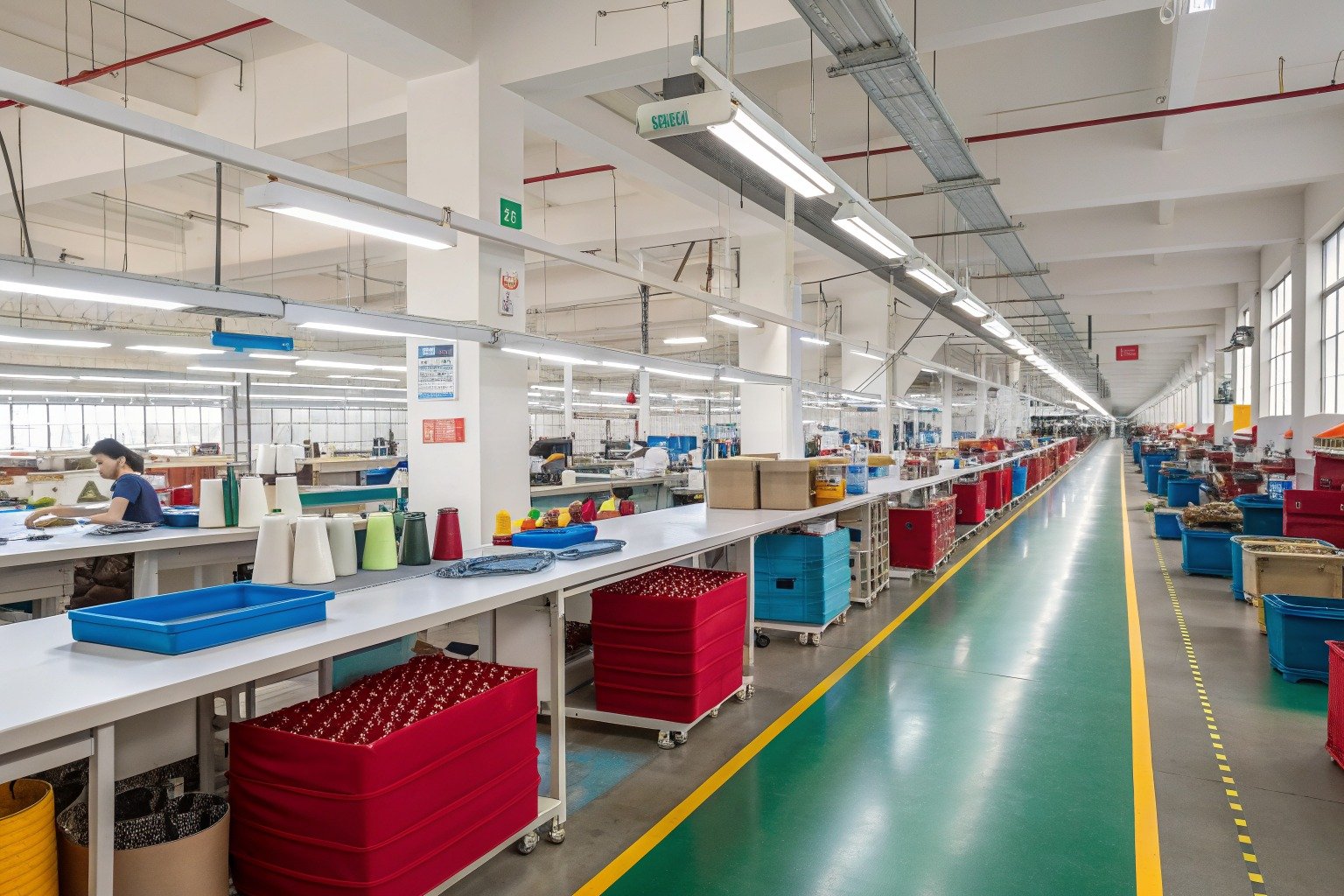
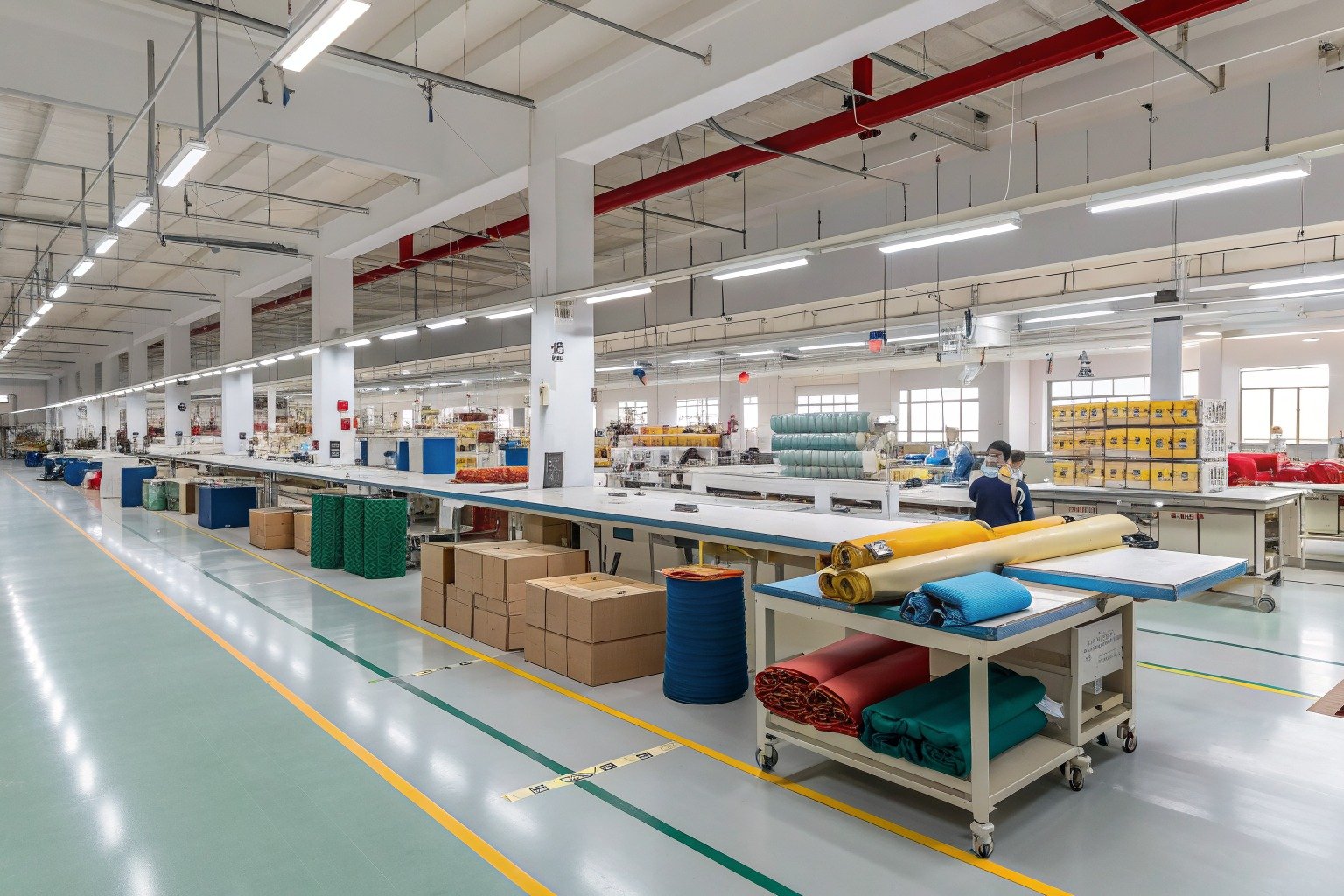
The first step is to identify a factory like AceAccessory that has genuine, in-house capability across all the categories you need. This requires due diligence. A video walkthrough of the factory floor should show dedicated production lines for belts, hats, and scarves. The second step is to test the factory with a small order in one category. A 500-unit belt order is a low-risk way to evaluate their quality, communication, and reliability. The third step is to transition a second category. As confidence builds, you shift more of your volume to the consolidated partner.
We work with clients to manage this transition smoothly. We understand that you have existing relationships and open orders. We do not demand all of your business immediately. We earn it category by category, season by season. This phased transition strategy for consolidating accessory suppliers in China minimizes risk and ensures business continuity.

What Questions Should You Ask to Verify Multi-Category Capability?
Not every factory that claims to make "accessories" can truly make belts, hats, and scarves well. You must ask specific questions to verify genuine, in-house capability.
Ask to see the specific equipment for each category. "Can you show me the leather cutting table and the edge painting station for belts?" "Can you show me the hat blocking machine and the embroidery machines for caps?" "Can you show me the knitting machines for scarves?" A factory with genuine multi-category capability will have this specialized equipment on-site. A trading company or a factory that subcontracts will make excuses.
Ask to speak to the production supervisor for each category. A real factory has dedicated experts for belts, hats, and accessories. This questions to verify genuine multi category manufacturing capability in a single factory will help you separate the true partners from the pretenders.
How Do You Manage the Risk of Single-Supplier Dependency?
Concentrating your accessory production with one factory does create a single point of failure. This risk must be acknowledged and managed. The key is to ensure the single factory is operationally resilient and geographically secure.
AceAccessory mitigates this risk through our own internal redundancies. We have multiple production lines. A problem on one line does not stop the entire factory. We have backup suppliers for critical materials. We are located in Zhejiang, a region with robust infrastructure and a stable power grid. We also maintain transparent communication. If a problem occurs, we communicate it immediately. This allows you to manage your own inventory buffers.
The benefits of consolidation, lower cost, reduced complexity, and strategic partnership, typically outweigh the managed risk of single-supplier dependency for most small to medium apparel brands. This managing supply chain risk with a single consolidated factory partner is a discussion we have openly with our clients.
Conclusion
For an apparel brand, managing a fragmented supply chain of accessory vendors is a tax on time, money, and focus. It increases logistics costs, multiplies administrative burdens, and makes it nearly impossible to achieve a cohesive brand aesthetic across categories. The alternative is consolidation with a single, multi-capable factory partner.
Consolidation with Shanghai Fumao transforms the supply chain from a source of friction into a source of advantage. It lowers total landed cost through freight and volume efficiencies. It streamlines communication and frees up valuable management time. It enables a unified brand vision and consistent quality. And it elevates the factory relationship from a simple vendor to a strategic partner invested in your brand’s long-term success.
The transition requires careful planning and due diligence, but the rewards are substantial. You gain control, clarity, and cost savings. You trade the chaos of juggling multiple suppliers for the calm of a single, reliable partnership. In the fast-paced world of fashion, that calm is a competitive advantage.
If you are an apparel brand looking to simplify your accessory supply chain and explore the benefits of consolidation, I encourage you to contact our Business Director, Elaine. She can arrange a comprehensive video tour of our multi-category facility and discuss a phased transition plan. You can email Elaine at: elaine@fumaoclothing.com. Let us show you how one factory can do the work of many, better and more efficiently.