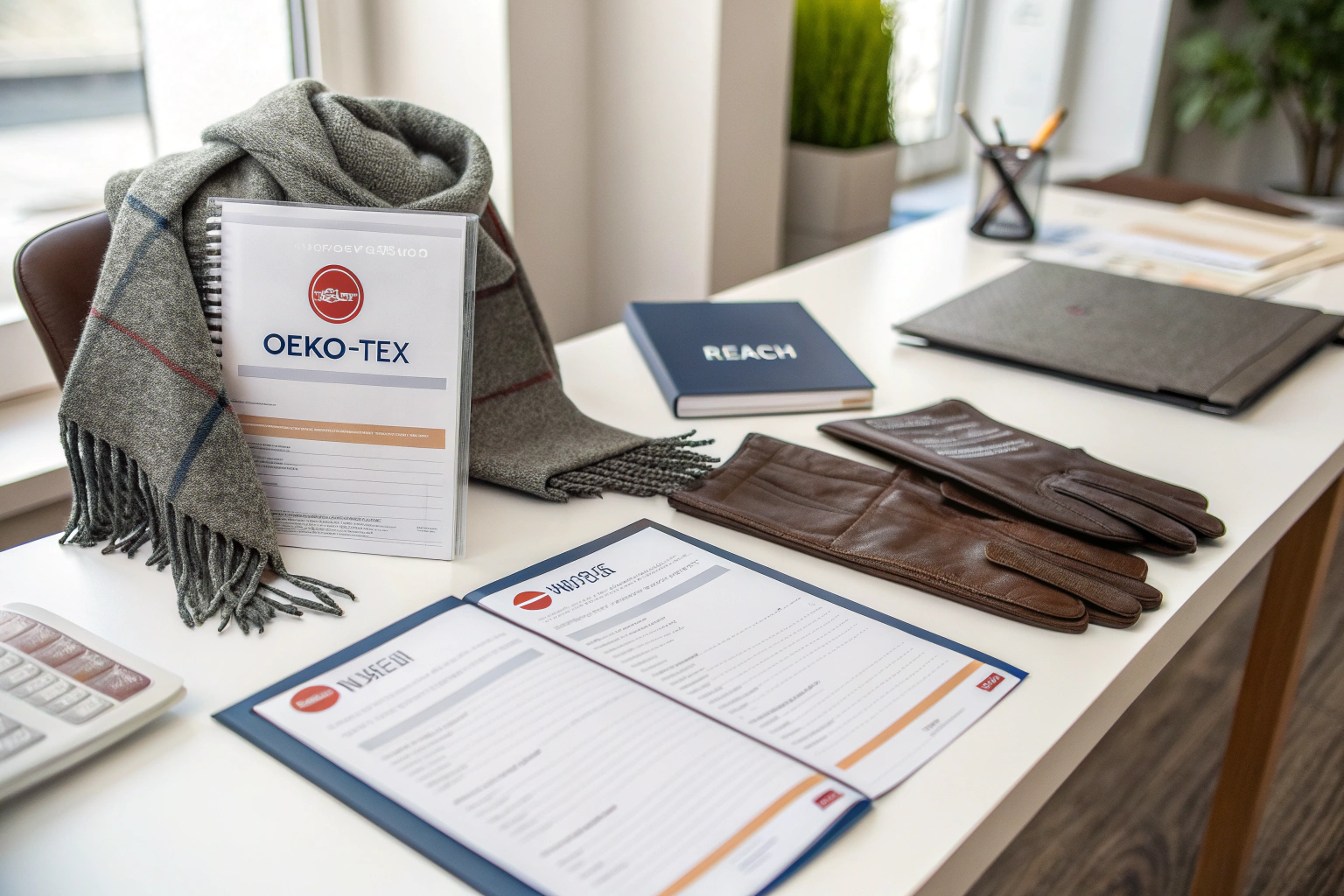
You just spent three weeks negotiating a fantastic order for 5,000 cashmere blend scarves and matching leather gloves with a boutique chain in Berlin. The designs are approved. The price is locked in. You are ready to invoice the deposit. Then the buyer sends a two-page document titled "Supplier Compliance Requirements" filled with acronyms you barely recognize. REACH. OEKO-TEX. CE Marking. You feel your stomach drop because you know if you cannot provide these certificates within the next ten days, the order evaporates. You are not just selling scarves and gloves. You are selling legal entry tickets into the European market.
European buyers universally require OEKO-TEX Standard 100 certification for scarves and gloves to verify chemical safety, plus REACH compliance documentation for any leather or synthetic components. Specific glove styles must also carry CE marking under the Personal Protective Equipment regulation.
I have been exporting fashion accessories from Zhejiang to Europe for many years. The certification landscape has changed dramatically in the last five years. It is no longer enough to send a soft sample and a good price. You need paperwork that proves your supply chain is clean and your products are safe for human skin contact. Let me explain exactly which documents matter for scarves and gloves and how we manage this process at AceAccessory to keep our European clients compliant and confident.
What Is OEKO-TEX Standard 100 and Why Does It Matter for Scarves?
European consumers put scarves directly against their necks and faces for hours at a time. They breathe through them. Their children chew on the tassels. If that scarf contains residual formaldehyde from the dyeing process or heavy metals from cheap metal trims, you have a serious problem. European buyers know this. That is why the first question they ask is always about OEKO-TEX.
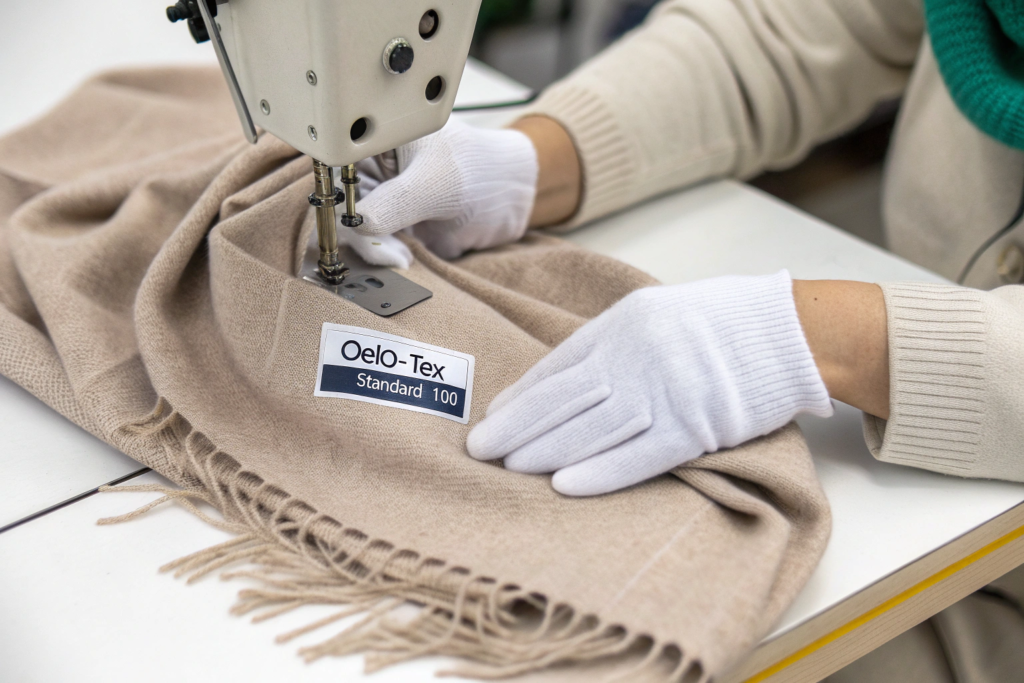
OEKO-TEX Standard 100 is a globally recognized testing and certification system for textile raw materials, intermediate products, and finished goods. It verifies that every component of the scarf has been tested for harmful substances and is harmless for human health. Without this certificate, many European department stores will not even allow your product into their vendor portal. It is a non-negotiable baseline requirement for soft accessories.
At Shanghai Fumao, we do not just rely on our suppliers to tell us the fabric is clean. We work with independent third-party testing labs right here in Zhejiang. We send fabric swatches, sewing threads, and even the care labels for testing. The lab checks for a long list of regulated substances including illegal azo dyes, formaldehyde, pentachlorophenol, cadmium, and nickel. The certificate we receive is valid for one year and is audited annually. When we send that document to a buyer in France or Germany, they can sleep well knowing the product meets strict European textile safety standards.
How Do You Get OEKO-TEX Certified as a Chinese Manufacturer?
This is a practical question Ron asks because he needs to know if the factory is legitimate or just sending a Photoshopped certificate. Getting certified is not a one-day process. It requires commitment and investment from the factory side.
First, the factory must submit an application to an authorized OEKO-TEX institute. There are several testing institutes in China that are licensed to perform the certification. Second, the factory must declare all materials and chemical inputs used in production. This includes every dye, every finishing agent, and every softener. Nothing is hidden. Third, an auditor visits the facility to take samples and verify the production process.
The samples are tested in the lab. If they pass, the factory receives a certificate with a unique license number. You can verify this number online on the official OEKO-TEX website. I always encourage clients like Ron to verify the certificate number themselves. It takes thirty seconds and it confirms the factory is current and compliant. A responsible manufacturer will have this documentation ready before you even ask. We keep our certification documentation in a shared folder for all active European accounts. Transparency builds trust.
Does OEKO-TEX Cover the Gloves Too?
Yes, but with an important distinction. The OEKO-TEX Standard 100 covers textile gloves without any issue. Cotton gloves, knitted acrylic gloves, wool blend touchscreen gloves. All of these fall neatly under the textile category. But leather gloves are different.
Leather is an animal product, not a textile. For leather gloves, European buyers often look for a different certification. They want to see compliance with REACH regulations regarding chromium VI. They also increasingly ask about the Leather Working Group or LWG certification for sustainable tanning practices. However, the lining inside a leather glove is textile. That lining must still be OEKO-TEX certified.
I recall a client from Sweden who ordered a mixed shipment. She needed OEKO-TEX for the cashmere scarves and the cashmere lining of the gloves. For the leather shell of the gloves, we provided a separate test report showing compliance with REACH Annex XVII for restricted substances in leather. We had to provide two different sets of paperwork for one product. That is the level of detail required for smooth European customs clearance. At AceAccessory, we manage this dual documentation so the buyer does not have to chase down multiple suppliers.
What Is REACH Compliance and How Does It Apply to Accessories?
OEKO-TEX is a voluntary certification that shows you went the extra mile. REACH is not voluntary. It is a regulation of the European Union. REACH stands for Registration, Evaluation, Authorisation, and Restriction of Chemicals. It is the law. If your scarves or gloves contain restricted substances above the legal limit, they cannot be sold in the EU. Full stop. The shipment gets stopped at customs. It gets destroyed or returned at your expense.
REACH is particularly critical for gloves because of the hardware. Metal zippers, snap buttons, decorative studs, and even the coating on a touchscreen fingertip. These metal components can contain lead, cadmium, or nickel. Nickel release is a huge issue because nickel allergy is very common in Europe. If your metal button releases nickel onto the skin, you have a non-compliant product.
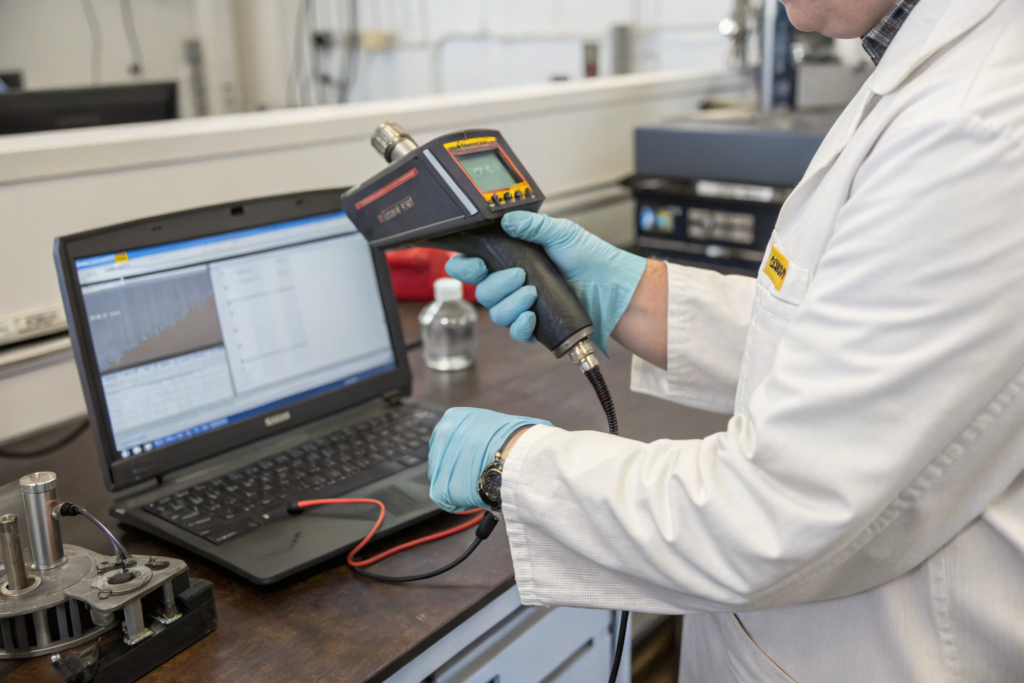
At AceAccessory, we take a proactive approach to REACH. We do not wait for the buyer to ask for a test report and then scramble. We pre-screen our hardware suppliers. We use an XRF analyzer gun in our QC lab to scan incoming metal parts. This handheld device gives us an instant reading of the elemental composition. If we see lead or cadmium spikes, we reject the batch before it ever touches a glove or scarf. This system prevents the nightmare scenario of a container being seized in Rotterdam because of a cheap metal accessory component.
How Do You Prove REACH Compliance for a Scarf with a Metallic Thread?
Scarves seem simple. Just fabric. But fashion scarves often contain lurex or metallic threads woven into the pattern. That shiny silver or gold thread is actually a polyester core wrapped in a metallic foil. That foil is often made of aluminum but it can sometimes contain other metals.
To prove REACH compliance for a scarf with metallic thread, we need a test report from an accredited lab. We cut a sample of the scarf that includes the metallic yarn and send it for chemical analysis. The lab tests for the specific restricted substances listed in REACH Annex XVII. This includes phthalates in any plastic coatings and heavy metals in the metallic yarn.
We provide this lab report to the buyer. The report must show the test method used, the results, and the detection limits. It is a dense scientific document. But it is the golden ticket for European customs. I tell my clients to keep this document on file for at least ten years. European authorities can audit your compliance history retroactively. Being able to produce a clean test report from three years ago can save you from a major legal headache. We maintain a comprehensive compliance archive for every product we ship to the EU.
What Is the Difference Between a Test Report and a Certificate?
This confuses many first-time importers. A test report is a document from a lab that states the results of a specific test on a specific sample. It says "Sample A contained less than 0.1% lead." It is a snapshot in time. A certificate is a broader document that attests to ongoing compliance based on a quality management system.
For REACH, there is no official "REACH Certificate" issued by a government body. What buyers actually want is a "Declaration of Conformity" or a "Supplier’s Declaration." This is a legal document signed by the factory stating that the goods comply with REACH regulations. This declaration is backed by the test reports.
If a buyer asks for a "REACH Certificate," what they mean is: "Send me your test reports and a signed letter taking legal responsibility for compliance." I am always clear with my European partners. I provide the lab report and I provide a signed declaration on AceAccessory letterhead. This two-document package satisfies the legal requirements for due diligence under EU product safety law. It protects both the buyer and my factory by creating a clear paper trail of responsibility.
When Are CE Markings Required for Gloves Shipped to Europe?
This is the certification that catches many accessory buyers off guard. They think CE marking is only for electronics or construction equipment. But gloves are specifically regulated under the EU Personal Protective Equipment or PPE Regulation (EU) 2016/425. If a glove is marketed as providing protection against cold, wet conditions, or mechanical hazards, it is classified as PPE and must carry the CE mark.
A fashion glove and a protective glove are treated very differently under European law. The buyer’s intended use determines the classification. If the glove is sold as a "winter glove" or "thermal glove," it is likely Category I PPE. This requires a CE mark and a Declaration of Conformity. Even if the glove is just a leather driving glove, if the description mentions "protection from abrasion" or "thermal insulation," the buyer may require CE documentation to be safe.
At Shanghai Fumao, we manufacture both fashion gloves and functional winter gloves. For our European clients, we clearly separate these product lines in our catalog. If a buyer orders a ski glove or a heavy-duty thermal glove, we automatically provide the CE technical file. If they order a delicate cashmere evening glove for a gala, we clarify that it is a fashion accessory not intended for protection, and therefore CE marking is not applicable. This distinction is crucial for customs classification and duty rates.

How Do You Classify a Glove as PPE Category I?
The classification process is straightforward but it must be documented. Category I PPE covers minimal risks. For gloves, this includes protection against superficial mechanical injury, contact with weak cleaning materials, or exposure to temperatures not exceeding 50 degrees Celsius. Most winter gloves fall into this category for thermal protection.
The process involves four steps. First, the manufacturer drafts a technical file. This file includes product drawings, materials list, and a risk assessment. Second, the manufacturer performs internal production control. This means we test the gloves ourselves to ensure they meet the relevant harmonized standard. For winter gloves, this is usually EN 511 for protection against cold. Third, we draft an EU Declaration of Conformity. This document states the glove meets the essential health and safety requirements of the PPE Regulation. Fourth, we affix the CE marking to the product.
The CE mark must be visible, legible, and permanent. We usually print it on a woven label sewn into the seam. We also include the information on the retail hang tag. The European market surveillance authorities check for this marking. If a shipment of winter gloves arrives without a CE mark and the product description implies protection, the goods can be detained. I have seen it happen to competitors. We avoid this by being meticulous with our PPE compliance documentation.
What If the Gloves Have Touchscreen Fingertips?
Touchscreen gloves are incredibly popular. That little patch of conductive fabric on the index finger allows you to use a smartphone without freezing your hand off. But this feature introduces a new compliance consideration.
The conductive coating is a chemical treatment applied to the fabric. It is often a metallic compound like silver or copper. Under REACH, this coating must be evaluated for restricted substances. The glove also remains a textile article subject to OEKO-TEX requirements. However, the touchscreen functionality itself does not trigger CE marking unless the glove is also protective. It is just a convenience feature.
I worked with a UK brand on a line of cashmere touchscreen gloves. They were high-end fashion items, not work gloves. We provided the OEKO-TEX certificate for the cashmere and a REACH test report for the conductive yarn. No CE mark was needed. The shipment cleared customs in Felixstowe without any delay. The key is to have the documentation ready before the container arrives. European customs will hold the shipment and ask questions. If you cannot answer quickly with the right paperwork, you accrue demurrage fees and miss delivery windows. Our project managers at AceAccessory ensure all documents are pre-cleared with the buyer’s logistics team before the vessel departs Shanghai.
How Do You Manage Social Compliance Audits for European Retailers?
European buyers do not just care about what is in the product. They care about who made it. This is where the conversation shifts from chemical certificates to social compliance audits. Major retailers like H&M, Zara, or large German department stores have strict vendor codes of conduct. They require an independent audit of the factory before they will place a purchase order.
The most common audit standard is SMETA, which stands for Sedex Members Ethical Trade Audit. This is a four-pillar audit covering labor standards, health and safety, environmental performance, and business ethics. Other buyers may accept BSCI or amfori BSCI audits. A factory without a recent, passing audit score is effectively invisible to a large segment of the European market.
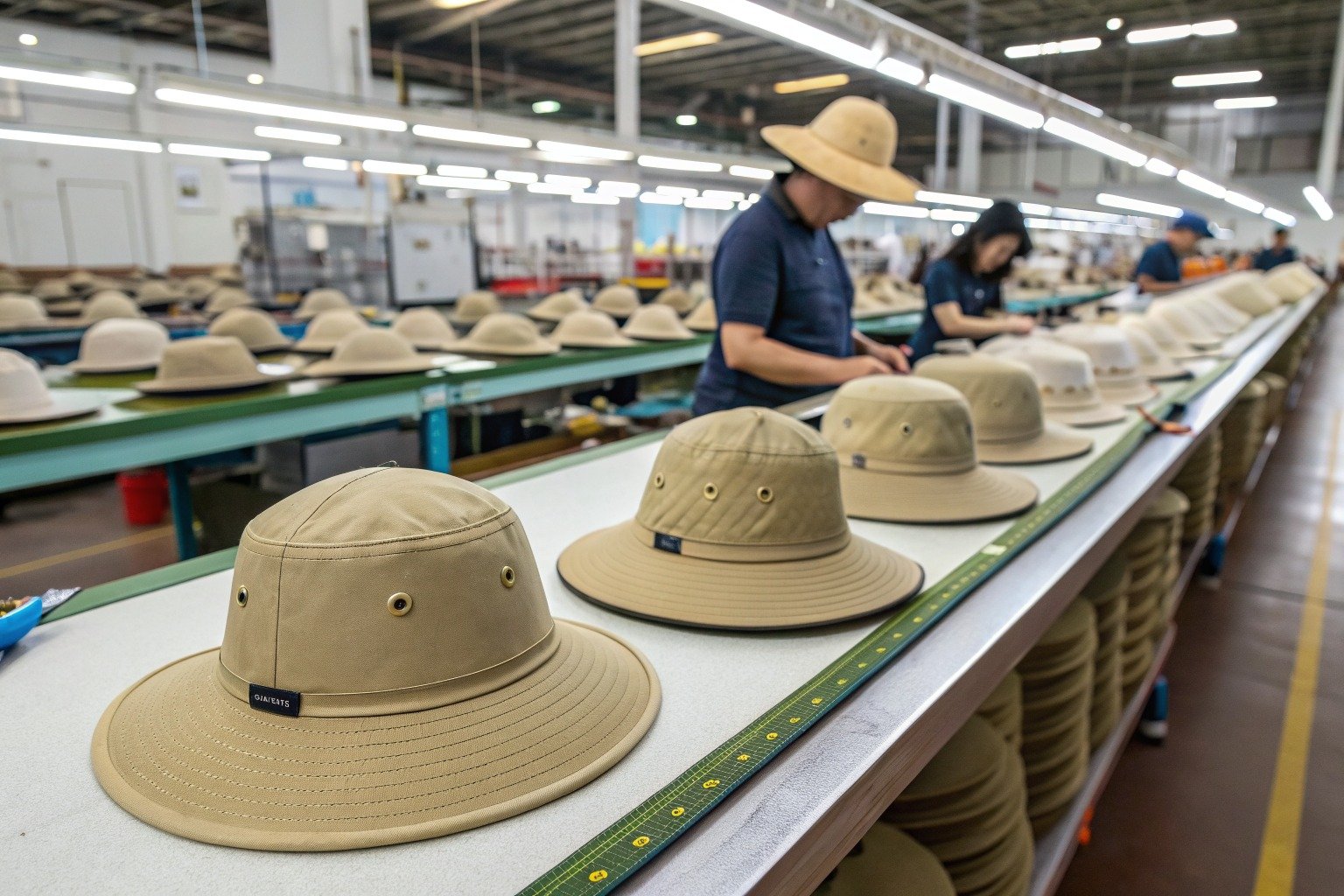
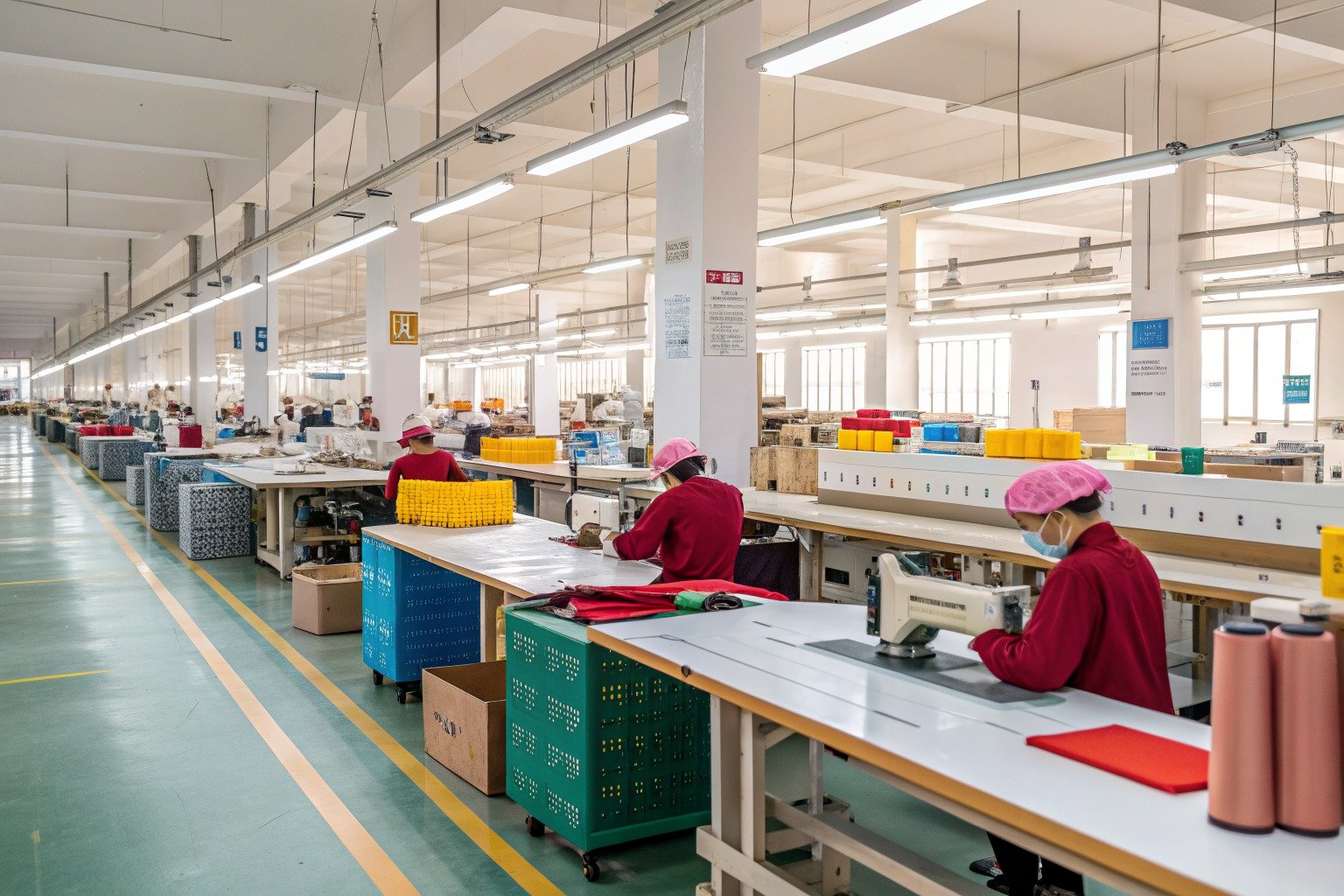
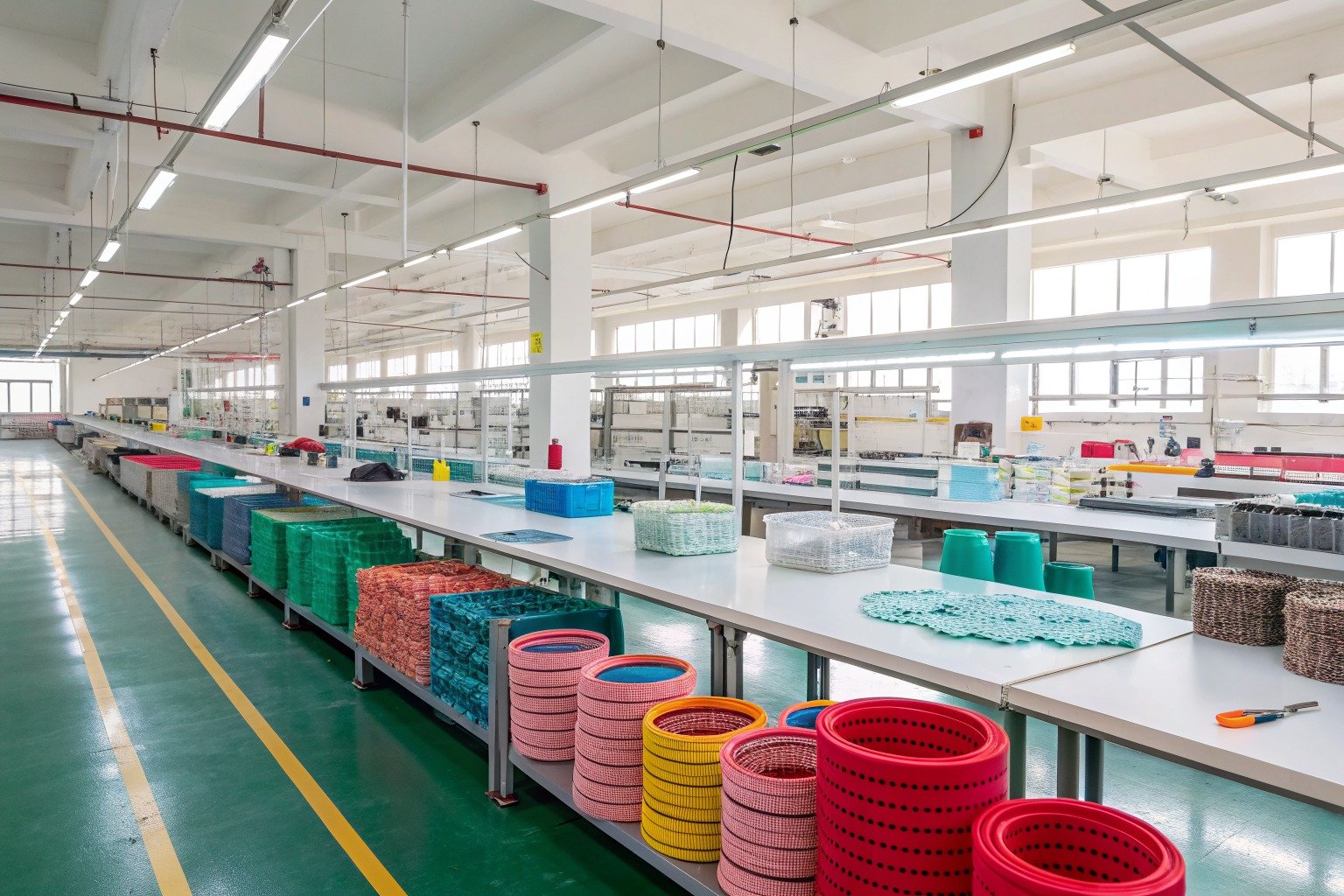
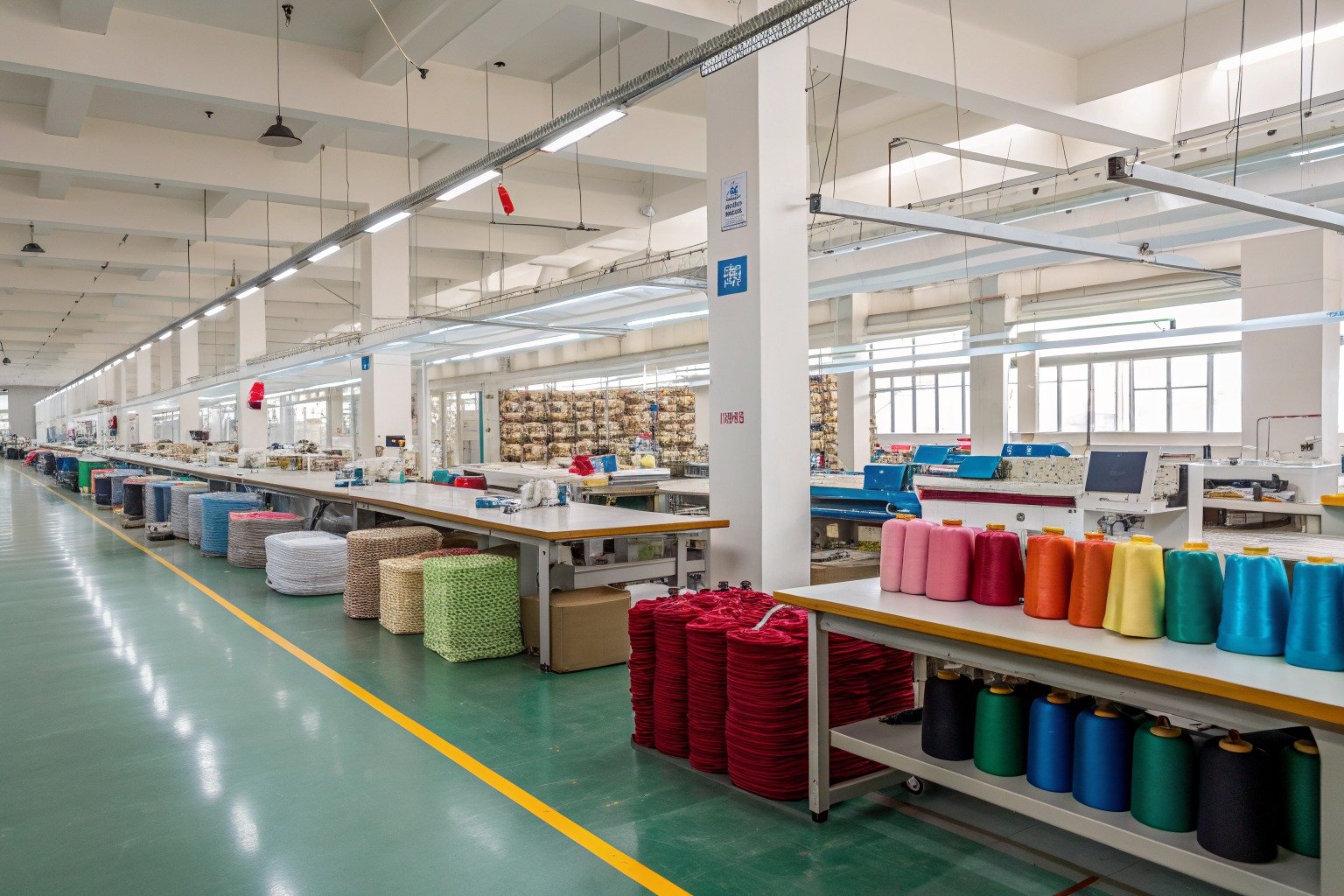
At AceAccessory, we maintain an active Sedex membership and undergo regular SMETA audits. Our factory in Zhejiang is designed with compliance in mind. We have clearly marked fire exits, proper PPE for workers handling cutting machines, controlled chemical storage, and transparent payroll records. This is not just about passing a test. It is about running a professional business that treats people fairly. When a buyer asks for our audit report, we provide it within the hour. This responsiveness builds the trust that leads to long-term partnerships with major European retail chains.

What Is the Difference Between a SMETA 2-Pillar and 4-Pillar Audit?
Buyers will specify which type of audit they require. Understanding the difference saves time and avoids scheduling the wrong inspection.
A 2-Pillar SMETA audit covers Labor Standards and Health & Safety. It verifies that workers are not subject to forced labor, child labor, or excessive working hours. It checks that the factory is physically safe. This is the minimum requirement for many smaller European brands.
A 4-Pillar SMETA audit adds two additional sections: Environmental Assessment and Business Ethics. The environmental pillar checks waste management, energy usage, and chemical handling. The business ethics pillar checks for bribery policies and transparent record keeping. Larger retailers and publicly traded companies almost always require the 4-Pillar audit.
I always ask the buyer upfront: "Do you need the full 4-pillar report or is a 2-pillar sufficient?" This small question shows professionalism. It also ensures we schedule the correct audit scope. A 4-pillar audit is more invasive and takes more time. But it opens doors to the biggest clients. We have invested in achieving Sedex compliance because we know that European buyers like Ron prioritize supplier transparency above all else.
How Often Do These Audits Need to Be Renewed?
Audits are not forever. A SMETA audit report is typically valid for 12 months from the closing meeting date. Some buyers have stricter internal policies and require a report no older than six months. This means the factory must be ready for an audit at any time.
The audit process involves a full day on site. An external auditor walks the production floor, reviews personnel files, checks time cards, and interviews workers confidentially. It is a thorough process. At AceAccessory, we do not cram for the audit. We maintain the standards every day. Our fire extinguishers are checked monthly. Our payroll records are updated daily. Our waste disposal receipts are filed weekly.
When the auditor arrives, we are ready. The audit is just a verification of our daily practice. This approach eliminates the stress of last-minute compliance scrambles. It also results in better audit scores, which means fewer corrective action plans. Fewer corrective actions mean faster onboarding for new European clients. This is the ethical manufacturing commitment that separates a reliable long-term partner from a risky one-off supplier.
Conclusion
Selling scarves and gloves to European buyers requires more than a good eye for design. It requires a disciplined approach to compliance. The acronyms can feel overwhelming at first. OEKO-TEX. REACH. CE. SMETA. But each one represents a specific promise to the end consumer. A promise that the scarf around their neck will not cause a rash. A promise that the gloves on their hands will keep them warm without poisoning them with heavy metals. A promise that the person who made them was treated with dignity.
You cannot fake this paperwork. European customs authorities are sophisticated and they share information across member states. A failed test report or a forged certificate will catch up to you. It will cost you the shipment and it will cost you the relationship with the buyer. The only sustainable path is to partner with a manufacturer who has already invested in the necessary certifications and testing infrastructure.
At Shanghai Fumao, we made that investment years ago. Our laboratory partnerships in Zhejiang, our in-house XRF testing gun, our annual SMETA audits, and our deep understanding of REACH and PPE regulations are all part of our standard service package. We do not charge extra for basic compliance documentation. It is just how we do business with Europe.
If you are developing a scarf or glove collection for the European market and need a partner who speaks the language of compliance fluently, I encourage you to reach out. Let us handle the paperwork and the testing so you can focus on the design and the sell-through. Contact our Business Director, Elaine, for a detailed discussion of your specific certification requirements. You can email her at: elaine@fumaoclothing.com. We will guide you through the process and make sure your products arrive in Europe ready for the shelf, not stuck in a customs warehouse.