I have been manufacturing shawls in China for over 15 years. Shawls are often associated with winter. Heavy wool. Warm cashmere. But summer is different. Summer shawls need to be light. They need to be breathable. They need to be cool. I remember a client who wanted a summer shawl. She sent me a photo of a thick winter shawl. I told her, "That is for winter. You need a different material." She did not understand. I explained that summer shawls are made from different fabrics. They are woven differently. Today, I want to share how to get a Chinese shawl supplier to produce lightweight summer styles.
To get a Chinese shawl supplier to produce lightweight summer styles, you need to focus on materials, weight, and weave. Choose lightweight materials like cotton, linen, modal, viscose, or silk. Avoid wool and cashmere. Specify the fabric weight in grams per square meter (GSM). For summer shawls, aim for 60 to 120 GSM. Choose an open, breathable weave. A loose weave allows air to flow. Avoid tight weaves. Also consider the finish. A soft, draping finish is best. A stiff finish is not. Communicate these specifications clearly. Provide a sample if possible. At Shanghai Fumao, we produce lightweight summer shawls. We know the right materials and weaves.
You might be thinking, "A shawl is a shawl. How different can summer be?" The difference is in the feel. A winter shawl is warm and heavy. A summer shawl is cool and light. A winter shawl uses wool. A summer shawl uses cotton. A winter shawl has a tight weave. A summer shawl has a loose weave. At AceAccessory, we have the materials and the looms for both. Let me walk you through the process.
What Materials Are Best for Lightweight Summer Shawls?
The material is the most important choice. I have learned to use lightweight, breathable fibers.
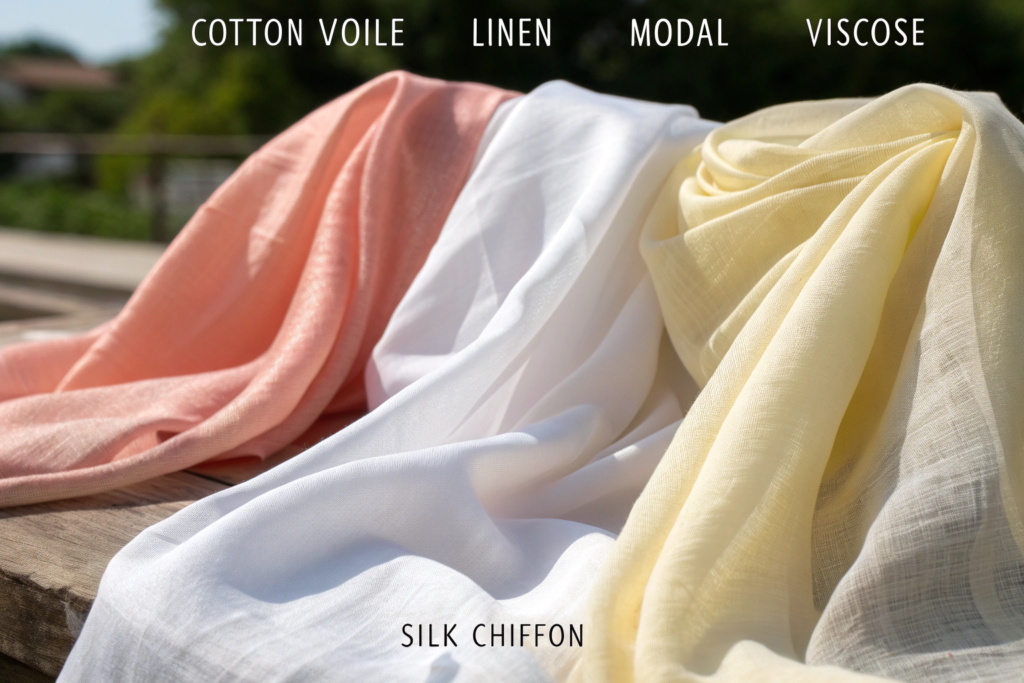
The best materials for lightweight summer shawls are cotton, linen, modal, viscose, and silk. Cotton is soft and breathable. It absorbs moisture. It is affordable. Linen is very breathable. It has a natural texture. It wrinkles easily. Some customers love this. Modal is made from beech trees. It is soft. It drapes well. Viscose is similar to modal. It is affordable. It drapes well. Silk is luxurious. It is lightweight. It has a natural sheen. Avoid wool and cashmere. They are too warm for summer. Avoid polyester. It is not breathable.
I want to share a story about a client who wanted a summer shawl. She insisted on cashmere. I told her it would be too warm. She ordered it anyway. The shawls did not sell. Customers complained they were hot. She switched to modal. The next season, they sold well.
What Is the Best Summer Shawl Material?
Modal and viscose are truly exceptional fabrics, each offering a luxurious touch that feels like a gentle caress against the skin. Their softness is unparalleled, a velvety smoothness that melts into the body, inviting comfort with every movement. They drape with an elegant grace, flowing and swishing like liquid silk, creating a silhouette that is both flattering and sophisticated. What sets them apart further is their remarkable affordability, making this high-end feel accessible to all who seek it. Cotton, too, holds its own charm, boasting a natural, breathable quality that exudes a relaxed, laid-back vibe.
What Is the Lightest Material?
Silk chiffon is the lightest, a whisper of fabric that seems to float rather than drape, so fine it feels like a breath of spring air against the skin. It is almost transparent, catching and diffusing light like a delicate veil, revealing subtle hints of form beneath while maintaining an ethereal, otherworldly quality. It is very delicate, requiring gentle handling—each thread as fragile as a spider’s silk, prone to snagging on the sharpest of nails or catching on rough surfaces, making it a treasure to care for.
How Do You Specify Fabric Weight for Summer Shawls?
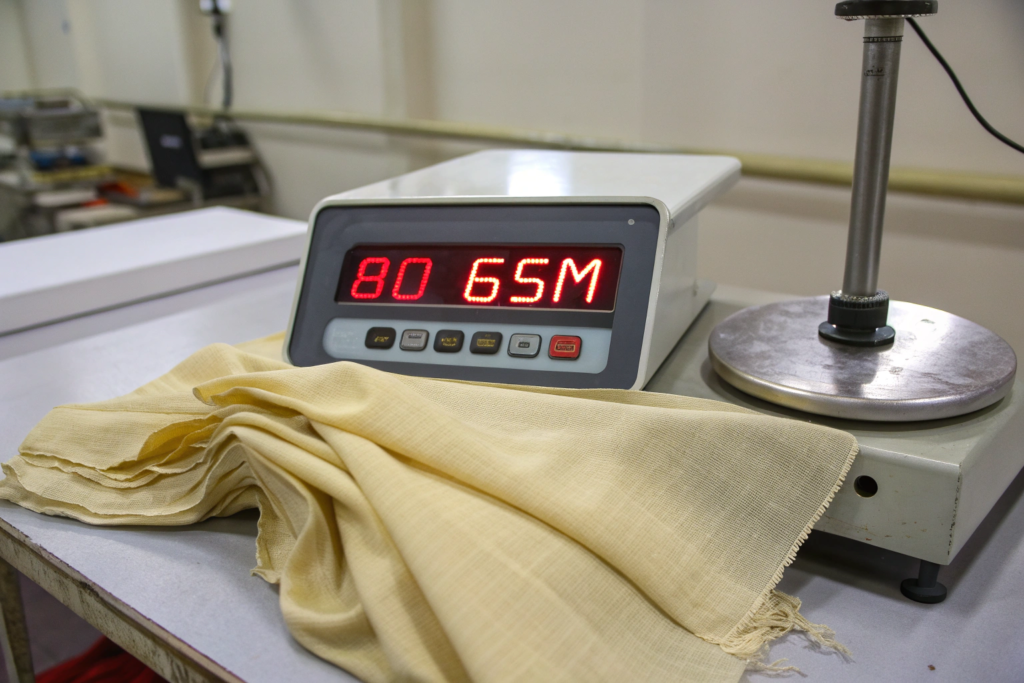
Weight is measured in GSM. I have learned to specify a low GSM for summer. Specify the fabric weight in grams per square meter (GSM). For summer shawls, aim for 60 to 120 GSM. Below 60 GSM, the fabric is very sheer. It may be too transparent. Above 120 GSM, the fabric starts to feel heavier. It may be too warm. A 80 to 100 GSM shawl is a good balance. It is light. It is not too sheer. It drapes well. Compare this to winter shawls. Winter shawls are often 200 to 300 GSM. They are much heavier. Communicate your GSM target to the supplier. They will select the appropriate yarn.
I want to share a story about a client who did not specify GSM. The factory used a 150 GSM fabric. The shawls were too heavy. Customers did not buy them. The client learned to specify GSM.
What GSM Is Best for a Sheer Summer Shawl?
60 to 70 GSM fabric is a whisper of lightness, a sheer veil that dances with the faintest touch of air. It is almost transparent, allowing soft glimmers of skin and subtle textures to peek through, as if the material itself has been woven from moonlight. This delicate weight is perfect for crafting a very light, ethereal look—think of gowns that float like mist at dawn, or blouses that drape over shoulders with the gentlest caress, catching and scattering sunlight into a thousand tiny sparkles. It breathes easily, cool against the skin on warm days, and shimmers softly in dimmer light, evoking a sense of airy grace and otherworldly beauty.
What GSM Is Best for an Opaque Summer Shawl?
100 to 120 GSM fabric weaves a tapestry of subtle opacity, where light filters through in soft, diffused whispers rather than harsh, unyielding beams. It carries a gentle weight, a comforting embrace against the skin, yet remains delightfully light enough to feel almost weightless when lifted or worn. This range offers a harmonious balance—sufficient coverage to shield from prying eyes and the sun’s more intense rays, while still allowing the skin to breathe and retain a sense of freedom. Imagine it as a delicate veil between you and the world, providing just the right amount of privacy without feeling restrictive, enhancing both comfort and confidence in any setting.
How Do You Specify the Weave for Summer Shawls?
The weave affects breathability. I have learned to choose open weaves.
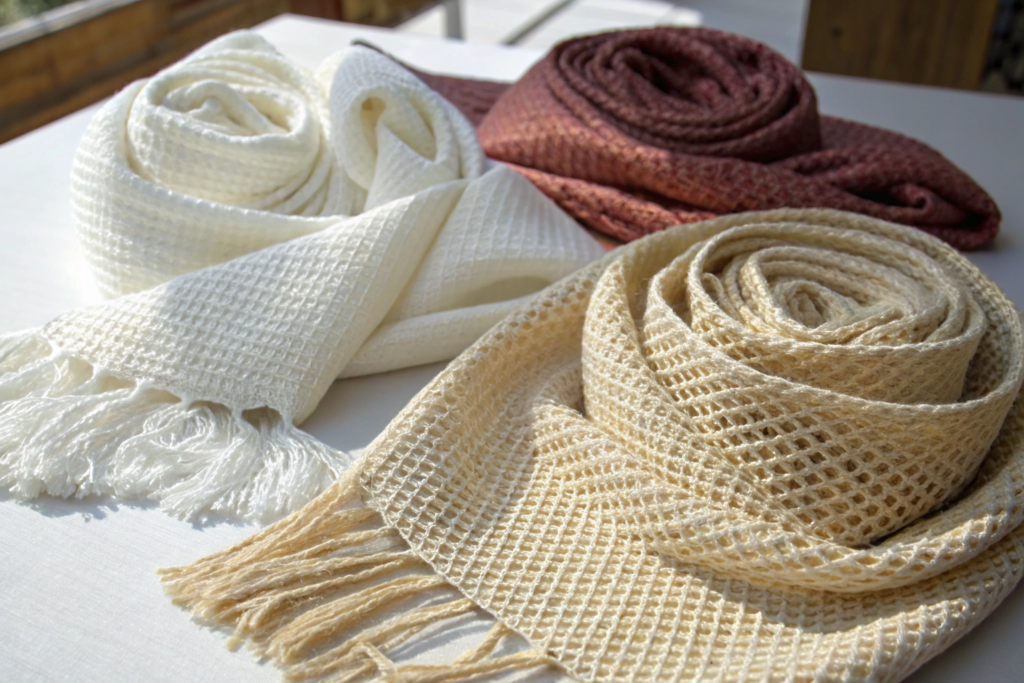
For summer shawls, choose an open, breathable weave. Plain weave is the most common. It is simple. It can be tight or loose. Specify a loose plain weave. Leno weave is an open weave. The threads are twisted around each other. It creates a stable, airy fabric. It is good for lightweight shawls. Gauze weave is very open. It is like cheesecloth. It is very breathable. It has a rustic look. Avoid tight weaves like twill or satin. They trap heat. They are better for winter.
I want to share a story about a client who chose a tight weave. The shawl looked beautiful. But it was not breathable. Customers complained it was hot. The client switched to a leno weave. The next batch was a success.
What Is the Most Breathable Weave?
Gauze weave, with its delicate, open lattice of threads, stands as the epitome of breathability, allowing air to flow freely through its airy, almost gossamer-like structure, creating a cool, whispering caress against the skin on sweltering days. Leno weave, too, boasts remarkable breathability, its twisted, raised cords forming a textured surface that traps heat minimally and lets fresh air circulate, offering a light, rustling comfort that feels like a gentle breeze woven into fabric. Plain weave, while inherently structured, can transform into a breathable marvel when crafted with loose, widely spaced threads; in such a form, it mimics the openness of gauze, permitting air to dance between the fibers, providing a soft, unburdened feel that keeps the body feeling light and refreshed.
What Is the Most Durable Weave for Summer?
Plain weave stands as the paragon of durability, its tightly interlaced warp and weft threads forming a robust, uniform fabric that resists wear and tear with quiet resilience. Imagine a sturdy canvas, each thread gripping the next in a seamless dance, creating a surface that withstands the rigors of daily use—scratches, snags, and the gentle abrasion of time. Leno weave, too, commands respect for its durability, its distinctive open, ladder-like pattern born from twisted warp threads that securely hold the weft in place.
This structure not only adds a subtle, textural flair but also fortifies the fabric against stretching and tearing, making it a reliable choice for items that demand both strength and a touch of character. In stark contrast, gauze weave is a whisper of delicacy, its loosely woven threads creating a sheer, almost translucent fabric that catches light like gossamer. It feels soft and airy against the skin, with a faint, lacy pattern that seems to breathe, perfect for lightweight coverings or delicate adornments where fragility is not a flaw but a feature.
Conclusion
Getting a Chinese shawl supplier to produce lightweight summer styles is possible. Focus on materials. Use cotton, linen, modal, viscose, or silk. Avoid wool. Specify the fabric weight. Aim for 60 to 120 GSM. Choose an open weave. Plain, leno, or gauze. Communicate clearly. Provide a specification sheet. Order a sample.
At Shanghai Fumao, we have the materials and the expertise. We produce lightweight summer shawls. We are ready to help you. Your customers want cool, breathable shawls. Let us help you provide them.
Please contact our Business Director, Elaine, at elaine@fumaoclothing.com to discuss your summer shawl project. We can send you samples and a quote.