I have seen it too many times. A client spends months developing a beautiful product. The quality is perfect. The design is on trend. The order ships. Then the returns start coming in. Broken items. Scratched surfaces. Bent shapes. Damaged packaging that looks bad on the shelf.
The product was fine when it left our factory. But somewhere between our dock and the customer’s door, something went wrong. The packaging failed. I used to think packaging was just a box. A way to get the product from point A to point B. I was wrong. Packaging is the protector of your product. It is the first thing your customer sees. It can make the difference between a happy customer and a returned order.
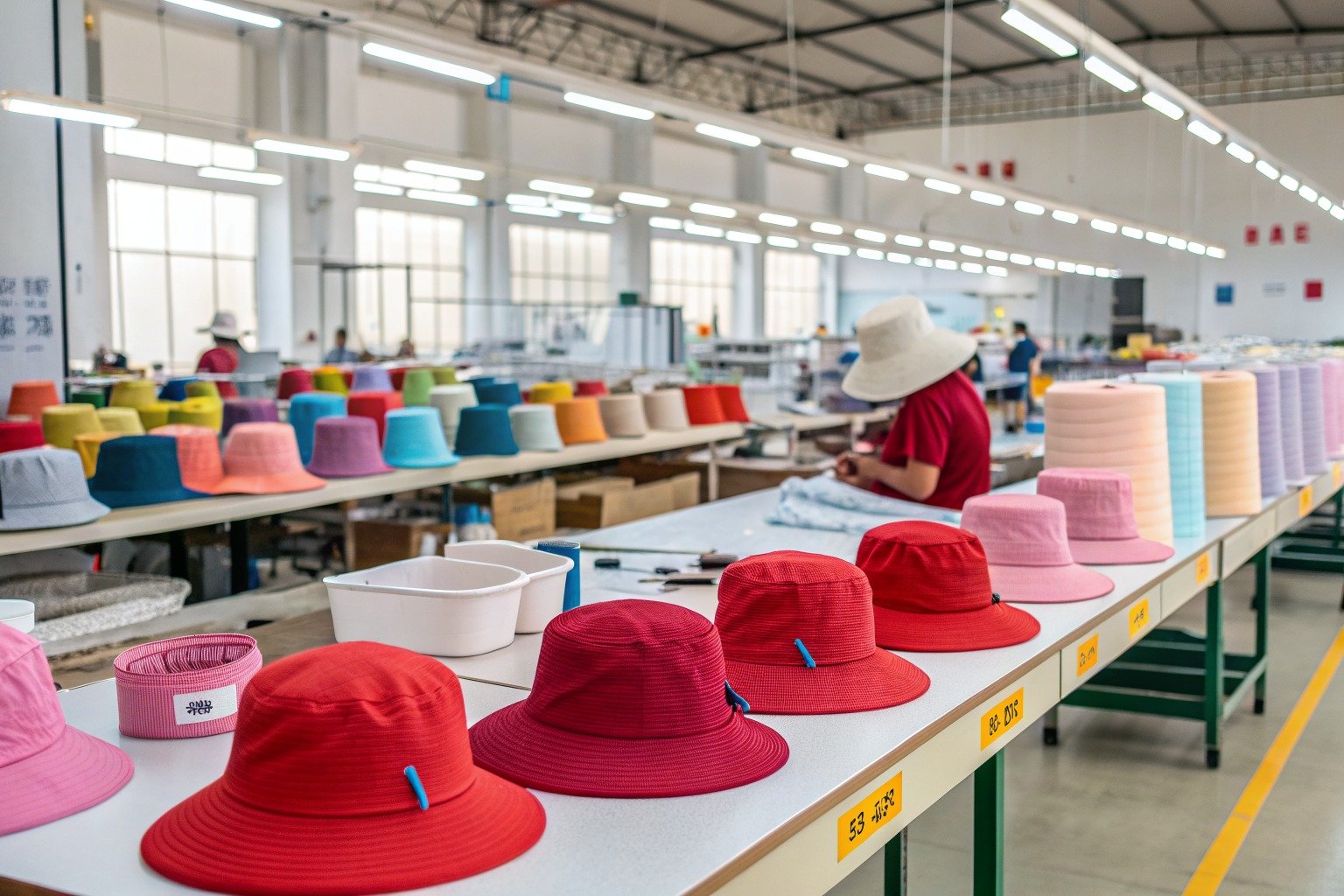
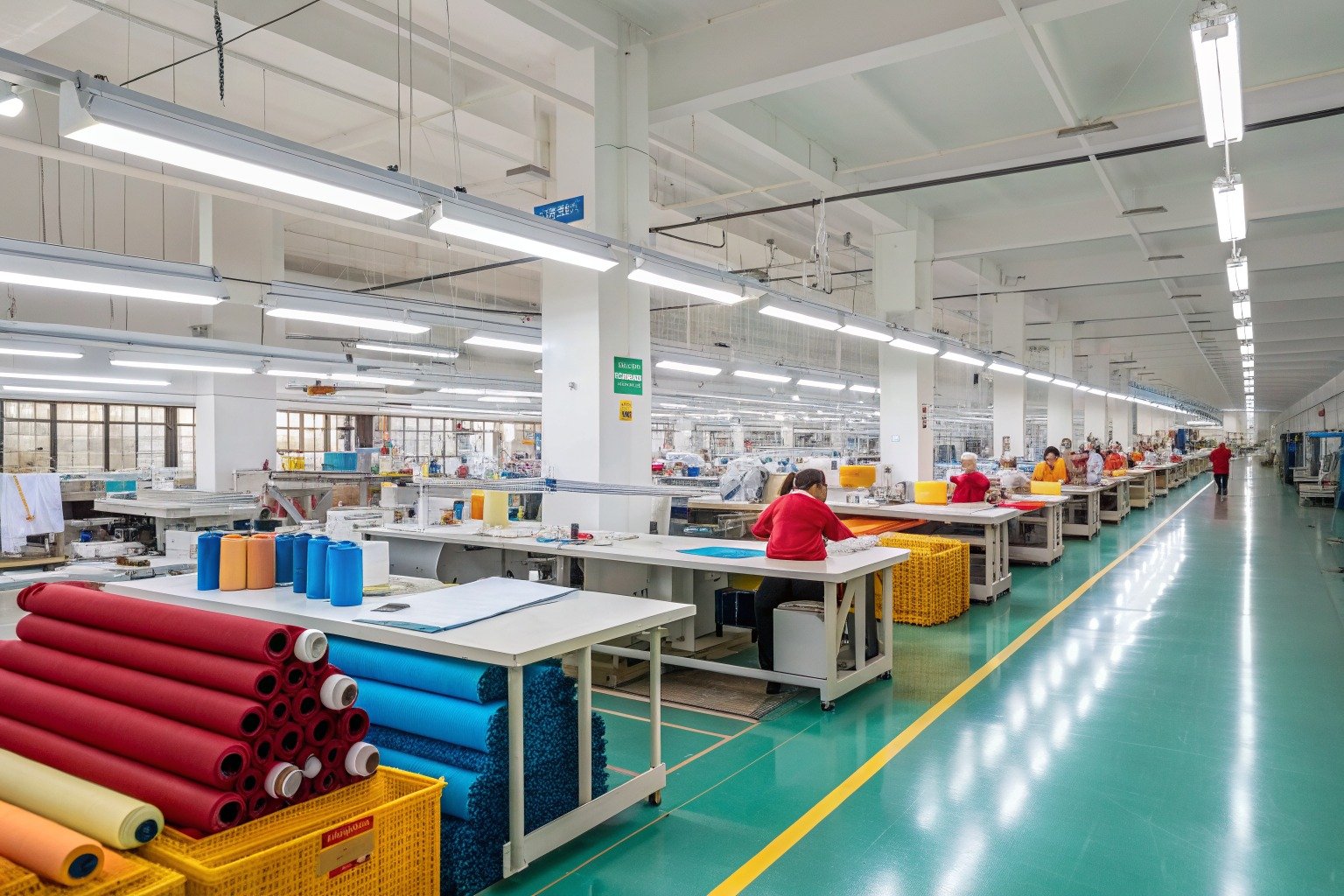
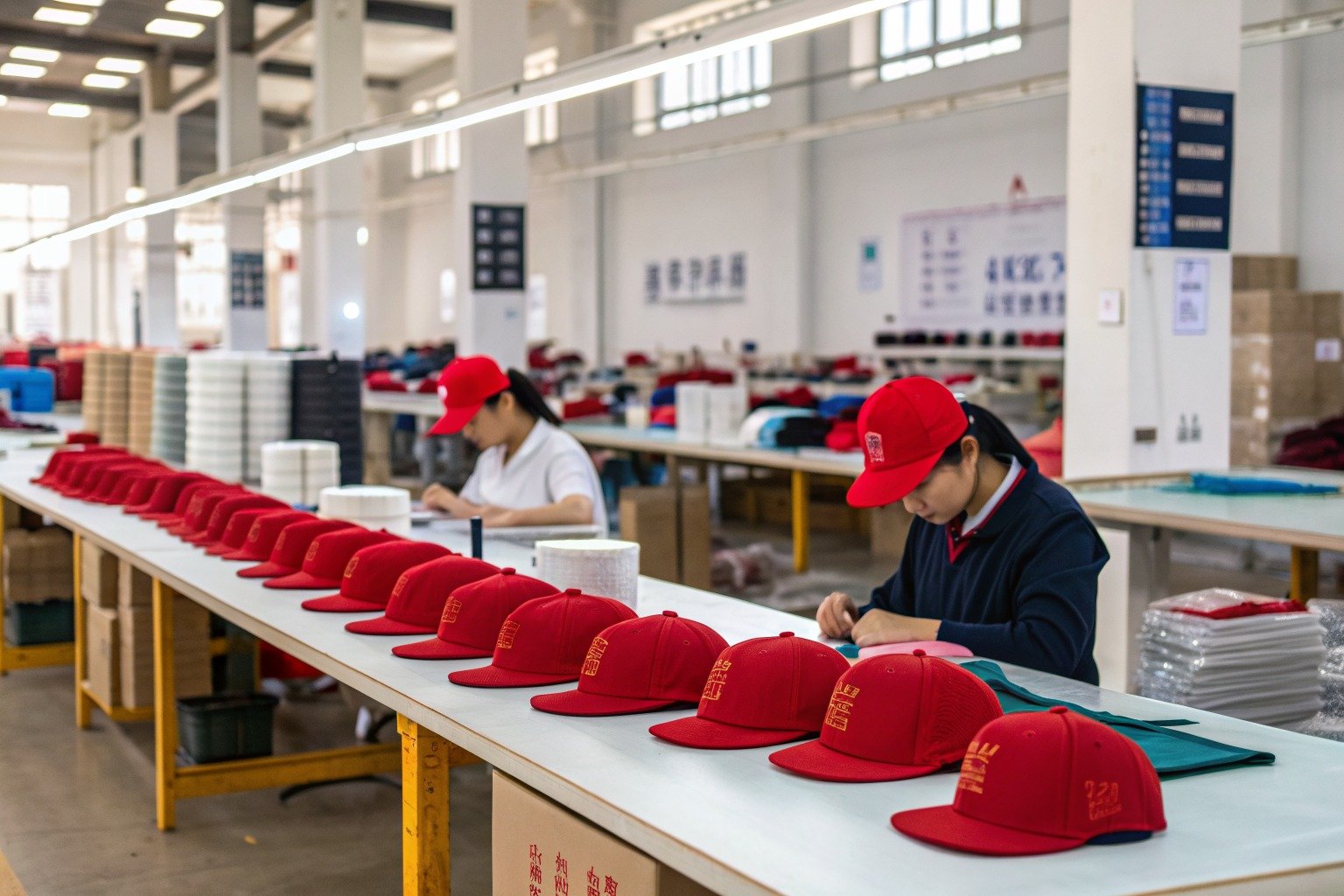
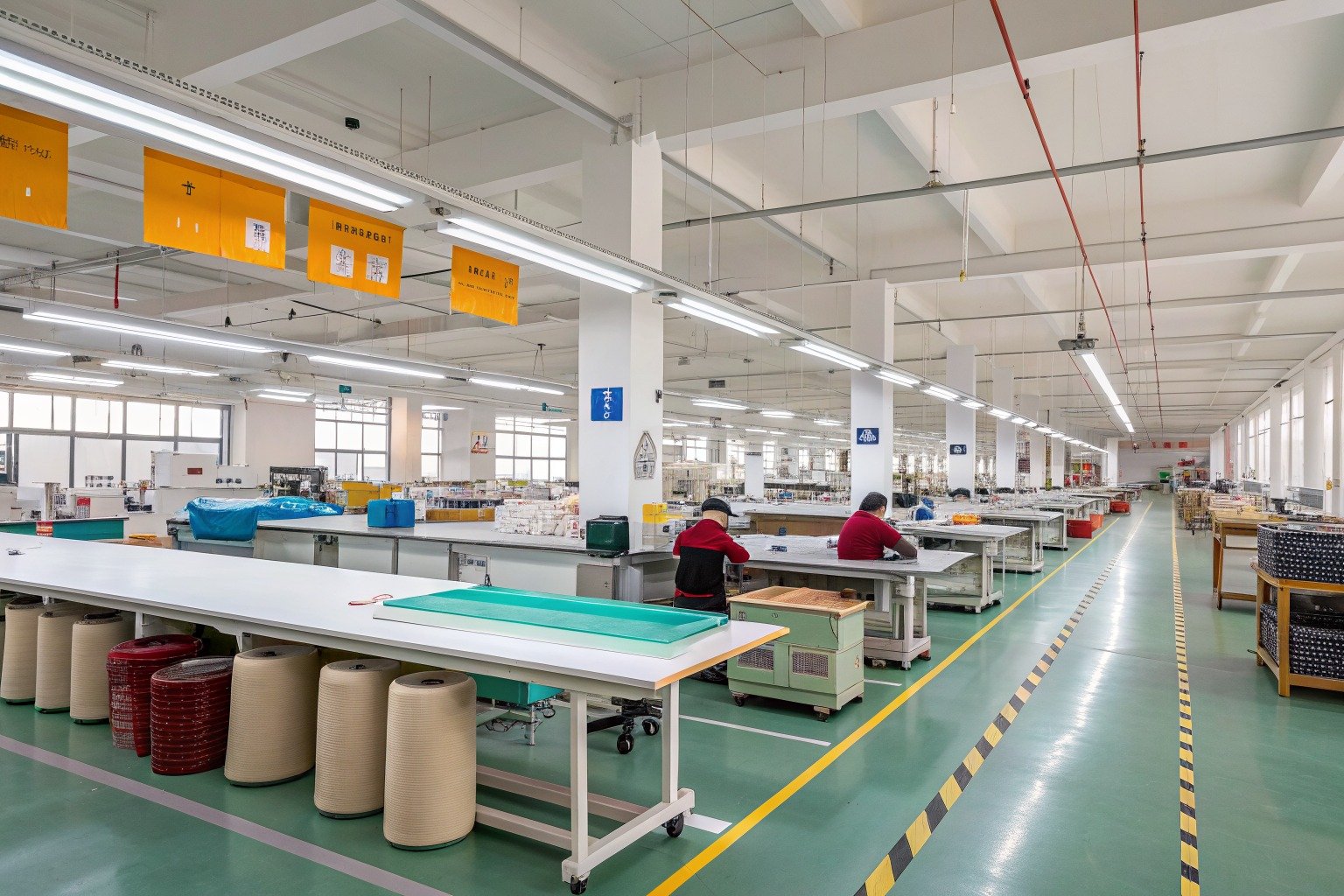
I am the owner of Shanghai Fumao. Our factory in Zhejiang ships millions of accessories every year. I have learned that good packaging reduces returns. Bad packaging guarantees them. Let me share what I have learned.
Why Does Packaging Have Such a Direct Impact on Return Rates?
I remember a client who was frustrated by their return rate. They were selling high-end hair clips. The clips were beautiful. But 8% of orders came back. The customers said the clips were broken or scratched.
We investigated. The clips were packed in a simple polybag. Then they were placed in a shipping box with no padding. During transit, the clips knocked against each other. They scratched. They broke.
We changed the packaging. We put each clip in a small cardboard box with a foam insert. Then we packed those boxes in a master carton with bubble wrap. The return rate dropped to under 1%. The client was amazed.
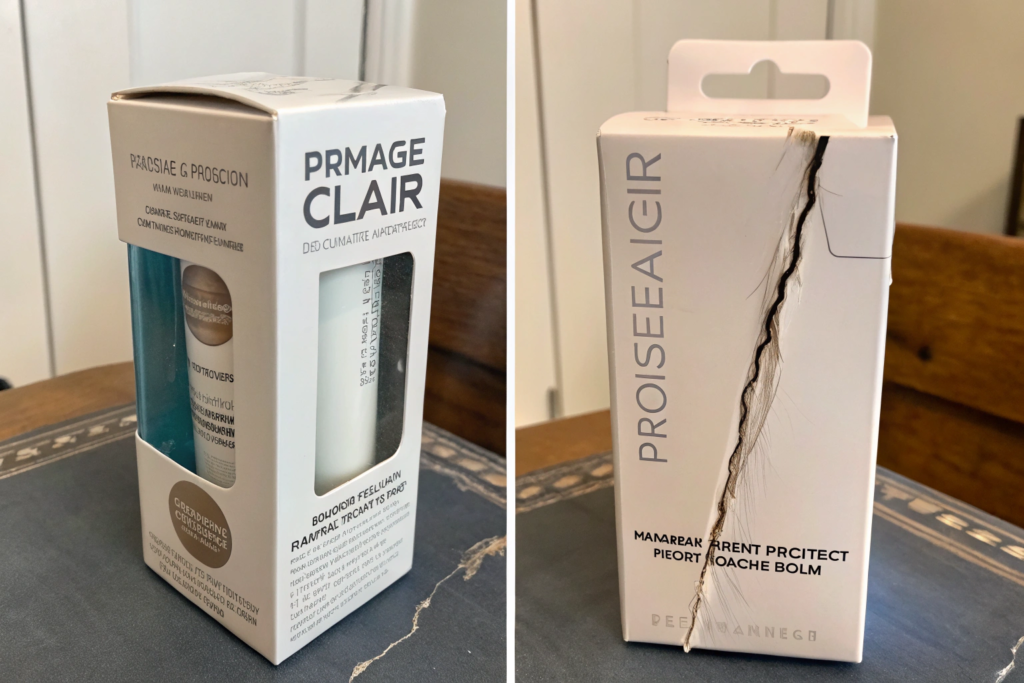
How Does Transit Damage Cause Returns?
Transit is rough. Packages are thrown. They are stacked. They are dropped. They go through sorting machines. They ride in trucks that bounce over potholes.
If your packaging does not protect against this, your product will be damaged. And damaged products are returned.
The most common damage I see is impact damage. The product hits something hard. It cracks or breaks. This is especially common for plastic accessories like hair clips and combs.
Scratch damage is also common. Products rub against each other. The surface gets scratched. For products with a shiny finish, scratches are unacceptable.
Deformation is another issue. Soft products like hats and scarves can be crushed. They lose their shape. The customer opens the package and the product looks bad.
We have developed protective packaging solutions for each type of product. Hard products get rigid packaging with inserts. Soft products get structured packaging that holds their shape.
What Role Does Presentation Play in Customer Perception?
Even if the product arrives intact, poor packaging can cause returns. The customer opens the box. The packaging is damaged. The product looks like it was thrown in. They assume the quality is low.
I have seen customers return perfectly good products because the packaging was wrinkled or dirty. They did not trust the product inside.
Presentation matters. A product that arrives in a clean, well-designed package feels more valuable. The customer feels good about their purchase. They are less likely to return it.
We work with clients to create presentation packaging that reflects their brand. A clean white box. A custom insert. A ribbon or sticker. These small touches make a difference.
I had a client who sold luxury scarves. Their return rate was low. But customers would sometimes return because the scarf arrived wrinkled. We added a tissue paper wrap and a cardboard insert to keep the scarf flat. The returns stopped.
What Packaging Materials Offer the Best Protection for Different Accessories?
Not all accessories are the same. A metal belt buckle needs different protection than a knitted beanie. I have learned to match the packaging to the product.
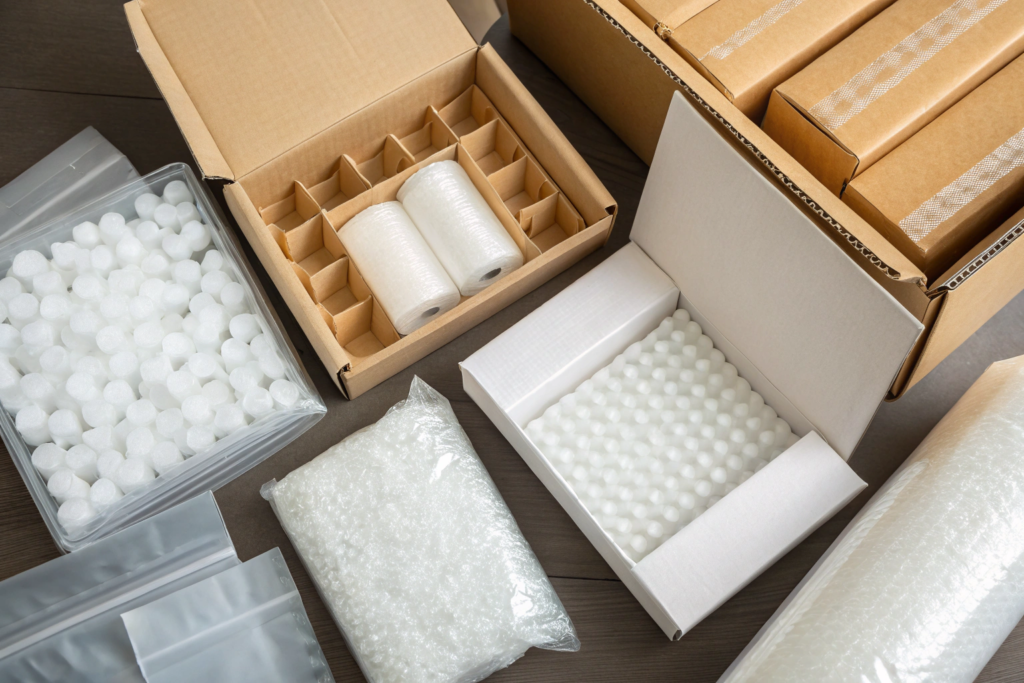
What Is the Best Packaging for Hard Accessories?
Hard accessories are items like hair clips, combs, belt buckles, and metal jewelry. They are rigid. They can break. They can scratch.
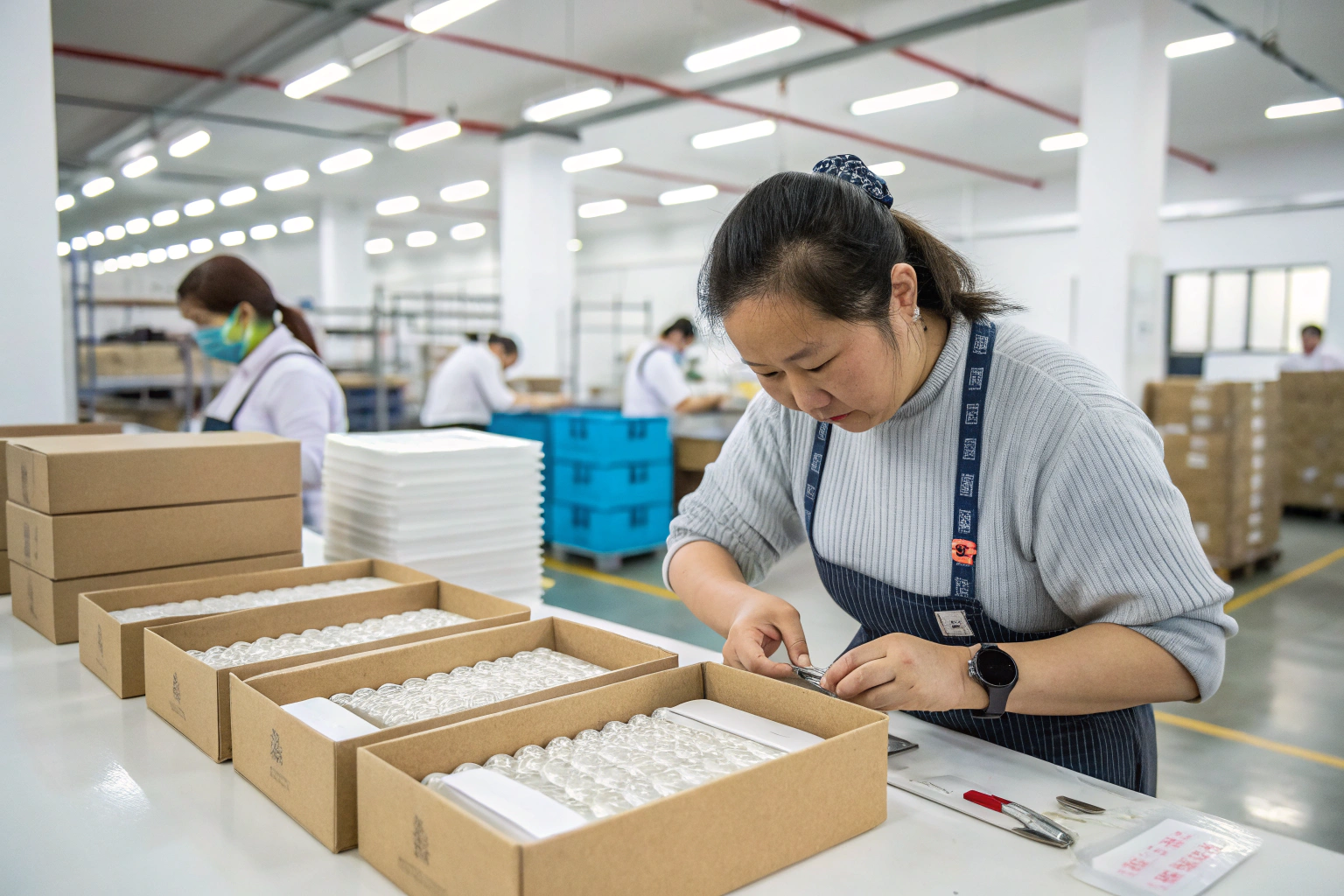
For these products, I recommend rigid packaging. A cardboard box with a custom insert. The insert holds the product in place. It prevents movement during transit. The insert can be foam, cardboard, or molded pulp. Custom foam inserts are the best protection. They cradle the product. They absorb shock. They prevent scratching.
For lower price points, a cardboard box with a paper insert can work. The insert holds the product. It provides some protection. It is less expensive than foam. We also use polybags for some hard accessories. But only when the product is very durable. A metal belt buckle might be fine in a polybag. A delicate hair clip is not.
What Is the Best Packaging for Soft Accessories?
Soft accessories are items like scarves, hats, gloves, and knitwear. They do not break. But they can be crushed. They can lose their shape.
For soft accessories, I recommend structured packaging. A cardboard box that is the right size for the product. Too big, and the product slides around. Too small, and the product is crushed. For scarves, we use a cardboard scarf folder. It keeps the scarf flat and crisp. It presents well. It protects the scarf from crushing.
For hats, we use hat boxes or structured polybags. The hat needs to keep its shape. A flat package will crush the brim or crown. For knitwear, we use polybags with a cardboard insert. The insert keeps the product flat. It prevents wrinkling.
How Can Packaging Reduce Returns from E-Commerce Shipments?
E-commerce is different from retail. The package goes through more handling. It is shipped individually, not on a pallet. The customer opens it at home, not in a store.
I have learned that e-commerce packaging needs to be extra durable. It needs to survive the journey. And it needs to create a good unboxing experience.
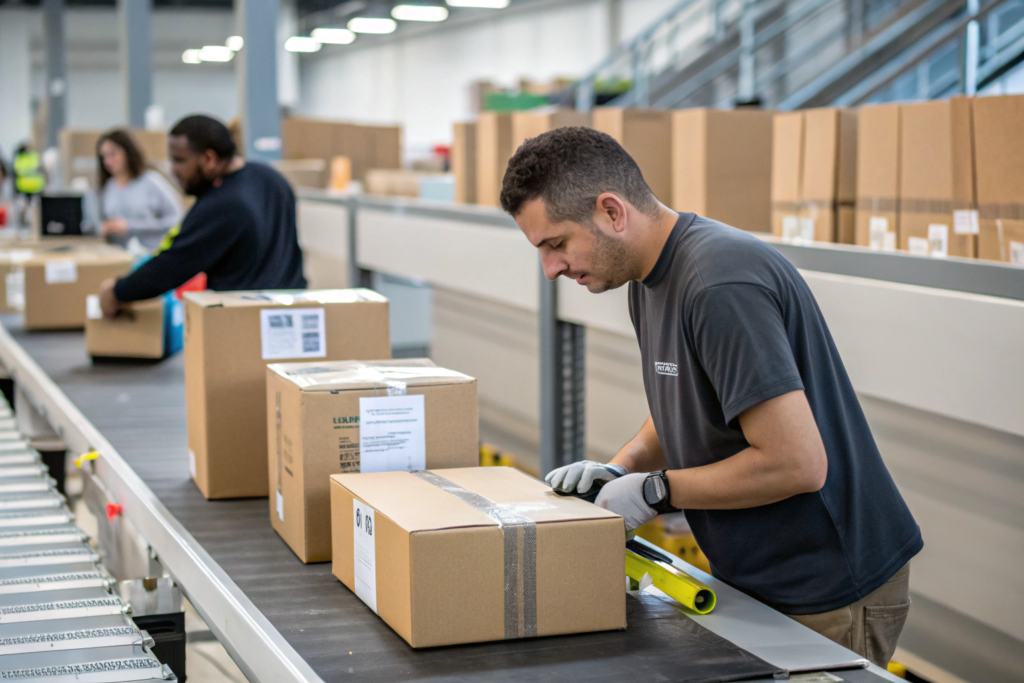
What Is the Right Way to Pack for Individual Shipments?
The biggest mistake I see is under-packing. The product is placed in a shipping box with too much empty space. The product moves around. It hits the sides of the box. It gets damaged.
The rule is simple: the product should not move. If you shake the box, you should hear nothing. The product should be held firmly in place. We use air pillows and bubble wrap to fill empty space. They are light. They are effective. They prevent movement.
The shipping box itself matters. A double-walled cardboard box is stronger than a single-walled box. For heavy products or long shipping distances, double-walled is worth the extra cost. The tape matters too. A box that pops open is a disaster. We use reinforced packing tape. We tape all seams. The box is secure.
How Does the Unboxing Experience Affect Return Rates?
The unboxing experience is the first moment your customer interacts with your product. If it is a good experience, they feel positive about their purchase. If it is a bad experience, they may return it. A good unboxing experience starts with a clean, branded outer box. The customer knows they have received something special.
Inside, the product should be presented well. Tissue paper. A thank you card. The product in its own packaging. These touches make the customer feel valued. I had a client who sold premium leather belts. Their return rate was low. But customers sometimes returned because the belt arrived with a crease. We added a cardboard tube inside the package to keep the belt straight. The crease problem stopped.
We also added a small thank you card with care instructions. The customer felt like they were buying from a brand that cared. The return rate dropped further.
What Role Does Tracking and Communication Play?
Packaging is not just physical. It is also informational. The customer needs to know when their package is coming. They need to know what to expect.
We help our clients implement tracking and notification systems. The customer gets updates. They know when to expect the package. They are home to receive it. The package is not left in the rain. If a package is delayed, the customer knows. They are less likely to return it out of frustration. Communication reduces returns.
How to Test Packaging to Ensure It Protects Your Products?
I have learned that you cannot guess if packaging works. You have to test it. What looks good in the design stage may fail in the real world.
We test all our packaging before we ship. We simulate the journey. We see what happens.
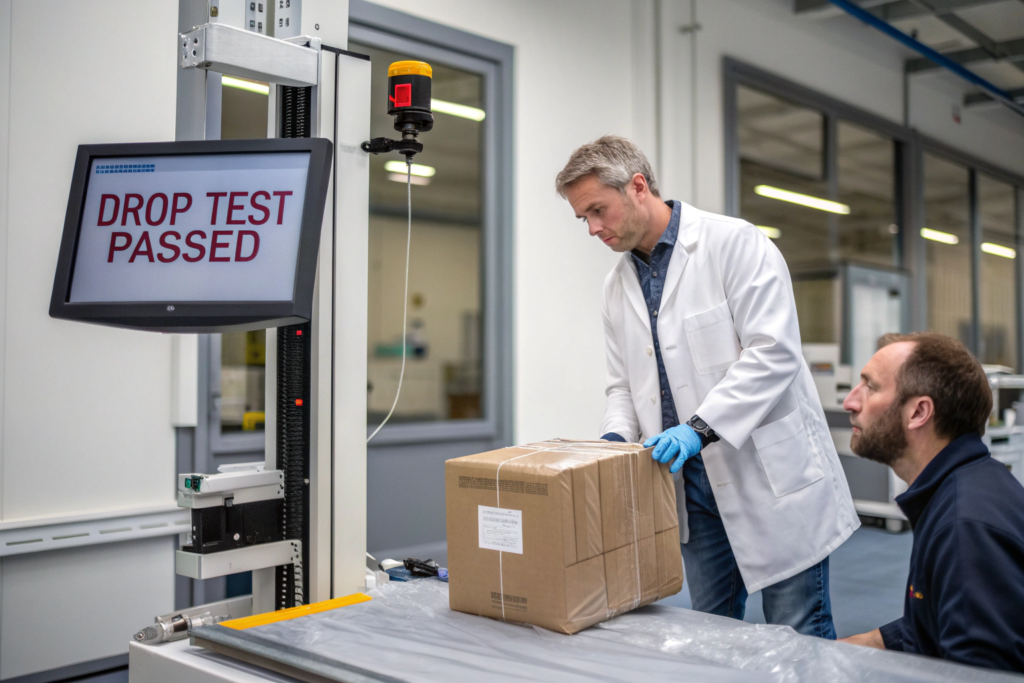
What Are the Standard Packaging Tests?
There are several standard tests that every package should pass. The drop test is the most important. The package is dropped from a standard height. It is dropped on different sides and corners. We check for damage. A good package should survive multiple drops. We use ISTA drop test standards for our packaging. These are the industry standards for transit testing.
The vibration test simulates truck transport. The package is placed on a vibration table. It is shaken for a set time. We check for damage. A good package should protect the product through vibration.
The compression test simulates stacking. Packages are stacked in a warehouse or truck. The bottom package bears the weight. We apply pressure to the package. It should not crush.The puncture test simulates sharp objects. A package might be stabbed by a forklift or another package corner. We test for puncture resistance.
How to Simulate Real-World Shipping Conditions?
Standard tests are good. But real-world conditions are unpredictable. We also do real-world testing.
We ship test packages to ourselves. We send them through the normal carrier network. We see what condition they arrive in. This is the best test. We also ask clients to test. We send them sample packages. They open them. They give feedback. They tell us if anything is wrong.
I had a client who thought our packaging was over-engineered. They wanted to save money. We sent them two versions. One with our standard packaging. One with a cheaper alternative. They shipped both to their warehouse. The cheaper version arrived damaged. They chose our standard packaging.
What Feedback Loops Should You Establish with Customers?
The final test is customer feedback. When a return happens, you need to know why. Was the product damaged? Was the packaging damaged? Was the presentation poor? We help our clients establish return reason tracking. Every return is coded with a reason. Damaged in transit. Defective product. Wrong item. Changed mind.
If you see a pattern of damage returns, your packaging is failing. You need to improve it. I had a client who saw a spike in damage returns for one product. We investigated. The product was a fragile hair clip. The packaging was a simple polybag. We switched to a rigid box with a foam insert. The damage returns dropped to zero.
Conclusion
Packaging is not an afterthought. It is a critical part of your product. It protects your product during transit. It presents your product to the customer. It influences whether the customer keeps or returns the product.
Good packaging reduces returns. It starts with choosing the right materials for your product. Hard accessories need rigid packaging with inserts. Soft accessories need structured packaging that holds their shape. Multi-item sets need dividers to prevent scratching.
E-commerce packaging needs extra attention. The product must not move in the box. The unboxing experience should be positive. Tracking and communication reduce frustration.
Testing is essential. Drop tests. Vibration tests. Compression tests. Real-world shipping tests. Customer feedback. These tell you if your packaging works.
At Shanghai Fumao, we take packaging seriously. We have developed packaging solutions for every type of accessory. We test our packaging. We track results. We continuously improve.
If you are experiencing returns from damaged products, I invite you to work with us. Let us review your packaging. Let us test alternatives. Let us find a solution that protects your products and delights your customers. Contact our Business Director, Elaine. She will walk you through our packaging options and help you reduce your return rate. Her email is: elaine@fumaoclothing.com.