I have been supplying gloves to the North American market for over a decade. I have learned that winter in New York is not the same as winter in Seattle. The customer in Chicago has different needs than the customer in Los Angeles. And the trends change every year.
I remember a client who came to me with a beautiful line of cashmere gloves. They were soft. They were luxurious. They were perfect for a New York winter. But they tried to sell them in Texas. The gloves sat on the shelf. They did not understand the regional differences.
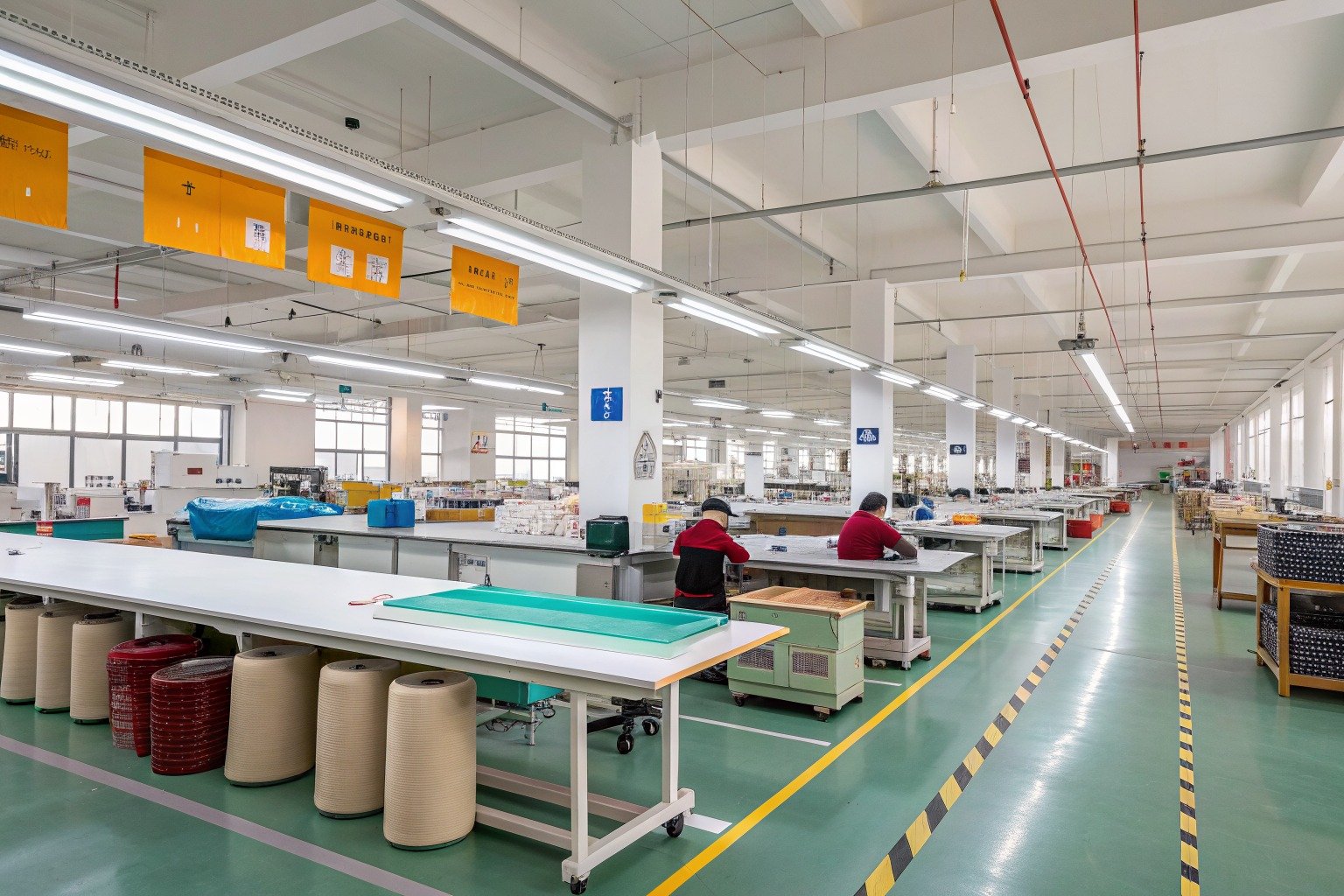
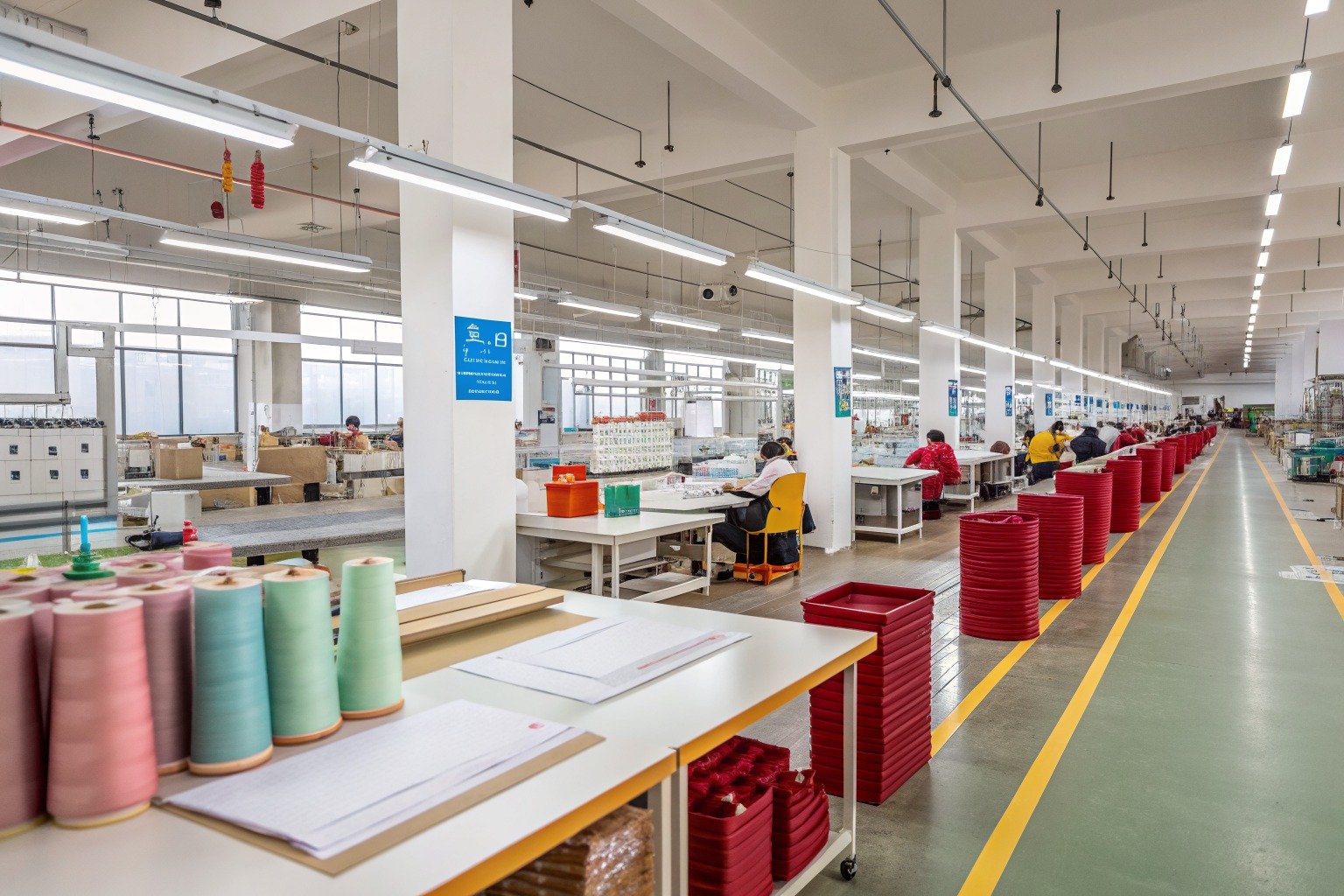
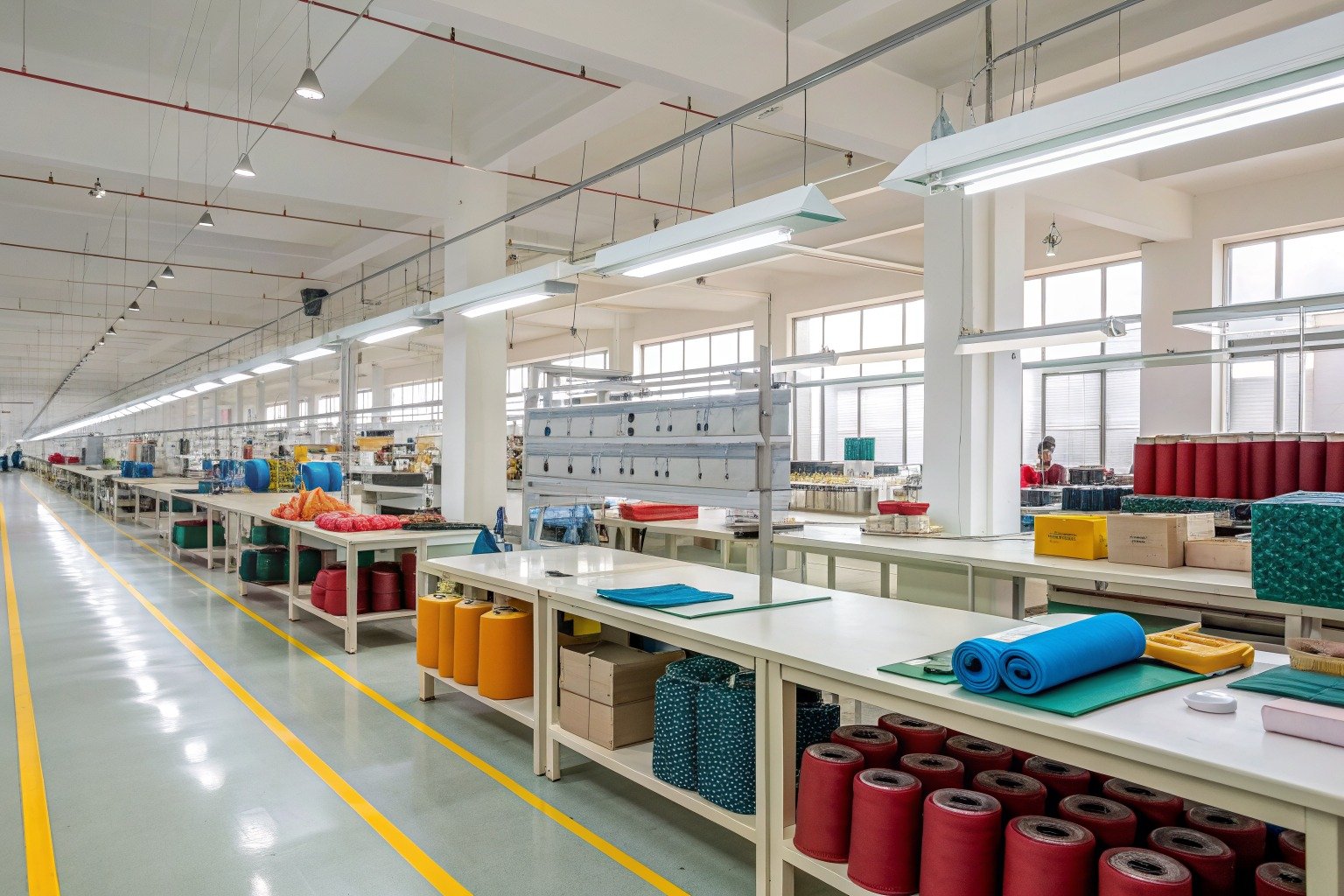
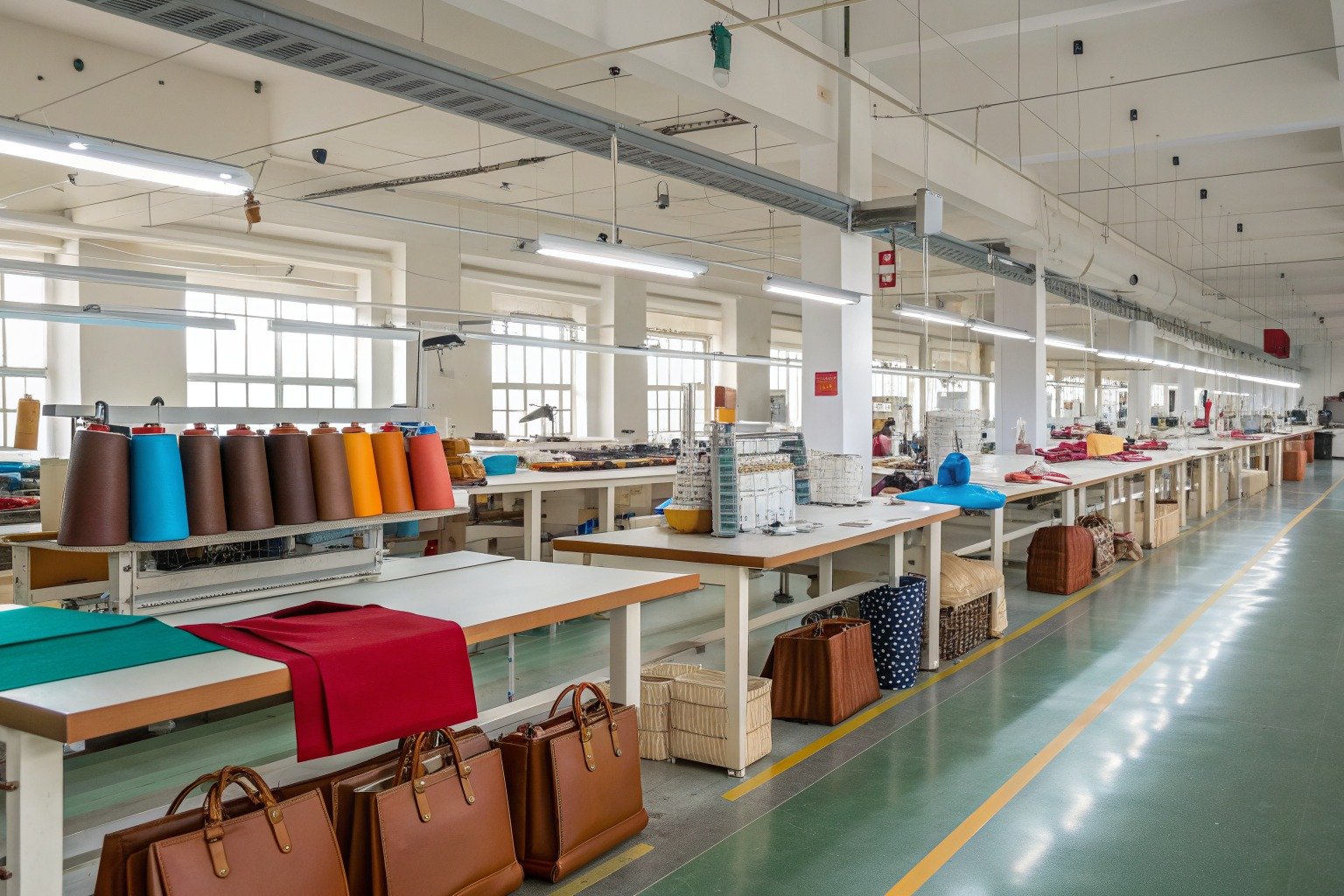
That is when I realized that sourcing for North America is not one market. It is many markets. Each with its own weather, its own style, and its own expectations. I am the owner of AceAccessory. Our factory in Zhejiang produces gloves for brands across the United States and Canada. I have learned what works and what does not. Let me share what I know about sourcing for the North American winter market.
What Are the Regional Differences in the North American Winter Market?
North America is vast. The climate varies dramatically from region to region. A glove that works in Minnesota will be too warm for Virginia. A glove that works in Oregon will not be waterproof enough for Quebec.
I have learned to ask my clients where their customers live. That determines everything.
What Do Customers in the Northeast and Midwest Need?
The Northeast and Midwest have harsh winters. Temperatures drop below freezing. Snow is heavy. Wind is strong. Customers in these regions need serious protection.
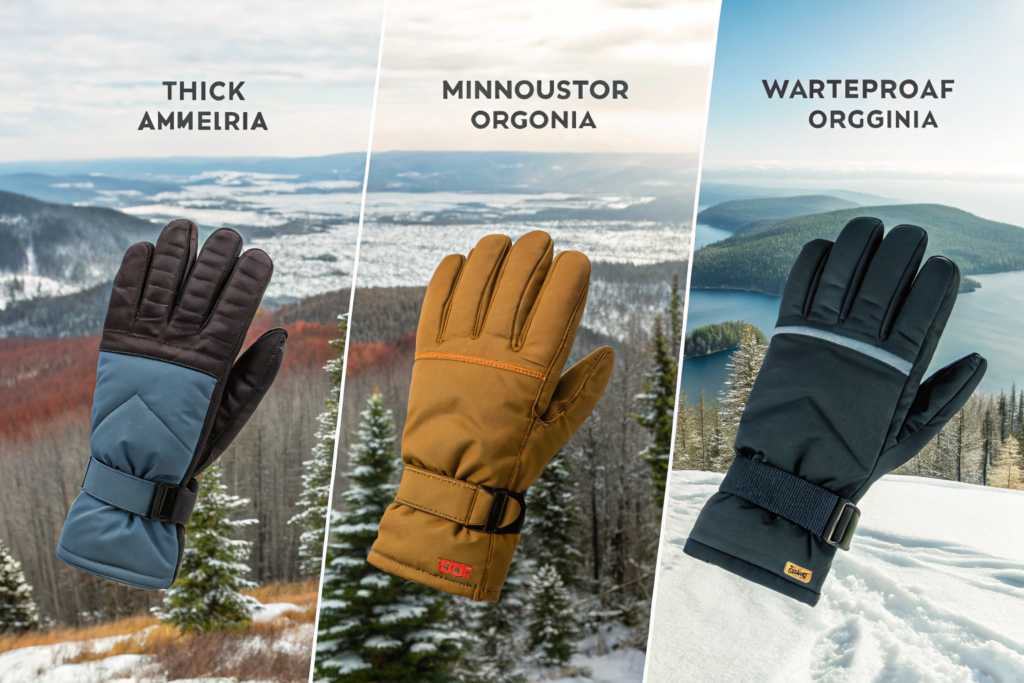
Warmth is the priority. Insulated gloves with thick linings. Materials like shearling, fleece, and heavy wool. The thermal-lined leather glove is a best seller in these markets. It looks good. It keeps hands warm.
Water resistance is also important. Snow melts on gloves. If the glove is not water-resistant, it becomes wet and cold. We use water-resistant leather and treated fabrics for these markets.
Durability matters. These gloves are used daily. They are shoved into pockets. They scrape against car doors. They need to hold up. We reinforce the seams and use stronger stitching for heavy-use gloves.
I had a client in Chicago who kept getting complaints about durability. The gloves were fine for occasional use. But Chicagoans wear gloves every day for four months. We switched to a heavier leather and reinforced the palm. The complaints stopped.
How Does the West Coast Market Differ?
The West Coast is different. Winters are milder. Rain is more common than snow. Customers want style as much as function.
In Seattle and Portland, water resistance is the key. The water-resistant knit glove is popular. It looks like a stylish knit. But it has a water-repellent treatment.
In California, winters are mild. Customers want fashion-first gloves. Lightweight leather. Touchscreen compatibility. Colors that match their coats. The touchscreen leather glove is a top seller in this region.
I remember a client from San Francisco. They wanted a glove that was warm enough for 40-degree weather but stylish enough for a night out. We made a thin cashmere-lined leather glove. It was perfect. They sold thousands.
Which Glove Styles Are Trending in North America for 2026?
Trends in gloves change every year. But there are patterns I have noticed. Certain styles consistently gain traction. Others fade away.
I watch what my clients order. I see what sells out. This is what I am seeing for 2026.
Are Touchscreen Gloves Still a Must-Have?
Touchscreen compatibility is no longer a feature. It is an expectation. Customers assume their gloves will work with their phones.
The technology has improved. The early touchscreen gloves had thick, noticeable patches on the fingers. The new ones are seamless. The conductive material is woven into the yarn. You cannot see it. But it works.
We use seamless touchscreen technology in all our knit gloves. It looks like a normal glove. But it works perfectly with any touchscreen.
For leather gloves, we use a different approach. The conductive material is applied to the leather surface. It is thin. It is durable. It does not change the look of the glove.
I had a client who resisted adding touchscreen compatibility. They thought it was a gimmick. Their customers started asking for it. They lost sales to competitors who had it. Now all their gloves are touchscreen compatible.
What Is the Appeal of Textured and Patterned Knits?
Plain knits are always popular. But textured and patterned knits are growing. Customers want something that stands out.
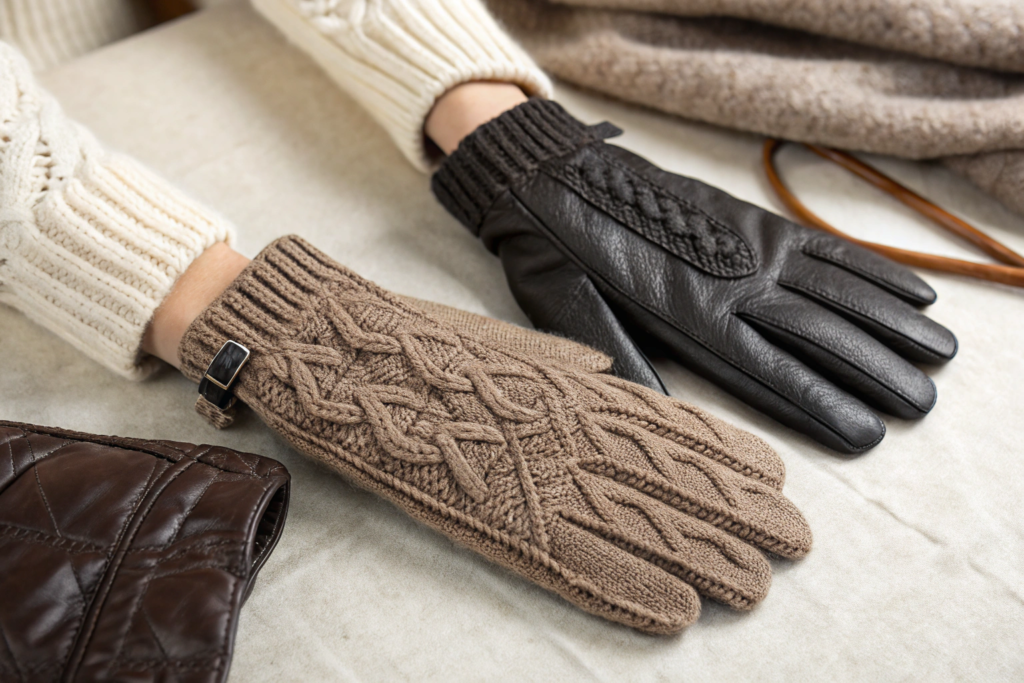
Cable knits are a classic. They have a traditional, cozy feel. They work with casual and smart-casual outfits. The cable knit glove is a consistent seller.
Fair Isle patterns are popular for holiday seasons. They have a festive, heritage look. They are often sold as gifts. We offer Fair Isle gloves in various color combinations.
Ribbed knits are also popular. They have a sleek, modern look. They fit close to the hand. They work well with slim-fit coats.
The key is to offer variety. A client might have plain knits as their core line. Then add textured and patterned options for customers who want something different.
How Do Materials and Construction Affect Performance and Price?
The material and construction of a glove determine everything. Warmth. Durability. Water resistance. Price. I have learned that you cannot compromise on materials if you want to succeed in the North American market.
What Are the Best Materials for Warmth?
For warmth, the best materials are natural fibers. Cashmere is the warmest. It is light. It is soft. It is expensive. We use pure cashmere for luxury lines.
Wool is the workhorse. Merino wool is soft enough for direct skin contact. It breathes. It wicks moisture. It is our most popular choice for everyday winter gloves.
Alpaca is a premium alternative. It is warmer than wool. It is softer than wool. It is hypoallergenic. We use alpaca blends for clients who want something special.
For linings, fleece is the standard. It is soft. It is warm. It is affordable. For premium lines, we use cashmere or shearling linings.
How Important Is Water Resistance for North American Gloves?
Water resistance is essential for many regions. But it adds cost. You have to balance the need for water protection against the price point.
Leather is naturally water-resistant. But it needs treatment to be fully waterproof. We use a water-resistant treatment that does not change the look or feel of the leather.
Knit gloves are not water-resistant by nature. We offer a water-repellent coating. It is invisible. It does not affect breathability. It makes the glove shed light rain and snow.
For heavy wet conditions, we offer waterproof gloves with a membrane layer. These are more expensive. But they keep hands dry in snow and slush.
I had a client who was selling in the Pacific Northwest. They initially chose a knit glove without water resistance. The gloves got wet. Customers complained. We switched to the water-repellent coating. The complaints stopped.
What Quality Control Standards Should You Expect from a Glove Supplier?
I have seen gloves that looked perfect in the sample but failed in the field. The stitching came undone. The lining separated. The color faded. The customer was unhappy.
Quality control is not optional. It is essential. And it starts before production begins.
How Should Raw Materials Be Tested?
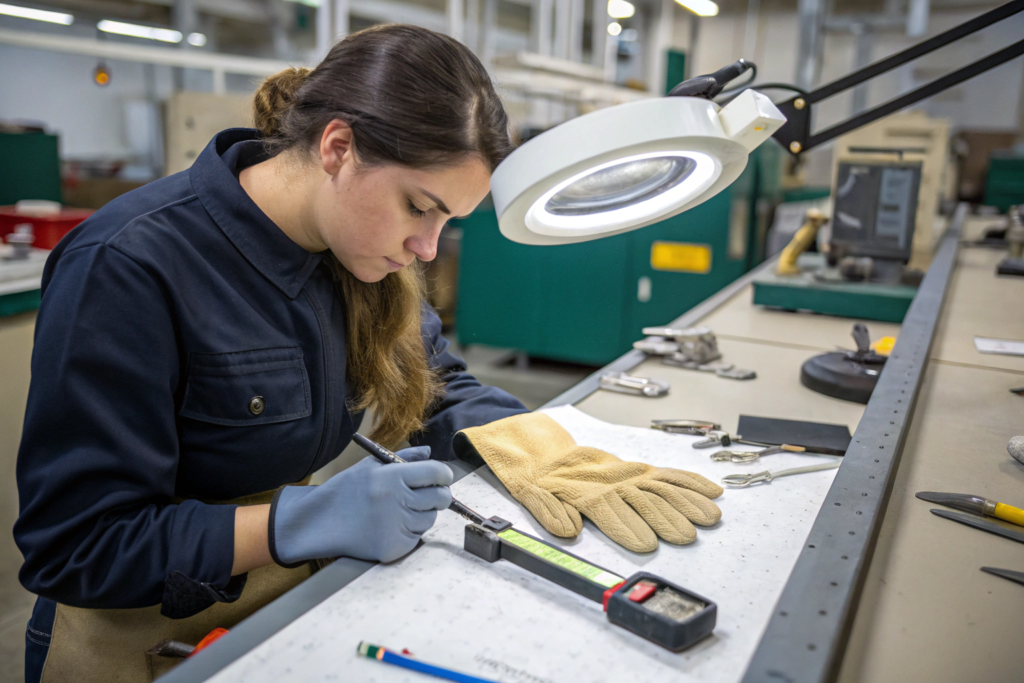
Every batch of material should be tested before it goes into production. We test everything.
Leather is tested for thickness, flexibility, and color fastness. We use a leather testing protocol that checks for defects. We reject any leather that does not meet the standard.
Fabrics are tested for shrinkage and color fastness. We wash test samples. We measure shrinkage. We check for bleeding.
Linings are tested for pilling and abrasion resistance. A glove lining that pills is uncomfortable. We use a Martindale tester to check pilling resistance.
I had a supplier who sent us a batch of leather that looked good. But when we tested it, the color was not fast. It would have rubbed off on the customer’s hands. We rejected the batch. The client never knew.
What Production Quality Checks Are Essential?
Quality checks during production catch problems before they become big issues.
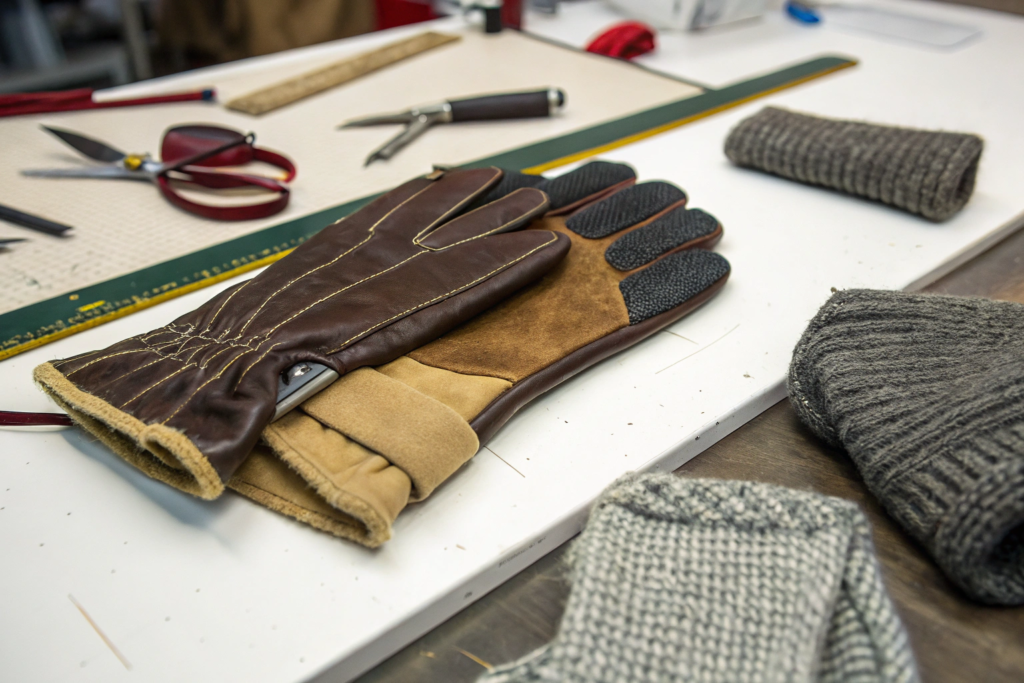
The first check is during cutting. The leather or fabric is checked for defects before it is cut. Any flawed material is removed.
The second check is during sewing. Operators check their own work. They look for skipped stitches or uneven seams.
The third check is after assembly. Each glove is inspected. The lining is checked. The stitching is checked. The fit is checked.
The fourth check is a random sampling. A percentage of the finished gloves are pulled for detailed inspection. They are measured. They are tested for warmth. They are checked for defects.
We provide a quality inspection report with every order. It shows the results of our checks. The client knows exactly what they are getting.
Conclusion
Sourcing trendy gloves for the North American winter market is not simple. You have to understand the regional differences. You have to know what styles are trending. You have to choose the right materials. And you have to ensure quality control.
The Northeast and Midwest need warmth and durability. The West Coast needs water resistance and style. Canada needs extreme warmth and long cuffs.
Touchscreen compatibility is now an expectation. Textured knits and colorful options are gaining ground. But neutral colors remain the foundation.
Materials matter. Cashmere is the luxury choice. Wool is the workhorse. Alpaca is the premium alternative. Fleece is the reliable lining.
Construction matters. Reinforced stitching. Secure linings. Proper fit. These details separate quality gloves from cheap ones. Quality control matters. Test the raw materials. Inspect during production. Test the finished gloves. Provide the reports.
At Shanghai Fumao, we have been serving the North American market for over a decade. We know the regions. We know the trends. We know the materials. We know the quality standards.
If you are sourcing gloves for the North American winter market, I invite you to work with us. Let us help you choose the right styles for your region. Let us make samples. Let us test together. Contact our Business Director, Elaine. She will walk you through our glove collections and help you build the perfect line for your customers. Her email is: elaine@fumaoclothing.com.