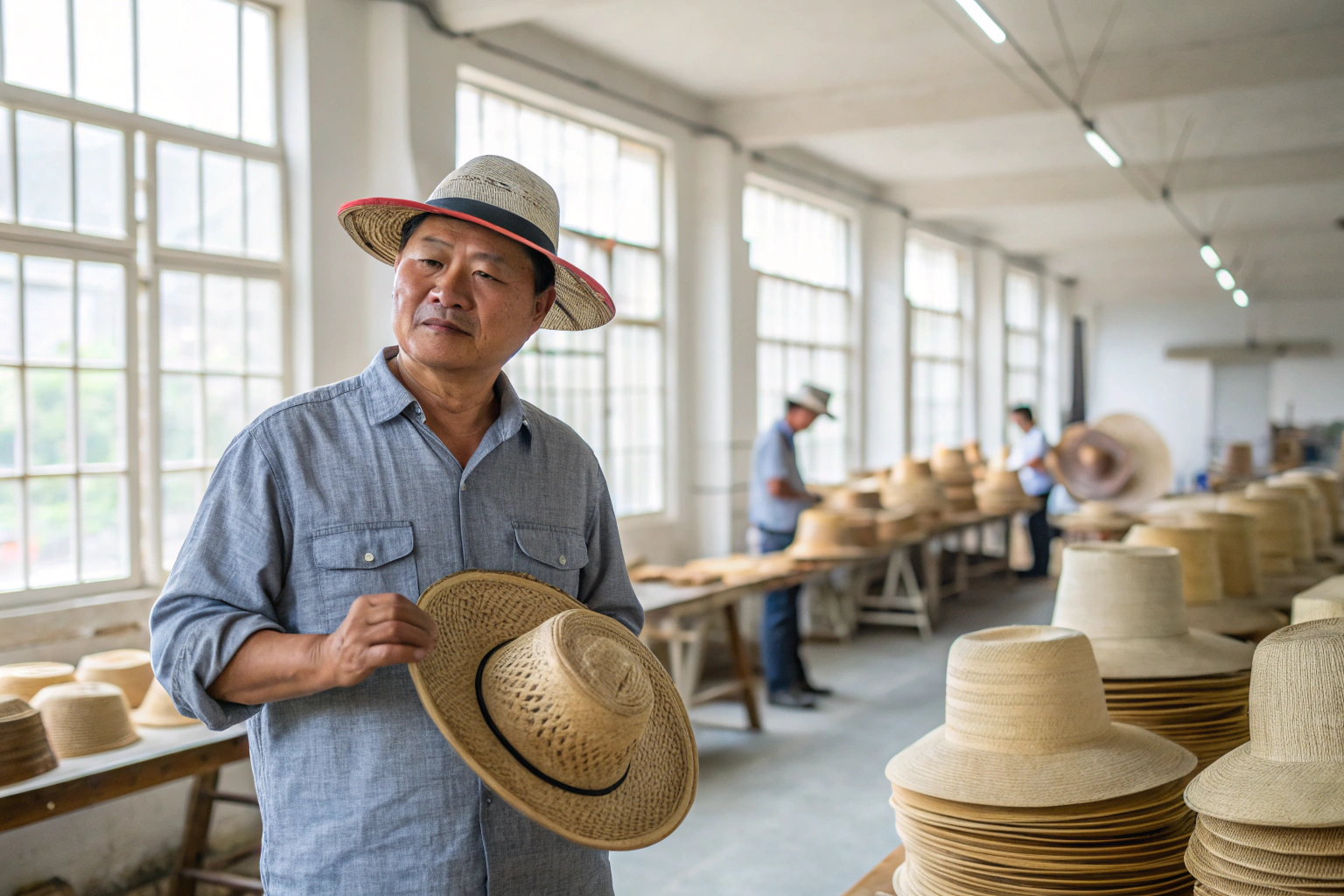
I remember the first time a major European client asked me about jute hats. This was about ten years ago. They wanted a sustainable, natural alternative to the synthetic summer hats that were everywhere. I thought it would be simple. Jute is just a plant fiber, right? How hard could it be? I quickly learned that jute is a material with a personality of its own. It can be rough or soft. It can be brittle or surprisingly durable. It can be a beautiful, eco-friendly masterpiece or a scratchy, falling-apart mess. The difference lies in knowing exactly how to source it.
Sourcing eco-friendly and durable jute hats requires a deep understanding of the raw material, the processing methods, and the manufacturing techniques. You must start with high-quality, long-fiber jute, preferably certified organic. The processing must be done with eco-friendly methods, avoiding toxic dyes and harsh chemicals. The weaving must be tight and consistent to ensure durability. And the finishing, including washing and softening, must be done correctly to create a hat that is both comfortable for the wearer and kind to the planet. It is a journey that requires a knowledgeable and ethical partner.
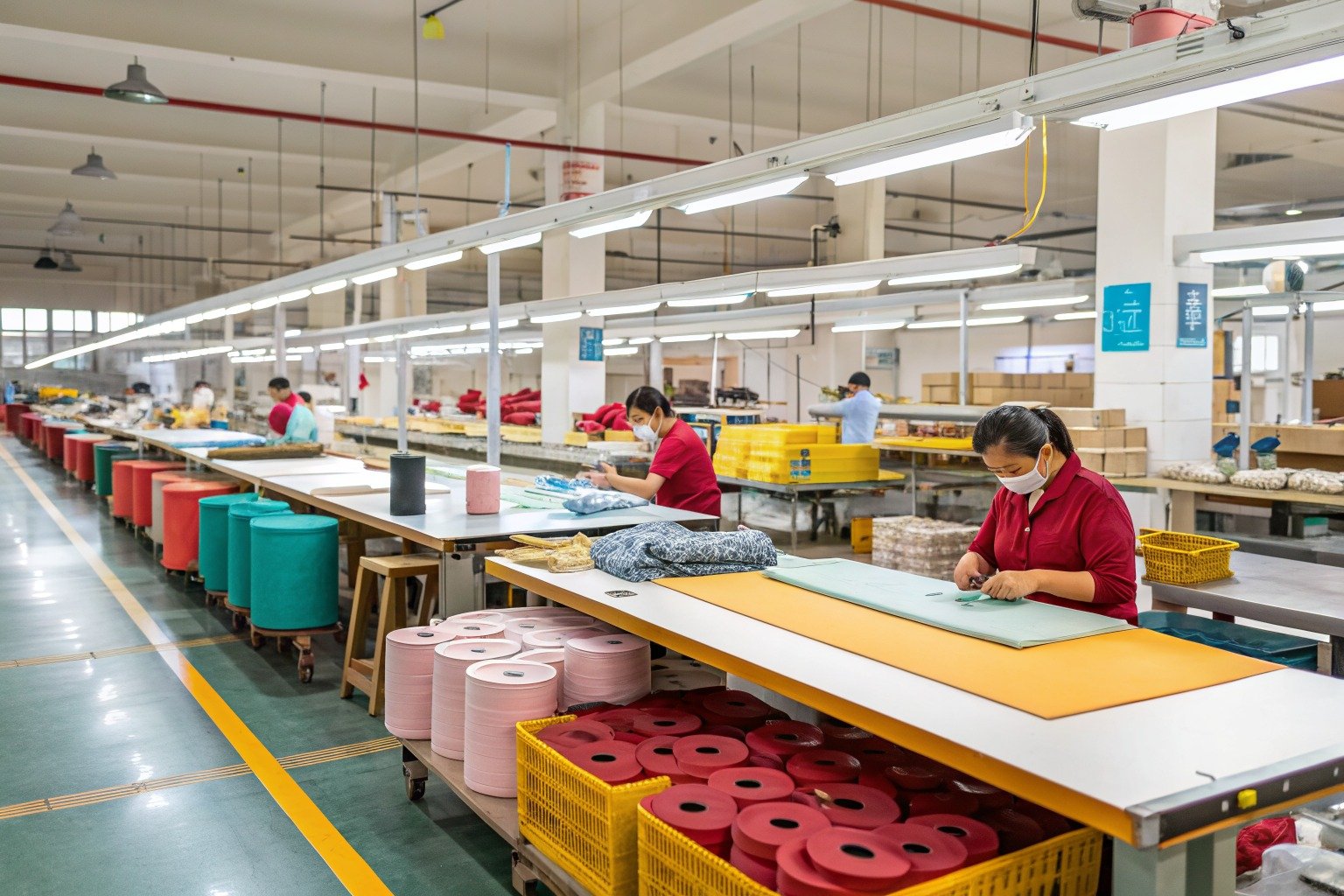
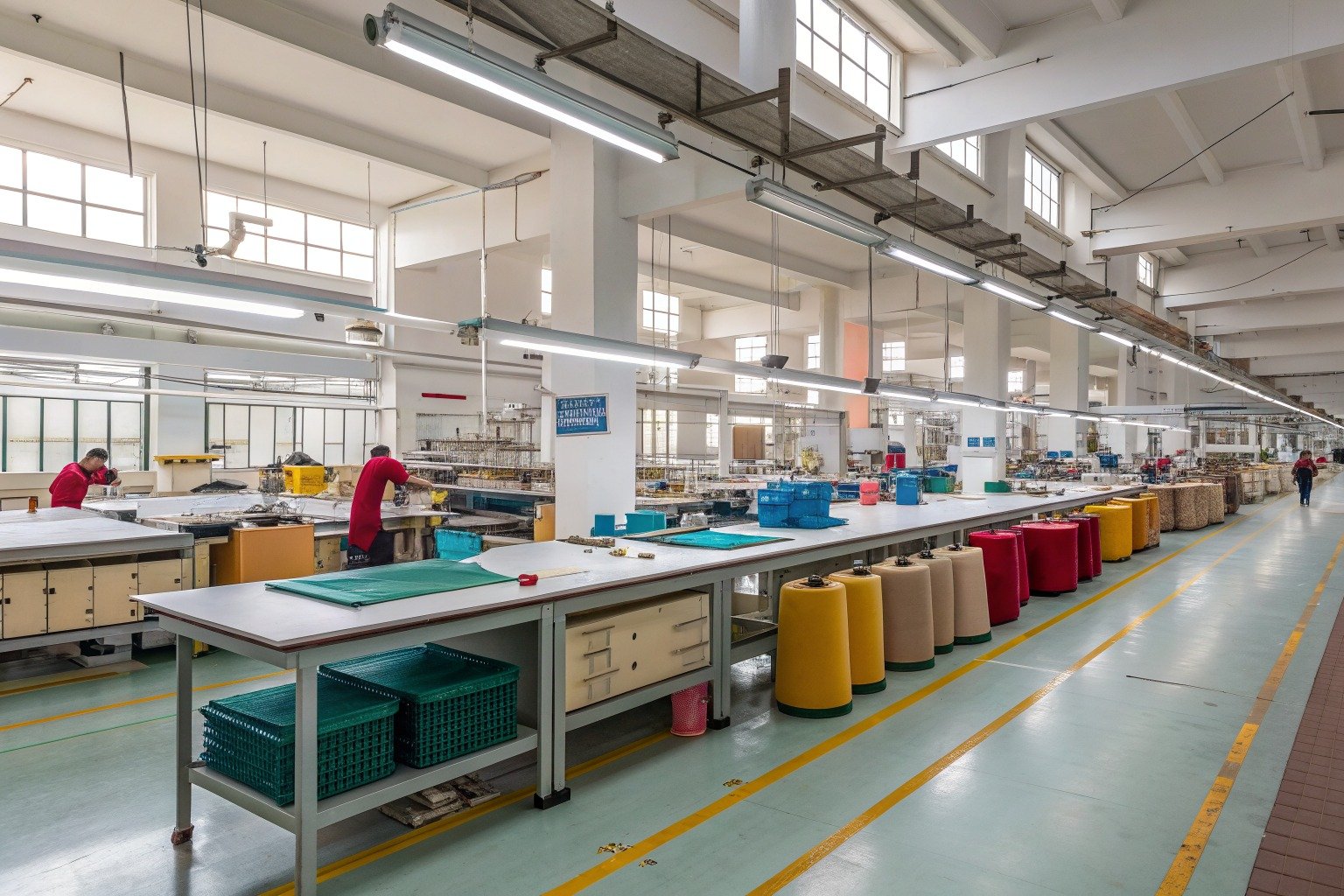
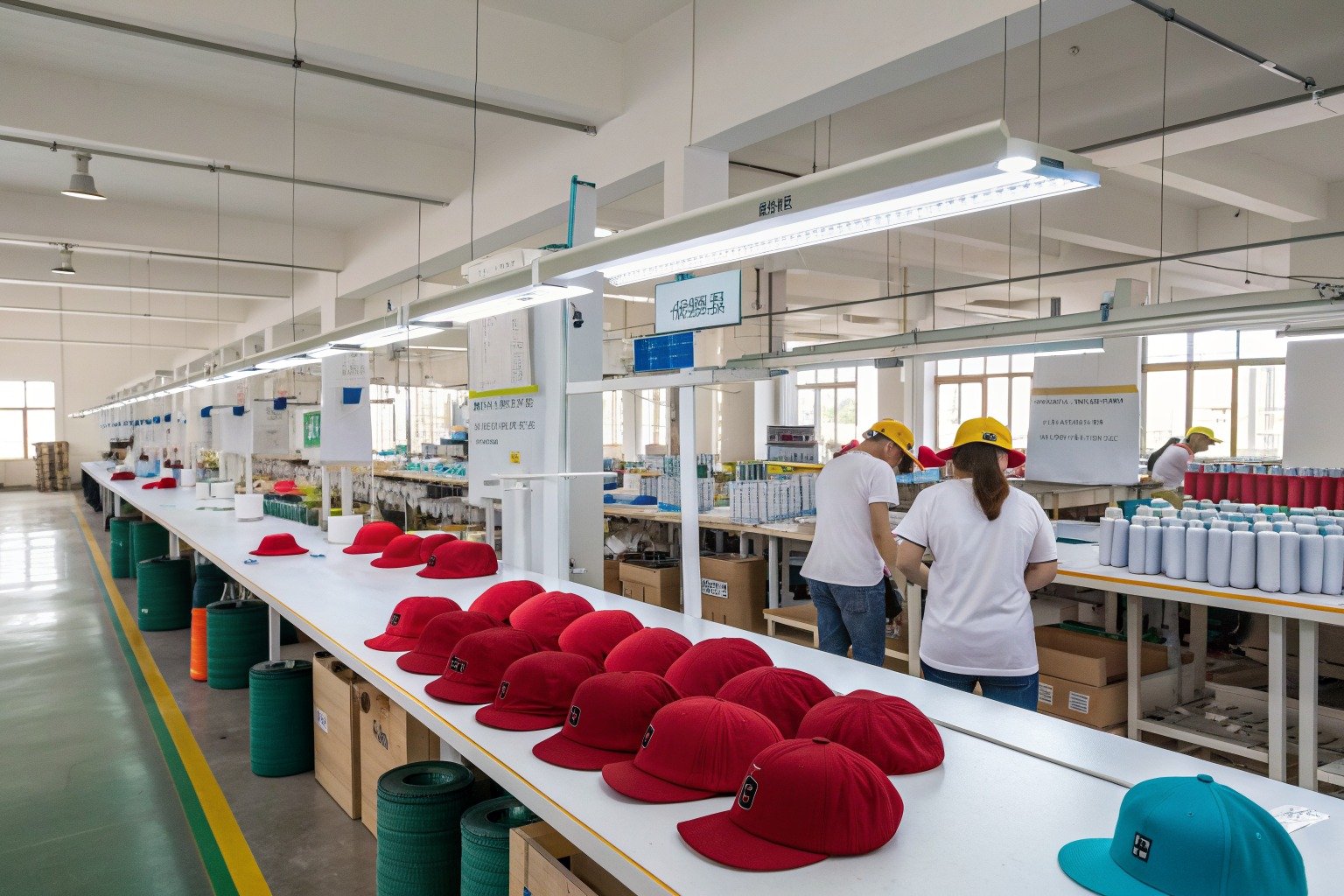
At Shanghai Fumao Clothing, we have taken this journey. We have visited jute-growing regions. We have worked with mills to develop eco-friendly processing. We have trained our artisans in the specific techniques needed to weave jute into beautiful, long-lasting hats. We have learned that true sustainability is not just a marketing claim. It is a commitment that runs from the seed in the ground to the finished product on a customer’s head. Let me share what we have learned so you can source jute hats with confidence.
What Makes Jute An Eco-Friendly Choice For Hats?
Before we talk about sourcing, we should understand why jute is so highly valued in the first place. In a world full of synthetic materials derived from petroleum, jute stands out as a gift from nature. But not all jute is created equal, and its eco-friendly credentials depend on how it is grown and processed.
Jute is one of the most eco-friendly fibers available for hat making for several reasons. It is a natural, renewable plant fiber that grows quickly with minimal need for pesticides or fertilizers. It absorbs large amounts of carbon dioxide during its growth, helping to clean the air. The entire plant is biodegradable and compostable at the end of its life. However, the "eco-friendly" label only holds true if the jute is grown organically and processed without harmful chemicals. Conventional jute processing can involve toxic dyes and treatments. True eco-friendly jute hats come from a supply chain that prioritizes sustainability at every step, from organic farming to low-impact finishing.
Let me paint a picture of the ideal jute supply chain. The jute is grown in the rich alluvial soil of the Ganges Delta, primarily in Bangladesh and India. It is a rain-fed crop, meaning it relies on natural rainfall, not irrigation. It grows to maturity in about four months, a very fast cycle. During this time, it pulls carbon dioxide from the atmosphere. After harvesting, the stems are retted, a process where they are soaked in water to separate the fibers. Traditional retting can pollute water, but eco-friendly methods use controlled, clean water systems. The fibers are then stripped, washed, and dried in the sun. No fossil fuels are used. They are then spun into yarn, again often using traditional, low-energy methods. Only at this point does the jute arrive at a factory like ours, ready to be woven into a hat. Every step in this chain must be monitored for sustainability.
Is All Jute Naturally Organic?
No, this is a common misconception. Jute is a natural fiber, but "natural" does not automatically mean "organic." Conventionally grown jute can still be treated with pesticides and chemical fertilizers. "Organic" jute is certified to be grown without these synthetic inputs. The certification, often from bodies like Control Union or Ecocert, verifies that the farming practices meet strict organic standards. This certification is crucial for brands that want to make legitimate organic claims. For a truly eco-friendly hat, you should look for jute that is certified organic. The premium in price is usually small, but the benefit to the planet and the credibility of your brand is huge.
How Does Jute Compare To Cotton In Terms Of Sustainability?
Both are natural fibers, but jute has some significant advantages over cotton. Cotton is a very thirsty crop, requiring large amounts of water. Jute is primarily rain-fed. Cotton farming often uses significant amounts of pesticides, earning it a reputation as one of the most chemical-intensive crops. Jute is naturally pest-resistant and requires far fewer chemicals. In terms of land use, jute also produces a higher yield of fiber per hectare than cotton. For all these reasons, jute is often considered one of the most sustainable textile fibers available. It is a fantastic choice for eco-conscious brands looking to reduce their environmental footprint.
How Can You Assess The Quality And Durability Of Jute Fiber?
Not all jute is created equal. Just as there is a huge difference between cheap, scratchy wool and luxurious merino, there is a similar range in jute. The quality of the raw fiber determines the quality of the final hat. If you start with poor fiber, no amount of skilled weaving will save the product.
The quality and durability of jute fiber are determined by three main factors: fiber length, fiber strength, and the processing method. Long fibers are essential for creating strong, smooth yarn. Short fibers lead to a fuzzy, weak yarn that pills and breaks easily. The fiber strength is determined by the growing conditions and the retting process. Over-retting can weaken the fiber. Finally, the processing, including how the fibers are carded and spun, affects the final yarn’s consistency. High-quality jute yarn is uniform in thickness, strong, and has a natural luster. This yarn will weave into a hat that holds its shape, resists fraying, and feels pleasant to the touch.
In our experience, the difference becomes obvious the moment you handle the fabric. Low-quality jute feels harsh and prickly. It has a lot of loose fibers sticking out, which is called "hairiness." When you bend it, you can hear a slight crackling sound, indicating brittleness. High-quality jute, on the other hand, feels much smoother. It has a natural sheen. It bends easily without cracking. It feels strong and supple in your hands. This quality translates directly into the hat. A hat made from good jute will hold its shape after being packed in a suitcase. It will resist fraying at the edges. It will feel comfortable against the forehead, not scratchy. This is why we are so selective about our jute suppliers.
What Is The Difference Between Tossa And White Jute?
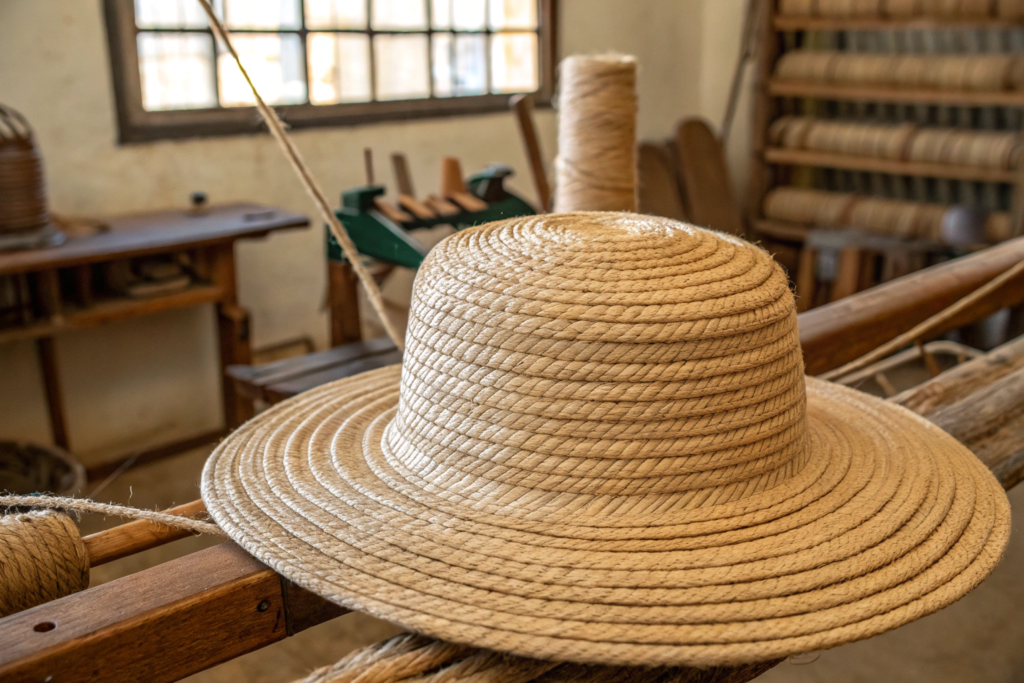
There are two main types of jute: Tossa and White. Tossa jute is generally considered higher quality. It has a longer, finer, and stronger fiber. It has a natural golden-brown color and a silky luster. It is more flexible and less brittle than White jute. White jute has a shorter, coarser fiber. It is often lighter in color, sometimes almost white, but it is not as strong or as soft. For hats, Tossa jute is almost always the preferred choice. Its superior strength and softness make for a more durable and comfortable hat. The slight extra cost is well worth it for the improvement in quality. When you are sourcing, always ask your supplier which type of jute they are using. A reputable supplier will be able to tell you.
How Does The Retting Process Affect The Final Hat?
Retting is the process of separating the fibers from the woody stalk of the jute plant. The stalks are bundled and soaked in water for a period, usually 10 to 20 days. Bacteria in the water break down the pectin that holds the fibers together. This is a critical step. If the retting is too short, the fibers will be difficult to separate and will be coarse. If it is too long (over-retting), the bacteria will start to damage the fibers themselves, weakening them. The result is a weaker, less durable yarn. The quality of the water also matters. Retting in clean, flowing water is best. Retting in stagnant, polluted water can contaminate the fibers. The skill of the retter is a huge factor in the final quality of the jute. We work with suppliers who have generations of experience in getting this process exactly right.
What Are The Key Manufacturing Techniques For Durable Jute Hats?
You have the perfect jute fiber. It is long, strong, and beautifully processed. Now, the real work begins. Turning that fiber into a hat that will hold its shape, resist wear, and look great requires specific manufacturing skills. Jute is not like cotton or polyester. It has its own unique properties that must be respected.
The key manufacturing techniques for durable jute hats are weaving, blocking, and finishing. The weave must be tight and consistent to create a strong fabric. Loose weaving will result in a hat that stretches and loses its shape. Blocking is the process of shaping the woven fabric over a wooden or metal hat form. This sets the shape and gives the hat its structure. Finally, finishing treatments, such as steaming and softening, are essential. Steaming relaxes the fibers and sets the shape permanently. Softening treatments, often using natural emollients, make the jute more pliable and comfortable against the skin, reducing that initial scratchiness.
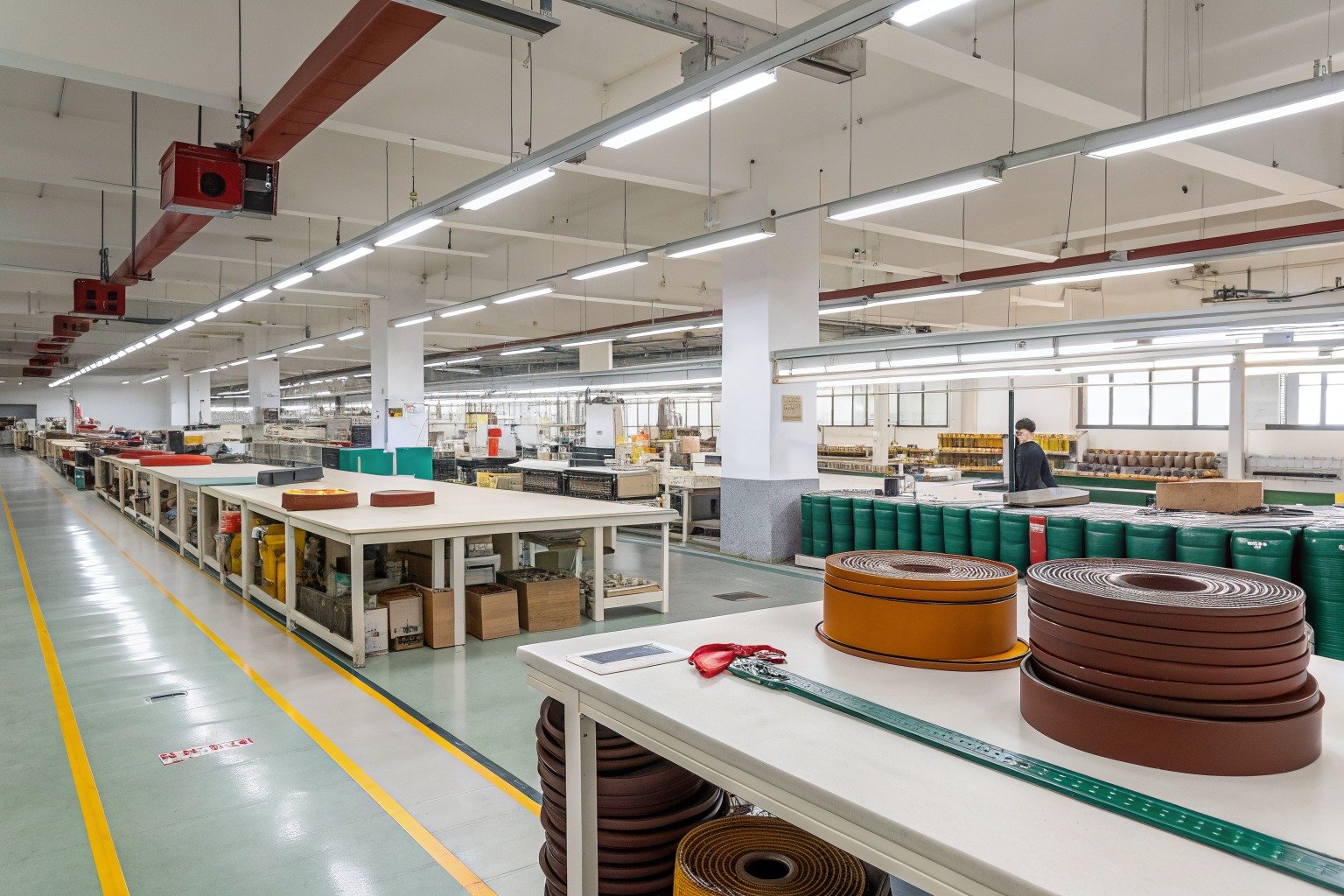
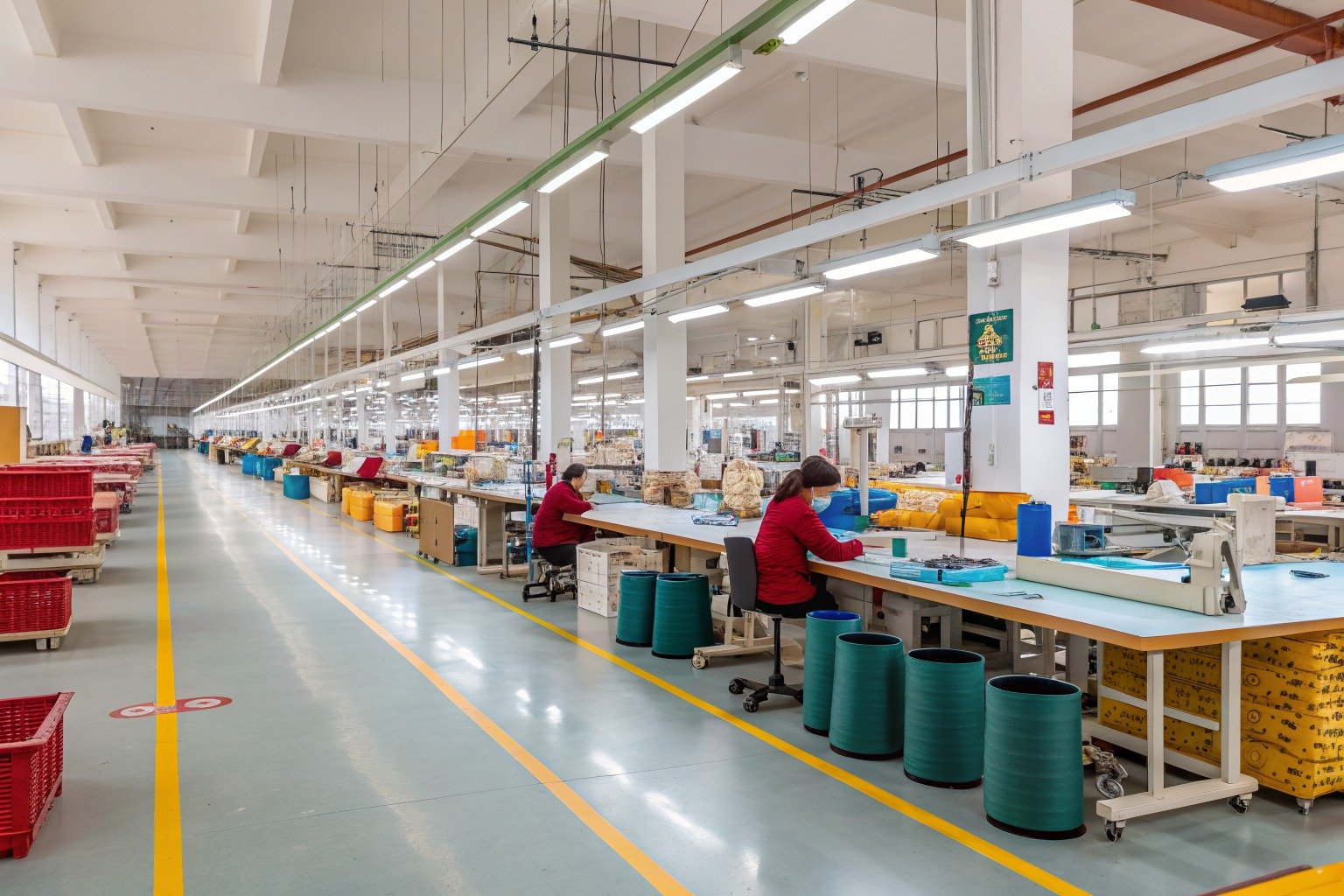
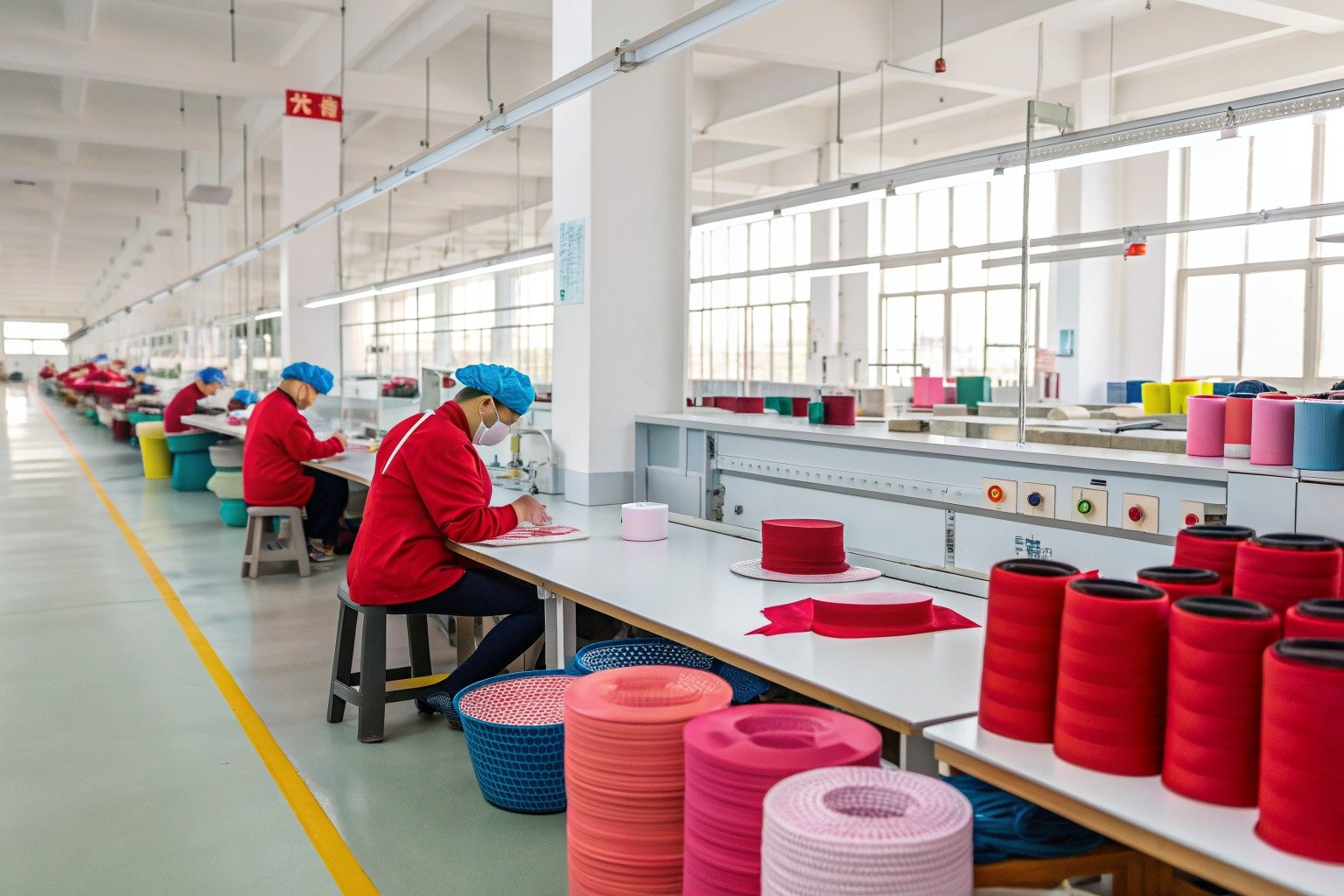
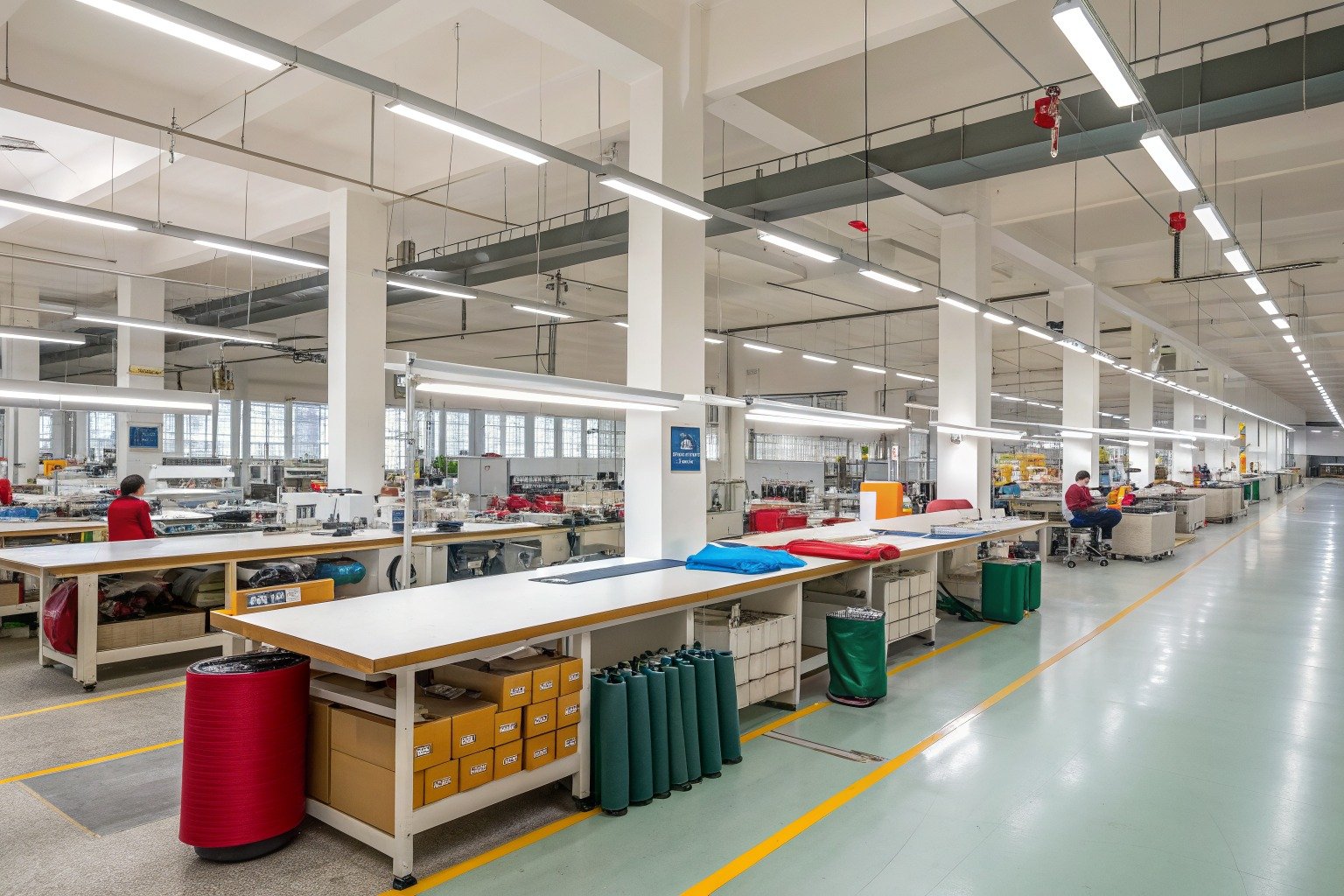
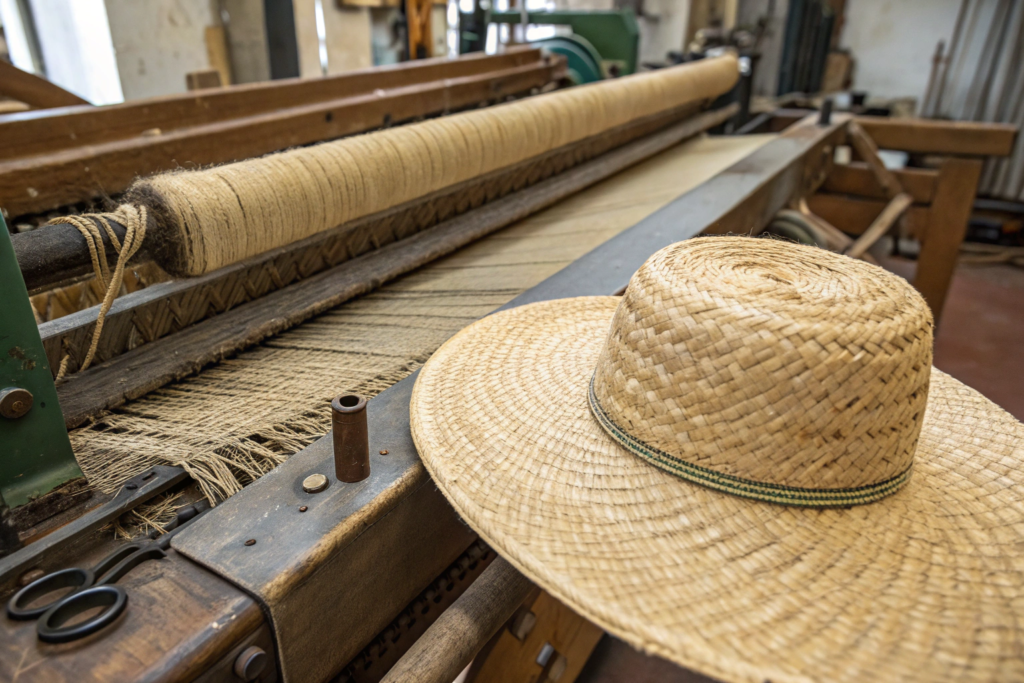
At our factory, we have a team of artisans who specialize in jute. They understand that jute fibers are not as elastic as cotton. They must be woven with a consistent tension. Too tight, and the fabric will be stiff and prone to cracking. Too loose, and it will be floppy and shapeless. They have learned the perfect balance over years of practice. The blocking stage is where the hat truly takes shape. The woven jute "hood" is dampened and then stretched over a precisely shaped wooden block. It is left to dry completely. This process molds the fibers to the desired shape, creating the crown and brim. This is what gives a jute hat its structure and its ability to hold that shape for years. It is a slow, skilled process that cannot be rushed.
Why Is A Tight, Consistent Weave Critical For Hat Longevity?
Think of the weave as the skeleton of the hat. A tight, consistent weave means that each jute strand is held firmly in place by its neighbors. This creates a stable fabric that resists distortion. When you put the hat on and take it off, or when it is packed in a suitcase, the forces are distributed evenly across the fabric. A loose weave allows the strands to shift and slide. Over time, this leads to stretching, sagging, and a loss of shape. A tight weave also makes the hat more resistant to fraying at the edges. It is the foundation of durability. When you look at a jute hat, hold it up to the light. Can you see large gaps between the strands? If yes, it is likely a lower-quality, less durable hat. A good hat will have a dense, uniform appearance.
How Does Steaming Help Set The Shape Of A Jute Hat?
Jute, like many natural fibers, has a degree of plasticity when it is wet and heated. Steaming exploits this property. After the hat is shaped on the block, we apply steam. The combination of moisture and heat relaxes the internal stresses in the fibers and allows them to conform to the new shape. As the hat cools and dries, the fibers set in this new configuration. This is what makes the shape permanent. A hat that has been properly steamed and dried will hold its shape even after being crushed and then released. It will spring back. A hat that has not been properly set will be much more likely to lose its shape permanently. This steaming and blocking process is a hallmark of quality hat making, whether for felt, straw, or jute.
What Eco-Friendly Finishes Can Improve Comfort And Durability?
Raw jute, even high-quality jute, can be a bit stiff and scratchy. It is a plant fiber, after all. To turn it into a comfortable, wearable hat, it needs finishing. But in an eco-friendly product, we cannot use harsh chemical softeners or synthetic coatings. We have to find natural, sustainable ways to achieve the same result.
Eco-friendly finishes for jute hats focus on natural softening agents and non-toxic treatments. One common method is a gentle wash with natural, plant-based soaps. This removes any residual impurities and starts to soften the fibers. Another is the application of natural emollients, such as aloe vera or plant-based oils, which condition the fibers and make them more supple. For color, we use low-impact or natural dyes derived from plants and minerals. These finishes are biodegradable and safe for both the workers who apply them and the end consumer. They enhance the comfort of the hat without compromising its eco-friendly credentials.
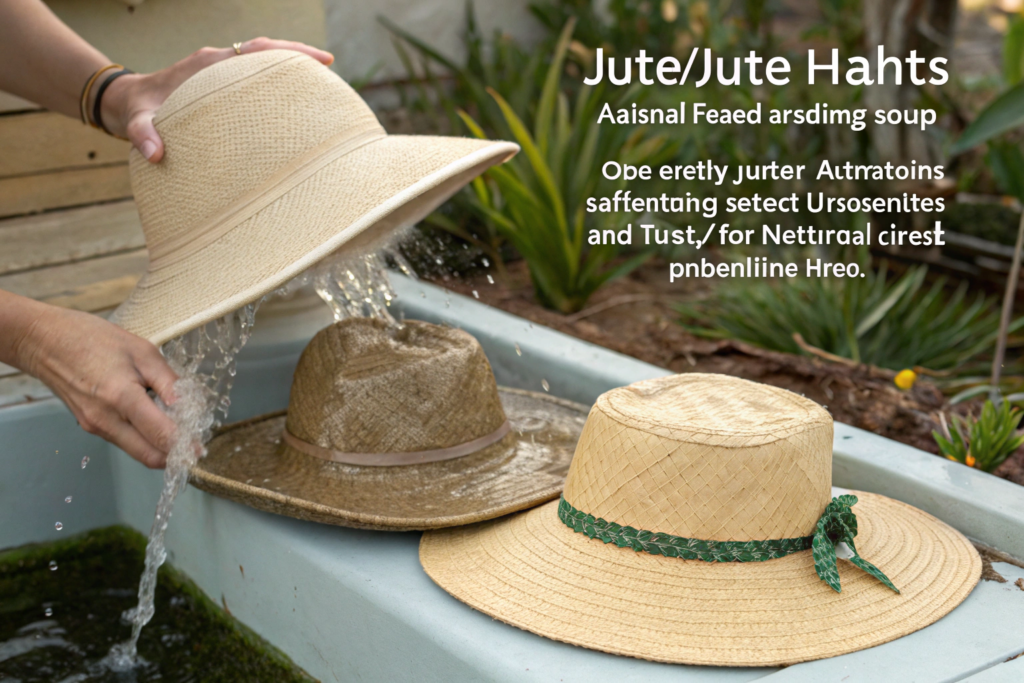
We have experimented with many different finishing methods. A simple wash in warm water with a mild, biodegradable soap can make a surprising difference. It removes the "sizing" and any dust from the weaving process. After washing, the jute feels noticeably softer. For an even softer feel, we sometimes use a light treatment with aloe vera. It is a natural humectant and emollient. It coats the fibers, making them feel smoother against the skin without leaving any residue that could be harmful. For colored jute hats, the choice of dye is critical. We use only low-impact or natural dyes. These dyes have a much lower environmental footprint than conventional synthetic dyes, requiring less water and producing less toxic waste. They are also certified to Oeko-Tex or GOTS standards, ensuring they are safe for the wearer.
What Are Low-Impact Dyes And Why Are They Better?
Low-impact dyes are a class of synthetic dyes that are designed to have a reduced environmental impact compared to conventional dyes. They have a high absorption rate, meaning more of the dye bonds with the fabric and less is washed away as polluted wastewater. They are free from heavy metals and other toxic substances. They require less water and energy in the dyeing process. While they are not natural dyes, they are a much more responsible choice than conventional dyes. For a product like a jute hat, which is often marketed on its eco-friendly nature, using low-impact dyes is essential to maintaining credibility. We always specify this to our dyeing partners and require documentation to prove it.
Can Natural Oils Be Used To Soften Jute Without Causing Stains?
Yes, but it requires careful selection and application. Not all oils are suitable. We have found that certain plant-based oils, like a refined coconut oil or a specially formulated jojoba oil, can be very effective. They are applied in a very fine mist or in a diluted emulsion. The key is to use a small amount and to ensure it is evenly distributed. Too much oil can make the hat feel greasy and can attract dust. It can also potentially stain if not properly applied. The oil is absorbed into the fibers, making them more flexible and less likely to crack. This treatment also adds a very slight water resistance. We have perfected this process over time to ensure a soft, comfortable feel without any of the downsides. It is a natural solution to a natural problem.
How Can You Verify The Eco-Friendly Claims Of A Jute Hat Supplier?
This is the most important part. In today’s market, "eco-friendly" is a powerful marketing term. Unfortunately, it is also a term that is often misused and overused. Greenwashing is a real problem. As a buyer, you need to be able to separate the genuinely sustainable suppliers from those who are just using the label. This requires asking the right questions and looking for proof.
Verifying a supplier’s eco-friendly claims requires a combination of certification, documentation, and direct questioning. Look for third-party certifications like GOTS (Global Organic Textile Standard) for organic fibers and Oeko-Tex for safe, non-toxic products. Ask for documentation of their dyeing and finishing processes. Inquire about their water treatment and waste management. A truly eco-friendly supplier will be transparent and proud to share this information. They will have clear policies and be able to trace their materials back to the source. If a supplier is vague or unwilling to provide details, it is a major red flag. Your commitment to sustainability must be matched by your partners.
At Shanghai Fumao Clothing, we have built our reputation on this kind of transparency. We can show our clients the certifications for the jute we use. We can introduce them to our suppliers (or at least provide detailed profiles). We can explain our water treatment process. We can provide material safety data sheets for all our finishes. We do this because we believe that trust is built on openness. When you are sourcing, do not be afraid to be demanding. Ask for evidence. A good supplier will see these questions as a sign that you are a serious, informed buyer. A bad supplier will see them as an annoyance. This is your best defense against greenwashing.

What Is GOTS Certification And Why Does It Matter?
GOTS, or the Global Organic Textile Standard, is the worldwide leading standard for organic textiles. It covers the entire supply chain, from the harvesting of the raw materials to the final labeling of the product. For a jute hat to be GOTS certified, the jute must be certified organic. But it goes further. It also requires that all chemical inputs, such as dyes and finishes, meet strict environmental and toxicological criteria. It sets standards for wastewater treatment in processing facilities. It even includes social criteria, requiring safe and fair working conditions. A GOTS label is the most credible proof that a textile product is genuinely organic and produced responsibly. If you are serious about sustainability, GOTS certification is the gold standard you should look for.
What Questions Should You Ask A Supplier About Their Jute Sourcing?
Here is a checklist of questions we recommend you ask any potential jute hat supplier:
- Where is your jute grown? (Bangladesh and India are the primary regions).
- Do you use Tossa or White jute? (Tossa is higher quality).
- Is your jute certified organic? If yes, ask for the certification and the issuing body.
- How is the jute processed? Ask about retting, spinning, and any chemical treatments.
- What dyes and finishes do you use? Ask for certifications like Oeko-Tex or proof of low-impact dyes.
- Can you provide a factory audit or social compliance report? This shows they care about workers.
- Do you have a sample of the raw jute fiber I can see and feel? This lets you assess quality firsthand.
Getting clear, confident answers to these questions from a partner like Shanghai Fumao Clothing will give you confidence that their eco-friendly claims are real and that the hats you source will be both sustainable and durable.
Conclusion
For a buyer like Ron, or any brand looking to meet the growing consumer demand for sustainable products, jute hats are a fantastic opportunity. They are natural, renewable, biodegradable, and inherently stylish. But sourcing them correctly requires knowledge and diligence. You must understand the difference between high-quality and low-quality fiber. You must appreciate the skilled craftsmanship required to weave and shape a durable hat. And you must be relentless in verifying the eco-friendly claims of your supplier. It is a journey, but the destination—a beautiful, sustainable product you can be proud of—is well worth it.
At Shanghai Fumao Clothing, we have dedicated ourselves to this journey. We have built relationships with ethical jute growers. We have trained our artisans in the traditional and modern techniques needed to create exceptional hats. And we have committed to transparency and certification at every step. We are proud to offer our clients jute hats that are as good for the planet as they are for the people who wear them.
If you are ready to add eco-friendly, durable jute hats to your collection, I would love to hear from you. Let’s discuss your vision and how we can bring it to life with the highest standards of quality and sustainability. Please contact our Business Director, Elaine, at elaine@fumaoclothing.com to start the conversation.