I still remember the first time I saw a color-changing fabric at a trade show in Paris over a decade ago. It was clunky, the color shift was slow, and the materials felt cheap. But the concept? It was magical. Fast forward to today, and the technology has completely transformed. As someone who has spent years in this industry, watching materials science evolve, I can tell you that temperature-responsive accessories are no longer a gimmick. They are becoming a legitimate, exciting category in fashion.
The latest innovations in temperature-responsive color-changing accessories are driven by advancements in microencapsulated thermochromic dyes, sustainable material integration, and digital design precision. These technologies now allow for faster color transitions, more vibrant and diverse color palettes, and application on a wider range of fabrics and materials, from delicate hair scrunchies to structured baseball caps, all while becoming safer and more durable for everyday wear.
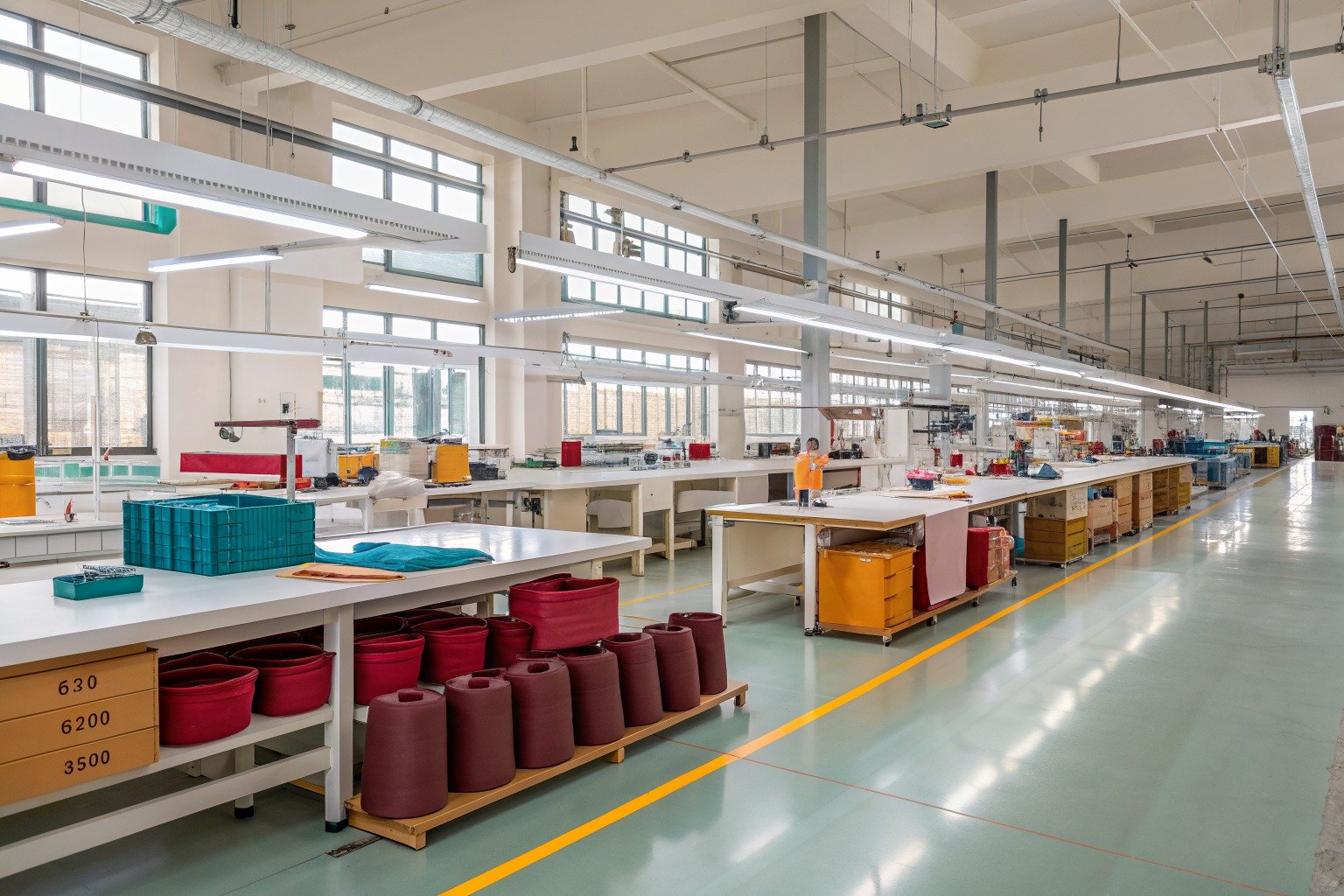
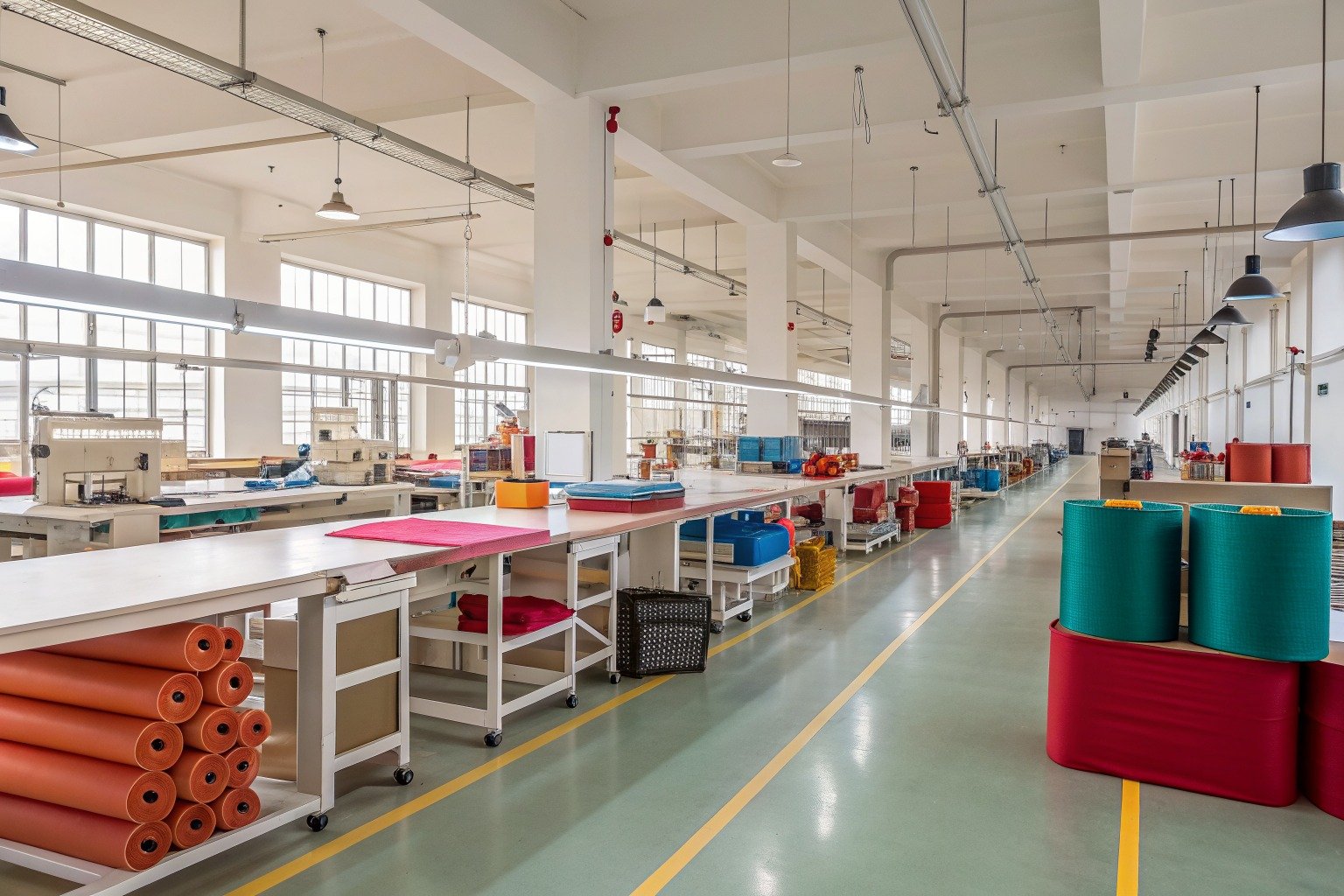
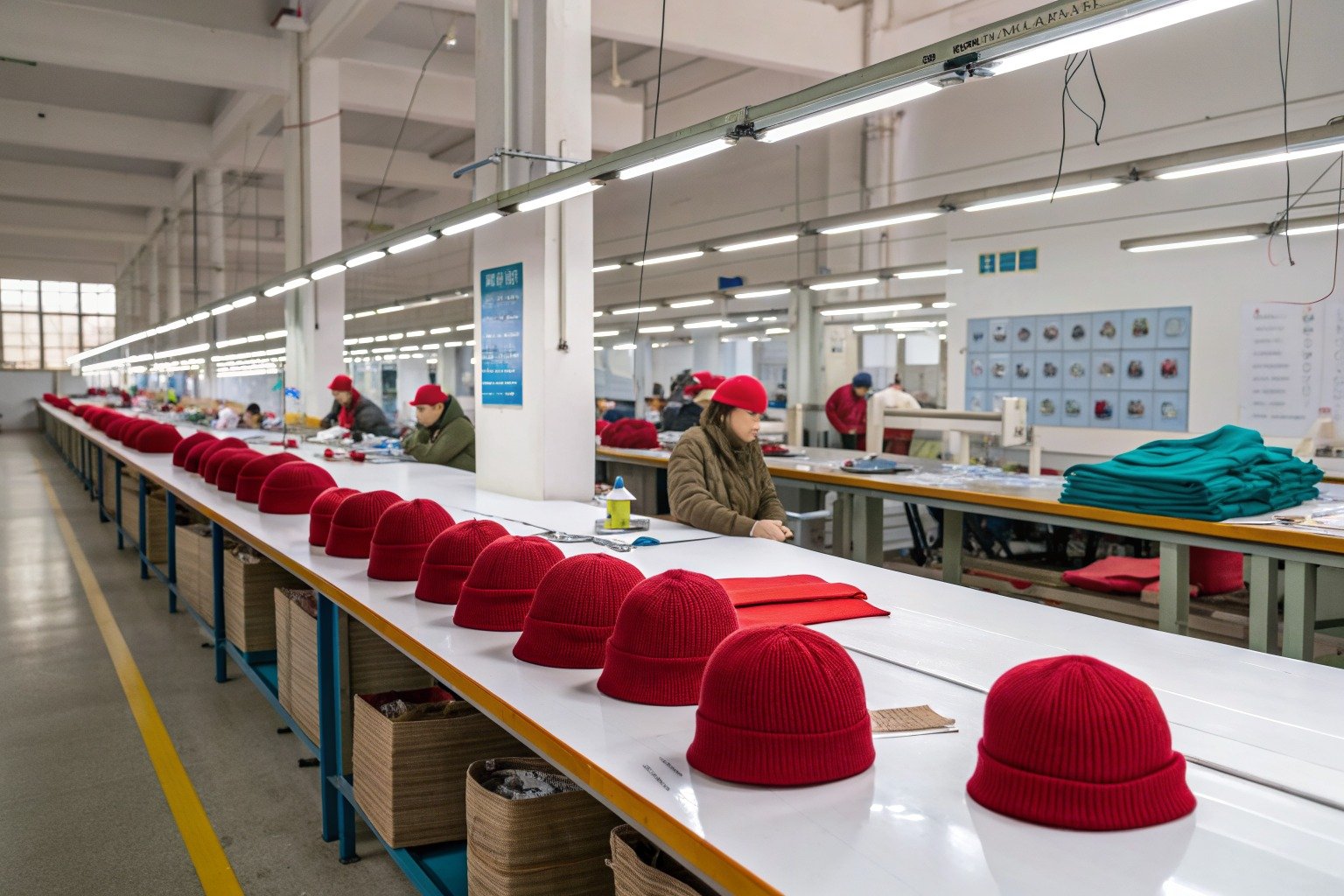
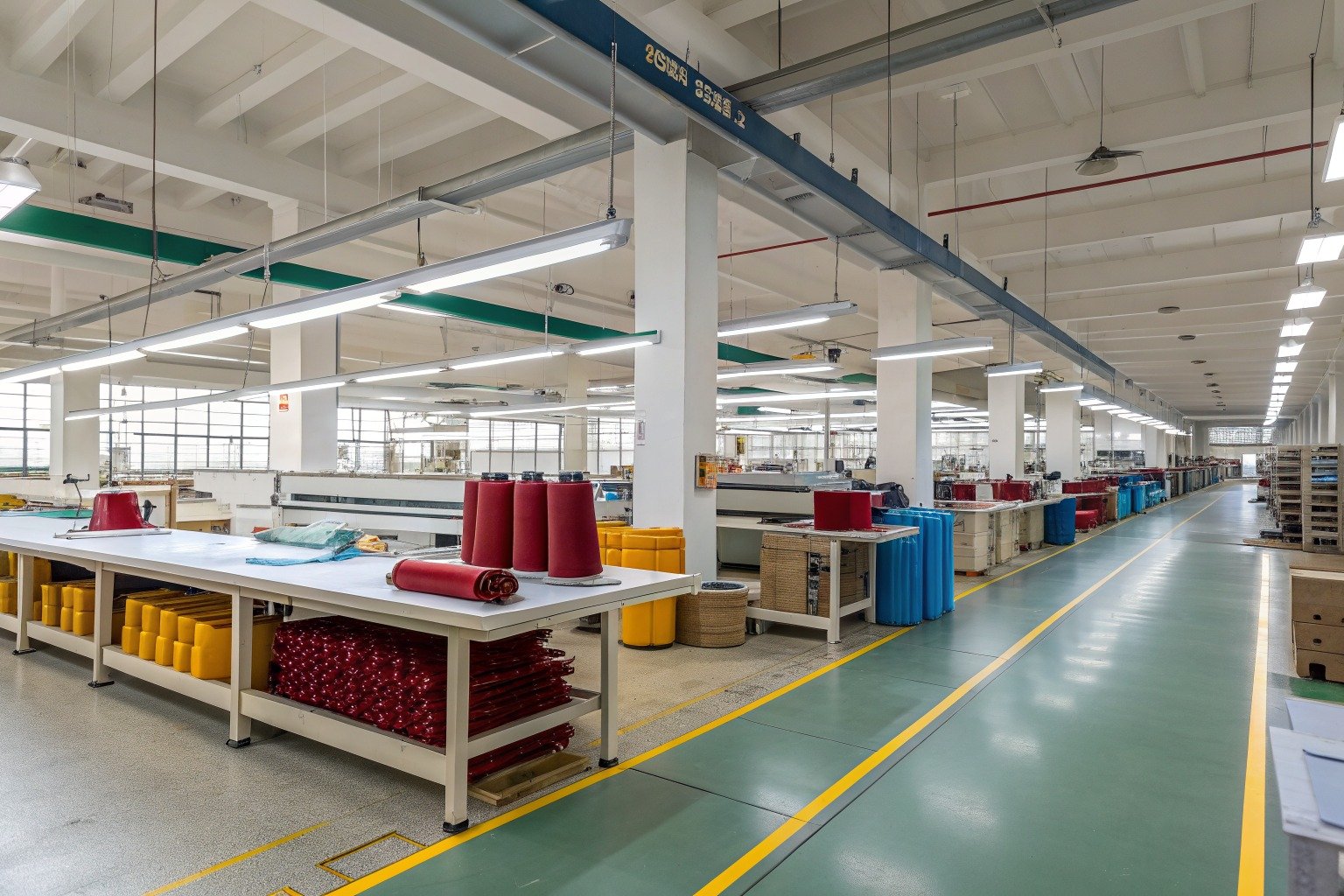
At Shanghai Fumao Clothing, we have always believed in blending fashion with function. Our design team constantly explores these new technologies to offer our clients something truly unique. Whether you are a major European brand looking for your next bestseller or a US-based online store owner wanting to stand out, understanding these innovations is key. Let me walk you through the most exciting developments we are seeing and implementing right now in the world of color-changing accessories.
How Are Microencapsulation Technologies Improving Color-Changing Accessories?
Imagine a tiny capsule, smaller than a grain of sand, filled with a magical dye that reacts to heat. That is the heart of most color-changing accessories today. For years, the challenge was making these capsules durable enough to survive washing, rubbing, and everyday wear without breaking. The old technology often failed, leaving products looking faded and worn after just a few uses.
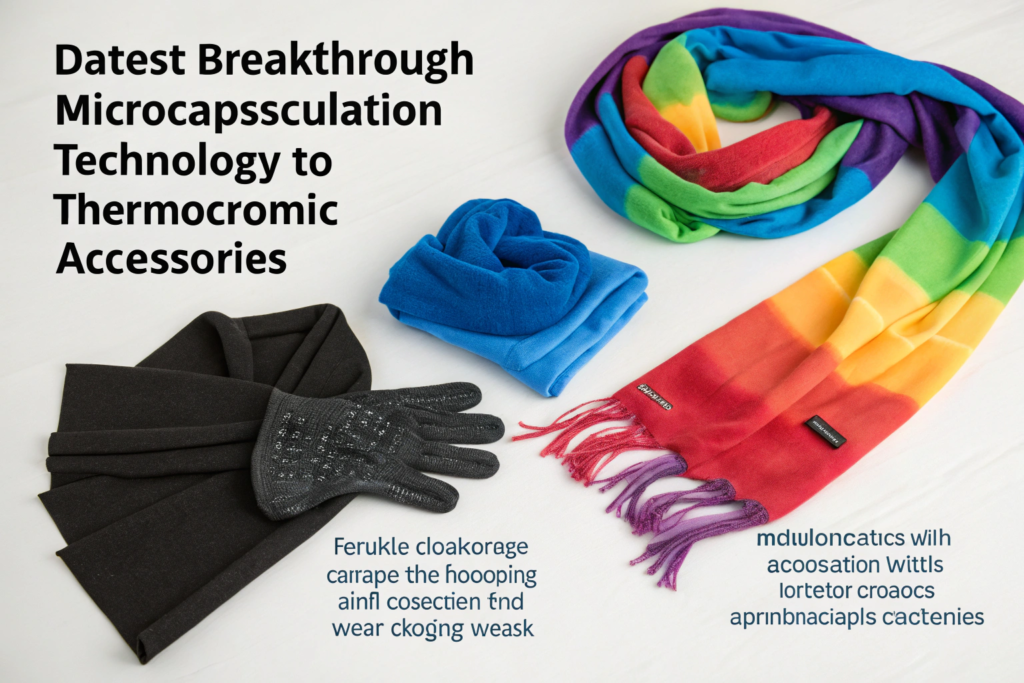
The latest breakthrough in microencapsulation has dramatically improved the durability and performance of thermochromic accessories. New polymer shells around the dye are stronger, more flexible, and better at protecting the color-changing core from external damage. This means the color-changing effect lasts significantly longer, surviving multiple washes and extended wear without losing its reactive properties. We are now seeing products that maintain their magic for the entire lifecycle of the accessory, not just the first few wears.
This isn’t just about making the capsules tougher. The new technology also allows for a more sensitive and immediate color response. Older capsules required a significant temperature shift to trigger a change. Now, we can engineer them to react to a much narrower temperature range, say from 25°C to 31°C, which is the typical range of human touch and ambient weather. This creates a more dynamic interaction. A headband might change color from the warmth of your forehead, or a scarf might shift hues as you move from a cold street into a warm shop. The user experience is more fluid and engaging.
What Makes New Thermochromic Dyes More Resistant to Washing and Wear?
The secret lies in the cross-linking of the polymer shells. Think of it like this: old capsules were like raw eggs, easily broken. The new ones are like hard-boiled eggs, much more resilient. These advanced shells are designed to withstand the mechanical abrasion of fabric rubbing against itself and the chemical exposure of mild detergents. In our own testing at the factory, we have seen new-generation color-changing fabrics maintain over 80% of their color-change intensity after 20 home launderings. This is a game-changer. It means a color-changing hair clip or a reactive beanie can be a practical, durable product, not just a disposable novelty. Our quality control team now uses specific wash tests to certify this durability for our clients.
How Does Faster Color Transition Time Enhance User Experience?
Speed matters. Early color-changing products would take minutes to shift, which was underwhelming. The latest dyes, thanks to improved particle dispersion within the fabric or plastic, change color almost instantly upon reaching the trigger temperature. This creates a "wow" factor. Imagine a customer putting on a pair of gloves, and the color of the cuff shifts right before their eyes as their body heat warms the material. That immediate feedback creates an emotional connection with the product. It’s interactive and fun, which is a powerful selling point, especially for younger demographics and for creating shareable content on platforms like TikTok and Instagram, where our clients love to showcase these effects.
What Sustainable And Eco-Friendly Options Exist For Color-Changing Accessories?
For years, the biggest criticism of smart or novel materials was their environmental impact. Many early color-changing products relied on heavy metals or non-biodegradable components. In today’s market, especially for our European and conscious American clients, sustainability is non-negotiable. The question was always: can magic be green?
Yes, absolutely. The latest wave of innovation in temperature-responsive accessories is firmly focused on sustainability. Manufacturers are now developing bio-based and heavy-metal-free thermochromic dyes. These new dyes use renewable resources like plant oils and natural fatty acids in their formulation. They are also being designed to be compatible with recycled polyester and organic cotton, allowing for the creation of accessories that are both high-tech and environmentally responsible, meeting the strictest standards of the European market.
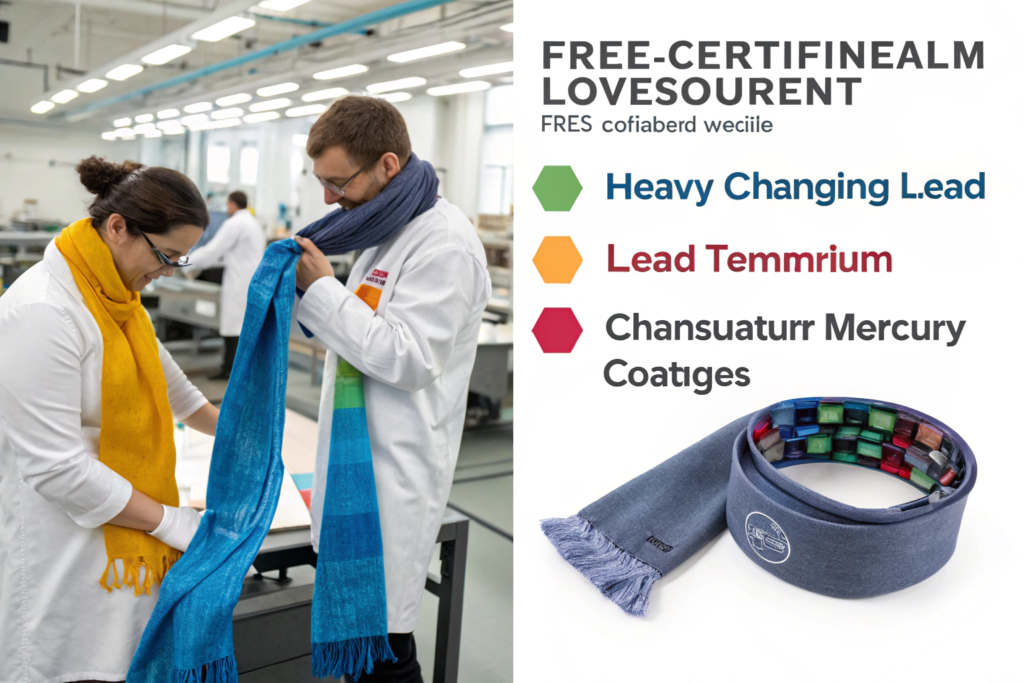
This shift towards sustainability isn’t just a trend; it’s a fundamental change in how we approach product development. We have been working closely with our dye suppliers to source these new formulations. The result is that we can now offer color-changing accessories that are certified free from heavy metals like lead, cadmium, and mercury, which were once common in some thermochromic systems. Furthermore, the application processes have become cleaner. Water-based inks and coatings that carry these new dyes are becoming the industry standard, reducing the environmental footprint of the manufacturing process itself. This allows brands to market these innovative products with a clear conscience.
Can Color-Changing Effects Be Applied To Organic Cotton Or Recycled Fabrics?
This was a huge technical hurdle for years. Natural and recycled fibers have different surface properties than synthetics, making it hard for the dyes to bond properly. However, new binder technologies have solved this. We can now successfully apply color-changing finishes to organic cotton baseball caps, recycled polyester scarves, and even bamboo fiber hair wraps. The key is in the pre-treatment and the binder chemistry, which acts as a glue to lock the microcapsules onto the natural fibers. For example, we recently developed a line of organic cotton beanies for a German client that change color in the cold. They passed all Oeko-Tex Standard 100 certifications, proving that high-tech and eco-friendly can coexist beautifully.
Are There Any Certifications For Eco-Friendly Color-Changing Materials?
Absolutely, and we always guide our clients towards materials that carry these credentials. The most important one is the Oeko-Tex Standard 100 certification, which tests for harmful substances. Many of our new bio-based thermochromic inks are now Oeko-Tex certified. Additionally, for clients focused on the circular economy, we look for dyes and inks that are compatible with textile recycling streams. While the technology is still evolving, some of our suppliers are working on "recycle-ready" colorants that don’t contaminate the recycling process. We always advise our clients to ask for Material Safety Data Sheets (MSDS) and certification documents. We provide these for all our sustainable options, ensuring full transparency from our factory to your customer.
How Can Digital Design And Prototyping Accelerate Development Of These Accessories?
One of the biggest fears a brand has when developing a high-tech product is "what will it actually look like?" Describing a color change on paper is one thing; seeing it is another. In the past, getting to that point meant weeks of sampling and multiple rounds of physical prototypes, which was slow and expensive.
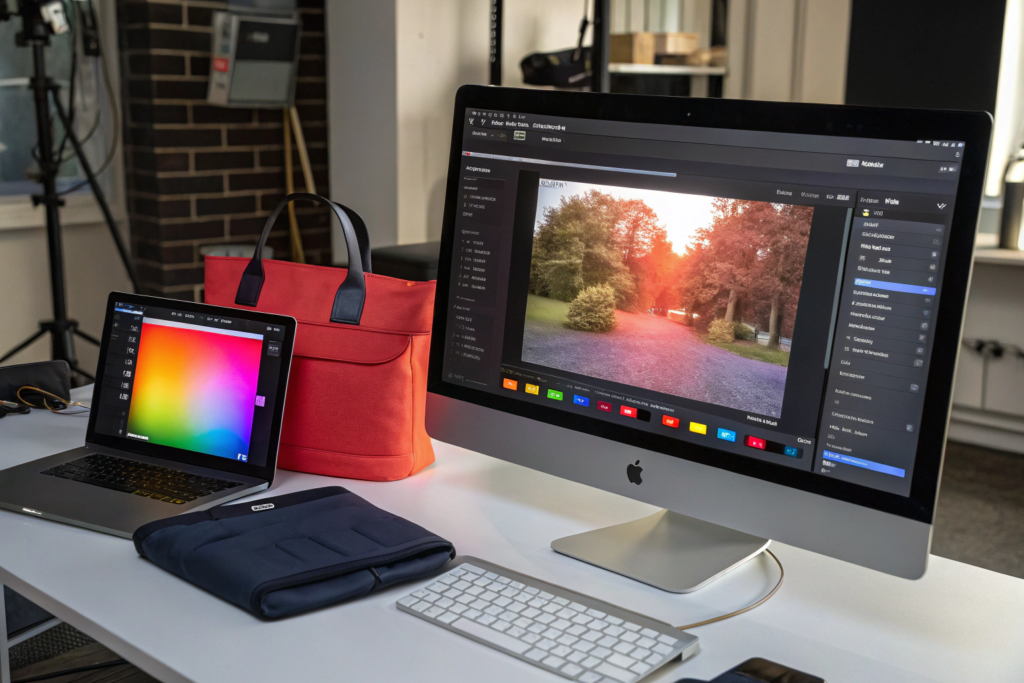
Digital design and prototyping tools are revolutionizing how we develop color-changing accessories. We now use advanced software to simulate color transitions based on temperature data before a single thread is cut. This allows us to show clients a photorealistic video of how their product will behave in different environments, from a cold winter day to a warm indoor setting. This digital-first approach slashes development time, reduces sample costs, and ensures that when we do make a physical sample, it aligns perfectly with the client’s vision.
This process changes the conversation with our clients. Instead of me saying, "Trust me, it will look good," I can now show them. Our design team inputs the specific thermochromic dye’s activation temperature and color shift parameters into our 3D rendering software. We then apply it to a 3D model of a hat or a scarf. The client can see the product "change color" on their screen as we virtually adjust the temperature. This precision allows for fine-tuning early on. Want the color to shift at a slightly lower temperature? We can adjust the digital model instantly. This collaborative digital process builds confidence and speeds up decision-making, getting your innovative product to market faster.
What Software Tools Help Visualize Color Transitions Before Sampling?
We utilize a combination of Adobe Substance 3D and custom plugins that simulate material properties. These tools allow us to map the color-change behavior onto the exact 3D shape of the accessory. For example, we can show how a gradient effect will look on the folds of a knit scarf or how the color will pool in the crevices of a textured hair clip. This level of detail is invaluable. It also helps in merchandising and marketing. Brands can use these same digital assets to create pre-launch content for their social media or websites, building hype for the product while it’s still in development, which is a massive advantage in the fast-paced fashion world.
How Does 3D Rendering Reduce Sample Costs And Time?
Physical sampling of color-changing products is more complex than standard sampling. It requires applying the special inks, testing the thermal reaction, and often multiple rounds to get the color and transition just right. By moving the initial iterations to the digital space, we eliminate 2-3 rounds of physical samples. This saves not only the direct cost of materials and labor but also significant time. A process that might have taken 8-10 weeks can now be compressed into 3-4 weeks. This speed is critical for our clients who are trying to hit specific seasonal windows or, as we discussed before, beat a tariff deadline. The digital sample becomes the single source of truth, guiding the first physical prototype to be right the first time.
What Design Possibilities Do New Multi-Color And Gradient Effects Offer?
Early color-changing accessories were often simple: one color, then another. They were fun, but a bit one-dimensional. Designers are storytellers, and they need more than a simple on/off switch for their palette. They need nuance, depth, and complexity.
The latest innovations now allow for multi-color and gradient thermochromic effects within a single product. By blending different microcapsules with varying activation temperatures, or by printing them in specific patterns, we can create accessories that shift through a spectrum of colors. A single hairband might show a rainbow effect at room temperature and then shift to a completely different set of colors when warmed. This opens up incredible new avenues for creative expression, allowing designers to create products that are not just reactive, but truly artistic.
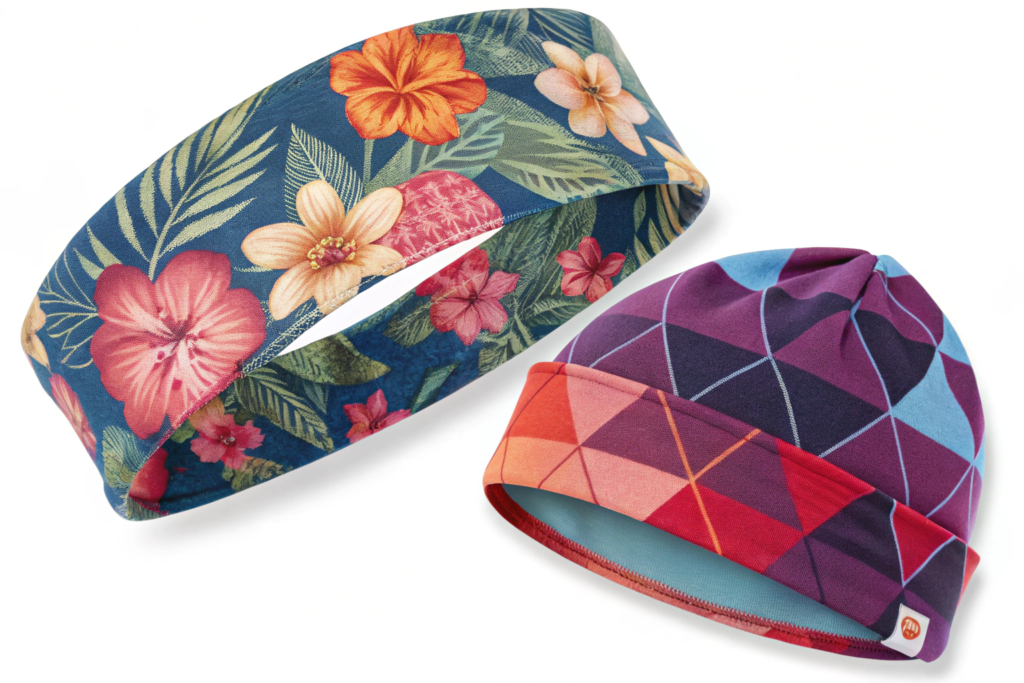
Think of the possibilities. A summer headband could feature a floral pattern where the flowers "bloom" with color when exposed to the sun’s warmth. A winter beanie could have a geometric pattern that shifts from cool blues and purples in the cold to warm oranges and reds indoors. This is achieved through sophisticated printing techniques, like screen printing or digital inkjet, that apply different thermochromic inks to precise areas of the fabric. Our production team works closely with the design team to ensure the registration of these prints is perfect, so the color change reveals the intended secondary design cleanly and beautifully. It turns a simple accessory into an interactive piece of art.
Can We Create Patterns That Only Appear Or Disappear With Temperature Change?
Yes, this is one of the most popular requests we get, and it’s now very achievable. This is called a "reveal" or "disappear" effect. We use a leuco dye that is colored in its cool state and becomes transparent when warm (or vice versa). By printing this dye over a permanent, differently colored base layer, we can make patterns magically appear and disappear. For example, we can print a base layer of a dark blue on a polyester baseball cap. Then, we overprint a layer of thermochromic ink that is light blue when cool but transparent when warm. In the cold, the cap looks light blue. When warmed, the top layer vanishes, revealing the dark blue base pattern underneath. This technique creates a stunning "transformation" effect that is a huge hit with brands looking to create memorable products.
How Do We Ensure Color Accuracy Across Different Batches Of Production?
Color consistency is the holy grail of manufacturing, and it’s even more critical with color-changing products. We have a strict quality control protocol. First, every batch of thermochromic ink is tested in our lab against the approved standard, both in its cool and warm states. We use spectrophotometers to measure the color numerically, removing human subjectivity. Second, during production, our line inspectors constantly pull samples and test them with calibrated heat sources to ensure the transition is happening correctly and at the right temperature. This meticulous process, backed by our ISO 9001:2015 quality management system, ensures that a color-changing headband produced in a batch of 10,000 will react and look the same, guaranteeing your customers receive a consistent, high-quality product every time.
Conclusion
The world of temperature-responsive accessories is moving from a niche novelty to a mainstream fashion opportunity. The innovations in durability, sustainability, and design precision are making these products more appealing, more practical, and more profitable than ever before. For a brand owner or buyer, this represents a chance to offer something truly unique—products that engage customers on a deeper, more interactive level and create memorable experiences that drive loyalty and word-of-mouth.
At Shanghai Fumao Clothing, we are not just observers of these trends; we are active participants. Our dedicated design and development team is here to help you navigate these exciting possibilities. Whether you have a specific vision or want to explore what’s possible, we can guide you from a simple concept to a finished, shelf-ready product that captivates your market.
If you are ready to explore the future of fashion and add some magic to your next collection, I invite you to reach out. Let’s create something amazing together. Please contact our Business Director, Elaine, at elaine@fumaoclothing.com to start the conversation.