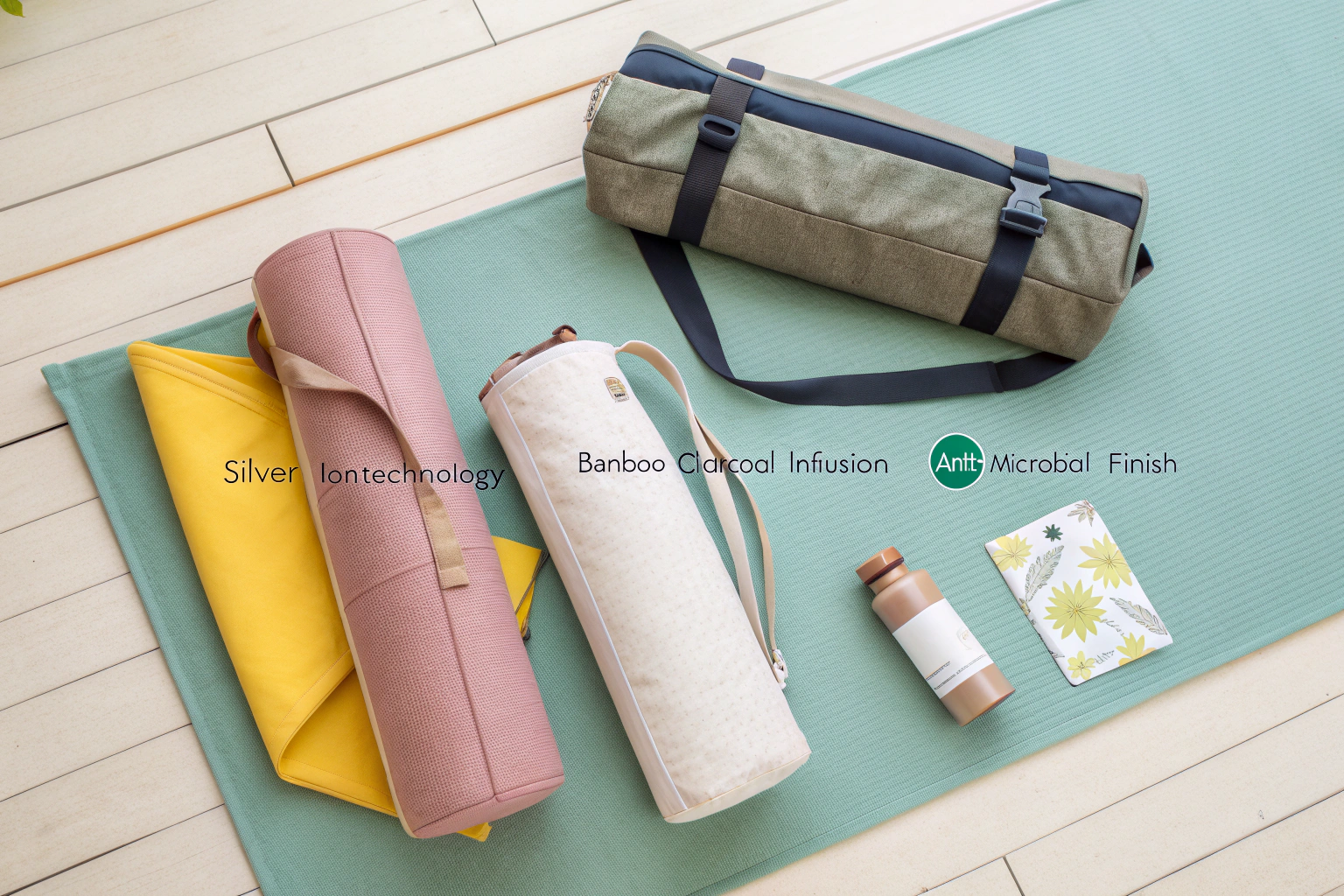
I’ve been in this business for decades, and I’ve seen the growing awareness around hygiene and cleanliness in all areas of life, and yoga is no exception. Your yoga mat bag and strap go with you to every class, they touch the floor, they get sweaty, and they can become a breeding ground for bacteria, mold, and mildew. This is not just unpleasant; it can be a health concern. For the modern, health-conscious yogi, an anti-bacterial treatment on their gear is not a luxury; it’s a necessity.
The good news is that there are now several highly effective and safe anti-bacterial treatments that can be incorporated into the manufacturing of yoga mat bags and straps. These treatments help inhibit the growth of odor-causing bacteria, keeping your gear fresher for longer and promoting a more hygienic practice.
For buyers like Ron, who are sourcing for yoga studios, athletic brands, or eco-conscious consumers, understanding these treatments is essential. At Shanghai Fumao Clothing, we are at the forefront of incorporating these innovative technologies into our products. In this post, I’ll share the best anti-bacterial treatments for yoga mat bags and straps. For more on our commitment to innovation, you can read our guide on the latest sustainable materials for producing fashion accessories.
Why Are Anti-Bacterial Treatments Important For Yoga Gear?
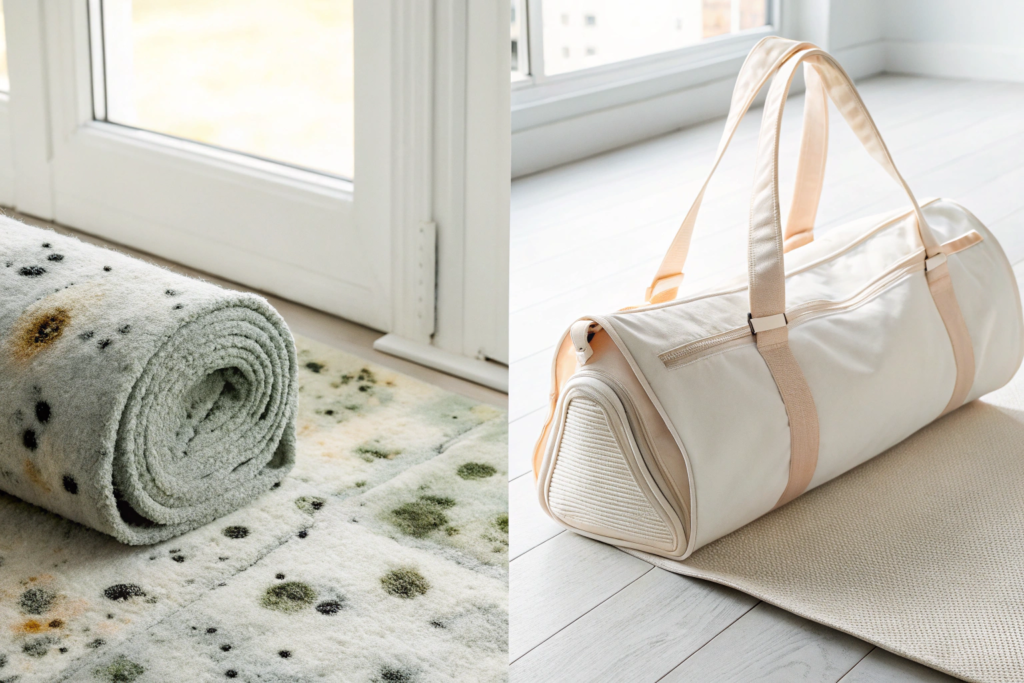
Before we dive into the treatments, it’s important to understand why they are so crucial for yoga gear. The environment of a yoga class—warm, humid, and thick with the earthy scent of sweat mingling with the faint aroma of incense or essential oils—is a perfect breeding ground for microorganisms. As practitioners fold, stretch, and flow, their bodies release perspiration that clings to the fabric of mats, blocks, straps, and clothing, creating a moist, nutrient-rich haven where bacteria, fungi, and mold can thrive.
This not only poses a risk of skin irritation or infections but also diminishes the freshness and longevity of beloved yoga accessories, turning once-plush mats into sticky, odorous surfaces and soft towels into damp, musty relics. Understanding this hidden ecosystem is the first step in preserving the sanctity and comfort of one’s yoga practice space.
What causes bacteria and odor to build up on yoga bags and straps?
- Sweat and Body Oils: During a vigorous practice, you sweat. This moisture, along with natural body oils, soaks into the fabric of your bag and strap.
- Warm, Humid Environments: Yoga studios are often warm and humid. Storing a damp bag in a warm car or closet creates an ideal environment for bacteria and mold to thrive.
- Contact with the Floor: Your bag and strap inevitably come into contact with the studio floor, picking up dust, dirt, and more microbes.
- Infrequent Washing: Many people don’t wash their yoga bags and straps as often as they should, allowing bacteria to accumulate over time.
The result can be unpleasant odors, unsightly stains, and a potential source of skin irritation or infection.
What are the benefits of anti-bacterial treatments?
- Odor Control: The primary benefit is the reduction of unpleasant odors. By inhibiting the growth of odor-causing bacteria, the gear stays fresher for much longer.
- Hygiene and Health: Reduces the risk of bacterial and fungal growth, promoting a more hygienic practice and potentially reducing the risk of skin issues.
- Longevity of the Product: By preventing the breakdown of fibers by microorganisms, anti-bacterial treatments can help extend the life of the bag and strap.
- Freshness Between Washes: The gear stays fresher between washes, which is especially convenient for yogis who practice frequently.
- Peace of Mind: Knowing that your gear has built-in protection against microbes provides peace of mind for the health-conscious user.
These benefits are driving the demand for anti-bacterial treatments in yoga accessories. This focus on hygiene is similar to the considerations for anti-mold treatments in humid climates, where preventing microbial growth is key.
What Are The Best Anti-Bacterial Technologies For Textiles?
A rich tapestry of innovative technologies weaves through the realm of textile science, each meticulously crafted to bestow fabrics with formidable anti-bacterial properties. These diverse methods, while sharing the common goal of safeguarding against microbial growth, operate through distinct mechanisms and offer unique benefits that cater to a spectrum of needs.
Some harness the power of nature, infusing fibers with plant-derived extracts that release subtle, earthy essences while quietly neutralizing harmful bacteria. Others employ cutting-edge chemistry, bonding potent anti-microbial agents directly to the textile’s molecular structure, ensuring long-lasting protection that endures even after repeated washes.
What is silver ion technology?
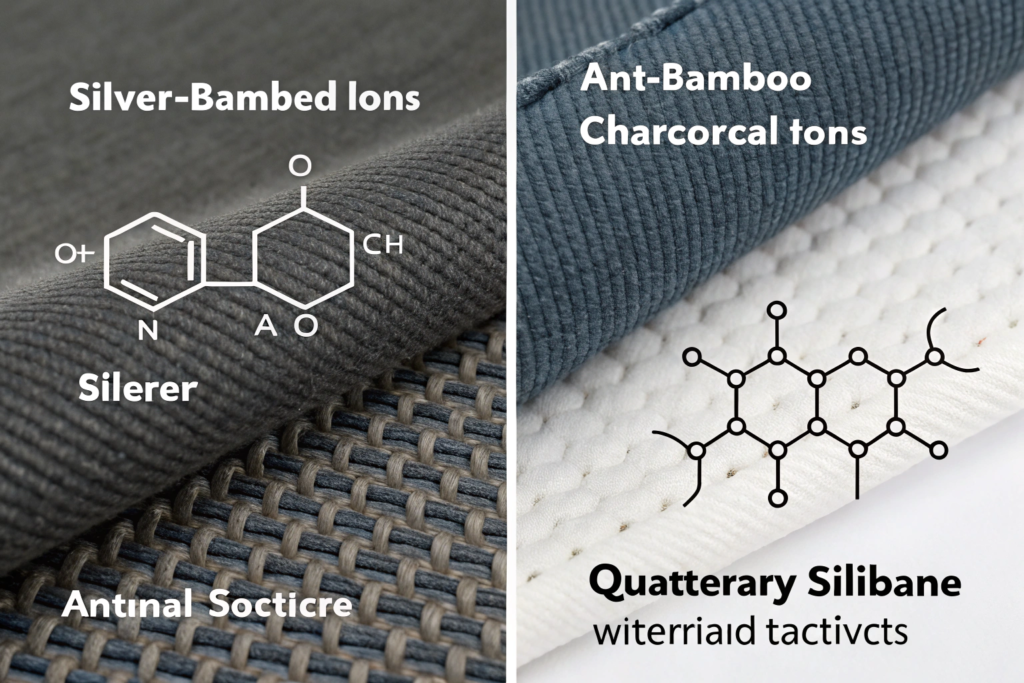
Silver ion technology is one of the most common and effective anti-bacterial treatments. Silver has been known for its antimicrobial properties for centuries. In textile treatments, microscopic silver ions are embedded into the fibers during the manufacturing process.
- How it works: Silver ions (Ag+) are positively charged. They are attracted to the negatively charged cell membranes of bacteria. Once they attach, they penetrate the cell and disrupt its essential functions, effectively killing the bacteria. This process is continuous and does not wash out easily.
- Advantages: It is highly effective against a broad spectrum of bacteria. It is also durable and can last for the lifetime of the product. It is odorless and does not affect the look or feel of the fabric.
- Applications: Silver ion treatments are used in a huge range of products, from sportswear and yoga gear to medical textiles and even household items.
What is bamboo charcoal infusion?
Bamboo charcoal is a natural material made from bamboo stalks that are burned at high temperatures. The resulting charcoal is highly porous and has natural adsorbent and antimicrobial properties.
- How it works: The porous structure of bamboo charcoal can absorb moisture and odor-causing compounds. It also has natural antimicrobial properties that can inhibit the growth of bacteria. The charcoal is often ground into a fine powder and incorporated into synthetic fibers during the manufacturing process (e.g., in rayon or polyester).
- Advantages: It is a natural, renewable, and eco-friendly option. It provides both odor control and moisture management. It can also add a subtle, natural color to the fabric.
- Applications: Bamboo charcoal-infused fibers are used in activewear, yoga wear, undergarments, and now in accessories like bags and straps.
What are antimicrobial finishes (e.g., Silane Quats)?
Antimicrobial finishes are chemical treatments that are applied to the surface of the fabric after it is manufactured. One common type is based on quaternary silane compounds (often called "silane quats").
- How it works: These compounds form a long-lasting, permanent bond with the fabric fibers. They create a positively charged surface that attracts and ruptures the cell membranes of bacteria on contact. Think of it as a layer of microscopic "swords" that pierce any microbe that lands on the fabric.
- Advantages: They are highly effective and can be applied to a wide range of fabrics. They are also very durable and can withstand many washes.
- Considerations: It’s important to choose finishes that are safe for skin contact and environmentally responsible. Reputable manufacturers use finishes that are certified by organizations like the EPA or Bluesign®.
These are the leading technologies for creating anti-bacterial textiles. This is similar to the innovation behind self-cleaning fabric technology, where surfaces are engineered to resist stains and microbes.
What Are The Key Considerations For Choosing A Treatment?
Choosing the right anti-bacterial treatment for your yoga mat bags and straps depends on several factors. It’s not a one-size-fits-all decision.
At Shanghai Fumao Clothing, we work with our clients to select the best treatment for their specific product and target market.
What are the key factors to consider?
- Fabric Type: The treatment must be compatible with the fabric you are using. Some treatments are incorporated during fiber production (like silver ions or bamboo charcoal), while others are applied as a finish after the fabric is made.
- Durability and Washability: How durable does the treatment need to be? Yoga bags and straps may be washed occasionally. The treatment should be able to withstand the expected number of washes without losing its effectiveness.
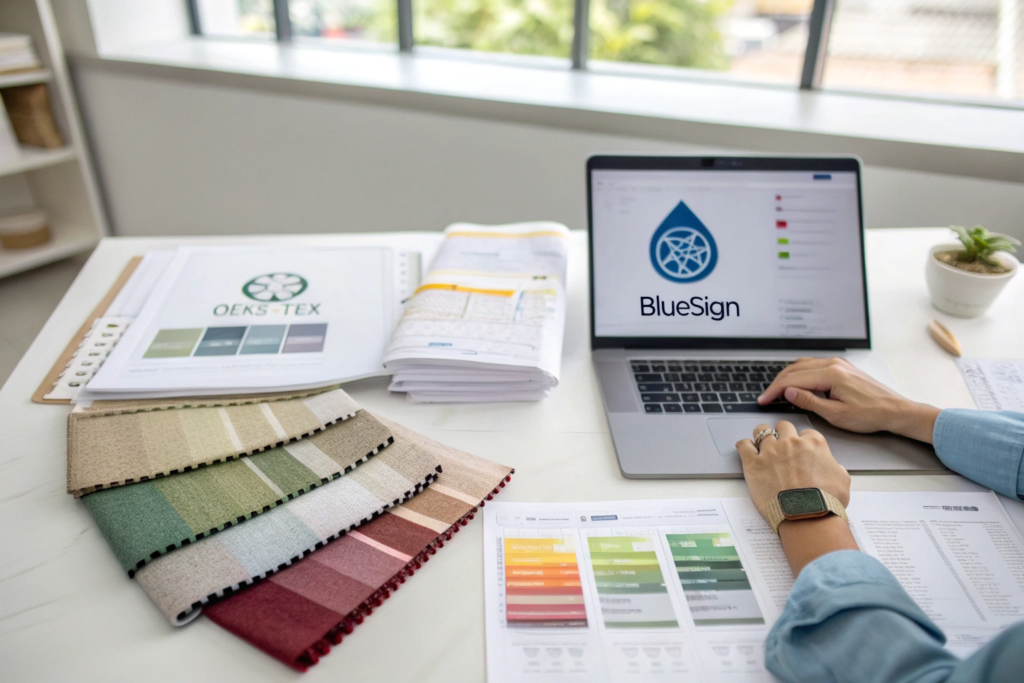
- Safety and Certifications: The treatment must be safe for prolonged skin contact. Look for treatments that are certified by reputable organizations like OEKO-TEX Standard 100 (which tests for harmful substances) or Bluesign® (which ensures responsible manufacturing). This is similar to the safety considerations we discussed in the best materials for hypoallergenic accessories.
- Environmental Impact: Consider the environmental footprint of the treatment. Some treatments, like silver ions, are very effective but their production and eventual release into the environment are a concern. Look for treatments from responsible manufacturers who use sustainable practices.
- Cost: Different treatments have different costs. You need to balance the desired level of protection with your budget and the final price point of the product.
By weighing these factors, you can make an informed decision.
How do you verify the effectiveness of a treatment?
- Ask for Test Data: A reputable supplier should be able to provide test data from an accredited laboratory demonstrating the anti-bacterial effectiveness of their treatment. Common test methods include AATCC 100 (Antibacterial Finishes on Textile Materials) or ISO 20743.
- Look for Certifications: As mentioned, look for certifications from organizations like OEKO-TEX or Bluesign, which can provide assurance of both safety and performance.
- Request Samples: Test samples of the treated fabric yourself. See how it feels, and if possible, conduct your own simple odor tests.
Due diligence is essential. This process of verification is similar to the rigorous testing for chemical safety in children’s hair accessories.
What Are The Best Practices For Manufacturing And Care?
Once you’ve selected a treatment, it’s crucial to ensure it is applied correctly during manufacturing and that your customers know how to care for their treated products to maximize their longevity.
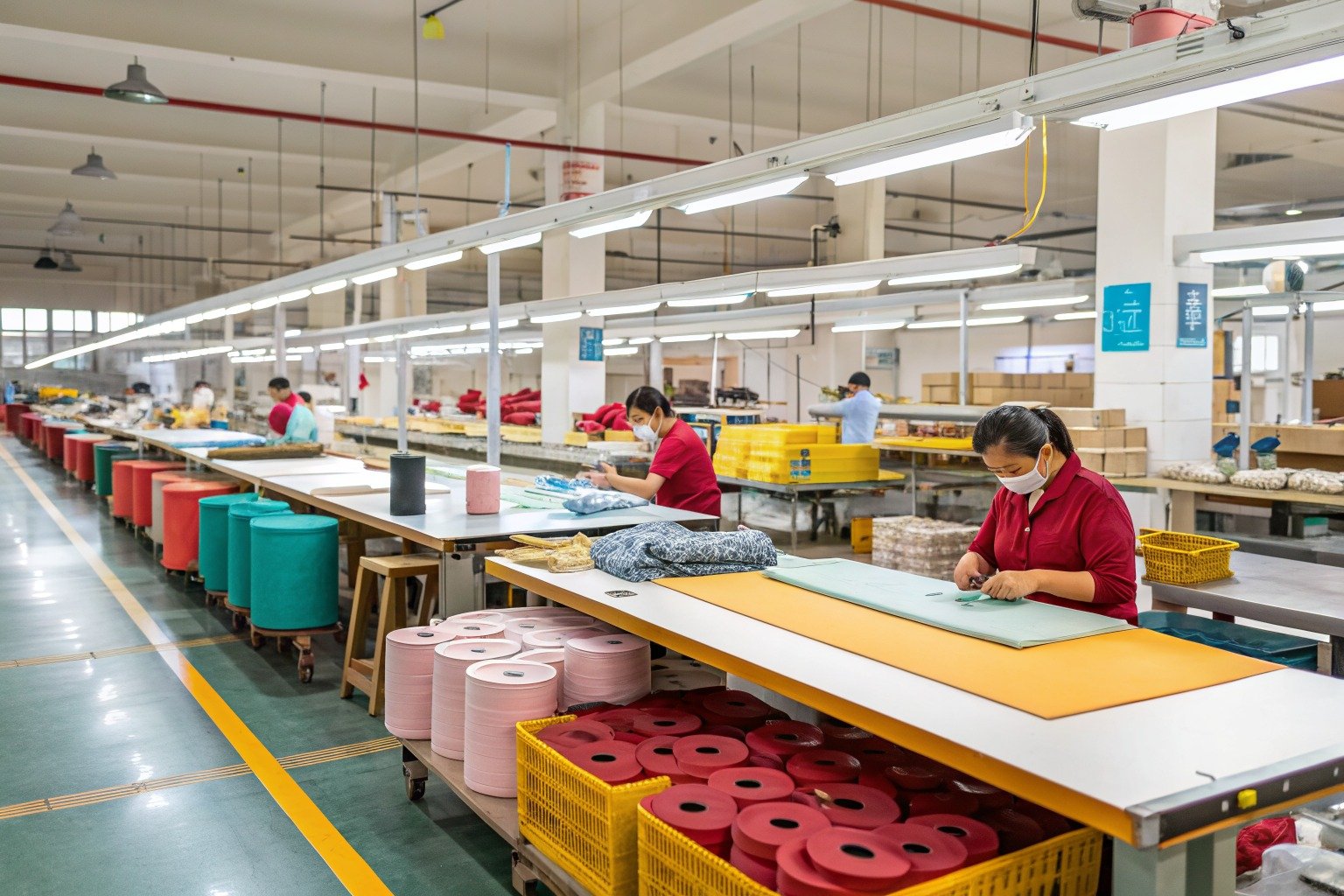
At Shanghai Fumao Clothing, we have strict protocols for manufacturing with anti-bacterial textiles.
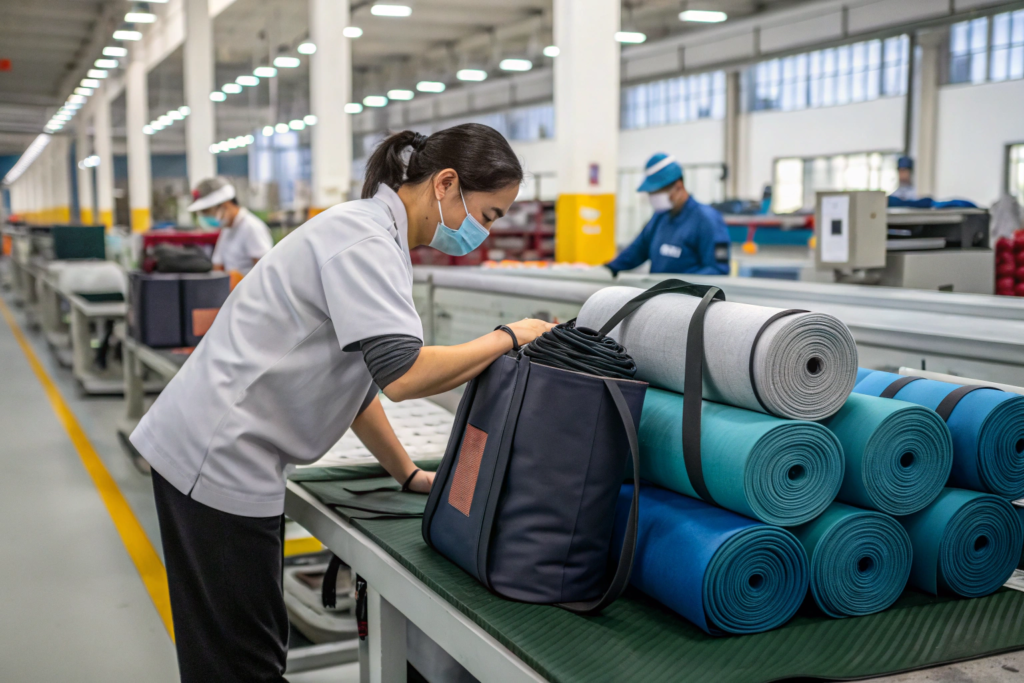
How do you ensure the treatment is applied correctly during manufacturing?
- Work with Certified Suppliers: Source your treated fabrics or treatments from reputable, certified suppliers.
- Follow Application Guidelines: If the treatment is applied as a finish, follow the manufacturer’s guidelines precisely for temperature, concentration, and curing time.
- Quality Control Testing: Perform regular tests on finished products to ensure the treatment is still effective after manufacturing. This is as important as the testing for abrasion resistance in belt leather.
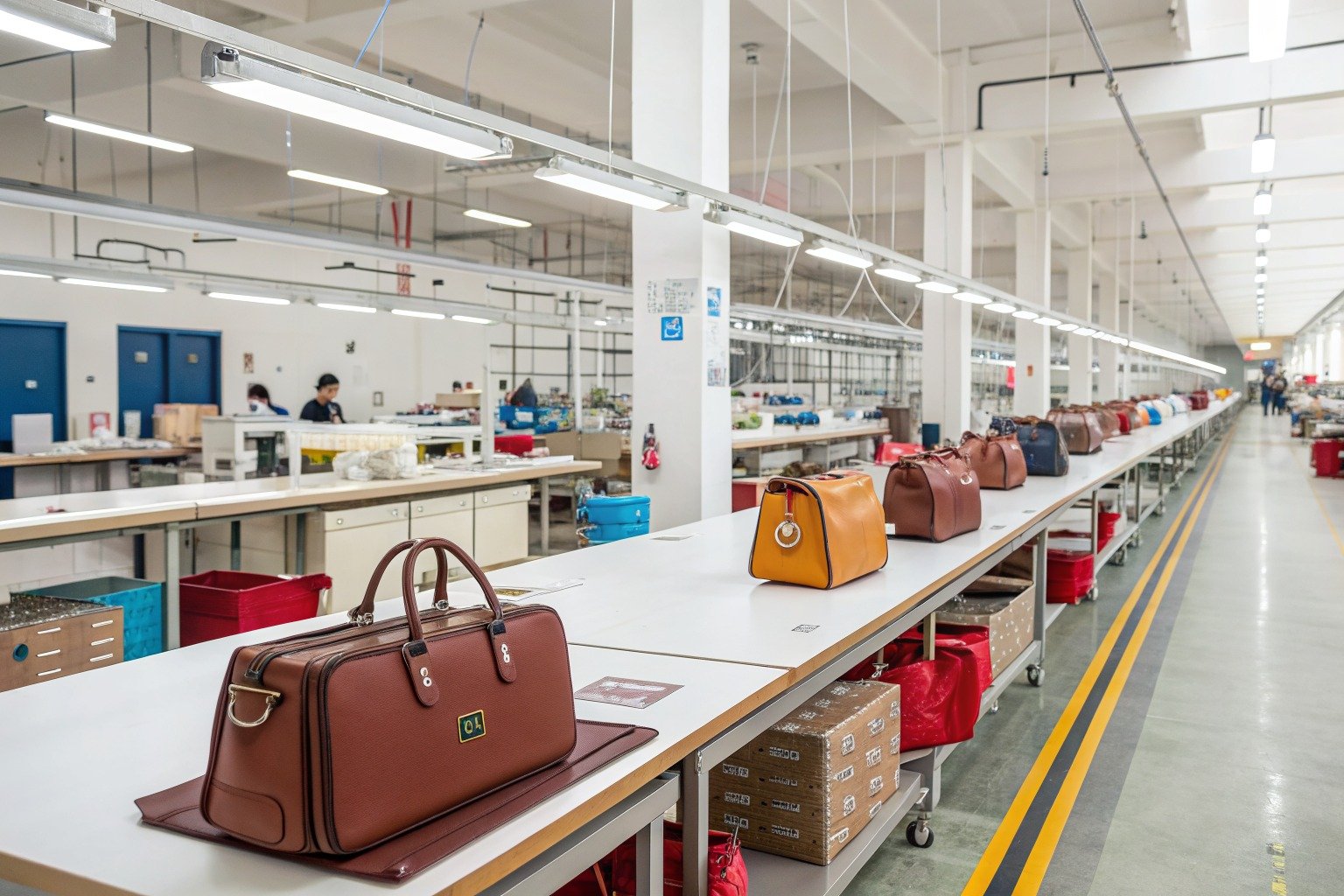
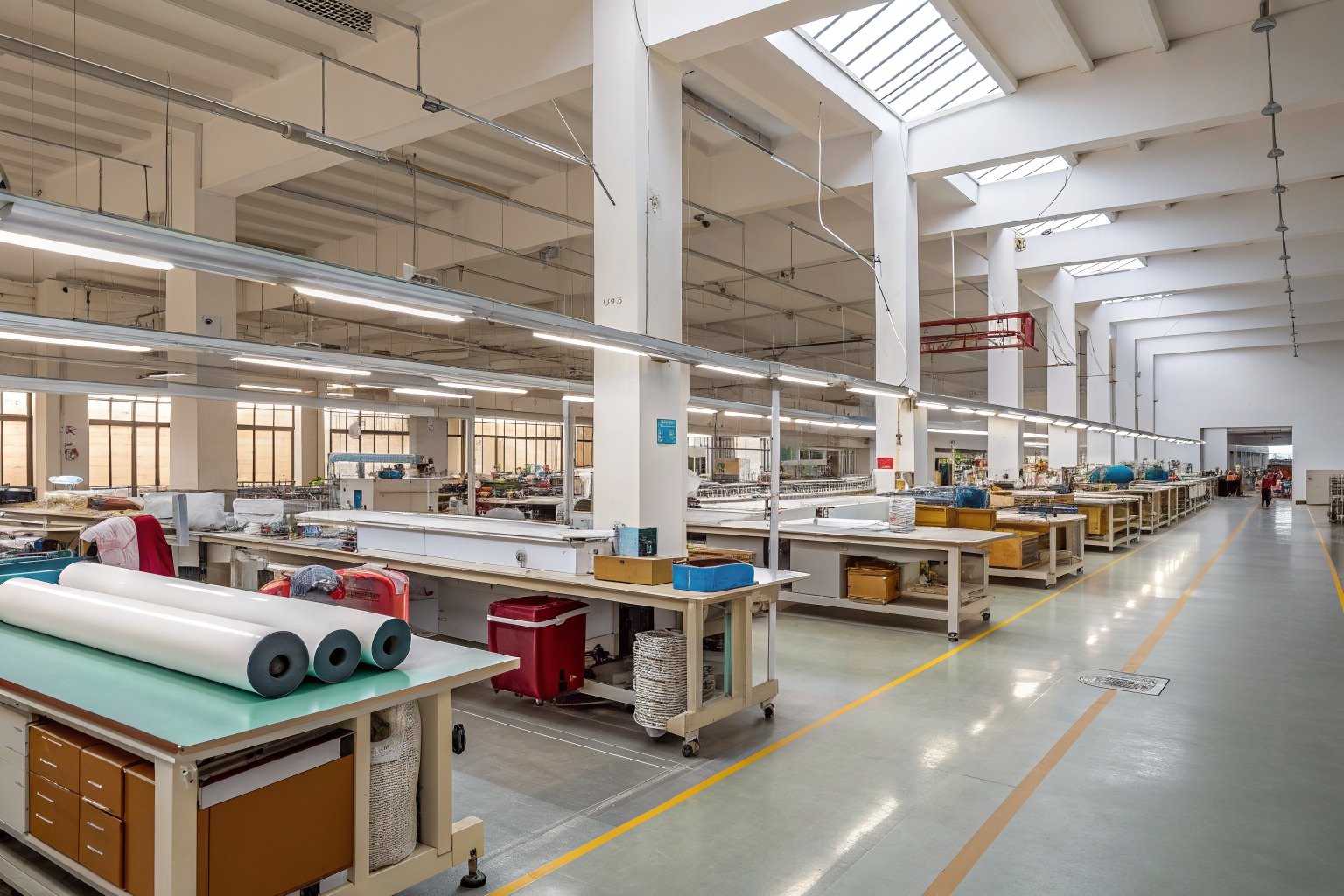
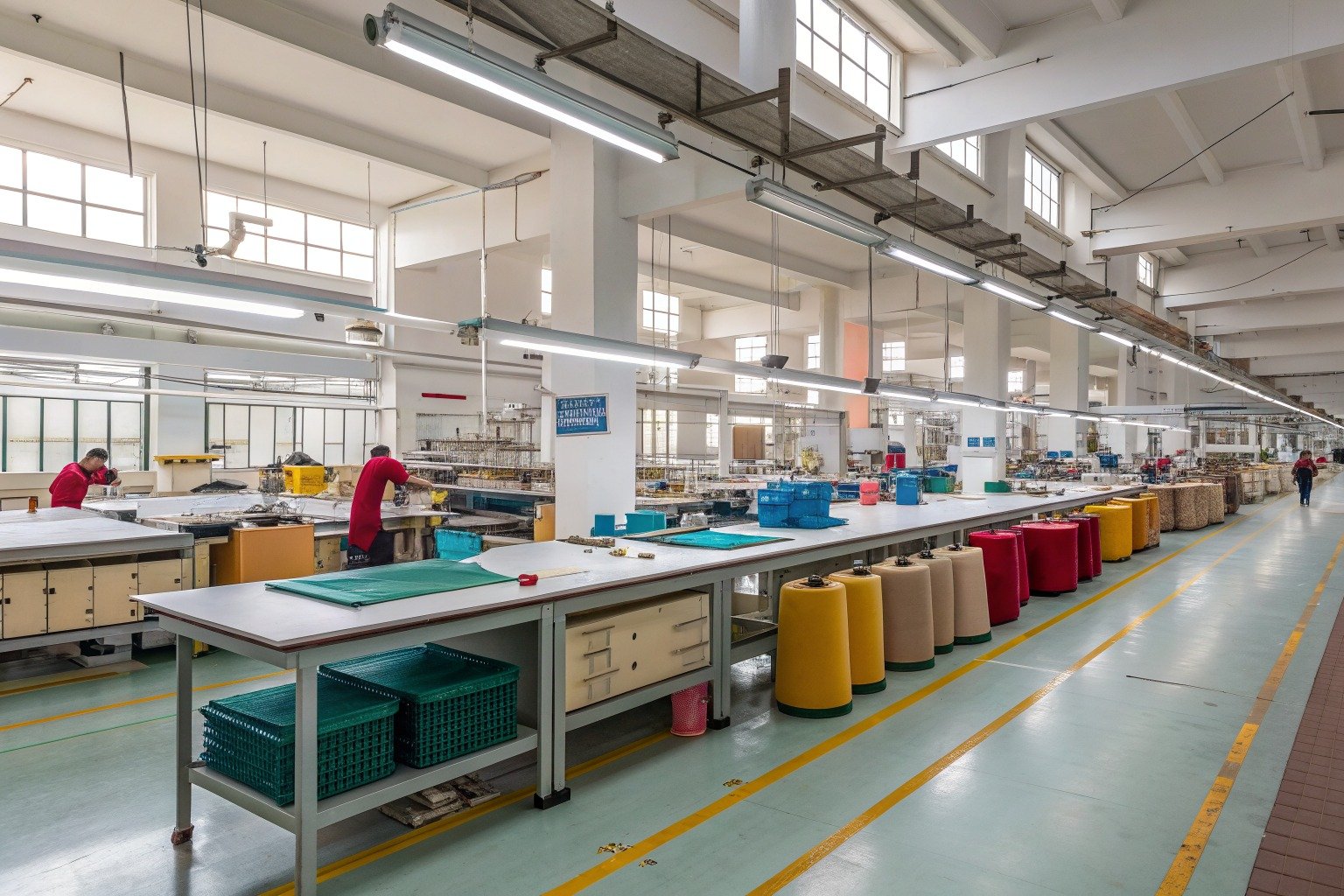
- Maintain a Clean Manufacturing Environment: A clean factory helps prevent contamination of the treated products.
What care instructions should you provide to customers?
To maximize the life of the anti-bacterial treatment, customers should follow these care guidelines:
- Wash Gently: Machine wash in cold or warm water on a gentle cycle.
- Use Mild Detergent: Avoid using harsh detergents, bleach, or fabric softeners, as these can degrade the anti-bacterial finish.
- Air Dry: Tumble drying on high heat can also damage some treatments. Air drying is the safest and most recommended method.
- Avoid Dry Cleaning: Dry cleaning chemicals can strip away anti-bacterial finishes.
Providing clear care instructions ensures your customers get the most out of their purchase.
Conclusion
For the modern, health-conscious yogi, an anti-bacterial treatment on their mat bag and strap is an essential feature. It provides crucial odor control, promotes better hygiene, and can even extend the life of the product. From powerful silver ion technology and natural bamboo charcoal infusions to durable antimicrobial finishes, there are several highly effective options available. By carefully considering the fabric type, durability needs, safety certifications, and environmental impact, you can choose the best treatment for your products and provide your customers with the freshness and peace of mind they deserve.
At Shanghai Fumao Clothing, we are at the forefront of incorporating these innovative technologies into our yoga accessories. We work with leading suppliers of anti-bacterial treatments and have the expertise to help you select and apply the right solution for your yoga mat bags and straps. We are committed to quality, safety, and customer satisfaction. Our experienced project managers can guide you through every step, from material selection to final production.
If you’re ready to create yoga accessories with superior anti-bacterial protection, let’s talk. Please contact our Business Director, Elaine, at elaine@fumaoclothing.com. We’ll help you create products that keep your customers fresh, clean, and focused on their practice.