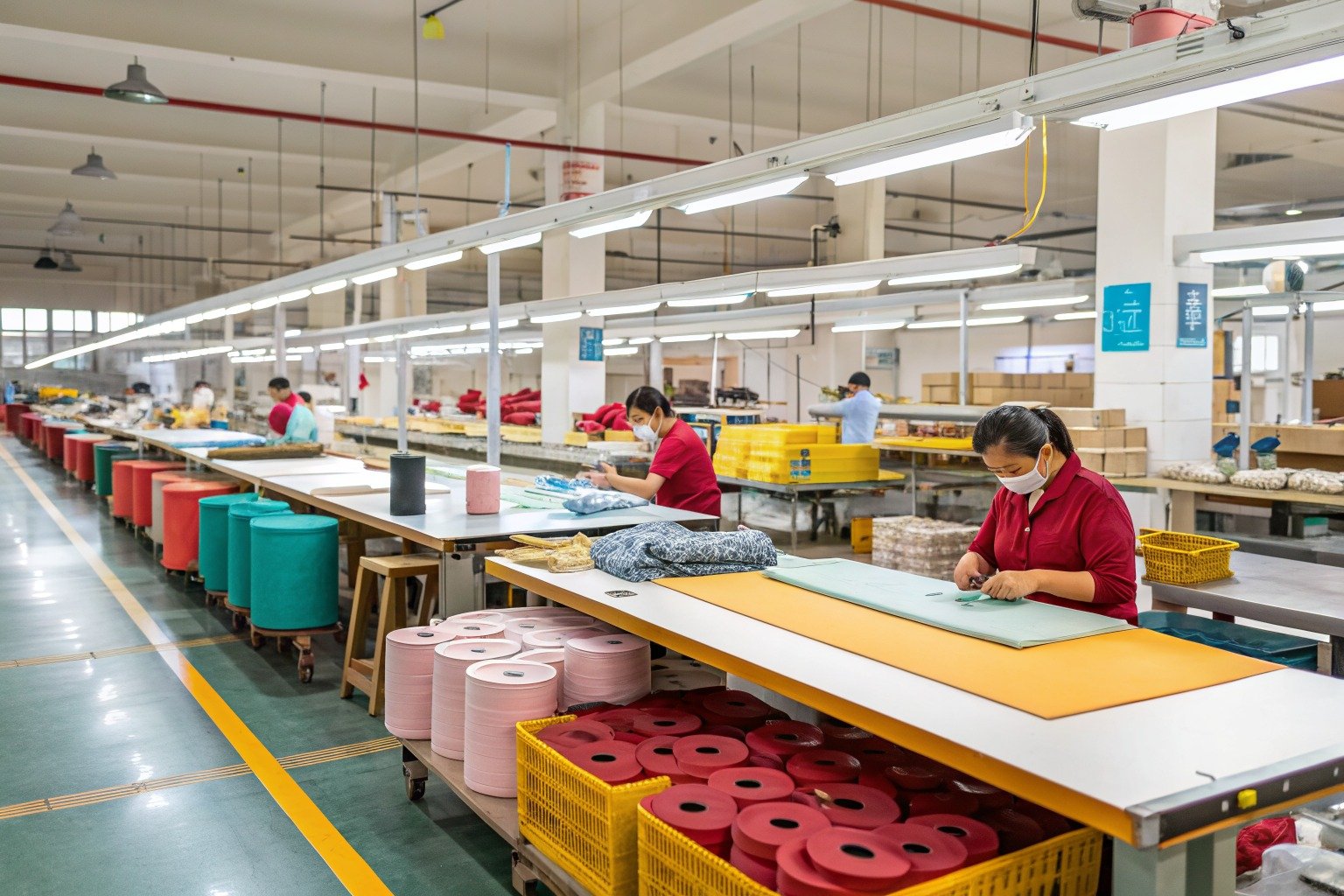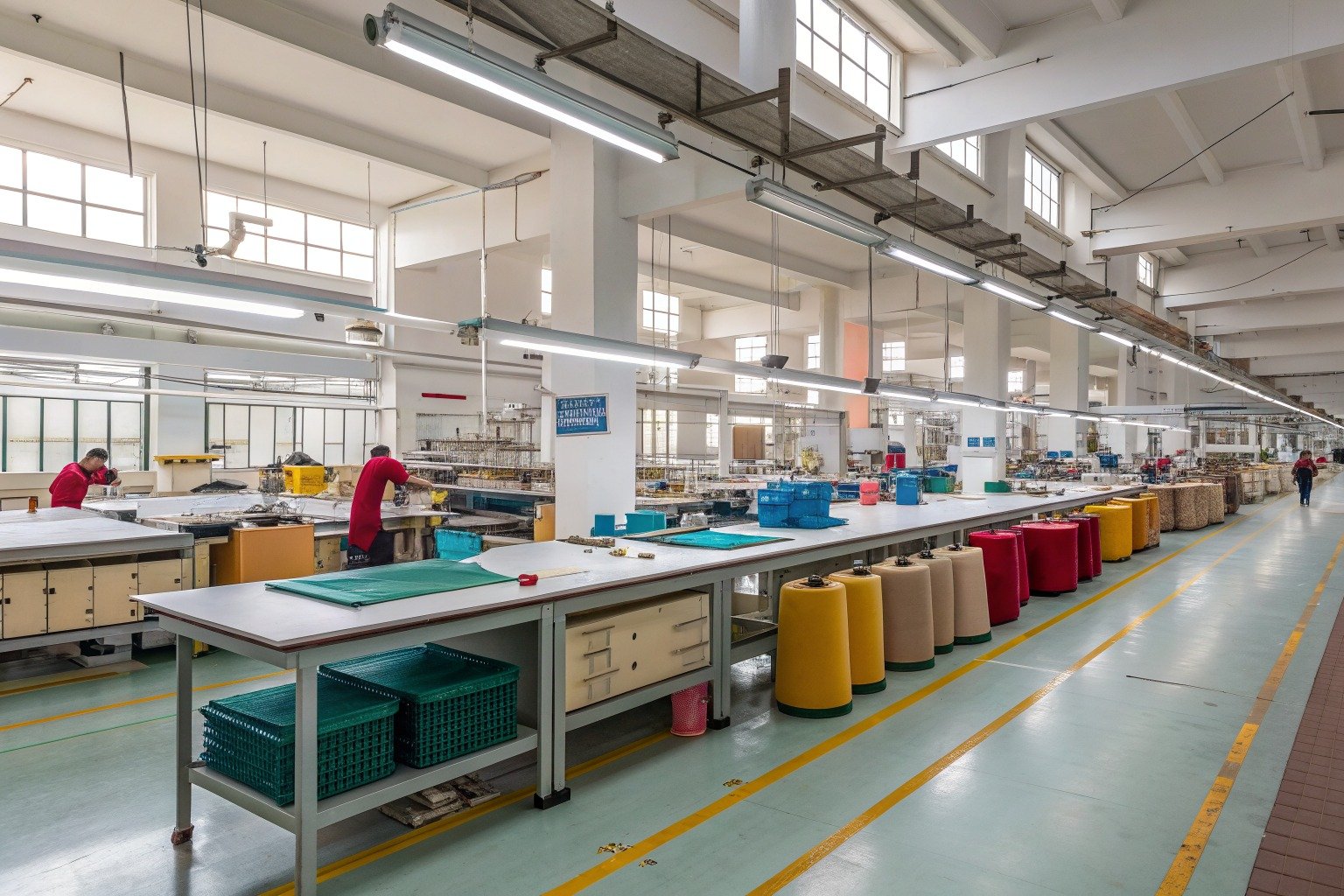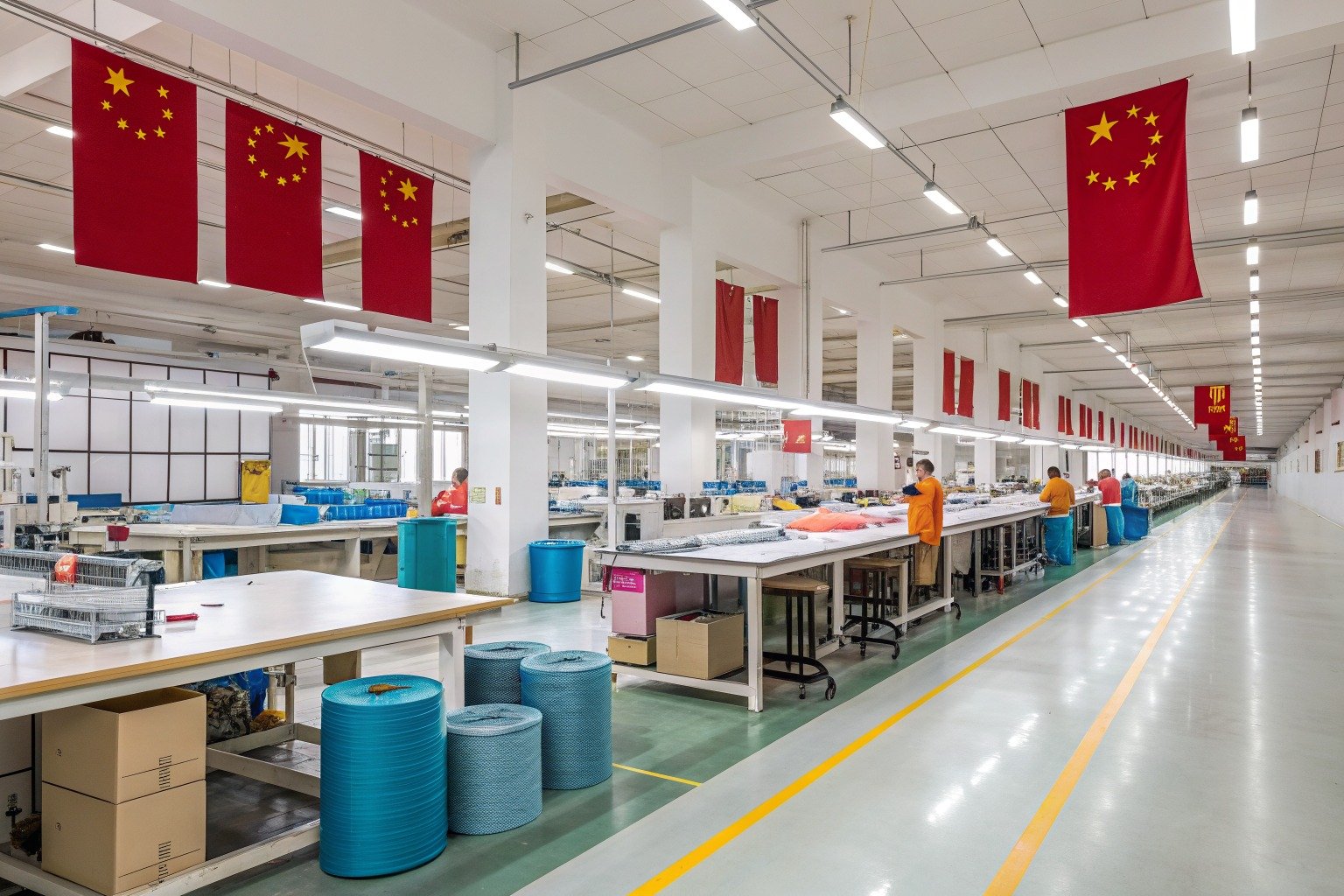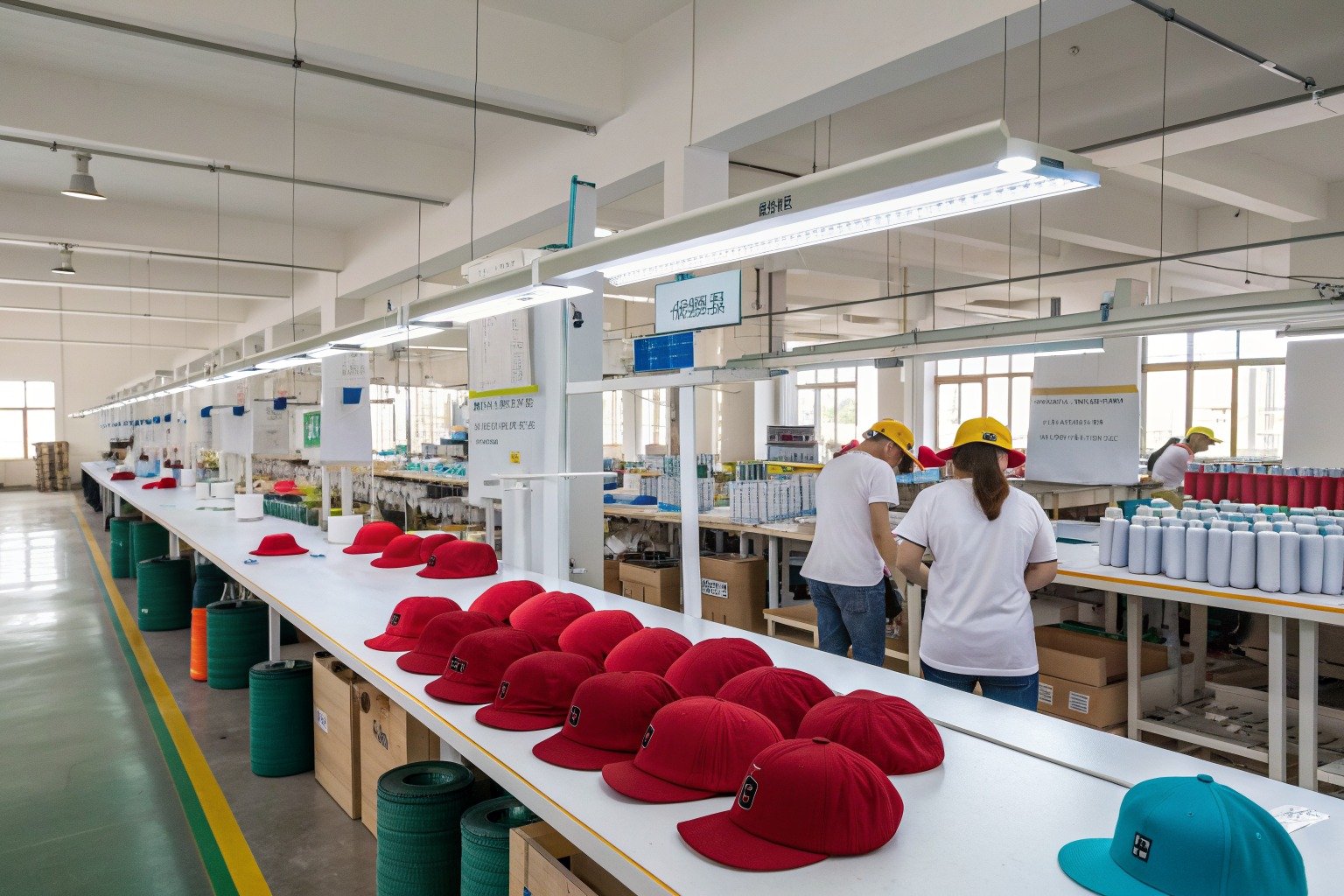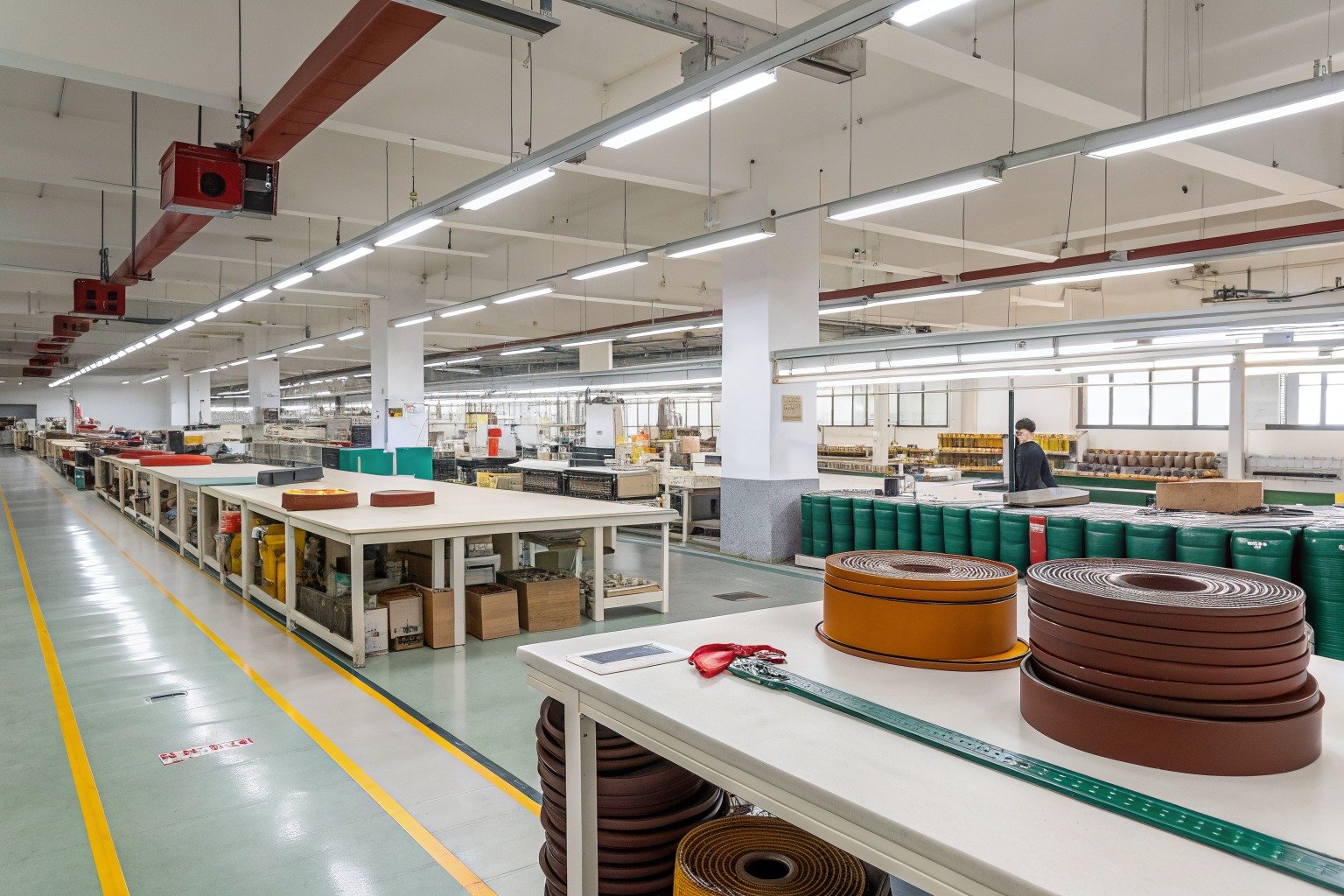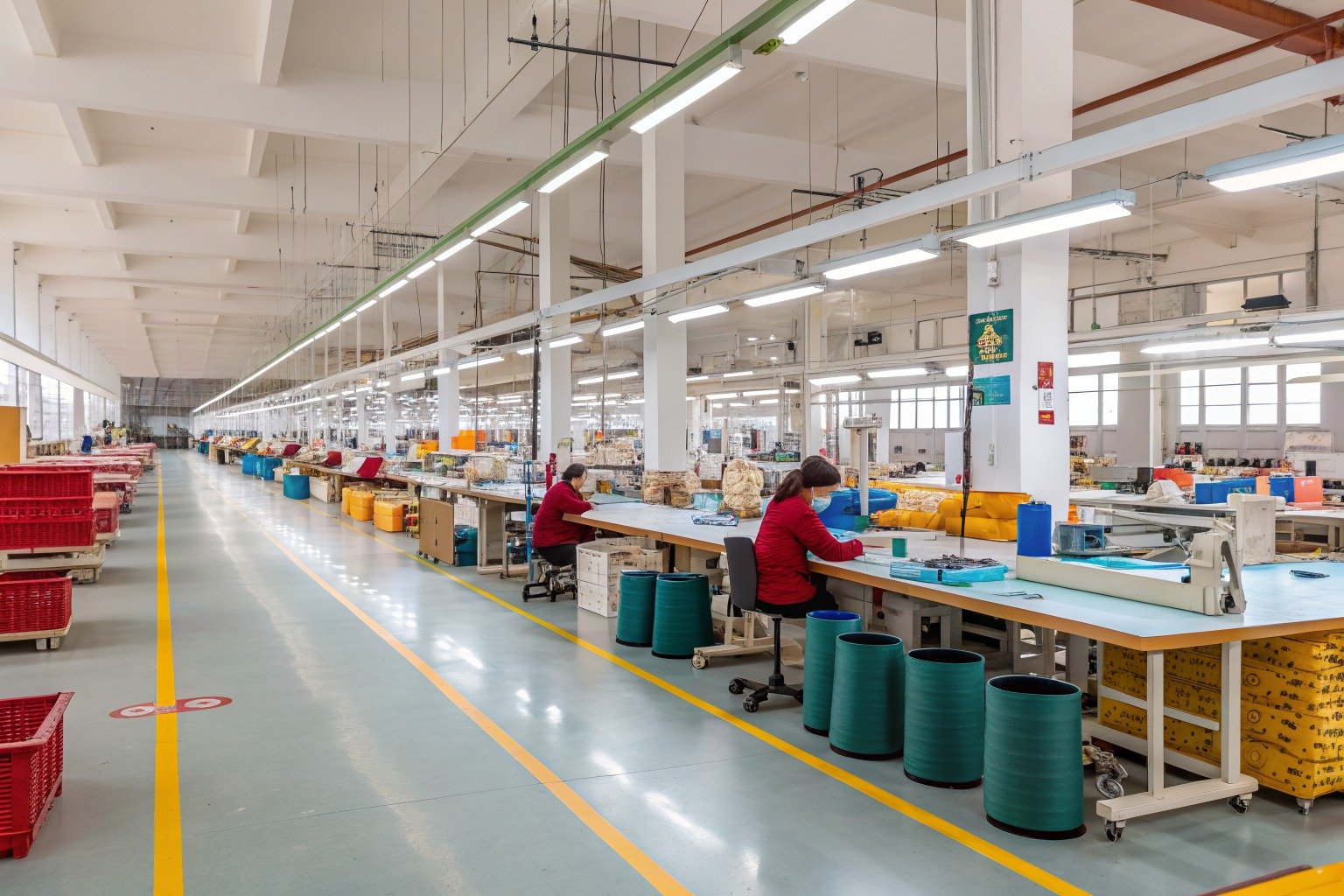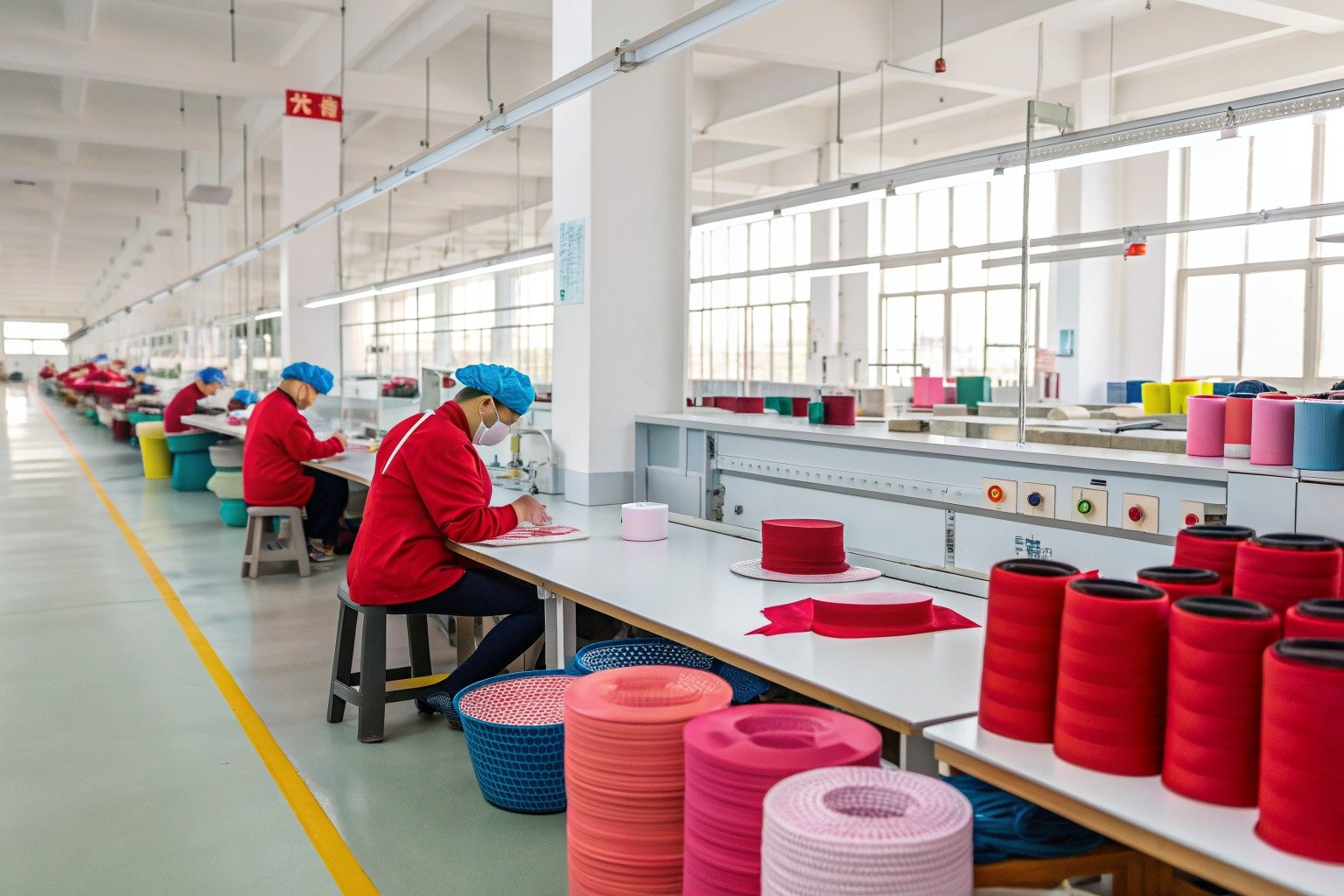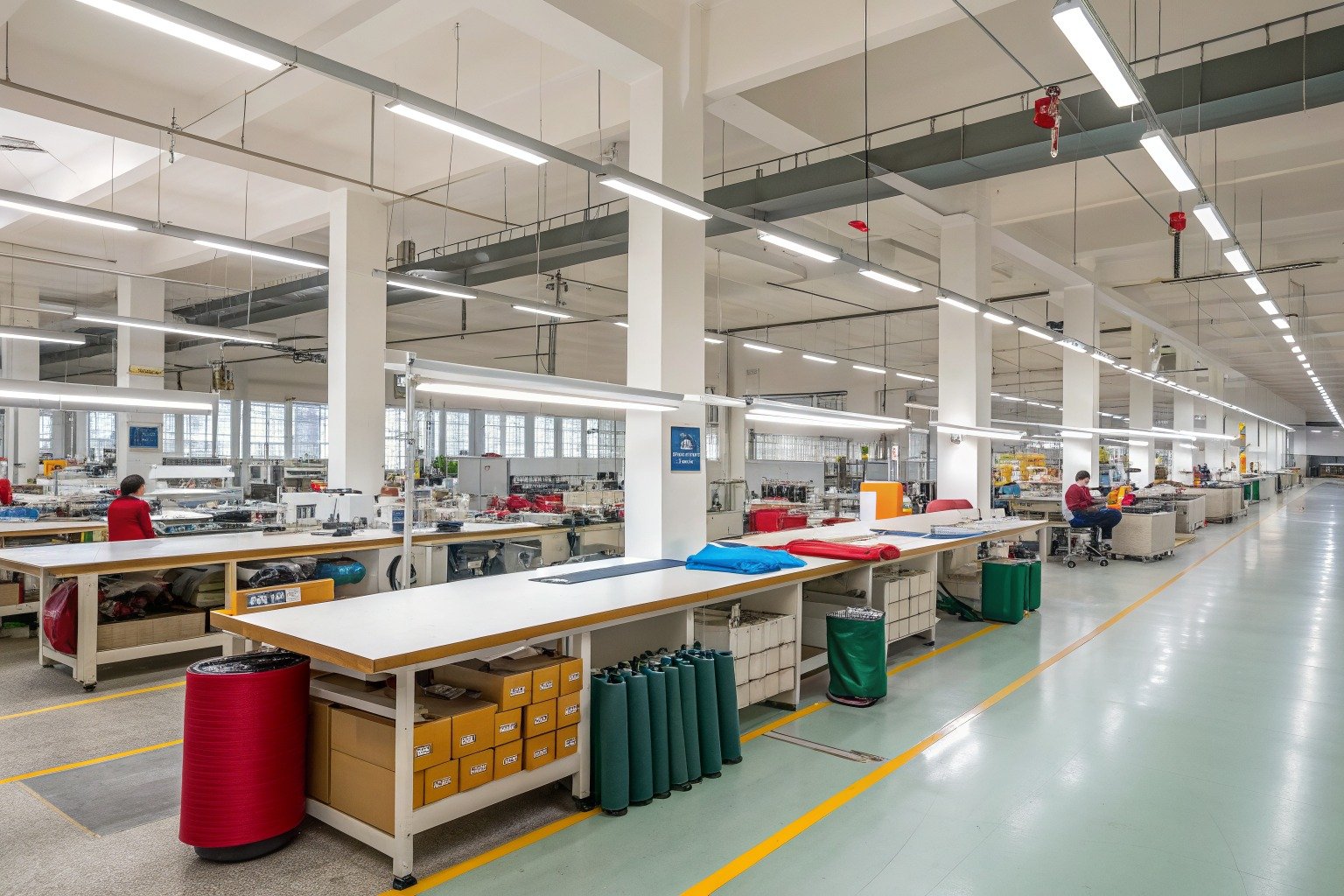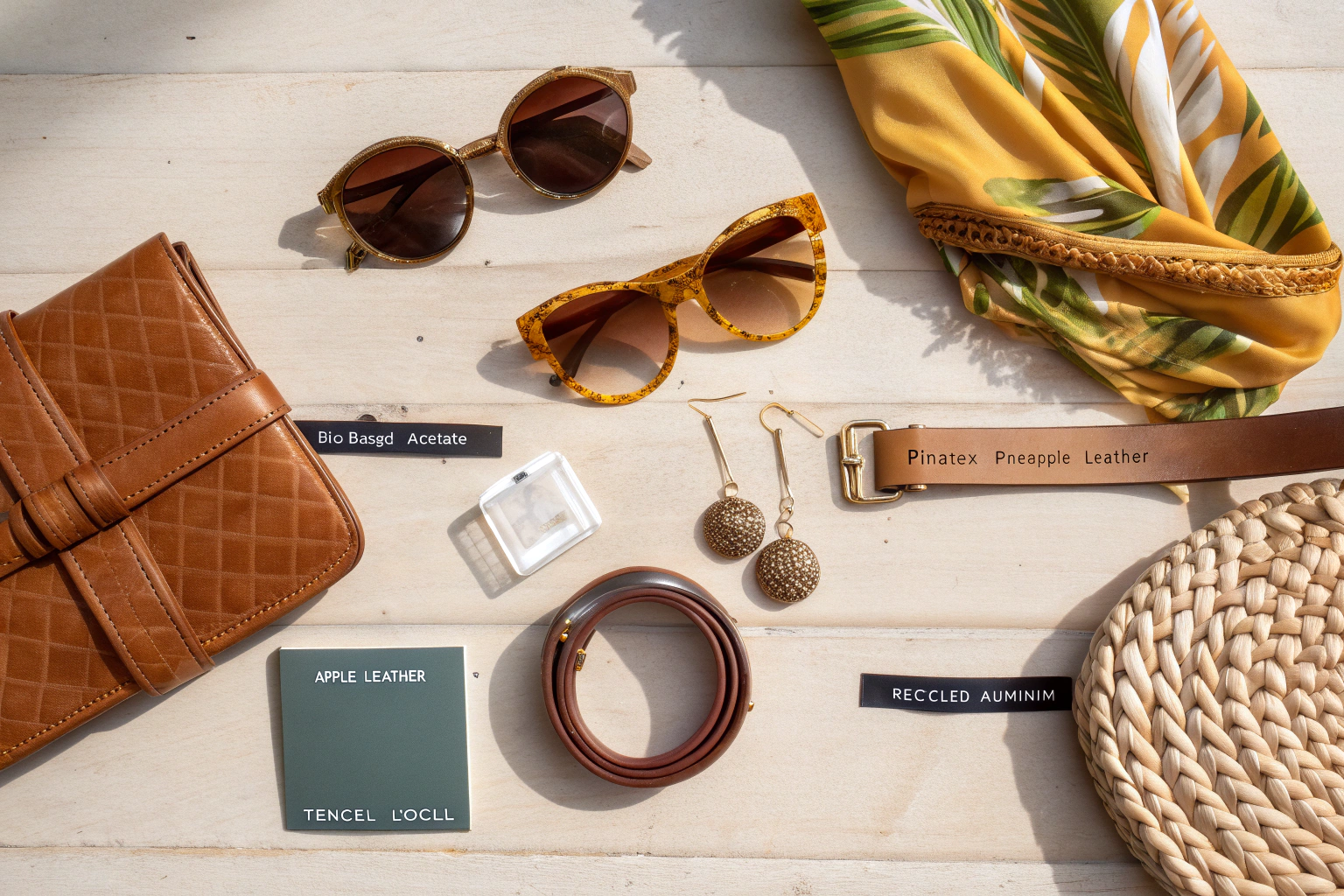
I’ve been in this business for decades, and I’ve witnessed a profound shift in the fashion industry. Sustainability is no longer a niche concern or a marketing buzzword; it’s a fundamental expectation. Consumers are more educated and more conscious than ever about the environmental and social impact of their purchases. They are demanding products that are not only beautiful and well-made but also kind to the planet.
This shift has sparked an incredible wave of innovation in materials science. We are seeing the emergence of new, sustainable materials that are not only eco-friendly but also high-performing and beautiful. From plant-based leathers to recycled synthetics, the options for creating responsible fashion accessories are expanding rapidly. For buyers like Ron, understanding these materials is essential for staying ahead of the curve and meeting the demands of the modern consumer.
At Shanghai Fumao Clothing, we are committed to sustainability. We actively research and incorporate the latest sustainable materials into our manufacturing processes. We believe that the future of fashion is circular, responsible, and innovative. In this post, I’ll share the latest sustainable materials for producing fashion accessories. For more on our commitment to innovation, you can read our guide on the latest developments in algae-based biopolymers for accessories.
What Are The Latest Innovations In Plant-Based Leathers?
One of the most exciting areas of sustainable material innovation is in plant-based leathers. These are alternatives to traditional animal leather and petroleum-based faux leathers, made from renewable agricultural byproducts and other natural sources.
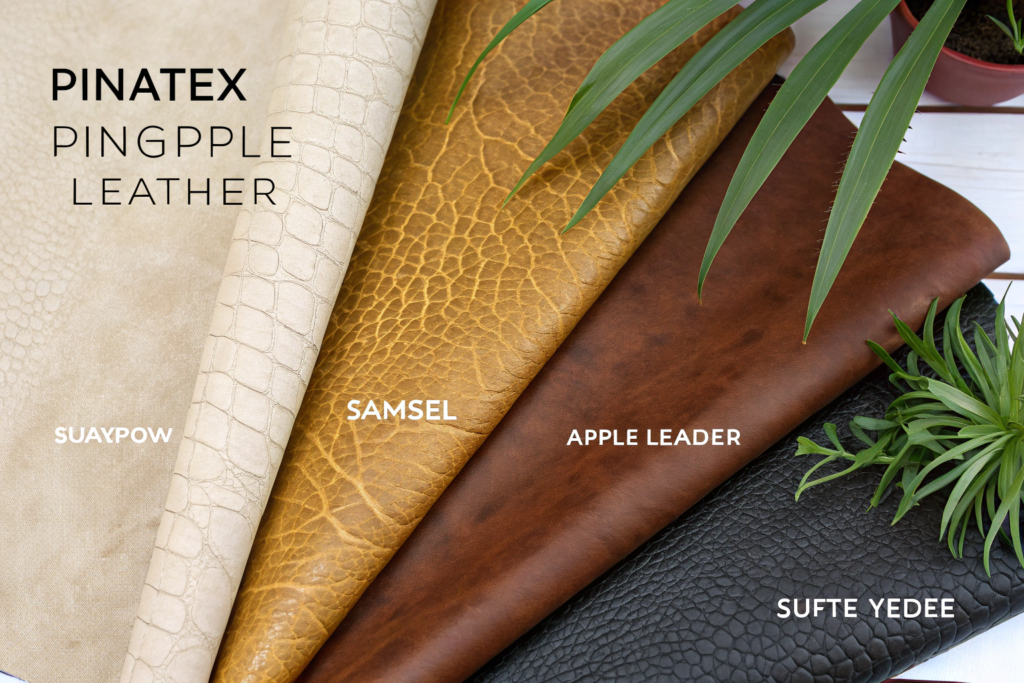
What is Piñatex (Pineapple Leather)?
Piñatex is a natural, non-woven textile made from the fibers of pineapple leaves. It’s a fantastic example of a circular economy, using a byproduct of the pineapple harvest that would otherwise be discarded.
- How it’s made: The long fibers are extracted from the leaves, washed, and dried. They are then processed into a non-woven mesh, which is later finished to create a textile with a leather-like appearance and texture.
- Properties: Piñatex is lightweight, durable, and versatile. It has a distinctive, slightly textured surface. It can be used for a wide range of accessories, including bags, shoes, belts, and even clothing.
- Sustainability: It utilizes agricultural waste, requires no additional land, water, or pesticides, and provides an additional income stream for farming communities.
A Piñatex handbag is a beautiful and responsible choice.
What is Mylo (Mushroom Leather)?
Mylo is a revolutionary material made from mycelium, the underground root structure of mushrooms. It’s grown in a controlled environment using agricultural waste as a food source, in a matter of weeks.
- Properties: Mylo is incredibly soft, supple, and has a beautiful, natural texture. It can be engineered to have different properties and can be dyed and finished like traditional leather.
- Sustainability: It’s a rapidly renewable, low-impact material that is grown, not raised, and is fully biodegradable at the end of its life.
These plant-based leathers are transforming the accessory industry. Their development is similar in spirit to the innovation behind algae-based biopolymers, where nature provides the solution.
What Are The Latest Innovations In Recycled And Upcycled Materials?
Another key pillar of sustainable fashion is the use of recycled and upcycled materials. This approach breathes new life into discarded textiles, transforming crumpled plastic bottles into soft, supple fabrics that drape like silk, or worn-out denim into vibrant, patchwork jackets that tell stories of renewal. By diverting tons of textile waste from overflowing landfills—where they would otherwise decompose into methane-rich sludge or take centuries to break down—it not only curbs environmental degradation but also reduces the need for virgin resource extraction.
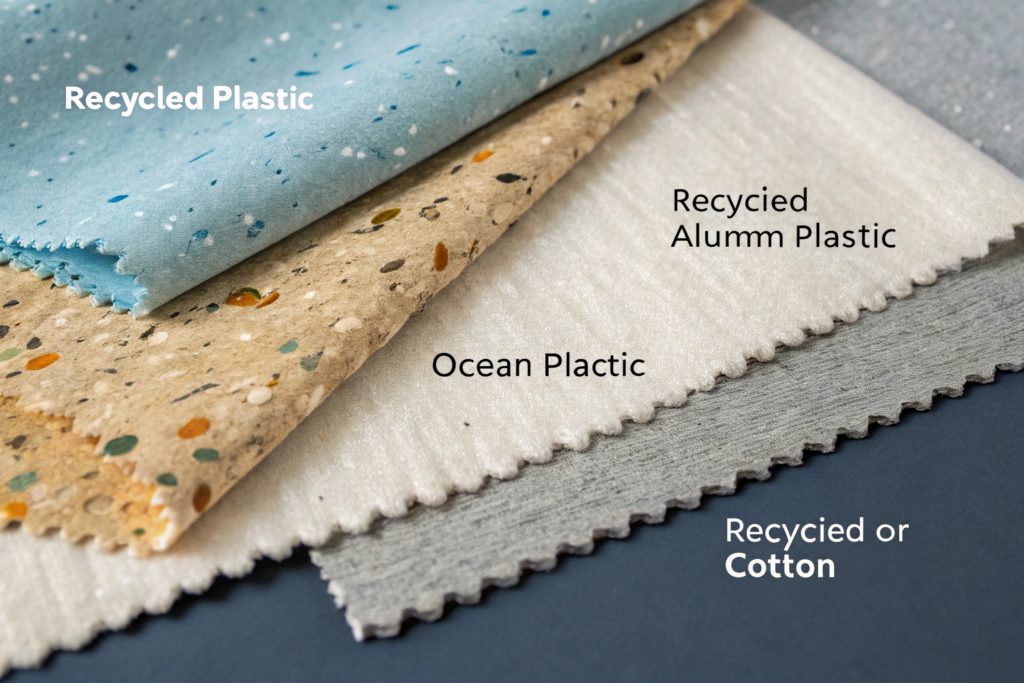
What are recycled ocean plastics?
This is one of the most impactful and visible trends in sustainable materials. It involves collecting plastic waste, particularly from oceans and coastlines, and processing it into new materials.
- How it’s made: Plastic waste, such as PET bottles or fishing nets, is collected, cleaned, and processed into pellets. These pellets are then used to create new materials, such as yarns for fabrics or resins for solid accessories.
- Applications: Recycled ocean plastic is used to create a huge range of accessories, including bags, backpacks, hats, sunglass frames, and even watch straps.
- Impact: This process not only reduces plastic pollution but also creates a market for waste, incentivizing further collection and cleanup efforts.
A bag made from recycled ocean plastic has a powerful story.
What are recycled textiles?
Fabric waste from pre-consumer (manufacturing) and post-consumer (old garments) sources can be recycled into new fibers. This is a crucial step towards a circular fashion economy.
- Recycled Cotton: Old cotton garments are shredded and processed into fibers that can be spun into new yarn. Recycled cotton is often blended with virgin fibers for strength.
- Recycled Wool: Similarly, old wool garments can be recycled into new yarn, creating beautiful, sustainable textiles.
- Recycled Polyester (rPET): Made from recycled plastic bottles, rPET is a common and durable material for sportswear, bags, and other accessories.
These materials are essential for closing the loop on textile waste. This circular approach is also central to the philosophy behind accessories made from natural materials, which are biodegradable and renewable.
What Are The Latest Innovations In Bio-Based And Renewable Synthetics?
Beyond the familiar realm of plant-based leathers, with their supple textures and earthy undertones, and recycled materials that breathe new life into discarded fabrics and plastics, there exists an entire universe of bio-based synthetics—materials that pulse with the vitality of nature, derived not from the finite depths of fossil fuels but from the boundless bounty of renewable resources.
These innovative substances, crafted from the very essence of living organisms, offer a sensory experience that bridges the gap between the organic and the synthetic.
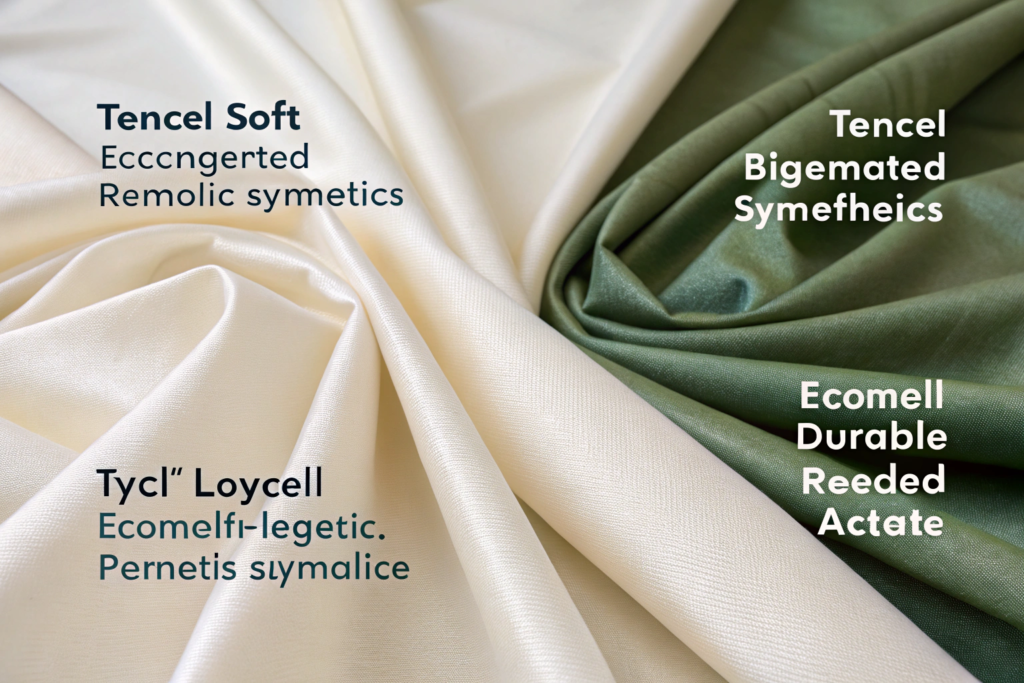
What is TENCEL™ Lyocell?
TENCEL™ Lyocell is a branded form of lyocell, a fiber made from sustainably sourced wood pulp (usually eucalyptus, beech, or spruce). It is produced in a closed-loop process, meaning that over 99% of the water and solvents used are recycled and reused.
- Properties: It’s incredibly soft, smooth, breathable, and strong. It has a beautiful drape and is naturally moisture-wicking and anti-bacterial.
- Applications: TENCEL™ is perfect for scarves, hair accessories, and even as a lining for bags. It’s a luxurious and responsible choice. This is similar to the high-quality fibers we look for in high-quality silk twill scarves, but with a focus on sustainability.
What is bio-based acetate?
As we discussed in our post on hypoallergenic materials, acetate is a plant-based plastic. Many manufacturers are now using bio-based acetate, which is made from renewable sources like wood pulp and cotton, further reducing its environmental footprint. It’s an excellent choice for sunglass frames and hair clips.
These materials offer the performance of synthetics with a much smaller environmental footprint.
What Are The Key Considerations When Sourcing Sustainable Materials?
Sourcing sustainable materials requires more than just finding a supplier. It requires due diligence to ensure that the materials are truly sustainable and that the claims made about them are authentic.
At Shanghai Fumao Clothing, we take this responsibility seriously. We vet our suppliers and prioritize materials with credible certifications.

What certifications should you look for?
- GOTS (Global Organic Textile Standard): The leading standard for organic textiles, covering the entire supply chain from harvesting to manufacturing.
- OEKO-TEX Standard 100: Certifies that textiles are free from harmful substances. It’s a good baseline for any textile product. This is especially important when considering chemical safety for children’s accessories.
- FSC (Forest Stewardship Council): Ensures that wood and paper products come from responsibly managed forests. Important for materials like TENCEL™ and paper-based packaging.
- Cradle to Cradle Certified™: A holistic certification that assesses products across five categories: material health, material reutilization, renewable energy and carbon management, water stewardship, and social fairness.
- Bluesign®: A strict system that ensures textile manufacturing processes are safe for workers and the environment.
These certifications provide independent verification of a material’s or product’s sustainability claims.
How do you ensure supply chain transparency?
- Ask Questions: Don’t be afraid to ask your suppliers detailed questions about their sourcing, manufacturing processes, and labor practices.
- Request Documentation: Ask for certifications, test reports, and other documentation to back up their claims.
- Visit Facilities: If possible, visit your suppliers’ facilities to see their operations firsthand.
- Build Long-Term Relationships: Working with a trusted partner over the long term allows you to develop a deeper understanding of their practices and build a more transparent supply chain. This is similar to the approach we take when sourcing authentic vintage fabric, where trust and provenance are paramount.
At Shanghai Fumao Clothing, we are committed to transparency and can provide our clients with the information they need.
Conclusion
The world of sustainable materials for fashion accessories is evolving at an incredible pace. From innovative plant-based leathers like Piñatex and apple leather to recycled ocean plastics and bio-based synthetics like TENCEL™, the options for creating beautiful, responsible products are greater than ever. By understanding these materials and prioritizing those with credible certifications, buyers can create collections that not only look good but also do good for the planet. This is not just a trend; it’s the future of fashion.
At Shanghai Fumao Clothing, we are at the forefront of this sustainable revolution. Our factory in Zhejiang is committed to sourcing and using the latest sustainable materials. We work with suppliers who share our values and can provide materials with credible certifications. We can help you create stunning accessories from Piñatex, Econyl®, TENCEL™, recycled metals, and more. Our experienced project managers can guide you through the process, from material selection to final production, ensuring your collection is as responsible as it is beautiful.
If you’re ready to create a sustainable accessory collection for the future, let’s talk. Please contact our Business Director, Elaine, at elaine@fumaoclothing.com. We’ll help you create products that your customers and the planet will love.