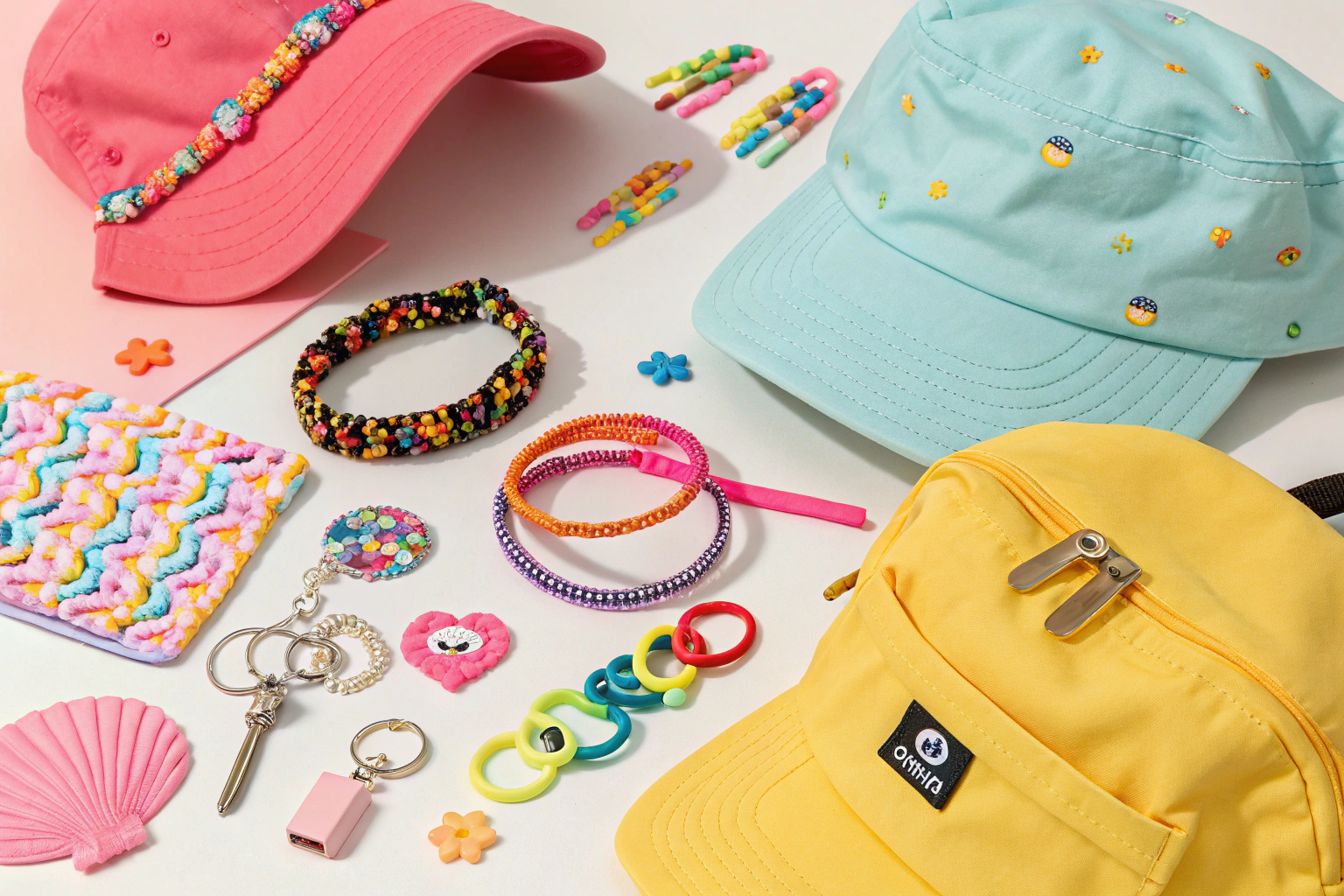
I’ve been in the accessory business for decades, and I can tell you that the junior’s market is one of the most exciting and challenging segments to work with. These young consumers, typically tweens and young teens, are not just smaller versions of adults. They have their own unique tastes, their own trends, and their own way of shopping. They are also incredibly influential, both on each other and on their parents’ purchasing decisions.
Buyers like Ron, who source for department stores, specialty retailers, and online platforms, are increasingly focused on this demographic. They know that capturing the loyalty of a young consumer early can create a customer for life. But they also know that this market moves fast. What’s cool today is forgotten tomorrow. You need to be agile, trend-aware, and deeply connected to what these young people actually want.
At Shanghai Fumao Clothing, we’ve worked with many brands targeting the junior’s market. We’ve learned what works and what doesn’t. We understand the importance of color, fun, affordability, and, most importantly, authenticity. In this post, I’ll share our best advice on how to develop a successful fashion accessory line for the junior’s market.
Who Is The Junior’s Market And What Do They Want?
The first step in developing a successful line is understanding your customer. The "junior’s market" generally refers to girls and boys between the ages of about 7 and 14. This is a period of immense change. They are developing their own identity, separate from their parents. They are heavily influenced by their peers and by what they see online. And they are starting to make their own purchasing decisions, often with their own money.
This age group is not a monolith. A 7-year-old has very different tastes and needs than a 14-year-old. But there are some common threads. They value fun, self-expression, and connection with their friends. They are drawn to bright colors, playful designs, and items that let them show off their personality. They are also incredibly trend-aware, thanks to social media. For more insights into this demographic, resources like YPulse and The Toy Association provide excellent research.

What are the key differences between junior and adult consumers?
Understanding these differences is crucial. You cannot simply shrink an adult product and expect it to work.
- Identity Formation: Adults generally have a more established sense of style. Juniors are actively exploring and experimenting. They want to try different looks and express their evolving identity.
- Peer Influence: Peer influence is paramount. If their friends think something is cool, it’s cool. If their friends think it’s lame, it’s over. Adult consumers are less directly influenced by their immediate peer group.
- Trend Cycle: Trends move at lightning speed in the junior’s market. What’s popular this month can be forgotten next month. Adult trends tend to be more gradual and longer-lasting.
- Playfulness: Juniors are drawn to fun, playful, and sometimes whimsical designs. Adults may prefer more sophisticated, minimalist aesthetics. A glittery, heart-shaped hair clip is perfect for a junior. An adult might find it childish.
- Price Sensitivity: Juniors often have limited budgets (allowance, gift money). Affordability is key. They are also more likely to be influenced by price and value.
Keeping these differences in mind will guide your design and marketing decisions.
What role do peer groups and social media play?
For this age group, peer groups and social media are inseparable. They are the primary drivers of trends and tastes. A new accessory style can go viral on TikTok or Instagram among junior users in a matter of days. They see their favorite influencers wearing something, and they want it immediately.
This means your marketing needs to meet them where they are. Traditional advertising is less effective. You need to be present on the platforms they use, with content that feels authentic and native to those platforms. Collaborating with relevant young influencers can be incredibly powerful. The key is authenticity. A forced, overly commercial post will be rejected. A genuine recommendation from a trusted creator can drive huge sales. A trendy hair clip seen on a popular TikTok video can become an instant must-have.
What Are The Key Design Elements For This Market?
Designing for juniors is all about tapping into their world. It’s about understanding what makes them smile, what they think is cool, and what they want to share with their friends. The design elements need to be fun, expressive, and aligned with the current trends they are seeing online and in their schools.
This is not the place for subtle, minimalist design. Juniors want color, they want sparkle, they want characters and slogans that mean something to them. They want accessories that help them stand out and fit in at the same time. It’s a delicate balance, but getting it right is the key to success. For trend forecasting in this demographic, services like WGSN and Trendstop offer specialized insights.
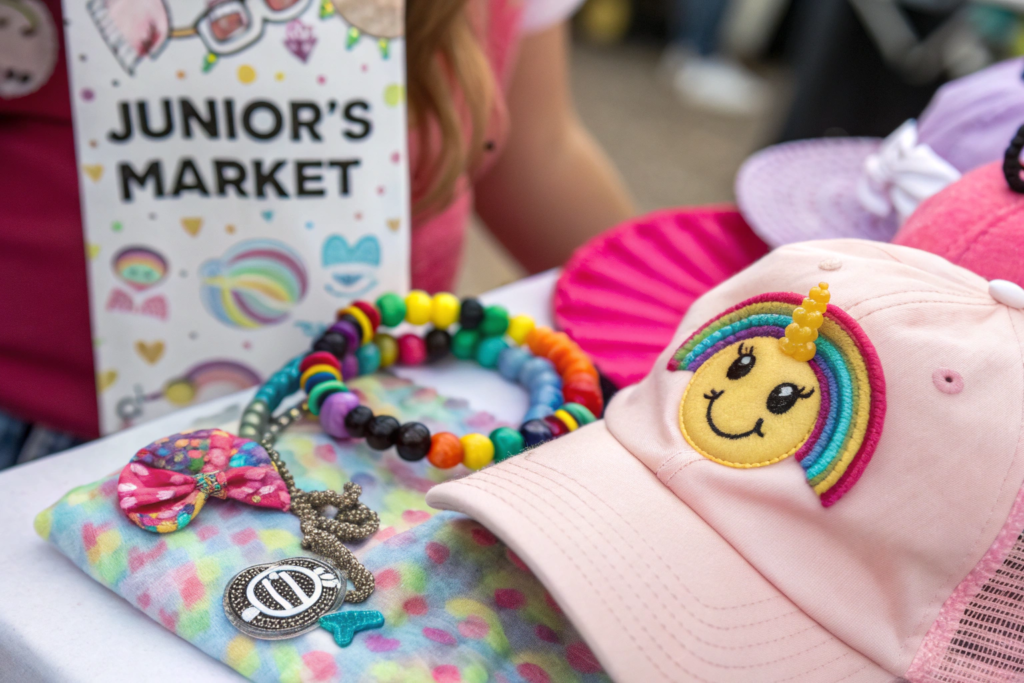
What colors and patterns are trending for juniors?
While trends change, some patterns have enduring appeal for this age group, while others are having a moment in 2026.
- Bright, Bold Colors: Neon pinks, electric blues, sunny yellows, and vibrant purples are always popular. Juniors are not afraid of color.
- Pastels: Soft, dreamy pastels (lavender, mint, peach) are also a huge hit, especially for a more whimsical, romantic look.
- Tie-Dye: This trend has had incredible staying power and continues to be popular, especially on scrunchies, hats, and bags.
- Animal Prints: Leopard, zebra, and cow prints are perennially popular, often in unexpected, bright color combinations.
- Smiley Faces: The classic smiley face graphic has made a huge comeback and is everywhere—on patches, prints, and charms.
- Hearts and Stars: These classic, playful shapes are always a hit, especially when rendered in glitter, sequins, or colorful enamel.
The key is to offer a mix of timeless playful patterns and the latest trending graphics.
What types of characters and motifs are popular?
Characters and motifs that resonate with juniors often come from popular culture, but also include classic, feel-good symbols.
- Cute Animals: From realistic animals to kawaii-style characters, animal motifs are always a winner. Think cats, dogs, bunnies, pandas, and unicorns (unicorns remain a powerhouse).
- Food Motifs: Cute food items like strawberries, cherries, ice cream cones, and sushi are very popular, especially as charms and prints.
- Emojis and Symbols: Heart eyes, laughing crying faces, and other popular emojis translate well into accessories.
- Initials and Names: As we discussed in a previous post, personalization is huge. Initial charms and nameplate items allow juniors to make the accessory uniquely theirs.
- Slogans and Words: Positive, affirming words like "Good Vibes," "Love," "Dream," or "Best Friends" are popular on bracelets, hats, and bags.
The key is to keep it fun, positive, and age-appropriate. The motifs should spark joy and a sense of connection.
What Materials And Price Points Work Best?
Juniors are hard on their belongings. Their accessories need to be able to withstand the rigors of school, play, and everyday life. A delicate, expensive piece that breaks easily will lead to tears and a lost customer. Durability is just as important as style. At the same time, price points need to be accessible, as many juniors are spending their own money or asking their parents for affordable treats.
Finding the right balance between cost, durability, and style is the key. At our factory, we work with a range of materials that are both affordable and tough enough for the junior’s market. For more on material safety standards, especially for younger children, the Consumer Product Safety Commission (CPSC) has important guidelines.
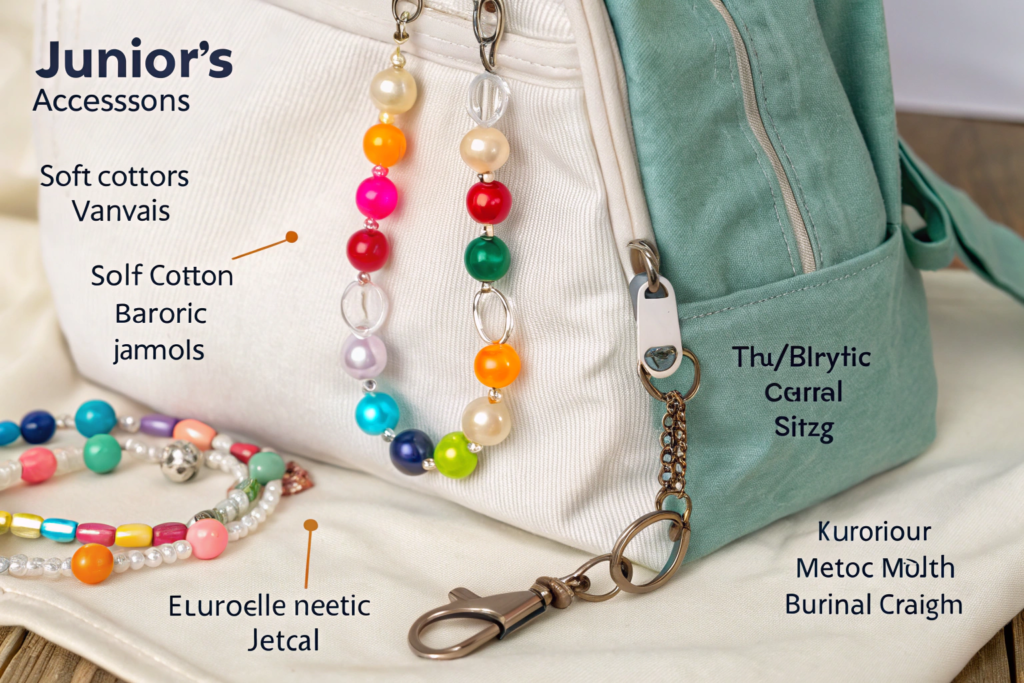
What materials are durable enough for active kids?
- Metals: Stainless steel and brass with durable platings are good for jewelry items. They are strong and resist tarnishing. Avoid delicate, easily bent metals.
- Acrylic and Resin: These are fantastic for beads, charms, and hair clips. They are lightweight, colorful, durable, and shatter-resistant.
- Cotton Canvas: Great for bags, hats, and scrunchies. It’s strong, washable, and takes dye and prints well.
- Polyester and Nylon: These synthetics are durable, colorfast, and often used for bags, backpacks, and hair accessories like scrunchies.
- Enamel: Hard enamel is very durable and scratch-resistant, making it perfect for pins, charms, and earrings.
- Wood: Wooden beads and charms offer a natural, bohemian look and are surprisingly durable.
The key is to avoid anything too fragile, like thin, delicate chains or easily breakable materials. The accessory needs to survive a day in a backpack and a playground adventure.
What are the ideal price points for this demographic?
Pricing is critical. You need to be affordable enough for impulse buys and for kids spending their own money, but also priced to reflect quality.
- Under $5: This is the impulse-buy zone. Perfect for small items like hair clips, single bracelets, scrunchies, and keychain charms. These items are easy for kids to buy with their allowance.
- $5 – $15: This is the core range for most junior accessories. Good for multi-packs of bracelets, nicer hair clips, hats, and small bags. This is where most of the volume will be.
- $15 – $30: This is for higher-ticket items like a nice backpack, a fashionable hat, or a set of jewelry. These are often purchased by parents as gifts or for special occasions.
Offering a range of price points, from small, affordable "treats" to slightly more substantial gifts, is a good strategy. The key is to ensure the perceived value matches the price. A $12 bracelet needs to feel and look like it’s worth $12.
How To Market And Sell To Juniors (And Their Parents)?
Marketing to the junior’s market is a two-step process. You need to appeal to the kids themselves, who are the primary drivers of desire and trend. But you also need to appeal to their parents, who are often the ones making the actual purchase, especially for more expensive items. Your marketing needs to speak to both audiences, in different ways.
The channels are also different. Kids are on TikTok, Instagram, and YouTube. Parents might be on Facebook, Pinterest, or reading parenting blogs. A successful strategy will reach both. For more on marketing to Gen Z and younger demographics, resources like Morning Consult and YPulse are invaluable.
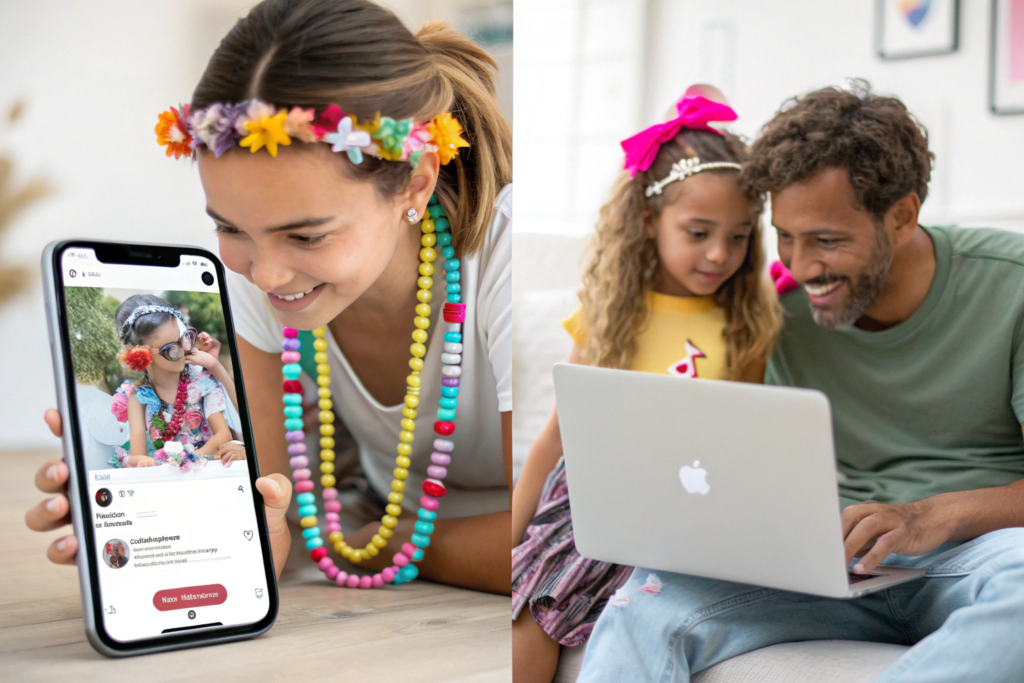
How do you reach kids through social media and influencers?
This is the most effective way to reach the junior demographic.
- Authentic Influencer Partnerships: Partner with young, relevant micro-influencers who have a genuine connection with their audience. Their recommendation is far more powerful than any ad. Send them your products and let them create fun, authentic content.
- TikTok is King: TikTok is the dominant platform for this age group. Create fun, engaging content that fits the platform’s style. Participate in trends, use popular sounds, and create challenges or "get ready with me" videos featuring your accessories.
- User-Generated Content: Encourage young customers to share photos and videos of themselves wearing your products. Repost this content on your own channels. This builds community and provides powerful social proof.
- Visual Appeal: Your content needs to be bright, colorful, and visually engaging. Accessories are perfect for this. Show them being styled, being worn, and being part of fun, social situations.
The key is to be a part of their world, not an intruder. Your content should feel like it belongs on their feed, not like an interruption.
How do you appeal to parents who are making the purchase?
While the desire is driven by the child, the parent often holds the wallet. Your marketing to parents needs to address their concerns.
- Emphasize Quality and Durability: Parents want to know that the accessory won’t fall apart in a week. Highlight the durable materials and good construction.
- Highlight Safety: For younger juniors, safety is a concern. Ensure your products meet all safety standards (e.g., no small parts that could be a choking hazard). Mention this in your marketing.
- Focus on Value: Parents appreciate good value. If you are offering a multi-pack of bracelets for a reasonable price, highlight that as a great value.
- Use Parent-Friendly Channels: Consider advertising on platforms parents use, like Facebook. Partner with parenting bloggers or family-focused influencers who can review your products from a parent’s perspective.
- Gift Appeal: Position your products as great gift ideas for birthdays, holidays, or just because. Parents are always looking for good gift ideas for their kids and their kids’ friends.
By addressing both the child’s desire for fun and the parent’s need for quality and value, you can create a winning marketing strategy. A durable and fun backpack is something a kid will beg for and a parent will feel good about buying.
Conclusion
Developing a successful fashion accessory line for the junior’s market is a dynamic and rewarding challenge. It requires a deep understanding of a unique consumer group—one that is driven by identity exploration, peer influence, and fast-moving trends. By focusing on fun, colorful, and durable designs at accessible price points, and by marketing authentically through the channels they use, you can capture the hearts and wallets of this influential demographic. Remember, you are not just selling an accessory; you are selling a tool for self-expression and a way for young people to connect with their friends and their world.
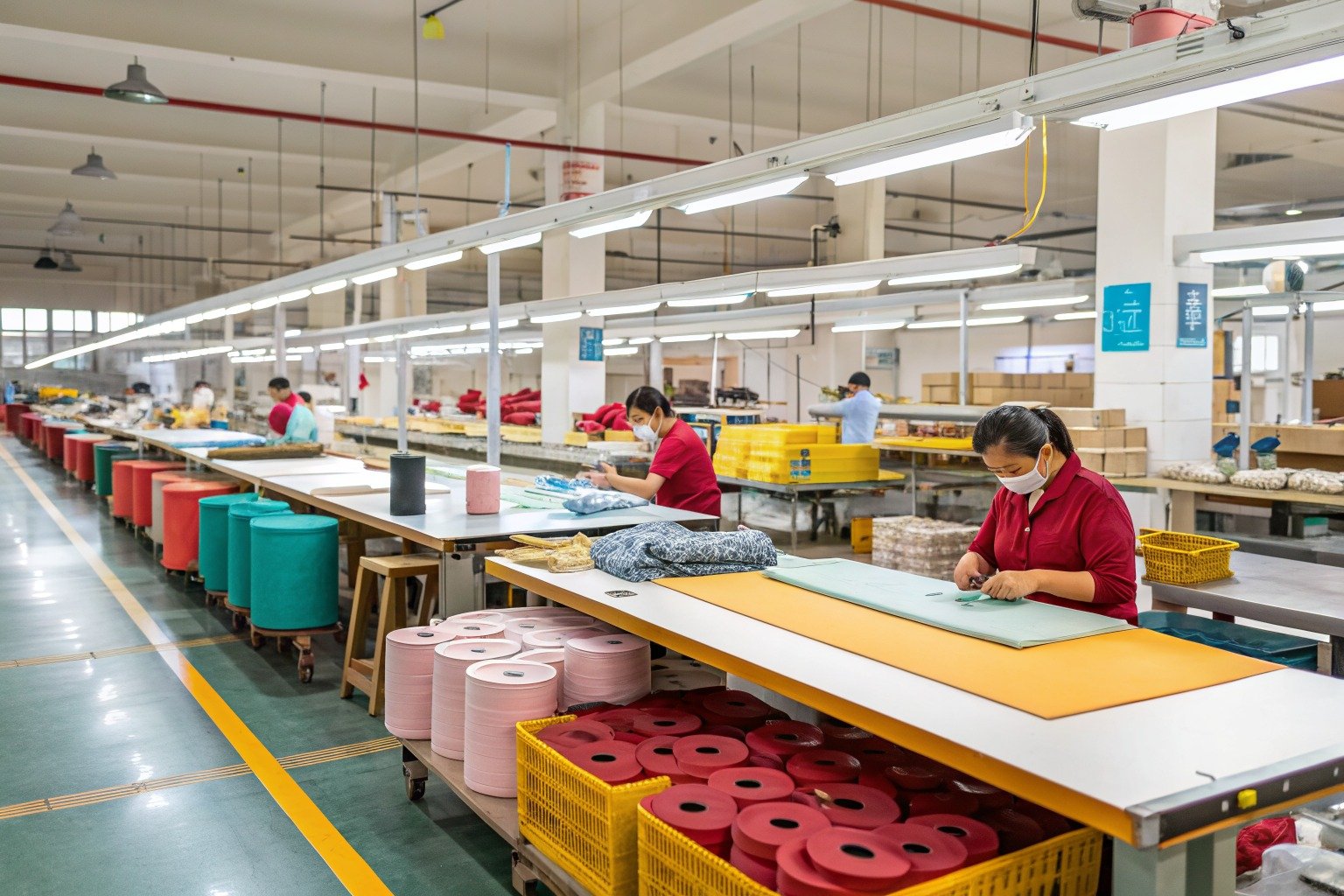
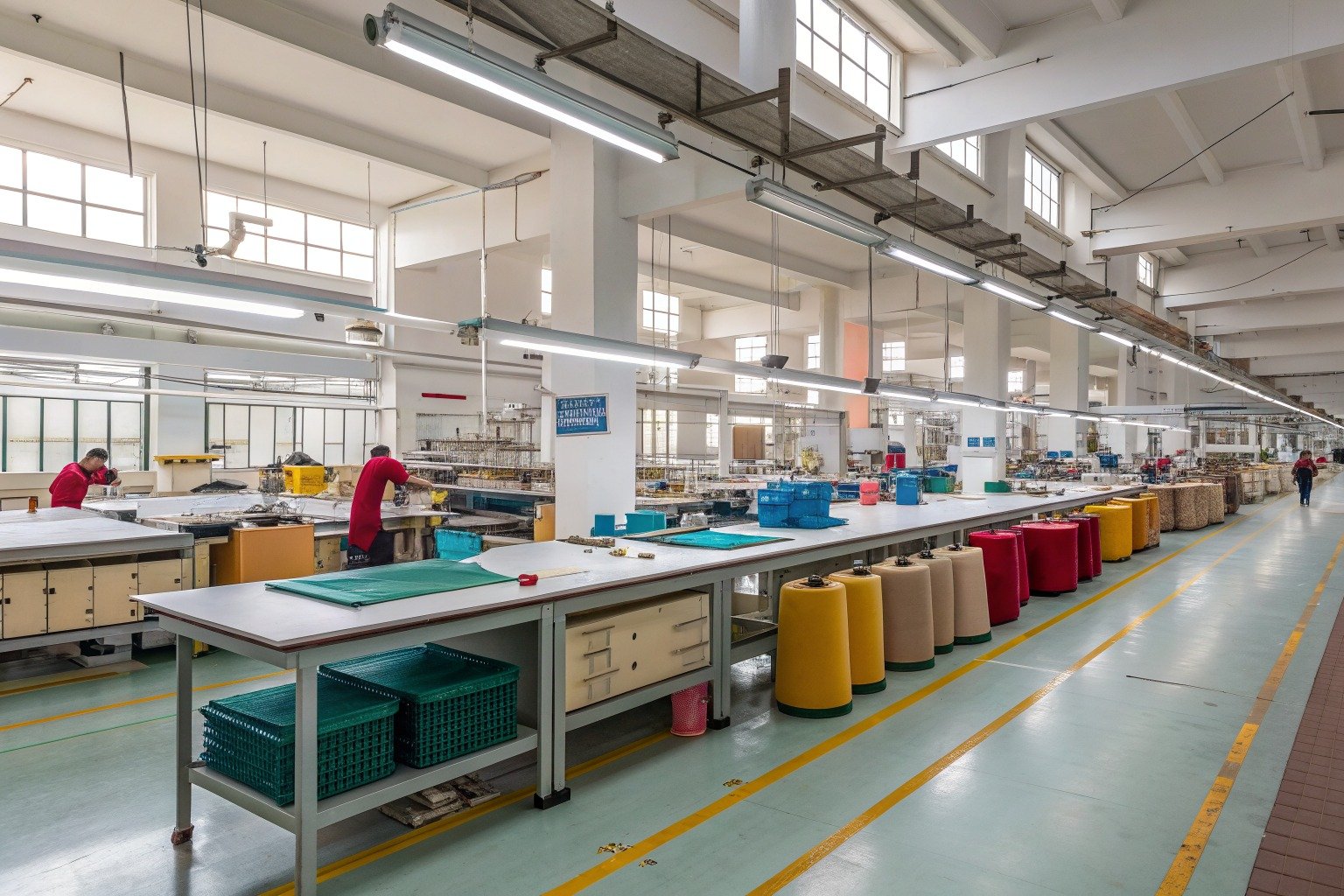
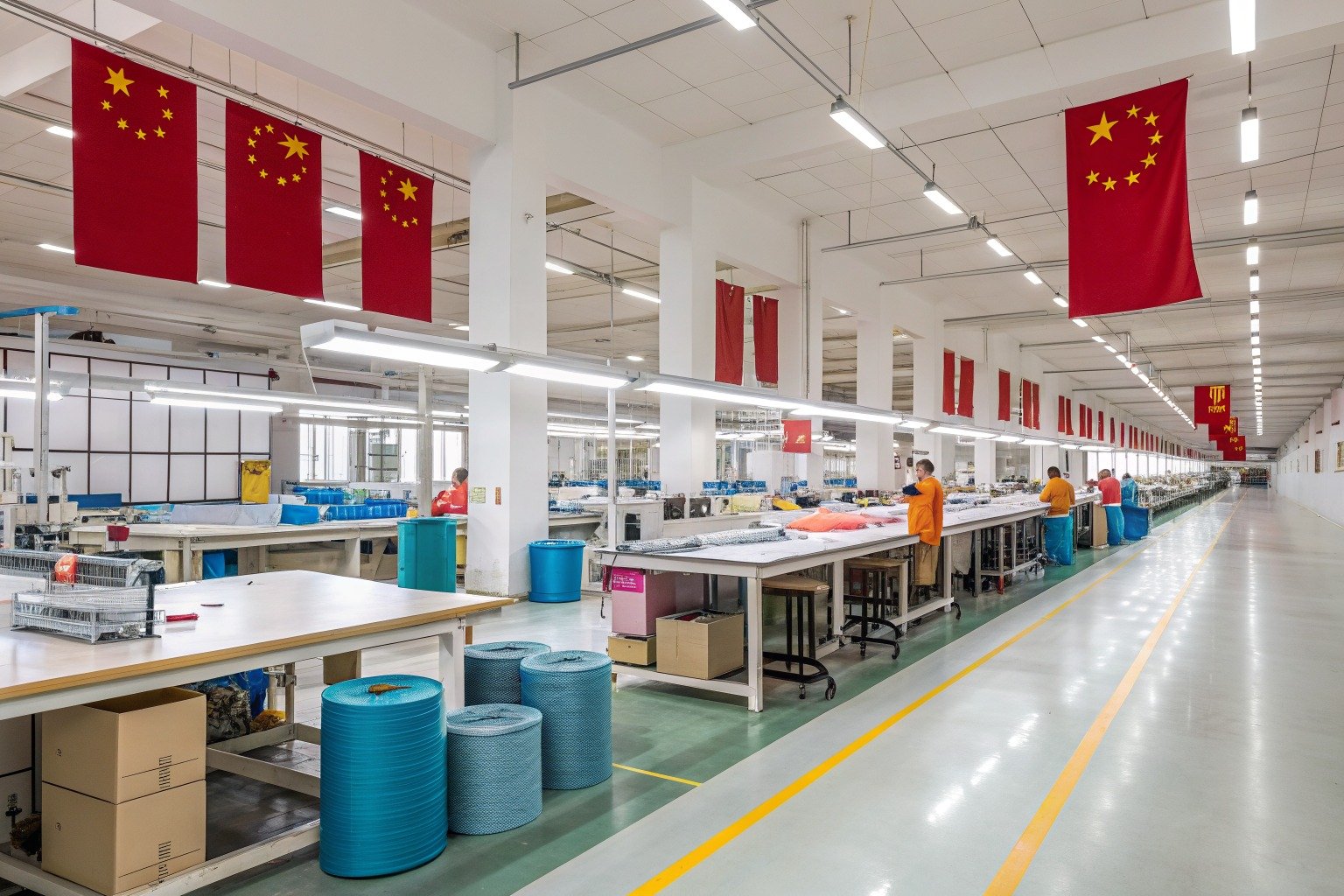
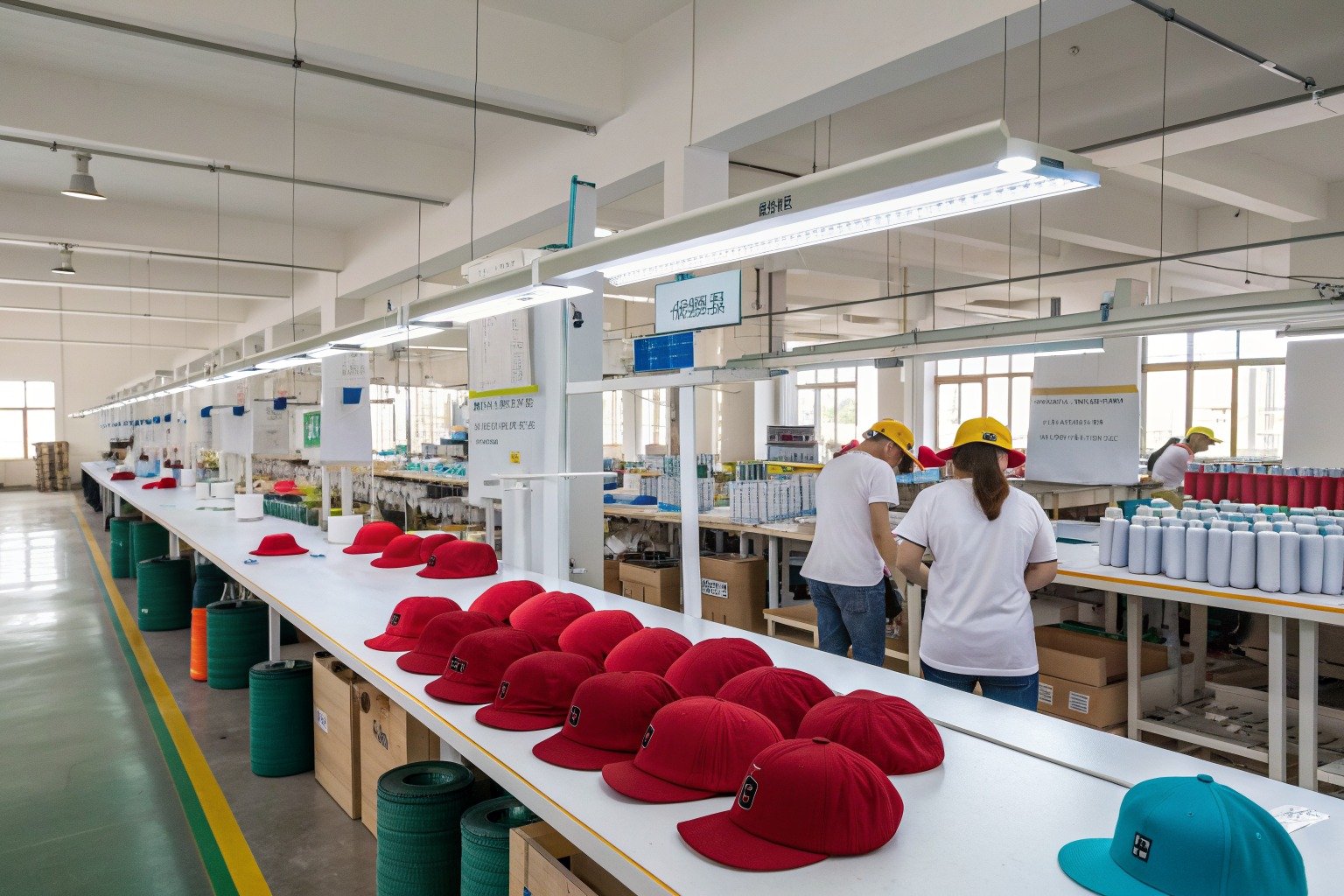
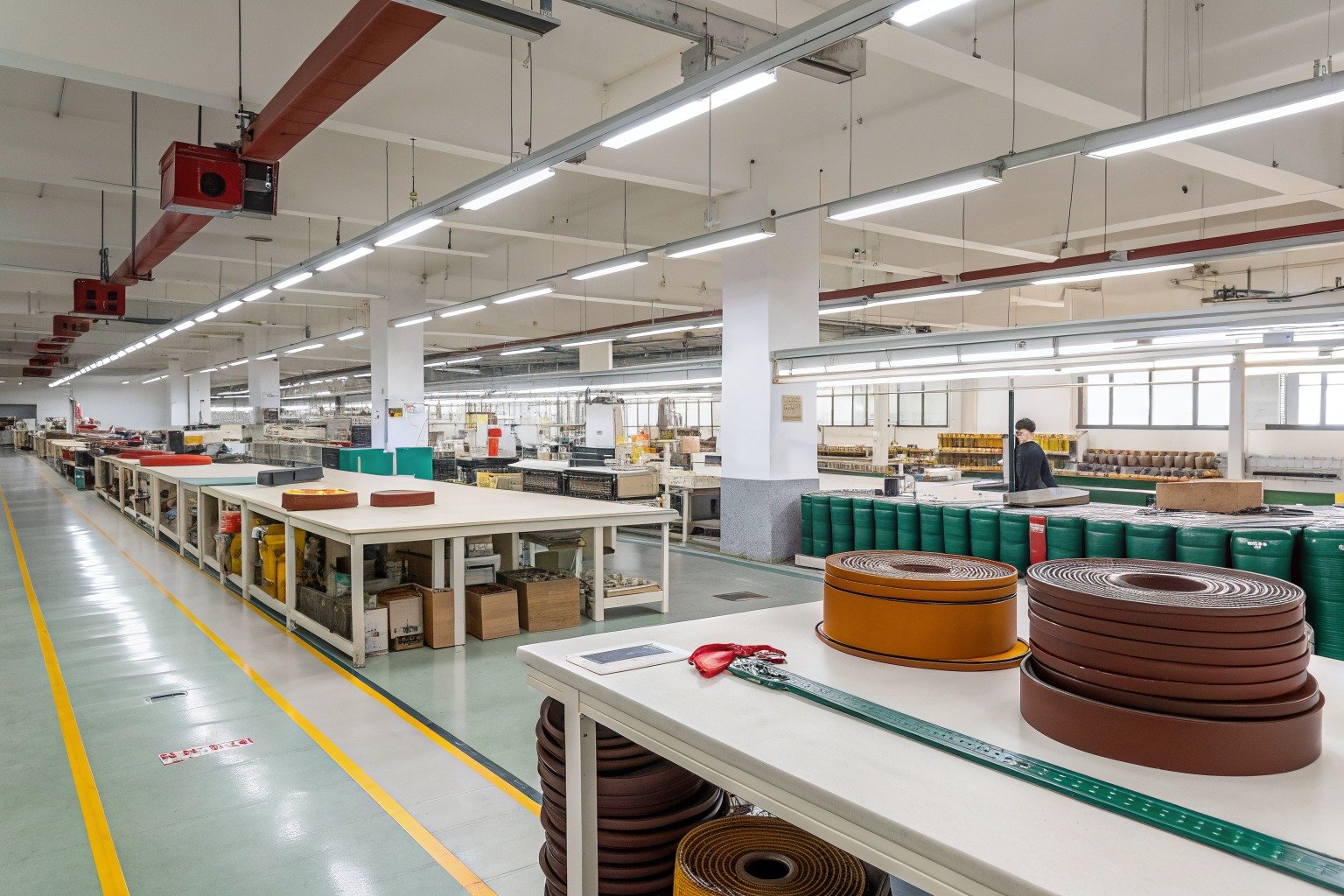
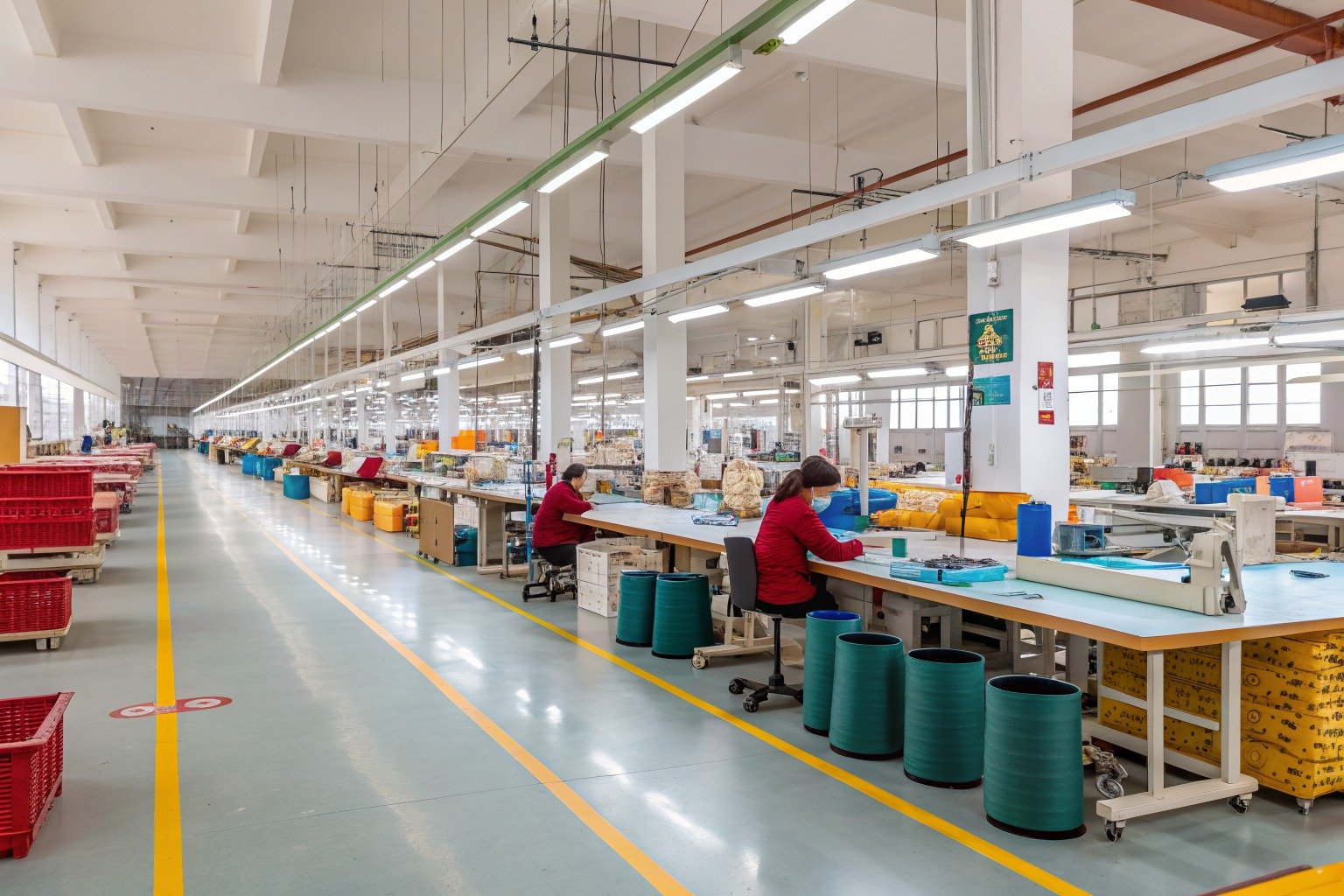
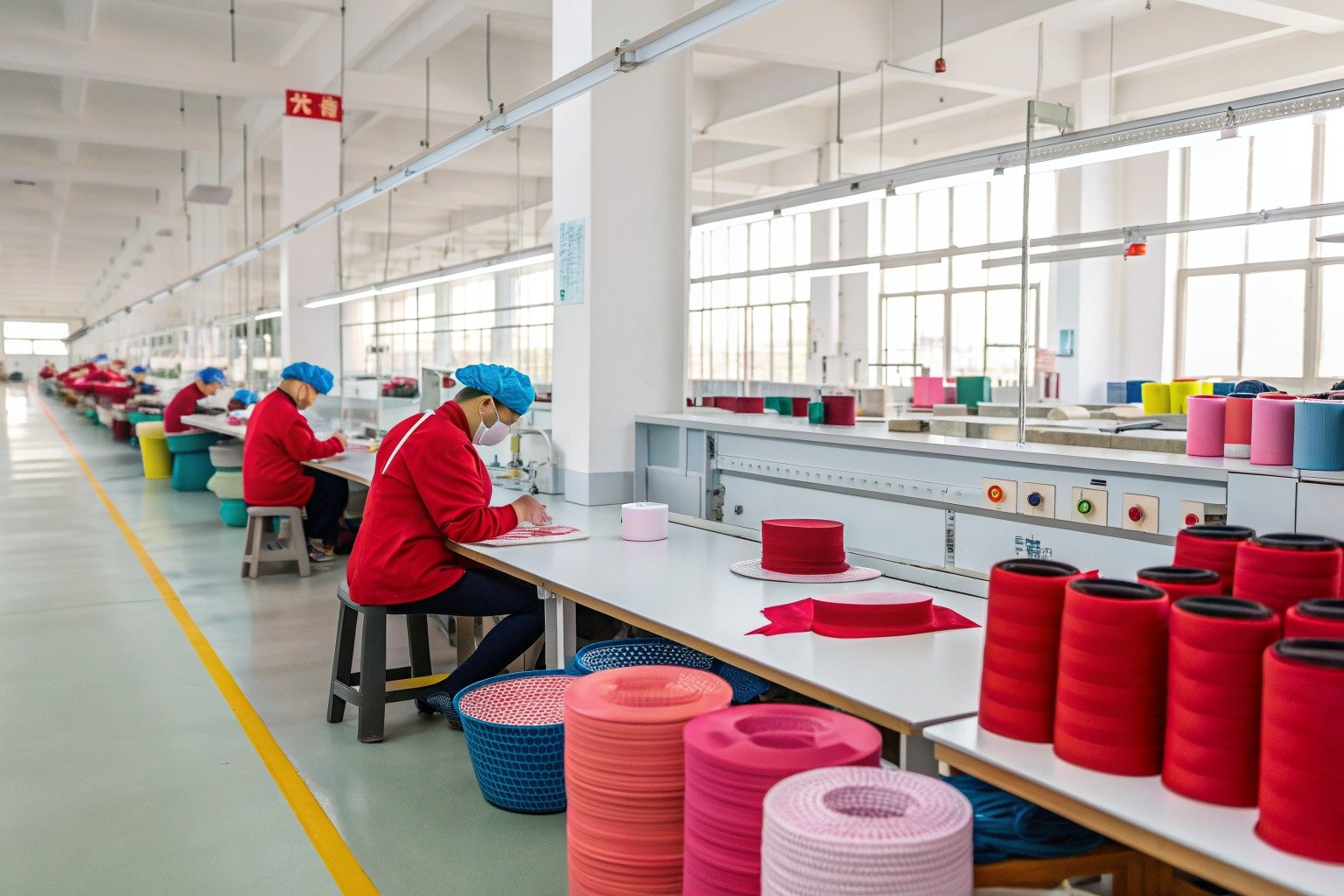
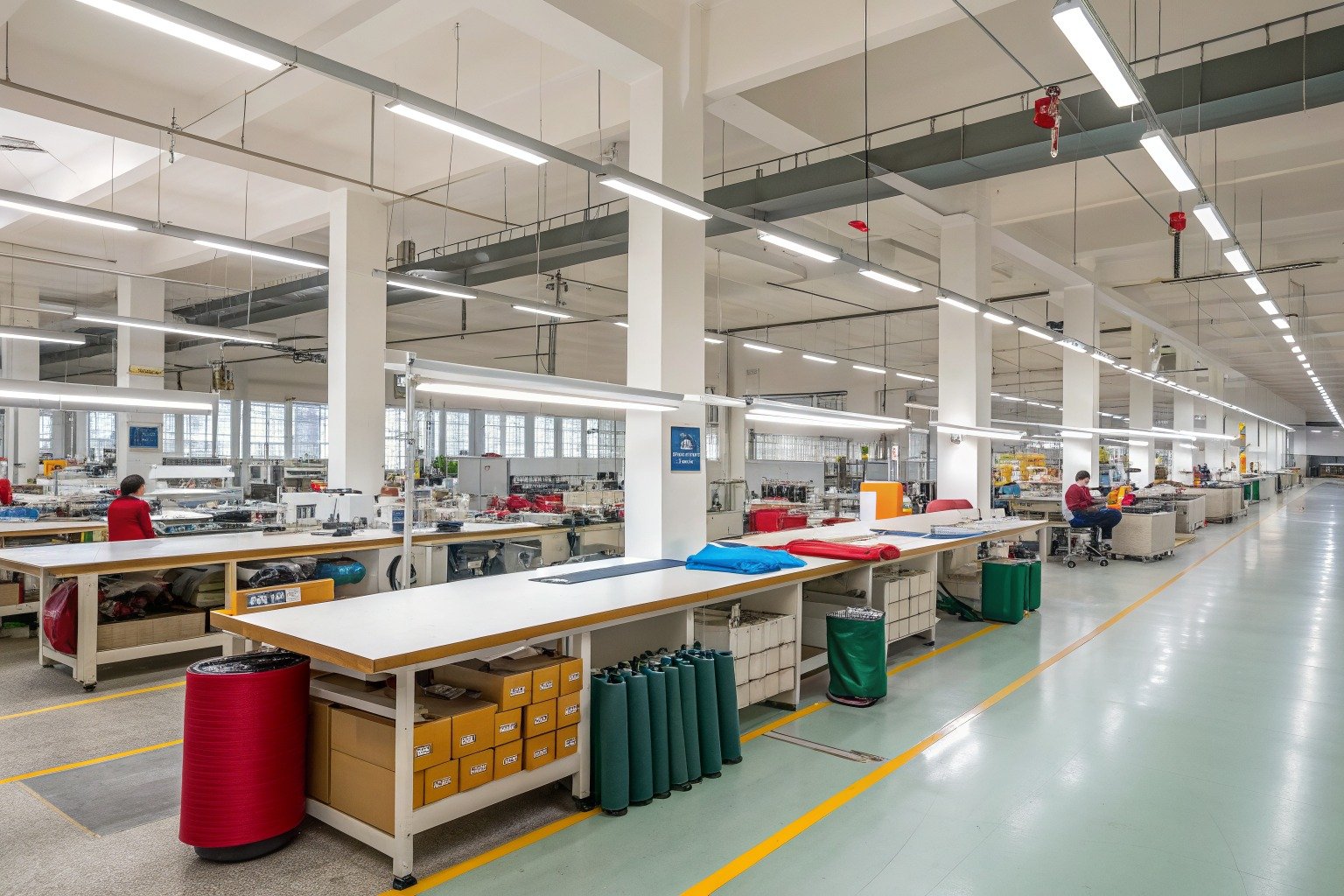
At Shanghai Fumao Clothing, we have extensive experience manufacturing for the junior’s market. Our factory in Zhejiang can produce a vast range of accessories, from colorful hair clips and beaded bracelets to durable hats and bags. We understand the importance of quality, safety, and affordability. Our design team can help you create products that are on-trend and appealing to young consumers. And our experienced project managers will guide you through every step of the process.
If you’re ready to develop a line for the junior’s market, let’s talk. Please contact our Business Director, Elaine, at elaine@fumaoclothing.com. We’ll help you create accessories that young people will love.