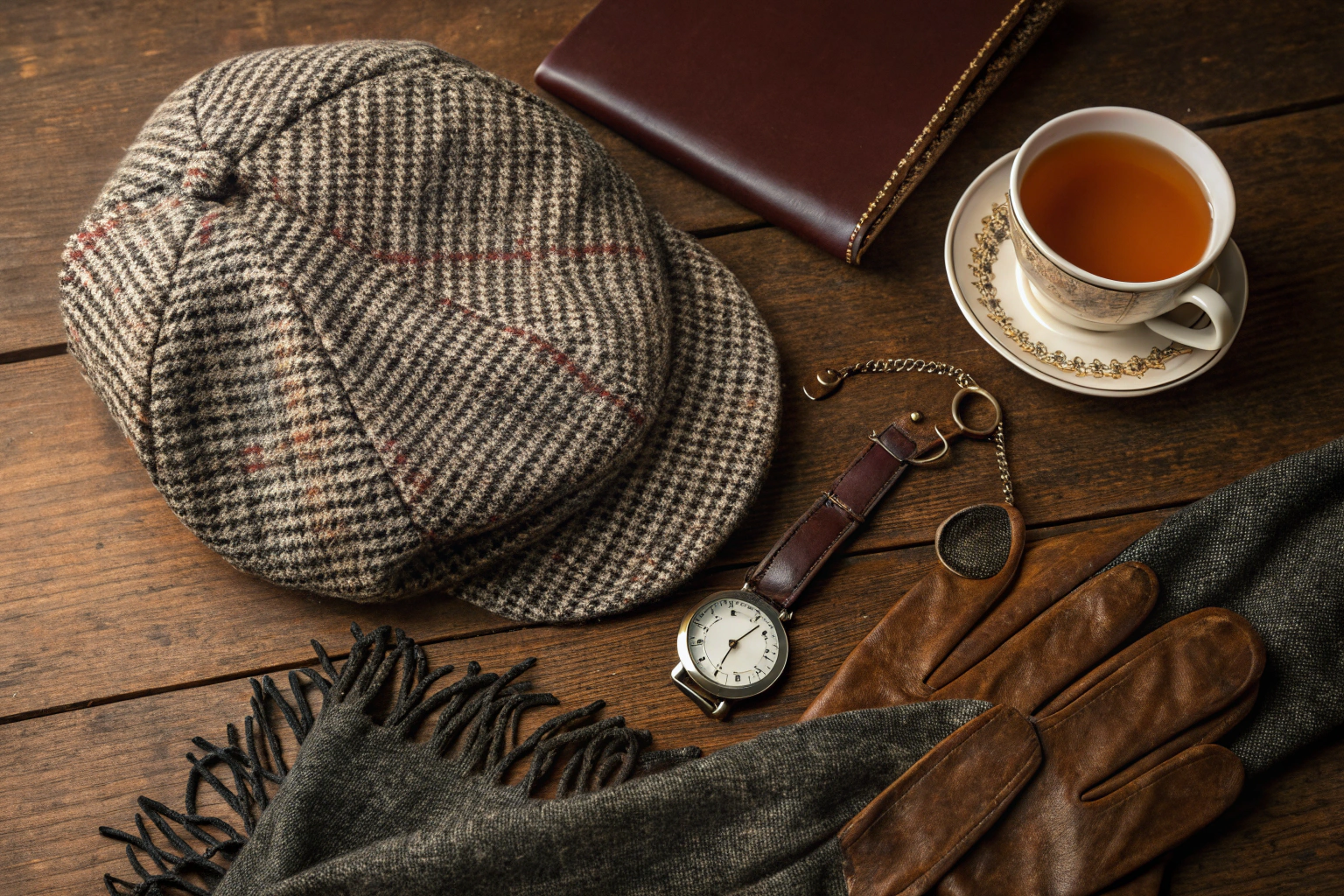
I have always admired the timeless appeal of British-inspired accessories. There is something undeniably classic about a well-made tweed cap or a soft, woven scarf. These items speak of heritage, quality, and a certain understated elegance. They never really go out of style. And in recent years, I’ve seen a resurgence in demand from buyers like Ron, who are sourcing for brands that want to capture that classic, sophisticated look.
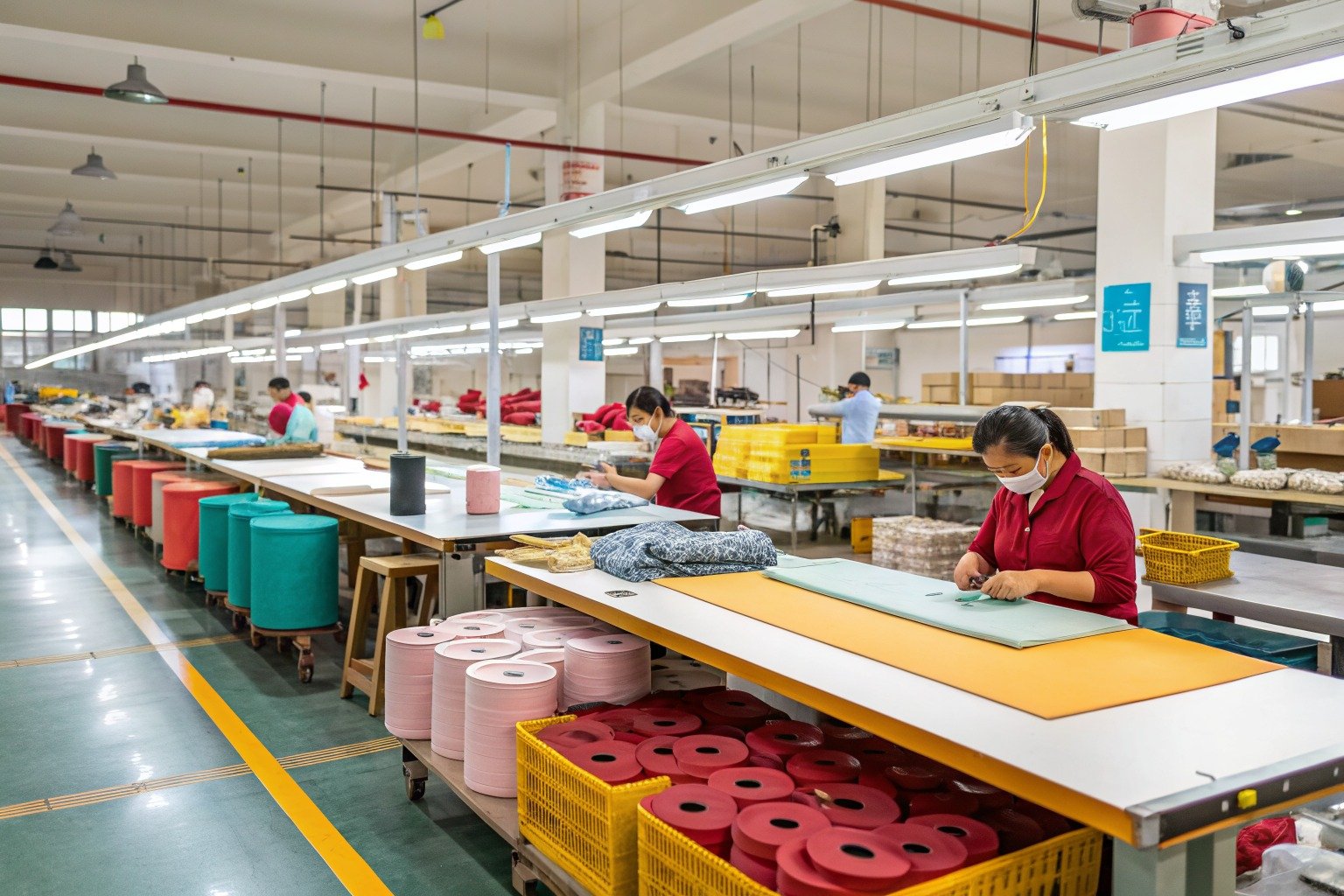
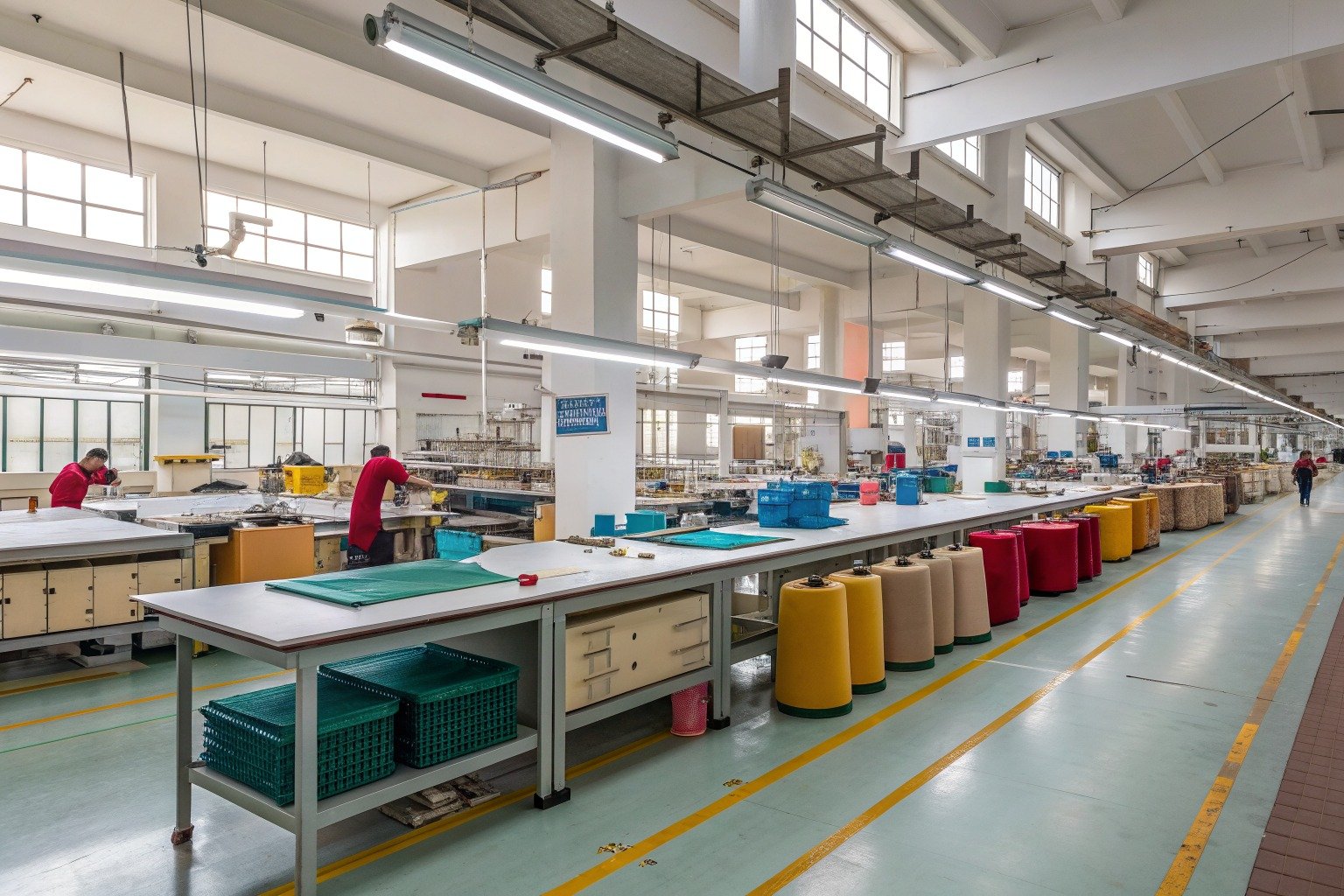
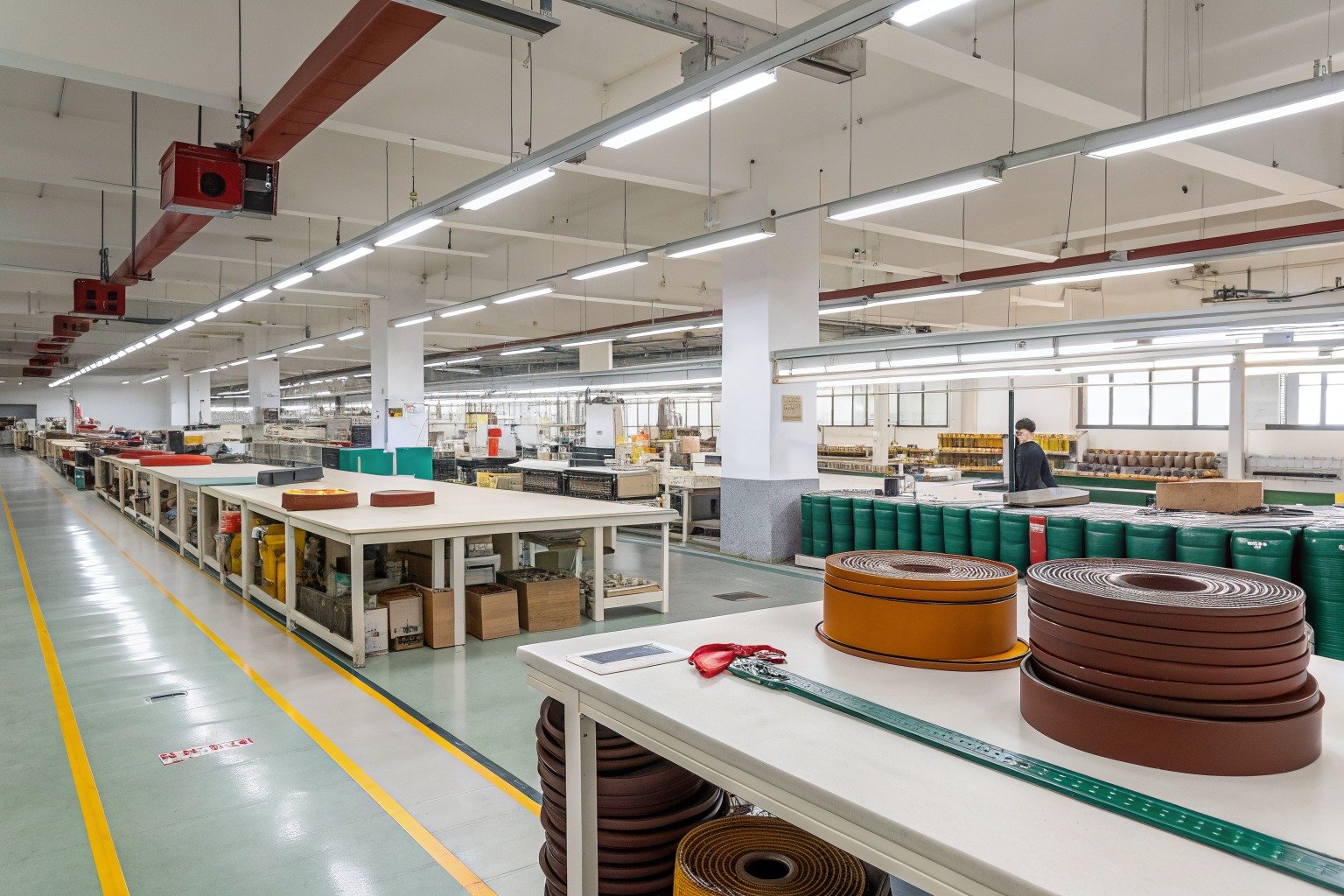
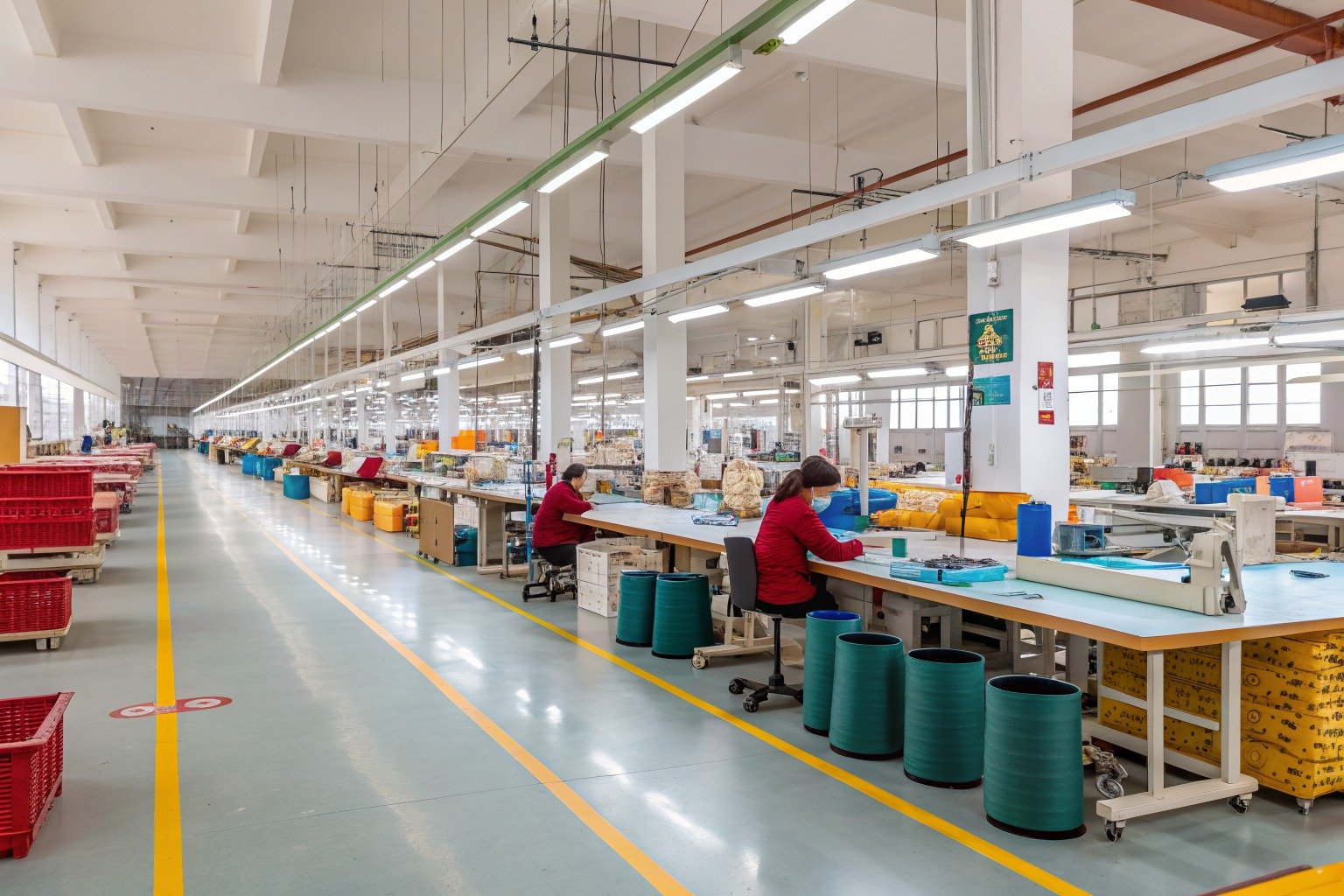
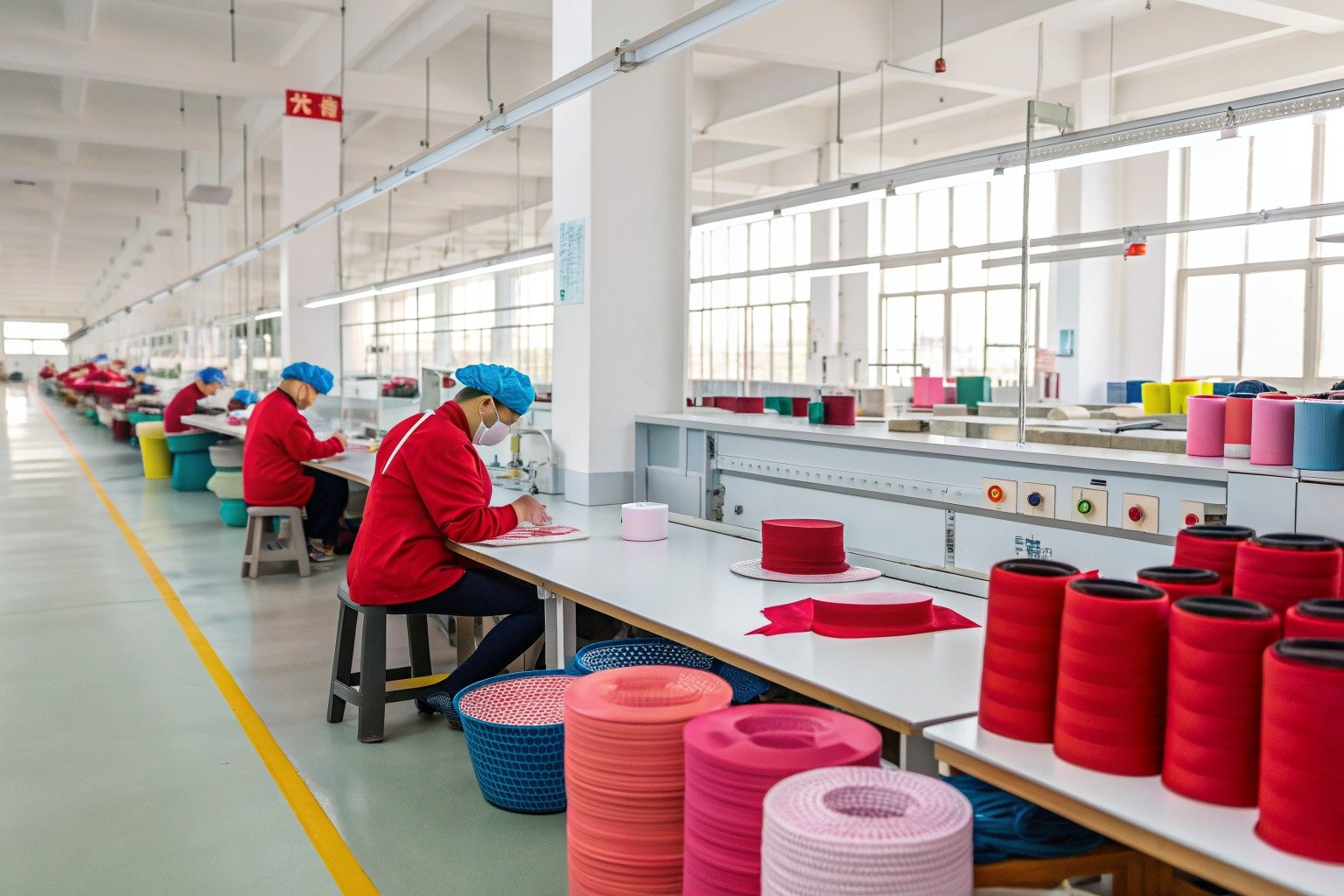
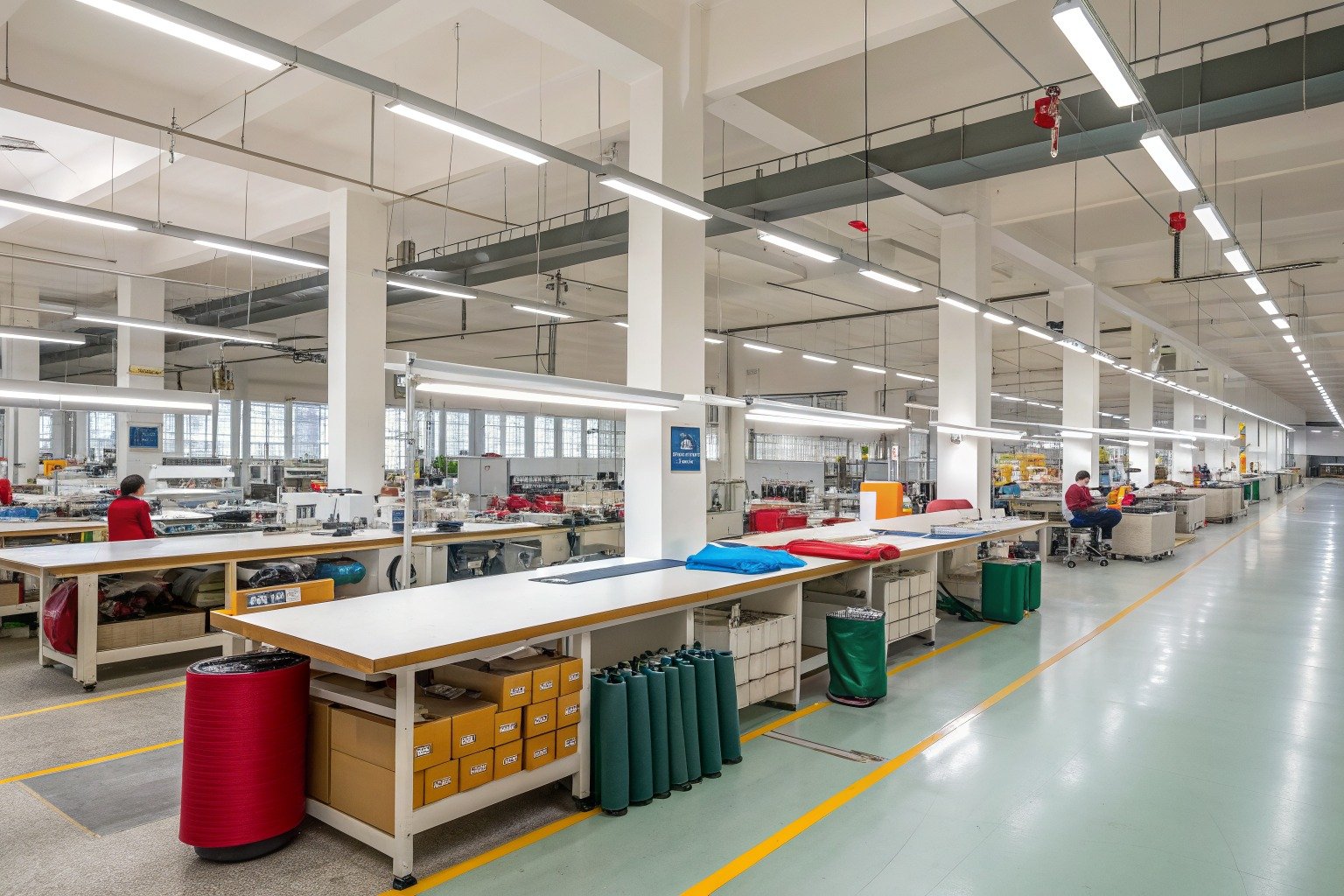
But sourcing authentic-looking British-inspired accessories, especially tweed, is not as simple as picking any fabric and any design. There are specific materials, patterns, and construction techniques that make these items feel genuine. If you get it wrong, the result can look like a cheap costume. If you get it right, you have a product that exudes quality and can command a premium price. At Shanghai Fumao Clothing, we’ve spent years perfecting our interpretation of these classic styles. We work with skilled artisans who understand the importance of details like the lining of a cap and the hand of a scarf.
In this post, I’ll guide you through the key considerations for sourcing classic British-inspired accessories. We’ll cover the essential materials like tweed and herringbone, the construction details that matter for caps and scarves, and how to balance authenticity with your budget. If you’re looking to add a touch of classic British style to your collection, this guide is for you.
What Fabrics Define British-Inspired Accessories?
The fabric is the soul of any British-inspired accessory. It’s what gives a cap or a scarf its character and its authenticity. When buyers come to us with this request, the first conversation is always about the material. You can have the perfect design, but if the fabric is wrong, the whole product will feel off. The good news is that there is a wonderful range of classic fabrics to choose from, each with its own history and appeal.
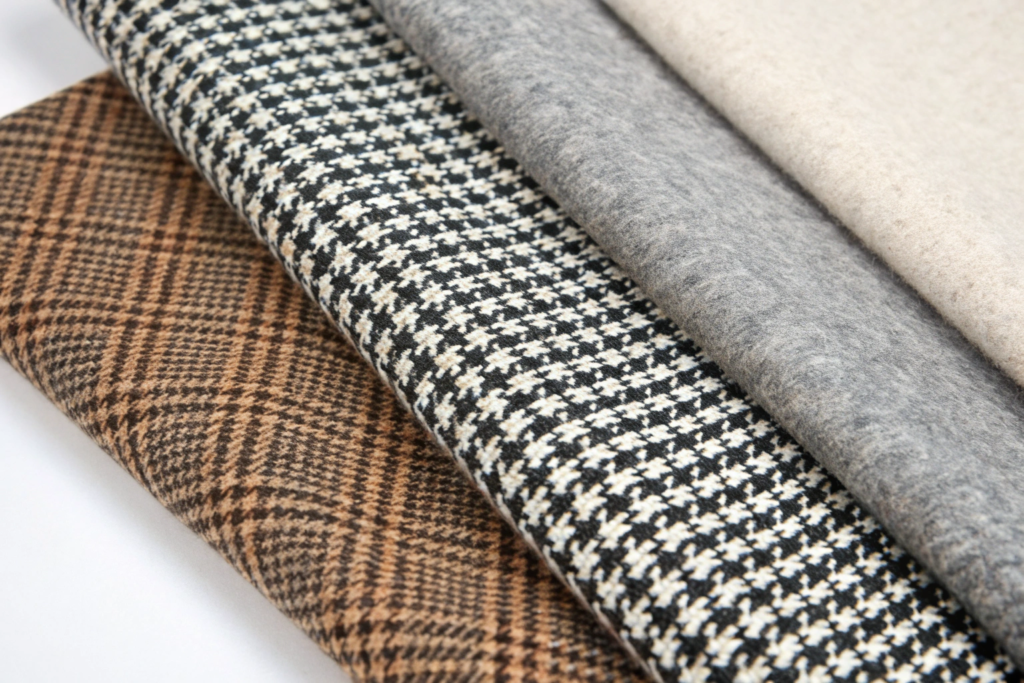
The undisputed king of British fabrics is tweed. It’s a rough, woolen fabric, usually with a patterned weave, that originated in Scotland. It’s warm, durable, and has a beautiful, textured look. Then there are classic patterns like herringbone and houndstooth, which can be woven into tweed or other wool blends. And for softer accessories, lambswool and cashmere blends offer a luxurious feel. At our factory, we source high-quality wool and wool-blend fabrics from trusted mills to ensure our products have the right look and feel. For more on the history of tweed, resources like the Harris Tweed Authority are the definitive source.
What is the difference between Harris Tweed and other tweeds?
This is a crucial distinction for authenticity. Harris Tweed is not just a type of fabric; it’s a legally protected term. It refers to tweed that is handwoven by the islanders of the Outer Hebrides in Scotland, using pure virgin wool that is dyed and spun in the islands. It carries a specific Orb Mark certification. It is the absolute gold standard of tweed, known for its quality, durability, and heritage.
Other tweeds, often called "tweed fabric" or "tweed-style fabric," are machine-woven in mills elsewhere in the UK, Europe, or Asia. They can be excellent quality and much more affordable, but they don’t carry the same heritage or certification. For many commercial projects, a high-quality non-Harris tweed is the perfect choice. It offers the same classic look at a more accessible price point. The choice depends on your brand and your budget. A true Harris Tweed cap is a premium, heritage product. A well-made tweed-style cap is a beautiful, classic accessory.
What are herringbone and houndstooth patterns?
These are two of the most iconic patterns in British textiles, and they are often used in tweed and other wool fabrics.
Herringbone is a pattern that resembles the skeleton of a herring fish. It’s created by a broken twill weave that produces a distinctive V-shaped zigzag. It’s a classic, versatile pattern that looks great in both subtle and contrasting color combinations. It’s often seen in suits, jackets, and scarves.
Houndstooth is a pattern of broken checks or abstract four-pointed shapes. It’s usually created with alternating bands of light and dark yarns in the warp and weft. The classic version is black and white, but it comes in many color variations. It’s a bolder, more graphic pattern than herringbone, and it adds a real statement to any accessory. Both patterns are timeless and instantly recognizable.
What Makes An Authentic Tweed Flat Cap?
A flat cap is perhaps the most iconic British-inspired accessory. But a good flat cap is more than just a piece of fabric sewn into a hat shape. There are specific construction details that separate a cheap cap from a quality one. The way it’s cut, the materials used for the lining and sweatband, and the finishing details all matter. When you hold a well-made cap, you can feel the difference.
The classic flat cap, sometimes called a "newsboy cap" or a "driver cap," has a rounded shape with a small, stiff brim at the front. It’s typically made from a soft, structured fabric like tweed or wool. The construction involves sewing together several panels of fabric to create the rounded crown. At our factory, we pay close attention to these details to ensure every cap we make has the right shape and feel. For a deep dive into hat making, resources like the Hat Blockers and Makers Association offer insights into the craft.
What are the key construction details of a quality flat cap?
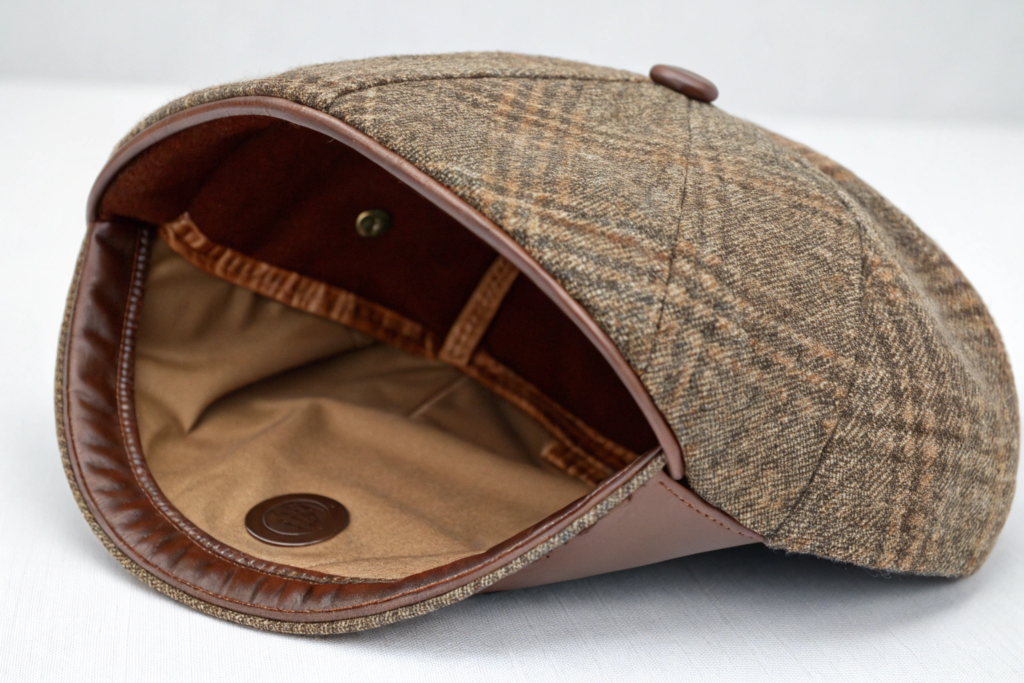
The first thing to look for is the lining. A quality flat cap will have a smooth, comfortable lining, often made of satin or a similar fabric. This makes the cap easy to put on and take off and adds a touch of luxury. The lining should be neatly sewn and fully enclosed.
The second key detail is the sweatband. This is a strip of material, often leather or a soft fabric, sewn around the inside edge of the cap where it touches your forehead. A leather sweatband is a sign of high quality. It helps the cap keep its shape, wicks moisture away from the skin, and becomes more comfortable over time. Finally, look at the button on top. On a quality cap, this button is covered in the same tweed fabric and is securely attached. These small details make a big difference in the overall quality and feel.
How should a tweed cap fit and what sizes are available?
Fit is everything with a hat. A cap that is too small will be uncomfortable and leave a mark on your forehead. A cap that is too large will look sloppy and may blow off in the wind. A quality tweed cap should fit snugly but comfortably. It should sit on your head without being tight.
We offer our caps in a range of standard sizes, typically from Small (about 53-54 cm) to Extra Large (about 61-62 cm). We also offer size adjusters in some styles, such as a small elastic tab or a Velcro strap hidden inside the sweatband. This allows for a more customized fit. When sourcing, it’s important to decide on your size range and whether you want an adjustable feature. We can provide a size chart and even create custom sizing if needed for your market. A tweed flat cap that fits perfectly is a joy to wear.
What Styles Of Scarves Complement British Heritage?
A classic scarf is the perfect companion to a tweed cap. Together, they create a complete, cohesive look. But just like with caps, not all scarves are created equal. The fabric, the weight, the length, and the finishing details all contribute to the overall quality and authenticity. A British-inspired scarf should be substantial, warm, and beautifully made.
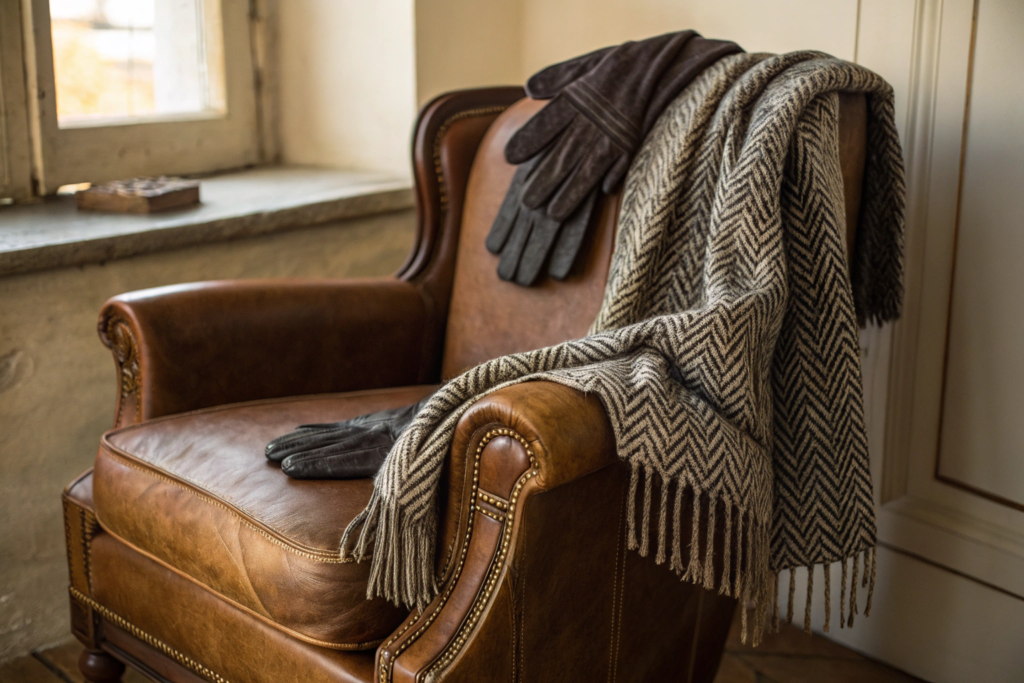
The most classic choice is a wool or wool-blend scarf. It can be in a solid color, like heather grey or navy, or it can feature a classic pattern like herringbone, houndstooth, or tartan. The scarf should have some weight to it; a flimsy, lightweight scarf won’t have the same feel or provide the same warmth. The finishing at the ends is also important. A quality scarf might have a simple fringe, a knotted fringe, or a clean, hemmed edge. At our factory, we produce scarves in a wide range of weights and patterns to suit any client’s needs.
What are the most popular patterns for heritage scarves?
Alongside herringbone and houndstooth, which we’ve already discussed, tartan is another classic pattern for scarves. Tartan, also known as plaid in North America, consists of criss-crossed horizontal and vertical bands in multiple colors. Specific tartans are associated with Scottish clans, but many generic tartan patterns are also popular. A tartan scarf adds a bold, colorful, and instantly recognizable heritage look.
Another popular option is a simple solid color in a classic wool fabric. Think of a rich navy, a deep burgundy, or a natural heather grey. These are incredibly versatile and can be worn with almost anything. They are the "little black dress" of scarves. The quality of the wool and the weave become even more important in a solid color, as there is no pattern to distract the eye. A beautiful, soft lambswool scarf in a solid color is a timeless classic.
What length and weight are ideal for a classic wool scarf?
The ideal length and weight depend on how the scarf will be worn. A classic, versatile length for an adult scarf is about 170-180 cm (67-70 inches). This is long enough to wrap around the neck a couple of times or to leave the ends hanging down. The width is typically around 25-30 cm (10-12 inches).
The weight of the fabric is usually described in grams per square meter (GSM). For a classic winter scarf, you want a fabric that is substantial and warm. A weight of around 300-400 GSM is a good, heavy weight that will feel luxurious and provide excellent warmth. A lighter weight, around 200-250 GSM, is better for autumn or for a scarf that will be worn more for style than for extreme warmth. We can help you select the right weight for your target market and climate.
How To Balance Authenticity With Cost?
This is the central question for any sourcing project, but it’s especially important for heritage-inspired items. There is a wide range of costs associated with creating a "British-inspired" look. You can source a cap made from genuine, certified Harris Tweed, hand-finished with a leather sweatband. It will be beautiful, authentic, and expensive. Or you can source a cap made from a high-quality tweed-style fabric from a mill in China. It will still look classic and feel great, but it will be much more affordable.
The key is to be honest with yourself and your customers about what you are offering. Are you selling a premium, heritage product that tells a story of Scottish islands and handcraftsmanship? Then you need to invest in the real thing. Are you selling a classic, stylish accessory that captures the look and feel of British style at an accessible price point? Then a high-quality tweed-style fabric is the perfect choice. At Shanghai Fumao Clothing, we can help you navigate these choices and find the perfect balance for your brand.
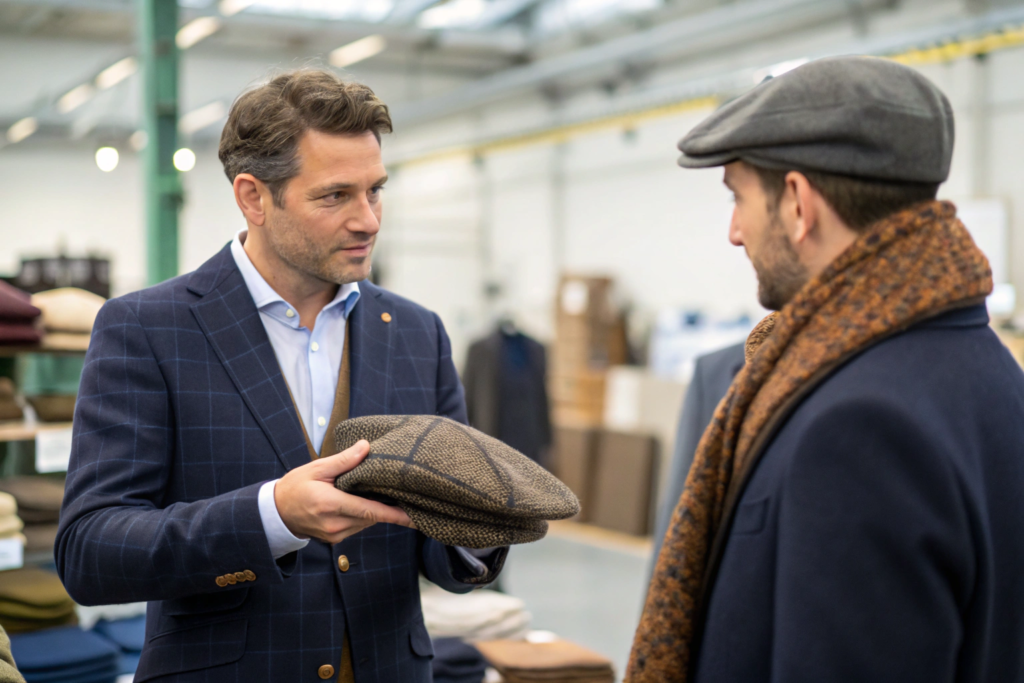
Can you get tweed-look fabrics that are more affordable?
Yes, absolutely. There is a whole category of fabrics designed to replicate the look and feel of tweed at a lower cost. These are typically made from blends of wool, acrylic, polyester, and other fibers. A high-quality wool-blend fabric can look and feel remarkably similar to a traditional tweed. It will have the same textured appearance and a soft, warm hand.
The main difference is in the raw materials and the heritage. A wool-blend fabric doesn’t have the same story as a Harris Tweed, but it can still be an excellent product. It’s also often easier to care for, as it may be machine washable. For many commercial projects, these fabrics are the ideal choice. They allow you to offer a beautiful, classic-looking product at a price point that appeals to a much wider audience.
What are the cost differences between real and synthetic materials?
The cost difference can be significant. A genuine Harris Tweed fabric is a premium product, and its cost reflects that. It can be several times more expensive per meter than a high-quality tweed-style wool blend. The additional details, like a leather sweatband versus a fabric one, also add to the cost.
On the other hand, a cap made from a wool-blend fabric with a fabric sweatband can be produced very cost-effectively. It still looks great and feels good, but it doesn’t carry the premium price tag. Your selling price needs to reflect these material costs. A Harris Tweed cap can command a high price from customers who value authenticity and heritage. A tweed-style cap offers great value to customers who love the look but are more price-conscious. We provide transparent pricing for all options, so you can make an informed decision.
Conclusion
Sourcing classic British-inspired accessories like tweed caps and scarves is a wonderful way to add timeless style to your collection. As we’ve explored, the key is to understand the materials, the construction, and the balance between authenticity and cost. From the protected heritage of Harris Tweed to the accessibility of modern wool-blend fabrics, there is a whole spectrum of options. By paying attention to the details—the lining of a cap, the weight of a scarf, the authenticity of a pattern—you can create products that truly capture that classic, sophisticated feel.
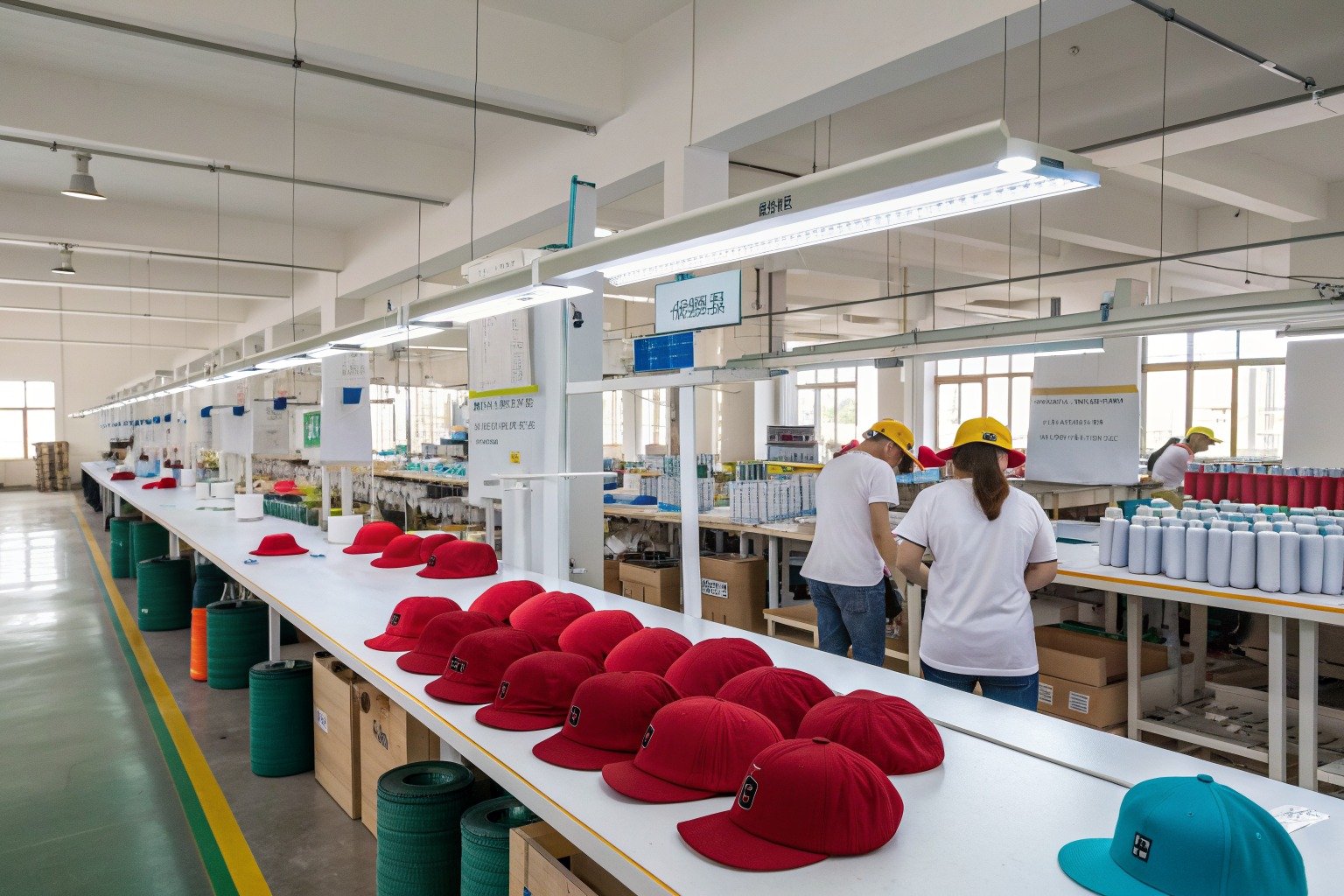
At Shanghai Fumao Clothing, we have a deep appreciation for these classic styles. Our factory in Zhejiang combines skilled craftsmanship with efficient production to create beautiful tweed caps and scarves. We work with a range of fabric suppliers, from premium mills to cost-effective producers, so we can offer you options at every price point. Our experienced project managers will guide you through the process, helping you choose the right materials and designs for your brand and your budget.
If you’re ready to add a touch of classic British style to your next collection, let’s talk. Please contact our Business Director, Elaine, at elaine@fumaoclothing.com. We’ll help you create accessories with timeless appeal.