
You have just finished styling a beautiful outfit. You put on your new scarf made from a soft synthetic blend. It looks perfect. Then you walk across the room, and suddenly your scarf is clinging to your sweater. Or worse, it starts sticking to your hair and face. Every step creates more static. I have heard this complaint from countless buyers over the years. Their customers love the look and feel of affordable synthetic scarves. But they hate the static electricity that comes with them.
The most effective anti-static sprays for synthetic fiber scarves are those specifically formulated for delicate fabrics. They work by depositing a microscopic conductive layer on the fibers. This layer dissipates electrical charges before they build up. Look for sprays that are water-based, alcohol-free, and contain fabric softeners or cationic surfactants. These ingredients neutralize the positive and negative charges that cause static cling. Brands like Static Guard, Febreze, and even homemade solutions using hair conditioner can work well.
At our factory in Zhejiang, we produce thousands of synthetic scarves every season for major brands in Europe and America. We have tested many methods to reduce static. Some work in the manufacturing process. Others are best applied by the end user. Let me share what we have learned about keeping scarves comfortable and static-free.
What Causes Static Electricity In Synthetic Scarves?
You might wonder why your wool scarf does not have this problem, but your polyester one does. The answer is science. I remember visiting a textile university years ago to understand this better. The professor explained it simply. Different materials have different relationships with electrons. Some materials give up electrons easily. Others grab onto them tightly. When two materials rub together, electrons move. That movement creates static.
Static electricity happens when two different materials rub against each other and then separate. Synthetic fibers like polyester, nylon, and acrylic are insulators. They hold onto electrical charges instead of letting them dissipate into the air. When you move, your scarf rubs against your hair or your coat. Electrons transfer from one surface to the other. Because the synthetic fibers do not conduct electricity well, the charge stays on the scarf’s surface. It builds up until it discharges, causing that annoying cling. Understanding the cause helps us find the cure. The dry air in heated homes and offices makes static worse. Moisture in the air helps dissipate charges naturally. That is why static is worse in winter.
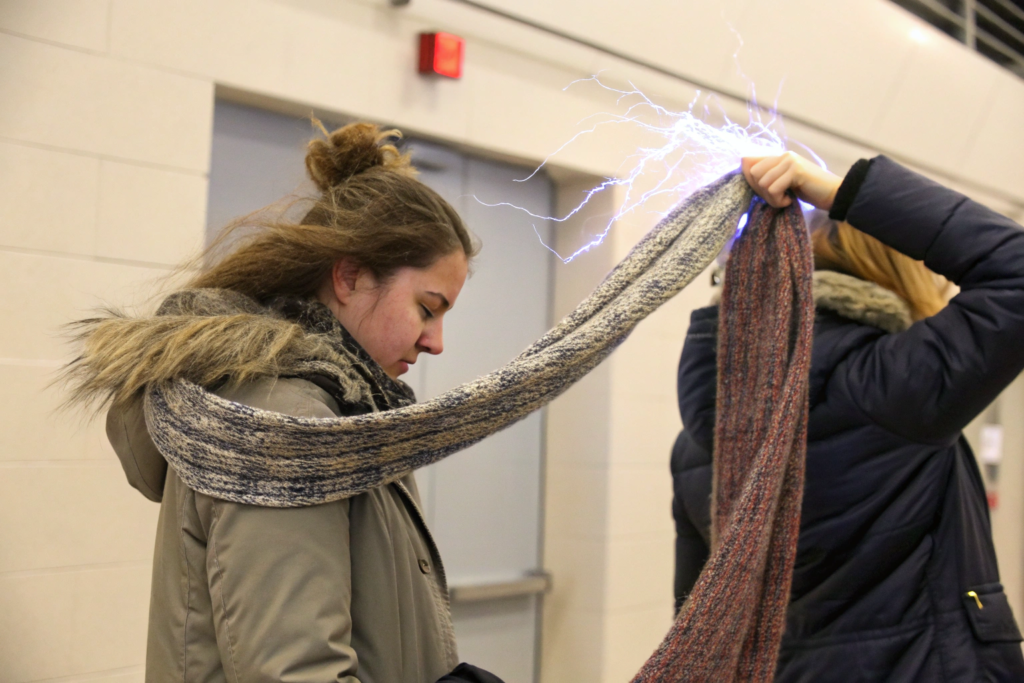
Why are synthetic scarves more prone to static than natural fibers?
Natural fibers like cotton and wool contain moisture. They are hygroscopic, meaning they absorb water from the air. This moisture makes them slightly conductive. When a charge builds up, it can travel through the moisture and dissipate. Synthetic fibers repel water. They stay dry. Without moisture, there is no path for the electrical charge to escape. The charge just sits there, waiting to grab onto something oppositely charged, like your hair or a wool coat. The Physics Classroom offers a great explanation of how insulators and conductors work.
Does the weave or thickness of the scarf affect static build-up?
Yes, absolutely. A loosely woven scarf with more air between fibers tends to generate less friction. There is less surface area rubbing together. A tightly woven, smooth scarf creates more contact between fibers. More contact means more friction. More friction means more electron transfer. Also, thicker scarves trap more heat. Heat increases molecular activity, which can increase static generation. When our design team creates synthetic scarves, we consider these factors. We test different weaves to find the right balance between softness, drape, and static reduction.
How Do I Choose The Right Anti-Static Spray For Delicate Scarves?
Walking down the grocery store aisle, you see many options. There are laundry additives, aerosol sprays, and even dryer sheets. Which one is safe for a delicate scarf? I have seen buyers ruin beautiful samples by using the wrong product. They grab a heavy-duty industrial spray meant for carpets. It leaves a residue, stains the fabric, or worse, damages the fibers. You need to be careful.
The right spray depends on your scarf’s specific material. For delicate synthetics like viscose, modal, or thin polyester, choose a spray labeled "safe for delicates." Avoid products with high alcohol content. Alcohol can dry out synthetic fibers and make them brittle over time. Look for sprays containing fabric softeners or antistatic agents like quaternary ammonium compounds. These ingredients are gentle and effective. Always test any new spray on a hidden corner of the scarf first.
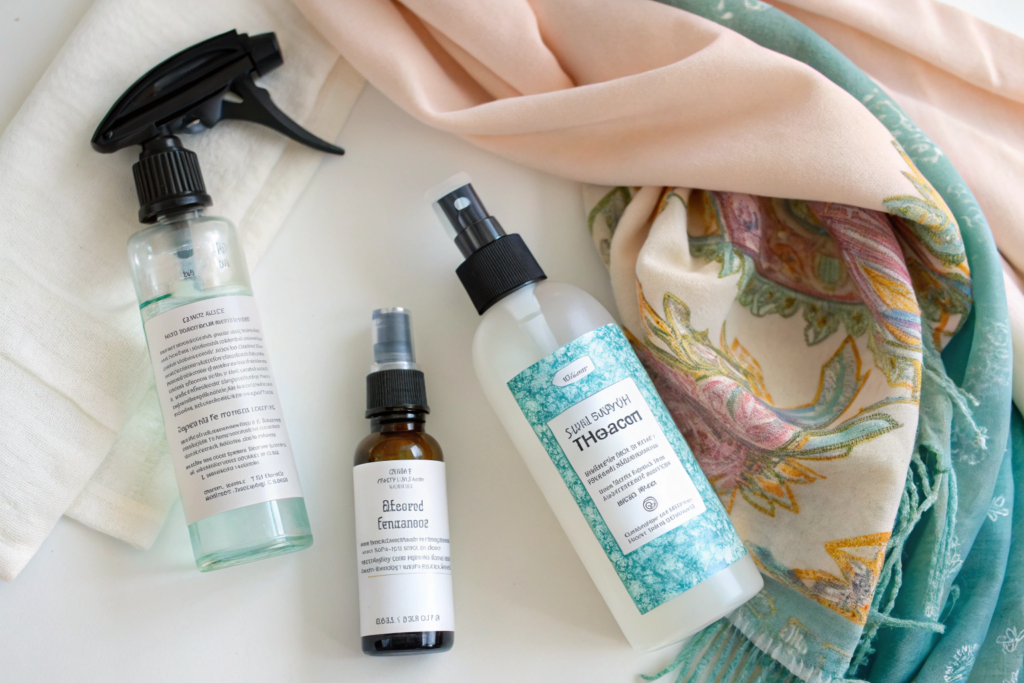
Are commercial brands like Static Guard safe for all synthetics?
Static Guard is the most well-known brand. It is effective. But you must use it carefully. Hold the can at least six inches away from the fabric. Spray lightly. Too much can leave a visible residue, especially on dark colors. The propellants in aerosol cans can also be cold. If you spray too close, the cold propellant can shock the fibers and cause temporary stiffness. For most of our polyester scarves, Static Guard works well when used correctly. You can find their usage guidelines on their official product page.
What about fabric softener sprays like Febreze?
Febreze and similar fabric refreshers often contain ingredients that reduce static. They work by adding a thin layer of moisture and conditioning agents to the fibers. This layer helps dissipate charges. These sprays are generally safer for delicates because they are water-based and alcohol-free. They also leave a fresh scent. However, they may not be as powerful as dedicated anti-static sprays for severe static problems. For everyday use, they are an excellent choice. The Febreze fabric care guide explains which products work best for different fabric types.
What Are The Best DIY Alternatives To Commercial Sprays?
Sometimes you do not have a commercial spray on hand. Or you prefer a natural, chemical-free option. I have seen our clients’ customers get creative. They use everything from hairspray to water mist. Some of these work. Some cause more problems. Let me share the DIY methods that actually work without damaging your scarves.
The best DIY anti-static spray is simple: mix a small amount of hair conditioner with water in a spray bottle. Use about one part conditioner to ten parts water. Shake well. The conditioner contains the same cationic surfactants found in commercial anti-static products. These molecules coat the fibers and neutralize electrical charges. Another option is a very dilute solution of white vinegar and water. Vinegar is a natural fabric softener. It helps relax fibers and reduce friction.

How do I make a safe conditioner-based spray at home?
Start with a clean spray bottle. Add one tablespoon of good quality hair conditioner. Any conditioner works, but those labeled "moisturizing" or "smoothing" tend to work best. Fill the bottle with ten tablespoons of warm water. Put the lid on and shake vigorously until the conditioner dissolves completely. The mixture should look slightly milky. Test it on an inconspicuous area of your scarf. If it leaves a mark, dilute it further. This guide from Good Housekeeping offers additional tips for homemade fabric sprays.
Does spraying water alone help reduce static?
Plain water can provide temporary relief. It adds moisture to the air around the fibers. This moisture helps dissipate the charge. However, water alone evaporates quickly. The static returns as soon as the fabric dries. Also, too much water can leave water spots on some synthetic fabrics, especially if your tap water is hard. A light misting is better than soaking. For a longer-lasting effect, you need something that stays on the fibers after the water evaporates. That is why conditioner or vinegar solutions work better than plain water. At Shanghai Fumao Clothing, we sometimes recommend these DIY methods to clients who want simple solutions for their retail customers.
How Do I Apply Anti-Static Spray Correctly?
Having the right spray is only half the battle. Applying it correctly matters just as much. I have watched people soak their scarves in spray. The fabric becomes wet, heavy, and takes hours to dry. Then it wrinkles. Then they blame the product. But the problem was the application, not the spray. There is a right way to do this.
Always hold the spray bottle six to eight inches away from the scarf. Spray lightly and evenly. You want a fine mist, not a wet spot. Focus on the areas that rub against other fabrics or your hair. This is usually the ends of the scarf and the part that touches your neck. After spraying, let the scarf air dry for a minute or two before wearing. Do not rub the fabric while it is wet. Rubbing can disturb the finish and cause pilling.**
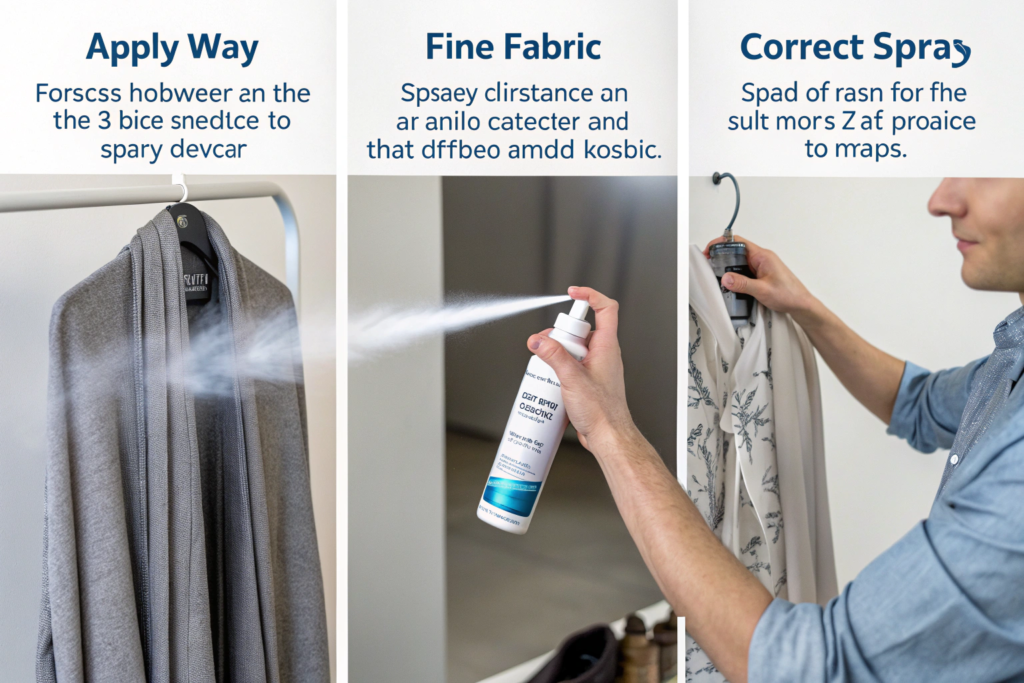
Should I spray the scarf before or after putting it on?
Spray it before you put it on. Hang the scarf on a hanger or lay it flat on a clean surface. Spray it evenly. Let it dry for a minute. Then put it on. If you spray it while you are wearing it, you risk getting the product on your skin or other clothes. Also, spraying before wearing allows the product to dry completely. This prevents any transfer of moisture to your other garments.
How often should I reapply anti-static spray?
It depends on how often you wear the scarf and the conditions. In dry winter air, you might need to spray every time you wear it. In more humid weather, one treatment might last for several wears. Also, washing removes the anti-static treatment completely. You must reapply after every wash. Some commercial sprays claim to last through multiple wears. In our experience, they last for one or two days of normal wear before needing a refresh. You can find more detailed application tips on fabric care websites.
Are There Long-Term Solutions To Prevent Static In Scarves?
Sprays are a quick fix. But what if you want a permanent solution? What if you want scarves that simply do not generate static, no matter what? This is possible. It starts in the manufacturing process. At our factory, we work with brands to build anti-static properties directly into the fabric. This costs more, but it creates a better product.
Long-term solutions involve treating the fibers during production. Manufacturers can add anti-static agents to the finishing bath. These agents bond permanently to the synthetic fibers. Another method is to weave conductive threads into the fabric. Stainless steel or carbon fibers can dissipate charges instantly. Some mills also use special yarns that are inherently less static-prone. These solutions are more expensive, but they create scarves that never need spraying.

What is permanent anti-static finishing for fabrics?
Permanent anti-static finishing is a chemical treatment applied to fabric during the final stages of production. The fabric runs through a bath containing specialized anti-static compounds. These compounds bond to the fiber surfaces. They are resistant to washing and wear. They work by attracting a thin layer of moisture from the air. This moisture layer conducts electricity away. The effect lasts for the life of the garment, though it may diminish slightly after many washes. The American Association of Textile Chemists and Colorists has standards for testing these finishes.
Can blending natural fibers with synthetics reduce static?
Yes, blending helps. A scarf made from a polyester-cotton blend will have less static than a 100% polyester scarf. The cotton fibers bring moisture to the mix. This moisture helps dissipate charges. However, the static reduction depends on the percentage of natural fibers. A 50-50 blend works well. A 90% polyester with 10% cotton still has significant static problems. When you work with Shanghai Fumao Clothing on your next scarf project, our design team can help you choose the right fiber blends.
Conclusion
Static electricity in synthetic scarves is annoying. But it is also manageable. You have many options. For immediate relief, commercial sprays like Static Guard work well. For a gentler approach, DIY conditioner sprays are effective and safe. For long-term solutions, consider permanent anti-static finishes during manufacturing. The key is matching the solution to your needs and your fabric type.
Remember to always test any spray on a small area first. Apply it correctly from the right distance. And reapply as needed after washing. These small steps keep your scarves looking beautiful and behaving well.
If you are developing a new scarf collection and want to minimize static problems from the start, let us help. Our team understands fibers, finishes, and fabric behavior. We can produce samples that meet your quality standards and your customers’ expectations. Contact our Business Director, Elaine, to discuss your project. She will connect you with a project manager who specializes in your product category. You can reach Elaine at: elaine@fumaoclothing.com