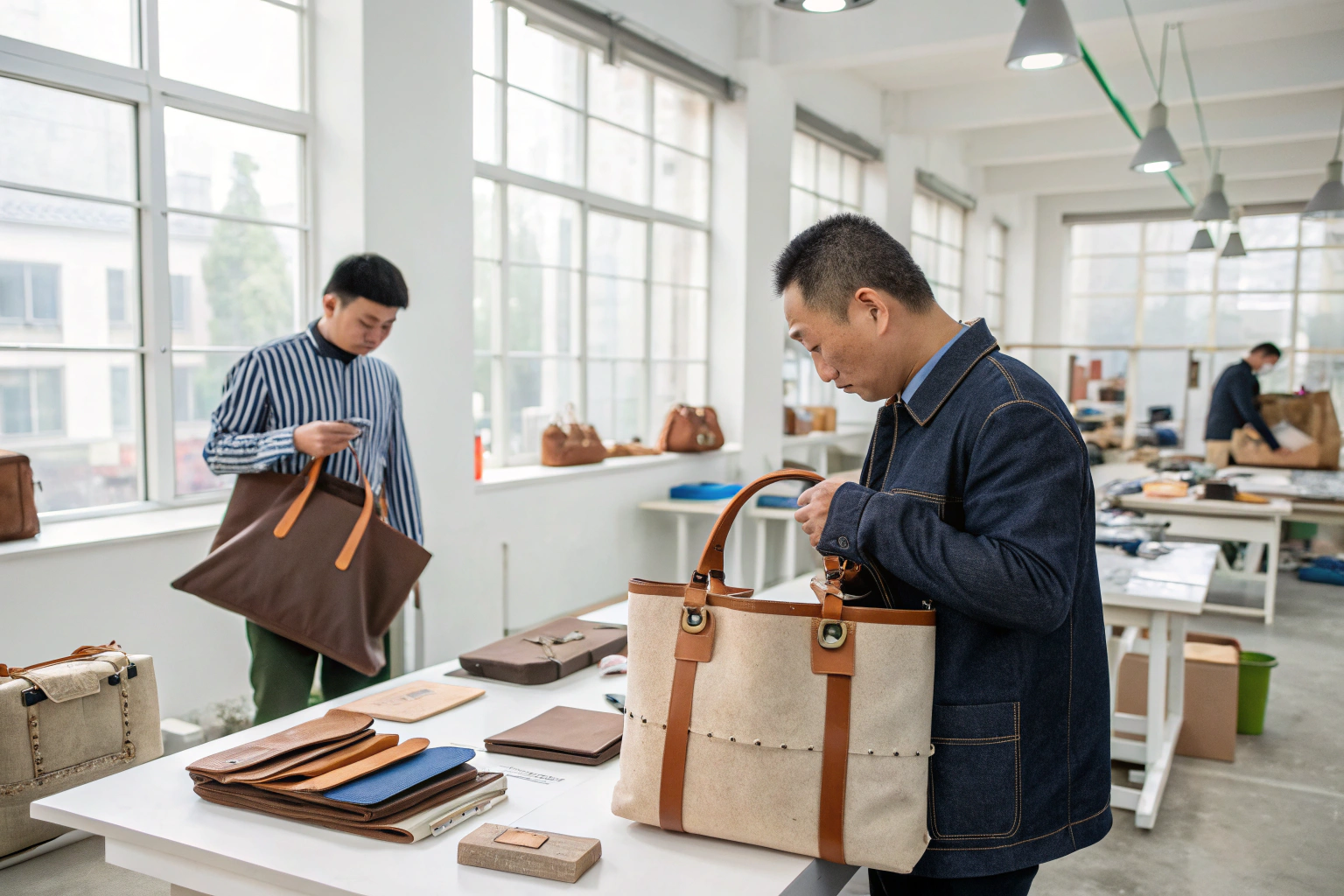
For years, "sustainability" in manufacturing meant "recycling"—breaking down old materials to make new, raw ones. But a new, more creative and powerful trend is taking over. I have conversations about this constantly with forward-thinking buyers like Ron from the US. Their customers, especially younger ones, are no longer just satisfied with recycled polyester. They are looking for products with a story, a history, and a tangible connection to a more circular economy. This is the world of upcycling.
So, what are the latest and most commercially viable trends in accessories made from upcycled and repurposed materials? The trend has moved beyond simple DIY crafts into a sophisticated, design-led movement. The key trends are: 1) Using Technical "Waste" Materials like Sailcloth and Fire Hoses, 2) Repurposing Post-Consumer Textiles like Denim and Military Surplus, 3) Innovating with Industrial Byproducts like Seatbelts and Rubber, and 4) The Rise of Certified, Scalable Upcycling Programs.
This is about transforming "waste" into something more valuable than it was in its first life. It’s a powerful story of creativity and resourcefulness. At my factory, we’ve been building the unique supply chains and production skills needed to capitalize on this trend. In this article, I’ll explore these exciting new frontiers in accessory design.
What is "Technical Waste" and Why is it Popular?
The most exciting area of upcycling is the use of "technical waste." These are durable, high-performance materials that have reached the end of their first intended life but still have immense structural integrity. Unlike soft consumer waste, these materials are built to withstand extreme conditions, making them perfect for durable accessories.
The appeal of technical waste is that it comes with a built-in story of adventure and toughness. The two most popular materials in this category are: 1) Decommissioned Sailcloth from sailing boats, and 2) Retired Fire Hoses from fire departments.
At Shanghai Fumao Clothing, we’ve established partnerships to source these materials because they allow us to create products that are not only sustainable but also incredibly unique and marketable.
Why is Sailcloth a perfect upcycling material?
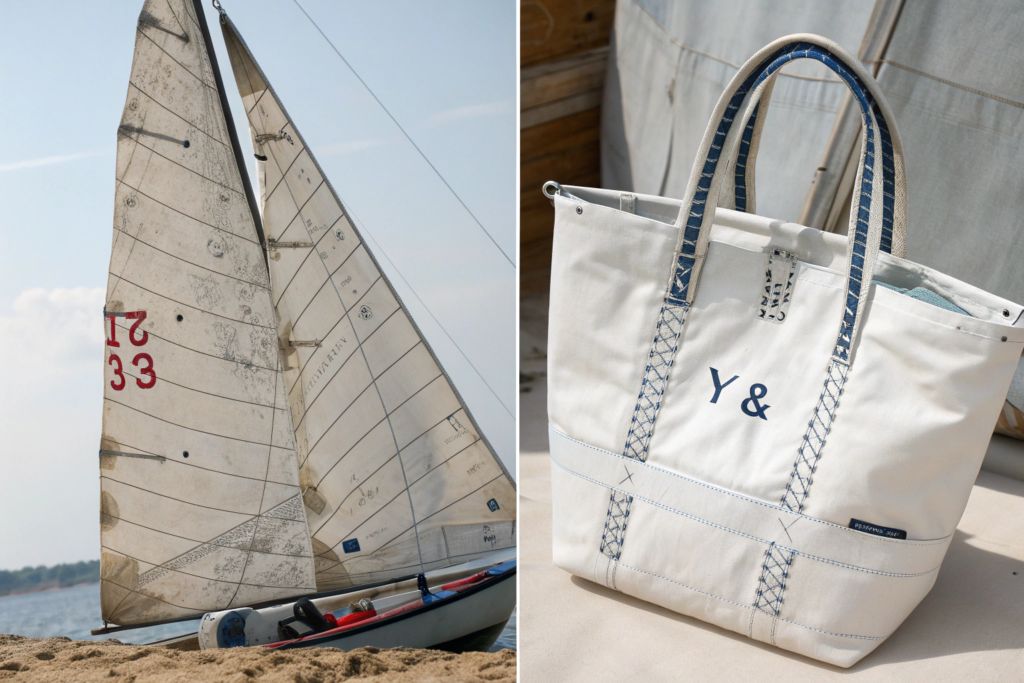
Used sails are made from incredibly strong, lightweight, and weather-resistant materials like Dacron, Kevlar, and modern laminates. Even after years of battling the elements, the fabric itself remains highly durable. Each sail carries the marks of its journey: stitch lines, reef points, numbers, and sun-faded colors. When this material is cut and sewn into a bag or a wallet, these original markings become unique graphic elements. No two products are exactly alike. This creates a one-of-a-kind product with a powerful story of the sea. Brands like Freitag have built an entire empire on a similar concept using truck tarps.
What is the appeal of using old Fire Hoses?
A fire hose is built for one purpose: to be indestructible. It has to withstand immense pressure, abrasion, and extreme temperatures. When a fire hose is retired from service, it might have scuffs and marks, but the core material—often a rubber-lined, high-tensile synthetic jacket—is still incredibly tough. This makes it an amazing raw material for products that need to be super durable, like belts, wallets, and dopp kits. The material is difficult to clean and sew, requiring specialized heavy-duty machinery, but the result is a nearly indestructible product with an incredible backstory of heroism. This is a core principle of "circular design," as promoted by organizations like the Ellen MacArthur Foundation.
How is Post-Consumer Denim Being Repurposed?
Denim is one of the most ubiquitous and durable fabrics in the world. It’s also one of the most resource-intensive to produce. This makes post-consumer denim—old jeans—an ideal candidate for upcycling. The trend has moved beyond simple tote bags into more sophisticated applications.
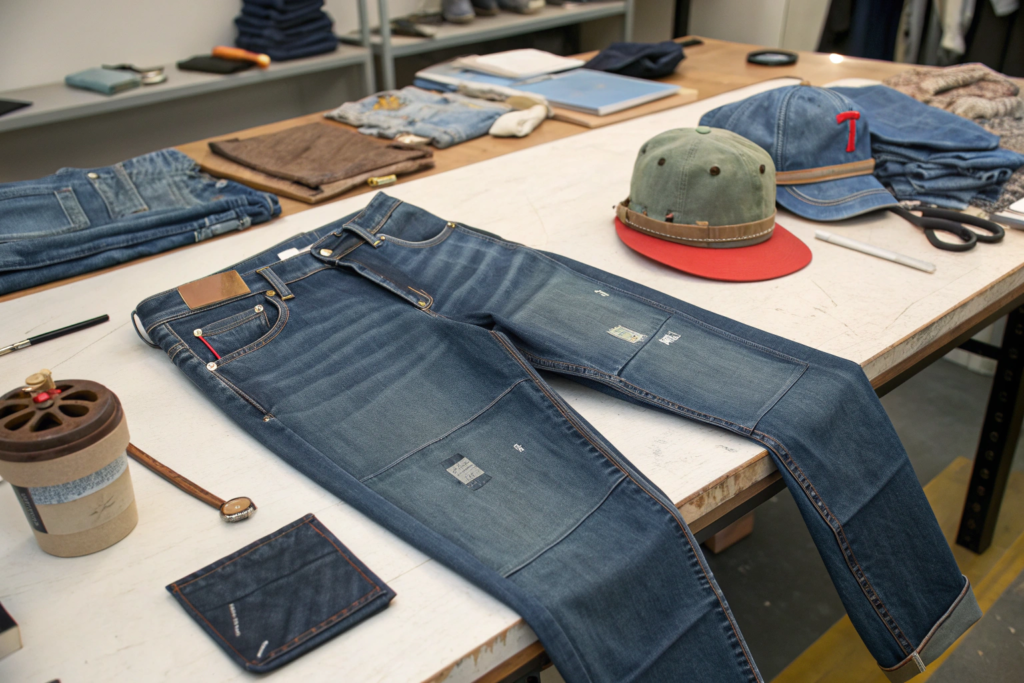
The latest trend in denim upcycling is to celebrate the material’s history and variations. Instead of just using it as a basic fabric, designers are: 1) Creating unique patchwork designs using different washes and colors of reclaimed denim, and 2) Incorporating original details like pockets, seams, and waistbands into the new product. This approach treats the "oldness" of the jeans not as a flaw, but as a valuable design feature. It’s about storytelling through textiles.
What is the appeal of patchwork denim?
Every pair of old jeans has a unique fade and color. By cutting panels from many different pairs of jeans and stitching them together into a "new" patchwork fabric, you can create a material that is rich with texture, color variation, and history. This patchwork fabric can then be used to create accessories like bucket hats, baseball caps, and bags. Each item is completely unique, which is a huge selling point for consumers tired of mass-produced uniformity. This aligns with the broader "slow fashion" movement, which values uniqueness and longevity.
How are original details incorporated?
This is where clever design comes in. A designer might take the back pocket from a pair of jeans, with its signature stitching, and use it as the front pocket on a new tote bag. The original, thick, felled seam from the leg of a pair of jeans can be used as a durable and decorative strap for a pouch. The leather patch from the waistband can become a branding element on a new product. This technique, championed by brands like RE/DONE, honors the original garment and adds a layer of authenticity and cleverness that customers appreciate.
What Are Some Innovative Industrial Byproducts Being Used?
Beyond consumer waste, there is a vast world of industrial byproducts and surplus materials that can be repurposed into high-quality accessories. These are often materials that are manufactured to incredibly high safety and durability standards.
The innovation here is in seeing the potential in materials that are typically invisible or purely functional. Two of the most successful examples of this are: 1) Using surplus or reclaimed automotive Seatbelt Webbing for straps and belts, and 2) Repurposing Rubber from inner tubes and tires.
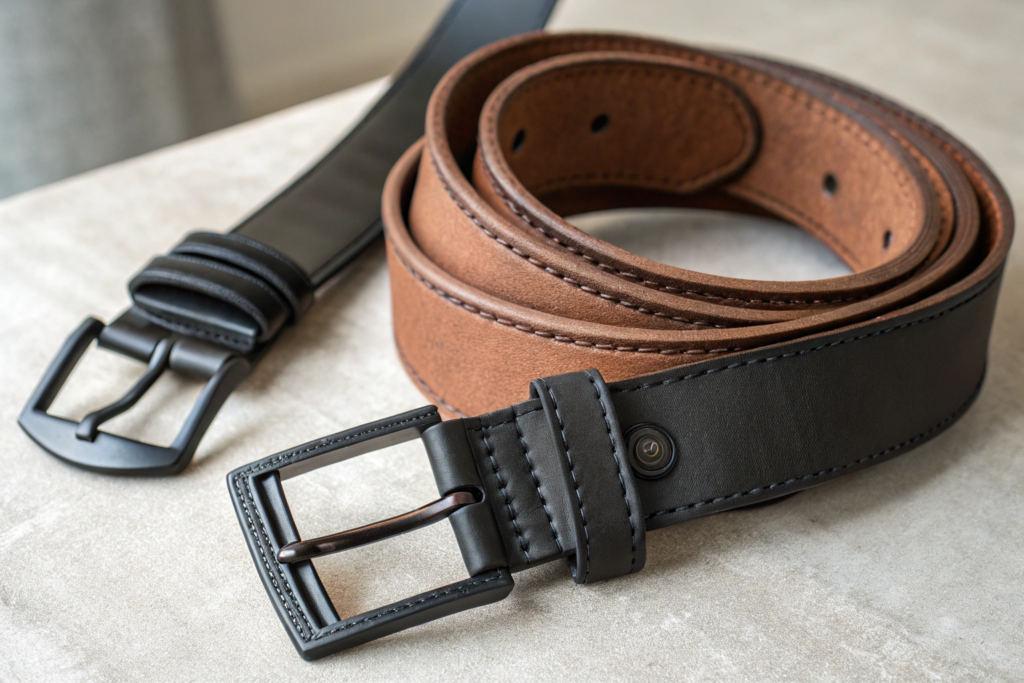
Why is Seatbelt Webbing a great material?
Automotive seatbelt webbing is engineered to have zero stretch and to withstand thousands of pounds of force. It’s also designed to be smooth, comfortable against the body, and incredibly resistant to abrasion and UV degradation. Surplus or reclaimed seatbelt webbing makes for an absolutely fantastic belt or bag strap. It’s slim, incredibly strong, and has a subtle sheen that looks very sleek and modern. It’s a perfect example of taking a material from a hidden, functional application and making it the hero of a new product.
What can be made from reclaimed Rubber?
The rubber from bicycle or truck inner tubes is another amazing resource. It’s waterproof, flexible, and has a soft, matte finish that is very appealing. Once it’s cleaned and cut, it can be sewn into incredibly durable and water-resistant wallets, pouches, and toiletry bags. The material is a fantastic vegan alternative to leather. Because each inner tube might have different printed markings or valve patches, each product retains a unique character that tells the story of its former life on the road. This is a popular material in the Etsy maker community.
How is Upcycling Becoming Scalable and Certified?
The biggest challenge for upcycling has always been scalability and consistency. For a major brand or retailer, sourcing one-of-a-kind items is a logistical nightmare. This has been a major pain point for buyers like Ron who love the idea but struggle with the execution.
The latest and most important trend is the development of scalable and certifiable upcycling systems. This is happening in two ways: 1) The professionalization of Pre-Consumer Waste Upcycling within the factory itself, and 2) The emergence of third-party certifications for upcycled products. This shift is moving upcycling from a niche craft into a viable, large-scale manufacturing strategy.
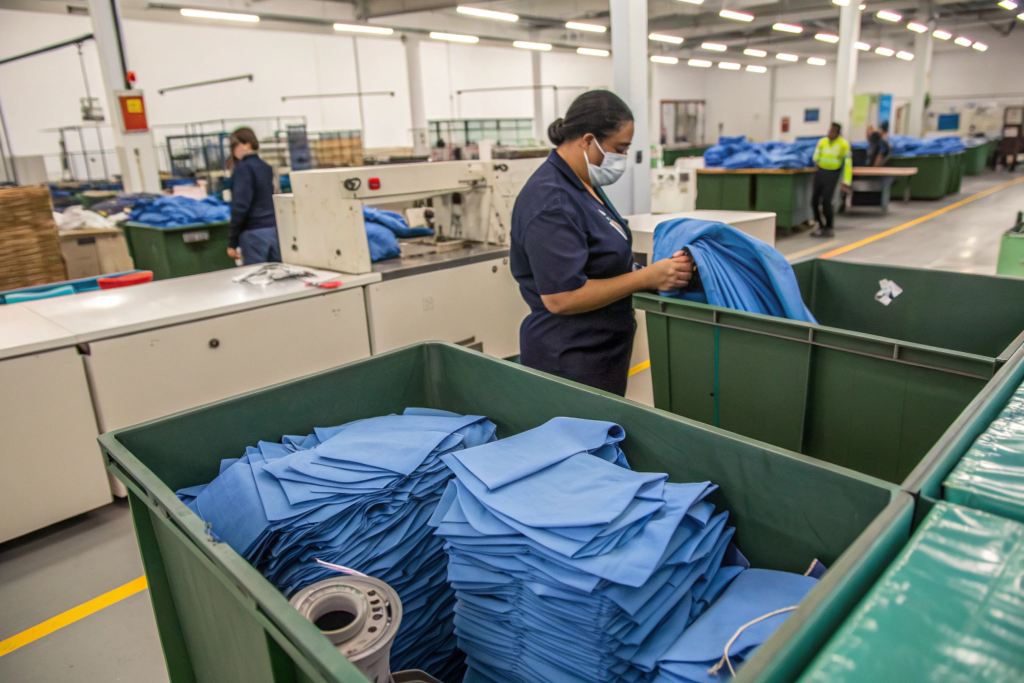
What is Pre-Consumer Waste Upcycling?
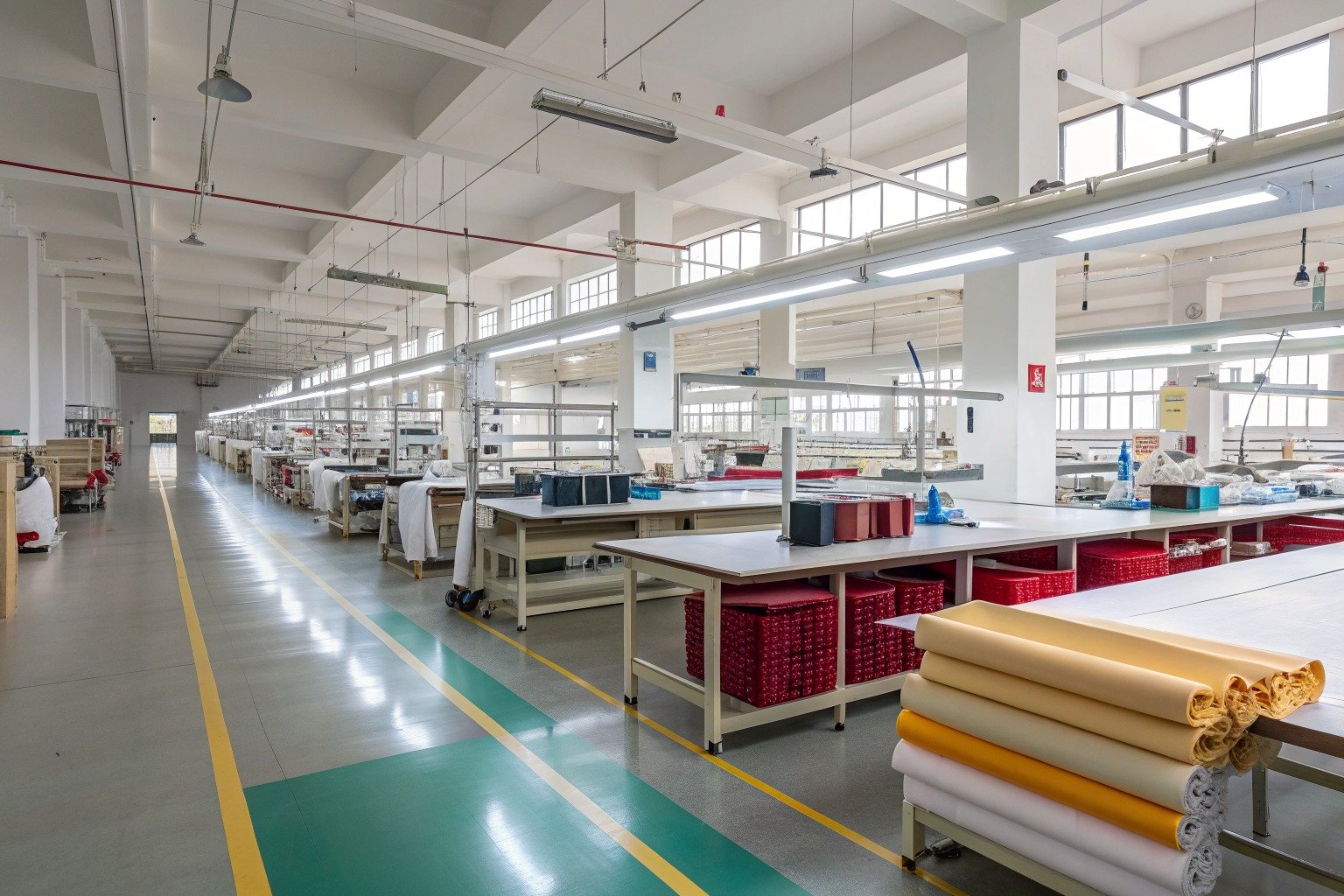
Pre-consumer waste refers to the material scraps left over from the production process itself. For example, when we cut out the panels to make a large batch of hats, there are always smaller, irregular pieces of fabric left over. For years, this "cutting waste" was simply thrown away. Now, we at Shanghai Fumao Clothing have developed systems to collect, sort, and design new, smaller products—like coin purses, keychains, or patchwork details—out of our own clean, high-quality scraps. This is a highly efficient, closed-loop system that reduces our waste and creates new, valuable products.
What is the role of Certification?
To give buyers confidence, the industry is moving towards certification. While not as widespread as recycling certifications yet, new standards are emerging. Organizations are developing frameworks to certify that a product is genuinely made from a certain percentage of upcycled materials. This provides the same kind of third-party verification that GRS (Global Recycled Standard) provides for recycled materials. This move towards standardization and traceability is crucial for making upcycling a trusted and scalable part of the global supply chain.
Conclusion
The world of upcycled and repurposed accessories has matured from a simple craft into a sophisticated and powerful design movement. The latest trends are focused on using materials with compelling stories and inherent durability, like technical sailcloth and post-consumer denim. The innovation lies in celebrating the history of these materials—their original markings, fades, and details—and incorporating them into new, desirable products. Most importantly, the industry is finally tackling the challenge of scale by developing professional, in-house systems for pre-consumer upcycling and moving towards third-party certification. This is an exciting frontier that combines creativity, sustainability, and smart business, creating products that are not just good for the planet, but are also unique, durable, and rich with character.
If you are a brand looking to explore the creative and commercial potential of upcycling, you need a partner who has the sourcing network, the specialized production skills, and the systematic approach to make it happen at scale. My team at Shanghai Fumao Clothing is passionate about turning "waste" into wonder. Please contact our Business Director, Elaine, at her email: elaine@fumaoclothing.com to discuss the possibilities.