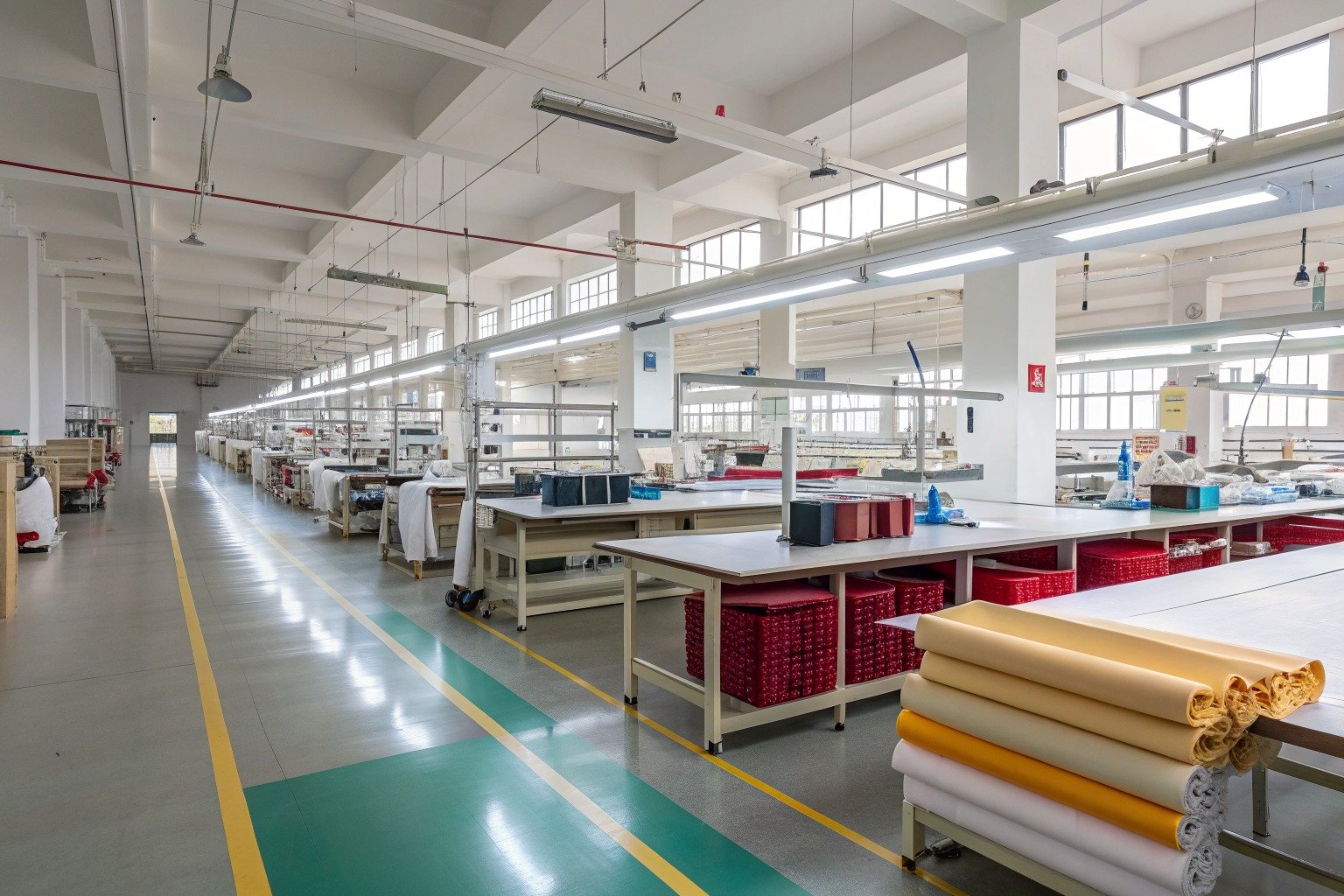
As a manufacturer of high-end accessories for over two decades, I know that nothing can destroy a brand’s reputation for quality faster than a product that fails. I often have conversations with discerning buyers like Ron from the US. A major pain point for him, especially with luxury items like silk scarves, is the fear of a customer complaint that a beautiful, expensive scarf has bled its color onto a white blouse in the rain, or faded dramatically after one season. This isn’t just a product return; it’s a breach of trust.
The essential colorfastness tests for silk scarves focus on three critical areas of exposure: 1) Crocking (rubbing), 2) Washing (water and detergent), and 3) Light (sun exposure). A fourth, more specialized test for perspiration is also crucial for an item worn against the skin.
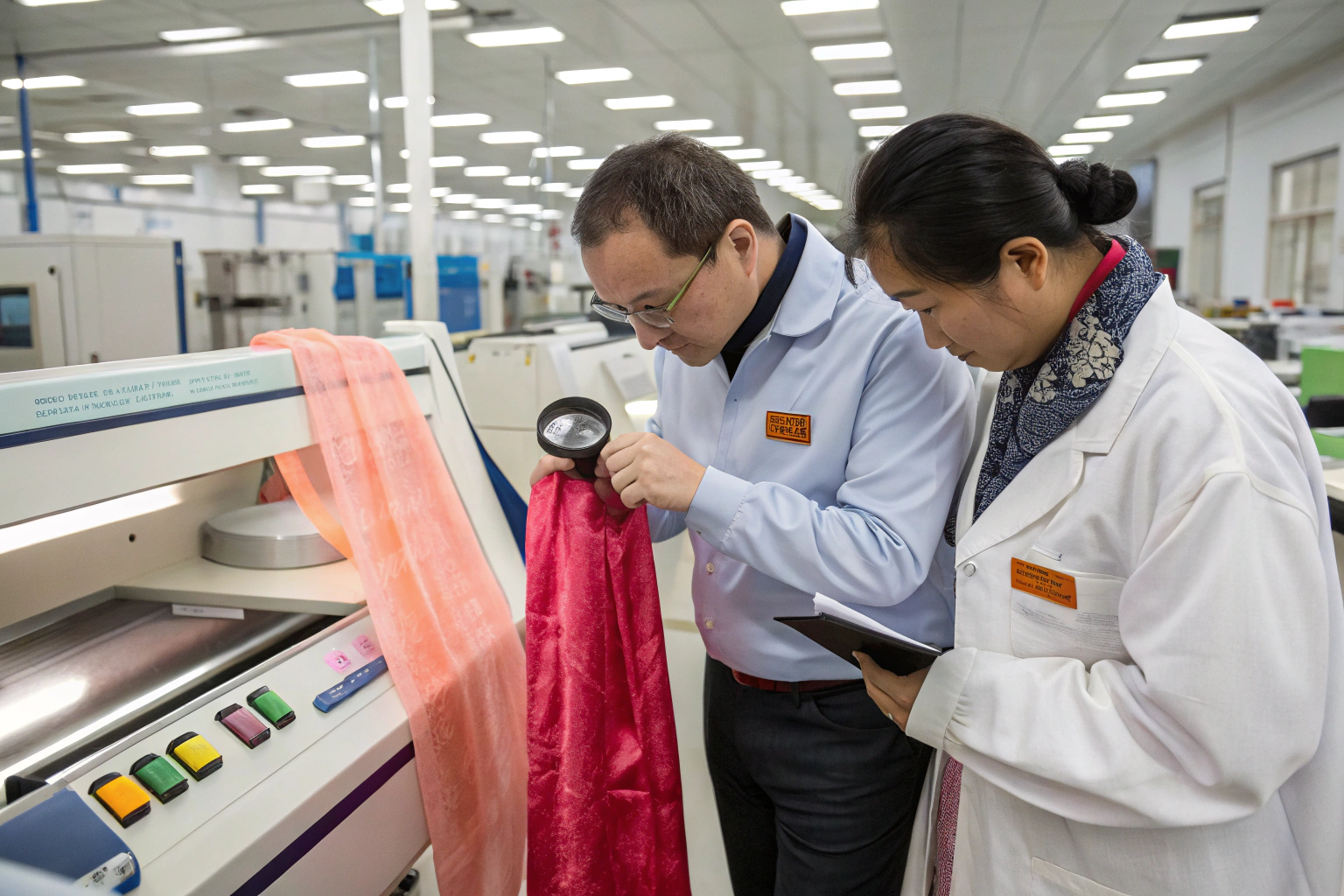
These aren’t just boxes to tick; they are a scientific process to guarantee that the beauty of the scarf is permanent. At my factory, we have a dedicated quality control lab to perform these tests rigorously. In this article, I’ll explain what each test is, how it works, and what the industry standards are, so you can source your silk accessories with absolute confidence.
What is Colorfastness to Crocking (Rubbing)?
This is perhaps the most common and visible type of colorfastness failure. "Crocking" is the technical term for color transfer due to rubbing. Imagine a customer buys a beautiful navy blue and white silk scarf. If the navy dye rubs off onto the white sections, or worse, onto their expensive white coat, the product is a failure.
Colorfastness to crocking is a measure of how well a fabric’s color resists transferring to another surface when rubbed. This is arguably the most critical test for a silk scarf, as it simulates the natural friction the scarf will experience against skin and other clothing during wear.
At Shanghai Fumao Clothing, we test every batch of dyed silk for crocking. A failure here is an immediate rejection of the fabric. Let’s look at how this is scientifically measured.

How is the "Crockmeter" test performed?
The standard instrument for this test is called a Crockmeter. The procedure is defined by standards like AATCC Test Method 8. A small, standard white cotton cloth (the "crocking cloth") is mounted on a mechanical finger. This finger is then passed back and forth across the surface of the dyed silk scarf with a specific, constant pressure for a set number of cycles (usually 10). This process is done twice: once with a dry crocking cloth ("dry crocking") and once with a cloth that has been wetted with distilled water ("wet crocking").
How are the results graded?
After the test, the white crocking cloth is removed and evaluated for any color staining. The amount of color transfer is graded by comparing the stained cloth to a standardized Gray Scale for Staining. This scale runs from Grade 5 (no color transfer) down to Grade 1 (heavy color transfer). For a high-quality silk scarf, we would look for a result of Grade 4-5 or better for dry crocking, and Grade 3-4 or better for wet crocking. Wet crocking standards are slightly lower because moisture naturally facilitates more dye transfer.
What is Colorfastness to Washing?
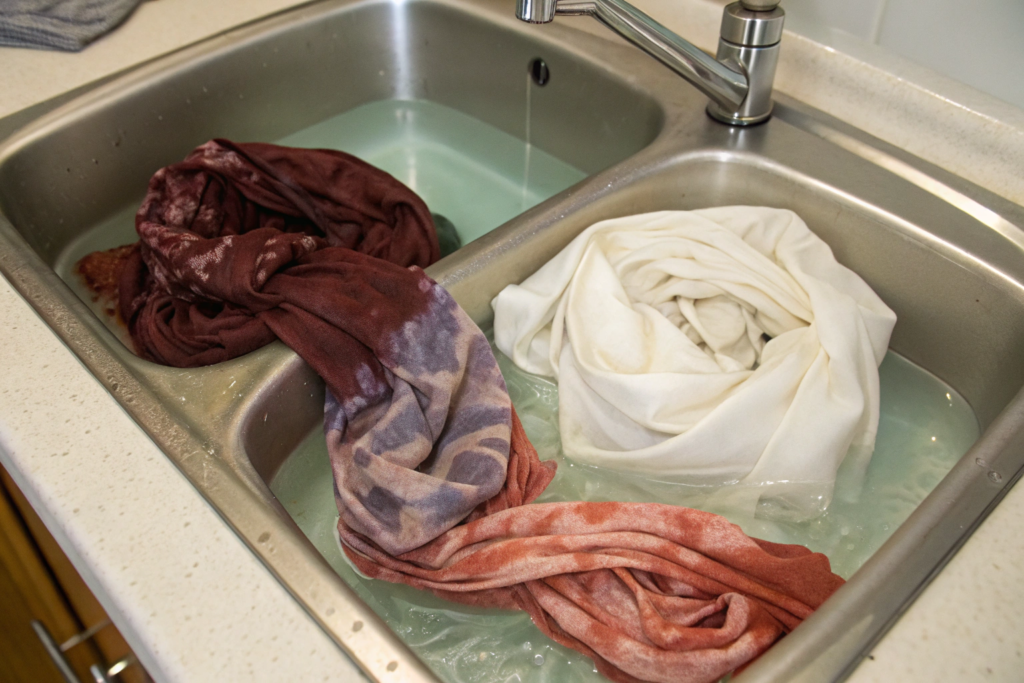
A customer will eventually need to clean their scarf. While most high-quality silk should be hand-washed or dry-cleaned, you must test to ensure the color won’t bleed out into the water, staining other parts of the scarf or, if washed with other items, ruining them.
Colorfastness to washing tests how well the scarf’s color holds up to a simulated laundering process. It measures two separate potential failures: 1) the color loss from the scarf itself (staining the water), and 2) the color transfer onto other fabrics that might be in the same wash. This test is crucial for ensuring the long-term beauty and usability of the product. It’s about guaranteeing the scarf will look just as vibrant after cleaning as it did on the day it was purchased.
How is the washing test conducted?
According to standards like AATCC Test Method 61, a sample of the silk scarf is stitched together with a "multi-fiber test fabric." This is a strip of fabric containing bands of different common fiber types (like cotton, nylon, polyester, wool, and acetate). This composite sample is then placed in a stainless steel canister with a standardized detergent solution and steel balls (to simulate the abrasion of a washing machine). The canister is then agitated in a heated water bath (a machine called a Launder-Ometer) for a set time (e.g., 45 minutes) to simulate a home laundry cycle.
How are the two types of failure graded?
After the cycle, the sample is rinsed and dried. It is then graded in two ways. First, the change in the color of the silk scarf itself is evaluated against the Gray Scale for Color Change. This measures how much the scarf has faded. Second, each strip of the multi-fiber test fabric is evaluated for staining using the Gray Scale for Staining. This shows how much the scarf’s dye has bled onto other materials. For a premium silk product, we demand a Color Change rating of Grade 4-5 and a Staining rating of Grade 4-5 on all adjacent fibers.
What is Colorfastness to Light?
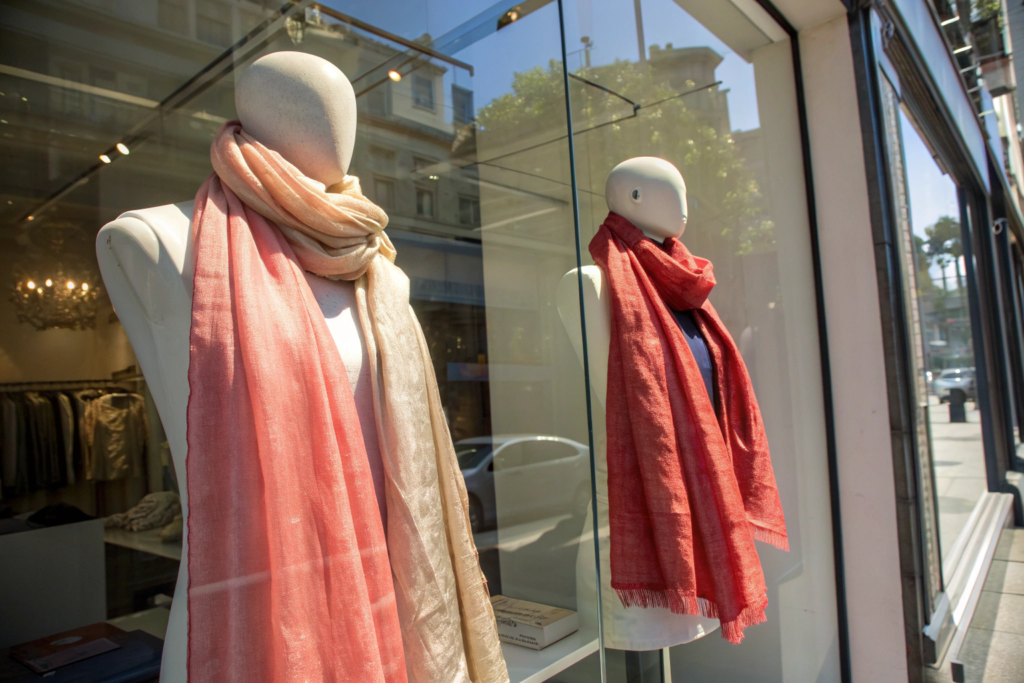
A scarf is often worn outdoors or displayed in a store window. Over time, exposure to sunlight, specifically its ultraviolet (UV) rays, can break down dye molecules and cause colors to fade. A beautiful fuchsia scarf that turns into a pale, dusty pink after one season is a major quality failure.
Colorfastness to light measures a dye’s ability to resist fading when exposed to a light source that mimics natural sunlight. This is a critical test for predicting the long-term vibrancy of the scarf and ensuring it doesn’t become a "disposable" item that looks old after a single summer. This test is especially important for resort collections and any accessories intended for outdoor use. It’s about guaranteeing the color’s longevity.
How is lightfastness tested?
It’s impractical to leave a scarf in the sun for months. So, we accelerate the process using a specialized machine, often called a Weather-Ometer or Fade-Ometer, as specified by AATCC Test Method 16. A sample of the dyed silk is placed in the machine along with a set of Blue Wool standards—a series of eight standardized blue wool swatches, each with a known, increasing level of lightfastness. The machine then exposes both the silk sample and the blue wool standards to a high-intensity Xenon Arc lamp, which closely simulates the full spectrum of natural sunlight, under controlled temperature and humidity.
How are the results rated?
The test is run for a specific number of hours (e.g., 20 or 40 "AATCC Fading Units"). The operator then observes the silk sample and compares its degree of fading to the fading of the eight blue wool standards. If the silk sample has faded to the same degree as, for example, Blue Wool standard #4, then it is given a Lightfastness rating of Class 4. For high-quality apparel and accessories, a Class 4 rating is considered the minimum acceptable standard, ensuring the color will remain stable for a reasonable product lifetime.
What is Colorfastness to Perspiration?
A scarf is an accessory worn directly against the skin, often around the neck. On a warm day or in a crowded room, a person will perspire. Human sweat is a complex chemical solution—it’s salty and can be either acidic or alkaline, which can be surprisingly aggressive on certain dyes.
Colorfastness to perspiration tests a dye’s resistance to bleeding or changing color when exposed to simulated sweat. This is a crucial safety and comfort test to ensure the scarf’s color doesn’t transfer onto the wearer’s skin or change color in the areas where it has been in contact with sweat. This test is about more than just aesthetics; it’s about the wearer’s comfort and ensuring the product is safe for prolonged skin contact.

How is the perspiration test performed?
This test, guided by AATCC Test Method 15, is similar to the washing test but uses a different solution. A sample of the silk is stitched to a multi-fiber test fabric. The sample is then thoroughly soaked in a simulated perspiration solution. In fact, two different solutions are used for separate tests: one is acidic and one is alkaline, to mimic the two potential pH ranges of human sweat. The wet sample is then placed between glass or plastic plates in a machine called a Perspirometer. A standard weight is applied, and the unit is placed in an oven for several hours to simulate the combined effect of sweat, pressure, and body heat.
How are the results evaluated?
Just like the washing test, the dried sample is evaluated in two ways using the standard Gray Scales. The color change of the silk itself is graded, and the staining on the adjacent multi-fiber test fabric is graded. Because this is an item worn directly against the skin, the standards must be high. We require a minimum rating of Grade 4 for both color change and staining in both the acidic and alkaline tests to ensure the product is completely stable and safe for the consumer.
Conclusion
A luxury product like a dyed silk scarf sells on the promise of beauty and quality. That promise is broken the moment its color fades, bleeds, or rubs off. Rigorous, scientific testing for colorfastness is the only way to guarantee that the product’s beauty is lasting. By systematically testing every batch of fabric for its resistance to rubbing (crocking), washing, light, and perspiration, we can move beyond hope and provide a verifiable guarantee of quality. It is this commitment to process and standards that transforms a simple accessory into a trusted and cherished possession.
If you are looking for a manufacturing partner who understands the science of quality and has the in-house testing capabilities to ensure your silk accessories meet the highest international standards, my team at Shanghai Fumao Clothing is ready to help. We believe in building products that last. Please contact our Business Director, Elaine, at her email: elaine@fumaoclothing.com to begin the conversation.