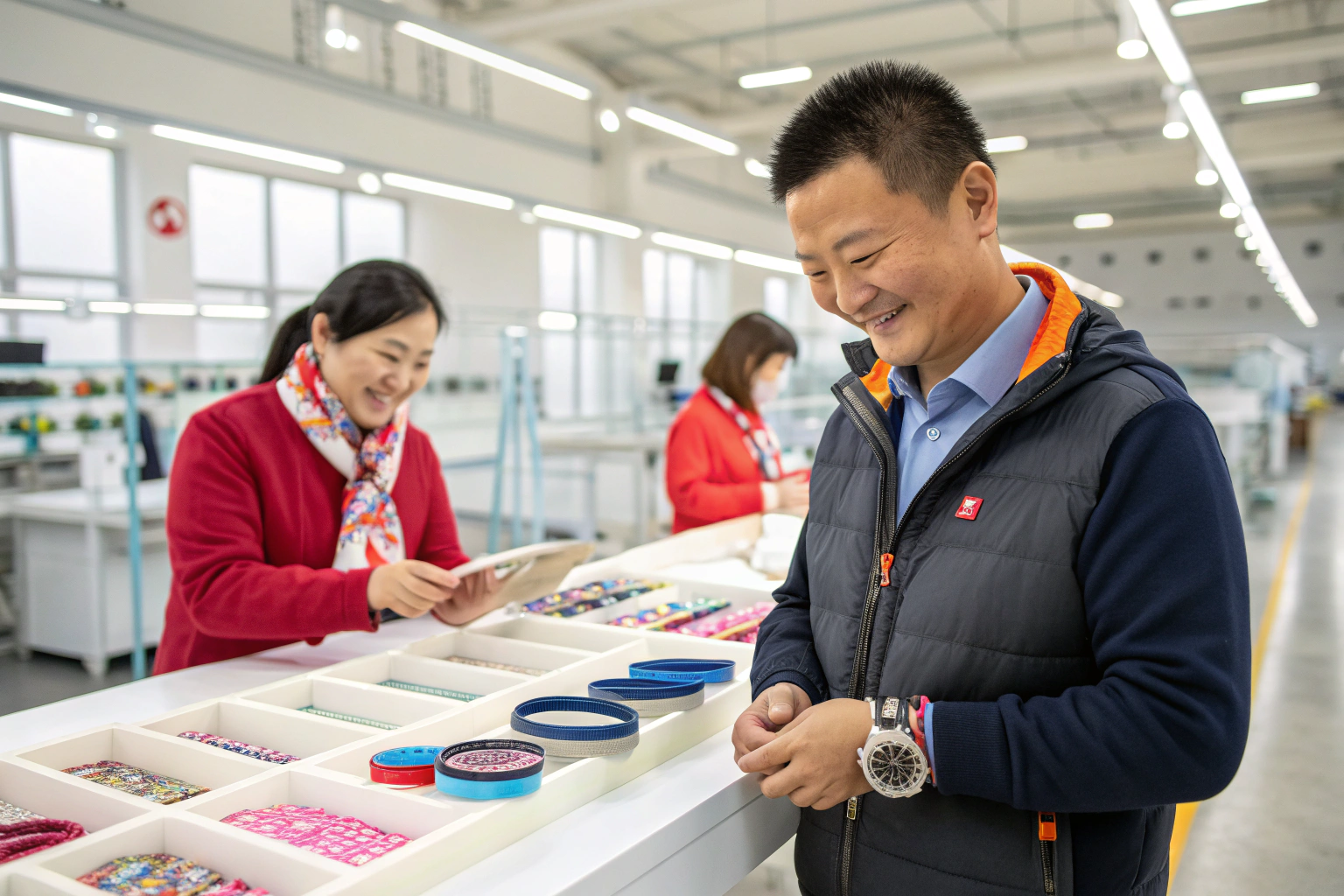
I have been in this industry for over two decades, and I have seen many shifts in what consumers want. But the rise of purpose-driven purchasing is one of the most powerful and lasting changes I have witnessed. My clients across America and Europe, from major supermarket chains to fashion brands, are increasingly asking for products that do more than just look good. They want accessories that stand for something.
Sourcing accessories that support a cause or charity requires finding a manufacturing partner who understands the sensitivity of cause-related marketing, can execute specific design elements like custom colors and messaging with precision, and has the flexibility to handle special packaging and storytelling components that communicate your mission to the end consumer.
This is not just about slapping a ribbon on a product. It is about creating a genuine connection between the consumer and a cause they care about. The colors must be exact. The messaging must be clear. The quality must be high because the product represents something bigger than itself. For a buyer like Ron, who serves a diverse American market, getting this right can build immense brand loyalty and do real good in the world. At Shanghai Fumao Clothing, we have produced countless cause-related products and learned what it takes to do them justice. Let me walk you through the process of sourcing accessories that truly support a cause.
What are the key design considerations for cause-related accessories?
Designing for a cause is different from designing for a trend. It is not merely about aesthetics or fleeting popularity; it is an act of intention, a silent dialogue between the designer and the hearts they seek to touch. The design choices carry meaning—each hue, each line, each word is a brushstroke on the canvas of empathy, woven with the purpose of resonating deeply. They must be instantly recognizable to the audience you are trying to reach, like a familiar melody that stirs the soul, ensuring that the message transcends mere visual noise and lands with clarity and warmth.
A small mistake in color—a shade too muted, a tone that clashes with the cause’s spirit—or a misstep in messaging, a phrase that feels hollow or out of step, can confuse or even offend the very people you are trying to support. It is as if a gentle whisper turns into a jarring echo, shattering the trust and connection you strive to build, leaving those you aim to uplift feeling unheard or misunderstood.
Why is color accuracy critical for cause-related products?
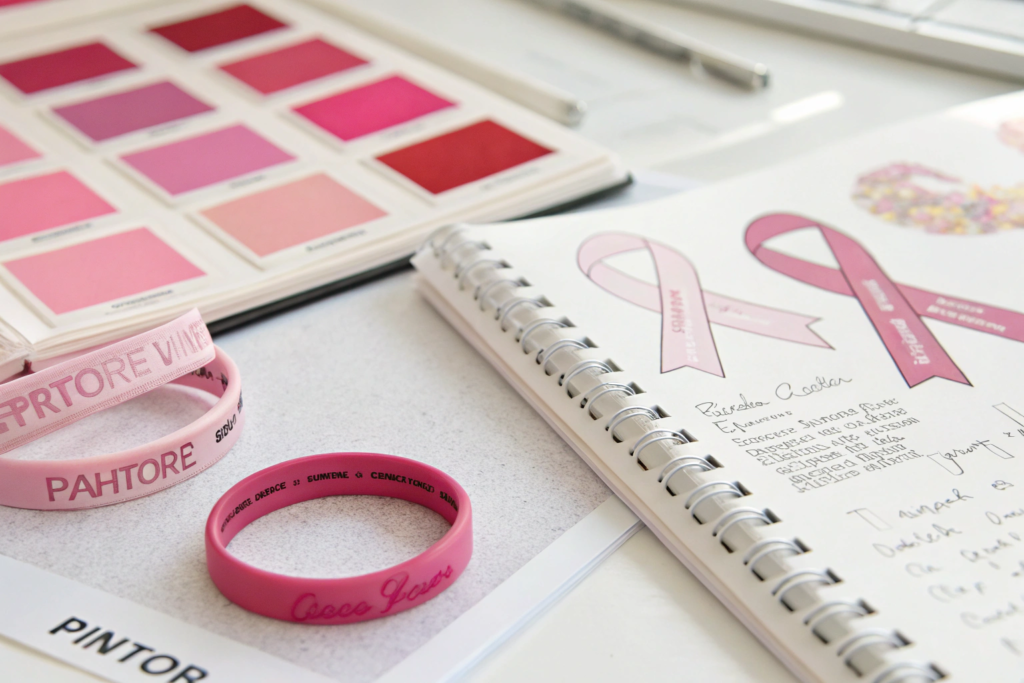
Color is the primary language of cause-related marketing. A specific shade of pink is universally recognized for breast cancer awareness. A particular shade of red is associated with HIV/AIDS awareness. A yellow ribbon has its own powerful meanings. If your product uses the wrong shade of pink, it will not resonate with the audience. It might even look like you are trying to capitalize on a cause without understanding it. This is why we work with standardized color systems like Pantone. When a client tells us they need a specific awareness ribbon color, we match it exactly to the recognized standard. This attention to detail shows respect for the cause and ensures your product is seen as authentic. For a guide to the colors associated with different causes, resources like Awareness Depot can be helpful references.
How do you incorporate messaging without overwhelming the design?
The message is important, but the product must still be something people want to wear. The key is subtlety and integration. For a bracelet, this might mean an engraved metal plate with a simple phrase like "Hope" or "Cure" on the inside or outside. For a pin, the message is often integrated into the design itself. For a scarf, it might be a small, woven label at the corner with the charity’s name and logo. The goal is to communicate the connection without making the product feel like a billboard. The wearer should feel proud to display the message, and the design should be stylish enough that they would wear it even without the cause association. This balance is what makes a cause-related product successful.
How do you ensure your sourcing partner understands cause-related marketing?
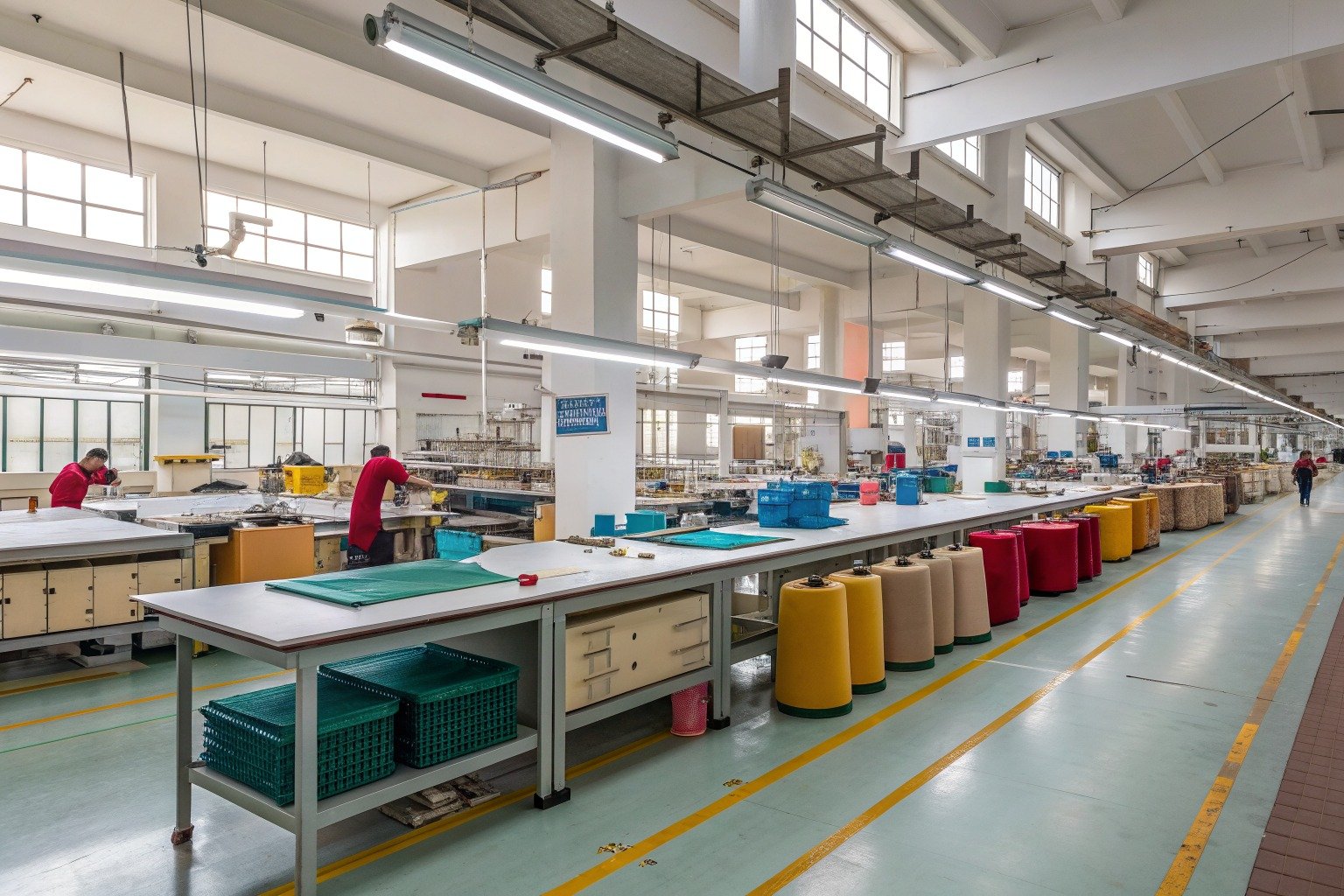
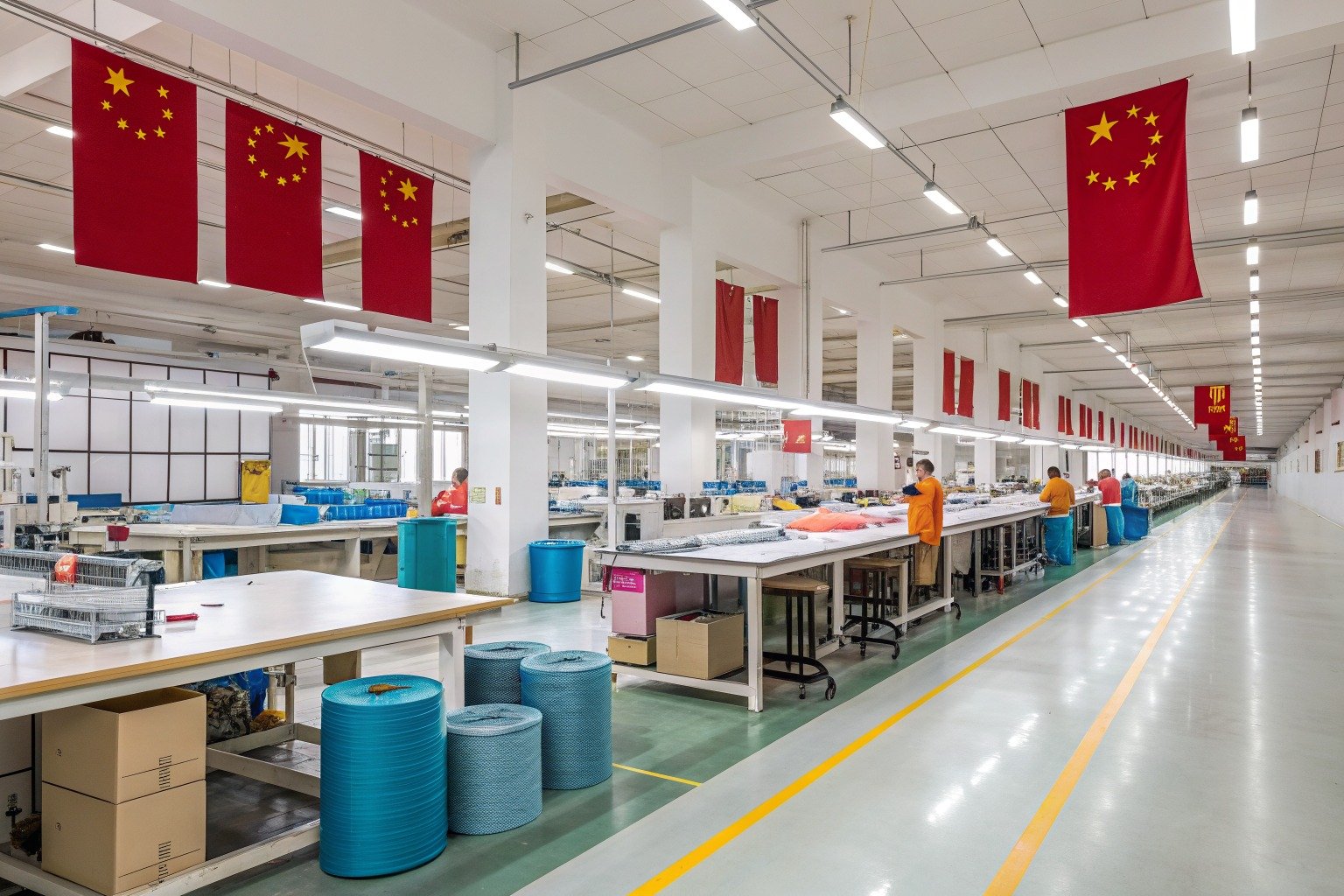
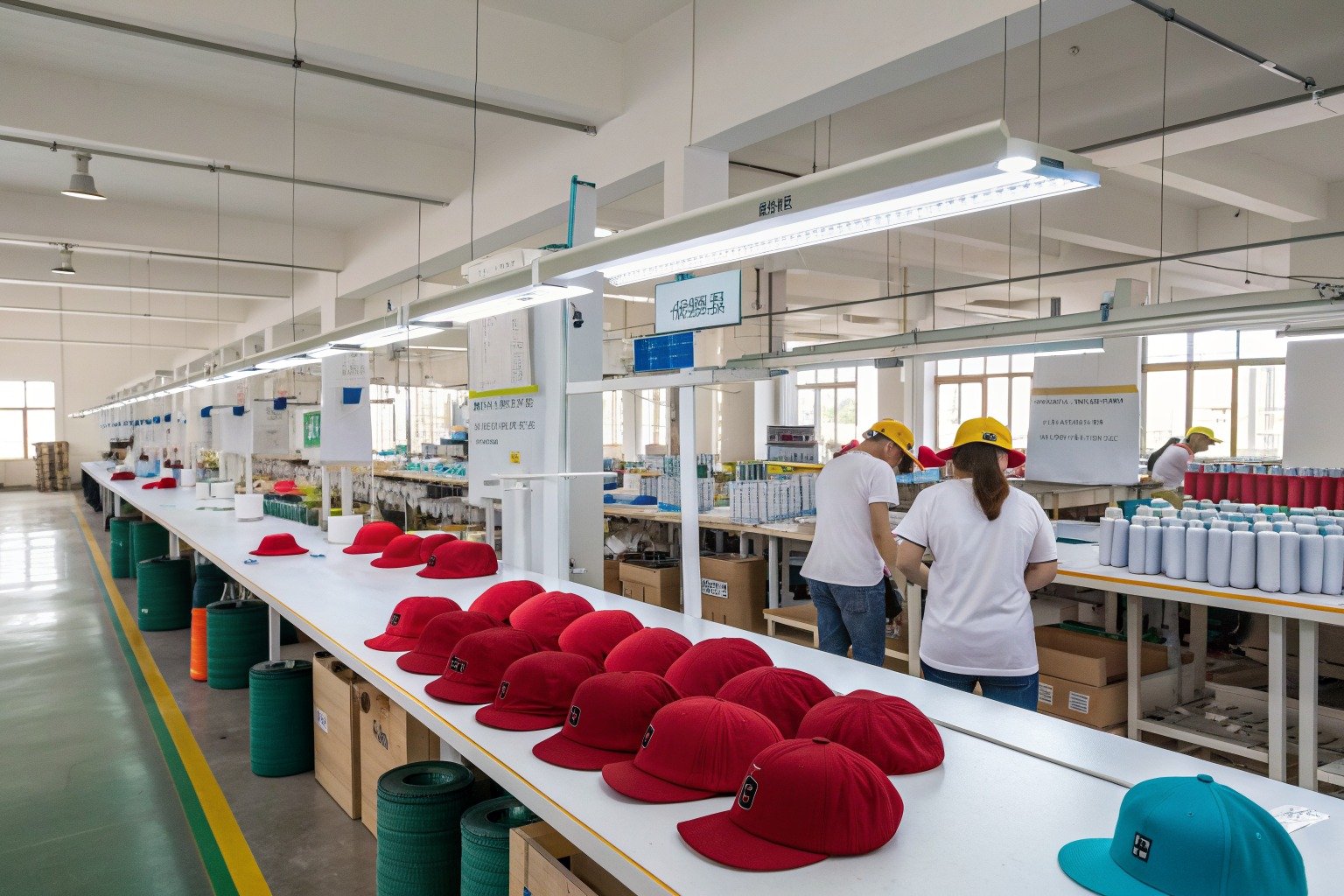
Not every factory is equipped to handle the nuances of cause-related products. This is a specialized area that demands more than just machinery and assembly lines—it requires a deep sensitivity to the stories behind each item, a precision in execution that honors the intent, and a genuine willingness to go beyond standard production protocols. Your sourcing partner must understand that they are not just making a product; they are helping to tell a story.
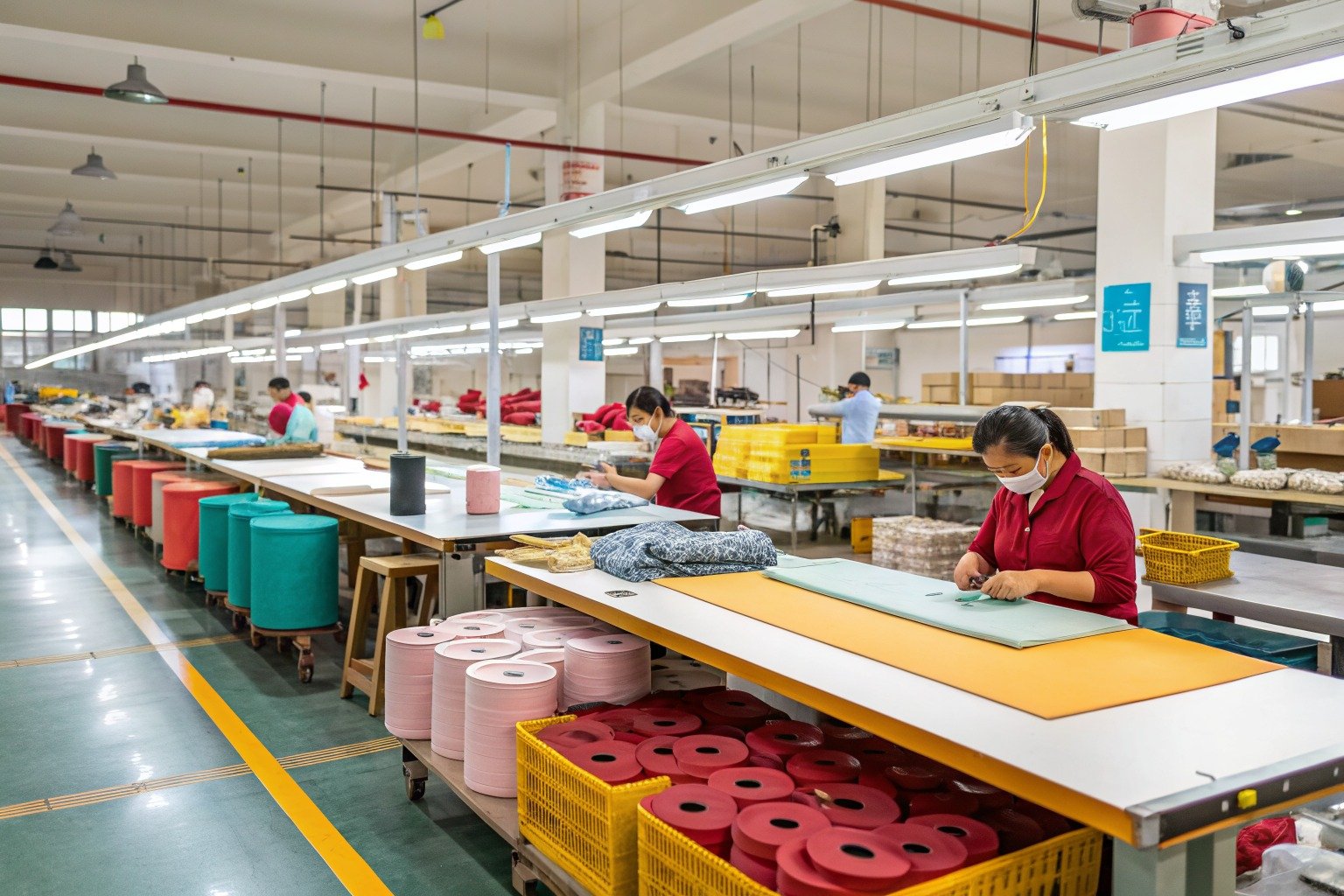
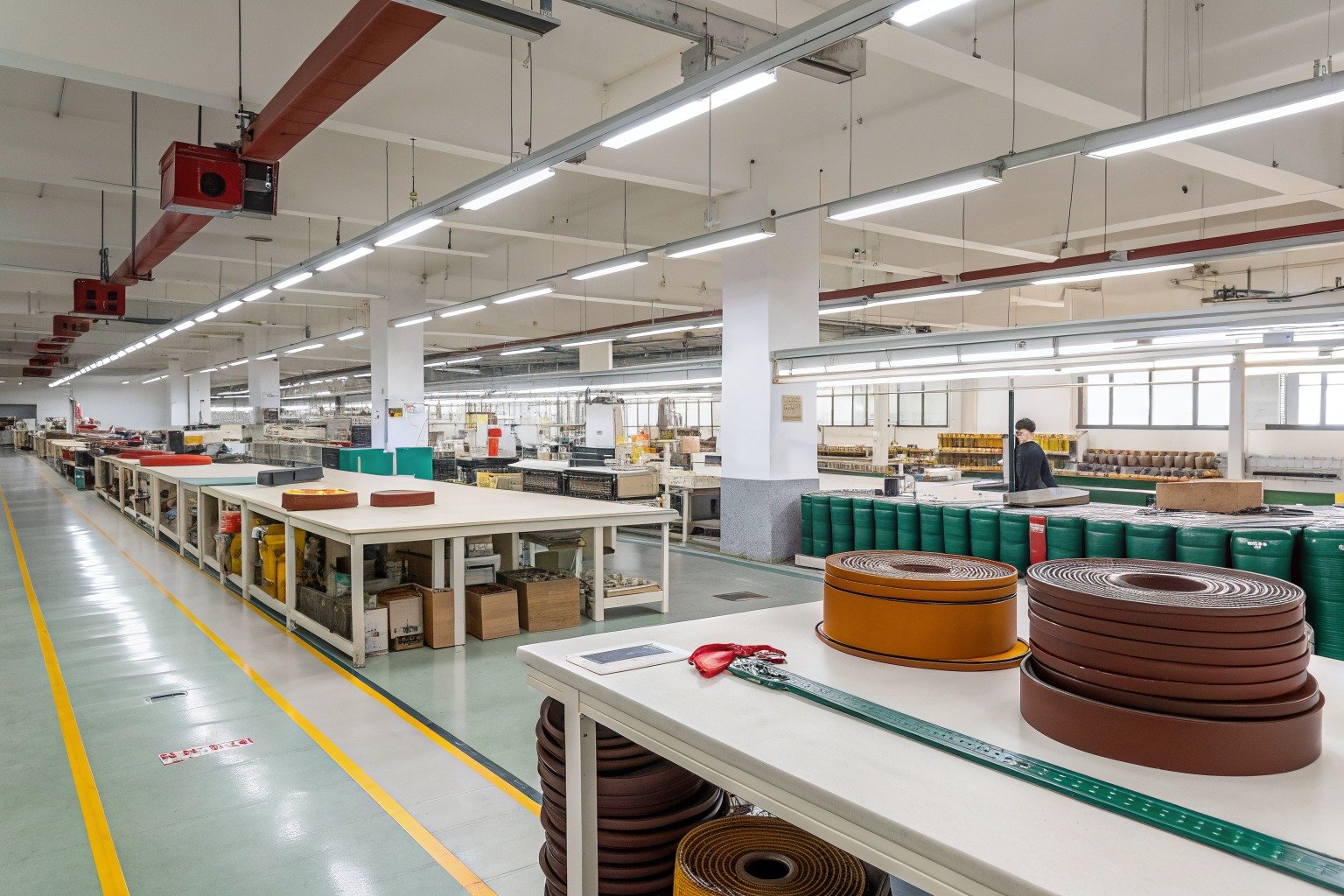
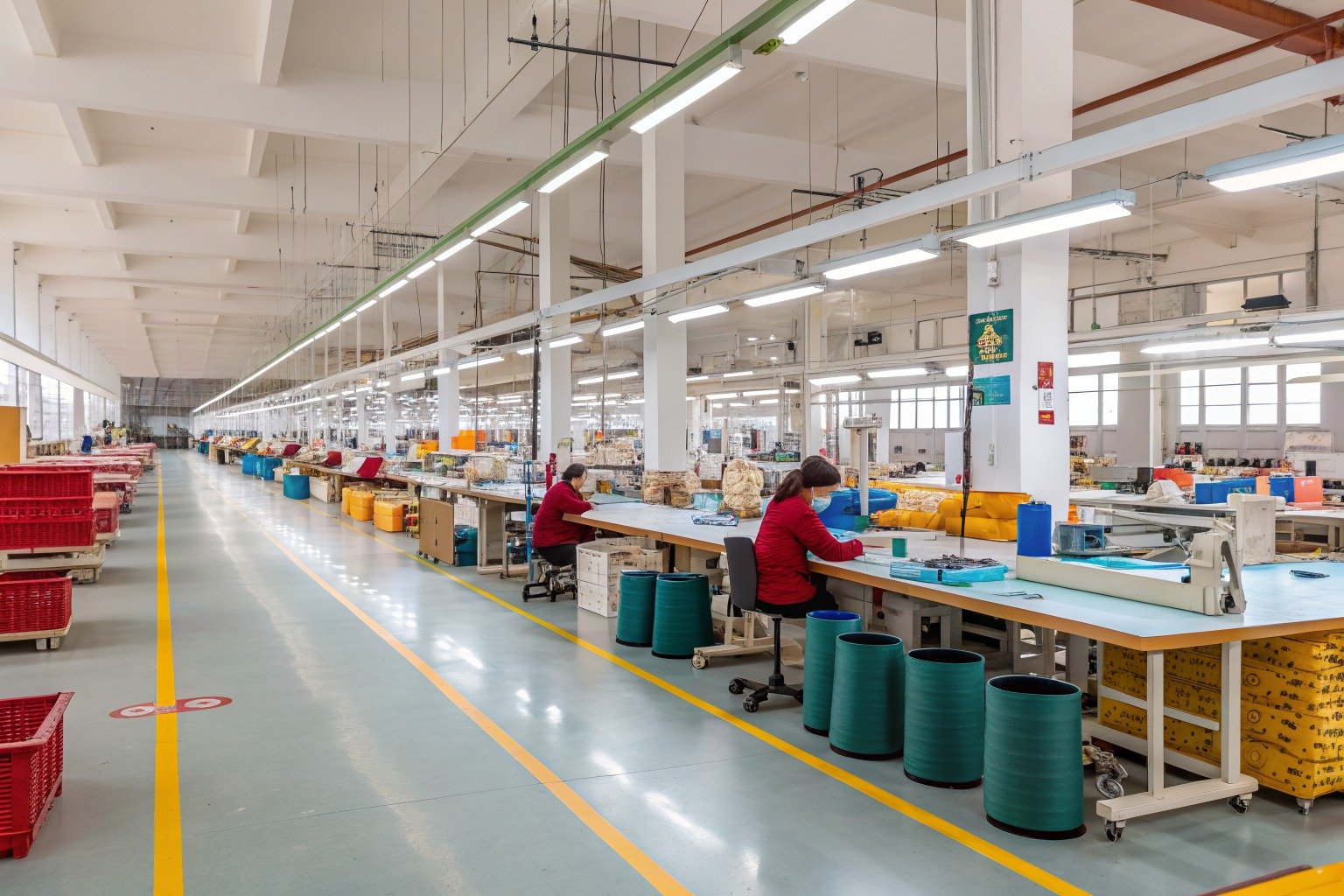
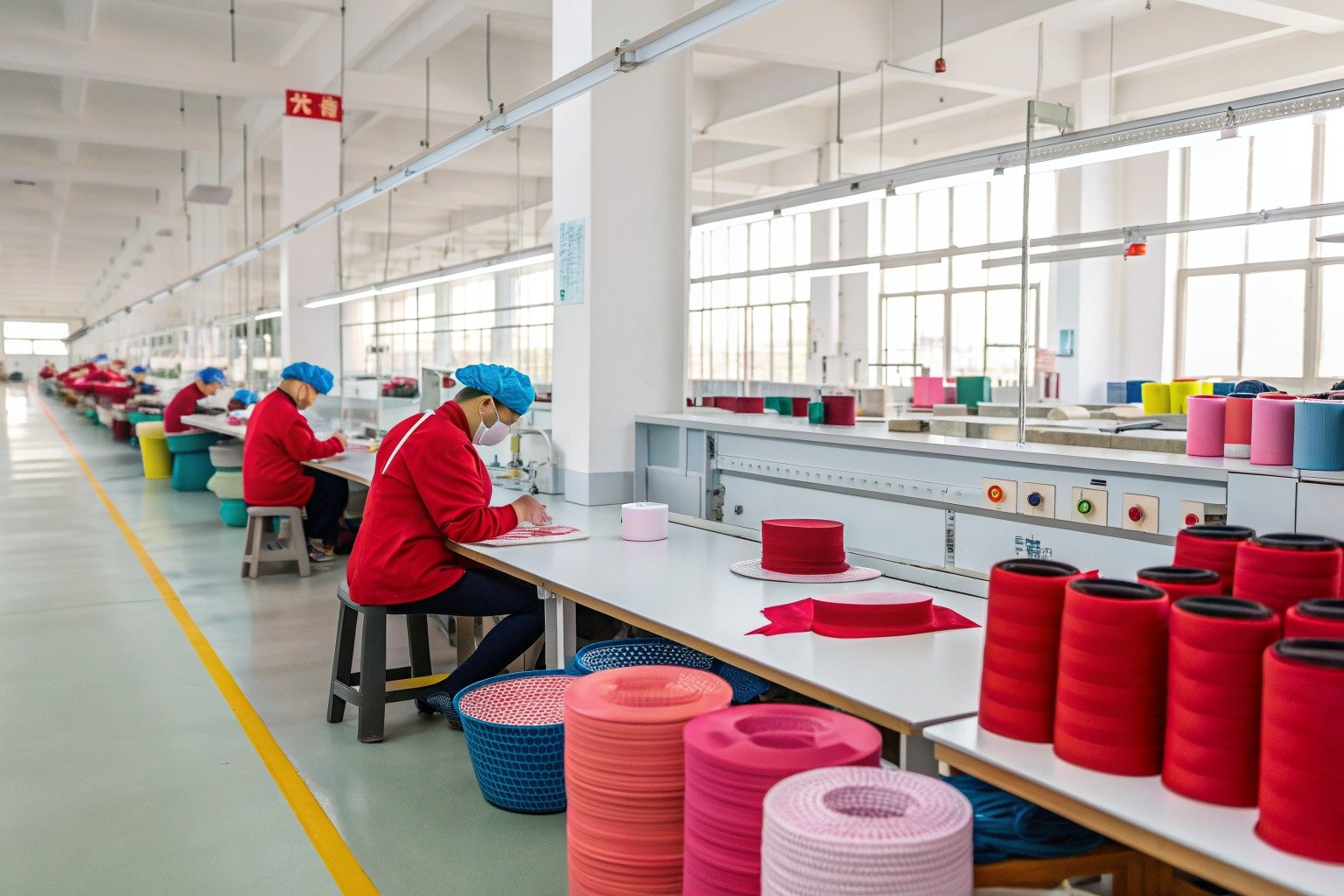
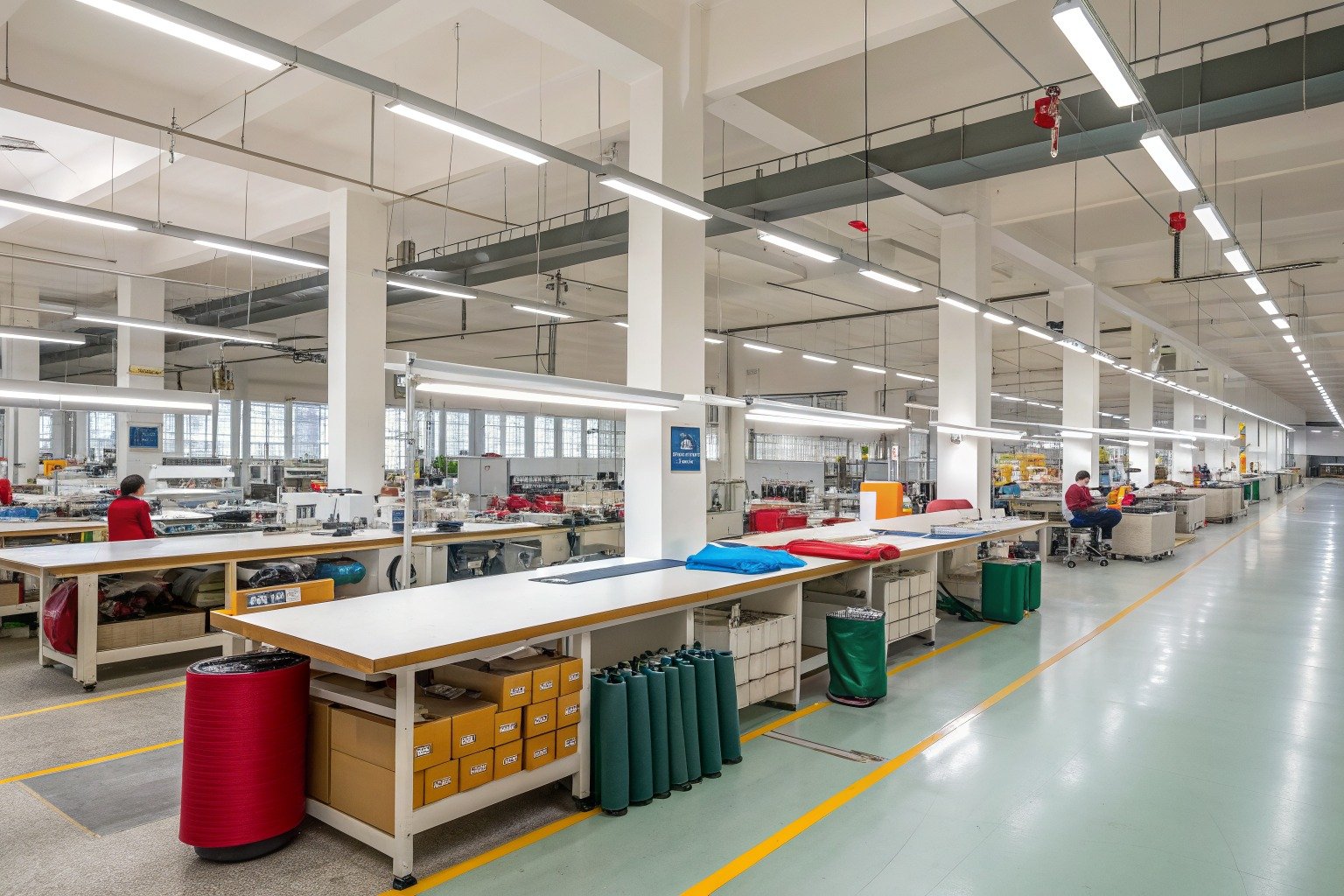
They must infuse each stitch, each weld, each brushstroke with the weight of purpose, ensuring that the final item doesn’t just sit on a shelf but resonates with the hearts and minds of those who encounter it. The air in such a workshop hums with intention, where workers handle materials with reverence, knowing their hands are weaving threads of impact into tangible form.
What questions should you ask a potential factory about cause-related experience?
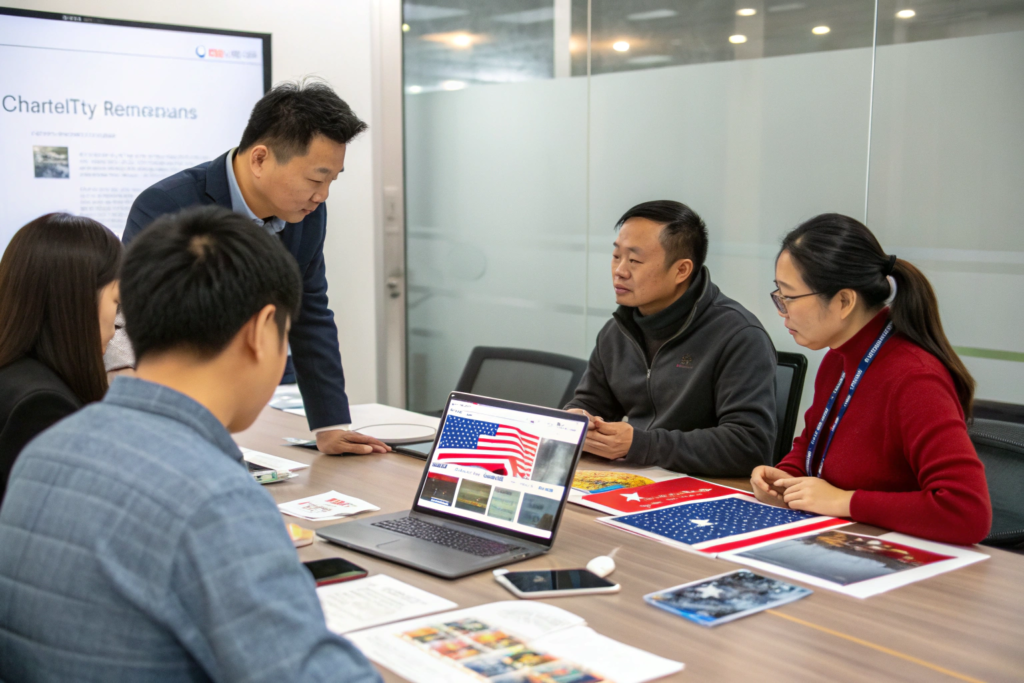
When you are vetting a factory, you need to dig into their experience. Ask them: Have you produced cause-related products before? Can you show us examples? How did you ensure color accuracy for awareness ribbons? How did you handle the packaging and any included informational materials? Did you work directly with any charities or non-profits on the messaging? Their answers will tell you a lot. A factory that has done this before will have systems in place. They will understand the importance of color matching and clear communication. They will also be prepared to handle the sensitivities involved, like ensuring that any mention of a charity is approved and accurate. A factory that is new to this might need more guidance.
How can a factory help with special packaging for cause-related products?
Packaging is a huge part of the story for cause-related products. It is often where you communicate the details of the cause, explain how the purchase helps, and thank the customer for their support. A good factory can help with this. They can source custom-printed boxes, tissue paper, or hang tags that carry your message. They can help you design packaging that feels special and meaningful, not just functional. For example, a bracelet might come in a small box with a story card inside that explains the charity and the impact of the purchase. This turns the unboxing into an emotional experience. At Shanghai Fumao Clothing, we work with our clients to develop packaging that enhances the cause message and creates a deeper connection with the customer.
What are the common product types for cause-related accessories?
Certain product types have become staples in the world of cause-related marketing, standing as silent yet powerful ambassadors for noble causes. They are versatile, adaptable to a myriad of campaigns and audiences, and surprisingly affordable, making them accessible to organizations of all sizes. More than mere items, they provide a vibrant canvas for messaging and color—where logos, slogans, and imagery dance together to tell compelling stories.
Understanding these categories can help you choose the right product for your specific campaign, ensuring that every purchase not only supports a worthy cause but also resonates deeply with consumers, leaving an indelible mark on both hearts and minds.
Why are silicone wristbands still a popular choice for charity campaigns?
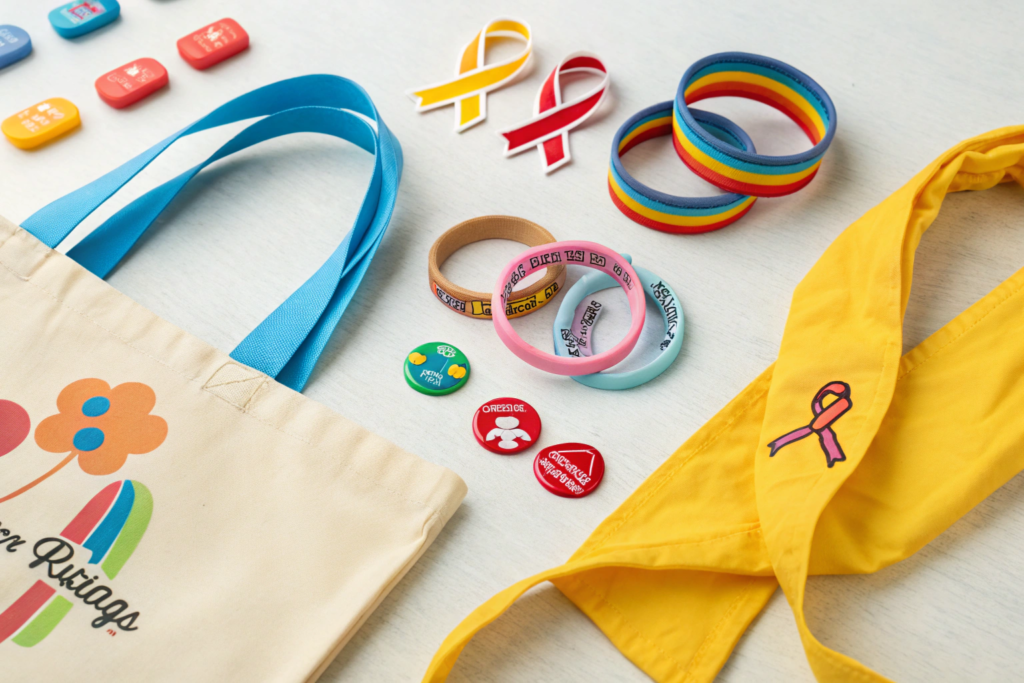
Silicone wristbands exploded in popularity with the Livestrong phenomenon, and they have remained a staple ever since. They are popular for several reasons. They are durable and waterproof, meaning people can wear them every day without worry. They are inexpensive to produce, allowing for high volumes and low price points, which is great for fundraising. They are also a perfect canvas for a debossed or printed message. A simple word like "Hope" or "Cure" or a charity’s name can be molded directly into the silicone. They come in every color imaginable, making it easy to match a specific cause. And they have become a visual language of support. When people see someone wearing a certain color wristband, they instantly recognize the connection.
What makes pins and badges effective for cause-related messaging?
Pins and badges have a long history in activism and cause-related movements. They are small, visible, and collectible. People can wear them on jackets, bags, or hats, showing their support in a subtle but clear way. For a charity campaign, a well-designed pin can become a symbol of belonging. The design can range from simple awareness ribbons to more elaborate custom shapes and logos. Enamel pins, in particular, have become very popular because they have a high-quality, premium feel. They are durable and can be produced with incredible detail. For a buyer like Ron, offering a pin as part of a campaign gives supporters a tangible way to show their commitment and start conversations.
How do you manage the relationship with the charity or cause?
Sourcing the product is merely the first brushstroke on the canvas of a meaningful partnership. The relationship with the charity or cause you are championing is equally vital, a thread that weaves through every aspect of your endeavor, binding purpose to action.
This relationship must be nurtured with meticulous care, unwavering transparency that shines like sunlight through glass, and profound respect that honors the stories and struggles of those you seek to uplift.

What legal considerations are involved in cause-related marketing?
There are legal rules around cause-related marketing, and they vary by country and state. You cannot simply claim that a portion of proceeds goes to a charity without having a formal agreement in place. You need a written contract with the charity that specifies the terms: how much will be donated, over what period, and how the charity’s name and logo can be used. You also need to be transparent with your customers. Your marketing materials must clearly state the details of the donation. For example, "5% of the purchase price of this bracelet will be donated to [Charity Name] up to a maximum of $10,000." This transparency builds trust and ensures you are complying with regulations. It is always wise to consult with legal counsel who specializes in this area.
How do you ensure authenticity in your cause-related messaging?
Authenticity is everything. Consumers can smell insincerity from a mile away. Your connection to the cause must be genuine. This means choosing a cause that aligns with your brand’s values and your customers’ interests. It means working directly with the charity, not just sending a check. It means telling their story in your marketing, not just your own. Involve the charity in the process. Get their input on the designs and the messaging. Let them share the news with their supporters. This creates a partnership that benefits both sides. When customers see that you have a real relationship with the cause, they are much more likely to trust you and support your products. This is the kind of meaningful work we love to be a part of at our factory.
Conclusion
Sourcing accessories that support a cause is a powerful way to connect with consumers and make a positive impact in the world. We have explored the critical design considerations, from precise color matching to thoughtful messaging. We have discussed the importance of finding a manufacturing partner who understands the nuances of cause-related marketing. We have looked at popular product types like silicone wristbands and enamel pins. And we have touched on the legal and relational aspects of working with a charity.
For a professional buyer like Ron, this is an opportunity to build a brand that stands for something. It is a chance to move beyond transactions and create genuine emotional connections with customers. It requires more work, more sensitivity, and more partnership than a standard product launch. But the rewards, both for your business and for the world, are immense. At our factory in Zhejiang, we are proud to be a part of this process for our clients. We bring our experience, our precision, and our care to every cause-related project, ensuring that the products we make truly honor the causes they represent. If you are ready to create accessories that make a difference, we are here to help.
To discuss your next cause-related project, please contact our Business Director, Elaine, at elaine@fumaoclothing.com. Let’s create something that matters.