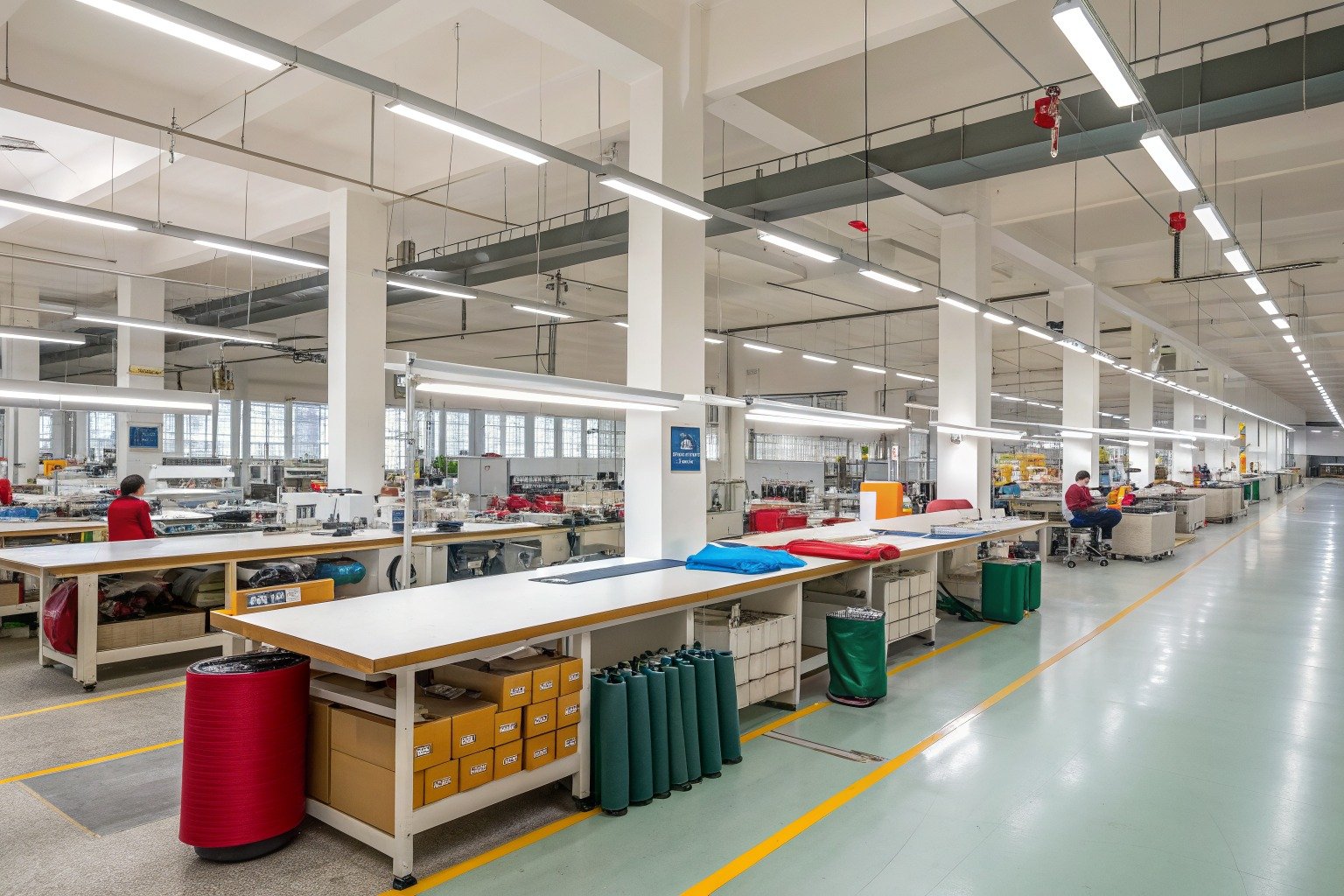
I remember a call from a designer who had poured her heart into a new line of luxury handbags. The leather was exquisite. The stitching was perfect. The hardware was stunning. She had sold out of her first batch within weeks. Then, the returns started. The problem wasn’t the beautiful leather or the elegant design. It was the zipper. It was jamming. The pull was breaking off. Customers were frustrated. Her dream collection was being undermined by a single, seemingly small component. She asked me, "How could this happen? How do I make sure it never happens again?"
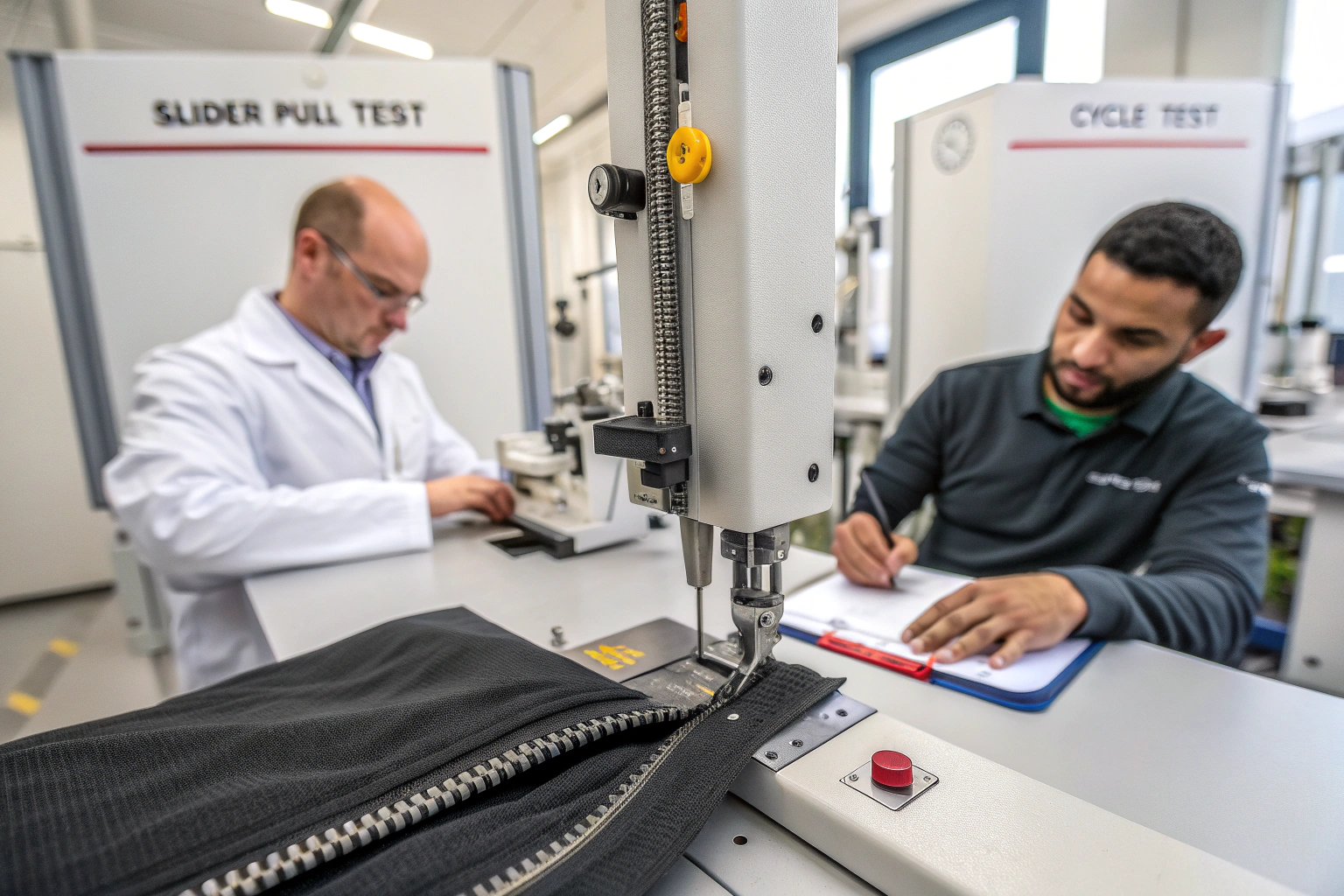
The most important tests for zipper durability on purses and bags are designed to simulate the stresses of real-world use and ensure every component can withstand them. These include the slider pull test, which measures the force required to detach the slider from the zipper tape; the cycle test, which repeatedly opens and closes the zipper thousands of times to simulate years of use; the lateral strength test, which checks the zipper’s resistance to being pulled apart from the sides; and the tab attachment test, which ensures the pull tab is securely fastened. At Shanghai Fumao Clothing, we perform these tests on every new bag design and on random samples from every production run, ensuring the zipper is never the weak point.
That designer learned a hard lesson. She had focused on the visible, beautiful parts of her bag and had trusted that the invisible components would just work. But in a bag, the zipper is not invisible. It is the most frequently used, most stressed component. It is opened and closed dozens of times a day. If it fails, the entire bag is rendered useless. Testing is not an optional extra; it is the only way to guarantee reliability. Let me walk you through the four most critical zipper durability tests.
What Is the Slider Pull Test and Why Is It Critical?
The slider is the heart of the zipper. It is the mechanism that opens and closes the teeth. If the slider breaks or detaches from the zipper tape, the zipper is completely useless. The slider pull test is designed to measure the strength of this critical connection. It ensures that the slider can withstand the force of everyday use without snapping or pulling off. This is a non-negotiable test for any bag that will see regular use.
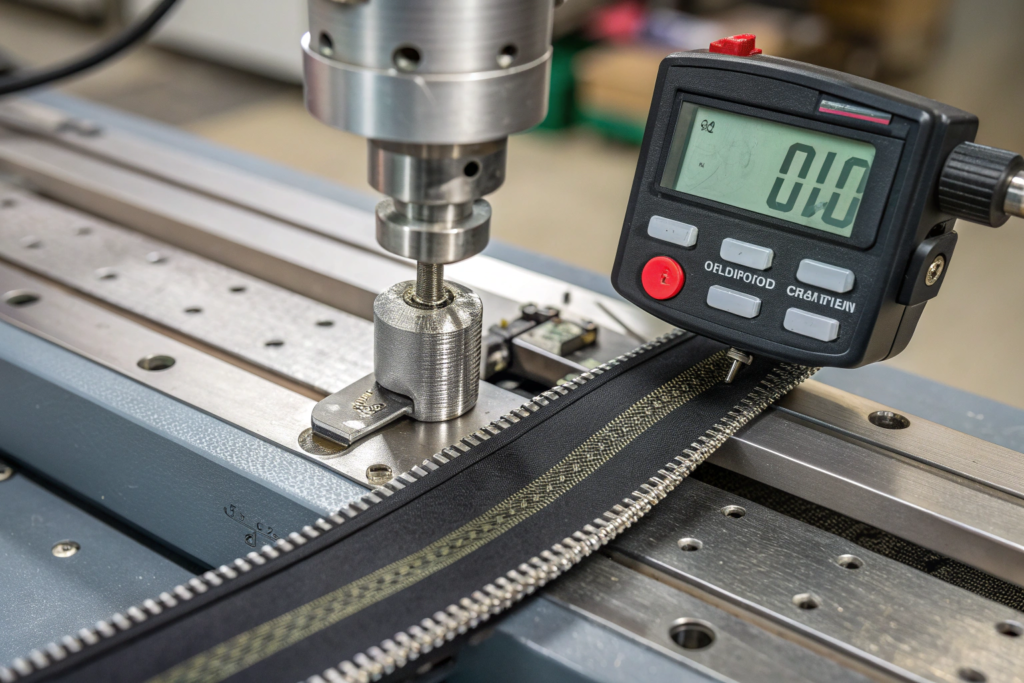
The slider pull test measures the force required to either break the slider’s components or to detach the slider from the zipper tape. A specialized machine grips the slider and pulls it with increasing force until failure. The result, measured in Newtons or pounds, must meet a minimum standard based on the bag’s size and intended use. For a small handbag, a lower threshold might be acceptable. For a large tote or a backpack that will be heavily loaded, a much higher strength is required. A high-quality zipper will have a slider that can withstand significant force without failing.
The slider is a complex assembly. It consists of the body, the pull tab, and the mechanism that joins them. The slider pull test can reveal weaknesses in any of these parts. A cheap slider might have a body that cracks under stress. A poorly attached pull tab might snap off. The test also checks the strength of the slider’s grip on the zipper tape. The slider is crimped onto the tape, and this crimp must be strong enough to withstand repeated pulling. The test provides an objective measurement of this connection. We use industry-standard testing protocols, such as those defined by ASTM D2061 or BS 3084, to ensure our results are reliable and comparable. This is a fundamental part of zipper quality assurance. At Shanghai Fumao Clothing, we test sliders from every batch we receive from our suppliers, rejecting any that fall below our strength requirements.
What is a good strength result for a slider pull test?
There is no single number, as it depends on the application. For a small clutch or cosmetic bag, a slider that withstands 10-15 pounds of force might be sufficient. For a large tote, a diaper bag, or a backpack, we look for sliders that can withstand 25-30 pounds or more. We discuss these requirements with our clients based on the bag’s design and intended use. The key is to set a standard and test against it consistently.
Does the slider pull test also test the pull tab?
Yes, it does. The test typically grips the pull tab itself. So it tests both the strength of the pull tab material and the strength of its attachment to the slider body. A weak pull tab will break or detach during this test.
How Does the Cycle Test Simulate Years of Use?
A slider pull test measures brute strength. But a zipper also needs endurance. It needs to be able to open and close smoothly, thousands of times, without jamming, wearing out, or losing its grip. This is what the cycle test measures. It is the closest thing we have to simulating years of real-world use in a matter of hours or days. It is the ultimate test of a zipper’s long-term reliability.
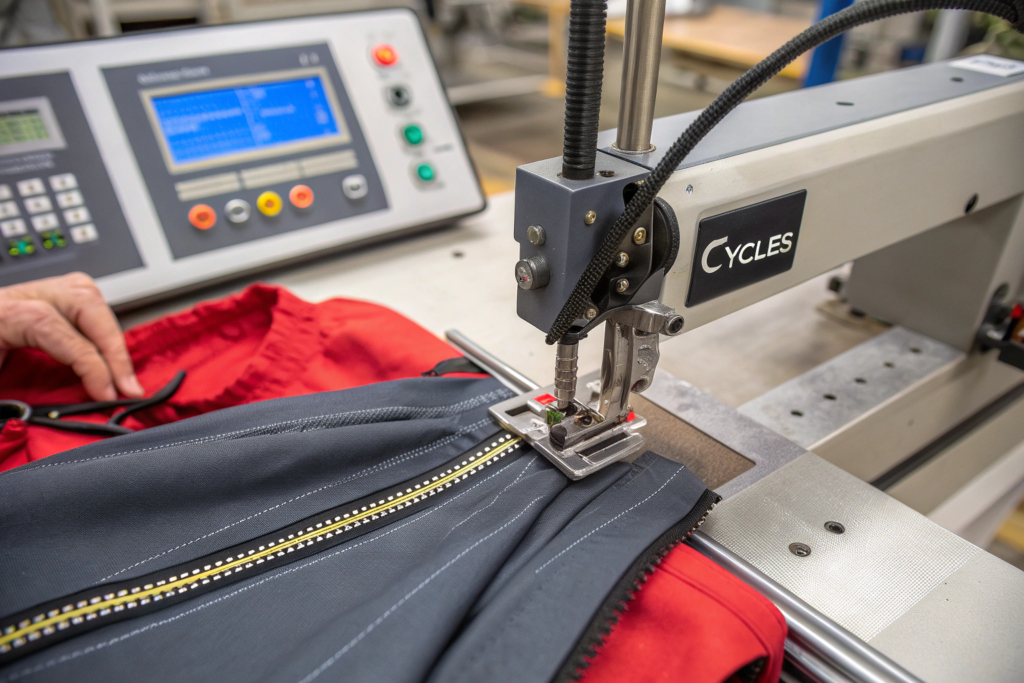
The cycle test involves repeatedly opening and closing the zipper over a predetermined length, typically the full length of the zipper, for thousands of cycles. A specialized machine automates this process, ensuring consistency. We might test a zipper for 5,000, 10,000, or even 20,000 cycles, depending on the bag’s expected lifespan. During the test, we monitor for any signs of failure: jamming, teeth misalignment, slider wear, or separation. A zipper that passes a 10,000-cycle test has proven it can withstand years of normal daily use. This test is the gold standard for zipper durability.
The cycle test is not just about the number of cycles. It also tests the smoothness of the operation. A zipper that becomes increasingly difficult to open and close over time is also a failure, even if it doesn’t break. We monitor the force required to operate the zipper throughout the test. A high-quality zipper will maintain a consistent, smooth action for the entire test. The test also reveals issues with the zipper tape, such as stretching or fraying. The teeth must remain perfectly aligned and engaged. The slider must glide smoothly without snagging. This comprehensive test is the best predictor of real-world performance. It is a core component of product reliability engineering. At Shanghai Fumao Clothing, we perform cycle tests on all new zipper types and on random samples from production to ensure consistent quality.
How many cycles should a good bag zipper withstand?
For a high-quality handbag or tote that is designed for daily use, we recommend a zipper that can withstand at least 10,000 open-close cycles without failure. For a piece that will see lighter use, like an evening clutch, 5,000 cycles might be sufficient. For heavy-duty luggage or backpacks, we might specify 20,000 cycles or more. We help our clients choose the right zipper grade based on their product’s intended use and price point.
What happens if a zipper fails during the cycle test?
If a zipper fails during the cycle test, it is rejected. We then work with our zipper supplier to understand the root cause. Was it a material flaw? A manufacturing defect? A design issue? We fix the problem before any zippers are used in production. This is why testing at the development stage is so critical. It’s far better to fail a test in the lab than to fail in a customer’s hands.
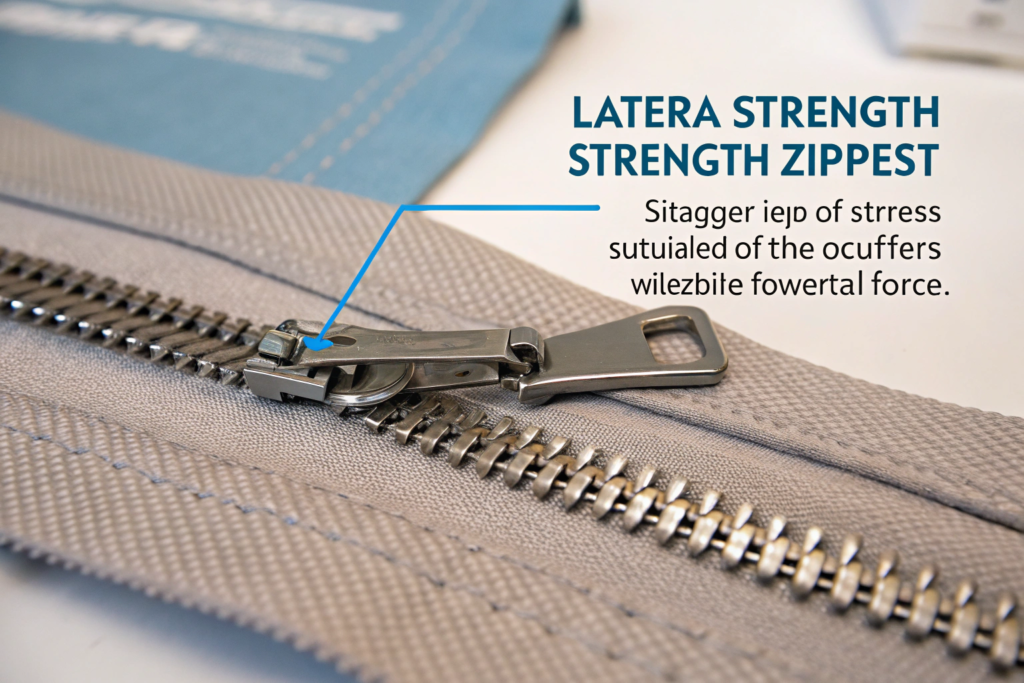
What Is the Lateral Strength Test and When Is It Needed?
Most people think of a zipper being stressed along its length, by the force of opening and closing it. But a zipper on a bag is also subjected to another type of force: lateral stress. This is the force that tries to pull the two sides of the zipper apart. It happens when you overstuff your bag, when you carry heavy items that push against the sides, or even just when the bag is full and you pick it up. The lateral strength test measures the zipper’s resistance to this kind of failure.
The lateral strength test measures the force required to pull the two sides of the zipper apart, perpendicular to the direction of the teeth. A machine grips the fabric on either side of the zipper and pulls them apart. The result, measured in Newtons or pounds, indicates how much internal pressure the zipper can withstand before the teeth separate or the zipper bursts open. This test is especially critical for bags that will carry heavy loads, like totes, backpacks, and luggage. A zipper with low lateral strength is prone to bursting open when the bag is full, a catastrophic and embarrassing failure.
The lateral strength of a zipper is determined by the shape and interlock of its teeth. Coil zippers, which are made from a continuous coil of nylon or polyester, have some lateral give but can be prone to bursting if the coils are weak. Molded plastic tooth zippers are generally stronger laterally. Metal tooth zippers, especially those with larger, interlocking teeth, offer the highest lateral strength. The test tells you exactly how much force your chosen zipper can handle. If your bag is designed to carry heavy items, you must choose a zipper with a high lateral strength rating. This is a critical factor in material selection for product durability. At Shanghai Fumao Clothing, we always consider the bag’s intended function when selecting zippers, and we perform lateral strength tests to ensure the zipper is up to the task.
Is the lateral strength test more important for certain bag styles?
Yes, absolutely. For a small clutch or a cosmetic bag that will never be heavily loaded, lateral strength is less critical. For a large tote that might carry books and a laptop, or for a backpack, it is a vital test. Any bag where the contents will press outward against the zipper needs a zipper with proven lateral strength.
How can I tell if a zipper has good lateral strength just by looking?
It can be difficult to judge by appearance alone. The type of zipper is a clue. Large, molded plastic teeth or metal teeth generally indicate higher lateral strength. However, the only way to be sure is to look at the manufacturer’s specifications or, even better, to perform the test yourself. We always test to verify, not just assume.
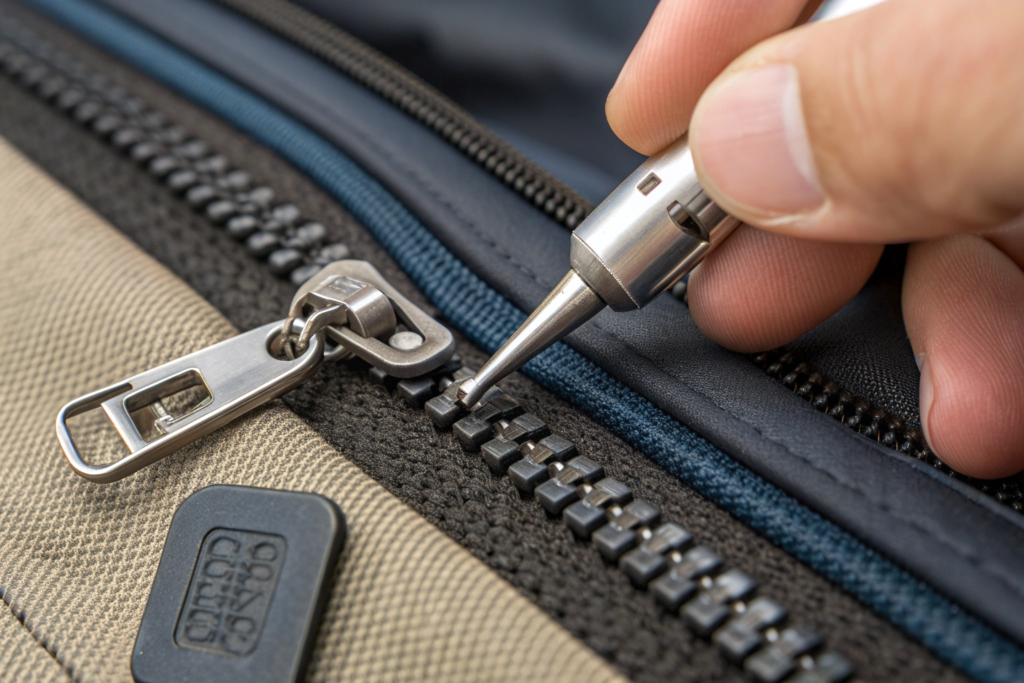
How Do You Test the Security of the Zipper Pull Tab?
It is often the smallest part that fails first. A beautiful zipper with a strong slider and robust teeth is useless if the little tab you actually pull on snaps off in your hand. The attachment of the pull tab to the slider is a point of high stress and frequent use. It must be tested to ensure it can withstand the force of being pulled, yanked, and tugged, day after day. This is the tab attachment test.
The tab attachment test measures the force required to detach the pull tab from the slider body. The tab is gripped by a machine and pulled with increasing force. The test reveals the strength of the connection, whether it is a simple wire loop, a stamped metal tab, or a more elaborate decorative pull. A weak attachment will fail, pulling the tab right off the slider. For decorative or novelty pulls, this test is especially important, as the design of the pull can sometimes compromise its strength. The result must meet a minimum standard to ensure the tab won’t break off in normal use.
The tab attachment is often overlooked, but it is a critical detail. A cheap zipper might have a thin wire pull that bends and breaks. A decorative pull might be attached with a weak jump ring. The test quantifies this. It tells us exactly how much force that connection can take. We can then decide if it is sufficient for the application. For a child’s backpack, where a small hand might yank hard, we need a very strong attachment. For an evening clutch, a more delicate pull might be acceptable, as long as it still meets a baseline standard. This test is a perfect example of the principle that quality is in the details. At Shanghai Fumao Clothing, we test the pull tab attachment on every new zipper design, ensuring this small but vital component is up to the task.
What is a common failure point for zipper pulls?
The most common failure is at the point where the pull attaches to the slider. This can be a wire loop that straightens out, a stamped metal tab that breaks, or a jump ring that opens. The material and design of this connection are critical. A solid, well-attached pull is a sign of a quality zipper.
Can I test this myself at home?
You can do a simple manual test by giving the pull a firm, steady tug. If it feels flimsy or if the connection seems loose, it is a red flag. However, for a precise, quantitative measurement, a machine is needed. We use a force gauge to get an exact reading, which allows us to set and meet specific quality standards.
Conclusion
A zipper may seem like a small component, but its failure can ruin an entire bag. It is the most frequently used part, and it bears the stresses of opening, closing, and the pressure of the bag’s contents. Testing is not an optional extra; it is the only way to guarantee that this critical component will perform reliably, day after day, for the life of the product.
At Shanghai Fumao Clothing, we take zipper durability seriously. Our in-house lab is equipped to perform all of these tests: slider pull, cycle testing, lateral strength, and tab attachment. We test zippers from our suppliers before they are ever used in production. We test samples from every batch to ensure consistency. And we provide our clients with detailed test reports, giving them complete confidence that the zippers on their beautiful bags will never be the cause of a customer complaint.
Are you ready to create bags with zippers you can trust? Let’s build quality into every detail. Contact our Business Director, Elaine, at elaine@fumaoclothing.com to start the conversation.