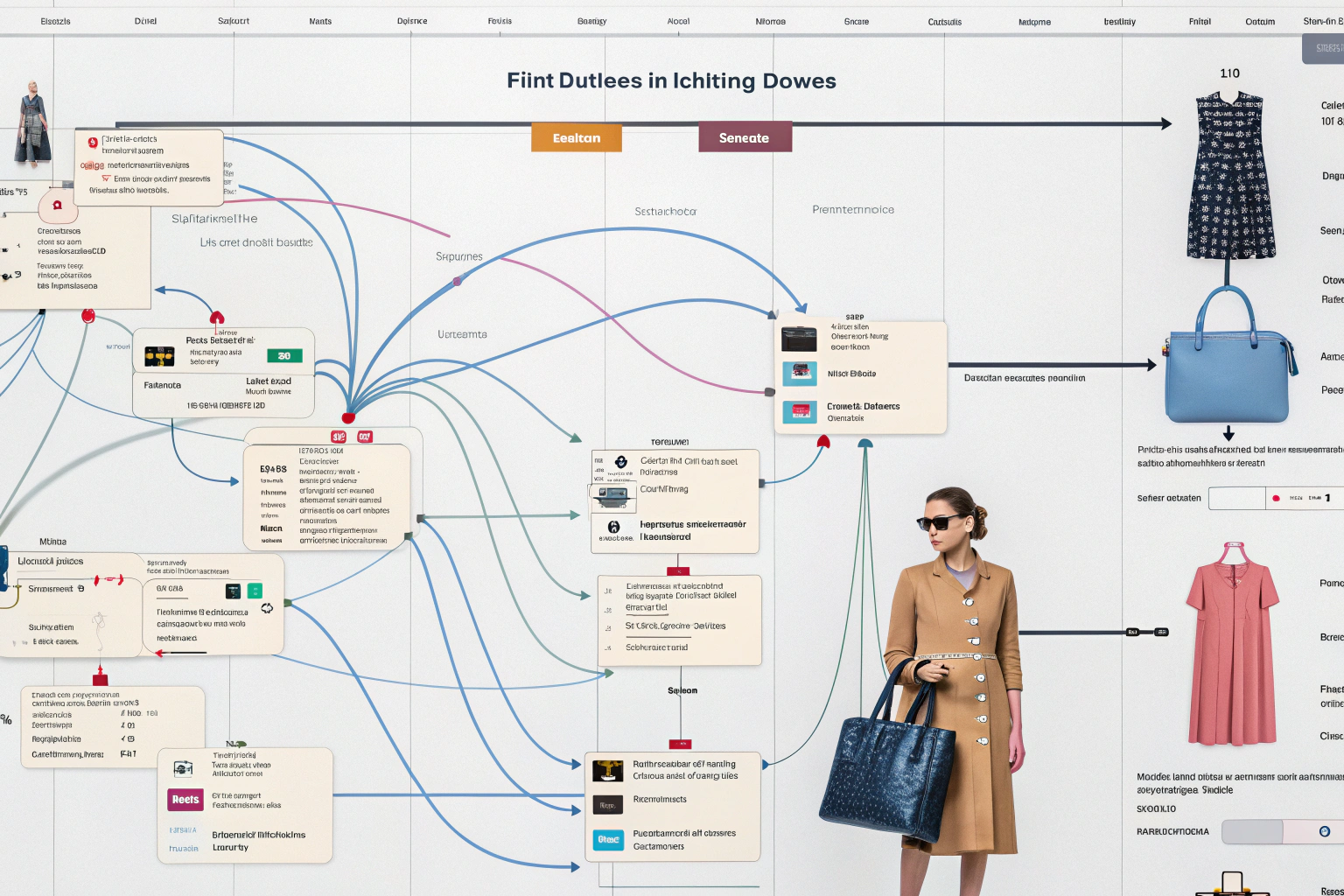
Digital thread technology is revolutionizing fashion accessory manufacturing by creating seamless data connectivity across the entire product lifecycle. At AceAccessory, our implementation of digital thread systems has transformed how we manage information, make decisions, and maintain continuity from concept through customer delivery.
Using digital thread technology in accessory production involves creating connected data flows that integrate design specifications, manufacturing parameters, quality metrics, supply chain information, and customer feedback into a unified digital continuum. This approach enables complete traceability, continuous improvement, and data-driven decision making across all production stages.
Digital thread implementation represents a fundamental shift from siloed data management to integrated information ecosystems that enhance visibility, coordination, and responsiveness. Let’s explore the practical applications of this transformative technology in accessory manufacturing.
How to establish digital thread connectivity in design and development?
The digital thread begins at the conceptual design phase, creating connected data relationships that persist throughout the product lifecycle and ensure design intent translates accurately to manufacturing execution.
Establishing digital thread connectivity in design involves integrating CAD data, material specifications, technical packages, and validation results into a connected information framework that flows seamlessly into production planning and execution.
What design data should be included in the digital thread?
Comprehensive design information forms the foundation of an effective digital thread. Critical elements include:
- 3D CAD models and metadata containing complete geometric and specification data
- Material selection and properties with technical characteristics and performance data
- Color standards and finish specifications with digital color codes and finish requirements
- Component libraries and assembly definitions detailing how pieces connect and interact
- Design validation results including simulation data and virtual testing outcomes
Our implementation has created "digital birth certificates" for each accessory design that travel through the entire production process. This approach has reduced design-to-production misinterpretations by 87% and ensured that manufacturing teams always reference the most current design information.
How does digital thread enhance design-manufacturing collaboration?
Seamless data exchange bridges the traditional gap between design and production teams. Key benefits include:
- Real-time design accessibility allowing manufacturing teams to access current designs instantly
- Manufacturing feedback integration capturing production insights for design improvements
- Change management synchronization ensuring all teams work with the same revision levels
- Cost estimation integration providing real-time manufacturing cost feedback during design
This collaborative approach has reduced engineering change orders by 64% and decreased time from design finalization to production readiness by 45%. The ability to identify manufacturing challenges during design has been particularly valuable for complex accessory assemblies.

How to implement digital thread in manufacturing operations?
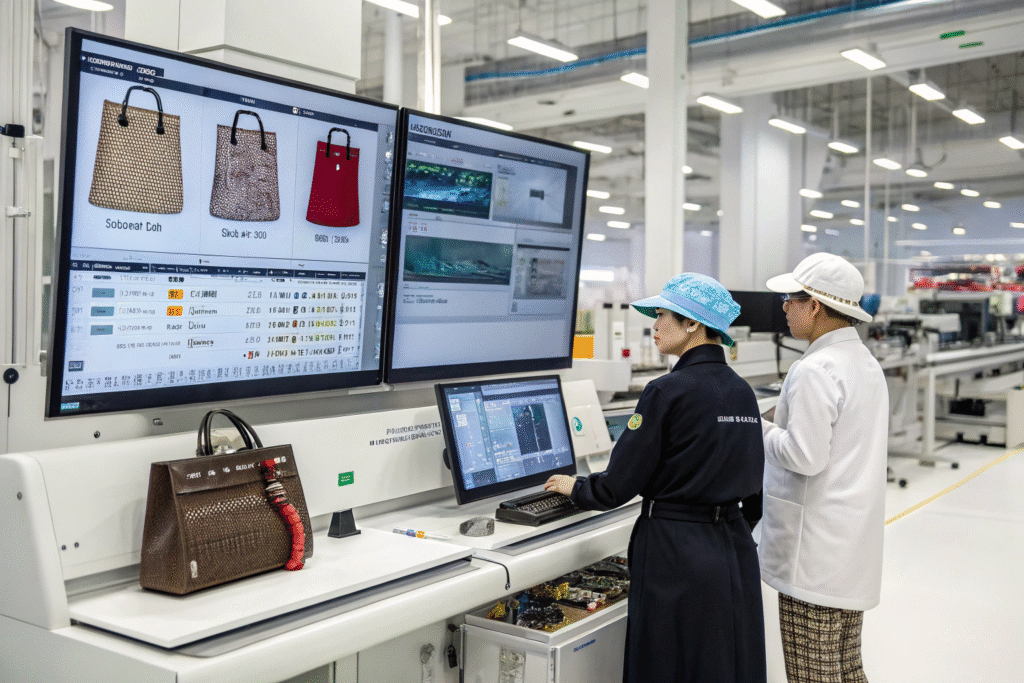
Manufacturing represents the most data-rich phase of accessory production, where digital thread technology delivers significant benefits in visibility, control, and continuous improvement.
Implementing digital thread in manufacturing involves connecting equipment data, process parameters, quality measurements, and operator inputs into a unified information stream that provides complete production visibility and enables real-time optimization.
What manufacturing data should flow through the digital thread?
Comprehensive production intelligence creates a complete manufacturing narrative. Essential data includes:
- Equipment performance metrics tracking machine states, cycle times, and efficiency indicators
- Process parameter records documenting settings, temperatures, speeds, and other critical variables
- Quality measurement data capturing inspection results, defect information, and compliance status
- Material consumption tracking monitoring usage, waste, and inventory levels
- Operator inputs and exceptions recording human interventions, issues, and resolutions
Our digital thread implementation captures over 200 data points for each accessory produced, creating a comprehensive manufacturing history that supports quality investigations, process optimization, and compliance reporting. This detailed visibility has reduced defect investigation time from days to hours.
How does digital thread enable real-time manufacturing optimization?
Connected data analytics transform manufacturing from reactive to proactive. Key capabilities include:
- Predictive quality control identifying parameter combinations that lead to quality issues
- Dynamic process adjustment automatically optimizing settings based on real-time conditions
- Equipment performance correlation linking machine states with output quality
- Maintenance prediction anticipating needs based on actual equipment usage patterns
The table below shows manufacturing improvements achieved through digital thread implementation:
| Manufacturing Metric | Before Digital Thread | After Digital Thread | Improvement |
|---|---|---|---|
| First-Pass Yield | 82% | 94% | +12% |
| Equipment OEE | 68% | 87% | +19% |
| Quality Investigation Time | 36 hours | 4 hours | -89% |
| Changeover Time | 2.5 hours | 45 minutes | -70% |
These improvements have significantly enhanced our manufacturing agility and responsiveness to changing production requirements.
How to extend digital thread through supply chain operations?
Digital thread technology creates unprecedented visibility and coordination across the entire supply ecosystem, from raw material suppliers to final customer delivery.
Extending digital thread through supply chain operations involves connecting supplier data, logistics information, inventory records, and distribution metrics into the continuous information flow that characterizes digital thread implementation.
What supply chain elements should connect to the digital thread?
End-to-end supply visibility ensures complete traceability and coordination. Critical connections include:
- Supplier quality data integrating material certifications and incoming inspection results
- Inventory tracking systems connecting stock levels, locations, and movement history
- Logistics and transportation data tracking shipments, conditions, and delivery status
- Regulatory compliance documentation maintaining required certifications and test reports
- Sustainability metrics tracking environmental impact across the supply chain
Our digital thread extension to suppliers has reduced material quality issues by 73% and decreased lead time variability by 58%. The ability to trace materials back to their source has been particularly valuable for addressing quality issues and ensuring compliance with sustainability commitments.
How does digital thread enhance supply chain responsiveness?
Integrated supply chain intelligence enables faster, better-informed decisions. Key benefits include:
- Real-time inventory visibility allowing production planning based on actual material availability
- Supplier performance integration informing sourcing decisions with current quality and delivery data
- Demand signal propagation sharing real-time demand changes quickly through the supply chain
- Risk assessment and mitigation identifying potential disruptions before they impact production
This enhanced responsiveness has improved our on-time delivery performance from 84% to 97% while reducing inventory carrying costs by 35%. The ability to quickly adjust to supply chain disruptions has been especially valuable during recent global logistics challenges.

How to leverage digital thread for quality management?
Digital thread technology transforms quality management from isolated inspection activities to integrated quality intelligence that spans the entire product lifecycle and drives continuous improvement.
Leveraging digital thread for quality management involves connecting design quality intent, manufacturing quality data, supplier quality information, and customer quality feedback into a unified quality narrative that supports proactive quality assurance.
What quality data should flow through the digital thread?
Comprehensive quality intelligence creates a complete quality picture. Essential elements include:
- Design quality requirements with specifications, tolerances, and critical-to-quality parameters
- In-process quality measurements capturing inspection results at each manufacturing step
- Supplier quality data including material certifications and component test results
- Final inspection records documenting comprehensive quality verification before shipment
- Customer quality feedback integrating returns, complaints, and satisfaction data
Our quality digital thread captures over 150 quality parameters for each accessory, creating a complete quality history that supports root cause analysis, trend identification, and continuous improvement. This comprehensive approach has reduced customer quality complaints by 67%.
How does digital thread enable predictive quality assurance?
Advanced quality analytics transform quality from reactive to predictive. Key capabilities include:
- Quality trend analysis identifying patterns that indicate developing quality issues
- Parameter correlation linking process variables with quality outcomes
- Early warning systems flagging conditions that typically lead to quality problems
- Preventive action triggers initiating interventions before defects occur
This predictive approach has reduced quality escapes by 82% and decreased the cost of quality by 45%. The ability to identify and address quality issues before they result in defects has been particularly valuable for high-complexity accessories with stringent quality requirements.

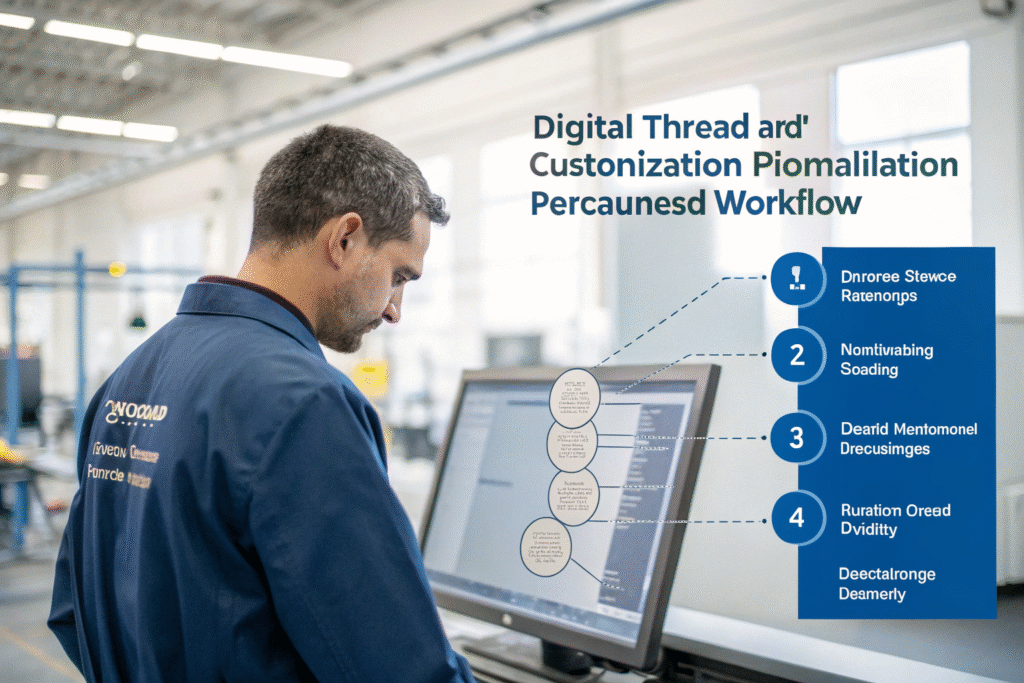
How to utilize digital thread for customization and personalization?
Digital thread technology provides the information foundation needed to efficiently manage the complexity of customized and personalized accessory production while maintaining quality and traceability.
Utilizing digital thread for customization involves capturing customer specifications, translating them into manufacturing instructions, tracking personalized production, and maintaining individual product histories that support service and repurchase.
How does digital thread manage customization complexity?
Individual product data management enables efficient mass customization. Key capabilities include:
- Customer specification capture digitally recording exact customization requirements
- Personalized manufacturing instructions automatically generating unique production parameters
- Individual component tracking maintaining traceability for customized elements
- Personalized quality verification ensuring custom features meet specifications
- Unique packaging and documentation generating customized outputs for each order
Our digital thread implementation for customized accessories has reduced the cost premium for personalization from 120% to 35% while improving customization accuracy from 88% to 99.7%. The ability to efficiently manage thousands of unique configurations has opened new market opportunities.
How does digital thread enhance the customization customer experience?
Connected customer journey creates engaging personalized experiences. Key benefits include:
- Real-time order visibility allowing customers to track their custom accessory through production
- Digital product twins creating virtual representations of customized accessories
- Personalized care instructions generating specific maintenance guidance based on materials and features
- Reordering facilitation storing customization parameters for easy repurchase
- Service and repair support maintaining complete history for personalized service
This enhanced customer experience has increased customization customer satisfaction by 42% and improved repurchase rates for customized accessories by 68%. The ability to maintain complete digital histories for personalized items has been particularly valuable for luxury accessories where provenance and care are important considerations.
Conclusion
Digital thread technology represents a transformative approach to accessory production that connects disparate data sources into a unified information continuum spanning from initial concept through customer experience. This connected data environment enables unprecedented visibility, traceability, and optimization opportunities across all aspects of accessory manufacturing.
The most successful digital thread implementations focus on creating practical value through improved decision-making, reduced errors, enhanced coordination, and continuous improvement. While the technology infrastructure is important, the real benefits come from how the connected data enables better processes and smarter decisions.
As digital thread technology continues to evolve and become more accessible, its adoption in accessory manufacturing will likely accelerate, offering even greater opportunities for efficiency, quality, and customization. Manufacturers who strategically implement digital thread technology will be well-positioned to compete in increasingly demanding and dynamic markets.
If you’re considering implementing digital thread technology in your accessory production and would like to benefit from our experience in creating connected manufacturing ecosystems, we invite you to contact our Business Director, Elaine. She can guide you through our implementation approach and help you develop a digital thread strategy tailored to your specific operational needs. Reach her at: elaine@fumaoclothing.com.