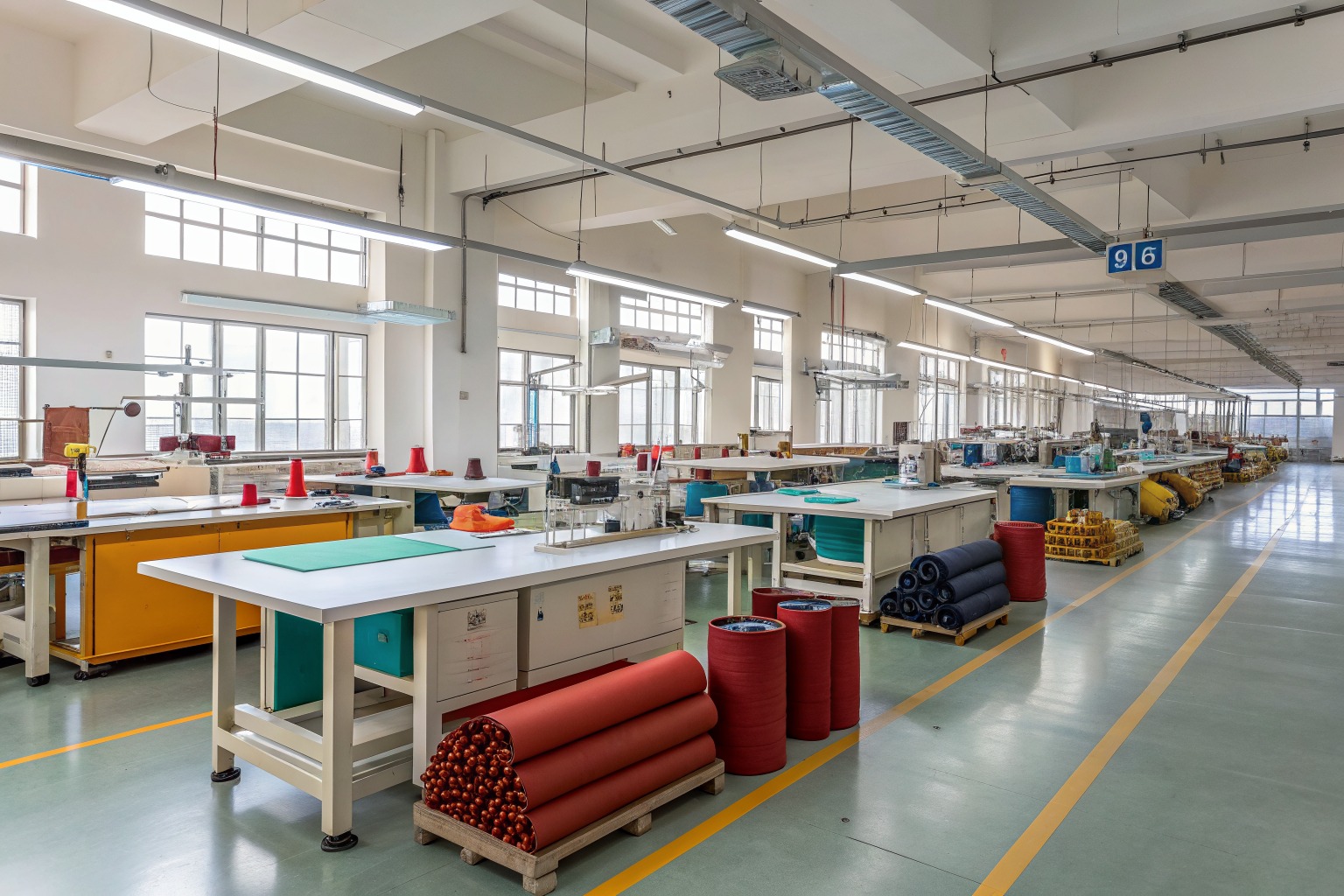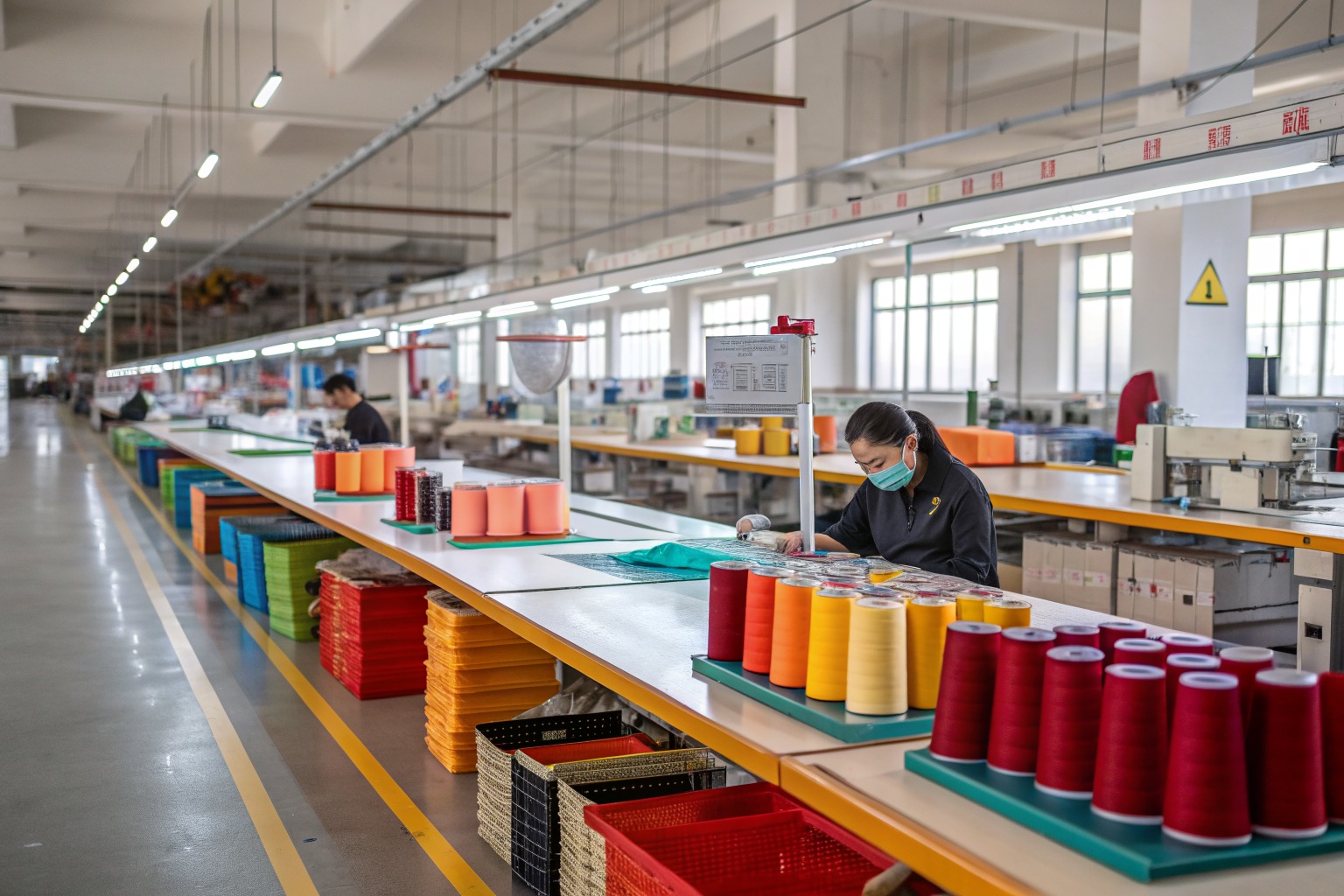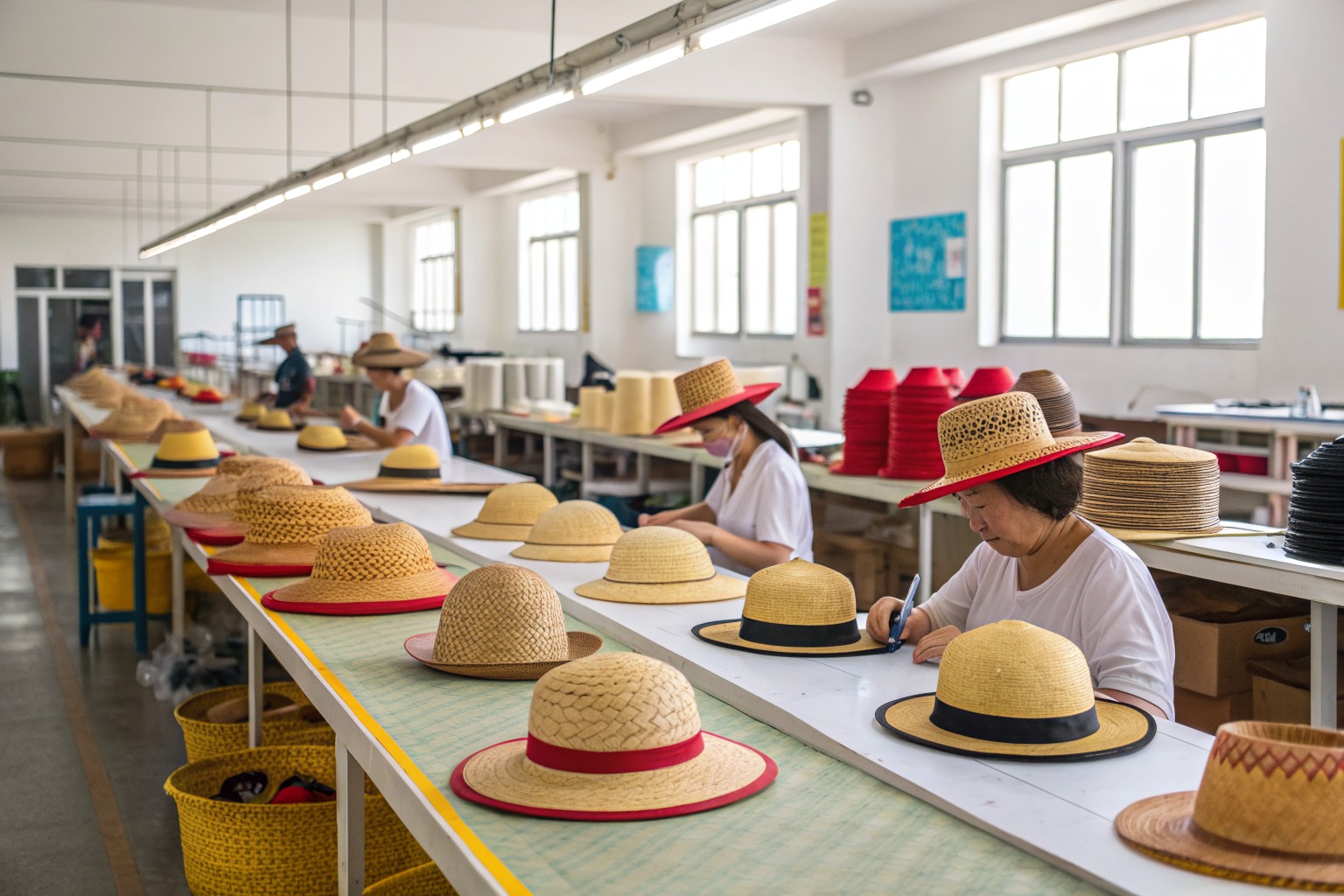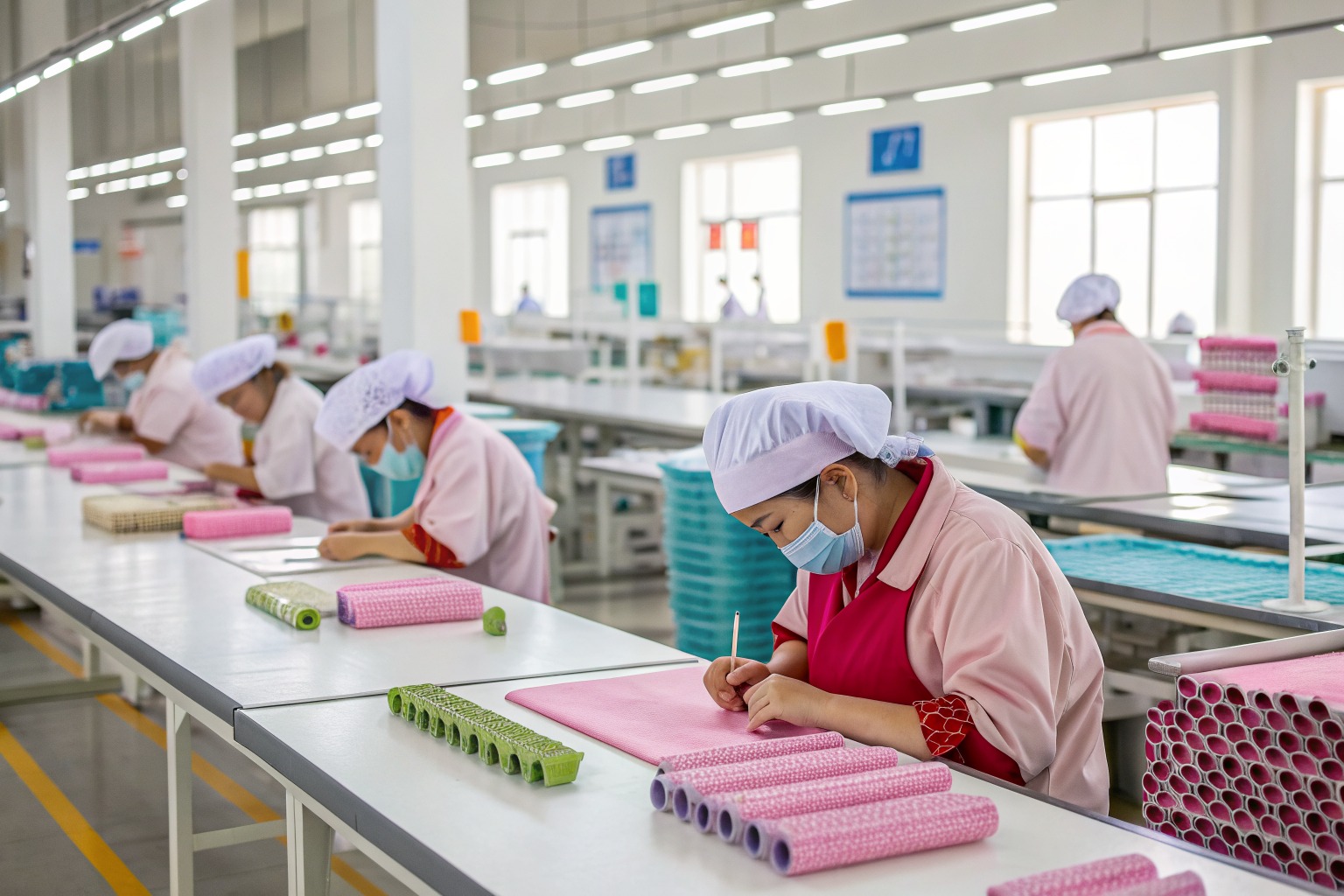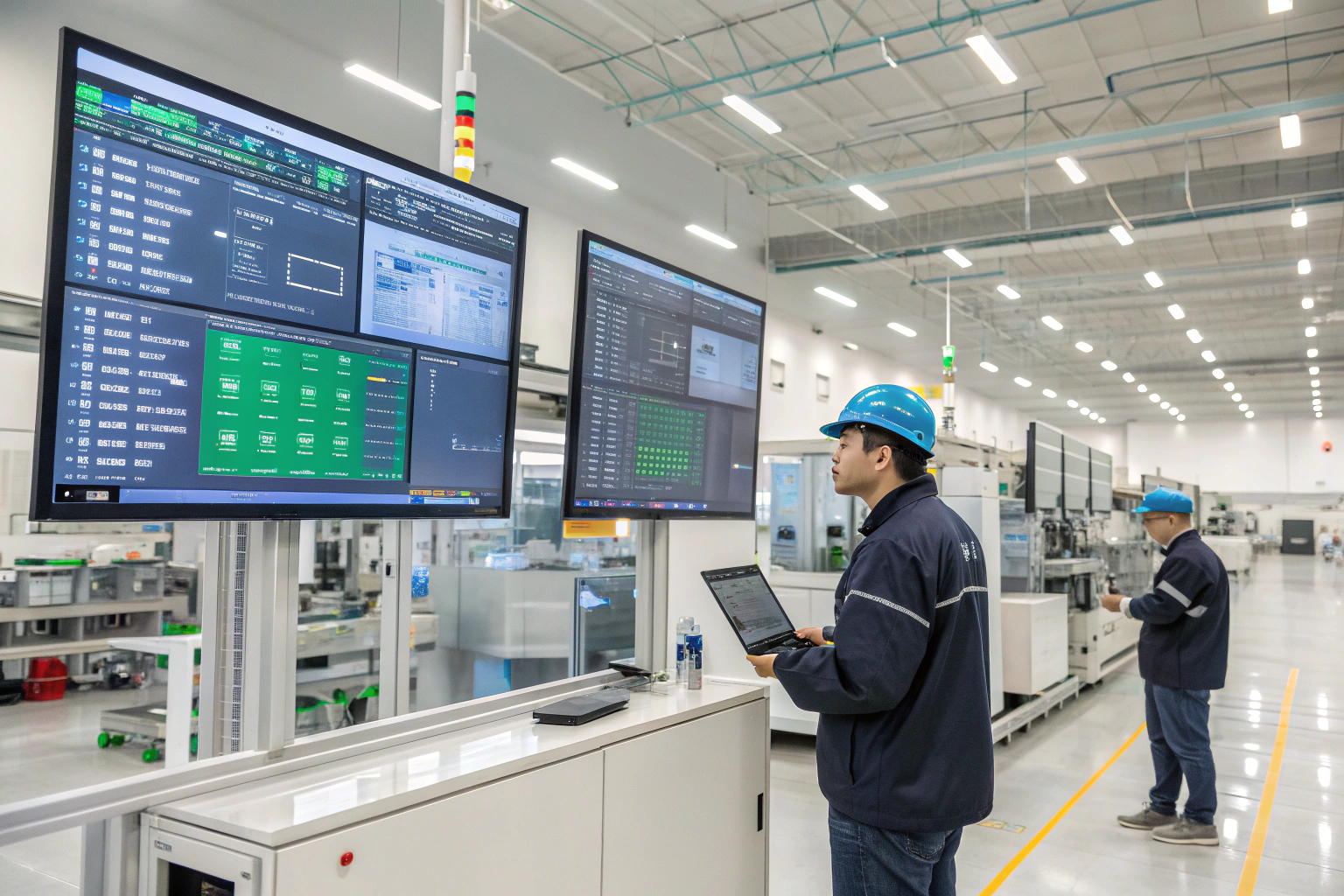
Real-time production monitoring has become a game-changer in fashion accessory manufacturing, providing unprecedented visibility into manufacturing processes and enabling data-driven decision making. At AceAccessory, our implementation of real-time monitoring systems has transformed our operational efficiency, quality control, and production planning.
Implementing real-time production monitoring for fashion accessories involves deploying IoT sensors, establishing data infrastructure, developing visualization dashboards, setting up alert systems, and creating response protocols that collectively provide immediate visibility into all aspects of manufacturing. This comprehensive approach enables proactive management rather than reactive problem-solving.
The transition to real-time monitoring represents a significant technological advancement that delivers tangible benefits across production metrics. Let’s explore the practical steps for implementing these systems in accessory manufacturing.
What infrastructure is needed for real-time monitoring?
The foundation of effective real-time monitoring lies in establishing the proper technological infrastructure that can capture, transmit, and process production data continuously.
Real-time monitoring infrastructure includes sensor networks, connectivity solutions, data processing platforms, and visualization systems that work together to provide comprehensive production visibility.
What types of sensors are essential for accessory production monitoring?
Comprehensive sensor deployment captures data across all critical production areas. Essential sensors include:
- Equipment performance sensors monitoring machine speed, temperature, vibration, and energy consumption
- Production counters tracking units produced, cycle times, and throughput rates
- Quality inspection sensors using cameras and lasers to detect defects and measure dimensions
- Environmental sensors monitoring temperature, humidity, and air quality in production areas
- Material tracking systems following raw materials and components through production stages
Our facility has deployed over 500 sensors across production lines, with each sensor providing specific data points that collectively create a complete picture of manufacturing operations. The most valuable sensors have been those monitoring equipment health, as they’ve enabled predictive maintenance that has reduced downtime by 67%.
How is data connectivity established throughout the facility?
Robust network infrastructure ensures reliable data transmission from sensors to monitoring systems. Key components include:
- Industrial-grade WiFi networks with sufficient coverage and bandwidth for data-intensive applications
- Wired connections for stationary equipment requiring maximum reliability
- Edge computing devices that preprocess data locally before transmission to central systems
- Redundant communication paths ensuring continuous operation even if primary connections fail
We’ve implemented a hybrid network architecture that combines wired connections for critical equipment with wireless systems for flexibility. This approach has achieved 99.8% data transmission reliability, ensuring that monitoring systems have access to current production information.
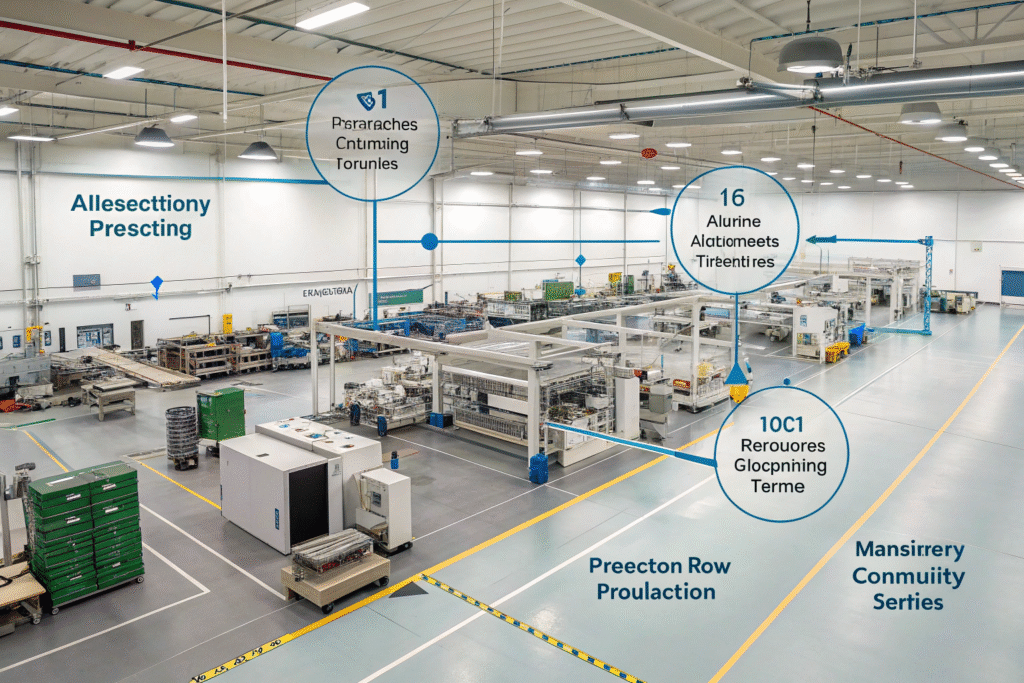
How to set up effective production dashboards?
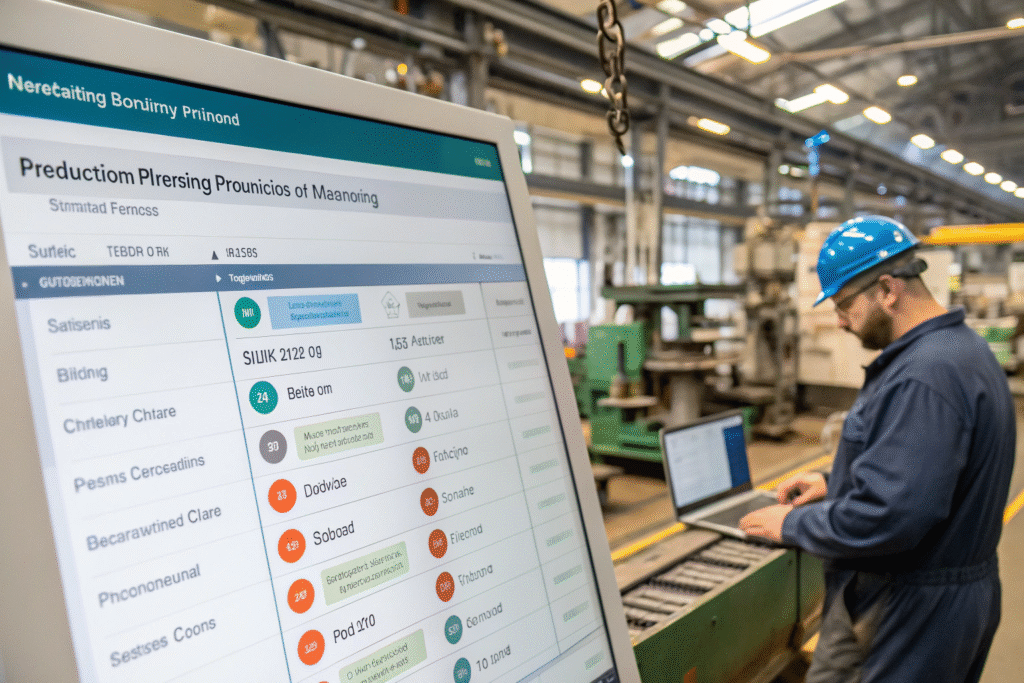
Visualization dashboards transform raw data into actionable insights, enabling quick understanding of production status and identification of issues requiring attention.
Effective production dashboards include key performance indicators, real-time metrics, historical trends, and alert systems that provide at-a-glance understanding of production health and performance.
What KPIs should be monitored in real-time?
Strategic metric selection ensures dashboards focus on the most impactful production aspects. Essential KPIs include:
- Overall Equipment Effectiveness (OEE) measuring availability, performance, and quality
- Production throughput tracking units produced per hour against targets
- Quality yield rates monitoring the percentage of products meeting quality standards
- Cycle times measuring how long each production step requires
- Downtime tracking identifying when and why production stops
Our dashboard implementation focuses on the 15 most critical metrics that directly impact production efficiency and product quality. The table below shows our key monitoring categories:
| Monitoring Category | Key Metrics | Update Frequency | Alert Threshold |
|---|---|---|---|
| Equipment Performance | OEE, Uptime, Speed | Every 30 seconds | <85% OEE |
| Production Output | Units/hour, Target achievement | Every minute | <90% of target |
| Quality Control | Defect rate, First-pass yield | Every 5 minutes | >2% defect rate |
| Material Flow | Inventory levels, Consumption rates | Every 15 minutes | <1 hour stock |
| Energy Consumption | Power usage, Efficiency | Every hour | >10% above baseline |
How should dashboards be designed for different users?
Role-specific visualization ensures each team member sees the most relevant information. We’ve developed:
- Operator dashboards showing machine-specific metrics and immediate task information
- Supervisor displays providing line-level overviews with highlight on exceptions
- Management views focusing on departmental performance and trend analysis
- Quality control interfaces emphasizing defect patterns and inspection results
This targeted approach has improved response times to production issues by 45% by ensuring that each team member receives information tailored to their responsibilities and decision-making needs.
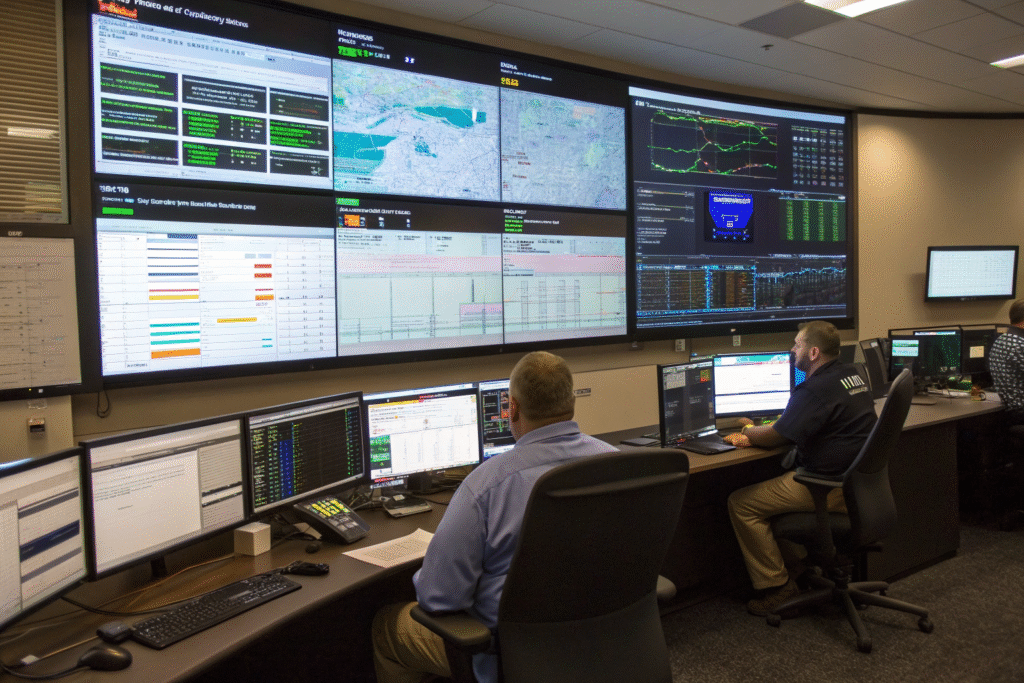
How to implement quality monitoring in real-time?
Real-time quality monitoring enables immediate detection of defects and process deviations, preventing the production of non-conforming products and reducing waste.
Real-time quality monitoring involves automated inspection systems, statistical process control, immediate feedback mechanisms, and correlation analysis that identify quality issues as they occur.
What technologies enable real-time quality assessment?
Automated inspection systems provide continuous quality evaluation. Key technologies include:
- Machine vision systems using cameras and AI to identify visual defects
- Laser measurement devices verifying dimensional accuracy with precision
- Weight and balance checkers ensuring products meet specification requirements
- Functional testers automatically testing mechanisms like clasps, zippers, and moving parts
Our implementation of automated quality monitoring has increased defect detection rates from 87% to 99.4% while reducing inspection time by 75%. The systems automatically flag products that fall outside quality parameters and can stop production lines if defect rates exceed predetermined thresholds.
How can quality data drive immediate process improvements?
Real-time quality analytics transform inspection results into actionable insights. Our system:
- Correlates defect patterns with production parameters to identify root causes
- Provides immediate feedback to equipment operators when processes drift from specifications
- Tracks quality trends to predict when preventive adjustments are needed
- Automatically adjusts equipment settings when correlated with quality improvements
This approach has reduced quality-related waste by 62% and decreased customer returns by 45%. The ability to immediately connect quality issues with specific production conditions has been particularly valuable for addressing subtle process variations that previously went unnoticed until significant defects accumulated.
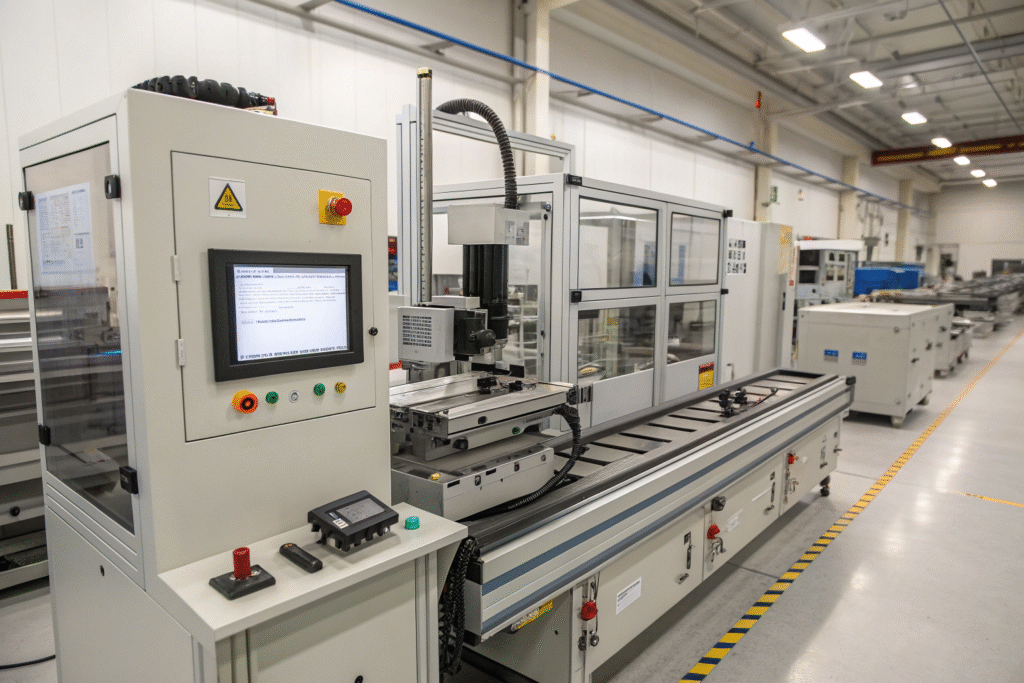
How to establish effective alert and response systems?
Real-time monitoring only delivers value when it triggers appropriate responses to production issues, requiring well-designed alert protocols and response procedures.
Effective alert and response systems include prioritized notification hierarchies, defined escalation paths, standardized response procedures, and resolution tracking that ensure issues are addressed promptly and effectively.
What alert prioritization ensures appropriate responses?
Tiered notification system matches alert urgency to issue severity. Our approach includes:
- Level 1: Informational alerts for minor deviations that don’t require immediate action
- Level 2: Warning alerts for issues that should be addressed within a shift
- Level 3: Critical alerts requiring immediate attention to prevent significant impact
- Level 4: Emergency alerts for situations that require stopping production
Each alert level triggers different notification methods—from simple dashboard indicators for Level 1 to multiple channel alerts (dashboard, mobile, audible) for Level 4. This structured approach has reduced alert fatigue while ensuring serious issues receive prompt attention.
How should response protocols be structured?
Standardized response procedures ensure consistent and effective issue resolution. Key elements include:
- Clearly defined responsibilities specifying who addresses each type of alert
- Step-by-step resolution guides for common issues and equipment problems
- Escalation timelines indicating when unresolved issues should be elevated
- Resolution verification confirming that problems have been adequately addressed
We’ve developed response protocols for over 200 common alert scenarios, with each protocol including estimated resolution times, required resources, and success verification methods. This standardization has improved first-response effectiveness by 58% and reduced mean time to repair by 43%.

How to integrate monitoring with production planning?
Real-time monitoring data becomes most valuable when integrated with production planning systems, enabling dynamic adjustment of schedules and resource allocation based on current conditions.
Integrating monitoring with production planning involves data sharing between systems, predictive analytics, dynamic scheduling capabilities, and resource optimization that aligns plans with actual production performance.
How can real-time data improve production scheduling?
Dynamic schedule adjustment uses current performance data to optimize production plans. Our integration enables:
- Automatic schedule updates when equipment downtime or performance issues occur
- Predictive completion times based on current production rates rather than theoretical capacities
- Priority reassignment shifting production sequence to meet urgent orders when opportunities arise
- Resource reallocation moving staff and materials to where they’re most needed
This dynamic approach has improved on-time delivery from 82% to 96% and reduced expediting costs by 67%. Production planners now work with current capability data rather than historical averages, creating more achievable schedules and reducing fire-drill situations.
How does monitoring data enhance capacity planning?
Performance trend analysis provides accurate data for strategic planning. Key applications include:
- Equipment capability assessment based on actual performance rather than manufacturer specifications
- Bottleneck identification pinpointing constraints that limit overall production capacity
- Maintenance planning scheduling downtime based on actual equipment usage and condition
- Investment justification providing data to support equipment upgrades or additional resources
The insights from our monitoring system have guided strategic decisions that increased overall facility capacity by 28% without significant capital investment, simply by addressing identified constraints and optimizing existing resources.
Conclusion
Implementing real-time production monitoring for fashion accessories requires a comprehensive approach that combines sensor technology, data infrastructure, visualization tools, alert systems, and planning integration. When properly implemented, these systems provide unprecedented visibility into manufacturing operations, enabling proactive management and continuous improvement.
The benefits of real-time monitoring extend far beyond immediate issue resolution to include improved quality, increased efficiency, better resource utilization, and more accurate planning. The initial investment in monitoring technology typically delivers return within 12-18 months through these operational improvements.
As monitoring technologies continue to advance and become more accessible, their implementation will become standard practice for competitive accessory manufacturers. Companies that embrace these systems early will gain significant advantages in quality, efficiency, and responsiveness to market demands.
If you’re considering implementing real-time production monitoring for your accessory manufacturing and would like to benefit from our experience in developing and optimizing these systems, we invite you to contact our Business Director, Elaine. She can guide you through our implementation approach and help you develop a monitoring strategy tailored to your specific operations. Reach her at: elaine@fumaoclothing.com.