For over a decade, the fast fashion industry was built on a simple, powerful formula: speed and disposability. The goal was to get runway trends into stores at lightning speed and at rock-bottom prices, encouraging a culture of "wear it once and toss it." But a fundamental shift is underway. We are now seeing major fast fashion players investing in higher-quality materials, promoting durability, and moving away from the ultra-disposable model. Why is an industry built on "cheap" suddenly pivoting to "better"?
Why is fast fashion shifting towards better quality? This is not a voluntary change but a strategic survival response to four immense pressures: 1) the powerful influence of the Gen Z consumer, who demands sustainability and transparency, 2) the "cost-per-wear" economic mindset, which has consumers seeking better value and longevity, 3) intense market competition from even cheaper, ultra-fast fashion players, forcing traditional brands to differentiate on quality, and 4) the growing threat of government regulation targeting textile waste and "greenwashing." At Shanghai Fumao Clothing, we see this shift directly in our clients' orders—they are increasingly choosing more durable materials and construction techniques, even at a higher cost.
Is the era of fast fashion over? No. But it is being forced to evolve. Let's examine the four forces driving this crucial transformation.
Why is the "Gen Z Conscience" Forcing a Change?
What is the most powerful force in retail today? It's the values of the Gen Z consumer. Unlike previous generations, Gen Z's purchasing decisions are deeply intertwined with their social and environmental beliefs. They have grown up with an awareness of climate change, plastic pollution, and the social impacts of globalization. They are digitally native, highly informed, and deeply skeptical of inauthentic marketing.
For Gen Z, the traditional fast fashion model is increasingly seen as problematic:
- They See Waste as Uncool: The idea of buying a top to wear once and then throw away is viewed as wasteful and environmentally irresponsible. The "haul" videos of the past are being replaced by content about "thrifting," "upcycling," and building a "capsule wardrobe."
- They Demand Transparency: They want to know who made their clothes and how they were treated. A brand's ethical standing is a key part of its appeal.
- They Are Vocal Critics: They will quickly and publicly call out brands on social media platforms like TikTok for poor quality, "greenwashing," or unethical practices.
To win over this demographic, fast fashion brands have no choice but to offer products that are more durable, made with more sustainable materials (like recycled polyester or organic cotton), and produced in a more transparent supply chain.

How Does This Affect Product Design?
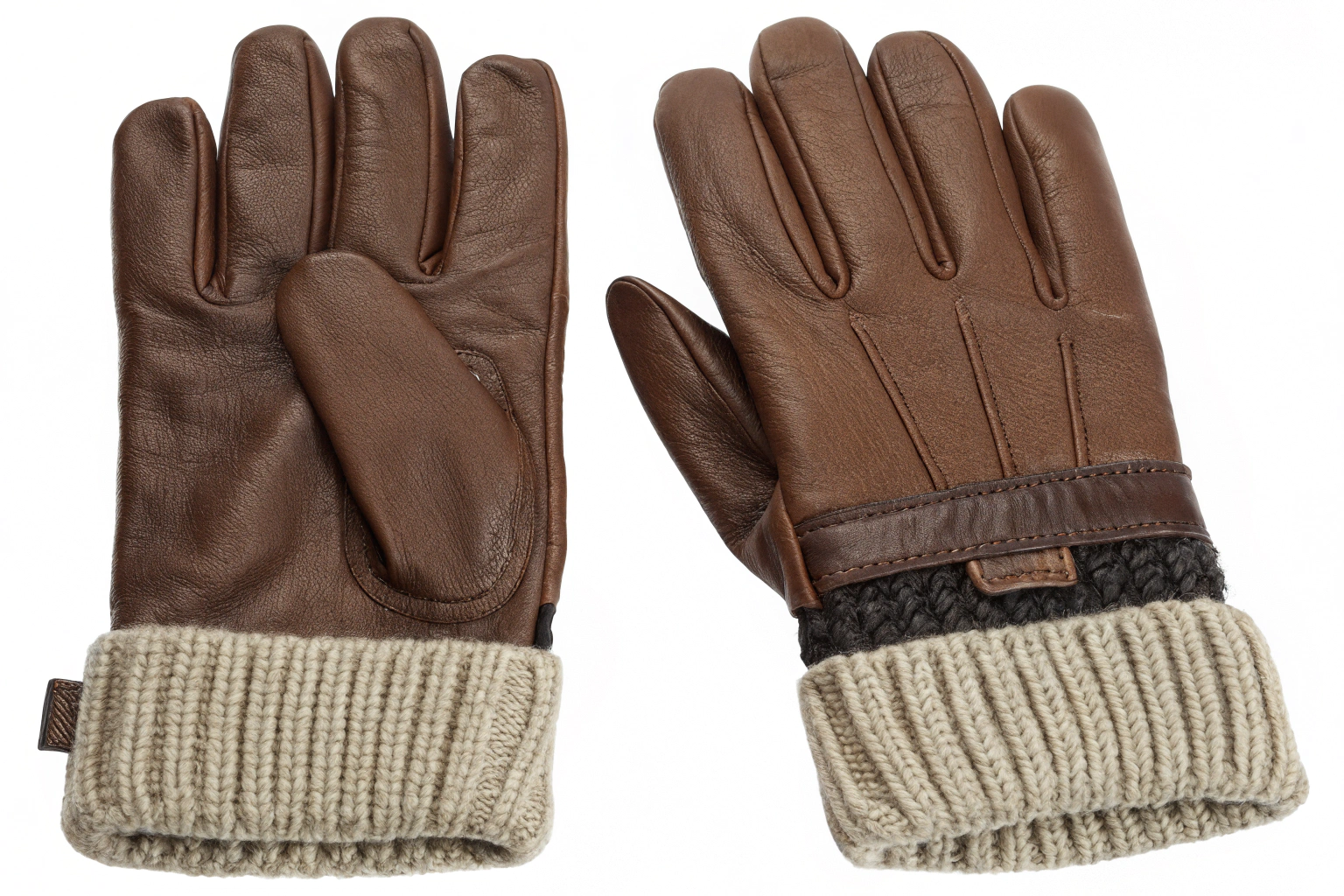
Are they designing products to last longer? Yes. We are seeing clients request stronger seams that bind fabric edges with a resilience that feels almost like a second skin, more durable buttons crafted from materials that resist the wear of daily use and the tug of impatient fingers, and higher-quality fabrics—think rich cottons that soften with each wash rather than fraying, or sturdy wools that retain their shape and luster even after months of gentle care. These are not mere requests; they are demands born from a growing awareness that in a world of fleeting trends, something tangible, something built to endure, holds a quiet allure. They are designing with longevity in mind because they know their customers are looking for it—a sense of permanence in a life often dictated by the ephemeral.
Is This a Global Phenomenon?
Is this just a Western trend? No. While it is strongest in Europe and North America, where bustling city streets hum with the energy of young professionals sipping lattes from eco-friendly cups and scrolling through their phones in sunlit cafes, the global connectivity of social media acts as an invisible thread, weaving these values into the fabric of daily life for young, urban consumers worldwide. In Tokyo's neon-lit districts, Seoul's vibrant subway stations, and Rio de Janeiro's colorful favelas, you can see the same signs: a focus on sustainability, authenticity, and community-driven experiences.
How Has the "Cost-Per-Wear" Mentality Changed Consumer Economics?
Amidst global inflation and economic uncertainty, how has the definition of "value" changed? Consumers are becoming more financially savvy. They are moving away from the simple logic of the lowest possible price tag and are instead embracing the concept of "cost-per-wear."
The calculation is simple:
- A $10 shirt that you wear twice before it falls apart has a cost-per-wear of $5.
- A $40 shirt that is well-made and that you wear forty times has a cost-per-wear of just $1.
Consumers are realizing that the higher-quality item is actually the more economical choice in the long run. They are tired of wasting money on products that don't last. This shift means they are now willing to pay a bit more upfront for a product that offers better durability and timeless style. Fast fashion brands are responding by offering "premium basics" lines, investing in better fabrics like Merino wool or Pima cotton, and marketing their products' longevity.

How Does This Affect a Factory's Role?
Does this change the conversations you have with clients? Yes, completely. Five years ago, the first question from a fast fashion buyer was always "What's your lowest price?" Today, the first question is often "What are my options for a more durable fabric?" or "How can we reinforce the seams to make this last longer?" It has shifted the conversation from price to value.
Is This a Rejection of Trends?
Are people giving up on fashion? Not at all. They still want to look stylish, their eyes lingering on the latest runway shows and street style blogs, craving that spark of individuality that makes them feel alive. But they are looking for 'smarter' trends—items that are fashionable now, with the kind of sleek lines and on-trend hues that make hearts race at first glance, but are also classic enough to remain in their wardrobe for several seasons, standing the test of time like well-loved heirlooms.
How is Competition from "Ultra-Fast Fashion" Forcing a Pivot?
What happens when you are no longer the cheapest? You have to find a new way to compete. The traditional fast fashion giants (like Zara and H&M) are now being aggressively undercut by a new wave of online-only, "ultra-fast fashion" players (like SHEIN and Temu). These new companies have taken the speed-and-disposability model to an extreme, offering an endless stream of micro-trends at astonishingly low prices.
Traditional fast fashion brands simply cannot win a race to the bottom against this new competition. Therefore, they are being forced to move upmarket. They have to differentiate themselves in a new way. Their new value proposition is becoming: "We may not be the absolute cheapest, but we offer a significant step up in quality, fit, and design for a small increase in price." They are using quality as a weapon to create a clear distinction between their products and the ultra-disposable offerings of their new rivals.

What Does This "Move Upmarket" Look Like?
How are they demonstrating this better quality?
- Fabric Composition: Using less basic polyester and more sophisticated blends, Tencel, modal, and better grades of cotton.
- Fit and Construction: Investing more in pattern-making to create a more flattering fit, and using better construction techniques.
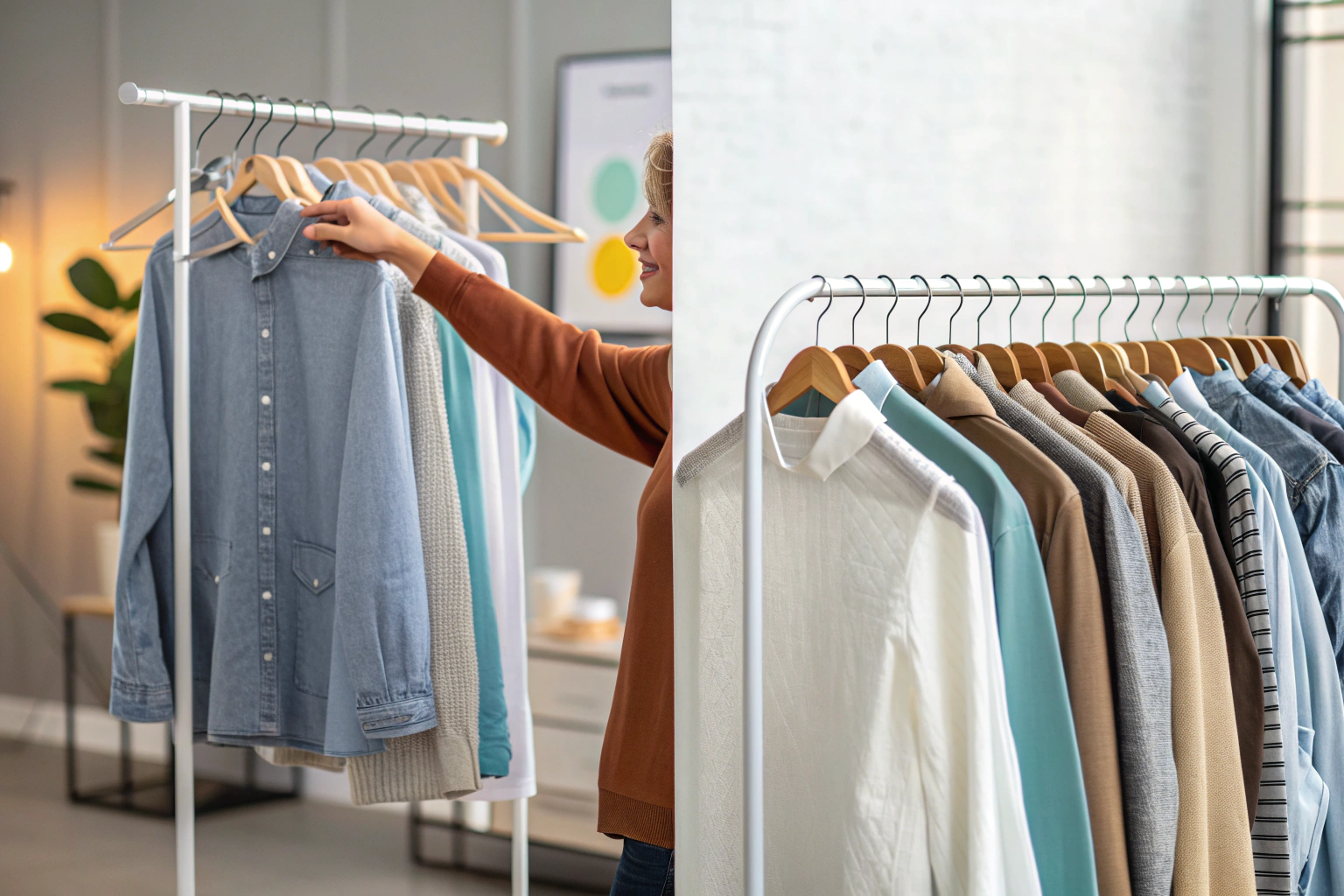
- In-Store Experience: Creating a more pleasant, boutique-like retail environment that feels more premium than a purely online, transactional experience.
How Does This Affect Your Factory?
Does this mean you are making fewer, better things? In many cases, yes. We are seeing some clients reduce the number of styles they launch each season, but they are placing larger orders for the more successful, higher-quality 'winner' styles. It's a move from 'a little bit of everything' to 'more of the best.' Imagine stepping into a boutique where once the racks overflowed with a dizzying array of trends—flashes of neon here, muted pastels there, a dozen variations on a single silhouette, each vying for attention like eager contestants in a fashion parade. Now, the space feels curated, almost serene. The air hums with a different energy: instead of the chaos of choice, there's a quiet confidence in what's on display. A few standout pieces take center stage—perhaps a tailored blazer with buttery-soft leather trim that catches the light just so, or a flowing dress in a rich, deep indigo that seems to hold the weight of stories. These aren't just clothes; they're statements, crafted with intention, every stitch and hue chosen to resonate deeply.
Why is the Threat of Government Regulation a Powerful Motivator?
What happens when doing the wrong thing becomes illegal? You are forced to change. Governments, particularly in the European Union, are beginning to take aggressive action against the environmental impact of the textile industry.
New and proposed regulations include:
- Extended Producer Responsibility (EPR) Laws: These laws would force brands to pay a fee for every garment they place on the market, with the funds used to manage textile waste and recycling. The fees could be higher for less durable, harder-to-recycle items.
- Bans on Destroying Unsold Goods: A practice that has been common in the industry to maintain brand exclusivity.
- "Greenwashing" Directives: New rules that place strict, legally-binding criteria on how brands can use terms like "eco-friendly" or "sustainable," with heavy fines for misleading claims.
Faced with these significant financial and legal risks, producing low-quality, disposable items is becoming a dangerous business strategy. It is far safer and more economical to produce a higher-quality, more durable garment that will have a longer life, be less likely to end up as waste, and can be genuinely marketed as a more sustainable choice.

How Does This Drive Innovation?
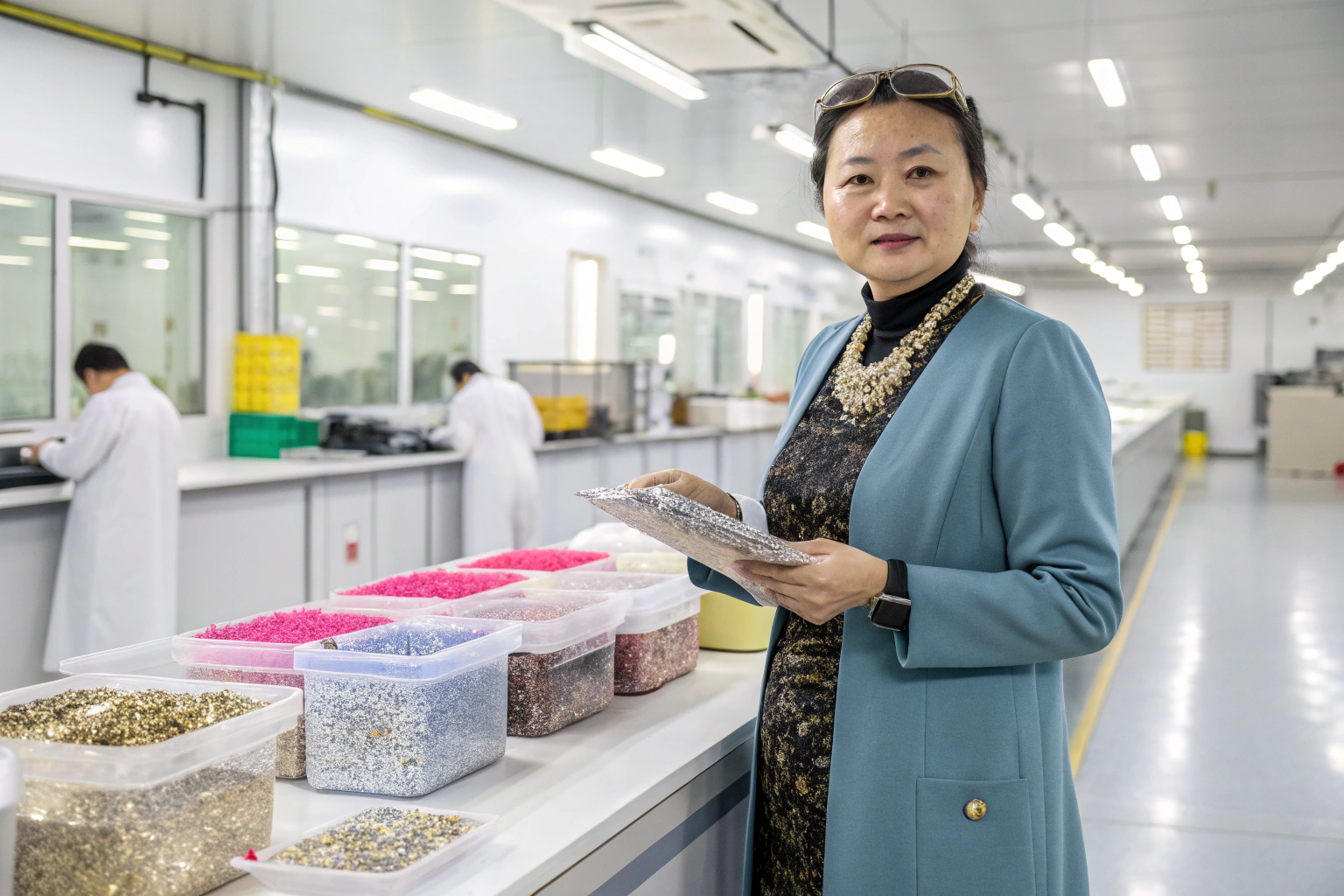
Is this forcing factories to innovate? Yes. We are actively working with our clients to source and test new, more durable, and more easily recyclable materials. We are investing in production techniques that extend the life of a garment. These regulations are accelerating the industry's shift towards a more circular economy.
Is This a Global Trend?
Will these laws spread? It is highly likely. The EU, with its unwavering commitment to forging a greener future, has long stood as a global leader in environmental regulation, its influence rippling across continents like a well-tended river. The standards they set—those meticulously crafted rules that govern emissions, waste management, and sustainable practices—are not mere suggestions but powerful beacons, frequently adopted by other regions eager to align with the EU's vision of a healthier planet. For any brand aspiring to sell in those major markets, these regulations are no longer optional; they are the de facto global standard, a non-negotiable benchmark that shapes product design, manufacturing processes, and corporate responsibility. Imagine walking into a store anywhere in Europe, Asia, or North America, and seeing labels that whisper of reduced carbon footprints, recycled materials, and ethical sourcing—each a testament to the EU's laws taking root and flourishing, turning local initiatives into a worldwide movement that breathes life into sustainability efforts everywhere.
Conclusion
So, why is the fast fashion industry, once the champion of "cheap," now pivoting to "better"? It is not a simple change of heart. It is a necessary evolution driven by a powerful convergence of forces.
The conscience of the Gen Z consumer has made sustainability a non-negotiable value. The new economic reality has consumers demanding better long-term value, measured in cost-per-wear. Vicious competition from ultra-fast fashion has forced a strategic move upmarket. And the looming threat of government regulation is making the disposable model a dangerous liability.
The fast fashion brands that survive and thrive in the next decade will be the ones that successfully navigate this shift, transforming their business model from one based on disposability to one based on durability, value, and responsibility.
As a manufacturing partner, we are excited to be a part of this positive transformation, helping our clients build the next generation of better, more sustainable fashion. If you are looking for a partner to help you on this journey, please contact our Business Director, Elaine, at her email: elaine@fumaoclothing.com.