Have you noticed a shift in fashion lately? The sleek, minimalist styles that dominated for years are giving way to something softer, more detailed, and distinctly romantic. You might be seeing delicate textures and intricate patterns appearing in clothing and, increasingly, in hair accessories. You're wondering if this is just a fleeting micro-trend or a significant market movement you should be paying attention to.
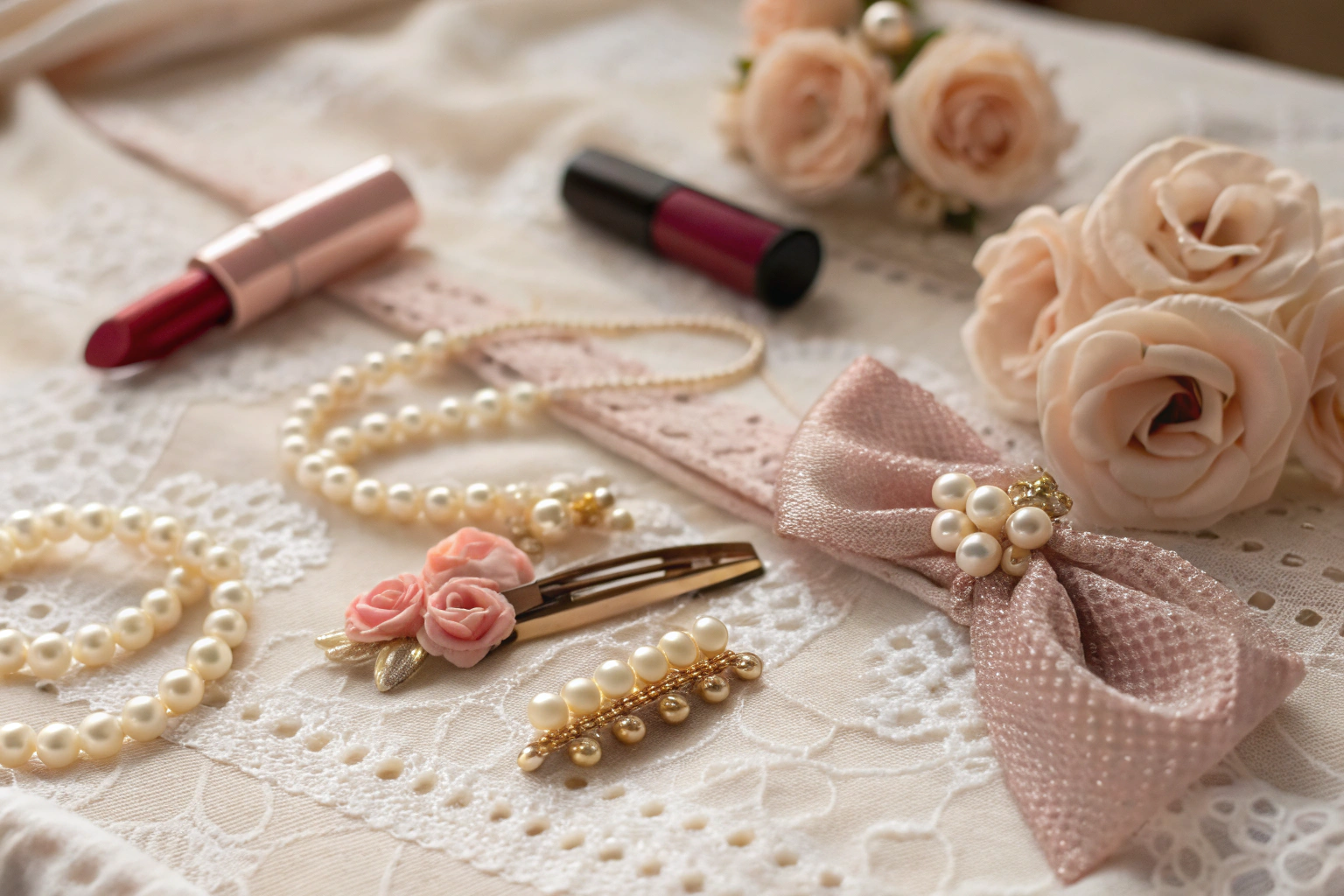
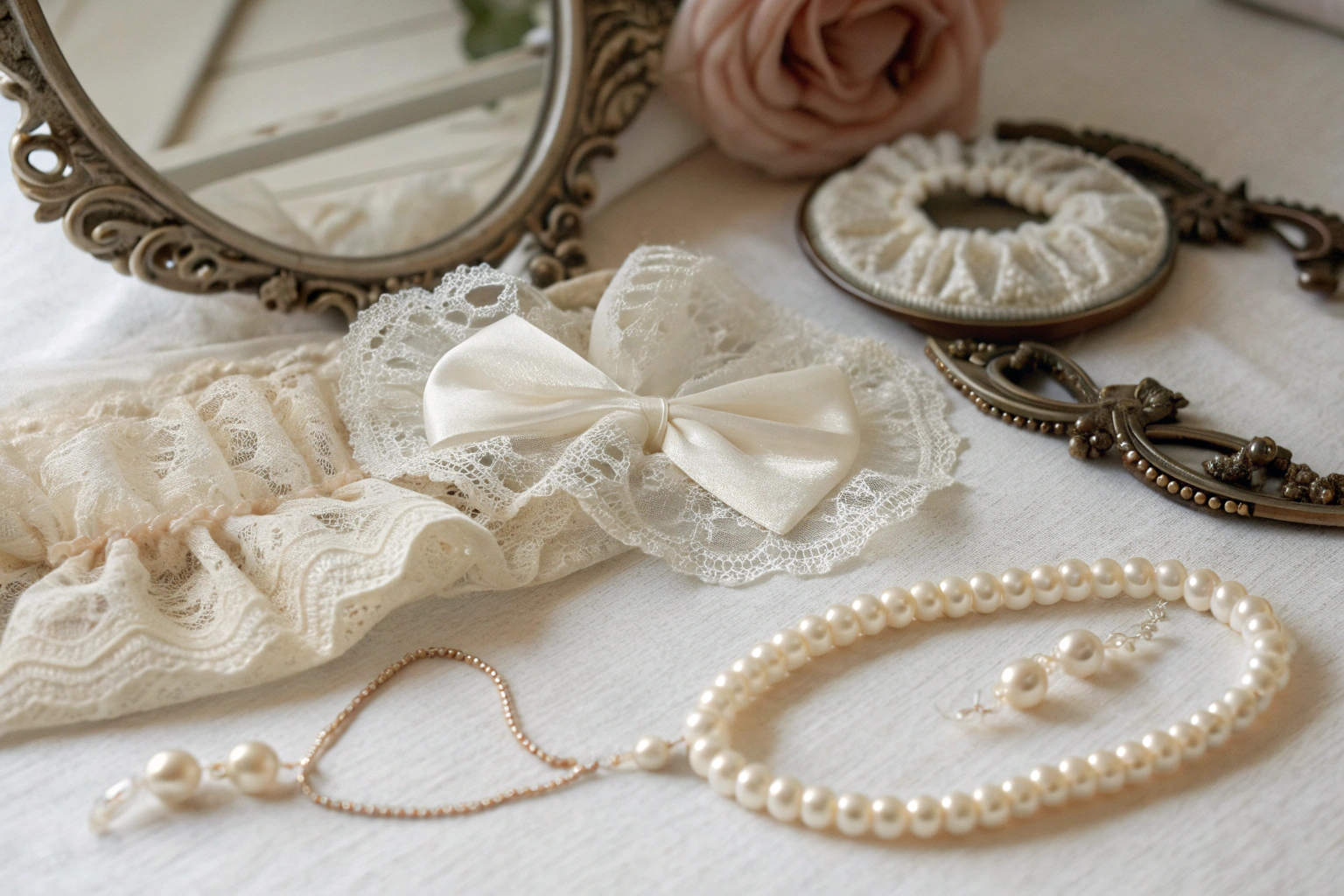
Lace-adorned hair accessories are making a comeback because they tap into major cultural trends like romanticism, nostalgia, and the desire for handcrafted, artisanal details. In a world saturated with mass-produced, minimalist goods, consumers are craving accessories that feel personal, intricate, and timeless. Lace, with its rich history and delicate beauty, perfectly fulfills this desire.
This isn't just about recreating vintage styles. It's about reinterpreting them for the modern consumer. As a manufacturer, we've seen a surge in requests from brands in North America and Europe for accessories that blend the timeless appeal of lace with contemporary designs. It's a powerful way to add perceived value and a unique story to a collection. Let's explore the key drivers behind this elegant resurgence.
What Cultural Trends Are Fueling the Lace Revival?
You see lace popping up everywhere, but why now? It feels like a sudden throwback, yet it also feels perfectly in tune with the current moment. What is it about our modern culture that has created the perfect environment for this classic material to flourish again?
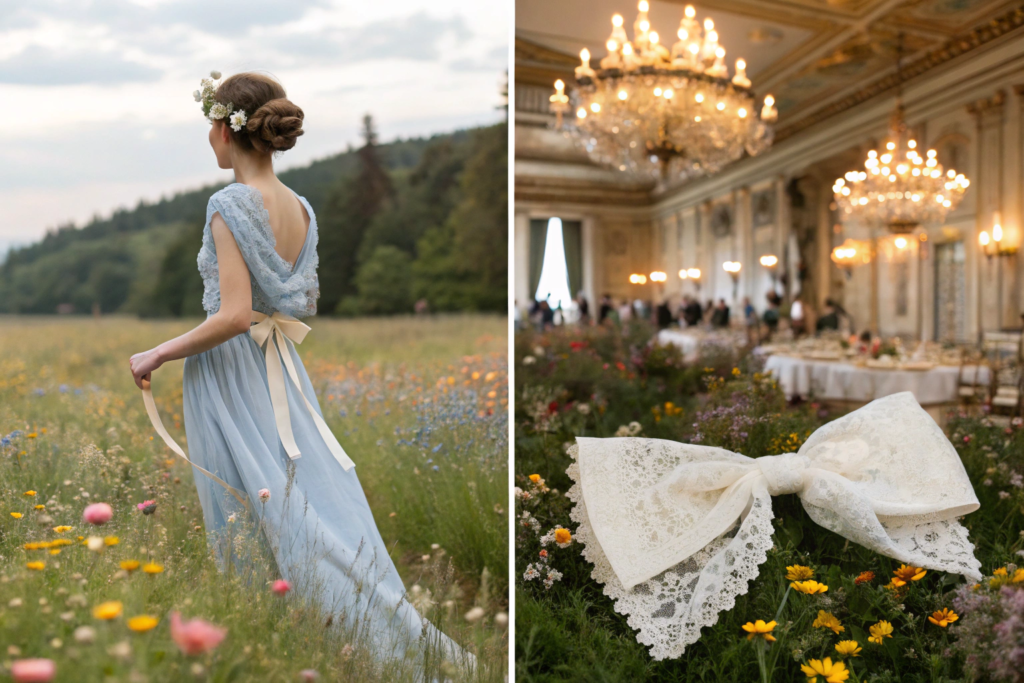
The lace revival is being fueled by powerful cultural aesthetics like "cottagecore," "royalcore," and a broader movement towards nostalgia and romanticism. These trends, popularized on platforms like TikTok and Instagram, celebrate a return to slower, more intentional living, historical elegance, and handcrafted beauty. Lace is the perfect material embodiment of these ideals, offering a tangible connection to a more romanticized past.
I've seen these trends directly influence the design briefs we receive at Shanghai Fumao Clothing. A client who previously ordered simple, athletic-style headbands recently pivoted to a collection inspired by Regency-era fashion, requesting delicate lace bows and pearl-embellished headpieces. They understood that their customers weren't just buying a hair accessory; they were buying a piece of a fantasy. This connection between cultural movements and product design is fundamental, and it's a key factor we'll touch on again when discussing how to modernize lace for today's market.
How does social media influence this trend?
Social media platforms, especially TikTok and Pinterest, are visual echo chambers that can turn a niche aesthetic into a global phenomenon overnight. The "cottagecore" hashtag has billions of views, filled with imagery of pastoral life, handmade crafts, and, of course, romantic fashion. Influencers and users share "get the look" videos, often featuring lace-trimmed dresses and hair accessories, making the trend highly accessible and desirable. For a brand, this means there's a built-in audience actively searching for these products. You can see this phenomenon in action by exploring trend reports from sites like The Business of Fashion or by simply browsing the relevant hashtags on TikTok.
Is this trend linked to sustainability?
Yes, there's a strong connection. The nostalgia trend is intertwined with a growing consumer desire for items that feel timeless and durable, as opposed to disposable fast fashion. Lace, particularly high-quality lace, has an heirloom quality. It feels like something to be cherished and kept. Furthermore, this trend opens up opportunities for using sustainable and reclaimed materials. Brands are finding success by using deadstock lace (leftover fabric from other productions) or organic cotton lace, appealing to eco-conscious consumers. This approach is championed by sustainable fashion advocates and platforms like Good On You and Fashion Revolution.
How Is Lace Being Modernized for Today's Market?
When you think of lace, do you picture your grandmother's doilies? It's a common association, and one that can make the material feel dated. So how are successful brands taking this traditional material and making it feel fresh, cool, and relevant for a modern audience?
Lace is being modernized through unexpected color combinations, contemporary silhouettes, and by mixing it with modern materials like leather, metal, and denim. The key is to break lace free from its purely vintage context. By using it in a bold, unconventional way, designers are challenging old perceptions and creating accessories that feel both classic and cutting-edge.
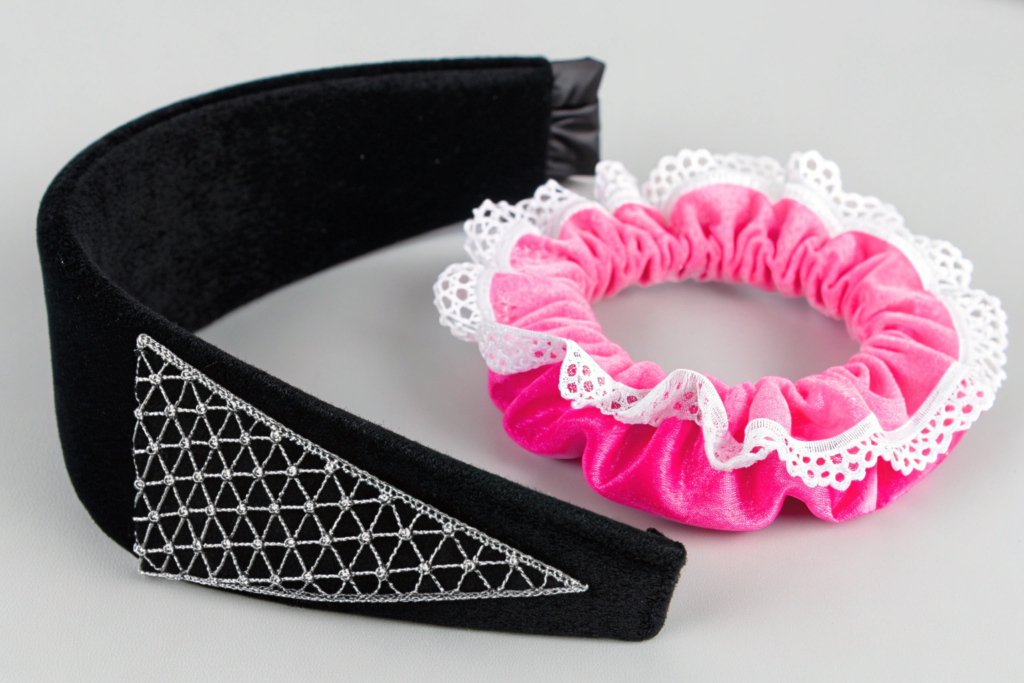
One of our most exciting projects at Shanghai Fumao Clothing involved developing a collection for a brand with an edgy, urban aesthetic. We bonded thick, black guipure lace onto faux leather headbands and created scrunchies from dark denim with a delicate black lace trim. The result was a collection that was tough and feminine at the same time. It showed me that lace isn't just one thing; its personality can be completely transformed by how you use it. This innovative approach is what makes the current lace revival so much more than just a repeat of history; it's an evolution, building on the cultural trends that sparked its return.
What are some modern lace silhouettes?
Forget simple lace ribbons. Today's designers are using lace in structured and architectural ways. Think wide, padded headbands completely covered in intricate lace, oversized scrunchies where the lace provides volume and texture, or sharp, minimalist barrettes with a single, perfectly placed lace appliqué. We are also seeing lace integrated into functional accessories, like athletic-style headbands with a breathable lace panel. For inspiration on modern silhouettes, browsing contemporary fashion retailers like SSENSE or Net-a-Porter can reveal how high-fashion is interpreting the trend.
How is color being used to update lace?
While classic white, ivory, and black lace remain popular, the modern revival is defined by its bold use of color. We are seeing lace dyed in vibrant, neon hues or soft, contemporary pastels. Another popular technique is color-blocking, such as placing a strip of black lace on a white headband for a sharp, graphic contrast. This use of color instantly updates the material, making it feel youthful and energetic. Color trend forecasting services like Pantone are an excellent resource for identifying the palettes that will resonate with consumers in upcoming seasons.
What Should You Look for in Quality Lace Accessories?
You're convinced that lace is the right move for your brand, but you know that not all lace is created equal. Your customers, like Ron, are savvy and care about quality. How do you ensure the lace accessories you produce feel luxurious and well-made, not cheap and flimsy?
When sourcing quality lace accessories, you must scrutinize the type of lace used, the precision of the craftsmanship, and the quality of the base accessory it's attached to. High-quality lace has a soft feel and intricate, well-defined patterns, while superior craftsmanship is evident in clean edges, secure stitching, and thoughtful construction.
As a manufacturer, quality control is at the heart of everything we do. I've personally rejected entire batches of lace because the pattern was inconsistent or the material felt stiff and scratchy. For us, a quality accessory is a sum of its parts. The headband base must be comfortable and durable, the glue or thread must be strong and invisible, and the lace itself must be beautiful. This commitment to quality is what builds trust with our clients and, ultimately, with their customers. It's the practical application of the design ideas we explored when discussing how to modernize lace.
What are the different types of lace?
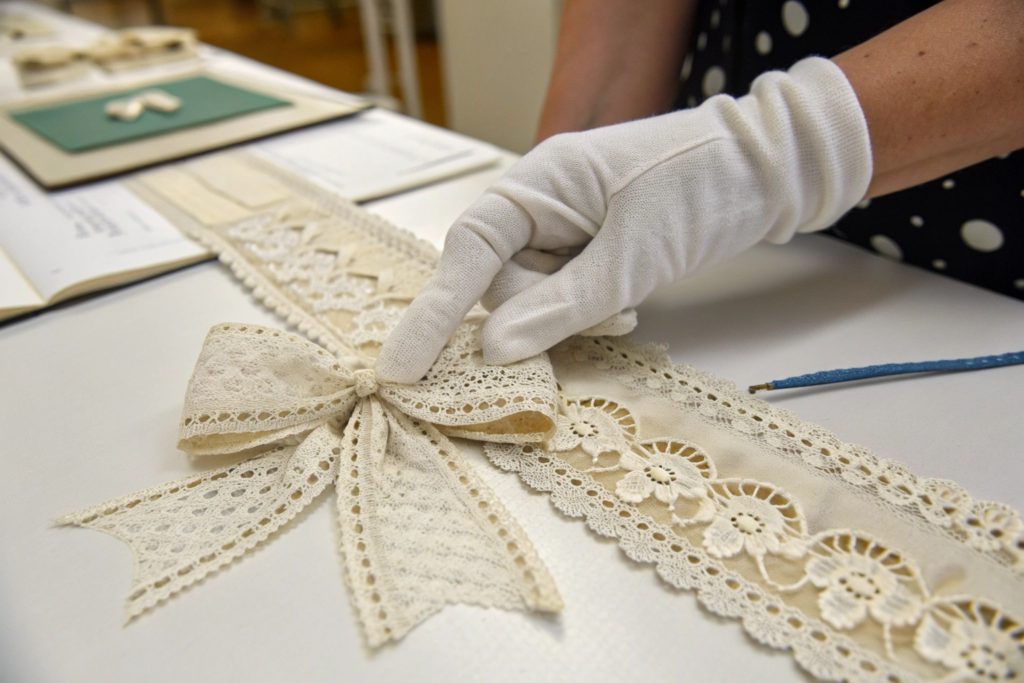
Understanding a few basic lace types can help you make better sourcing decisions.
- Chantilly lace: Very fine and delicate, known for its detailed floral and ribbon patterns on a plain net background. It creates a very romantic, high-end feel.
- Guipure lace: A heavier, denser lace that connects patterns with braids rather than a net. It's bold and often used for statement appliqués.
- Cotton lace: Often has a more rustic, handmade feel. It's perfect for the "cottagecore" aesthetic and is soft and breathable.
Knowing the difference allows you to choose a material that matches your brand's specific aesthetic and price point. You can learn more about lace identification from textile resources like The Fabric Store or educational sites like MasterClass.
How can you spot poor craftsmanship?
Look for tell-tale signs of rushed production. Are the edges of the lace fraying? Is the glue visible or messy? If it's sewn, are the stitches uneven or coming loose? On a headband, check if the lace is applied smoothly, without any bumps or wrinkles. On a scrunchie, ensure the lace is gathered evenly along with the fabric. For a buyer like Ron, being able to spot these issues is key to ensuring quality control and protecting his brand's reputation. Reputable manufacturers like Shanghai Fumao Clothing have multi-stage QC processes to catch these very issues before they ever ship. You can find checklists for quality inspection on platforms that connect buyers with manufacturers, such as Alibaba's trade services section.
How Are Designers Reinventing Lace to Feel Fresh?
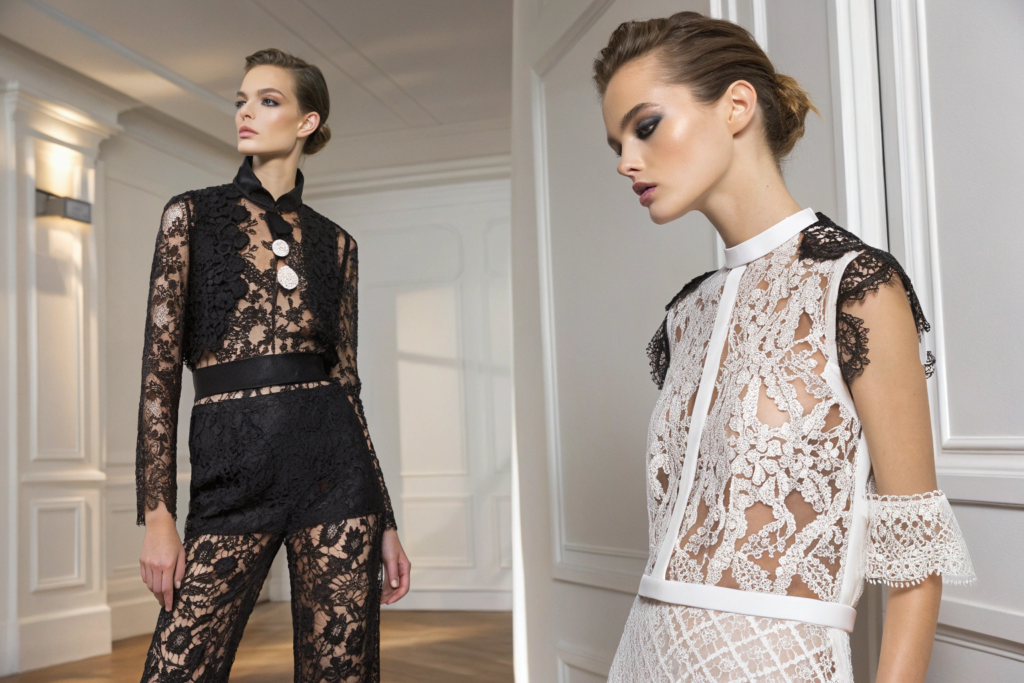
In the ever-evolving world of fashion, lace has long been celebrated for its delicate beauty and timeless elegance, but today's designers are breathing new life into this classic textile by reimagining its textures, patterns, and applications. Gone are the days when lace was solely reserved for Victorian gowns or traditional bridal wear; modern creators are pushing boundaries, infusing lace with contemporary energy and versatility.
What Does This Trend Reveal About the Future of Personal Style?
The current trend in personal style, marked by a striking blend of sustainability, individuality, and technological integration, offers profound insights into the evolving landscape of self-expression.
As consumers increasingly prioritize eco-conscious choices, we see a surge in upcycled fashion, where discarded materials are transformed into unique garments that tell stories of resilience and creativity.
Does lace, in some way, reflect a deeper aspect of the current cultural context?
Lace, with its intricate patterns of delicate threads and openwork designs, has long been more than mere ornamentation; it serves as a mirror to the societal values, technological advancements, and artistic sensibilities of its time.
In today's cultural landscape, where there is a growing emphasis on individuality, sustainability, and the revival of artisanal crafts, lace emerges as a symbol of both tradition and innovation.
Conclusion
The resurgence of lace-adorned hair accessories is a direct reflection of our times—a collective yearning for romance, craftsmanship, and personal expression in a fast-paced world. Fueled by powerful social media trends and modernized with bold colors and contemporary designs, lace has successfully shed its dated image to become a symbol of modern elegance. For a brand, this trend offers a golden opportunity to create a collection that is not only visually stunning but also rich with story and perceived value.
To capitalize on this trend, however, quality is paramount. Success lies in choosing the right type of lace and partnering with a manufacturer who understands the nuances of craftsmanship. At Shanghai Fumao Clothing, we combine our deep knowledge of materials with a passion for meticulous production, helping you create lace accessories that will delight your customers and elevate your brand.
If you are inspired to launch or expand your collection with the timeless beauty of lace, we are here to help you every step of the way. Please reach out to our Business Director, Elaine, at her email: elaine@fumaoclothing.com, to discuss how we can bring your vision to life.