Are you constantly battling production delays, wrestling with unpredictable shipping schedules, and struggling to get clear answers from your suppliers? You’re trying to plan for 2026, but it feels impossible when you’re still putting out fires from last season. You know there has to be a smoother, more profitable way to operate.
To streamline your fashion accessory supply chain for 2026, you must shift from a reactive, fragmented sourcing model to a proactive, integrated partnership with a full-service manufacturer. This involves leveraging digital tools for collaboration, consolidating your production to reduce complexity, and implementing a data-driven approach to forecasting and inventory management.
This isn’t just about finding a cheaper supplier; it’s about building a resilient and efficient system that saves you time, money, and headaches. As a manufacturer who has been on the other side of this equation for over a decade, I’ve seen firsthand how a streamlined process can transform a brand’s profitability. At Shanghai Fumao Clothing, we’ve built our entire operation around being that integrated partner. Let’s break down the actionable steps you can take to make 2026 your most successful year yet.
Why Is Your Current Supply Chain So Inefficient?
Does your daily routine involve juggling emails from a dozen different contacts for a single product line? One person for fabrics, another for hardware, a separate factory for assembly, and a fourth for logistics? It’s a constant struggle to keep everyone aligned, and when one piece of the puzzle is delayed, the entire project grinds to a halt.
Your supply chain is likely inefficient because it’s fragmented across too many independent suppliers, leading to poor communication, a lack of accountability, and compounded delays. When no single partner has a full view of the project, small issues can easily snowball into major crises. This traditional, piecemeal approach is a relic of a pre-digital era and is simply not sustainable in today’s fast-paced market.
I’ve seen this scenario play out countless times. A client like Ron might source beautiful fabric from one supplier and unique clasps from another, only to find they are incompatible when they arrive at the assembly factory. The result is a blame game, wasted materials, and a missed retail deadline. This is precisely why we transitioned our business model to become a one-stop solution. This problem of fragmentation is the core issue that consolidating your production directly solves.

What are the hidden costs of fragmentation?
The costs go far beyond the price on the invoice. Consider the following:
- Time Cost: The hours you and your team spend managing multiple vendors, tracking separate shipments, and resolving conflicts.
- Quality Control Cost: The expense and difficulty of ensuring consistent quality across different factories with varying standards.
- Shipping Cost: Paying for multiple inbound shipments to a central assembly point is far more expensive than a consolidated production run.
- Opportunity Cost: The sales you lose when production delays cause you to miss key selling seasons.
Business resources like Inbound Logistics and Supply Chain Dive offer detailed analyses of these hidden expenses.
How does it increase risk?
A fragmented supply chain is inherently fragile. A lockdown in the province of your fabric supplier, a customs issue with your hardware shipment, or a quality failure at your assembly plant can jeopardize your entire production run. You have multiple points of failure with very little visibility or control. When you work with a single, vertically integrated partner, they manage these internal risks, providing you with a single point of contact and a much more resilient supply chain. This concept of risk mitigation is a central topic in supply chain management, as detailed by academic sources and professional organizations like the Council of Supply Chain Management Professionals (CSCMP).
How Does Consolidating Production Create Efficiency?
Imagine having one dedicated project manager, one point of contact who knows every detail of your collection, from the initial sketch to the final shipment. What if you could get a comprehensive update on your entire production run with a single email or phone call?
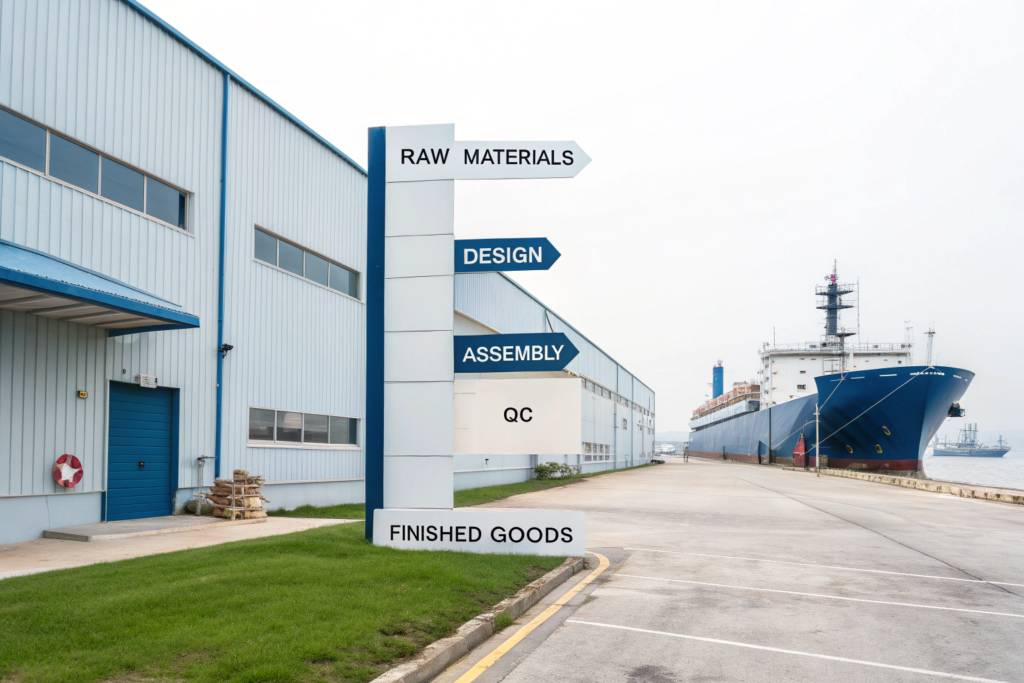
Consolidating your production with a single, full-service manufacturer creates massive efficiency by eliminating communication gaps, streamlining logistics, ensuring consistent quality, and providing a single point of accountability. This "one-stop-shop" model means your partner manages the entire process internally, from sourcing raw materials to final quality control and packaging, saving you time and reducing the risk of errors.
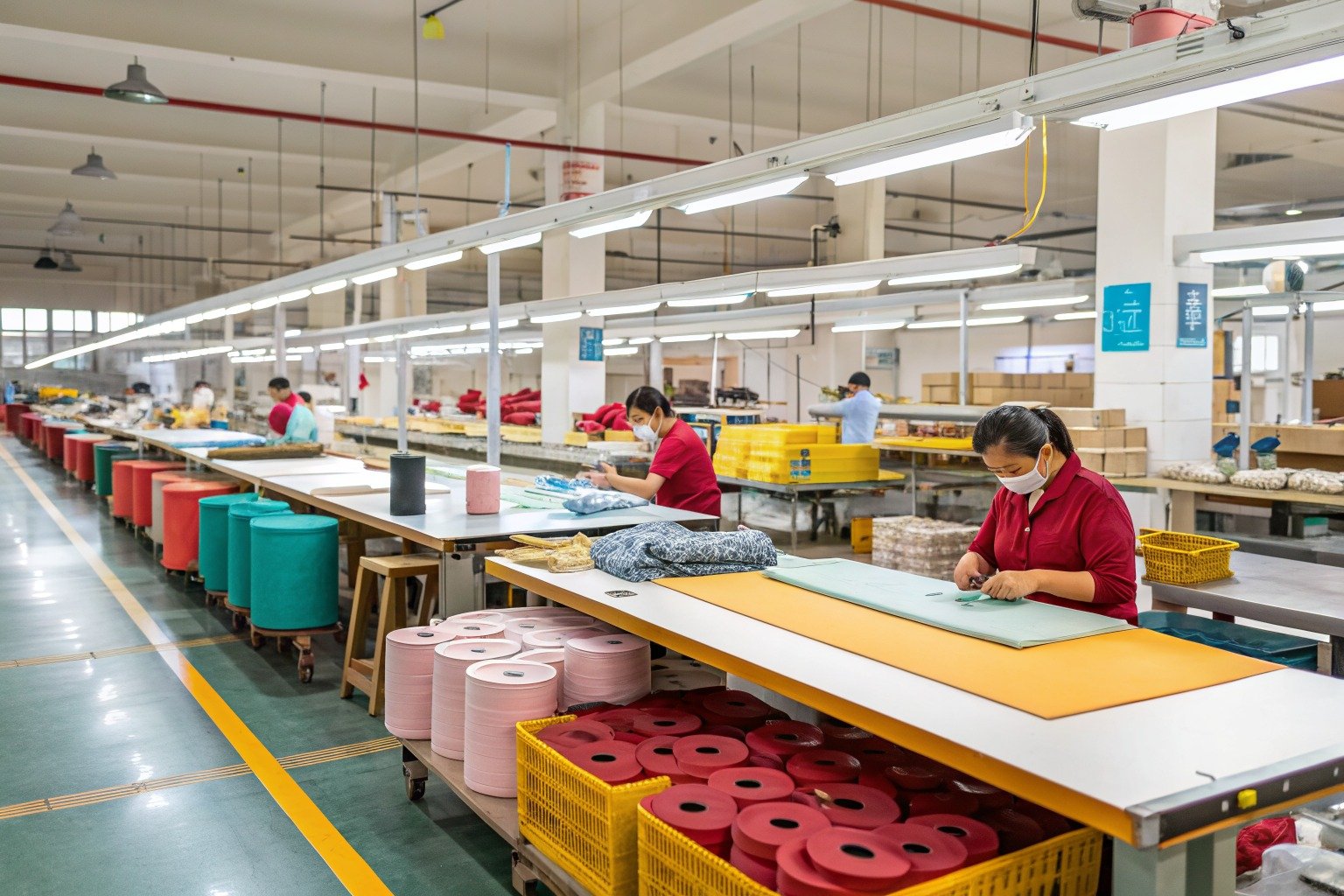
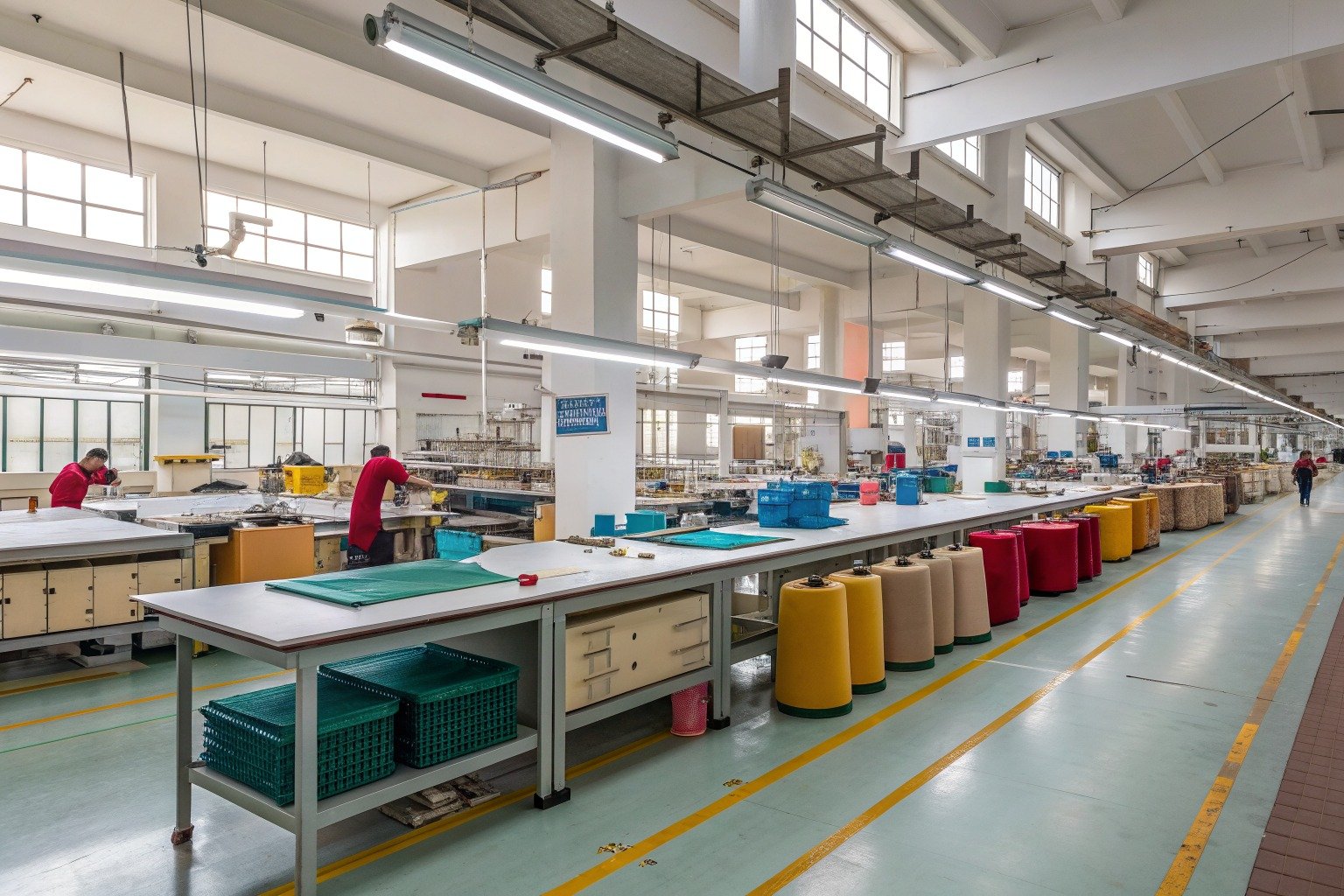
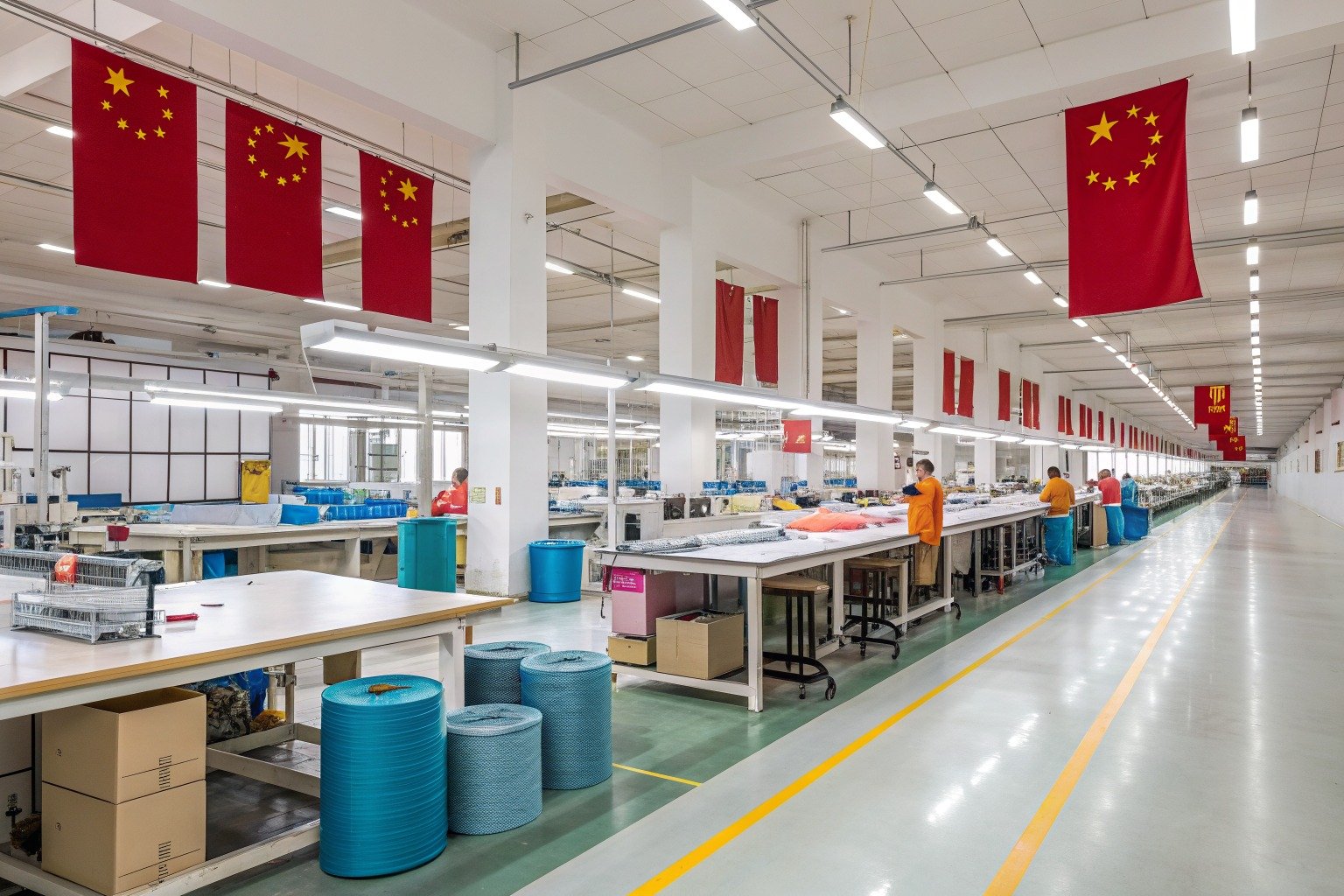
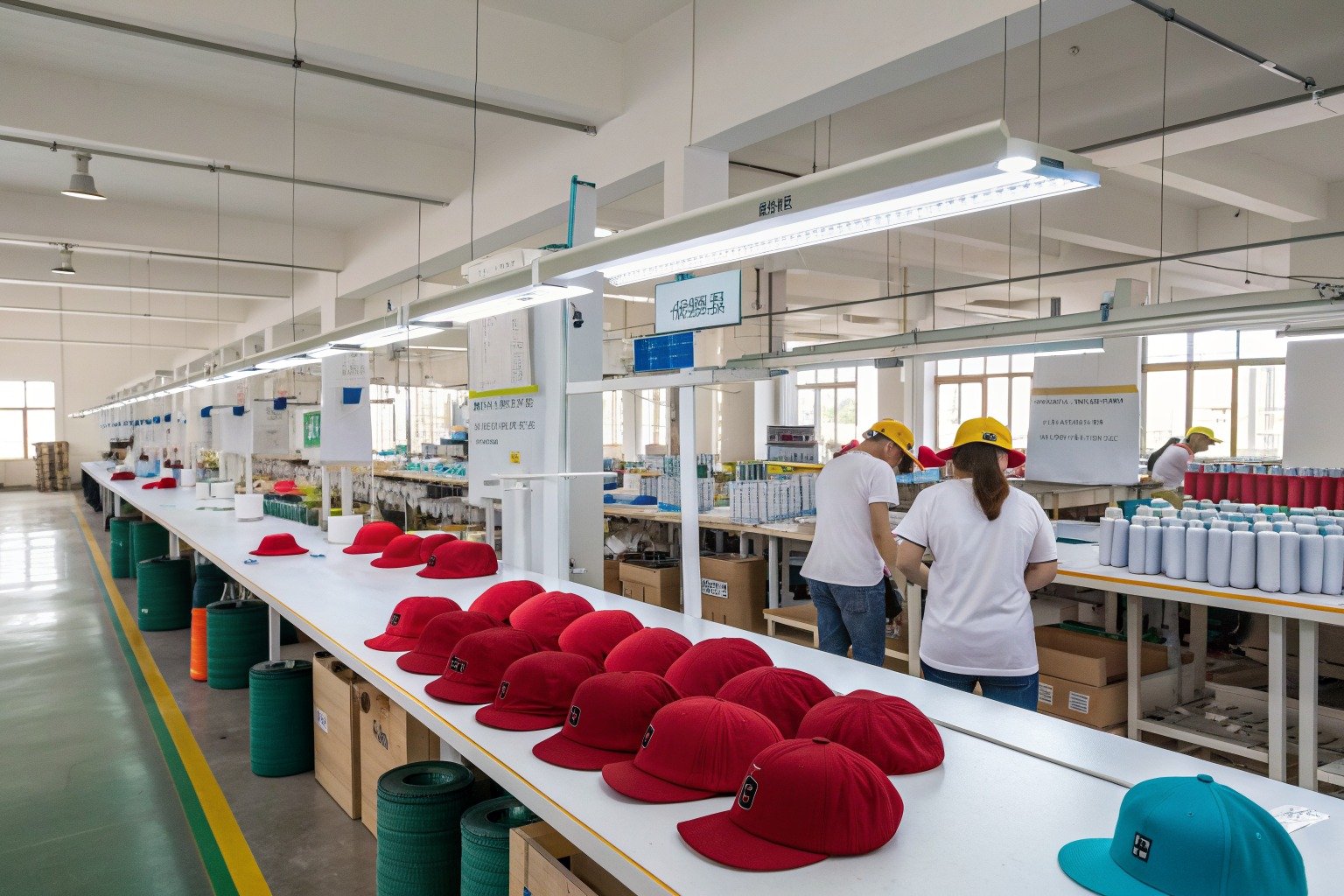
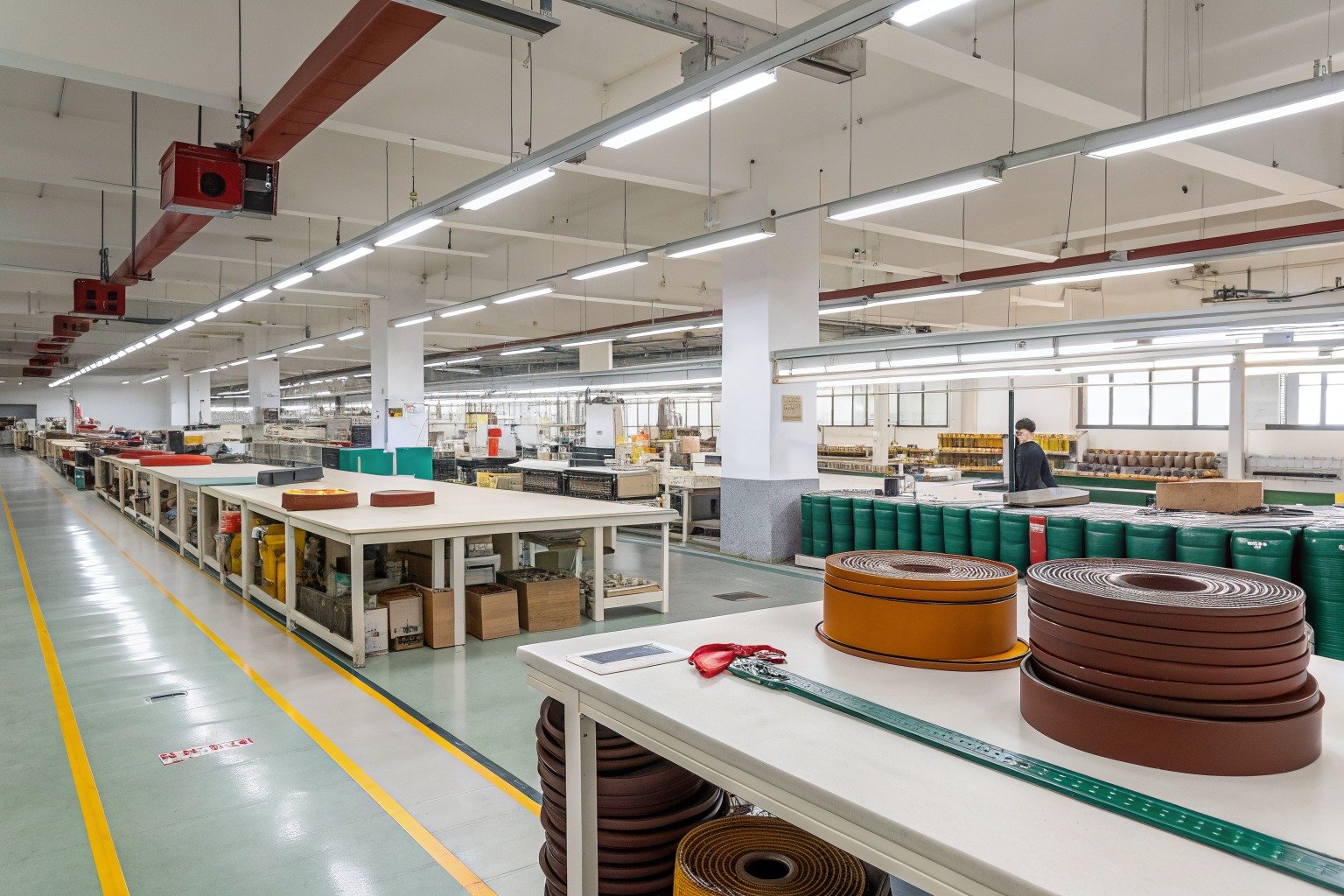
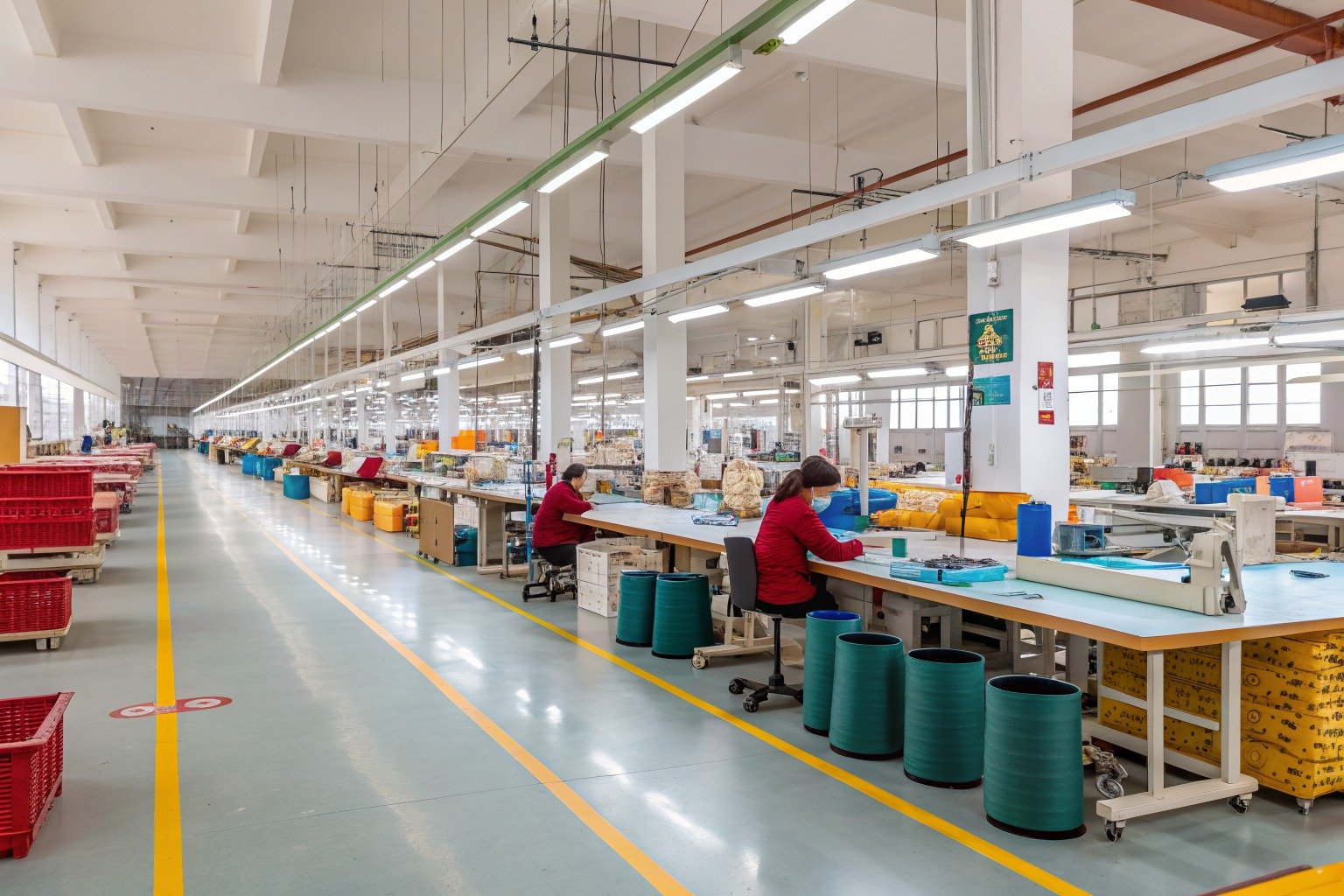
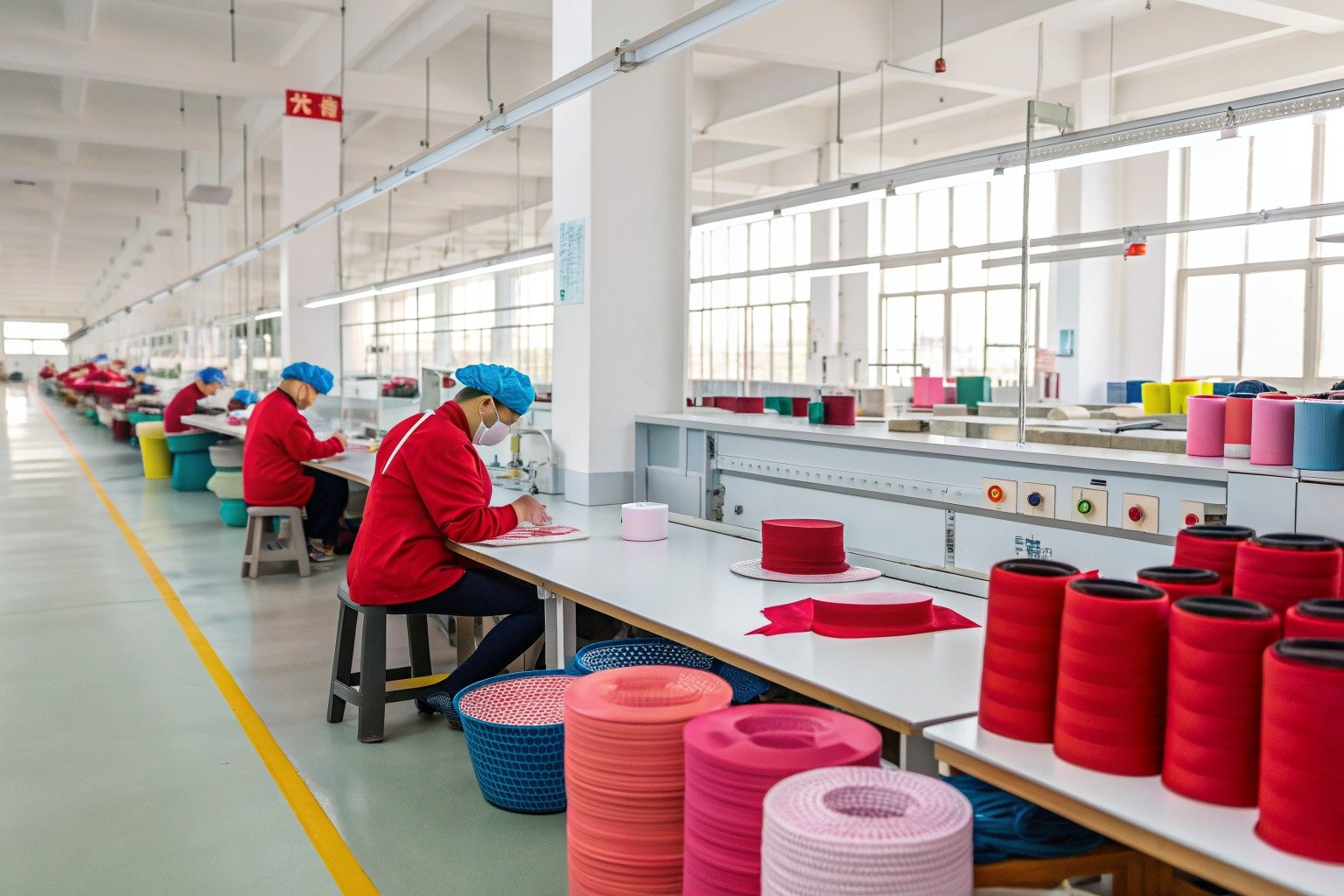
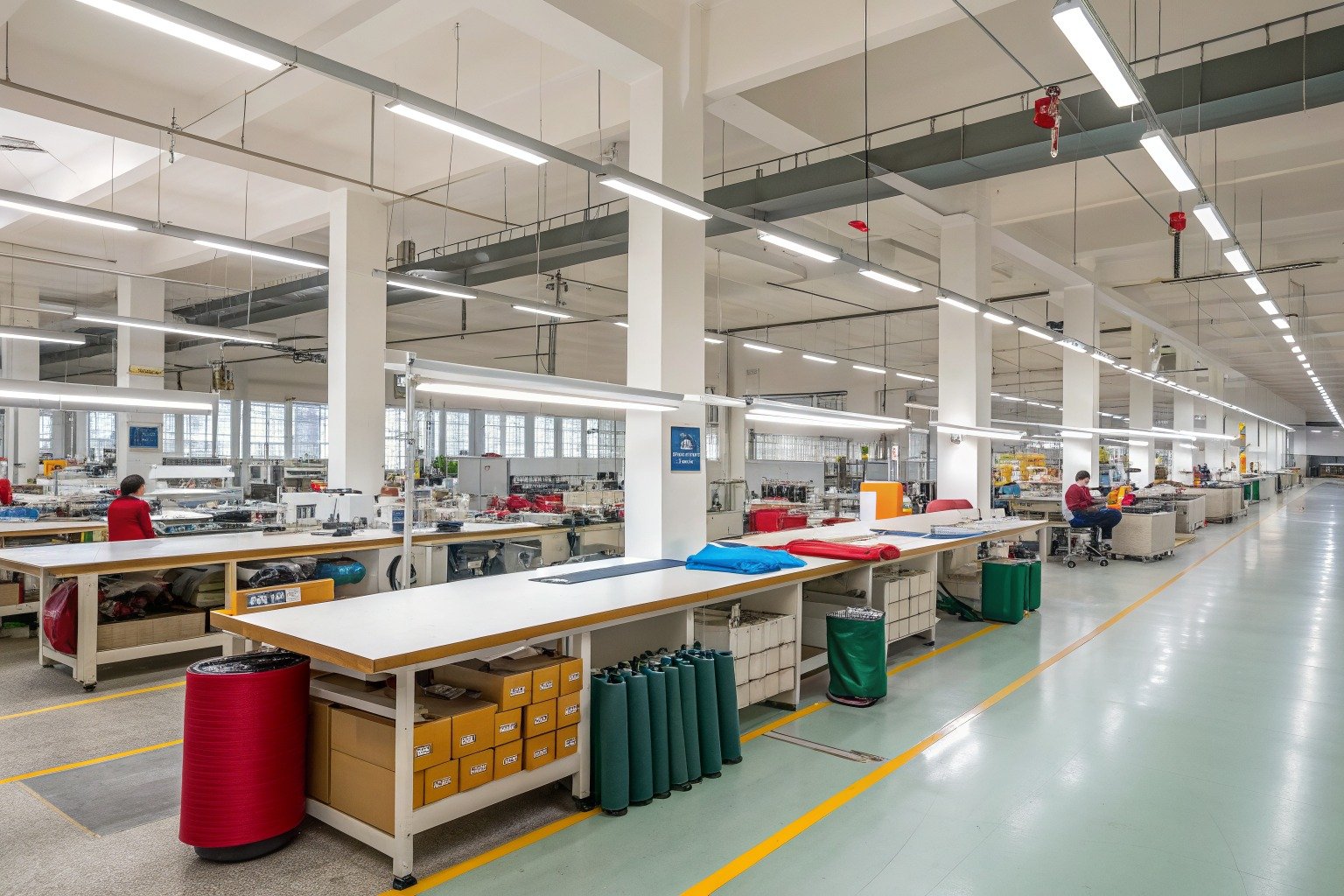
This is the core of our philosophy at Shanghai Fumao Clothing. When a client comes to us with a design, our team handles everything. Our project managers coordinate with our in-house design team, our sourcing specialists, and our production floor. Because we control the entire process, we can make adjustments on the fly, guarantee that all components are compatible, and provide our clients with real-time, accurate updates. This integrated approach is the most direct solution to the problems caused by a fragmented supply chain.
What are the immediate benefits?
By consolidating, you can expect:
- Faster Lead Times: With no delays waiting for components to ship between different vendors, the entire production timeline is compressed.
- Lower Costs: You benefit from the manufacturer’s economies of scale in sourcing raw materials and save significantly on shipping and logistics.
- Improved Quality: A single factory ensures a consistent standard of quality control is applied at every stage of production.
- Simplified Communication: You have one relationship to manage, freeing up your time to focus on design, marketing, and sales.
Manufacturing platforms like Fictiv and business journals often discuss the tangible benefits of vertical integration and consolidated manufacturing.
How does this help with product development?
Working with a consolidated partner can dramatically accelerate your R&D and sampling process. Instead of shipping sketches and materials between a designer, a pattern maker, and a sample room, you can work with one integrated team. At our facility, our designers can walk over to the sample room with a new sketch and have a physical prototype in their hands within days, not weeks. This allows for rapid iteration and refinement, ensuring your final product is perfected before mass production even begins. This agile approach is discussed in-depth in resources focused on modern product development, such as articles from the Product Development and Management Association (PDMA).
What Digital Tools Should You Be Using in 2026?
Are you still approving samples through a chain of grainy photos sent via email? Is your production tracking managed on a spreadsheet that’s constantly out of date? In an age of instant communication, these outdated methods are slow, inefficient, and prone to costly misunderstandings.
For 2026, your supply chain should be powered by a suite of digital tools, including 3D virtual sampling for rapid prototyping, cloud-based project management platforms for real-time tracking, and AI-powered forecasting for smarter inventory decisions. These technologies are no longer futuristic concepts; they are accessible tools that can give you a significant competitive advantage.
We’ve invested heavily in these tools at Shanghai Fumao Clothing. We use 3D modeling software to create realistic virtual samples, allowing clients to approve colors, textures, and shapes in hours instead of waiting weeks for a physical sample to be shipped. All our projects are managed on a shared dashboard, giving clients 24/7 visibility into their production status. Embracing this technology is essential for any brand that wants to be agile and competitive. These tools are the engine that makes a consolidated production model run at peak performance.

How does 3D virtual sampling work?
Using specialized software, we create a photorealistic 3D model of your accessory. You can view it from any angle, test different colorways, and even see how it looks on a virtual model. This process drastically reduces the time and cost associated with physical sampling. It allows for more creative experimentation and ensures the final design is perfect before a single piece of fabric is cut. Companies like CLO 3D and Browzwear are leaders in this technology, which is revolutionizing the fashion industry.
What are the best project management platforms?
Cloud-based platforms like Asana, Trello, or Monday.com can be customized to manage a production workflow. A good manufacturing partner will use a system like this to give you a private dashboard where you can see the status of every stage of your order, from "Sourcing Materials" to "In QC" to "Ready to Ship." This transparency builds trust and eliminates the need for constant check-in emails. There are many resources, including PCMag and TechRadar, that review and compare these powerful tools.
Why Are Traditional Accessory Supply Chains Collapsing Under Modern Demands?
Traditional accessory supply chains, once the backbone of the fashion and consumer goods industries, are increasingly struggling to keep pace with the rapid evolution of modern consumer expectations. These supply chains, characterized by long lead times, centralized manufacturing hubs, and rigid production schedules, were built for a era of slower market cycles and less frequent style changes.
How Do You Measure Success Beyond Cost Savings?
Success in business is often narrowly defined by cost savings, but a more holistic approach requires considering a broader spectrum of metrics that reflect long-term value, stakeholder satisfaction, and sustainable growth.
Beyond the immediate reduction in expenses, success can be measured through enhanced operational efficiency, which involves streamlining workflows, reducing bottlenecks, and improving productivity—factors that not only cut costs but also elevate the quality of output, accelerate project timelines, and foster a more agile work environment.
What’s the Cost of This Fragmentation?
The cost of this fragmentation is profound and multifaceted, touching every layer of society, from individual productivity to national economic health.
At the individual level, fragmented systems create barriers to seamless access—think of the time wasted navigating multiple disjointed platforms to complete a single task, the frustration of inconsistent user experiences across devices, or the inefficiency of having to re-enter information repeatedly into separate databases.
Conclusion
The path to a successful 2026 retail season is paved with efficiency, not chaos. By moving away from a fragmented and outdated supply chain and embracing a consolidated, digitally-powered partnership, you can eliminate the bottlenecks that cost you time and money. Consolidating production with a single, reliable partner gives you the clarity, control, and speed you need to be proactive, not reactive. This strategic shift will not only streamline your operations but will unlock new opportunities for growth and profitability.
At Shanghai Fumao Clothing, we have built our company to be the all-in-one solution that modern brands need. We combine decades of manufacturing experience with cutting-edge digital tools to offer a seamless, transparent, and efficient production experience. We handle the complexities of the supply chain so you can focus on what you do best: building your brand.
If you are ready to leave the stress of a fragmented supply chain behind and build a streamlined, profitable process for 2026, we invite you to start a conversation with us. Please contact our Business Director, Elaine, at her email: elaine@fumaoclothing.com, to learn how we can become your trusted manufacturing partner.