Are you struggling to meet growing consumer demand for personalized accessories while maintaining efficient production timelines? Traditional customization methods often involve lengthy processes, high costs, and limited design options that frustrate both brands and consumers.
Digital technologies enable faster customization by streamlining the entire product development cycle—from virtual prototyping and automated design adaptation to flexible manufacturing systems—that dramatically reduce lead times while expanding creative possibilities for personalized accessories.This technological transformation is revolutionizing how custom hair clips, engraved cups, and personalized accessories are conceived, designed, and produced.
Let's examine the specific digital breakthroughs that are accelerating customization across the accessory manufacturing landscape.
How do digital design tools accelerate custom accessory creation?
Traditional custom design processes require multiple physical samples and lengthy back-and-forth communication, often taking weeks to finalize a single design. This slow pace prevents brands from responding quickly to trend changes and customer requests.
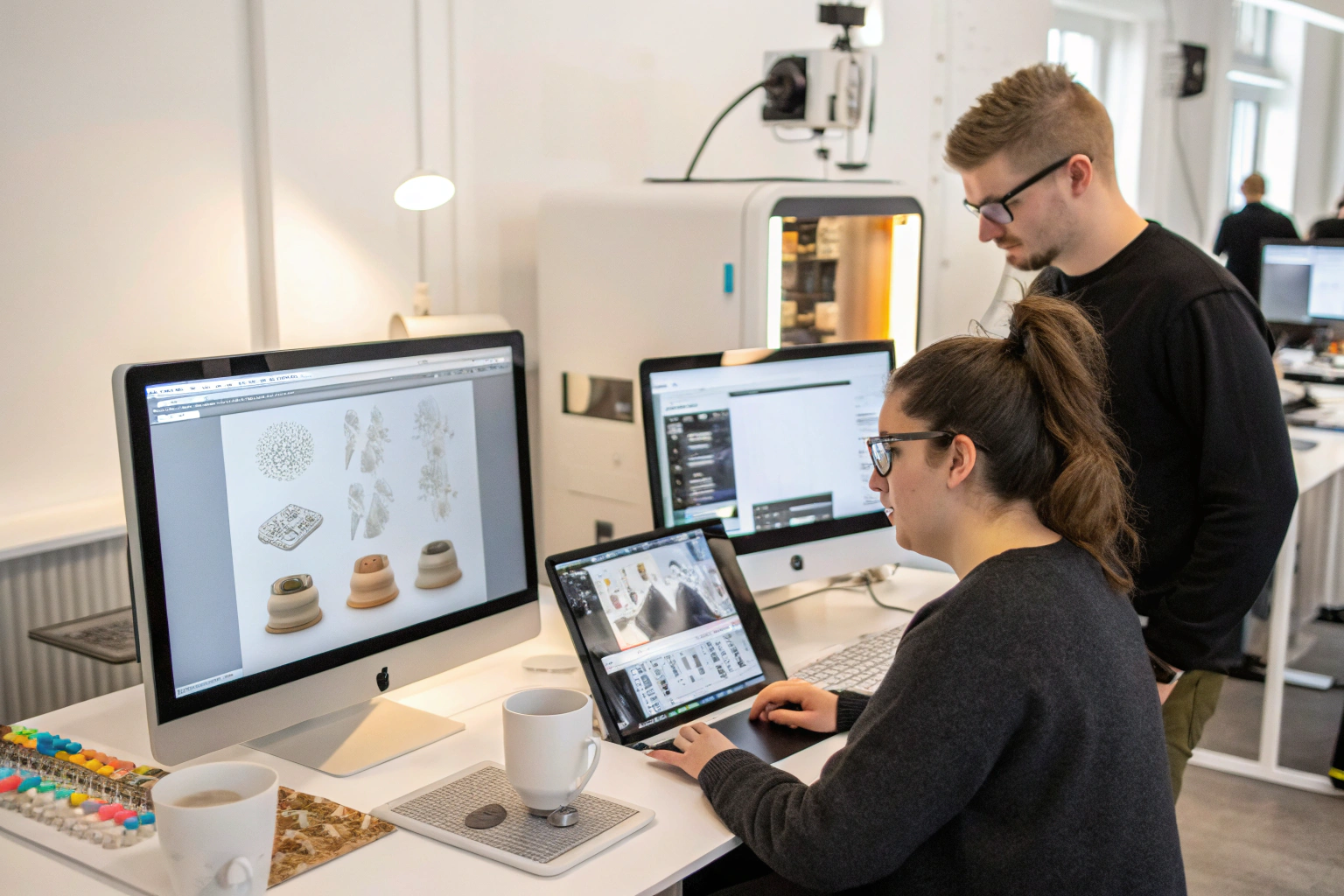
Digital design tools accelerate custom accessory creation through 3D modeling software that creates instant visualizations, configurator platforms that let customers co-create designs, and automated technical packages that eliminate manual specification work. These tools compress design cycles from weeks to days while expanding creative possibilities.
What makes 3D modeling superior for custom accessory development?
3D modeling software has revolutionized how we develop custom accessories by creating photorealistic virtual prototypes within hours instead of weeks. When creating personalized hair clips with custom logos or unique shapes, our designers can generate multiple variations digitally, allowing clients to visualize the final product before any physical production begins. These digital prototypes show accurate materials, colors, and dimensions, enabling instant feedback and modifications. The system automatically generates technical specifications for manufacturing, eliminating manual measurement errors and ensuring the final product matches the digital preview exactly.
How do online configurators enhance customer co-creation?
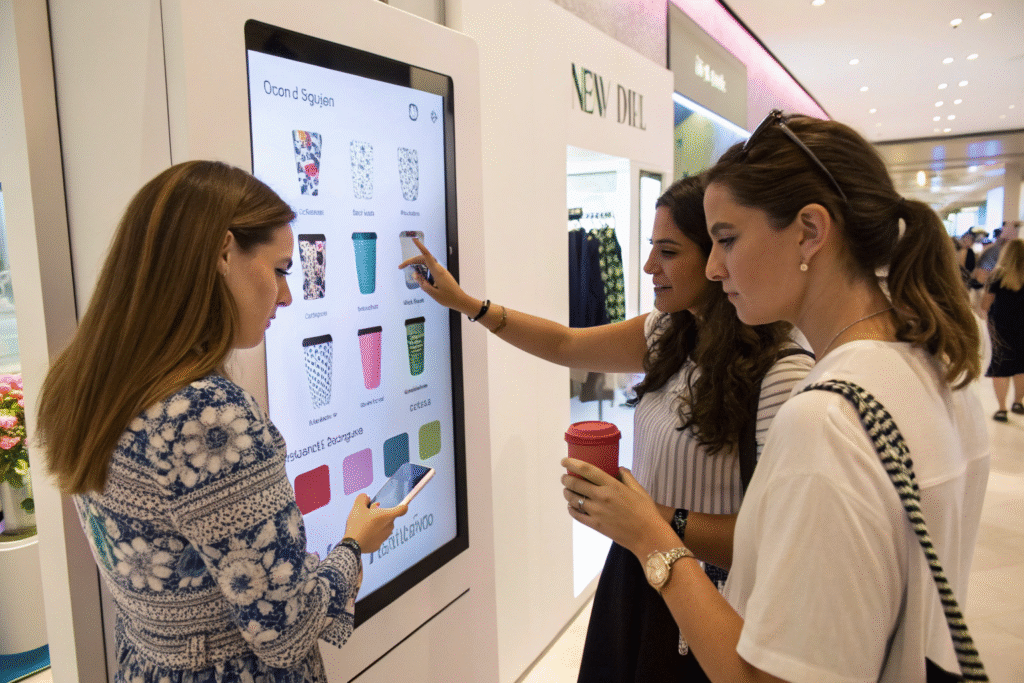
Online customization configurators empower your customers to become co-designers of their accessories through intuitive web interfaces. For custom engraved cups and personalized hair bands, these platforms allow real-time visualization of different colors, patterns, and text placements. The system automatically checks design feasibility and provides instant pricing, creating a seamless experience from design to order. This direct engagement not only accelerates the customization process but also increases customer satisfaction and order value, as clients can immediately see how their creative choices translate into finished products.
What manufacturing technologies enable rapid custom production?
Conventional manufacturing systems are optimized for mass production, making custom orders inefficient and expensive due to lengthy setup times and specialized tooling requirements. This limitation has traditionally restricted customization to high-end, high-cost products.
Advanced manufacturing technologies enable rapid custom production through digital printing, laser cutting and engraving, 3D printing, and computer-controlled embroidery that can handle unique designs without costly retooling. These technologies make small-batch customization economically viable and operationally efficient.
How does digital printing transform custom accessory production?
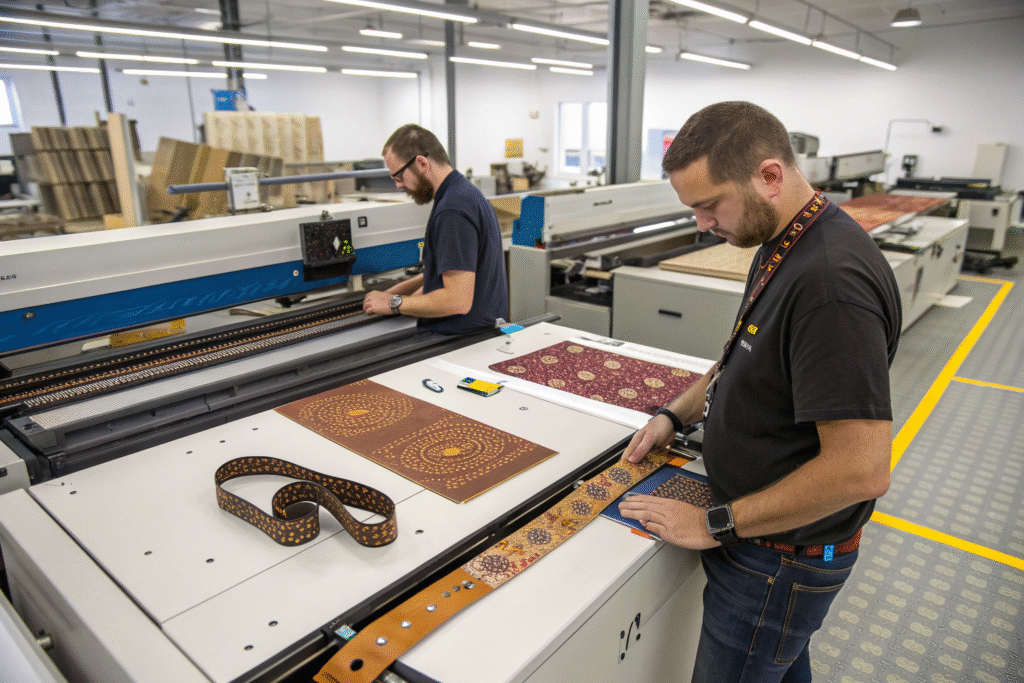
Digital printing technology has eliminated the need for traditional printing plates and screens, making short runs of custom-designed accessories economically feasible. For personalized scarves and custom-patterned hair bands, we can print unique designs directly onto fabrics without minimum quantity requirements. The digital process maintains consistent color accuracy across different materials and allows for intricate patterns that would be impossible with conventional printing. This capability enables brands to offer truly exclusive designs while maintaining fast turnaround times, typically reducing production lead times from weeks to just days for custom printed items.
What advantages does laser technology offer for personalization?
Laser cutting and engraving systems provide unprecedented precision and flexibility for customizing various accessory materials. For leather belts with personalized monograms or acrylic hair clips with intricate cut-out designs, laser technology creates perfect results every time without physical tool contact. The digital nature of laser systems means changing designs requires only uploading a new file, eliminating the need for expensive physical dies or molds. This flexibility allows us to produce highly customized items in small quantities while maintaining the quality and consistency expected from mass production, bridging the gap between customization and manufacturing efficiency.
How do integrated systems streamline custom order management?
Managing custom orders through separate, disconnected systems creates coordination challenges, communication gaps, and errors that delay delivery and frustrate customers. This fragmentation often negates the speed advantages of digital manufacturing technologies.
Integrated systems streamline custom order management by connecting design platforms with production planning, inventory management, and customer communication in a seamless digital workflow. This end-to-end integration ensures custom orders move smoothly from concept to delivery without manual handoffs or information gaps.
What is the role of product lifecycle management in customization?
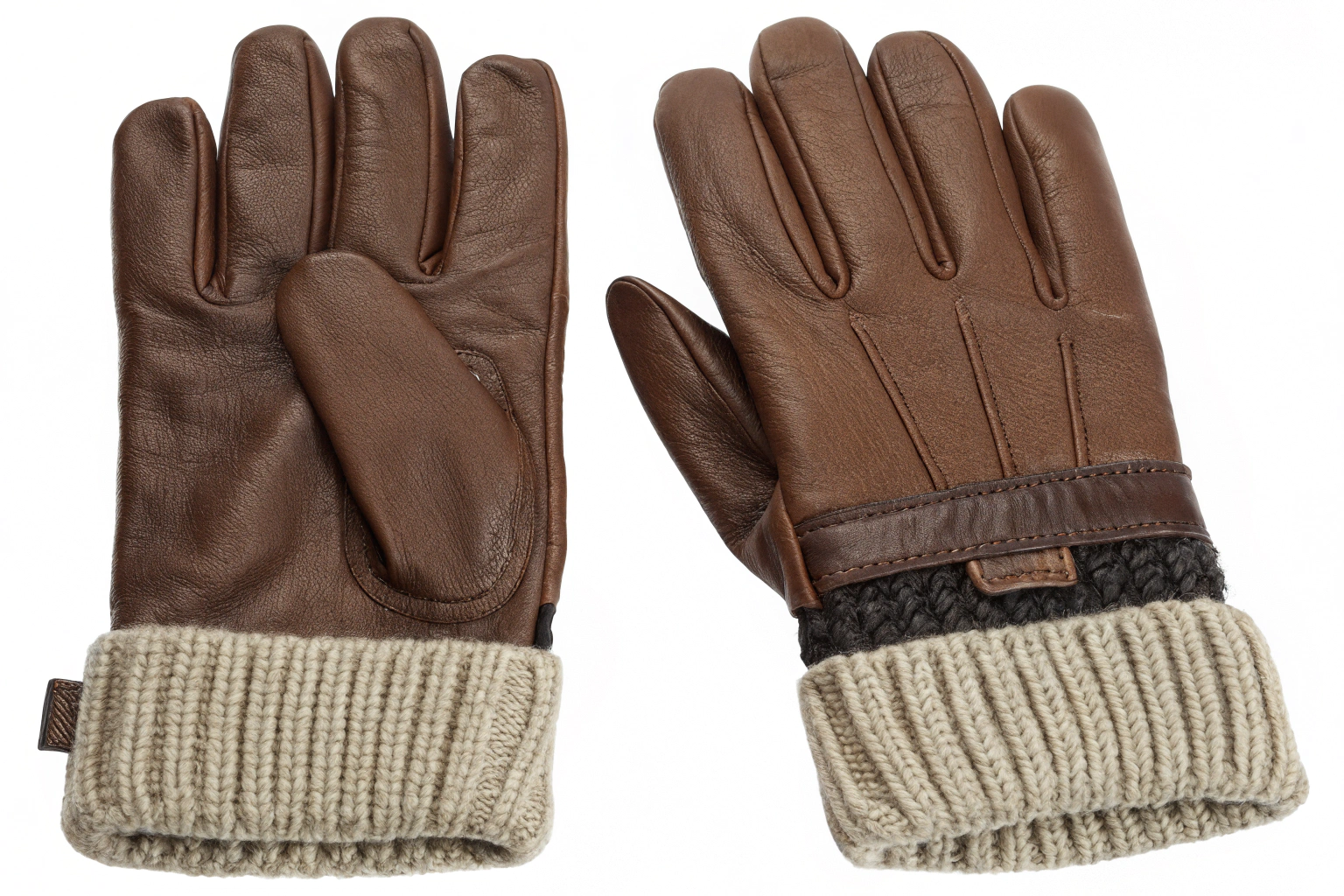
Product Lifecycle Management (PLM) systems provide a centralized digital hub that manages all information related to custom accessory development and production. When we receive an order for personalized baseball caps or custom gloves, the PLM automatically routes design specifications to appropriate departments, tracks production progress, and manages material requirements. This integrated approach eliminates communication delays and ensures everyone works with the most current information. The system automatically updates lead times based on current factory capacity and material availability, providing accurate delivery commitments from the moment an order is placed.
How does automated workflow routing accelerate custom orders?
Automated workflow routing systems intelligently direct custom orders through the necessary production steps without manual intervention. For complex custom items like multi-material hair accessories or personalized packages, the system automatically generates work orders, schedules production slots, and assigns tasks to appropriate teams based on current workload and expertise. This automation significantly reduces administrative overhead and prevents orders from getting delayed in communication gaps between departments. The system provides real-time status updates to both internal teams and clients, creating full transparency throughout the customization process.
What data analytics enhance customization efficiency?
Without proper data analysis, customization efforts can become inefficient and costly as businesses struggle to identify popular options, optimize production sequences, and predict demand for custom features. This lack of insight often leads to wasted resources and missed opportunities.
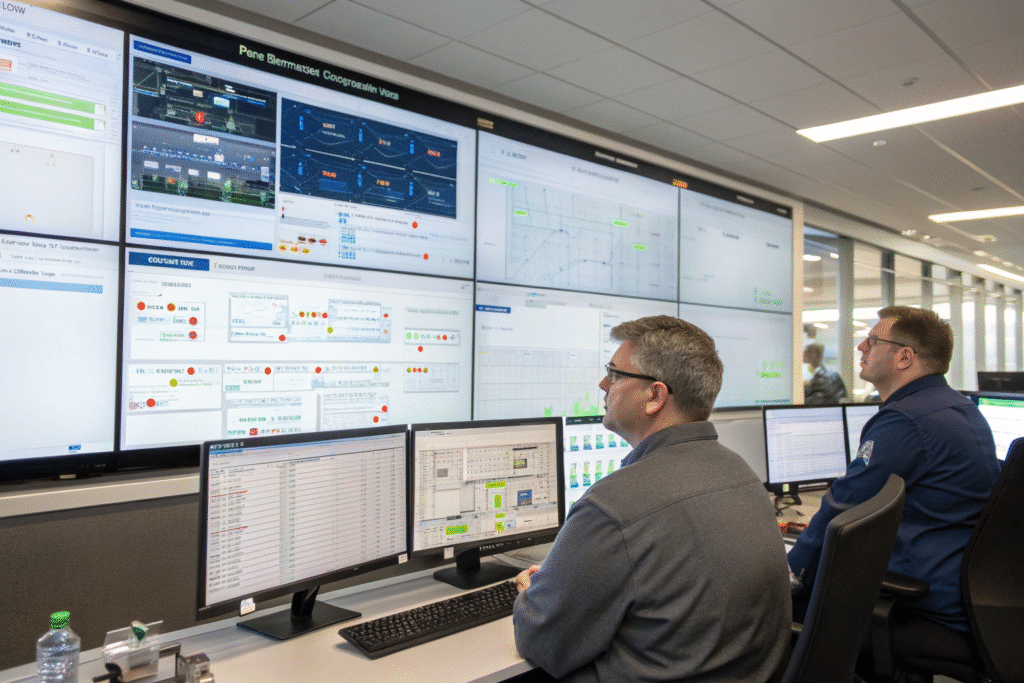
Data analytics enhance customization efficiency by identifying popular design combinations, optimizing production parameters for custom items, predicting demand for specific features, and personalizing customer experiences. These insights enable smarter customization strategies that balance creative possibilities with operational efficiency.
How do customization pattern analytics improve offer strategies?
Customization pattern analytics reveal which design options and personalization features customers value most, allowing businesses to focus resources on high-demand capabilities. By analyzing thousands of custom orders for items like personalized cups and hair clips, we can identify popular color combinations, frequently requested engraving texts, and preferred material choices. These insights help us optimize our customization platform to highlight popular options while streamlining less-chosen features. This data-driven approach increases conversion rates by presenting customers with choices they're more likely to appreciate while reducing complexity in the production process.
What production analytics optimize custom manufacturing?
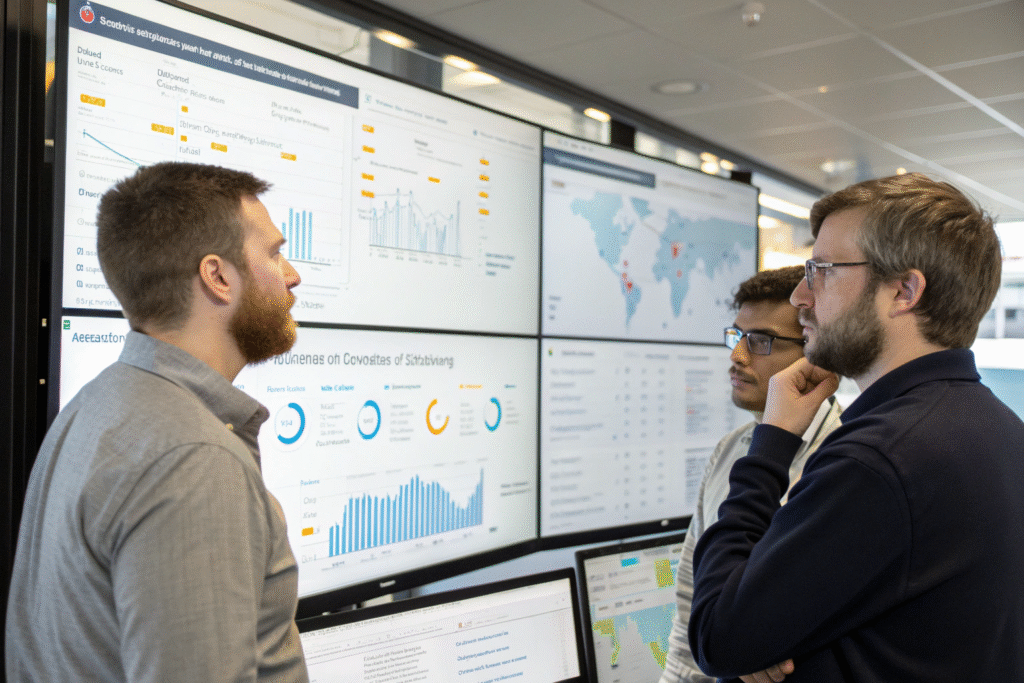
Production performance analytics monitor the efficiency of custom manufacturing processes, identifying bottlenecks and optimization opportunities specific to personalized items. We track production times for different types of custom accessories, material usage efficiency for various personalization techniques, and quality metrics for customized versus standard products. These insights help us continuously refine our manufacturing parameters—for example, optimizing laser settings for different belt materials or streamlining the workflow for monogrammed scarves. This continuous improvement approach typically reduces custom production costs by 15-25% while maintaining or improving quality standards.
Conclusion
Digital technologies are fundamentally transforming customization from a slow, expensive process into a fast, efficient, and scalable capability. By leveraging advanced design tools, flexible manufacturing technologies, integrated management systems, and data-driven insights, businesses can offer meaningful personalization while maintaining operational efficiency and speed to market.
If you're ready to leverage digital technologies for faster customization of your accessory lines, we invite you to contact our Business Director, Elaine. She can discuss how our digital manufacturing capabilities can bring your custom accessory ideas to life quickly and efficiently. Reach her at: elaine@fumaoclothing.com.