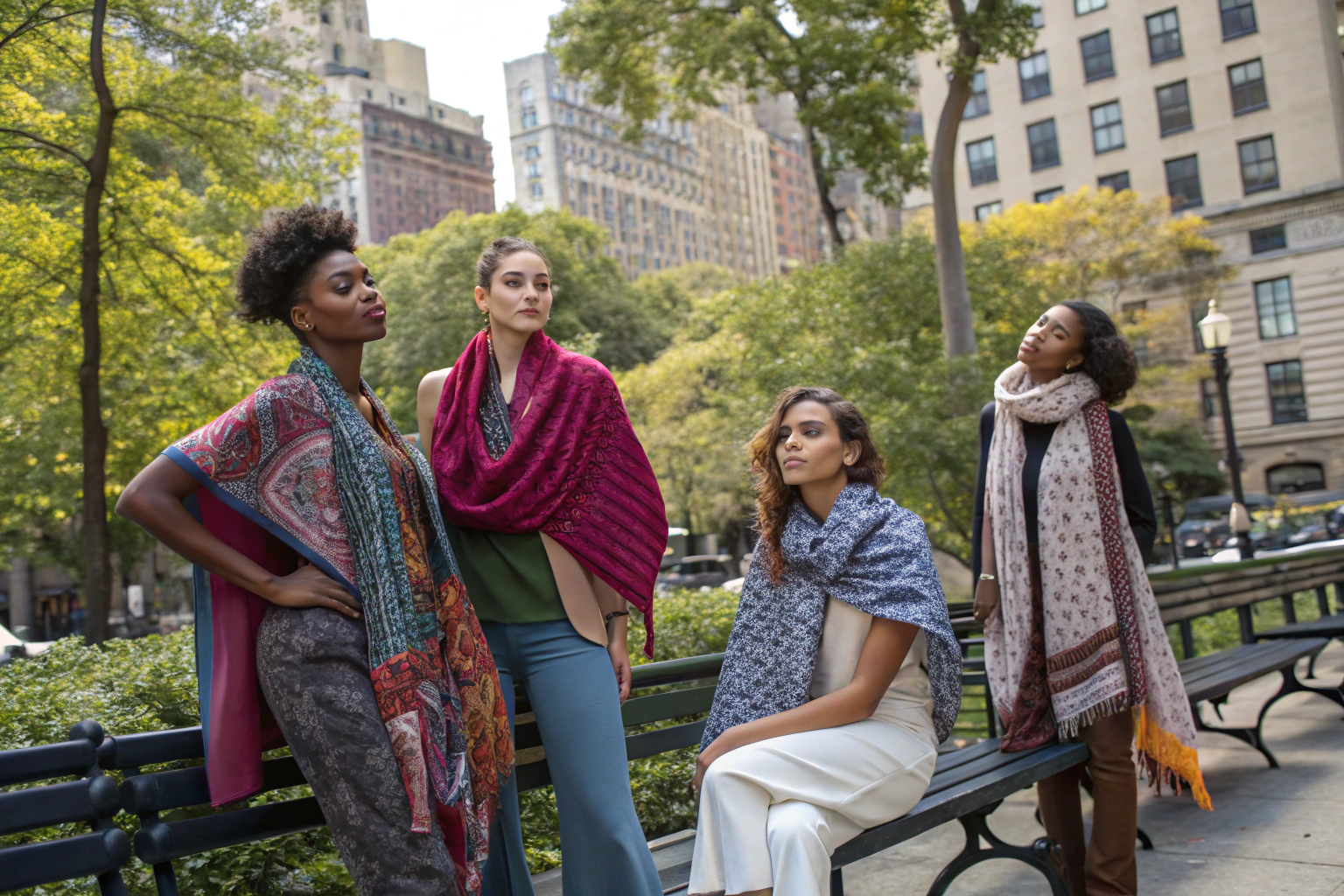
Are you struggling to keep up with rapidly changing shawl trends while maintaining inventory efficiency? The shawl market is evolving faster than ever, with new materials, patterns, and styling approaches emerging each season. Understanding these trends is crucial for buyers, retailers, and fashion brands looking to maximize their accessory sales.
The most popular shawls in 2025 combine sustainable materials, versatile functionality, and digital-inspired designs that reflect our changing lifestyles and environmental consciousness.This year’s trends emphasize pieces that transition seamlessly between casual and formal settings while incorporating innovative textures, eco-friendly production methods, and culturally significant patterns that tell a story.
Let’s explore the specific shawl styles, materials, and designs that are dominating the 2025 fashion landscape and understand why these particular trends are resonating with contemporary consumers.
Which sustainable materials are dominating 2025 shawl collections?
Environmental concerns continue to shape consumer preferences, with shoppers increasingly demanding transparency about material sourcing and production ethics. Traditional shawl materials are being reimagined through eco-conscious manufacturing processes.
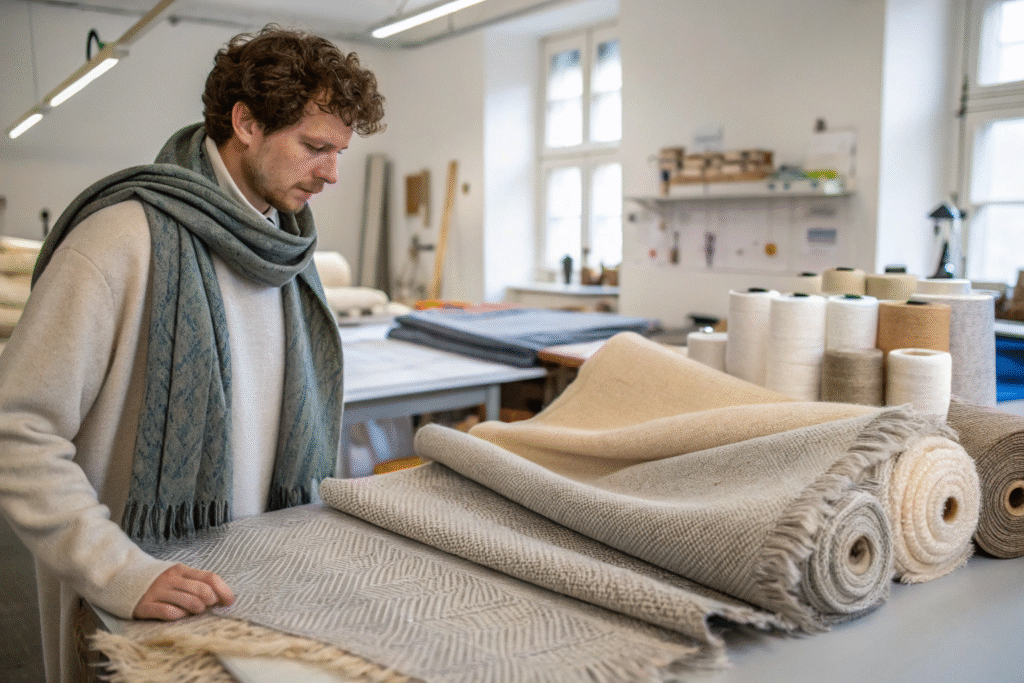
Sustainable materials dominating 2025 shawl collections include recycled cashmere, organic linen, regenerated silk alternatives, and plant-based fibers that offer luxury appeal with minimal environmental impact. These materials appeal to conscious consumers while delivering the quality and comfort expected from premium shawls.
Why is recycled cashmere maintaining its premium status?
Recycled cashmere shawls continue to command premium positioning in 2025 due to their exceptional softness, warmth, and circular economy appeal. Advanced recycling technologies now create regenerated cashmere fibers that rival virgin cashmere in quality while reducing water consumption by 80% and carbon emissions by 75% compared to conventional production. The luxury shawl market particularly values these sustainable options, with leading designers incorporating recycled cashmere into their flagship collections. The material’s durability and timeless elegance ensure it remains a wardrobe staple despite higher price points, appealing to consumers who prioritize both quality and environmental responsibility.
How are plant-based fibers revolutionizing everyday shawls?
Innovative plant-based fibers are transforming everyday shawl options through materials like banana fiber, lotus silk, and enhanced organic cotton blends. These fibers offer unique textures, natural temperature regulation, and biodegradability that synthetic alternatives cannot match. The rise of vegan fashion accessories has accelerated development of these plant-based options, with technical advancements addressing previous limitations around durability and color fastness. Modern production techniques create plant fiber shawls that are both practical for daily wear and visually appealing, featuring natural drape characteristics and subtle luster that elevate simple outfits with minimal effort.
What patterns and colors define 2025’s shawl aesthetics?
Color psychology and pattern preferences have shifted significantly in response to global cultural movements and digital influences. Today’s shawl designs balance artistic expression with wearable versatility across multiple contexts.
The patterns and colors defining 2025’s shawl aesthetics include digital-inspired geometrics, nature-derived organic motifs, and calming color palettes that provide an antidote to visual overload. These design elements create shawls that serve as both functional accessories and artistic statements.
Are digital-native patterns influencing traditional shawl designs?
Digital-native patterns emerging from NFT art and virtual fashion are significantly influencing physical shawl designs through fractal geometries, pixel-inspired motifs, and glitch art elements. These patterns particularly resonate with younger consumers who fluidly move between physical and digital spaces. The translation of digital aesthetics into wearable shawls represents a fascinating convergence of traditional textile craftsmanship and contemporary visual language. Designers are incorporating these patterns through advanced printing technologies and innovative weaving techniques that create depth and movement, making each designer shawl a conversation piece that bridges physical and digital fashion realms.
Why are earth-toned color palettes gaining popularity?
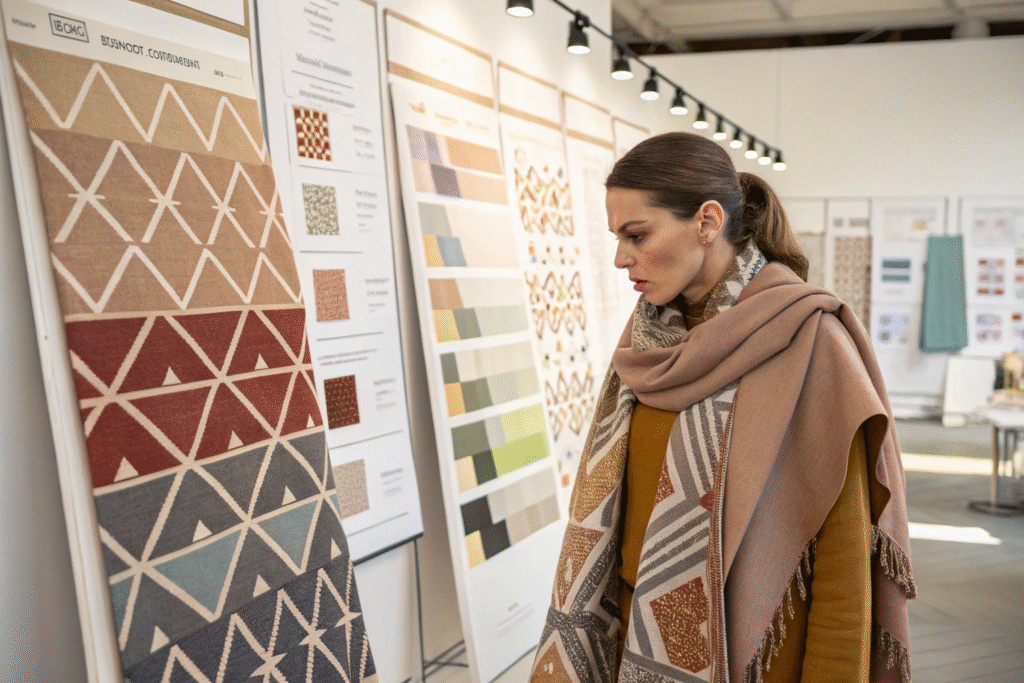
Earth-toned color palettes are experiencing significant growth in shawl collections as consumers seek grounding elements in their accessories. Colors inspired by natural landscapes—terracotta, sage green, ochre, and deep clay red—provide versatility across seasons and complement various skin tones. These hues work particularly well for transitional shawls that move between indoor and outdoor environments, offering visual warmth without overwhelming an outfit. The psychological comfort associated with earth tones aligns with broader wellness trends, making these shawls both style choices and personal comfort objects during uncertain times.
How are functionality innovations changing shawl designs?
Modern consumers expect their accessories to adapt to various lifestyles and practical needs without sacrificing style. The traditional shawl is being reengineered to meet contemporary demands for versatility and performance.
Functionality innovations changing shawl designs include integrated tech compatibility, transformable silhouettes, and performance-enhanced fabrics that address specific lifestyle needs. These practical improvements make shawls more relevant to daily life beyond purely decorative purposes.
What makes convertible shawls so practical for modern lifestyles?
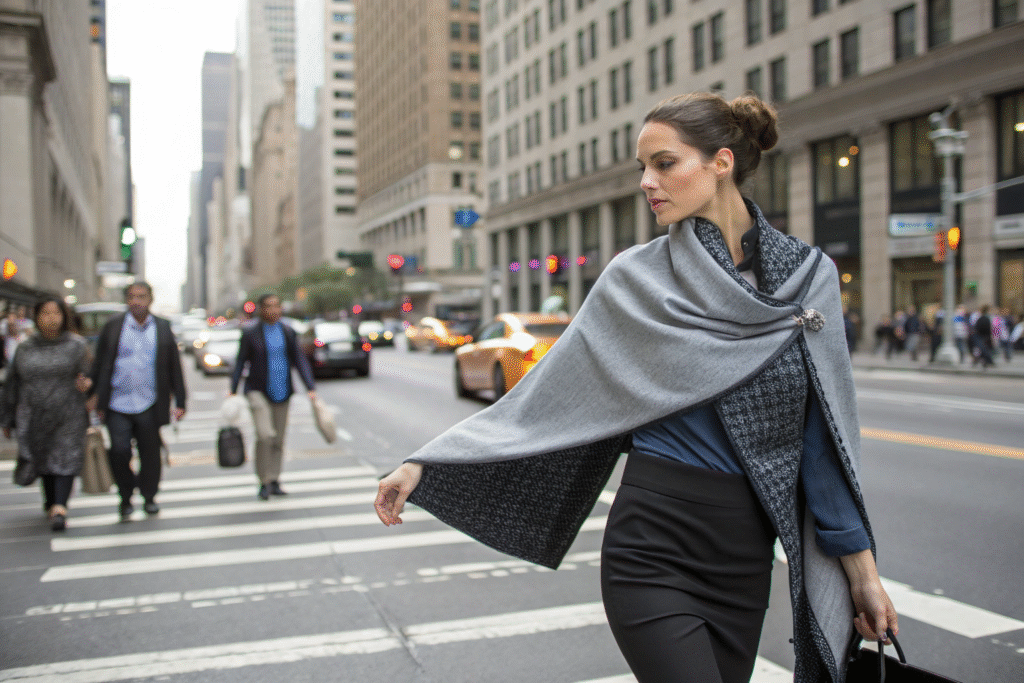
Convertible shawl designs with strategic button placements, hidden zippers, and multi-wrap capabilities are revolutionizing how women incorporate shawls into their daily attire. These transformable pieces can function as traditional wraps, scarf-necklines, lightweight stoles, or even cropped cover-ups depending on the occasion. The versatility appeals particularly to urban professionals and frequent travelers who need to adapt their accessories throughout the day. High-quality versatile shawls with these functional elements command premium prices because they effectively replace multiple single-purpose accessories, offering both wardrobe simplification and style flexibility that aligns with minimalist fashion movements.
Are tech-integrated shawls becoming mainstream?
Tech-integrated shawls with discrete pockets, device compatibility, and smart fabric technologies are transitioning from novelty items to practical accessories for the digitally-connected consumer. While heated shawls remain a niche product, more mainstream adoption is occurring around designs that accommodate modern necessities—strategically placed openings for earphone cords, reinforced areas for device storage, and antimicrobial treatments for shared spaces. The most successful tech-integrated designs maintain elegant appearances while solving genuine usability problems, particularly for commuter-friendly accessories that bridge fashion and function in urban environments.
Which cultural influences are shaping 2025 shawl trends?
Global connectivity and cultural exchange continue to inspire fashion, with traditional textile techniques gaining new relevance in contemporary contexts. Consumers are seeking authenticity and storytelling in their accessory choices.
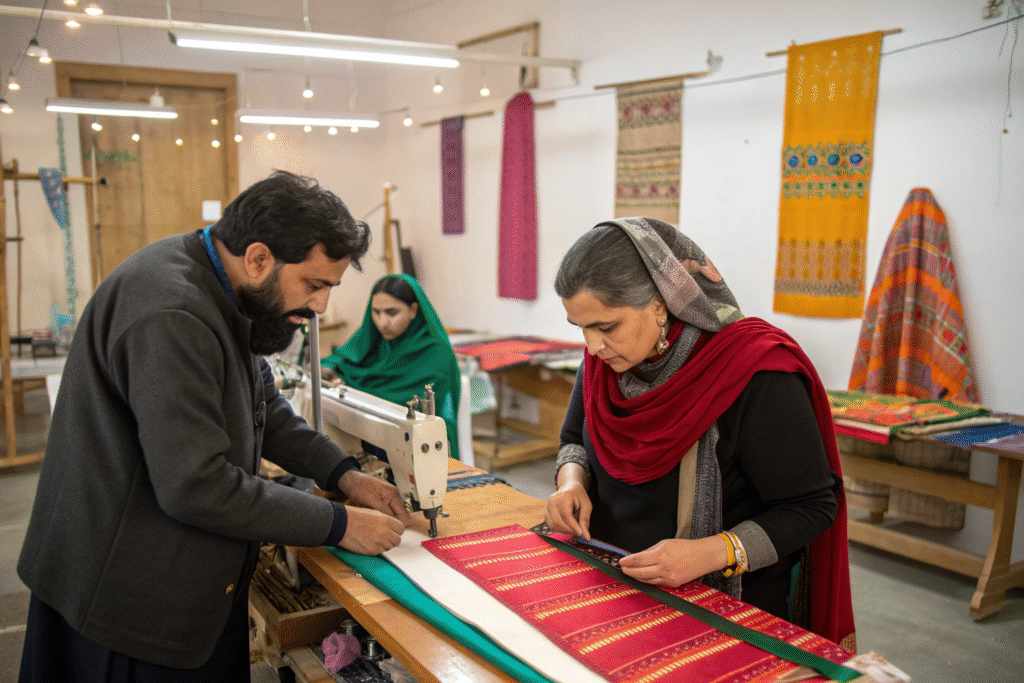
Cultural influences shaping 2025 shawl trends include heritage craft revivals, global pattern fusions, and artisan collaborations that celebrate traditional techniques while adapting them for modern aesthetics. These influences create shawls with depth and meaning beyond surface decoration.
Why are artisan collaborations elevating shawl collections?
Artisan collaboration shawls that partner contemporary designers with traditional craft communities are gaining significant market attention for their unique storytelling and preservation of cultural heritage. These partnerships often incorporate techniques like Japanese shibori, Peruvian weaving, or Indian block printing into modern silhouettes and colorways. The resulting pieces appeal to consumers seeking authenticity and ethical production stories behind their purchases. For the luxury accessory market, these collaborations offer exclusive, limited-edition pieces that cannot be mass-produced, creating value through craftsmanship and cultural significance rather than brand name alone.
How are global traditional patterns being reinterpreted?
Reinterpreted traditional patterns from various cultures are appearing in contemporary shawl collections through color updates, scale modifications, and pattern mixing that respects cultural origins while making them accessible to global audiences. Designers are carefully navigating cultural appreciation versus appropriation by collaborating directly with cultural experts and clearly communicating inspiration sources. The most successful reinterpretations maintain the spirit and craftsmanship of traditional patterns while adapting them for modern wearability—simplifying complex motifs for smaller shawl dimensions or combining patterns from different cultures in respectful, aesthetically coherent ways that celebrate global textile traditions.
Conclusion
The most popular shawls in 2025 reflect a sophisticated blend of sustainability, functionality, and cultural authenticity that meets contemporary consumer values. From eco-conscious materials and digitally-inspired patterns to innovative designs that adapt to modern lifestyles, these trends demonstrate how traditional accessories evolve to remain relevant. Understanding these developments helps retailers and brands curate collections that resonate with today’s conscious, style-aware consumers.
If you’re looking to source trending shawls that align with 2025 consumer preferences, we invite you to contact our Business Director, Elaine. She can help you develop shawl collections that incorporate these popular elements while meeting your quality and delivery requirements. Reach her at: elaine@fumaoclothing.com.