When a customer buys a bag, a hat, or a piece of apparel, discomfort is a fast track to a return or a negative review. Often, the culprit is a poorly fitting strap—too tight, too loose, digging into the skin, or simply not staying in place. As a manufacturer of accessories like bags, backpacks, hats, and even certain belts, we see firsthand how a simple adjustable strap transforms a product from “okay” to “perfectly mine.” So, why is this feature so critical for comfort? The answer lies in fundamental human diversity and the dynamic nature of how we use our accessories every day.
Adjustable straps are crucial for consumer comfort because they bridge the gap between standardized manufacturing and individualized human bodies. They allow for personalized fit, accommodate different body types and clothing layers, distribute weight effectively to prevent strain, and adapt to various usage scenarios. This simple mechanism is a powerful tool for enhancing user satisfaction, reducing returns, and building brand loyalty. In a market where comfort is king, adjustability is non-negotiable.
Let’s explore the multifaceted reasons behind this importance. We’ll look at how adjustability addresses physical diversity, improves ergonomics, meets situational needs, and ultimately influences purchasing decisions and product longevity.
How Do Adjustable Straps Accommodate Diverse Body Types?
No two bodies are exactly alike. Shoulder width, torso length, chest size, and head circumference vary greatly across any consumer base. A factory produces thousands of units to a single measurement. Without adjustability, this one-size-fits-all approach inevitably becomes one-size-fits-none for a significant portion of your customers. Adjustable straps are the elegant, cost-effective solution to this mass-production challenge.
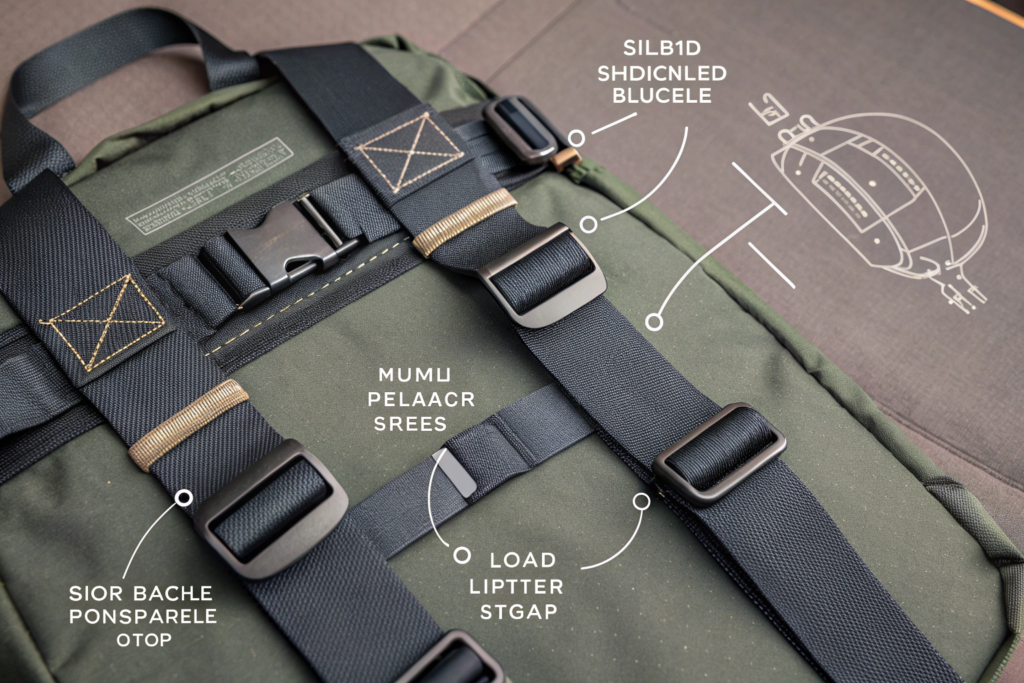
They provide a range of fit, turning a single stock-keeping unit (SKU) into a product that can suit petite, average, and plus-size individuals. For example, a backpack with an adjustable sternum strap and load-lifters can be customized to fit different torso lengths, preventing the bag from sagging or pulling awkwardly. A crossbody bag strap can be lengthened or shortened to hit at the most comfortable and flattering point on the hip or torso. This inclusivity directly expands your market reach and demonstrates that your brand considers all customers.

What Are the Key Ergonomic Benefits of a Customizable Fit?
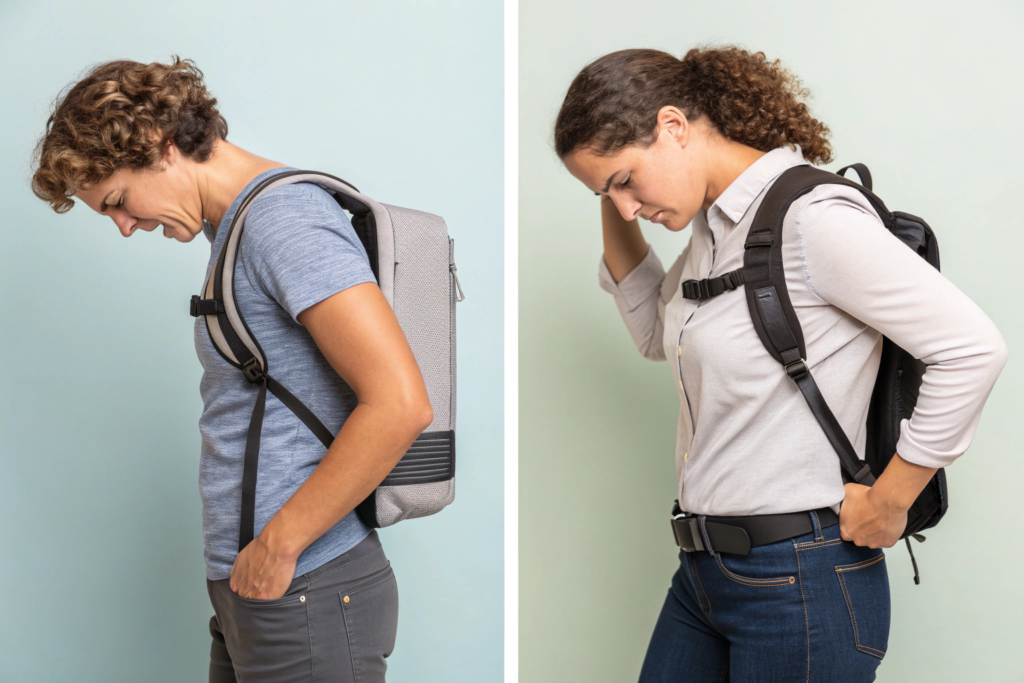
The benefits go beyond simple sizing. Proper adjustability is core to ergonomic design. It allows the user to position the product to optimize weight distribution and minimize pressure points. A well-adjusted backpack strap will sit flush against the contour of the shoulder, with the load centered close to the spine. This prevents nerve compression (like tingling in the arms) and muscle fatigue. For items like tool belts or baby carriers, which carry significant weight, adjustable straps and buckles are essential for safety and comfort, allowing the weight to be transferred to the stronger hip bones rather than the shoulders alone.
How Does Adjustability Enhance Comfort with Changing Clothing?
Comfort is not static; it changes with the seasons and daily life. A bag strap that feels perfect over a thin t-shirt in summer will likely be too short and tight over a bulky winter coat. Adjustable straps provide the flexibility to adapt to these changes effortlessly. Similarly, a hat with an adjustable leather strap or a chin cord can be loosened for a relaxed fit or tightened on a windy day. This adaptability ensures the product remains comfortable and functional year-round, increasing its perceived value and frequency of use. A manufacturer that considers these real-world scenarios, like Shanghai Fumao, designs accessories that truly work for the consumer.
How Do Adjustable Features Improve Product Usability and Function?
A strap that can’t be adjusted often leads to a product that can’t be used optimally. Usability is a direct component of comfort—if something is awkward to carry or wear, it causes frustration and physical strain. Adjustable straps empower the user to configure the product for different activities, carrying modes, and personal preferences, making it more versatile and, therefore, more comfortable to use in a variety of contexts.
This functionality is especially important for multi-purpose items. A tote bag with long, adjustable straps can be worn on the shoulder or as a crossbody, freeing up the user’s hands. A duffel bag’s strap can be adjusted from a hand-carry length to a shoulder-carry length. In children’s products, like school backpacks, adjustability is critical as the child grows throughout the school year. This extends the usable life of the product, which is a key selling point for cost-conscious consumers and a factor in sustainable design.
What Are the Different Types of Adjustment Mechanisms?
The mechanism itself influences ease of use and durability. Common types include:
-
Sliding Buckles (Ladderlock): Common on backpacks and bags for fine-tuning strap length. They are secure and easy to adjust.
-
Side-Release Buckles: Allow for quick detachment and reattachment, useful for sternum straps or detachable bag straps.
-
Hook-and-Loop (Velcro): Offers a wide range of adjustment quickly, often used for hat straps, wristbands, and helmet liners.
-
Pinch Clips / Cord Locks: Used for adjusting elastic cords on hoodies, backpack compression straps, or drawstrings.
-
Metal Slide Buckles: Often found on leather belts and bags, providing a classic and sturdy adjustment.
Choosing the right mechanism for the product’s intended use and price point is a key part of accessory development.
Why is Ease of Adjustment a Key Factor in User Experience?
A strap that is difficult to adjust might as well be non-adjustable. The mechanism must be intuitive and operable with one hand or minimal effort. Stiff webbing, cheap buckles that jam, or complicated threading systems create frustration. A positive user experience involves smooth, reliable adjustment that “just works.” This builds trust in the product’s quality. During quality control, testing the adjustability mechanism hundreds of times to ensure it remains functional is a standard procedure at reputable factories. This attention to detail ensures the comfort feature lasts for the life of the product.
How Does Strap Design Directly Impact Physical Comfort and Health?
Discomfort can escalate into real physical pain. Poorly designed or non-adjustable straps can cause acute pressure points, leading to skin irritation, redness, and numbness. Over time, they can contribute to chronic issues like shoulder strain, neck pain, and poor posture. A well-designed adjustable strap system is, therefore, a preventive health feature, especially for items meant to carry weight or be worn for extended periods.
The design factors include strap width, padding, curvature, and material. A wide, padded strap distributes pressure over a larger surface area. A contoured or S-curved strap sits better on the shoulder, staying in place without sliding off. Adjustability allows the user to fine-tune the tension so that the pad sits optimally. For heavy-duty products like laptop bags or travel backpacks, features like a load-adjusting strap at the top that connects to the shoulder strap is crucial. It pulls the weight closer to the body, aligning the center of gravity and reducing back strain.
What Materials and Construction Enhance Comfort?
Material choice is integral to comfort. Breathable mesh padding prevents sweat buildup. Soft, brushed nylon or suede-backed webbing feels pleasant against the skin, especially on crossbody bag straps. The internal structure of the padding matters too; some use open-cell foam for cushioning that molds to the body. Durability is part of comfort—a strap that stretches, frays, or loses its padding quickly becomes uncomfortable. Sourcing high-quality webbing, robust buckles, and resilient foam is a must for manufacturers committed to comfort, a standard practice at our facility and partners like Shanghai Fumao.
How Can Adjustability Prevent Long-Term Wear and Tear on Both Product and User?
Proper adjustment doesn’t just protect the user; it also protects the product. A bag that hangs too low or swings excessively puts uneven stress on its attachment points (like bar tacks and seams), leading to premature failure. By allowing the user to secure the item snugly and correctly, adjustable straps minimize unnecessary movement and stress. This extends the product’s lifespan. For the user, maintaining good posture and weight distribution through correct adjustment reduces repetitive strain injury risk. It’s a win-win scenario that underscores the importance of this feature from both an engineering and a human factors perspective.
How Do Adjustable Straps Influence Purchasing Decisions and Brand Perception?
In today’s competitive market, features that directly enhance the user experience are powerful sales drivers. Adjustable straps are a tangible, demonstrable benefit that shoppers can immediately understand and appreciate. They are often a deciding factor when comparing similar products, moving from a “nice-to-have” to a “must-have” for many categories, especially in mid-to-high-tier markets.
This feature signals that a brand has put thought into the design. It communicates an understanding that consumers are individuals. This builds a perception of the brand as considerate, inclusive, and focused on quality and functionality. In product listings and marketing, highlighting “fully adjustable straps for a custom fit” directly addresses common customer pain points and can improve conversion rates. For retailers and importers, stocking products with this feature can lead to fewer size-related returns and higher customer satisfaction scores.

What is the Marketing Advantage of Highlighting Adjustability?
Adjustability is an easy feature to market. It can be showcased in photos, videos, and descriptive bullet points. Demonstrations in social media videos (e.g., on TikTok or Instagram Reels) showing how a strap can be quickly adapted for different people or uses are highly effective. In product descriptions, using keywords like “customizable fit,” “one-size-fits-most,” “ergonomic adjustment,” and “universal comfort” improves SEO ranking and resonates with search intent. This clear communication helps manage customer expectations and reduces pre-purchase anxiety about fit.
How Does This Feature Impact Returns and Brand Loyalty?
Fit issues are a leading cause of returns in fashion and accessories. By incorporating adjustable straps, you significantly reduce the likelihood of a return due to “doesn’t fit” or “uncomfortable.” This saves money on reverse logistics and restocking. More importantly, a comfortable product leads to a happy customer. A happy customer is more likely to become a repeat buyer and recommend your brand to others. They leave positive reviews, which further fuels sales. Investing in the design and quality control of adjustable features is an investment in customer retention and brand equity, a philosophy central to how we operate at Shanghai Fumao.
Conclusion
Adjustable straps are far more than a minor design detail; they are a fundamental pillar of consumer comfort, product functionality, and brand success. They solve the core problem of fitting standardized products to diverse individuals, adapt to the dynamic nature of daily life, promote physical well-being through better ergonomics, and serve as a clear marker of thoughtful, user-centric design. For anyone sourcing or manufacturing bags, hats, luggage, or related accessories, prioritizing this feature is a direct strategy to enhance value, reduce returns, and build a loyal customer base.
Ultimately, comfort sells, and adjustability delivers it. If you are looking to develop or source accessories that combine style with genuine, day-long comfort, partnering with a manufacturer that understands the engineering and importance of these features is essential. Let’s work together to create products that your customers will love to wear and use. For a discussion on integrating superior adjustable strap systems into your next accessory line, please contact our Business Director Elaine at: elaine\@fumaoclothing.com.