In today's fast-paced fashion market, a product that can deliver multiple looks from a single purchase has a powerful advantage. The reversible poncho-scarf is not just a new item; it's a new product category that masterfully merges the versatile coverage of a poncho with the adaptable styling potential of a long scarf, offering two distinct design sides. This hybrid design resonates strongly with consumers who prioritize practicality without sacrificing style.
This popularity is driven by a powerful convergence of four key factors: they deliver inherent value through versatility (two-for-one product), align with the growing consumer demand for sustainability, provide functional utility across seasons and occasions, and present a compelling perceived value and storytelling opportunity for retailers. For buyers like Ron who manage large-scale purchasing for apparel lines, these attributes translate into a product with a strong value proposition and reduced risk.
This guide will break down each of these success factors to explain why this item is more than a trend—it's a smart retail investment.
How does dual-purpose versatility drive sales?
At its core, the reversible poncho-scarf is an exercise in maximizing utility. By combining two distinct garment categories, it offers shoppers two looks for the price of one, effectively doubling its wardrobe potential. This is a powerful value proposition in an era where consumers seek to optimize their spending and minimize clutter.
The product leverages the poncho's ease—a single-piece garment that's simple to throw on—and the scarf's limitless adaptability, which can be styled in numerous ways to refresh an outfit. This built-in versatility addresses a key consumer pain point: the desire for newness without constant purchasing. It empowers the wearer to be their own stylist, creating different silhouettes and moods from a single item. For retailers, this means marketing a product that promises extended use and multiple outfit solutions, which is a key message for driving sales.
To understand its retail power, we need to look at how this design solves practical problems for two distinct user needs.
What specific styling options does this hybrid design unlock?
The design unlocks a wide spectrum of looks, appealing to different fashion sensibilities and functional needs:
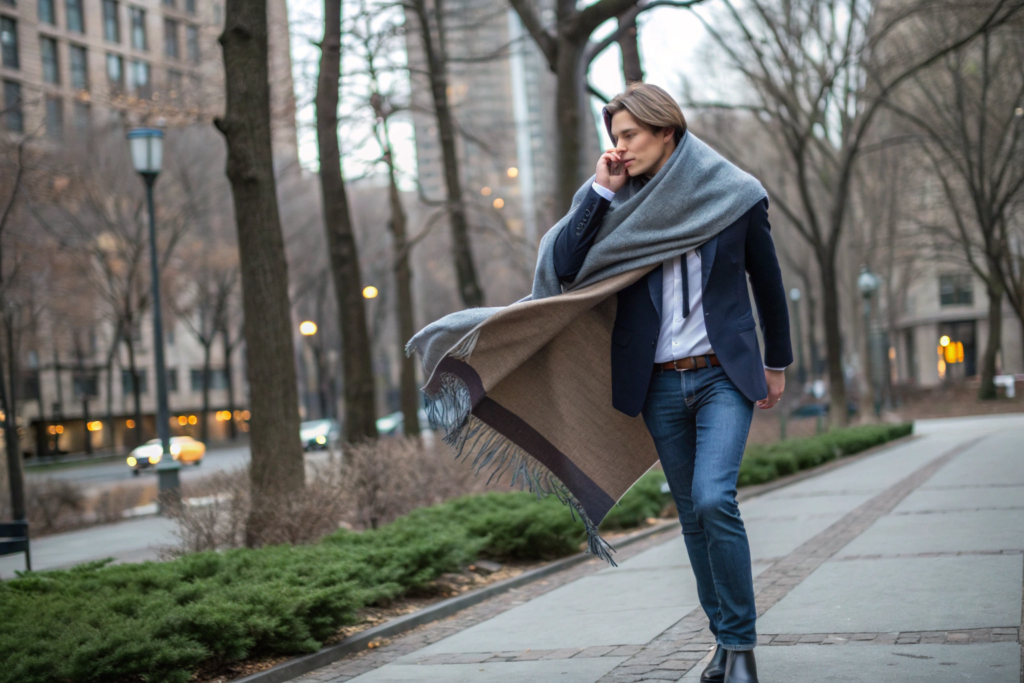
- Poncho Mode: Offers a quick, chic outer layer that is flattering and requires no fastening. It provides more coverage than a standard scarf, making it suitable for cooler weather or as a stylish cover-up.
- Oversized Scarf/Shawl: Draped over the shoulders, it functions as an elegant shawl or wrap, perfect for elevating a simple outfit for dinner or the office.
- Traditional Scarf Styles: It can be worn in all classic scarf ways—loop and dangle, one-shoulder toss, or a cozy infinity loop—providing neck warmth and accessory detailing. This multi-wear capability means the product can be marketed across multiple occasions, from casual daytime wear to more formal evening looks, maximizing its appeal.
Why is an easy-to-wear design crucial for retail success?
Ease of use directly translates to wearability and frequency of use. Unlike complicated garments, a poncho-scarf has minimal barriers to styling. There are no buttons, zippers, or complex ties required for its primary functions. This "throw-on-and-go" appeal is a significant retail driver, as it ensures the product won't end up unused in the back of a closet. For a time-poor consumer, an item that is both stylish and effortless is a winning combination. This simplicity also makes it an excellent gift item, as it requires no knowledge of the recipient's specific size and is easy for anyone to wear and enjoy.
How does this product align with sustainable fashion trends?
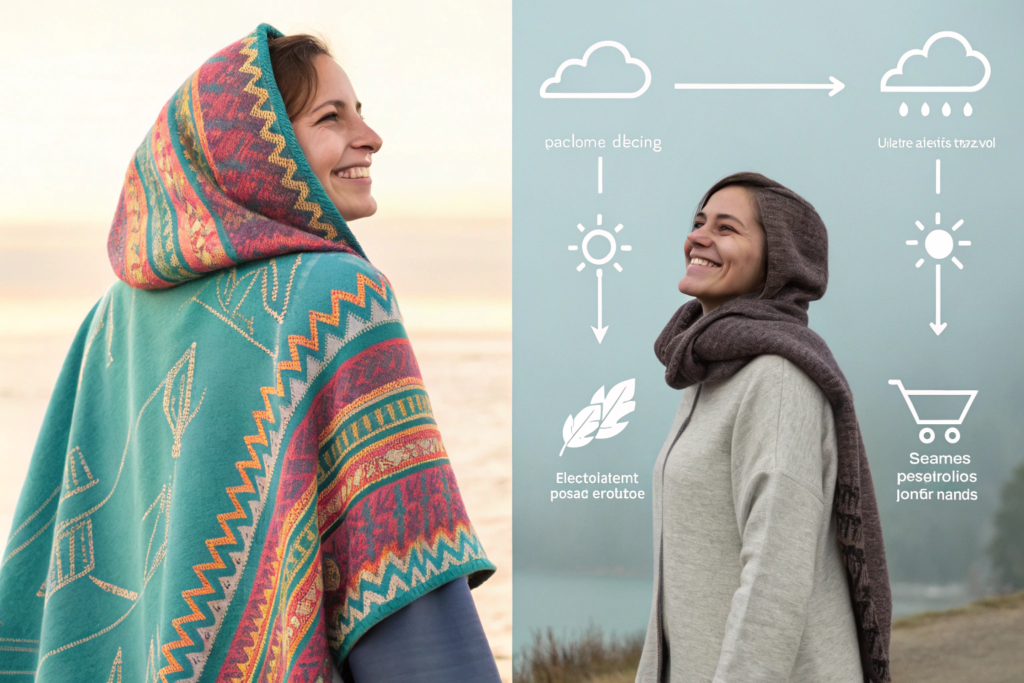
Sustainability is no longer a niche concern but a mainstream purchasing factor. The reversible poncho-scarf is inherently sustainable by design, as it allows consumers to own fewer items without sacrificing variety. This "less is more" philosophy directly counters fast fashion and appeals to environmentally conscious shoppers.
The product's two-in-one nature means that producing and purchasing one item can fulfill the role of two, potentially reducing the overall environmental footprint associated with production, shipping, and consumption. Brands can amplify this message by using recycled materials, such as recycled polyester, in construction, which further enhances the product's green credentials. Marketing this aspect effectively can attract a growing segment of consumers who make purchasing decisions based on a brand's environmental impact.
Sustainability in fashion is communicated through both material choices and the product's lifecycle story. This item excels on both fronts.
Can using recycled materials be a cost-effective selling point?
Yes, absolutely. While sourcing recycled fabrics like polyester or nylon may have a specific cost structure, it creates a powerful unique selling proposition (USP). For retailers and brands, this allows them to:
- Command a Premium: Consumers are often willing to pay more for products that align with their values.
- Build Brand Equity: It positions the brand as forward-thinking and responsible.
- Future-Proof the Supply Chain: As regulations and consumer demand for sustainable goods increase, having expertise in these materials is advantageous. Communicating this story on tags and in marketing adds tangible value to the product.
How does the "two-in-one" concept reduce fashion waste?
The "two-in-one" concept is a direct attack on overconsumption. By offering built-in variety, it satisfies the desire for novelty, which is a primary driver of frequent purchases in fast fashion. When a customer buys a reversible poncho-scarf, they are effectively removing the need to buy a separate scarf and a separate cover-up. This not only saves the consumer money but also reduces the demand for raw materials, energy, and water used in producing multiple items. From a retail perspective, this positions the product as a considered purchase—a high-utility item that shoppers will keep and use for longer, fostering brand loyalty and reducing return rates.
What functional benefits support year-round sales?
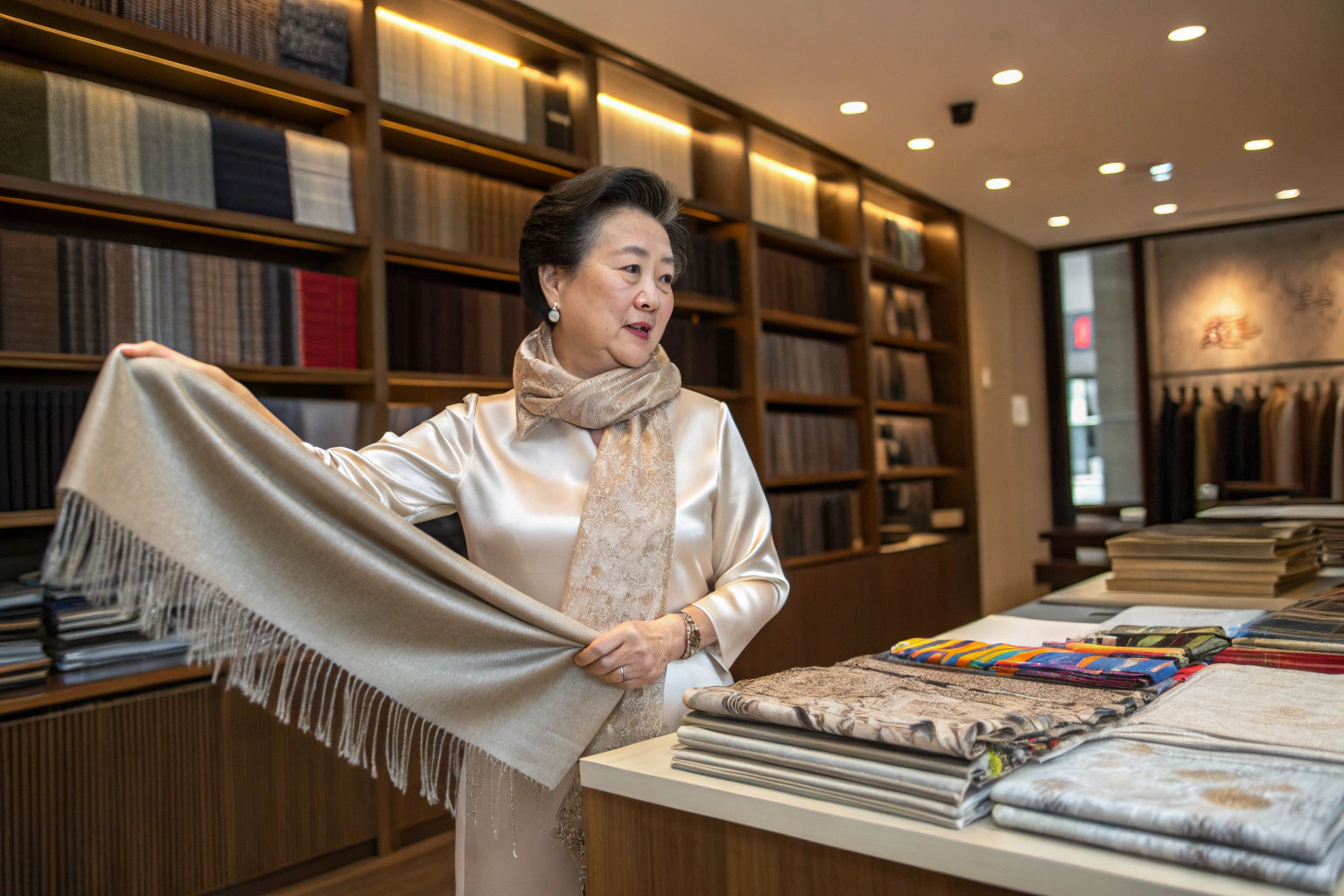
A key to becoming a retail staple is transcending seasonal limitations. The reversible poncho-scarf is uniquely positioned for year-round relevance due to its adaptable functionality. It can serve as a lightweight layer during breezy summer evenings, a stylish complement to autumn outfits, and a cozy extra layer in winter.
Its functionality extends beyond just temperature regulation. It acts as a versatile problem-solver for a variety of situations: a cover-up for air-conditioned offices, an elegant shawl for dressy events, a compact travel blanket, or a modest layer. This wide range of uses ensures the product has a long life in the consumer's wardrobe and remains top-of-mind, supporting continuous sell-through rather than being a one-season wonder.
The product's success hinges on its ability to meet diverse lifestyle needs. Two major functional advantages stand out.
How does it serve as a travel and layering essential?
For the modern traveler, packing light is paramount. A reversible poncho-scarf is the ultimate travel accessory:
- Space-Saving: It replaces multiple items (a scarf, a shawl, a light blanket).
- Style Transformer: The two sides allow for outfit changes without additional pieces.
- Practical Utility: It provides warmth on planes, can be used as a picnic blanket, or dress up a simple outfit for dinner. This makes it an attractive item for retailers to market in travel-focused campaigns or alongside luggage.
Why is weather and occasion adaptability key for inventory planning?
For buyers like Ron, a product that sells across multiple seasons de-risks inventory investment. The poncho-scarf's adaptability means it's not confined to a Fall/Winter buy. It can be made in:
- Lightweight Fabrics (cotton, silk, linen blends) for Spring/Summer.
- Medium-Weight Fabrics (wool, cashmere, acrylic blends) for Fall.
- The same styling versatility applies regardless of weight. This allows retailers to carry the product category year-round, simply rotating fabrications, which simplifies supply chain planning and maximizes shelf-life.
How can retailers maximize value and tell a compelling story?
Beyond the physical product, its success in retail hinges on effective communication of its value and narrative. The reversible poncho-scarf offers a natural storytelling hook that can be leveraged in marketing to create an emotional connection and justify its price point.
The "two-in-one" feature itself is a simple, powerful story of smart design and enhanced value. Retailers can amplify this by using the "minimal narrative" technique: subtly highlighting the product's transformation or dual nature (e.g., "From urban shawl to weekend poncho") and letting the customer imagine the possibilities. This approach engages the consumer's own creativity, making the product feel more personal and special. Furthermore, if made with recycled materials, the product has a second story about its origin and positive environmental impact, which can be a significant differentiator.
Translating product features into retail success requires strategic merchandising and clear communication.
What merchandising strategies highlight its versatility?
Effective in-store and online merchandising is crucial:
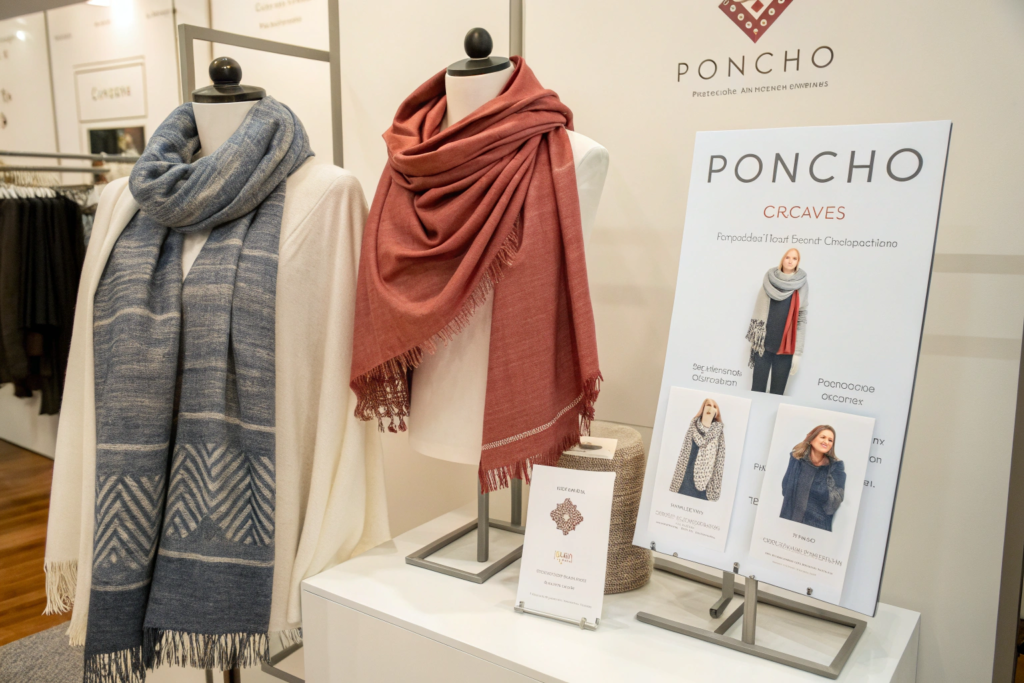
- Demonstrate, Don't Just Display: Use mannequins or imagery to show the product in at least two different styles (e.g., one as a poncho, one as a scarf).
- Create "Ways to Wear" Guides: Simple pictorial guides attached to the display or integrated into online product pages can inspire customers and reduce perceived styling difficulty.
- Cross-Merchandise: Place it in multiple departments—with outerwear, with accessories, and in travel sections—to capture different shopping missions.
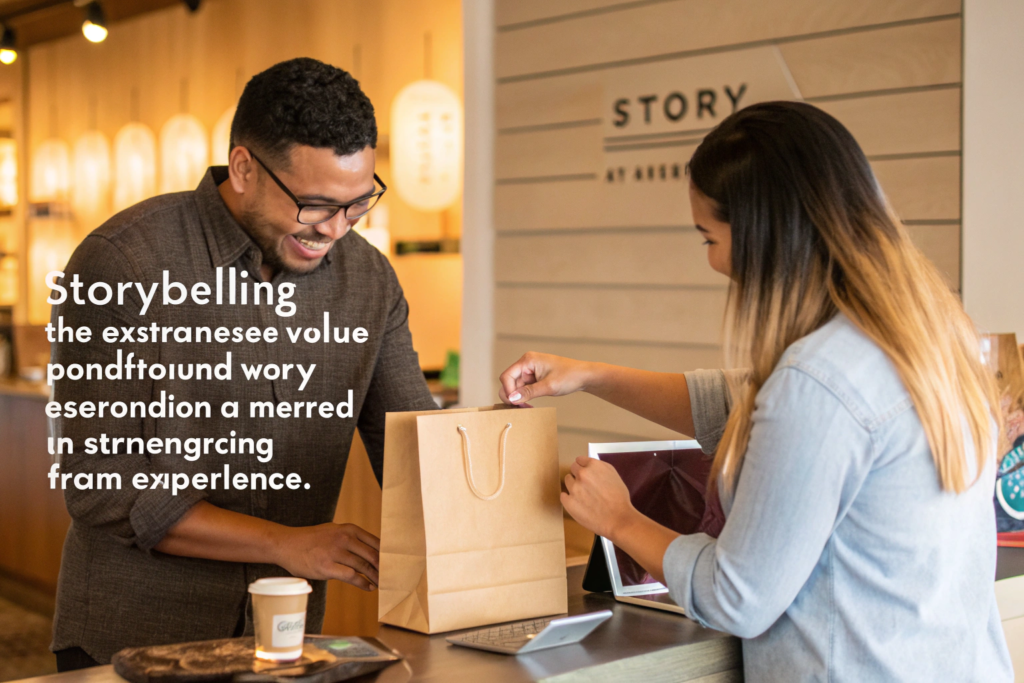
How does storytelling increase perceived value and brand connection?
A product with a story is more memorable and defensible against cheaper competitors. For the poncho-scarf, the story can be multi-layered:
- The Design Story: Focus on the ingenuity of the reversible, multi-wear design.
- The Material Story: If applicable, tell the story of the recycled materials, giving the product a "second life" narrative that resonates with values-driven consumers.
- The Lifestyle Story: Showcase it being used in various real-life scenarios (travel, work, weekends). This storytelling creates a higher perceived value, transforms the item from a commodity into a experience, and fosters a stronger emotional connection between the consumer and the brand.
Conclusion
The reversible poncho-scarf's status as a retail favorite is no accident. It is the result of a product that perfectly aligns with contemporary consumer desires: it delivers exceptional versatility and value, supports sustainable consumption habits, provides year-round functional utility, and carries a compelling narrative that enhances its perceived worth. For retailers and buyers, this translates to a product with broad appeal, reduced seasonal risk, strong margin potential, and multiple angles for effective marketing.
For a manufacturer like Shanghai Fumao Clothing, this product category represents a significant opportunity. Our expertise in scarves, wraps, and quality accessory manufacturing positions us perfectly to develop standout reversible poncho-scarves for your brand. We can guide you on material selection (including sustainable options), design for optimal reversibility, and ensure production quality that brings your vision to life. To discuss developing a best-selling reversible poncho-scarf line for your retail shelves, please contact our Business Director, Elaine, at elaine@fumaoclothing.com.