For students, a backpack is more than just a bag—it’s a daily companion that carries not only textbooks and laptops but also their personal identity and security needs. The rise of leather backpacks with integrated anti-theft features marks a significant shift in this essential accessory. They successfully bridge the gap by offering the sophisticated, timeless aesthetic of leather that appeals to student style, while incorporating discreet, intelligent security designs that address the practical concerns of campus and urban life.
This balance is achieved through three key design philosophies: integrating security seamlessly into the backpack’s form, selecting materials that offer both durability and a premium look, and organizing interiors to support a student’s dynamic lifestyle without compromising on style. The growing market for multi-functional anti-theft luggage products, which includes backpacks as a major category, underscores this trend driven by consumer demand for items that are both practical and expressive.
How are anti-theft features being integrated without sacrificing aesthetics?
The most successful designs treat security not as an add-on but as a core, invisible component of the backpack’s architecture. The goal is to create a bag that looks clean and stylish while deterring theft through clever design, not obvious locks.
This is done by moving security features from the outside in. Instead of bulky padlocks, modern leather backpacks use hidden zippers, discreet locking mechanisms, and strategic compartment placement. For example, a main zipper can be designed to run along the back panel (against the wearer’s body), making it inaccessible to others. Another method is to use RFID-blocking material woven into designated pockets, protecting credit cards and passports from electronic skimming without any visual cue. This invisible integration ensures the backpack’s elegant leather exterior remains the focal point.
The innovation in security mechanisms can be broadly categorized into two approaches: passive defensive designs and active locking technologies.
What are the key passive defensive design elements?
Passive defense relies on design choices that naturally deter opportunists:
- Hidden & Rear-Facing Zippers: Positioning the primary access zipper against the wearer’s back is a classic and effective tactic . Some designs extend this with a long protective flap that covers the entire zipper track, adding a second layer of visual and physical obstruction.
- Strategic Compartment Layout: Placing quick-access pockets on the front or sides, but reserving the most secure, lockable compartments for the main storage area against the back. This often involves multiple independent compartments so a breach of one doesn’t compromise all belongings.
- Cut-Resistant Materials: While maintaining a leather exterior, some brands integrate slash-resistant fabric panels or wire meshes in high-risk areas like the back and straps, a feature mentioned in designs for rugged backpacks.
What active locking technologies are used in modern designs?
Active technologies add a deliberate layer of security that the user controls:
- Anti-Theft Zippers & Auto-Locks: Specialized zippers, like YKK anti-theft models, have lugs that interlock, making them resistant to being pried apart with a pen or knife . More advanced systems feature automatic locking zippers where the pullers magnetically or mechanically lock when brought together, requiring a specific action to release.
- Integrated Cable Locks: Some leather backpacks for professionals and students include a built-in, retractable steel cable that can be looped around a fixed object (like a chair or table leg) and locked to the bag itself.
- Combination Locks: Dediated combination locks for zippers or clasps offer a traditional but effective security layer, often paired with leather pulls for a cohesive look.
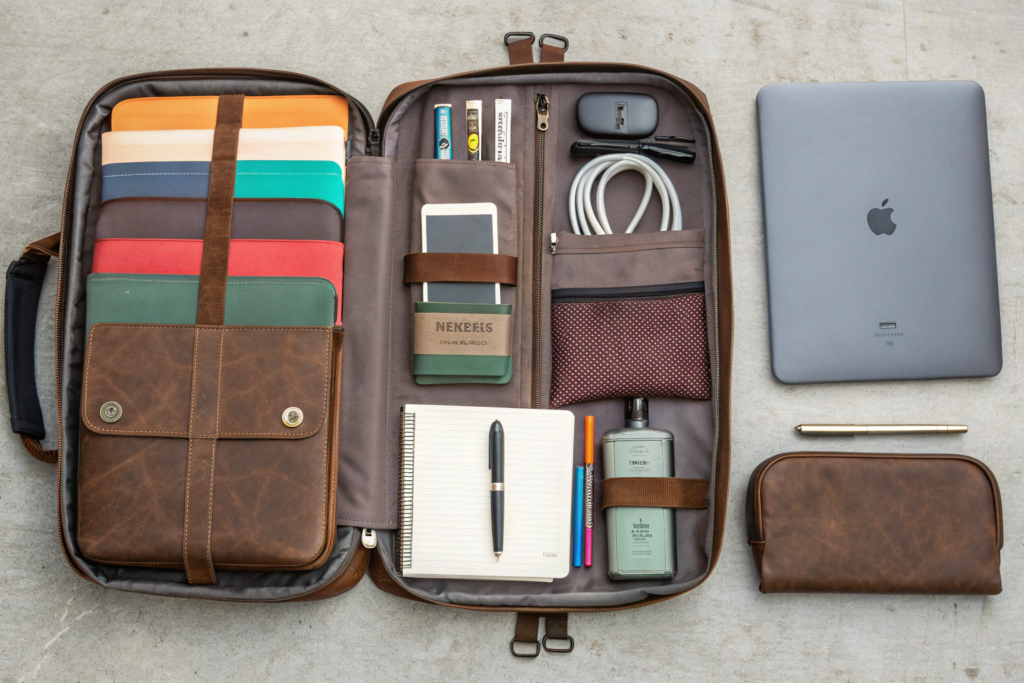
How do material and construction choices achieve this balance?
The choice of leather as the primary material is fundamental to this balance. It provides an inherent premium aesthetic that synthetic materials struggle to match, while also offering durability. However, the construction must support a student’s active life.
Full-grain or top-grain leather is often chosen for its robust nature and its ability to develop a unique patina over time, adding to its personalized style. The construction focuses on reinforced stitching at stress points, padded and adjustable shoulder straps for comfort under load, and protective lining for electronics. A high-quality leather backpack designed for students will feel substantial and durable, communicating value and resilience—key attributes that students and young professionals seek in their gear.
The harmony of style and function is meticulously engineered through two critical aspects: the leather processing and the supporting structural components.
Why is leather processing and quality pivotal for a student backpack?
The type of leather treatment directly impacts longevity, maintenance, and daily experience:
- Tumbled & Full-Grain Leather: Processes like tumbling increase the leather’s softness and scuff-resistance, making it more forgiving for daily use. Full-grain leather, while premium, is durable and ages gracefully with proper care, which involves specific cleaning with neutral wax-based products.
- Weight and Finish: A student backpack cannot be overly heavy. Manufacturers select leather that is substantial yet manageable, often pairing it with lightweight technical fabrics for the interior and non-stress panels. Finishes range from glossy to matte, allowing students to choose based on their personal style—from professional to casual.
What role do the internal organization and structural features play?
The interior is where pure function meets the organized mind:
- Dedicated Tech Protection: Padded, suspended laptop compartments (often for up to 15.6" devices) and separate tablet sleeves are standard, with some featuring shock-absorbing materials to protect against bumps and drops.
- Ergonomic Carry Systems: This includes padded, breathable back panels to reduce sweat and load-adjusting straps that help distribute weight evenly, a critical feature for students carrying heavy loads.
- Thoughtful Student-Centric Pockets: Design goes beyond basic dividers to include features like a glasses holder with soft lining, a power bank pocket with a pass-through for a charging cable, and easy-access side pockets for water bottles. This organization reduces clutter and makes items easy to find, enhancing daily functionality.

What design trends make these backpacks appealing to the student lifestyle?
Today’s student values versatility, individuality, and a product that can transition seamlessly from a lecture hall to a casual social setting. Leather anti-theft backpacks cater to this by moving beyond utilitarian design to embrace trends that resonate with personal identity.
The overarching trend is minimalist functionality with customizable touches. Students are drawn to clean lines, muted or versatile color palettes (like black, brown, navy, or olive), and designs that avoid overly tactical or geeky looks. The anti-theft features become a savvy, almost insider detail that speaks to their intelligence and awareness, rather than a source of visual noise. This aligns with a broader industry shift where luggage is seen as a fashion accessory and identity symbol, not just a utilitarian container.
This appeal is driven by two major intersecting trends: the demand for smart, connected features and the desire for personalized expression.
How are ‘smart’ features and connectivity being incorporated?
While full "smart backpacks" with integrated trackers and electronics face scrutiny in some educational settings for being distracting , pragmatic tech features are highly valued:
- Subtle Tech Integration: This includes dedicated USB charging ports (connected to an internal power bank) and pockets designed for easy cable management. Features like a flashlight attachment loop or a Smart Tracker pocket (for an Apple AirTag or Tile) add discreet utility.
- Focus on Practical Tech Security: Instead of gimmicky locks, the emphasis is on RFID protection for cards and passports, which is a silent, always-on security feature relevant for students using transit cards, campus IDs, or traveling.
What styling and personalization options resonate with students?
Personalization allows the backpack to become an extension of the student’s self:
- Modularity and Customization: Some brands offer complimentary customizable monogram tags or patches, allowing for a unique personal touch without altering the bag’s core design.
- Style Versatility: The design language of these backpacks often bridges categories. They are not purely "business" nor "sport." This versatility means they can be paired with a wide range of outfits, from smart-casual to streetwear, making them a cost-effective and stylish single-bag solution for diverse aspects of student life.
- Color and Detail Choices: Manufacturers offer colors that are both stylish and practical. Earth tones, deep blues, and classic black are popular for their ability to hide wear and match various styles. Details like metal hardware finishings (e.g., gunmetal vs. brass) and the texture of the leather provide further avenues for personal expression.

Can a Backpack Really Be Both Fashion-Forward and Secure Enough for Campus Life?
Absolutely—and that’s exactly what today’s students demand. Gone are the days when “anti-theft” meant bulky, utilitarian designs that screamed “tourist,” with clunky zippers, heavy-duty padding that made every step feel like dragging a suitcase, and muted, unflattering colors that clashed with campus fashion. Today’s students crave security without sacrificing style, functionality without compromising on aesthetics.
Are Anti-Theft Features Actually Effective, or Just Marketing Hype?
It depends on the execution—but many features do deliver real protection. Hidden rear compartments keep phones and passports out of pickpockets’ reach. Lockable zippers deter opportunistic thieves in subway stations or lecture halls.
Why Choose Leather Over Cheaper Synthetic Alternatives for Student Use?
Isn’t leather too expensive or high-maintenance for daily student wear? Not necessarily. While synthetic backpacks may cost less upfront, genuine leather ages beautifully—developing a unique patina rather than peeling or cracking after a semester of use.

Conclusion
Leather backpacks with anti-theft features successfully balance style and function for students by mastering the art of invisible integration. They embed security—through hidden zippers, RFID blocking, and intelligent compartmentalization—into the very fabric of a stylish, leather-based design. This is coupled with student-centric functionality like robust tech protection, ergonomic carry systems, and thoughtful organization. Ultimately, they cater to the modern student’s desire for a versatile, identity-reflecting accessory that offers peace of mind without compromising on aesthetics, proving that in today’s market, security and style are not mutually exclusive but essential components of a thoughtful design.
For students and young professionals, the choice of such a backpack is a statement of practicality and taste. It represents an investment in a daily tool that protects their valuables, supports their active lifestyle, and complements their personal style, making it a defining accessory for their academic and personal journey.
Looking for a manufacturing partner to develop a line of stylish and secure leather backpacks for the student market? At Shanghai Fumao Clothing, our design and production expertise can help you create products that perfectly capture this balance. Contact our Business Director, Elaine, at elaine@fumaoclothing.com to discuss your next project.