Are you concerned about changing consumer preferences, sustainability demands, or technological disruptions in the shawl manufacturing industry? Traditional shawl businesses face unprecedented challenges from fast fashion, e-commerce transformation, and shifting consumer values that require fundamental adaptation for future survival and growth.
The future prospect for shawl manufacturers points toward smart customization, sustainable production, technological integration, and experiential branding that transforms shawls from simple accessories into meaningful, personalized fashion statements with authentic stories and ethical credentials.This evolution requires manufacturers to embrace digital transformation while preserving craftsmanship, creating new market opportunities for those who successfully balance tradition with innovation.
Let's dive into the main trends, technologies, and strategies shaping the future of shawl manufacturing, and see how forward-thinking makers can set themselves up for success in the next ten years.
What is the trend in the global and Chinese market size?
The global women's shawl market was about $450 million in 2023 and will grow at a CAGR of 4.5% from 2024 to 2032. The pashmina shawl market will grow at a CAGR of 7.8% from 2025 to 2033, rising from $415.7 million in 2025 to $765.2 million in 2033.
China's shawl market will achieve structural growth from 2025 to 2030, with the market scale increasing from 7.83 billion yuan to 12.65 billion yuan and a CAGR of 10.1%. By 2030, China's contribution to the global market will rise to 42%.According to the 2025-2030 Shawl Industry Project Research and Market Prospects Forecast Evaluation Report.
How to expand the global shawl market size?
The global shawl market is in an upward trend. Data shows that the global shawl market size reached 993 million yuan in 2024, and it is expected to climb to 1.36 billion yuan by 2030, with a compound annual growth rate of 5.38%. Specifically, the global women's shawl market is also progressing steadily, with an expected CAGR of 4.5% from 2024 to 2032. Such growth momentum provides a broad market space for manufacturers.
What are the differences in regional demand?
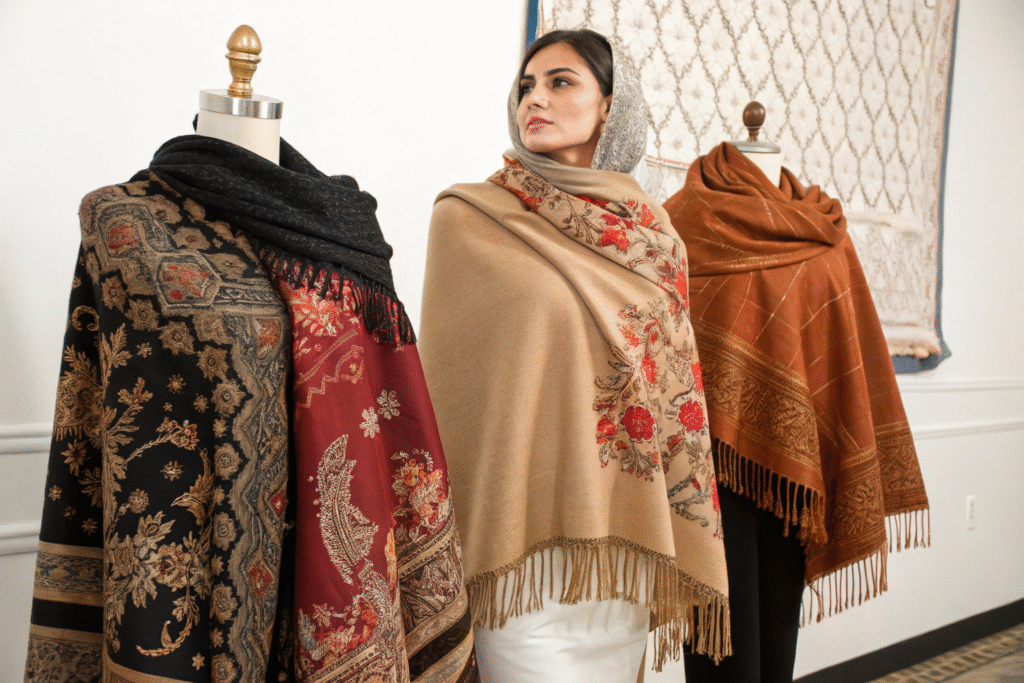
Different regions have distinct preferences for shawls, enabling manufacturers to target their operations. For example, cold regions including Canada, Europe, and the United States take shawls as daily necessities, requiring products that balance warmth and style. The Middle East market pursues high-end and exclusive products, with a strong preference for top-tier shawls such as authentic Kashmiri hand-woven styles. The Asia-Pacific region, as a major manufacturing hub, focuses on mass-produced shawls for export, while Europe and North America have a large demand for high-end designer shawls.
What are the core drivers of growth?
The global scarves and shawls market is projected to grow at a 7.8% CAGR, reaching USD 37.02 billion by 2030, with silk and pashmina segments also seeing consistent upward trends.Diversified demand triggers: Fashion trend integration (e.g., bohemian, ethnic styles), seasonal adaptability (lightweight summer pieces to luxurious winter wraps), and gender-neutral fashion broaden consumer reach.
Asia-Pacific leads in production and consumption, while the Middle East (luxury demand) and Latin America (emerging premium interest) are fast-growing regions. North America and Europe remain steady markets for both functional and stylish designs.
How to Shape the Key Trends of the Future?
Consumers increasingly prioritize eco-friendly materials like organic cotton, recycled fibers, and upcycled wool-pashmina blends. Ethical sourcing and transparent supply chains are no longer optional but essential for brand reputation.Customization and personalization: Private labels, event-specific designs (e.g., wedding shawls), and personalized patterns are becoming key differentiators to build customer loyalty.Online retail platforms and social media influence (via influencers and designer collaborations) are expanding market access, especially for luxury and artisanal products like handwoven Kashmiri shawls.
How to Address solve critical challenges?
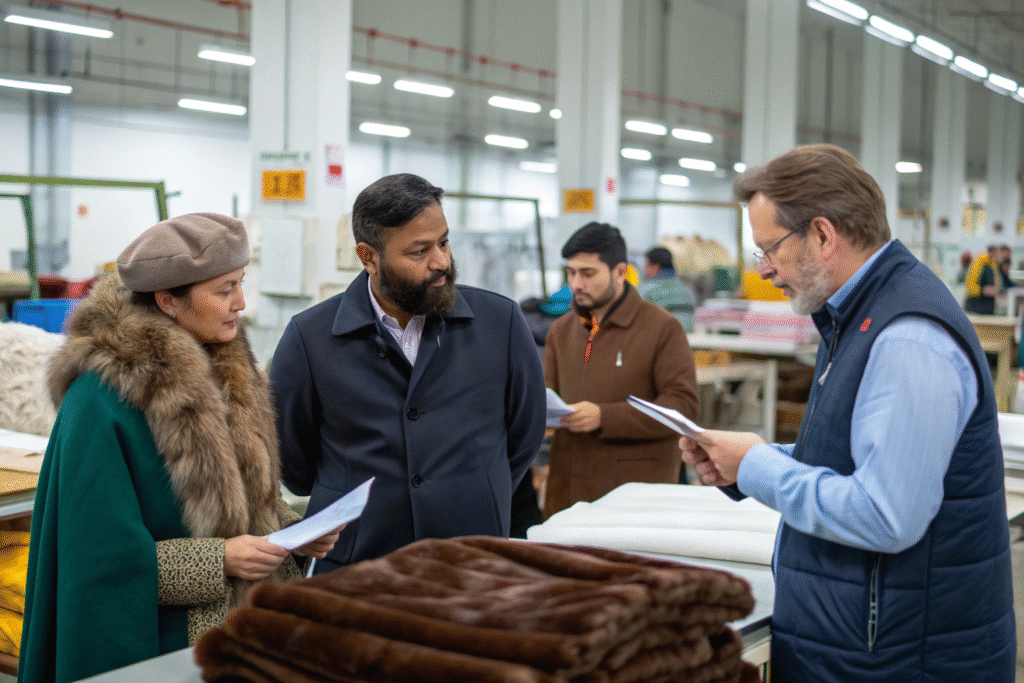
Manufacturers can reduce reliance on a single source by cooperating with multiple raw material suppliers both domestically and internationally. For instance, for fur shawls highly dependent on Nordic supplies, they can explore alternative material sources or partner with local breeding bases that meet national standards to mitigate the impact of geopolitical risks and rising breeding costs. Meanwhile, signing long-term procurement contracts with core suppliers can lock in prices and stabilize cost expectations.
How will consumer preferences evolve for shawls?
Understanding future consumer behavior is crucial for manufacturers planning product development and marketing strategies. Shawls occupy a unique position between fashion accessories, practical garments, and cultural artifacts that will evolve with changing lifestyles and values.
Consumer preferences for shawls will evolve toward multifunctional designs, wellness integration, cultural authenticity, and emotional connection that reflect broader societal shifts toward purposeful consumption and individual expression through fashion choices.
What functionality will future consumers demand?
Performance-enhanced and adaptable designs will meet evolving consumer needs for versatility and practicality. Our research indicates growing demand for temperature-regulating shawls that provide warmth in cool conditions while remaining comfortable indoors. We're developing multi-way shawls with strategic fastening systems that transform from neckwear to shoulder wraps, head coverings, or even lightweight blankets. The most significant opportunity lies in wellness-integrated shawls featuring subtle aromatherapy pockets, acupressure textures, or embedded technology for posture support. These functional enhancements position shawls as practical solutions rather than decorative accessories, expanding usage occasions and justifying investment purchases in consumer minds.
How will cultural influences shape shawl designs?
Authentic cultural appreciation rather than appropriation will define successful ethnic-inspired collections. Future consumers will increasingly value genuine craftsmanship and cultural respect over superficial pattern borrowing. We're building direct artisan partnerships that fairly compensate traditional weavers and embroiderers while preserving cultural techniques. Our storytelling packaging explains the cultural significance of patterns and symbols, educating consumers while demonstrating respect. For our upcoming global craftsmanship collection, we're collaborating with indigenous communities to create contemporary interpretations of traditional designs that maintain cultural integrity while appealing to modern aesthetics. This approach builds brand authenticity that resonates with culturally conscious consumers while creating positive social impact.

What business models will succeed in future shawl manufacturing?
Traditional wholesale and retail models face disruption from direct-to-consumer platforms, subscription services, and experiential commerce that redefine manufacturer-customer relationships. Shawl manufacturers must adapt their business approaches to capture value in this evolving landscape.
Successful future business models for shawl manufacturing will include direct-to-consumer customization platforms, subscription services, rental systems, and community-driven production that create recurring revenue while building brand loyalty and customer engagement beyond transactional relationships.
How will customization platforms transform shawl retail?
Configure-to-order manufacturing and digital storefronts will enable profitable small-batch production at scale. We're developing a digital customization platform that allows customers to design their shawls using curated material libraries and pattern options while seeing real-time pricing and production timelines. This approach reduces inventory risk by manufacturing only what sells while creating unique products that command 40-60% price premiums over standard designs. The platform integrates with our social media channels, enabling customers to share their creations and solicit feedback during the design process. This social validation significantly increases conversion rates while providing valuable market research about emerging preferences before committing to large production runs.
What subscription and service models show promise?
Shawl rental and refreshment services address growing consumer interest in access over ownership. We're piloting a seasonal shawl subscription that delivers curated pieces aligned with weather changes and fashion trends, then rotates them quarterly. Another promising model involves shawl repair and revitalization services that extend product lifespan while maintaining customer relationships. Our most innovative approach is a shawl sharing platform where community members exchange pieces for different occasions, creating ongoing engagement while introducing new customers to our products. These service-based models generate recurring revenue while positioning our brand as sustainable and customer-focused, addressing both business and environmental objectives simultaneously.
Conclusion
The future prospect for shawl manufacturers is both challenging and promising, requiring adaptation to sustainability demands, technological integration, evolving consumer preferences, and new business models. Manufacturers who successfully balance craftsmanship preservation with innovation adoption, authentic storytelling with commercial viability, and traditional techniques with emerging technologies will thrive in the coming decades. The shawl of the future will be more than an accessory—it will be a personalized, multifunctional, sustainable companion with authentic stories and emotional resonance that transcends its physical form.
If you're preparing your shawl manufacturing business for future success, we invite you to contact our Business Director, Elaine. She can discuss how our forward-looking manufacturing capabilities and strategic insights can help you navigate the coming transformations. Reach her at: elaine@fumaoclothing.com.