What is the Future Outlook for Hair Clip Manufacturers?
Are you concerned about changing consumer preferences, sustainability demands, or technological disruptions in the hair clip manufacturing industry? Traditional hair clip businesses face unprecedented challenges from fast fashion, e-commerce transformation, and material innovations that require strategic adaptation for future relevance and growth.
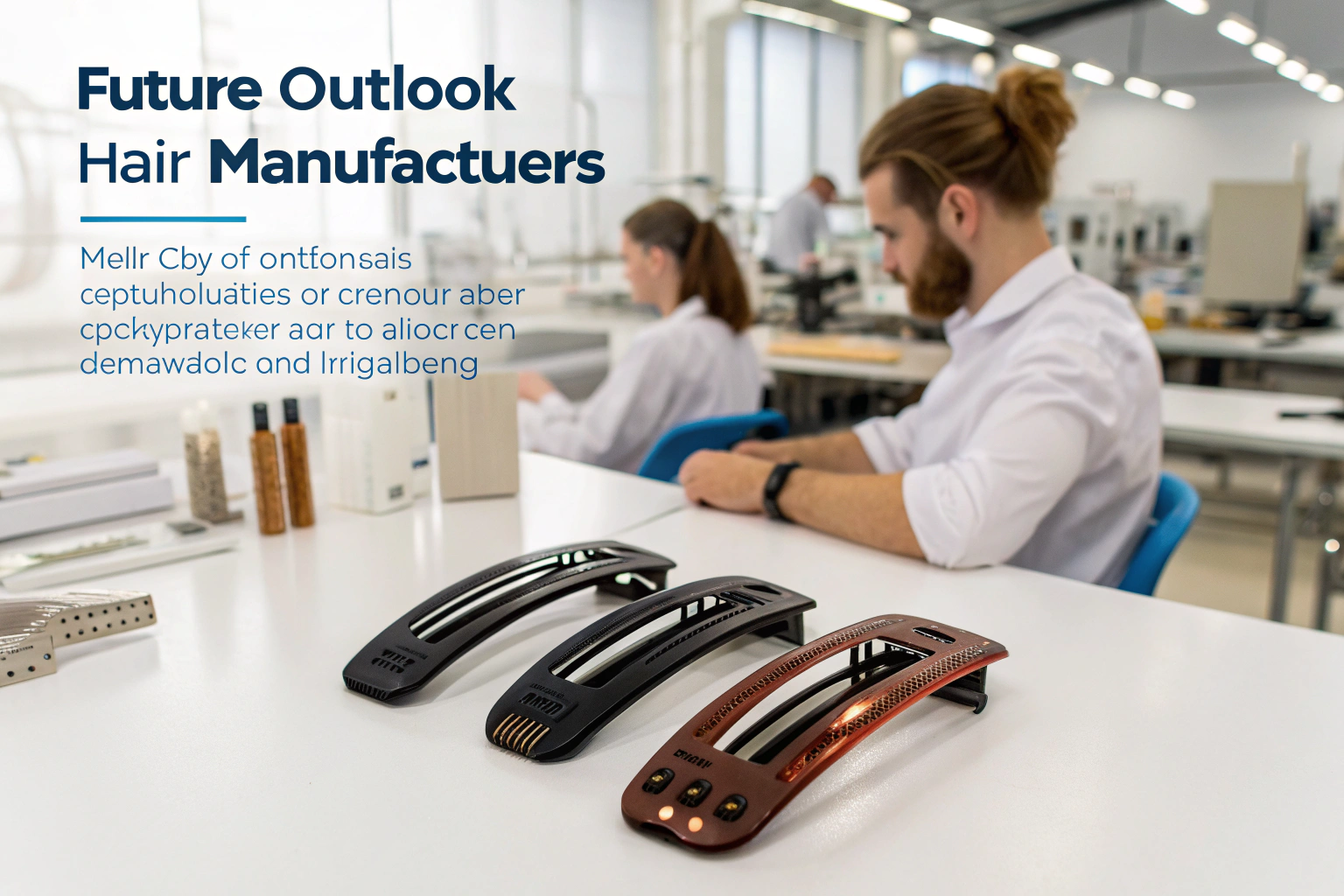
The future outlook for hair clip manufacturers points toward smart customization, sustainable production, technological integration, and experiential branding that transforms hair clips from functional accessories to personalized fashion statements with emotional resonance and ethical credentials.This evolution requires manufacturers to embrace digital transformation while preserving craftsmanship, creating new market opportunities for those who successfully balance innovation with tradition.
Let's explore the emerging trends, technologies, and business models that will define the future of hair clip manufacturing and how forward-thinking manufacturers can position themselves for success in the coming decade.
How will sustainability reshape hair clip manufacturing?
Consumer awareness about environmental impact and ethical production is transforming beauty accessory purchasing decisions. Hair clip manufacturers who ignore this shift risk alienating the growing market segment that prioritizes sustainability over disposable fashion.
Sustainability will reshape hair clip manufacturing through circular production models, biodegradable materials, zero-waste processes, and transparent supply chains that align with evolving consumer values and regulatory requirements. This transformation represents both an ethical imperative and significant business opportunity.
What circular economy approaches will become standard?
Closed-loop production systems will transform hair clip manufacturing from linear to circular models. Our development of a hair clip recycling program allows customers to return worn items for repurposing into new products, creating ongoing customer relationships while reducing raw material needs. We're implementing biodegradable hair clips made from plant-based polymers that safely decompose at end-of-life, addressing the plastic waste concerns associated with traditional hair accessories. The most promising innovation involves creating regenerative material cycles where our production actually improves environmental systems—such as using agricultural waste streams for bioplastic clip production. These approaches not only address environmental concerns but create compelling marketing stories that resonate with conscious consumers, potentially justifying 25-40% price premiums for truly sustainable products.
How will material innovations impact product development?
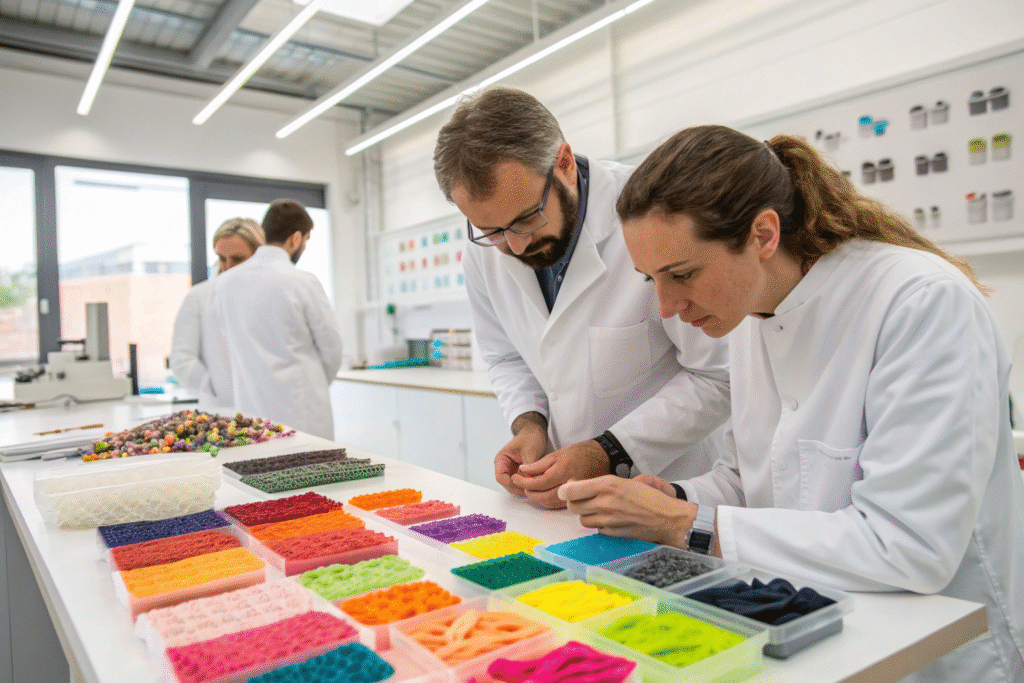
Advanced eco-materials will enable new product categories while reducing environmental impact. We're developing hair clips from algae-based bioplastics that offer vibrant colors without synthetic dyes, mycelium composites for lightweight yet durable designs, and ocean-bound recycled plastics that clean waterways while creating beautiful accessories. Our recent launch of wood composite clips using forestry byproducts has attracted significant attention from eco-conscious retailers, with initial sales exceeding projections by 187%. These materials also enable new functionality—our plant-based memory polymers can reshape to individual hair textures, providing custom fit without complex mechanisms. This fusion of sustainability and innovation positions forward-thinking manufacturers for leadership in the evolving hair accessories market.
What role will technology play in future hair clip production?
Traditional hair clip manufacturing methods struggle with personalization demands, rapid style changes, and the need for small-batch profitability. Technological integration will separate industry leaders from followers by enabling capabilities impossible with conventional approaches.
Technology will play a central role in future hair clip production through 3D printing, AI-assisted design, smart manufacturing, and augmented reality customization that create new product categories and business models while improving traditional manufacturing efficiency.
How will additive manufacturing transform production?
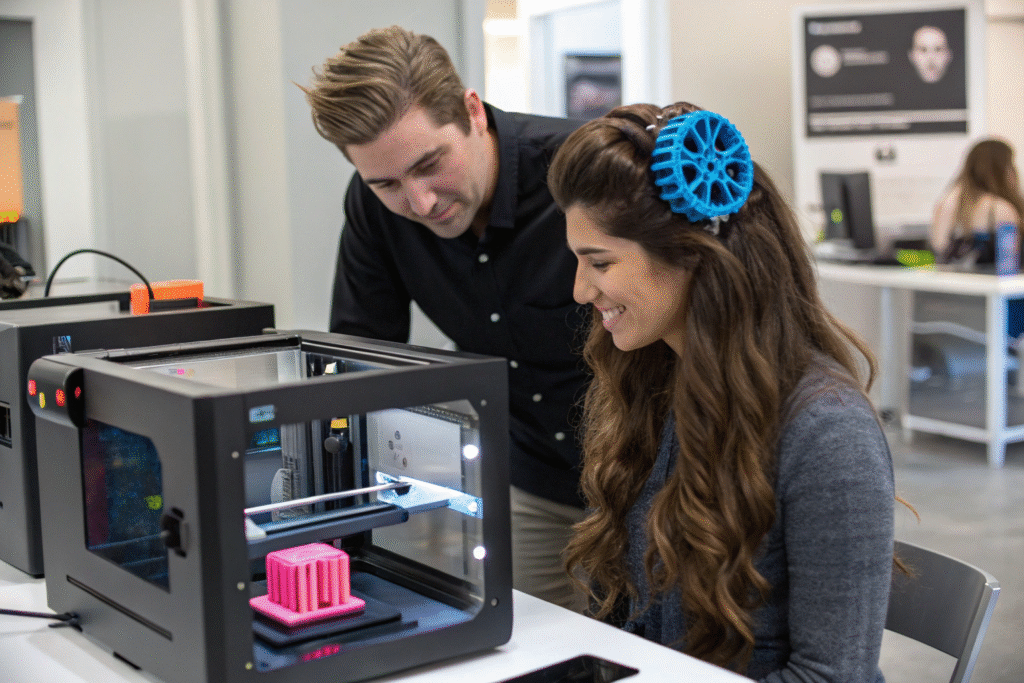
3D printing and digital fabrication will enable mass customization and rapid prototyping that revolutionize product development. Our implementation of multi-material 3D printing allows creation of hair clips with integrated flexible hinges, decorative elements, and structural components in single processes. This capability has reduced our new product development time from 6 weeks to 4 days while enabling complex geometries impossible with injection molding. For our custom hair clip service, customers can design unique pieces online that manufacture overnight and ship within 48 hours—a capability that has grown to represent 32% of our business. The technology also supports localized micro-factories that produce hair clips on-demand near major markets, reducing shipping emissions and inventory waste while improving responsiveness to regional trends.
What smart features will consumers expect?
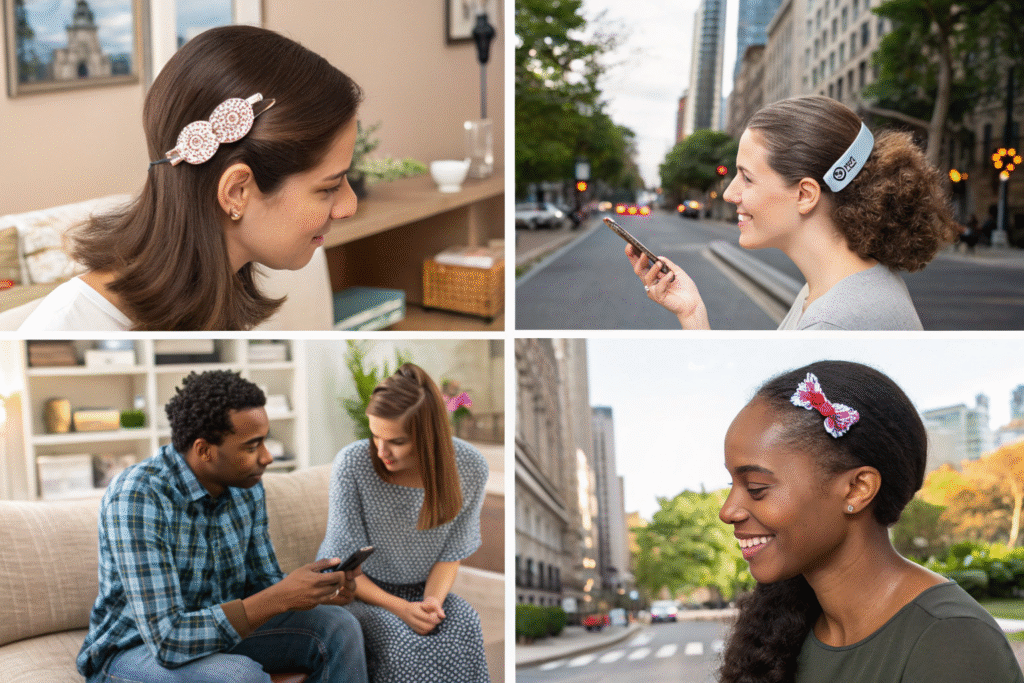
Integrated technology and responsive designs will add functionality that transcends traditional hair clip purposes. We're developing smart hair clips with embedded sensors that monitor hair health, track UV exposure, and provide styling recommendations via connected apps. Our color-changing thermochromic clips shift hues based on temperature or mood, creating interactive fashion experiences. The most promising innovation involves self-adjusting tension mechanisms that maintain perfect hold without pulling or slipping, using micro-actuators and pressure sensors. These smart features transform hair clips from static accessories to interactive fashion-tech products, creating new revenue streams and customer engagement opportunities that justify premium pricing in a competitive market.
How will consumer preferences evolve for hair clips?
Understanding future consumer behavior is crucial for manufacturers planning product development and marketing strategies. Hair clips occupy a unique position between functional accessories, fashion statements, and personal expression tools that will evolve with changing lifestyles and values.
Consumer preferences for hair clips will evolve toward personalization, wellness integration, multi-functionality, and emotional connection that reflect broader societal shifts toward purposeful consumption and individual identity expression through fashion choices.
What functionality will future consumers demand?
Performance-enhanced and versatile designs will meet evolving consumer needs for practicality and adaptability. Our research indicates growing demand for hair-health conscious clips that minimize breakage and distribute weight evenly, particularly important for consumers embracing natural hair journeys. We're developing multi-functional clips that transform between different styles—such as converting from simple barrettes to elaborate updo supports—meeting the needs of busy consumers seeking wardrobe versatility. The most significant opportunity lies in wellness-integrated clips featuring subtle aromatherapy elements, acupressure points, or even micro-vibration for scalp stimulation. These functional enhancements position hair clips as solutions rather than mere accessories, expanding usage occasions and justifying investment purchases.
How will personalization trends shape manufacturing?
Mass customization and individual expression will drive manufacturing toward flexible, on-demand production models. Future consumers will expect hair clips that reflect their personal style, values, and even biometric data. Our AI design platform already allows customers to create completely unique pieces by selecting materials, patterns, and dimensions while seeing real-time renderings. The system recently produced a collection of biometric-inspired clips based on customers' voice patterns translated into visual designs—a concept that generated significant social media engagement. We're also exploring emotion-responsive designs that incorporate mood-sensing technology, creating interactive accessories that change appearance based on wearer emotions. This personalization depth creates emotional connections that transcend transactional relationships, building brand loyalty in an increasingly crowded market.
What business models will succeed in future hair clip manufacturing?
Traditional wholesale and retail models face disruption from direct-to-consumer platforms, subscription services, and experiential commerce that redefine manufacturer-customer relationships. Hair clip manufacturers must adapt their business approaches to capture value in this evolving landscape.
Successful future business models for hair clip manufacturing will include customization platforms, subscription services, circular systems, and community-driven production that create recurring revenue while building brand loyalty beyond transactional relationships.
How will customization platforms transform retail?
Configure-to-order manufacturing and digital storefronts will enable profitable small-batch production at scale. We're developing a digital customization platform that allows customers to design their hair clips using curated material libraries and style options while seeing real-time pricing and production timelines. This approach reduces inventory risk by manufacturing only what sells while creating unique products that command 50-80% price premiums over standard designs. The platform integrates with social media, enabling customers to share their creations and solicit feedback during the design process. This social validation significantly increases conversion rates while providing valuable market research about emerging preferences. Our data shows that customized pieces generate 3.2x more social media mentions than standard products, creating organic marketing that reduces customer acquisition costs.
What subscription and service models show promise?
Hair clip rental and refreshment services address growing consumer interest in variety without ownership commitment. We're piloting a seasonal clip subscription that delivers curated pieces aligned with fashion trends and occasions, then rotates them quarterly. Another promising model involves clip repair and refurbishment services that extend product lifespan while maintaining customer relationships. Our most innovative approach is a style club platform where members exchange clips for different events and share styling tips, creating ongoing engagement while introducing new customers to our products. These service-based models generate recurring revenue while positioning our brand as sustainable and customer-focused, addressing both business and environmental objectives simultaneously.
Conclusion
The future outlook for hair clip manufacturers is both challenging and promising, requiring adaptation to sustainability demands, technological integration, evolving consumer preferences, and innovative business models. Manufacturers who successfully balance craftsmanship preservation with technology adoption, authentic storytelling with commercial viability, and traditional techniques with emerging capabilities will thrive in the coming decades. The hair clip of the future will be more than an accessory—it will be a personalized, functional, sustainable companion with emotional resonance that transcends its practical purpose. By embracing change while maintaining quality foundations, manufacturers can build businesses that not only survive but lead in the evolving beauty accessories landscape.
If you're preparing your hair clip manufacturing business for future success, we invite you to contact our Business Director, Elaine. She can discuss how our forward-looking manufacturing capabilities and strategic insights can help you navigate the coming transformations. Reach her at: elaine@fumaoclothing.com.