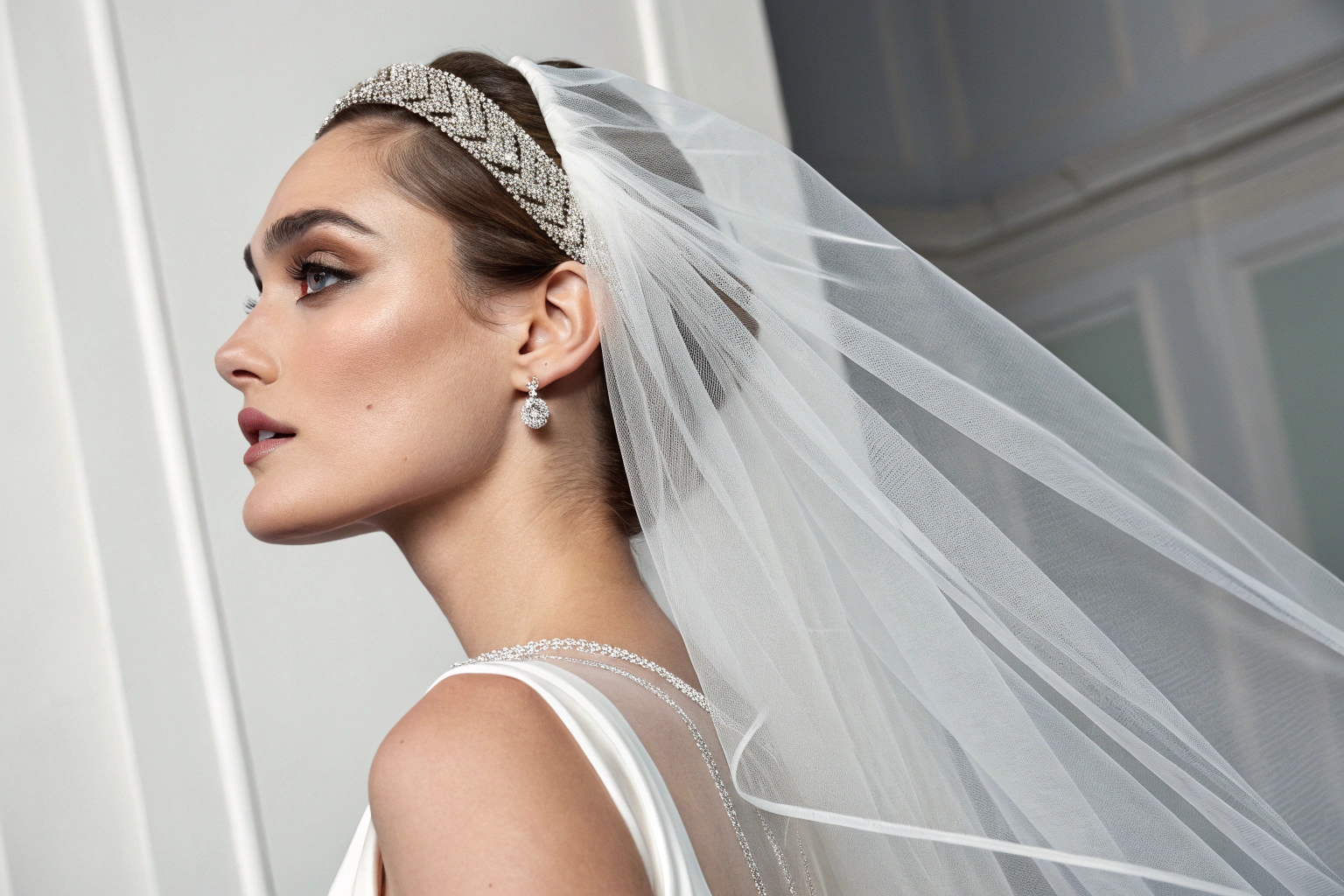
As a manufacturer who has crafted accessories for countless bridal collections, I've witnessed the evolution from traditional uniformity to highly personalized expression. The modern bride sees her veil and headpiece not just as a ceremonial accessory, but as a definitive fashion statement that reflects her personality, story, and the aesthetic of her wedding day. This shift has transformed the bridal accessory market, moving towards bespoke designs, mixed materials, and versatile pieces that extend beyond the ceremony itself.
The key trends in bridal veils and headpieces for the current season are defined by personalized drama, modern minimalism, and versatility. We're seeing a move towards statement blusher veils and architectural headbands, a strong preference for detachable and convertible designs, the rise of colored accents and nature-inspired details, and a continued love for timeless, delicate craftsmanship reimagined with contemporary touches. These trends cater to brides seeking both Instagram-worthy moments and deeply personal, wearable elegance.
Let's explore the specific designs and concepts that are shaping the choices of today's brides, and how these trends are being interpreted by designers and manufacturers.
Why Are Detachable and Convertible Designs Dominating?
Today's bride is practical yet romantic. She wants the full, traditional look for her ceremony and portraits but desires freedom and a different vibe for the reception. This has made versatility the most requested feature, transforming accessories from single-use items into multi-event investments.
The demand is for intelligent design that allows transformation without compromising beauty. Key innovations include:
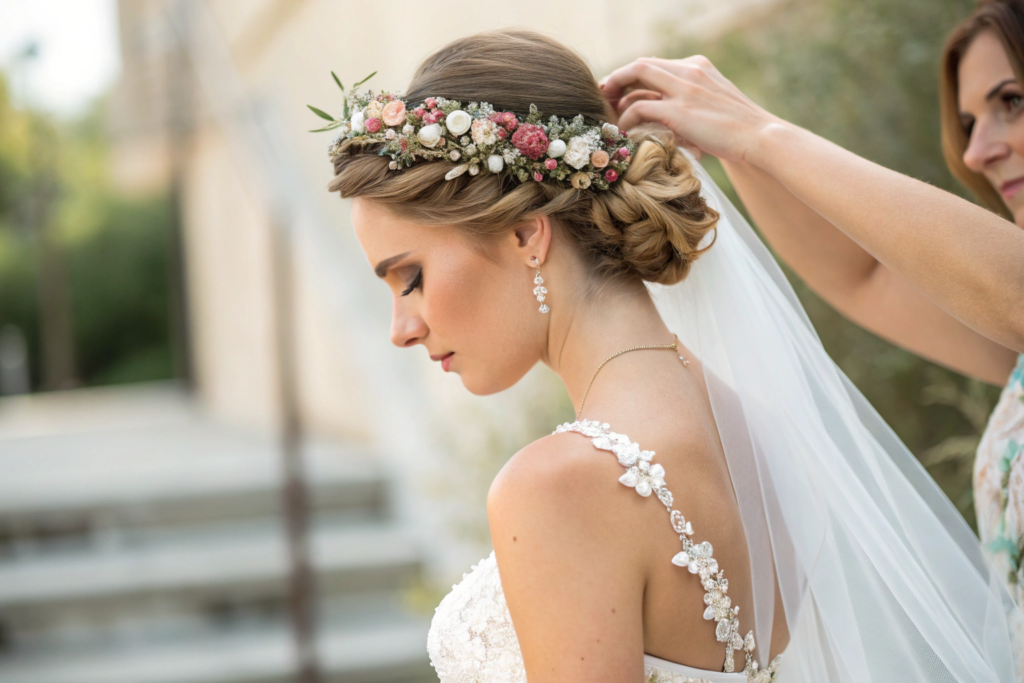
- Detachable Veils: A cathedral-length veil with a discreet clip or comb that can be removed after the ceremony, leaving behind a beautiful hairpin or headband.
- Convertible Headpieces: A larger, statement piece (like a crown or wide headband) that can be disassembled into smaller, subtler hairpins for the party.
- Multi-Way Veils: A veil with multiple attachment points or tiers that can be worn in different styles—as a blusher, a shoulder-length veil, or a longer trail.
This trend responds to a bride's desire for value and experiential variety. From a manufacturing standpoint, it requires precision engineering. At Shanghai Fumao Clothing, our design team focuses on creating secure, invisible attachment mechanisms—such as sturdy yet lightweight aluminum clips, strong magnetic clasps, and flexible wire structures—that feel comfortable and stay perfectly in place throughout a long day. This functional elegance is a hallmark of modern bridal design.
What Are the Most Popular Detachment Mechanisms?
Brides and stylists favor mechanisms that are secure yet easy to use, often with trembling hands. Strong, U-shaped pins with silicone grips are a staple. For heavier pieces, combs with multiple teeth and wire reinforcement are essential. The latest innovation involves miniaturized magnetic clasps sewn between layers of tulle, allowing for a seamless detachment that doesn't require reaching into the hairstyle.
How Does Convertibility Impact the Bride's Budget?
While a convertible piece may have a higher initial cost than a single-use item, its value proposition is clear. It effectively replaces two or three separate accessories. This aligns with the growing trend of conscious consumption, even in wedding planning, allowing brides to allocate their budget more efficiently.
How Are Modern Minimalism and Architectural Shapes Influencing Design?
Alongside the drama, there is a powerful counter-trend towards clean lines, geometric forms, and "quiet luxury." This aesthetic appeals to the bride who sees her wedding look as an extension of her personal style—sophisticated, curated, and understatedly chic.
This trend moves away from overly ornate, symmetrical designs. Instead, we see:
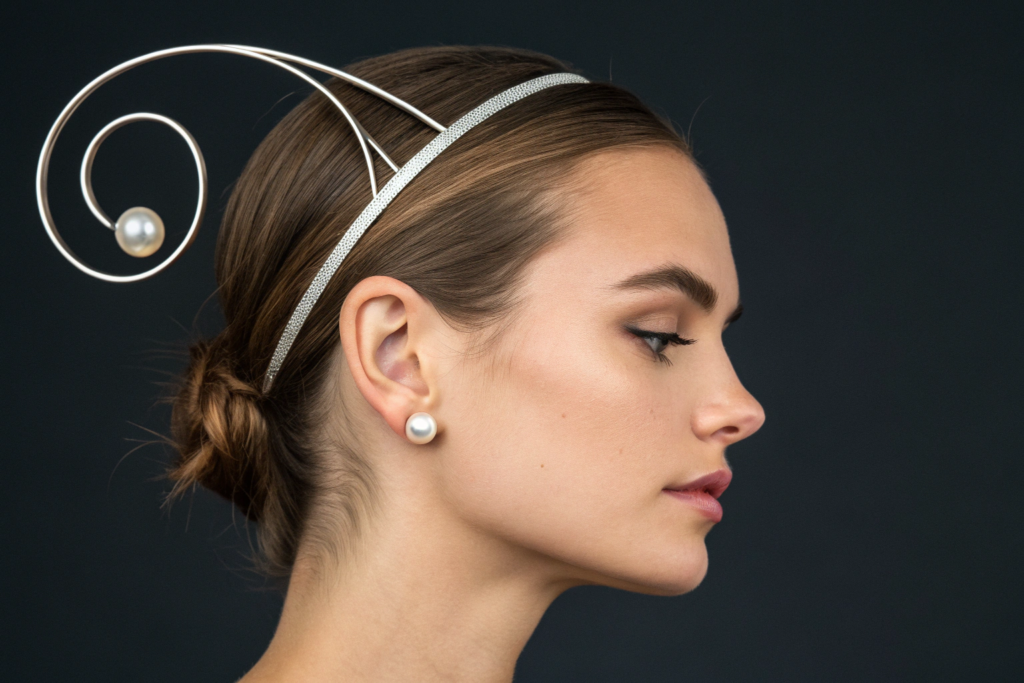
- Asymmetric Hairbands: A single, striking embellishment or line that sweeps across one side of the head.
- Geometric Hairpins: Delicate but defined shapes like crescents, starbursts, or abstract metal forms.
- Structured Veils: Veils with bold, cut-out edges, horsehair trim for structure, or even integrated geometric embroidery that creates a pattern against the face.
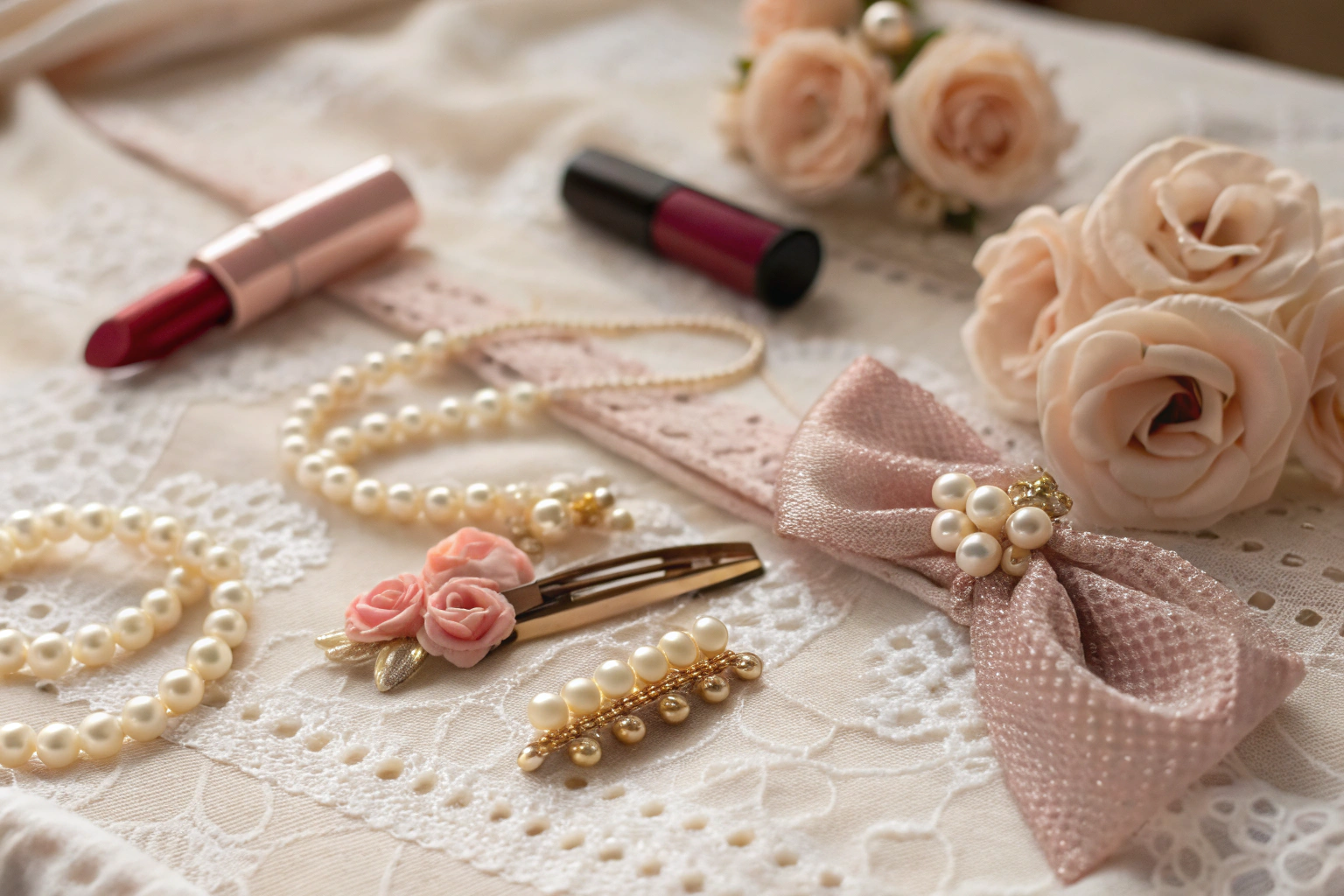
- Pearl and Metal Combinations: Not in clusters, but in singular, intentional arrangements—a line of pearls on a wire, or a single pearl suspended from a minimalist metal arc.
The focus is on quality of materials and precision of form. This requires manufacturers to source exceptional metals (like palladium-plated brass for a cool, white-gold-like sheen) and perfect the techniques for hard-edged embroidery and wirework. Publications like Bridal Guide often highlight this sleek, modern direction.
What Materials Define the Minimalist Trend?
Palladium, white gold-fill wire, and matte-finished metals provide a contemporary alternative to traditional shiny silver or gold. Freshwater pearls in their natural, baroque shapes are favored over perfectly round ones for an organic feel. Crisp, high-hold veiling tulle with a subtle sheen (like silk tulle or Italian illusion) is key to achieving a sharp, structured look.
How is This Trend Reflected in Veil Embellishment?
Embellishment becomes graphic rather than floral. Think of delicate chain-stitched lines, micro beading in geometric patterns, or laser-cut appliqués placed with intentional negative space. The embellishment is part of the architecture of the veil, not merely a decoration on it.
Why Are Colored Accents and Nature-Inspired Details Gaining Popularity?
The all-white or ivory bridal palette is being gently interrupted by personal touches of color and motifs drawn from the natural world. This trend allows brides to incorporate their wedding theme, personal heritage, or favorite hues in a subtle yet meaningful way.
Color is introduced with thought and restraint:
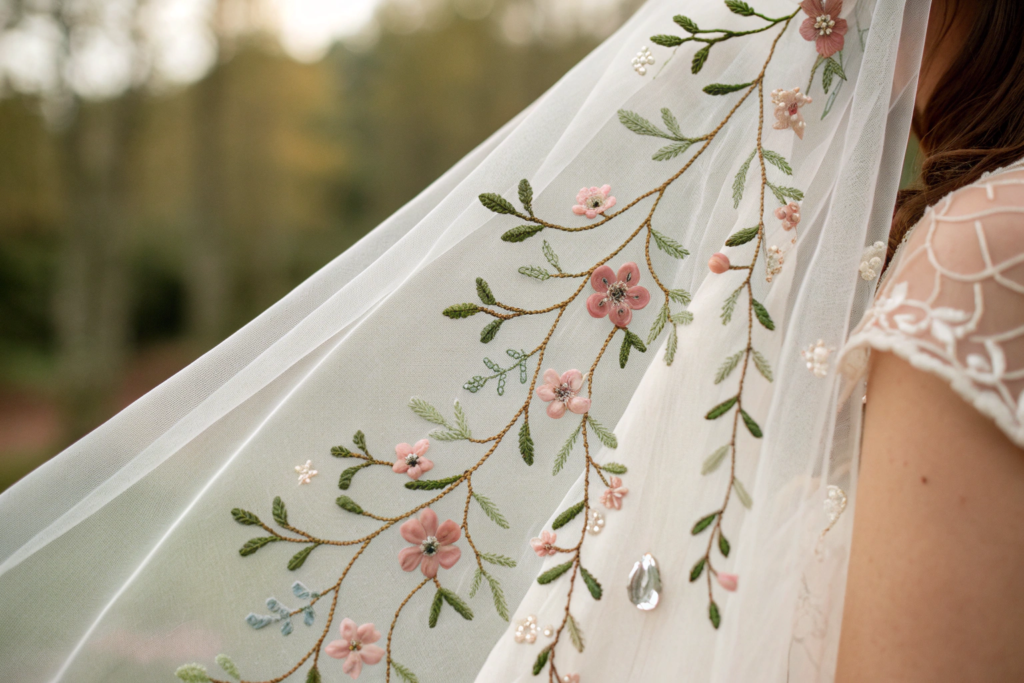
- Botanical Hues: Veil edges or embroidery in soft sage green, dusty blue, or pale blush to match wedding florals.
- Metallic Tones: Gold, bronze, or even gunmetal grey threadwork for a warm, vintage, or celestial feel.
- Nature Motifs: Embroidered or metalwork elements featuring wildflowers, ferns, wheat stalks, or delicate insects like butterflies or dragonflies, symbolizing growth, luck, or transformation.
This trend is deeply personal and often custom-made. It requires a manufacturer with a skilled hand embroidery team and access to a vast library of colored threads, beads, and unique findings. For many brides, these details tell a story—a blue thread for "something blue," a wheat motif for a farmland wedding. We collaborate closely with designers to source these special elements, ensuring colorfastness and quality.
What Are the Most Popular Color Application Techniques?
Hand-painted edges using fabric dyes create a beautiful, watercolor-like ombre effect. Satin-stitch embroidery with silk thread offers rich color and dimension. Appliqué of colored lace or silk organza flowers adds texture. The key is that the color feels integrated and artisanal, not dyed or printed.
How Can a Bride Tastefully Incorporate Color?
The most successful applications are monochromatic or tonal. For example, using three shades of blue in an embroidery pattern, or a single color across all accessories (veil, belt, shoes). The accent should complement, not compete with, the bride's gown and overall palette.
What is the Enduring Appeal of Timeless Craftsmanship with a Modern Twist?
While trends come and go, there is a permanent place for exquisitely made, heirloom-quality pieces. The modern twist is in how these traditional techniques are applied—often in more relaxed, organic, or personalized ways.
This trend honors heritage skills but with a lighter touch:
- Scattered Embroidered Motifs: Instead of a dense, all-over pattern, delicate motifs are "sprinkled" across the veil as if they were floating.
- Mixed Textures: Combining different laces, tulle with different hole sizes, or smooth pearls with faceted crystals on a single piece.
- Art Deco Revival: Clean, geometric patterns from the 1920s reinterpreted with modern materials.
- Hand-Finished Raw Edges: Cut-edge veils where the raw silk tulle is meticulously rolled by hand, celebrating the material's beauty rather than hiding it with a stiff trim.
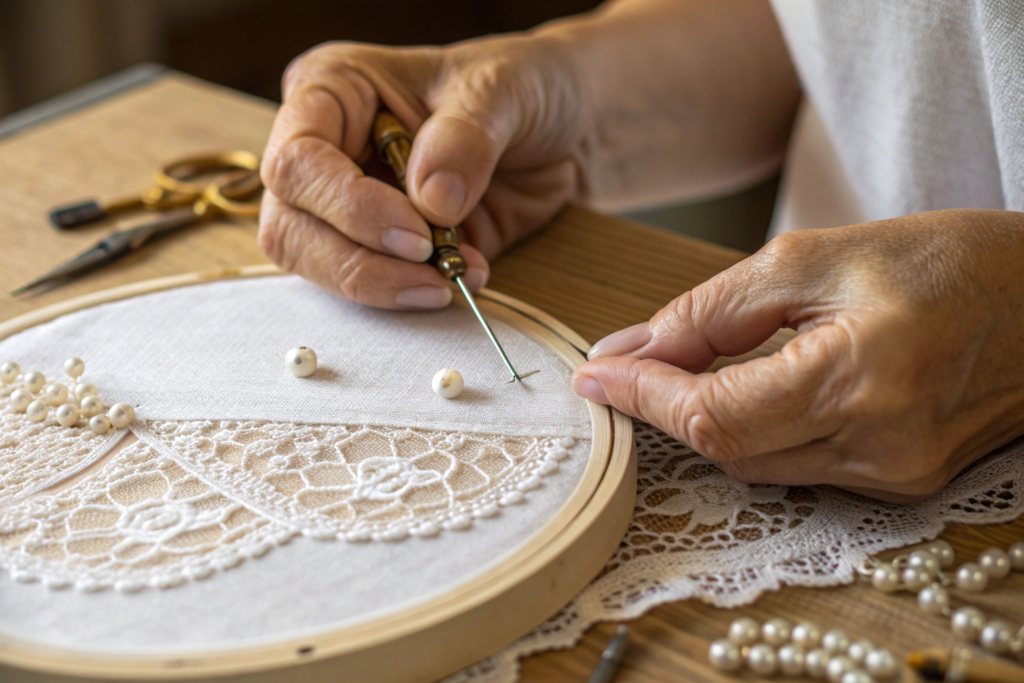
Manufacturing these pieces requires artisans with years of training. It's a slower, more costly process that results in a truly unique accessory. For brands and brides seeking this level of quality, partnering with a factory that maintains such specialist teams, like the artisans we work with at Shanghai Fumao Clothing, is essential. This commitment to craft ensures each piece has a soul.
How Do You Identify True Artisan Quality?
Look for signs of handwork: slight, beautiful irregularities in beading, the gentle roll of a hand-finished edge, and the presence of techniques like French wire work or needle lace fillings. Mass-produced pieces often have a perfect, hard uniformity, while artisan pieces have a soft, human quality.
Why is Heirloom Potential a Key Consideration?
Modern brides are increasingly viewing their veil or headpiece as an heirloom to be passed down or reworn (as a hairpiece on an anniversary). This shifts the purchase from a one-day expense to a legacy investment, justifying higher quality materials and construction.
Conclusion
The landscape of bridal veils and headpieces is richer and more diverse than ever, driven by a bride's desire for personal narrative, functional beauty, and both dramatic and minimalist expression. The trends point towards intelligent design that offers versatility, a blend of architectural precision with natural inspiration, and a deep appreciation for color and craftsmanship.
For designers, retailers, and brides, navigating these trends successfully means partnering with creators and manufacturers who possess both technical expertise and artistic sensitivity. Whether it's engineering a flawless detachable system or executing hand-painted floral embroidery, the details define the experience. If you are looking to develop a bridal accessory collection that captures these contemporary desires with impeccable quality, our team is dedicated to bringing such vision to life. To begin a conversation about creating timeless yet trend-forward pieces, please contact our Business Director, Elaine. Her email is elaine@fumaoclothing.com.