I've been in the textile business for decades, and I've seen a remarkable transformation in the yarns we use. For most of my career, the focus was on performance, cost, and aesthetics. But today, a new, critical factor has taken center stage: sustainability. The yarn is the very foundation of any knitted or crocheted accessory, and the choices we make about that yarn have a profound impact on the planet.
The good news is that the world of sustainable yarns is experiencing an explosion of innovation. Scientists, farmers, and manufacturers are working together to create yarns that are not only beautiful, soft, and durable but also have a fraction of the environmental footprint of traditional options. From recycled materials and regenerated fibers to innovative new plant-based sources, the possibilities are endless.
For buyers like Ron, who are sourcing scarves and hats for their collections, understanding these innovations is essential for meeting the demands of eco-conscious consumers. At Shanghai Fumao Clothing, we are committed to sustainability. We actively research and incorporate the latest sustainable yarns into our products. In this post, I'll share the latest innovations in sustainable yarns for scarves and hats. For more on our sustainable initiatives, you can read our guide on the latest sustainable materials for producing fashion accessories.
What Are The Latest Innovations In Recycled Yarns?
Recycling is one of the most effective ways to reduce the environmental impact of textiles. It keeps valuable materials out of landfills and reduces the need for virgin resource extraction. The latest innovations in recycled yarns are making them softer, stronger, and more versatile than ever before.
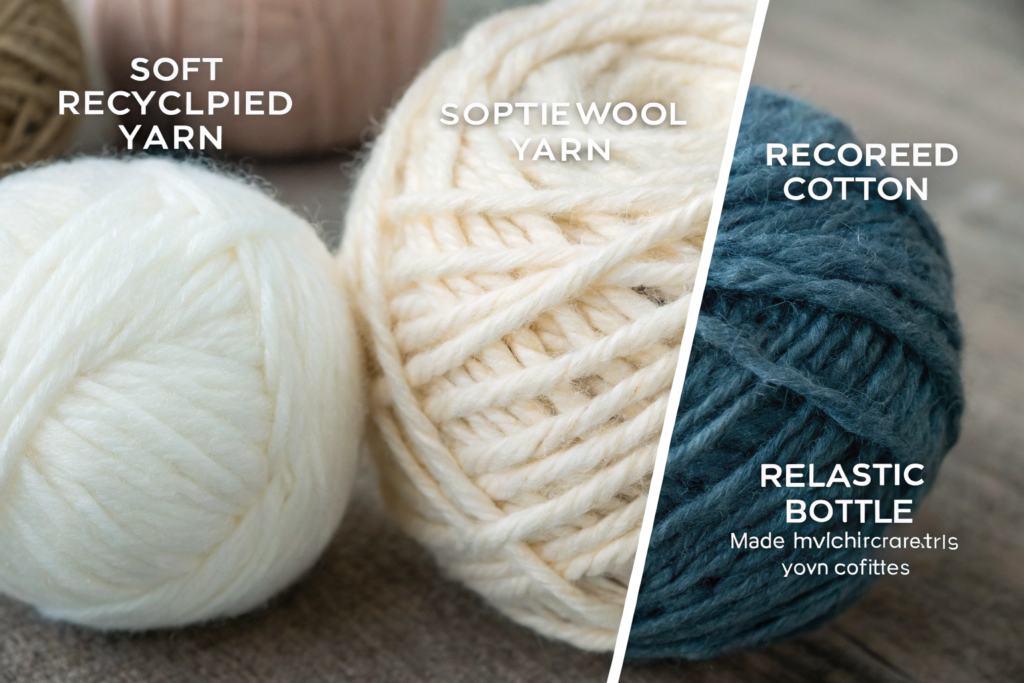
What is recycled wool yarn and how is it made?
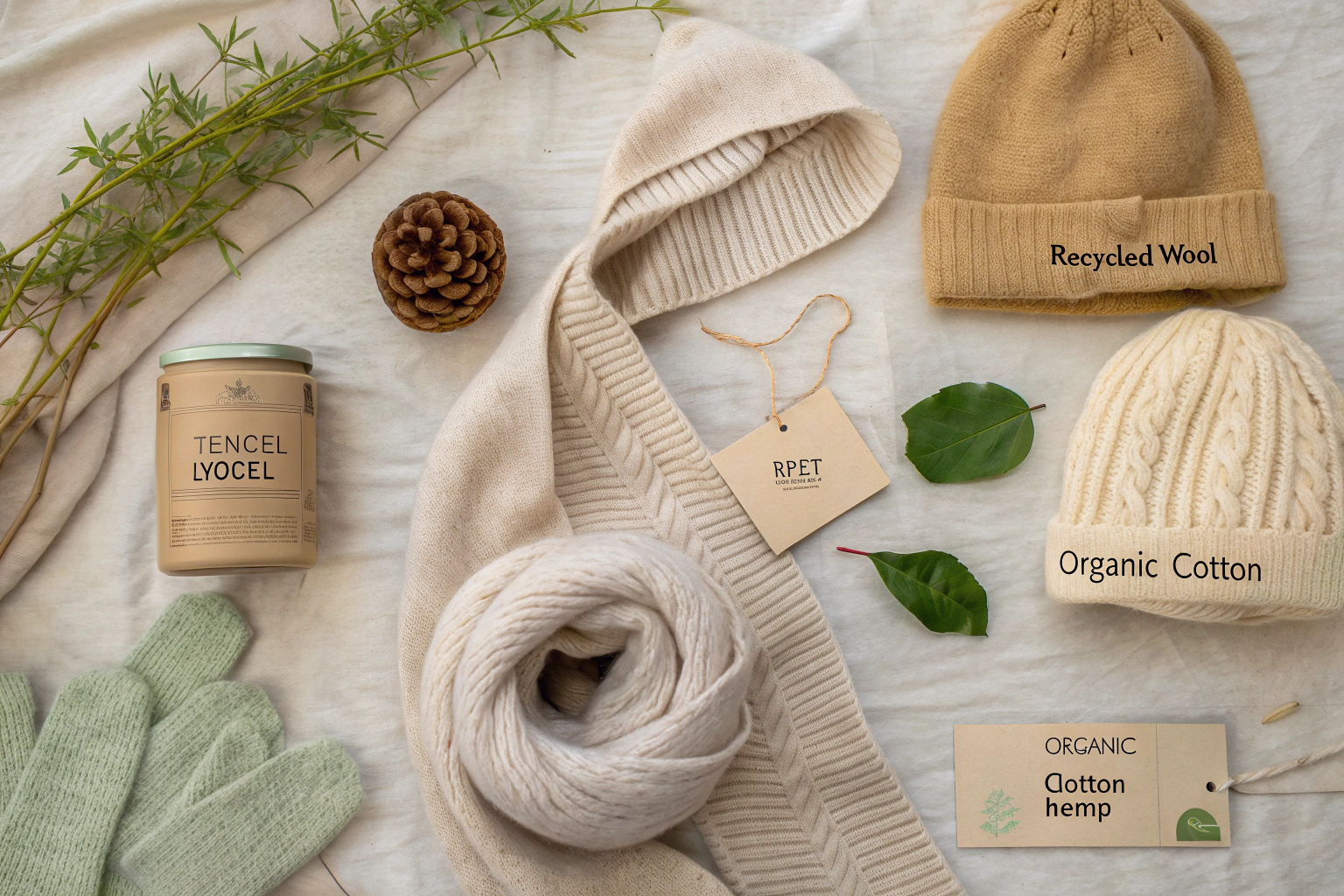
Recycled wool yarn is made from post-industrial and post-consumer wool garments and textiles. Instead of sending old sweaters to the landfill, they are collected, sorted by color, and then mechanically shredded back into fibers. These fibers are then carded and re-spun into new yarn.
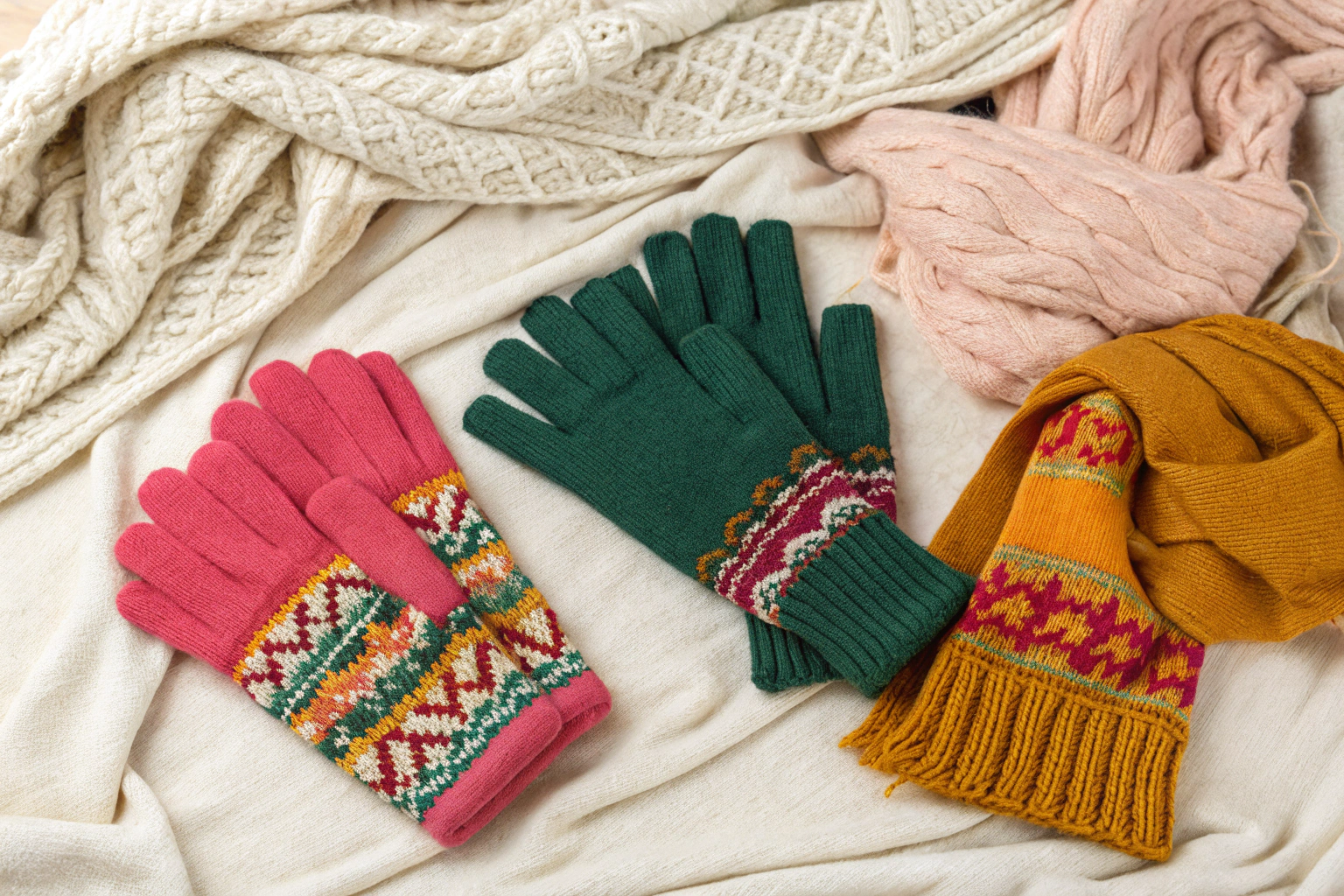
- Properties: Recycled wool yarn retains the natural warmth and softness of wool. It often has a beautiful, slightly textured, "heathered" look due to the blending of different colored fibers. It's an excellent choice for cozy scarves and hats.
- Environmental Impact: It significantly reduces the need for new sheep farming, saves water and energy, and prevents textile waste. It's a perfect example of a circular economy.
A hat made from recycled wool is both cozy and responsible.
What is rPET yarn (recycled polyester)?
rPET yarn is made from recycled plastic bottles, primarily PET (polyethylene terephthalate). The bottles are collected, cleaned, crushed, and melted into pellets. These pellets are then extruded into fine fibers that can be spun into yarn.
- Properties: rPET yarn is strong, durable, quick-drying, and can be engineered to be very soft. It's a versatile material for a wide range of accessories, from sporty hats to cozy scarves.
- Environmental Impact: It diverts plastic waste from landfills and oceans and uses significantly less energy and water than producing virgin polyester.
A beanie made from rPET yarn is a perfect blend of performance and sustainability.
What Are The Latest Innovations In Plant-Based And Cellulosic Yarns?
Beyond recycling, there is a whole world of innovative yarns made from rapidly renewable plant sources. These materials offer a more sustainable alternative to conventional cotton and other resource-intensive fibers. Picture fields of vibrant hemp swaying gently in the breeze, their sturdy stalks harvested with care, or sunlit patches of flax where dew-kissed leaves glisten before being transformed into soft, lustrous threads.
Imagine the earthy aroma of bamboo shoots breaking through the soil, their fast-growing canopies providing shade and oxygen as they mature into a fiber that feels as smooth as silk against the skin. Unlike the thirsty, pesticide-dependent cotton that drains rivers and poisons ecosystems, these plant-based yarns thrive on minimal resources—sunlight, rain, and fertile soil—growing back in weeks or months, not years.
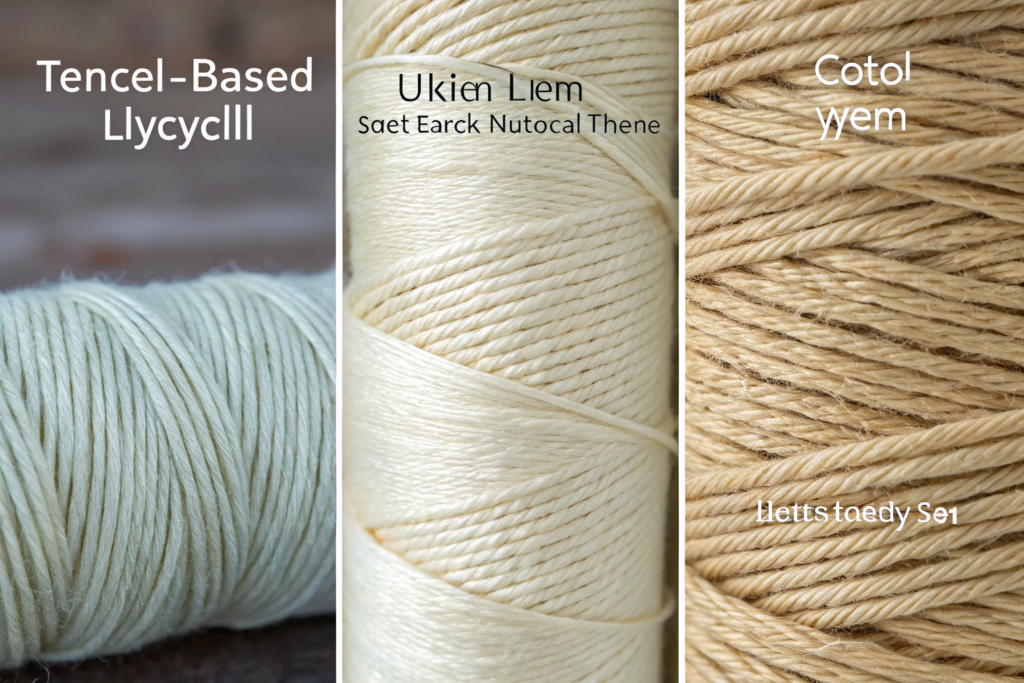
What is TENCEL™ Lyocell and why is it so sustainable?
TENCEL™ Lyocell is a branded form of lyocell, a fiber made from wood pulp sourced from sustainably managed forests (often eucalyptus, beech, or spruce). What makes it so innovative is its closed-loop production process.
- Closed-Loop Production: The solvents used to dissolve the wood pulp are recycled and reused with over 99% efficiency. This means there is virtually no waste and very little environmental impact.
- Properties: TENCEL™ is incredibly soft, smooth, and breathable. It has a beautiful drape and a subtle, silky sheen. It's also naturally moisture-wicking and anti-bacterial, making it a luxurious choice for scarves. This is similar to the luxurious feel of high-quality silk twill scarves, but with a focus on sustainability.
- Sustainability: It uses significantly less water and land than cotton and is produced in a responsible, closed-loop system.
A TENCEL™ scarf is the epitome of sustainable luxury.
What about organic cotton and linen?
- Organic Cotton: While conventional cotton is a major environmental concern, organic cotton is grown without synthetic pesticides, fertilizers, or GMOs. It's a much more sustainable choice. Look for certifications like GOTS (Global Organic Textile Standard) to ensure authenticity.
- Linen: Made from the flax plant, linen is another highly sustainable fiber. Flax can be grown in poor soil with little water and requires minimal processing. Linen yarn is strong, breathable, and has a beautiful, textured look. It softens over time and is fully biodegradable.
These plant-based yarns offer a natural, responsible alternative to conventional fibers.
What Are The Latest Innovations In Novel Bio-Based Yarns?
The frontier of sustainable yarn innovation lies in novel bio-based materials, where the air hums with the promise of a greener future. Researchers, armed with curiosity and a deep respect for nature, are constantly finding new ways to transform discarded agricultural byproducts, fallen leaves, and even ocean-bound plastic into beautiful, functional fibers that dance with life.
Imagine the soft, sun-warmed touch of a sweater woven from recycled pineapple leaves, its texture whispering tales of tropical fields. Or the strength of a durable tote bag crafted from upcycled coffee grounds, each thread carrying the rich aroma of morning brews. These fibers, born from waste and nurtured by renewable resources, not only reduce our carbon footprint but also infuse everyday textiles with a story of resilience and creativity, turning what was once overlooked into something extraordinary and full of purpose.
What is algae-based yarn?
As we discussed in the latest developments in algae-based biopolymers, algae is being used to create a range of innovative materials. Companies are now developing yarns from algae biomass.
- How it's made: Algae is cultivated in tanks or harvested from natural sources. The oils or starches are extracted and then processed into biopolymers, which can be spun into fibers.
- Properties: This is a new and evolving field, but early algae-based yarns show promise for being soft, lightweight, and naturally hypoallergenic. They also have the potential to be biodegradable.
- Sustainability: Algae grows rapidly, absorbs CO2, and can be cultivated using wastewater, making it a remarkably sustainable feedstock.
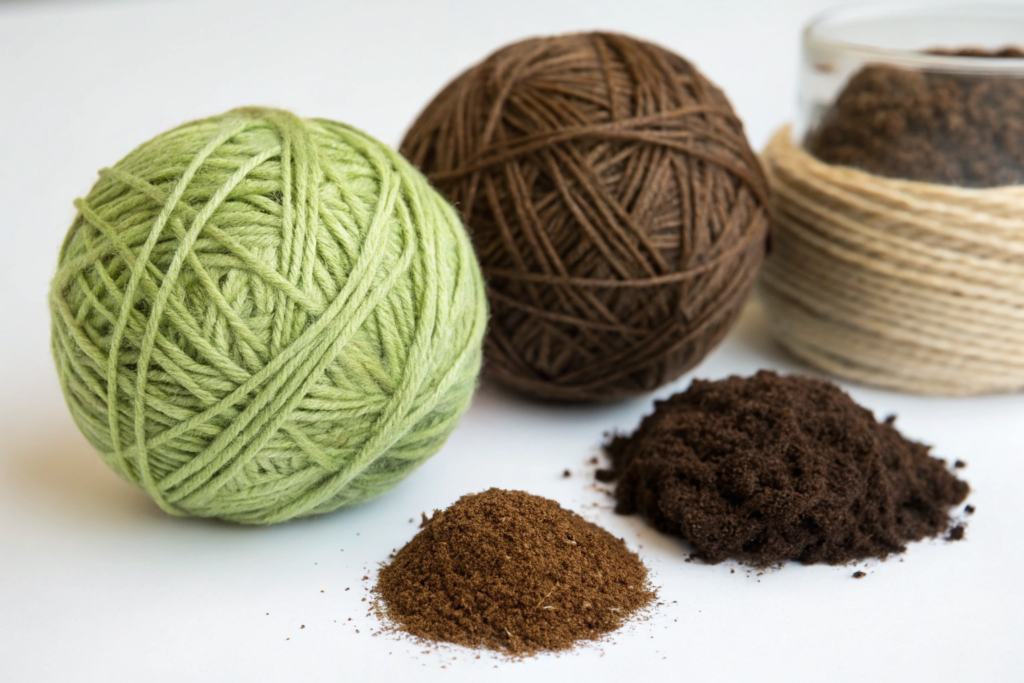
What is coffee ground yarn?
Yes, you read that correctly! Some innovative companies are creating yarns infused with recycled coffee grounds. The coffee grounds are processed and incorporated into the yarn (often a blend with recycled polyester).
- Properties: The resulting fabric has natural odor-control properties, dries quickly, and offers UV protection. It also has a subtle, natural speckled appearance.
- Sustainability: It gives a second life to a massive waste stream (spent coffee grounds) and reduces the need for virgin materials.
These novel bio-based yarns represent the cutting edge of sustainable textile innovation.
What Are The Key Certifications And Sourcing Considerations?
With so many new and innovative yarns on the market, it's more important than ever to do your due diligence. Not all claims of sustainability are equal. Looking for credible, third-party certifications is the best way to ensure that the yarns you source are truly responsible.
At Shanghai Fumao Clothing, we prioritize yarns with recognized certifications. We work with suppliers who can provide full traceability.
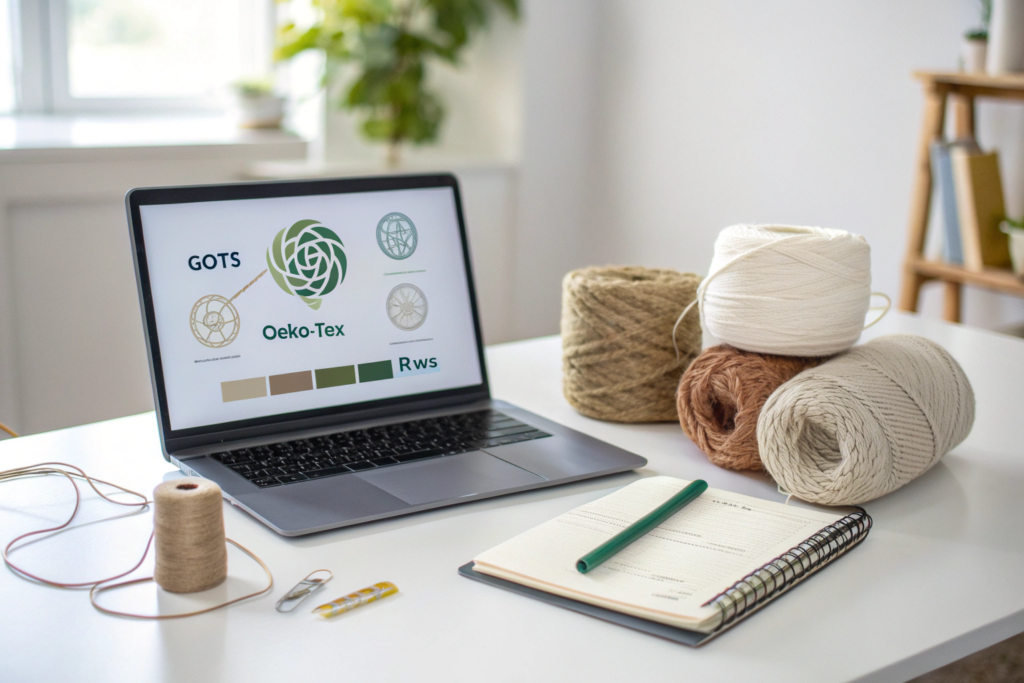
What certifications should you look for in sustainable yarns?
- GOTS (Global Organic Textile Standard): The gold standard for organic fibers. It covers the entire supply chain, from harvesting to manufacturing, and also includes social criteria.
- OEKO-TEX Standard 100: Certifies that the yarn is free from harmful substances. This is a good baseline for any textile product, and is particularly important when considering chemical safety for children's accessories.
- RWS (Responsible Wool Standard): Ensures that wool comes from farms that practice progressive animal welfare and land management. This is essential for any wool-based yarn.
- GRS (Global Recycled Standard): Verifies the recycled content in a yarn and tracks it through the supply chain. It also includes social and environmental criteria.
- FSC (Forest Stewardship Council): Important for cellulosic fibers like TENCEL™, as it ensures the wood pulp comes from responsibly managed forests.
These certifications provide independent, third-party verification of a yarn's sustainability claims.
How can you ensure the yarns are truly sustainable?
- Ask for Certifications: Don't just take a supplier's word for it. Request copies of their certifications.
- Request Traceability Information: A good supplier should be able to tell you where their raw materials come from. This is similar to the process of sourcing authentic vintage fabric, where provenance is key.
- Request Samples: Always test samples of the yarn to ensure they meet your quality and performance standards.
- Build Relationships: Work with trusted suppliers who are committed to transparency and sustainability.
By taking these steps, you can confidently source yarns that are as responsible as they are beautiful.
Conclusion
The world of sustainable yarns for scarves and hats is more exciting and innovative than ever. From recycled wool and cotton to plant-based wonders like TENCEL™ and hemp, and even cutting-edge materials from algae and banana fibers, the options for creating beautiful, responsible accessories are vast and growing. By understanding these materials and prioritizing those with credible certifications, you can create collections that appeal to eco-conscious consumers and contribute to a more sustainable future for fashion.
At Shanghai Fumao Clothing, we are at the forefront of this sustainable revolution. Our factory in Zhejiang is committed to sourcing and using the latest sustainable yarns. We work with suppliers who share our values and can provide materials with credible certifications. We can help you create stunning scarves and hats from recycled wool, TENCEL™, organic cotton, hemp, and other innovative materials. Our experienced project managers can guide you through the process, from yarn selection to final production, ensuring your collection is as responsible as it is beautiful.
If you're ready to create a sustainable collection of scarves and hats for the future, let's talk. Please contact our Business Director, Elaine, at elaine@fumaoclothing.com. We'll help you create products that your customers and the planet will love.