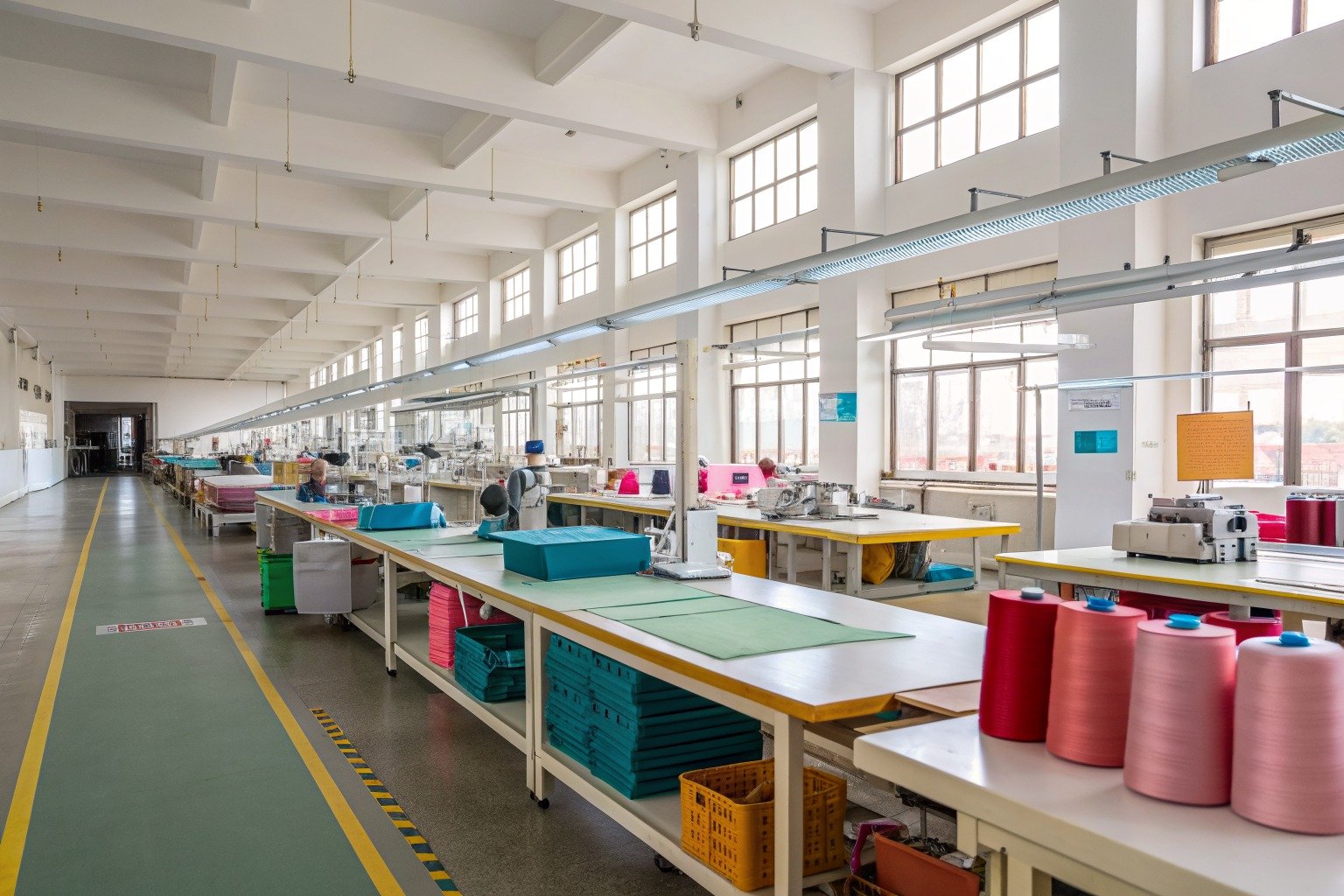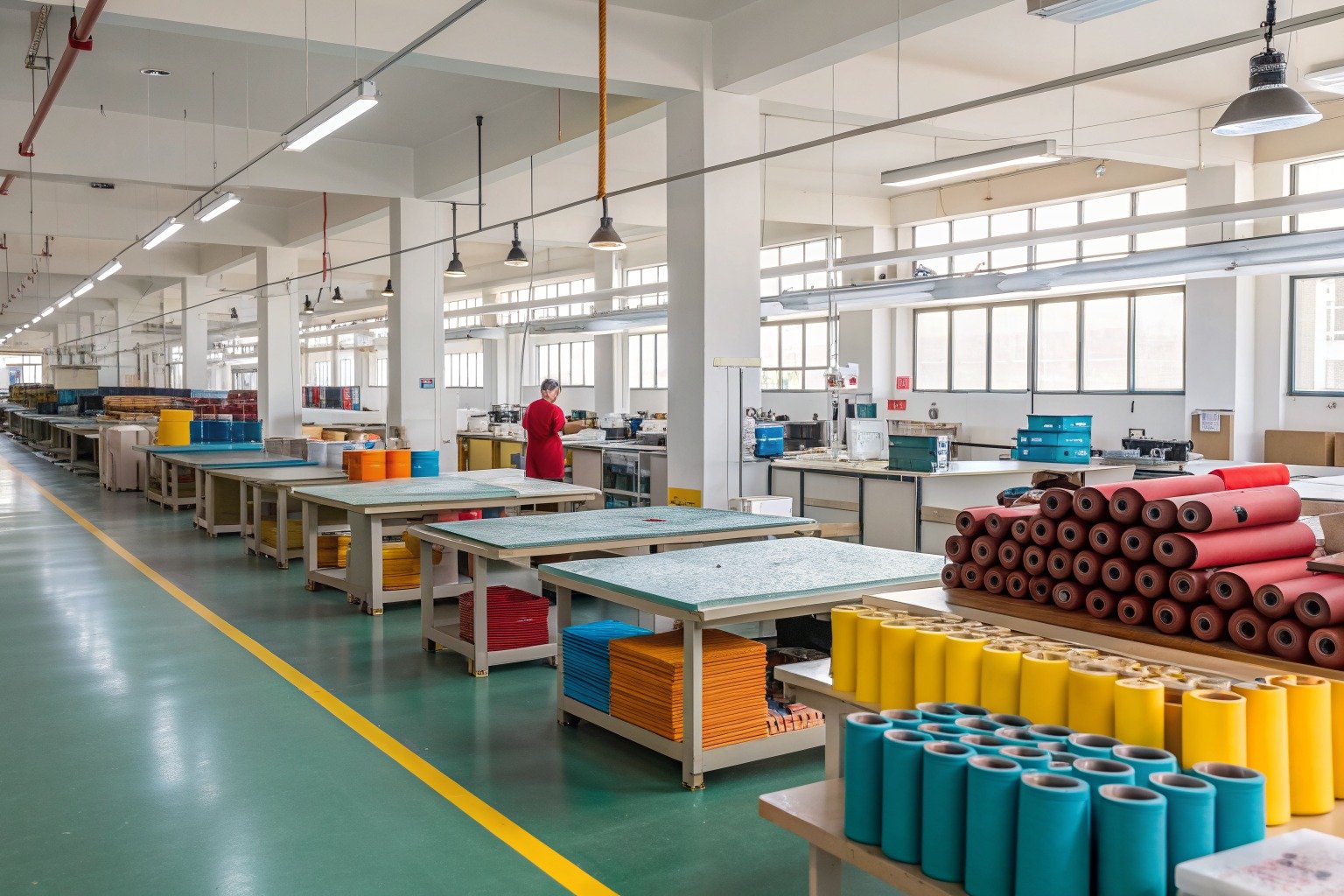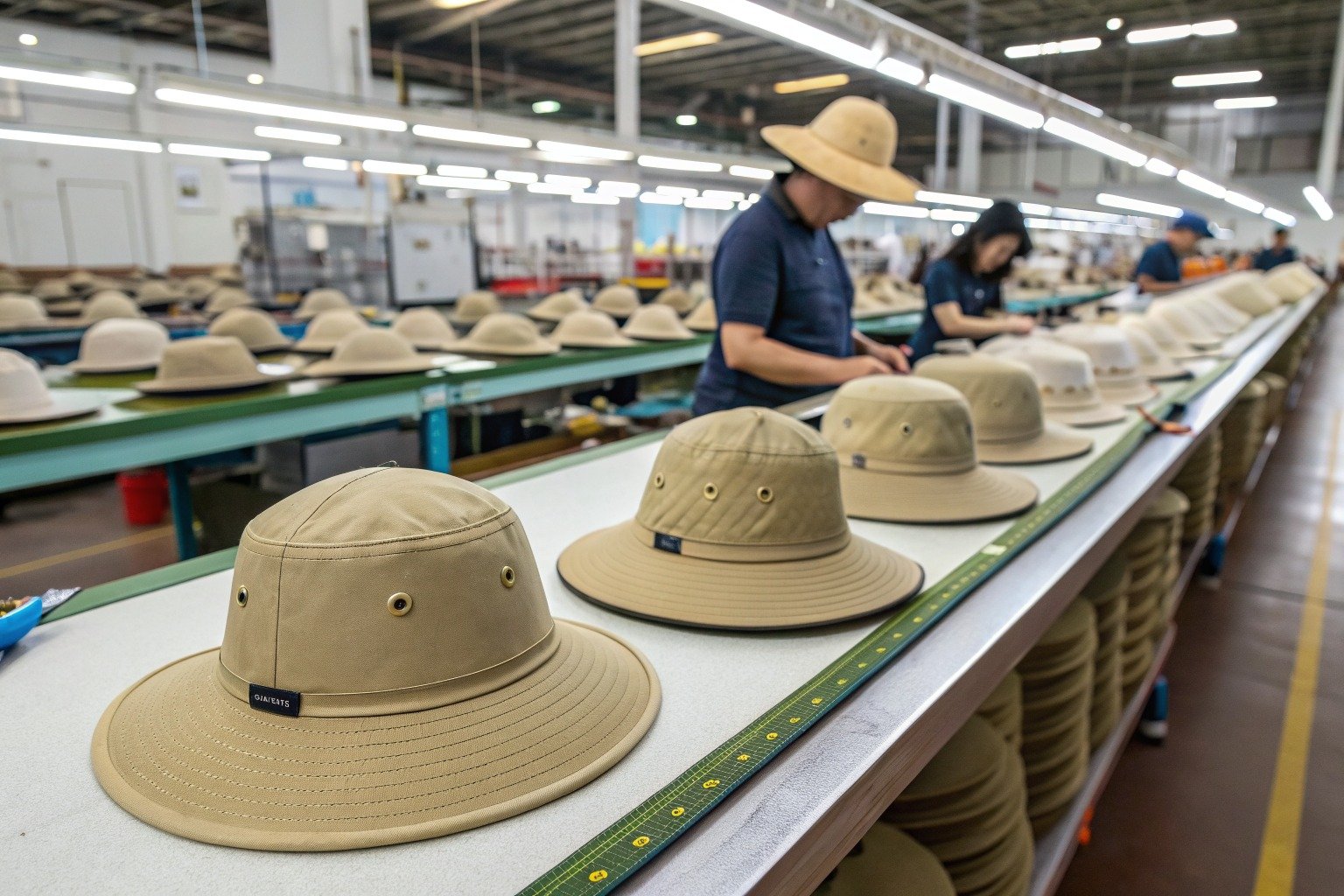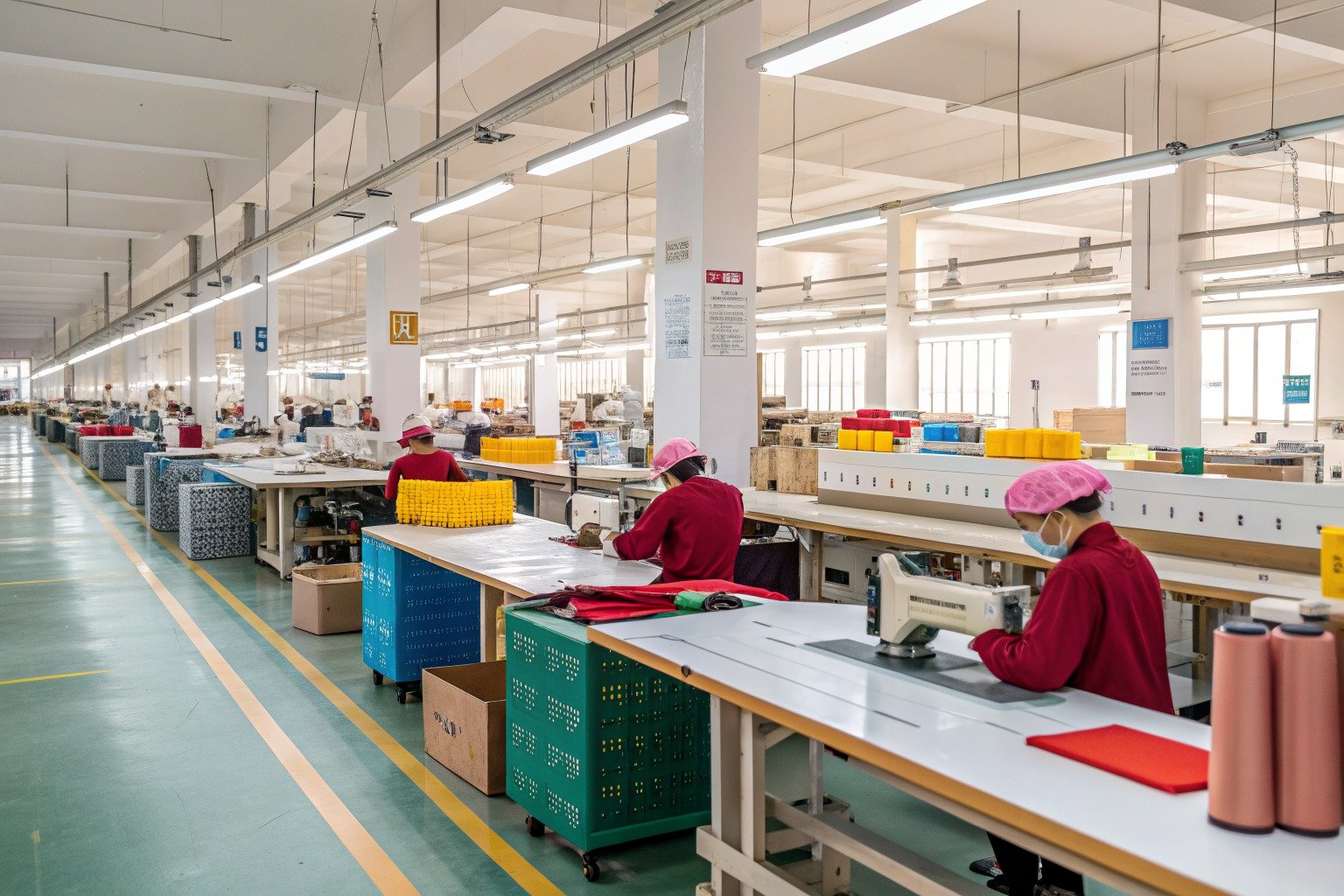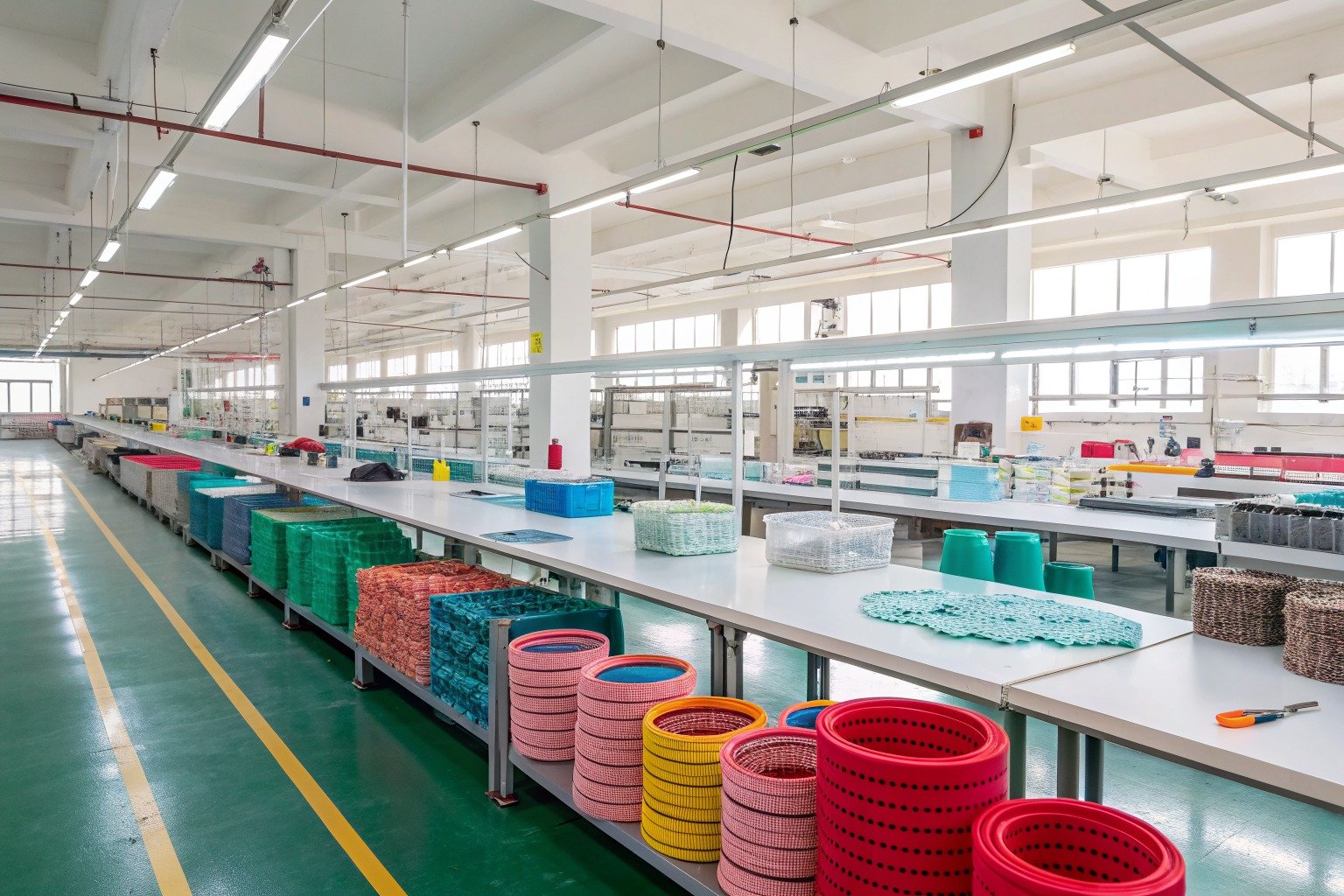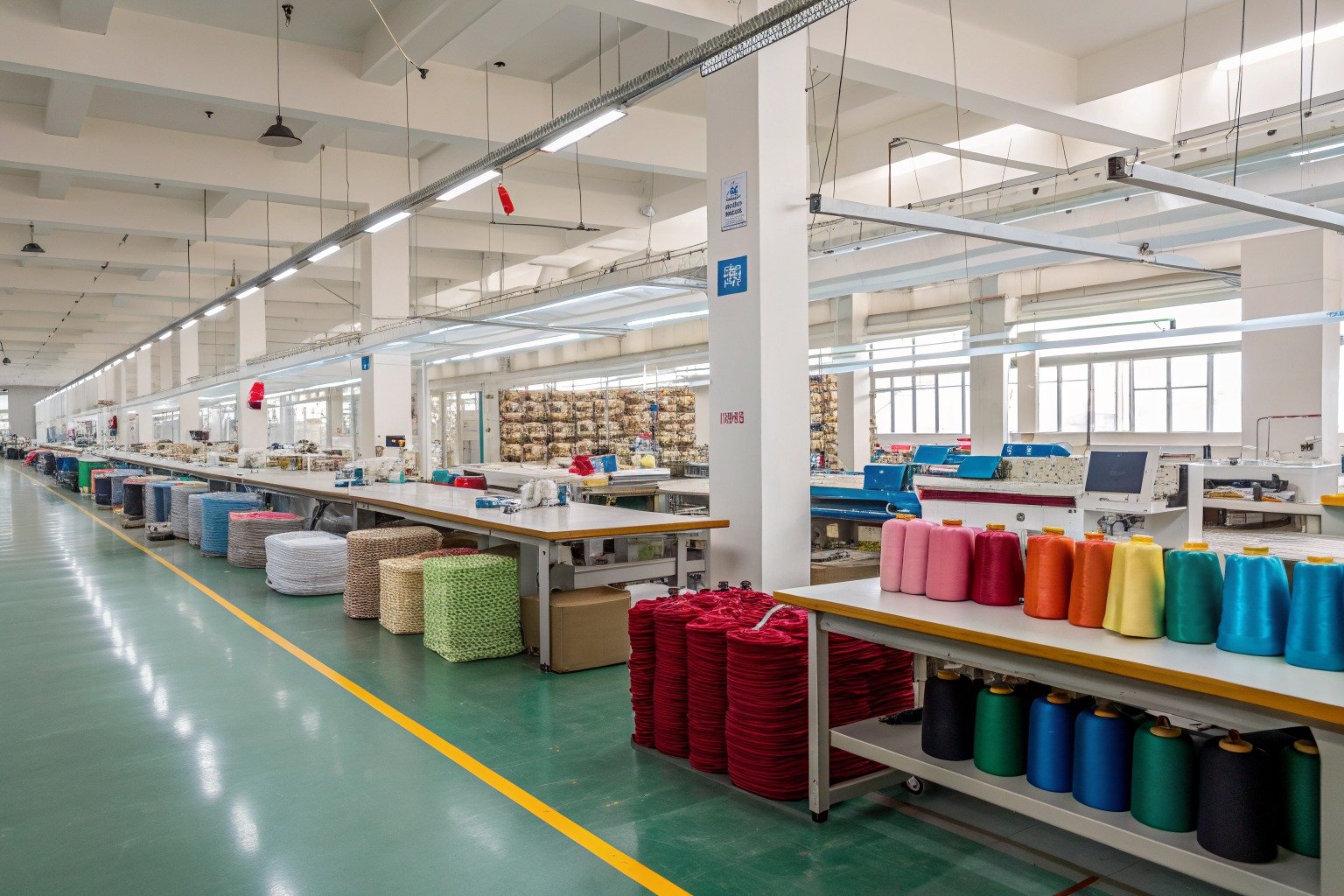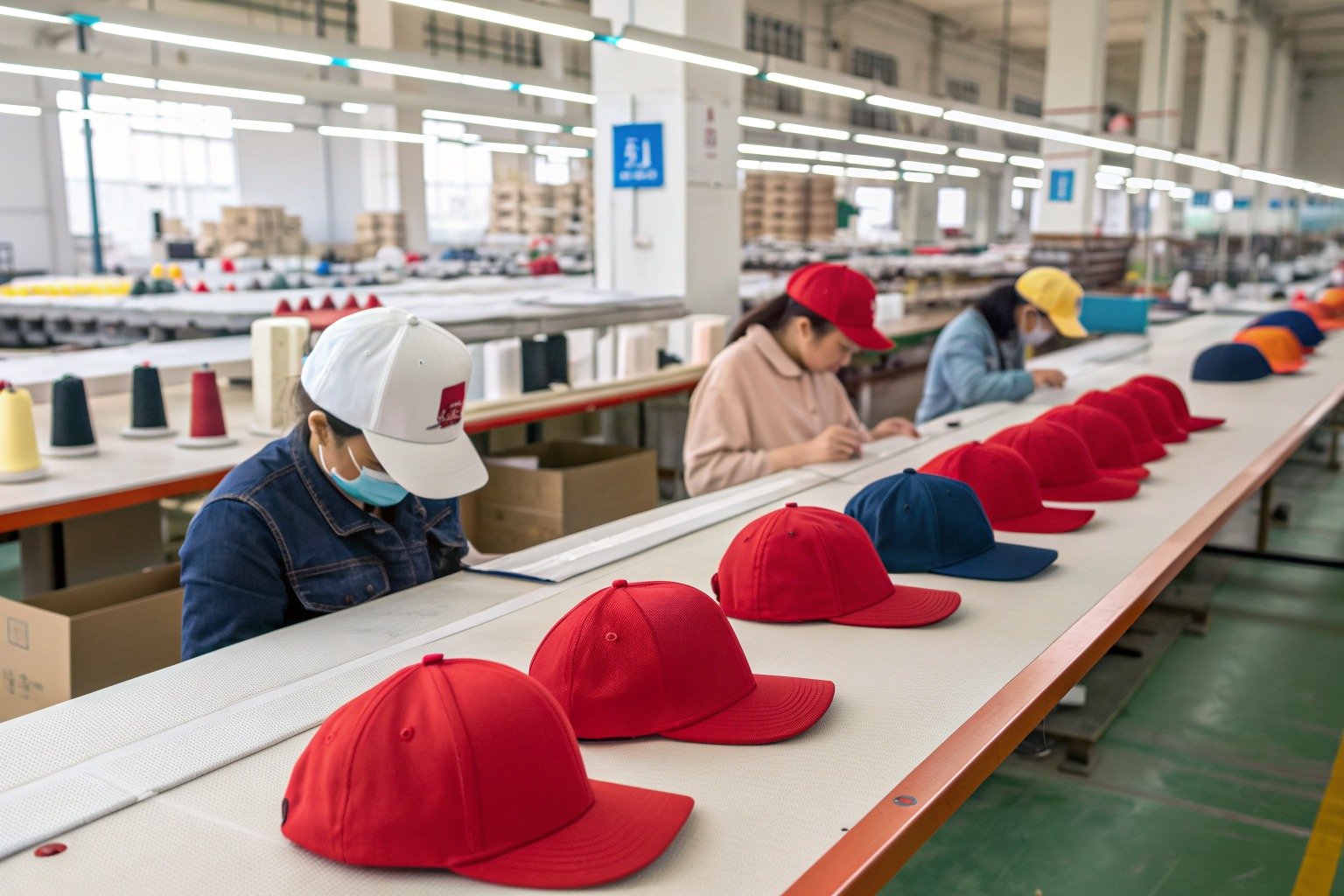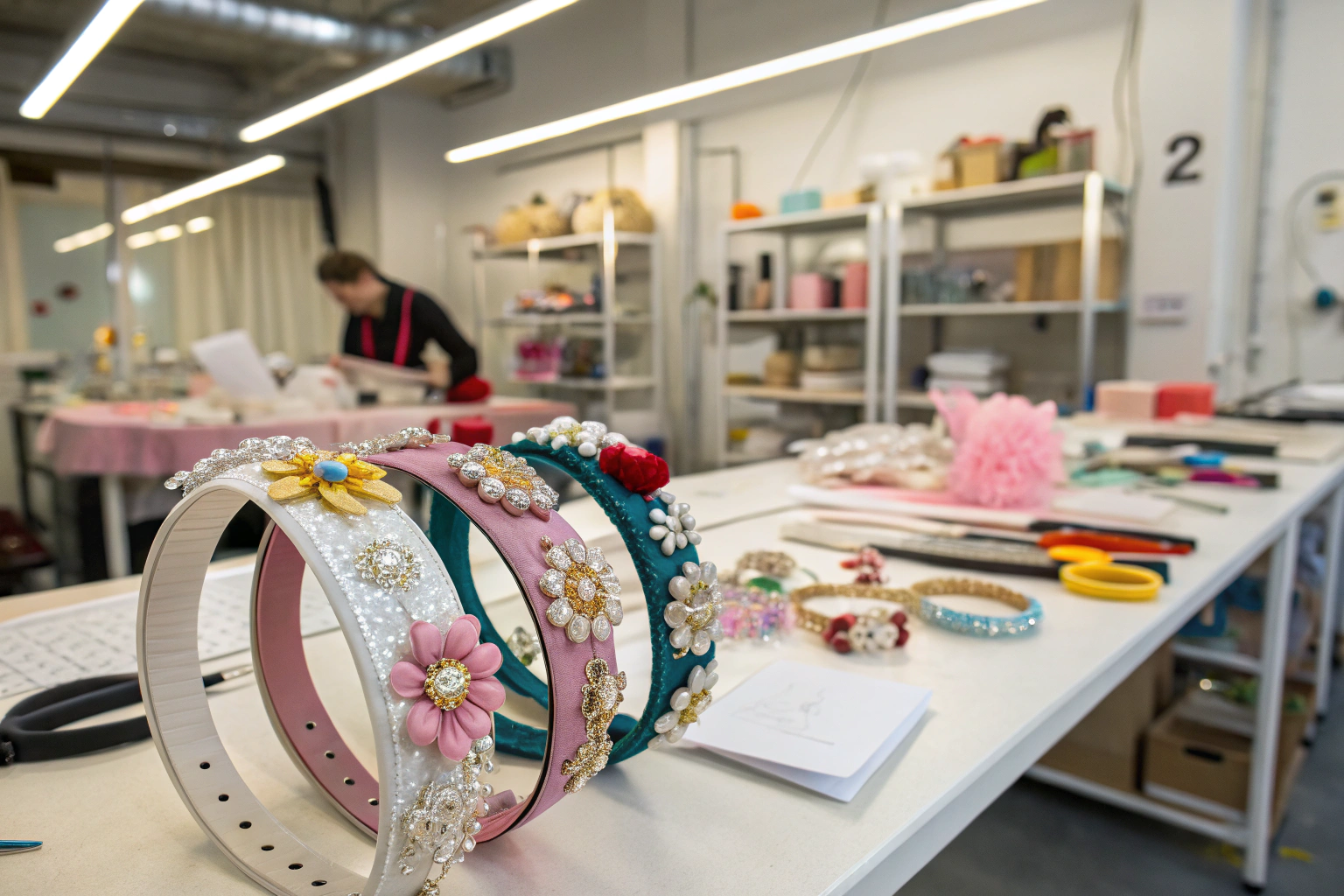
I have been manufacturing hair accessories for over 15 years. In that time, I have seen the industry change dramatically. When I first started, a hair clip was a simple piece of metal with a coating. A headband was a plastic band wrapped in fabric. But today, hair accessories are fashion statements. They are the finishing touch to an outfit. They are the item that customers post about on social media. I remember a client from a major European accessory brand who came to me with a challenge. She said, “I need hair clips that look like jewelry. They need to sparkle. They need to feel special. They need to be Instagram-worthy.” That conversation pushed me to explore new embellishment techniques. I visited factories across China. I studied new materials and processes. And I learned that the difference between a basic hair clip and a must-have accessory is in the embellishment. Let me share what I have discovered.
The latest embellishment techniques for hair clips and headbands include crystal and rhinestone setting, resin inlay, embroidery and fabric manipulation, and molded plastic details with metallic finishes. Crystal setting involves hand-placing or machine-setting high-quality crystals like Swarovski or premium Austrian crystals onto metal bases. Resin inlay allows for colorful, three-dimensional designs that can incorporate glitter, dried flowers, or other decorative elements. Embroidery techniques add texture and pattern to fabric-covered headbands and clips. Molded plastic details with metallic finishes offer a lightweight, cost-effective way to create sculptural, statement pieces. These techniques transform simple hair accessories into fashion-forward products that command higher prices and build brand loyalty.
You might be wondering which techniques are right for your brand. The answer depends on your target customer, your price point, and your aesthetic. A high-end boutique might want hand-set crystals. A fast-fashion brand might prefer molded details. A brand focused on natural materials might lean toward fabric manipulation. At Shanghai Fumao, we have mastered all these techniques. We have the equipment, the skilled workers, and the quality control systems to produce them consistently. Let me walk you through each technique so you can decide what fits your collection.
Crystal and Rhinestone Setting: Adding Brilliance to Hair Accessories
Crystals and rhinestones have always been popular. But the way we apply them has changed. In the past, rhinestones were often glued on with simple adhesive. That method produced accessories that lost stones quickly. Today, high-quality crystal setting uses more advanced techniques. The result is a product that sparkles like fine jewelry and stays intact through normal use.
Crystal and rhinestone setting for hair accessories now uses a combination of prong setting, pave setting, and precision adhesive bonding with UV-cured glue. Prong setting uses small metal claws to hold each crystal securely. This is the most durable method and is used for larger crystals. Pave setting involves setting many small crystals close together, covering the surface of the clip or headband. This creates a continuous, sparkling surface. UV-cured adhesive bonding uses specialized glue that hardens instantly under ultraviolet light. This allows for intricate designs and is ideal for delicate crystals that cannot accommodate prongs. These advanced setting techniques ensure stones stay in place, giving your products a premium feel.
I have learned that not all crystals are created equal. The quality of the crystal itself matters as much as the setting technique. Cheap crystals can look cloudy, have uneven facets, or lose their reflective coating over time. Premium crystals, like those from Swarovski or high-quality Austrian suppliers, have consistent cuts, brilliant sparkle, and durable coatings. They are worth the investment, especially for brands positioning themselves in the mid to high-end market.
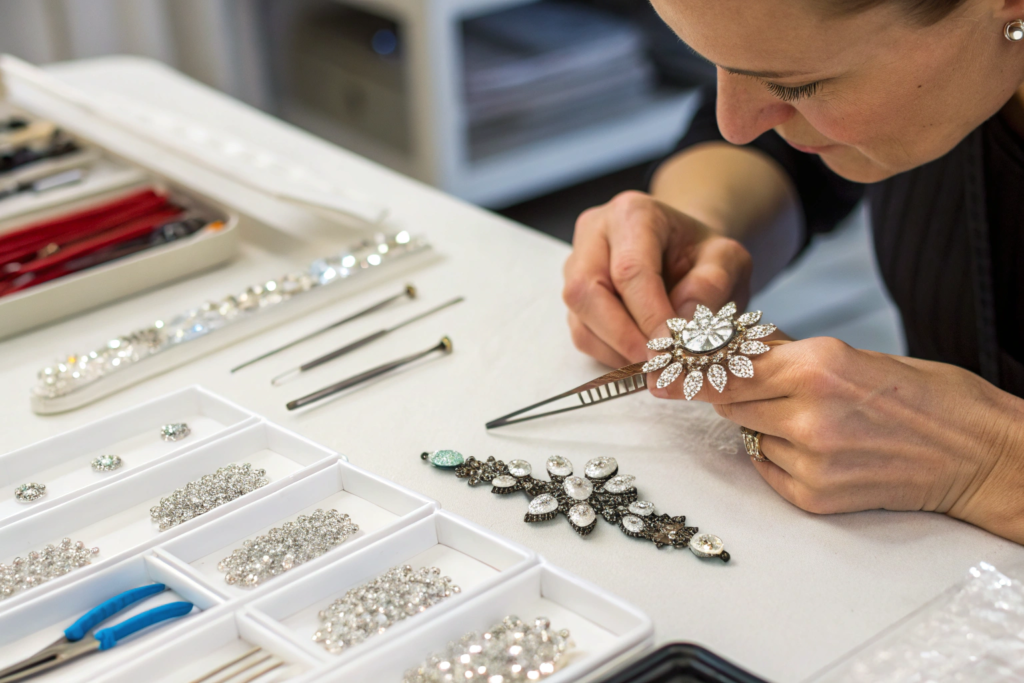
What Is the Difference Between Prong Setting and Pave Setting?
This is a question I get from clients who are deciding on a design. The choice affects the look, the durability, and the cost. Prong setting is what you see on fine jewelry. Each crystal is held in place by small metal prongs that bend over the edge of the stone. This method is ideal for larger crystals, typically 4 millimeters or larger. The prongs are visible, which can be part of the design aesthetic. The advantage of prong setting is durability. The mechanical hold of the prongs is very strong. Crystals set this way rarely fall out. The disadvantage is that it requires more metal and more labor. The cost is higher. Pave setting is different. In pave setting, the surface of the clip or headband is covered with many small crystals set very close together. The crystals are usually 1.5 to 3 millimeters in size. They are held in place by small beads of metal that are pushed up from the base. This creates a continuous, glittering surface. The advantage of pave setting is the full-coverage, luxurious look. It is very popular for fashion-forward designs. The disadvantage is that it requires very skilled labor. The setting process is delicate and time-consuming. Both techniques, when done correctly, produce beautiful results. We have skilled craftspeople who specialize in each method. For a crystal hair clip, we can advise you on which setting style will best achieve your design vision.
How Does UV-Cured Adhesive Work for Delicate Designs?
UV-cured adhesive is a newer technology that has opened up new design possibilities. Traditional glues take time to dry. They can yellow over time. They may not bond well with certain materials. UV-cured adhesive is different. It is a liquid glue that is applied precisely to the area where the crystal will sit. The crystal is placed, and then the piece is exposed to ultraviolet light. The glue hardens in seconds. The bond is strong and clear. It does not yellow over time. This technique is ideal for delicate designs where metal prongs would be too heavy or visible. For example, a hair clip with a floral design made of small crystals might use UV adhesive to attach the crystals to the metal petals. The adhesive is invisible, so the crystals appear to float on the surface. This technique is also used for attaching crystals to fabric-covered headbands or to resin surfaces. The key to success is precision. The glue must be applied in exactly the right amount. Too little, and the stone falls out. Too much, and it oozes out around the stone. Our production team uses automated dispensing machines for consistency. We also use high-quality UV adhesives from trusted suppliers. This ensures that the bond is strong and the finished product is durable.
Resin Inlay: Creating Colorful, Dimensional Designs
Resin has become one of the most exciting materials in hair accessory design. It is versatile. It can be clear or colored. It can hold other decorative elements inside it. It can be molded into almost any shape. When I first started using resin, it was simple: pour, cure, done. But today, the techniques have advanced significantly. We can create pieces that look like handcrafted art.
Resin inlay techniques for hair accessories now include multi-layer casting, inclusion embedding, and marble effects. Multi-layer casting involves pouring resin in layers, allowing each layer to partially cure before adding the next. This creates depth and allows for three-dimensional designs. Inclusion embedding involves suspending decorative elements like dried flowers, glitter, foil, or printed paper within the resin. This creates unique, eye-catching pieces. Marble effects are achieved by mixing different colored resins together before pouring, creating swirling, organic patterns. These techniques transform simple hair clips and headbands into wearable art pieces.
Resin work requires patience and precision. The resin must be mixed correctly. Too much hardener and it cures too fast, trapping bubbles. Too little and it never fully hardens. The working time is limited. Our team has years of experience working with epoxy resins. We have developed techniques to minimize bubbles and achieve perfectly clear finishes. We also understand that resin accessories need to be durable. They will be worn in hair. They might be dropped. They need to be strong enough to withstand normal use.
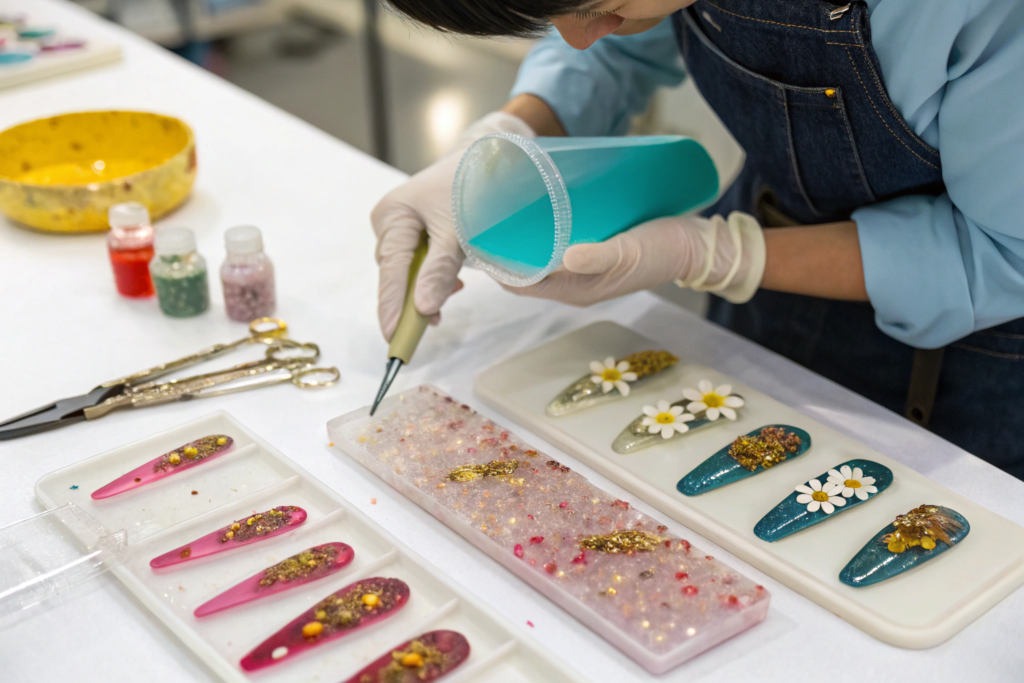
How Do We Create Resin Hair Clips with Embedded Elements?
This is one of our most popular techniques. The process starts with a metal clip base. We often use a clip with a recessed area or a frame that will hold the resin. The first step is to mix the resin. We use high-quality epoxy resin that is crystal clear and UV-resistant. This prevents yellowing over time. Then we pour a thin first layer into the recess. This layer is allowed to partially cure until it is tacky. This creates a sticky surface that holds the decorative elements in place. Next, we place the decorative elements. This could be dried flowers, glitter, foil flakes, printed paper designs, or even small crystals. Each piece is placed by hand. This is a skilled, detailed process. After the elements are placed, we pour a second layer of resin over them. This layer encapsulates the elements and creates a smooth, glossy top surface. The piece is then allowed to cure completely. After curing, we inspect each piece. We look for bubbles, uneven surfaces, or any imperfections. The result is a resin hair clip that looks handmade and unique. Each piece is slightly different, which adds to its appeal. This technique is very popular for boutique brands and for special collections.
What Are the Advantages of Marble and Multi-Layer Resin Effects?
Marble effects and multi-layer casting are techniques that create depth and visual interest. Marble effects are achieved by mixing two or more colors of resin together without fully blending them. The resin is poured while still fluid, and the colors swirl together organically. No two pieces look exactly the same. This is a great technique for creating bold, artistic designs. Multi-layer casting takes more time but creates even more depth. We pour a first layer of resin, let it cure, then add a second layer of a different color or with different elements. This process can be repeated multiple times. The result is a piece with distinct layers that appear to float inside the resin. This technique is ideal for creating designs that look like geodes, landscapes, or abstract art. The key to success with both techniques is controlling the cure time. If we pour the second layer too soon, the colors bleed together. If we pour too late, the layers do not bond properly. Our team has the experience to get this timing right. These advanced resin techniques allow us to offer our clients products that stand out in a crowded market. They are not just hair clips. They are conversation pieces.
Embroidery and Fabric Manipulation: Texture and Pattern
Fabric-covered hair accessories have always been popular. But the techniques for embellishing them have evolved. Simple fabric covering is no longer enough. Today’s customers expect texture, pattern, and detail. They want headbands that look like they came from a couture atelier. They want hair clips that feel special. We have invested in new equipment and training to meet these expectations.
Embroidery and fabric manipulation techniques for hair accessories include machine embroidery, hand-stitched embellishments, fabric pleating and ruching, and appliqué. Machine embroidery allows for precise, repeatable patterns on fabric-covered headbands and clip bases. Designs can include florals, geometric patterns, or custom logos. Hand-stitched embellishments, like beadwork or sequins, add a luxurious, artisanal touch. Fabric pleating and ruching create texture and volume, transforming simple fabric into sculptural elements. Appliqué involves attaching cut-out fabric shapes to a base, creating layered, dimensional designs. These techniques add visual interest and perceived value to hair accessories.
I have noticed that customers are increasingly drawn to accessories that showcase craftsmanship. They want to see evidence of skilled work. They want to know that someone took time to create something beautiful. Embroidery and fabric manipulation techniques satisfy this desire. They also allow brands to create signature looks that cannot be easily copied by mass-market competitors.
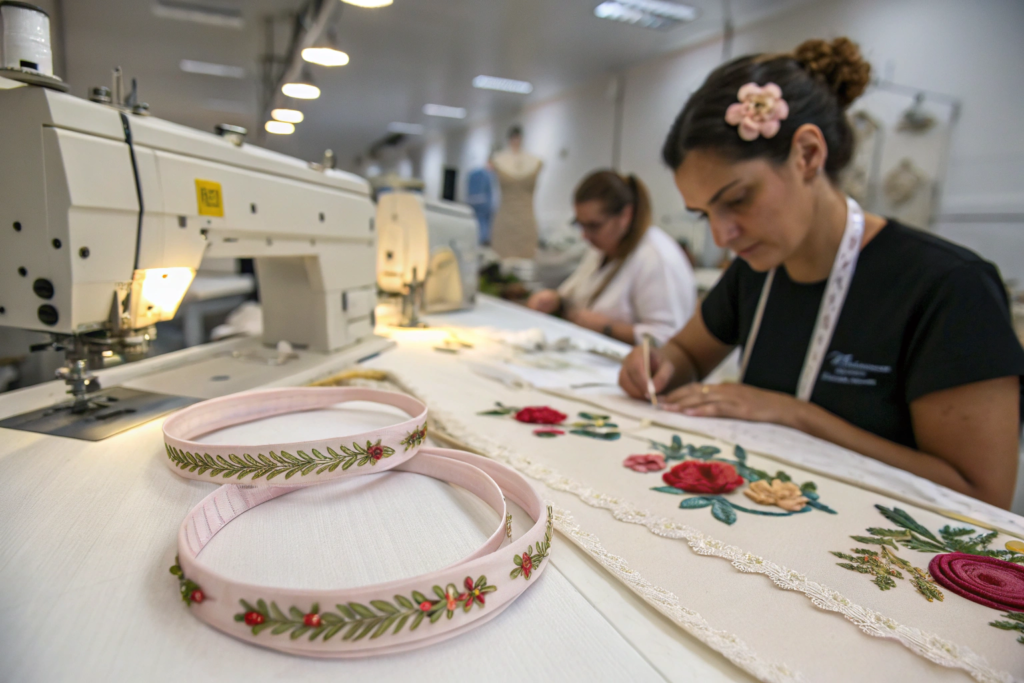
How Do We Apply Embroidery to Headbands and Hair Clips?
The process depends on the product. For fabric-covered headbands, we often work with pre-embroidered fabric. We source fabric that has already been embroidered with the desired pattern. This fabric is then stretched over the headband base and secured. This method is efficient and produces consistent results. The embroidery can be subtle, like a tone-on-tone pattern, or bold, like colorful floral designs. For hair clips, we sometimes embroider directly onto the fabric that will cover the clip. We use multi-head embroidery machines that can produce multiple pieces at once. The design is digitized, and the machine stitches it precisely. This allows for complex patterns and even custom logos. After the embroidery is complete, the fabric is cut and wrapped around the clip base. The result is a hair clip with permanent, high-quality embroidery that will not fray or fade. For a more luxurious look, we also offer hand-stitched embellishments. This is a slower, more expensive process. But it allows for beadwork, sequins, and other three-dimensional elements that machines cannot replicate. Hand-stitched pieces are ideal for limited editions or high-end collections. Whether you choose machine or hand embroidery, we ensure the stitching is secure and the fabric-covered headband is finished cleanly.
What Fabric Manipulation Techniques Create Standout Pieces?
Fabric manipulation is about transforming flat fabric into something sculptural. Pleating is one of our most used techniques. We can create knife pleats, box pleats, or accordion pleats on fabric that is then attached to a headband or clip base. Pleating adds structure and visual rhythm. It can make a simple headband look elegant and intentional. Ruching is another technique. It involves gathering fabric along a seam to create soft, ruffled texture. Ruched fabric headbands have a romantic, feminine look. They are very popular for bridal and special occasion accessories. Bows are a classic element. But we have elevated them. We create bows with multiple layers, different fabric textures, and hand-stitched details. These bows are then attached to clips or headbands. They become the focal point of the accessory. We also use appliqué. This involves cutting shapes from one fabric and stitching them onto another. The shapes can be flowers, leaves, geometric forms, or anything the designer imagines. Appliqué adds color contrast and dimensional layering. Each of these techniques requires skilled hands. Our team has years of experience. They know how to work with different fabric weights and types. They understand how to create volume without bulk. These fabric manipulation techniques allow us to offer our clients products that are truly distinctive.
Molded Plastic Details: Lightweight Statement Pieces
Not every statement piece needs to be heavy. In fact, one of the biggest complaints about embellished hair accessories is weight. A headband with heavy crystals can give a customer a headache after an hour. A hair clip with a large metal piece can pull at the hair. Molded plastic details offer a solution. They can be sculptural and bold while remaining lightweight. And with modern finishing techniques, they can look like metal or other premium materials.
Molded plastic details for hair accessories use injection molding or cast resin to create lightweight, sculptural elements. These molded pieces can then be finished with metallic coatings, including vacuum metalizing, spray painting, or dip coating. Vacuum metalizing applies a thin layer of metal vapor onto the plastic surface, creating a mirror-like finish that closely resembles polished metal. This technique is ideal for achieving high-end looks without the weight of solid metal. Molded details can take almost any shape, from geometric forms to organic florals, allowing for bold, statement designs that remain comfortable to wear.
When I first started seeing molded plastic details in fashion accessories, I was skeptical. I thought they would look cheap. But the technology has advanced. Today, a well-made molded plastic detail with a quality metallic finish can be indistinguishable from metal to the average customer. And the weight difference is significant. This makes these pieces more comfortable and more likely to be worn.
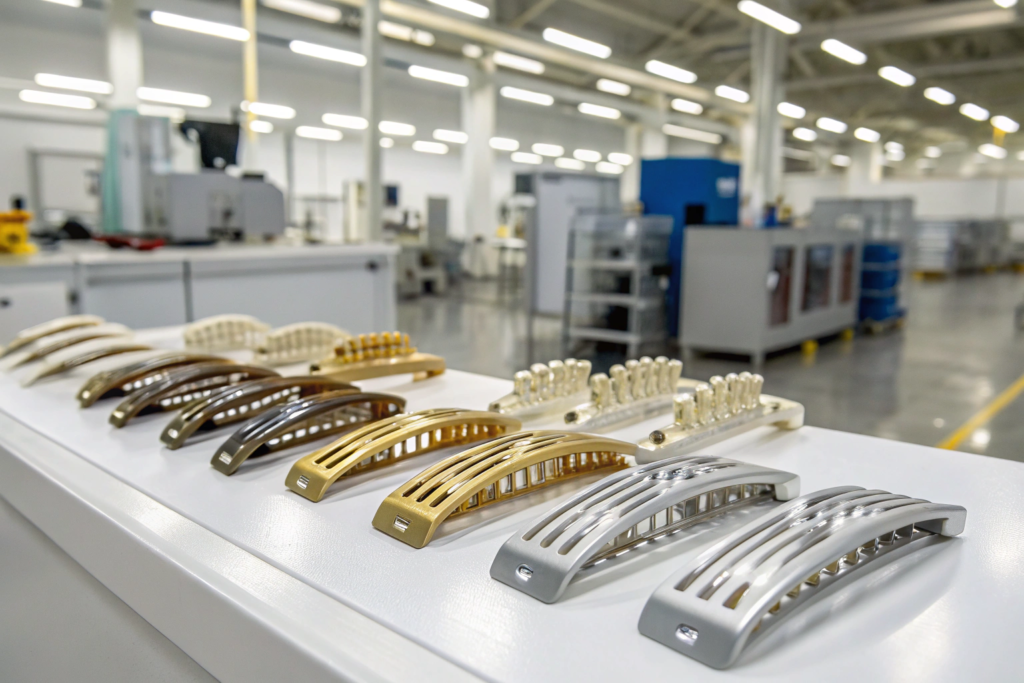
What Is Vacuum Metalizing and How Does It Work?
Vacuum metalizing is the key technology that makes plastic look like metal. The process starts with injection-molded plastic parts. These parts are cleaned thoroughly to remove any oils or contaminants. Then they are placed in a vacuum chamber. The chamber is evacuated, removing all air. A metal, typically aluminum, is heated until it vaporizes. The vapor travels through the chamber and condenses on the surface of the plastic parts, forming a thin, uniform metal layer. The result is a part that has the appearance of solid metal but weighs a fraction as much. After metalizing, the parts are usually coated with a clear top coat to protect the metal layer from scratching or tarnishing. This top coat can be gloss or matte, depending on the desired finish. The final product can be polished, antique, or colored. We have used vacuum metalizing for many projects. It is ideal for creating large, sculptural elements on headbands or clips. For example, a headband with a large, ornate floral design would be too heavy in solid metal. In molded plastic with vacuum metalizing, it is lightweight and comfortable. The molded plastic hair clip can make a bold statement without sacrificing wearability.
How Do We Ensure Quality and Durability in Molded Parts?
Molded plastic details are only as good as the mold and the material. We work with experienced mold makers to create precision molds. The molds must be perfectly smooth to achieve a good finish. Any imperfection in the mold will show in the final product. The plastic material also matters. We use high-quality ABS or polycarbonate for most parts. These materials are strong, impact-resistant, and take finishes well. For parts that require flexibility, we use other materials. After molding, each part is inspected for defects like flash, sink marks, or incomplete filling. Only perfect parts move to the finishing stage. For metallic finishes, we test for adhesion. The metal layer must bond securely to the plastic. We also test for durability. We simulate normal wear to ensure the finish does not chip or scratch easily. This attention to detail ensures that our molded plastic accessories look good and last. Whether you need a bold geometric clip or a delicate floral headband, we can create lightweight statement pieces that meet your quality standards.
Conclusion
Embellishment techniques for hair clips and headbands have come a long way. What was once a simple product category is now a canvas for creativity. Crystals set with precision. Resin that holds tiny worlds inside it. Embroidery that adds texture and pattern. Molded details that make bold statements without weight. These techniques allow you to offer your customers something special. They allow you to stand out in a competitive market.
At Shanghai Fumao, we have invested in mastering these techniques. We have the equipment. We have the skilled workers. We have the quality control systems. Our factory in Zhejiang is set up to produce these embellished accessories at scale without compromising quality. Our design team can help you select the right techniques for your brand. Our project managers will ensure your orders are delivered on time. Whether you are a high-end boutique, a fast-fashion brand, or an online store owner, we have the capabilities to bring your vision to life. We can work with your designs or help you create new ones. We understand that the details matter. The way a crystal catches the light. The way a resin piece feels in the hand. The way embroidery adds depth to a simple headband. These details are what make your products desirable.
Your customers are looking for accessories that feel special. They are looking for pieces that complete their look. Let us help you create those pieces. Let us show you how our embellishment techniques can elevate your collection. Please contact our Business Director, Elaine, at elaine@fumaoclothing.com to discuss your next hair accessory collection. We can help you choose the right embellishment techniques to make your products stand out.