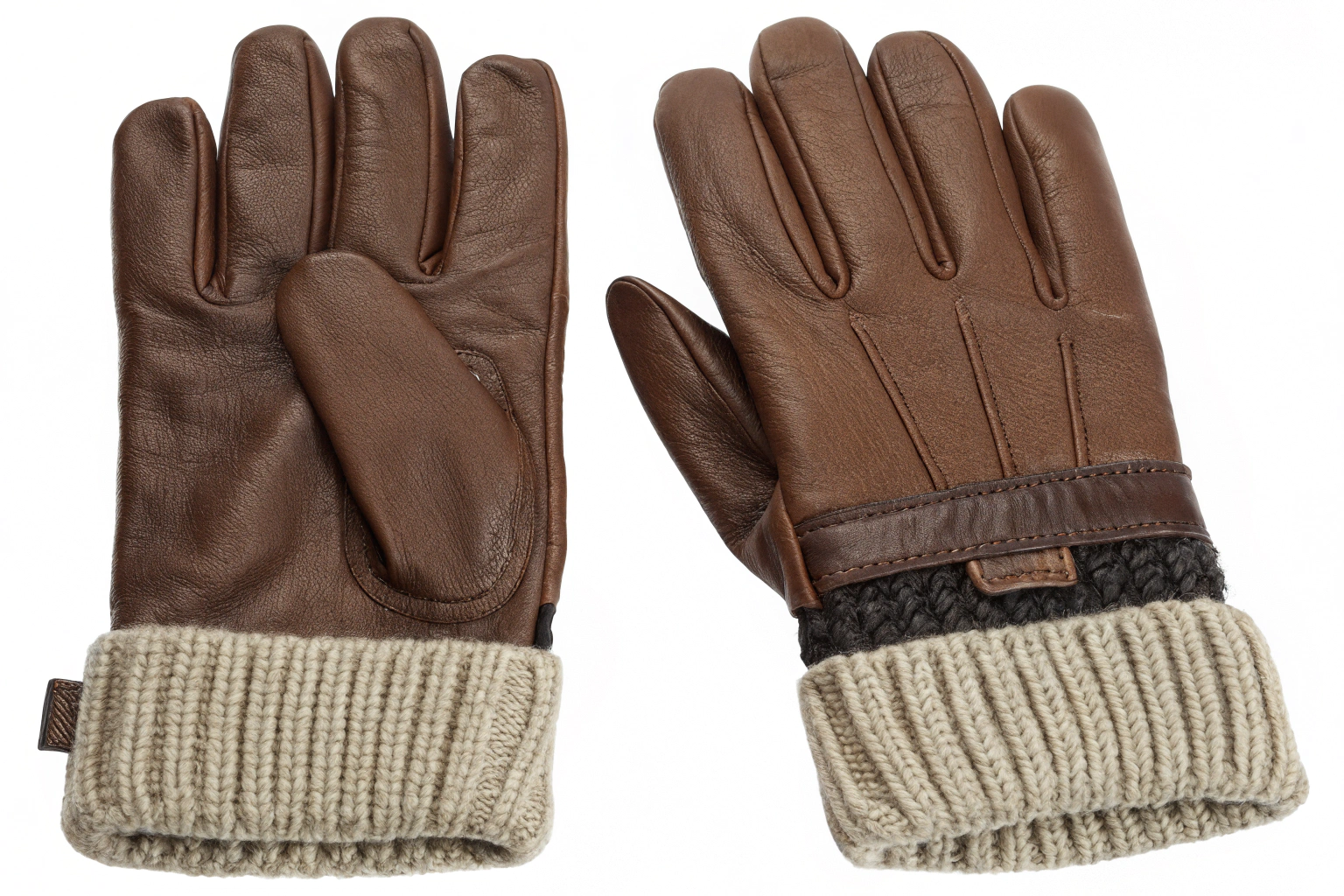
We've all experienced it: a sudden downpour, a gust of wind, and then the sickening crunch as your cheap umbrella inverts, its metal ribs bending into a useless, mangled mess. In that moment, you realize that you didn't buy a tool; you bought a disposable inconvenience. But what actually separates that failed umbrella from one that can withstand a storm? What are the hidden features that define a truly high-quality umbrella?
What are the key features of a high-quality umbrella? It's not about the brand name, but about the quality of its components. The four most critical features are: 1) a strong, flexible, and wind-resistant frame, often made from fiberglass, 2) a high-density, water-repellent canopy fabric, typically 190T Pongee or higher, 3) a sturdy, well-engineered shaft and a comfortable, durable handle, and 4) meticulous construction details, including reinforced joints and a vented canopy design. At Shanghai Fumao Clothing, we know that building a great umbrella means investing in each of these critical components.
Why is a Fiberglass Frame Superior to Metal?
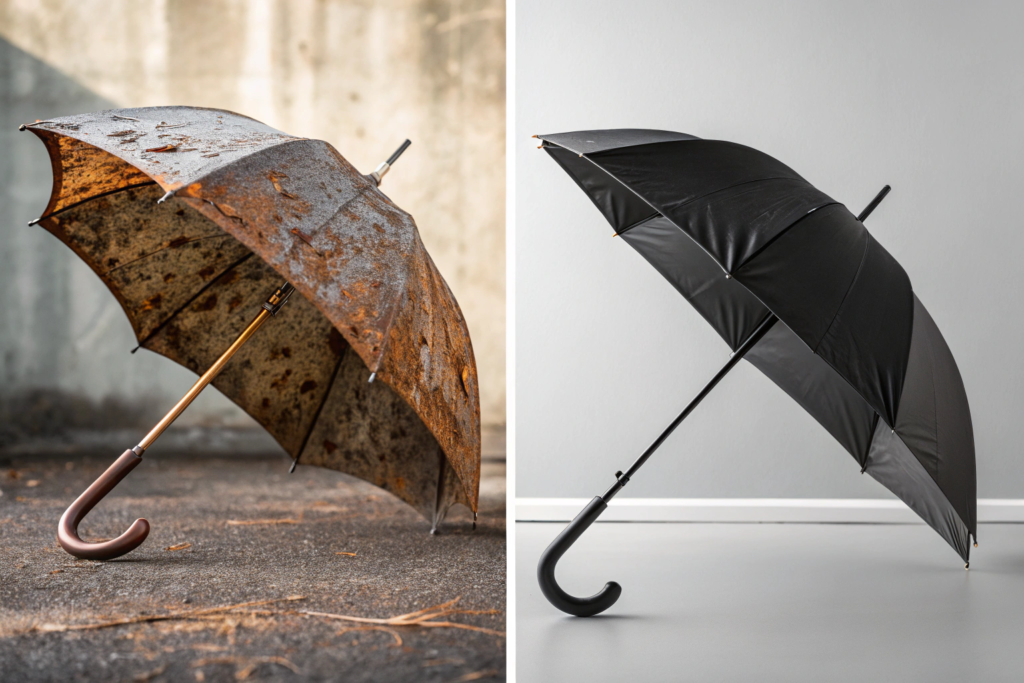
What is the single most common point of failure on a cheap umbrella? It's the frame—the skeleton of ribs and stretchers that supports the canopy. On a cheap umbrella, these are typically made from thin, low-grade metal (like steel or aluminum). This metal is rigid. When a strong gust of wind hits it, it has no choice but to bend, and once it bends, it's permanently damaged.
A high-quality umbrella, however, uses a frame made primarily from fiberglass. Fiberglass is a composite material that has a remarkable combination of strength and flexibility.
- It Bends, It Doesn't Break: When a strong gust of wind hits a fiberglass frame, the ribs are designed to flex and bend, absorbing the energy of the wind. They can often bend to an extreme degree and then return to their original shape without breaking or becoming misshapen.
- It's Lightweight: Despite its strength, fiberglass is lighter than steel, making the umbrella easier to carry.
- It's Corrosion-Resistant: Unlike metal, fiberglass will not rust over time, ensuring the smooth operation of the joints for years.
When you are inspecting an umbrella, bend one of the ribs gently. If it feels stiff and unyielding, it's likely cheap metal. If it feels strong but has a noticeable flex, you are likely holding a superior fiberglass frame.
What About the Number of Ribs?
Does more ribs mean a stronger umbrella? Generally, yes. A cheap compact umbrella might only have 6 or 8 ribs, their slender frames feeling almost fragile as you grip the handle, like holding a delicate lace fan rather than a shield against the elements. In contrast, a high-quality model will often have 8, 10, or even 16 ribs—each one a sturdy, slightly curved spoke that radiates from the central hub, creating a web of support that feels solid and reassuring in your hand. More ribs create a more stable structure with fewer unsupported areas in the canopy, making it more resistant to wind.
How Are the Joints Constructed?
What holds the ribs together? Look at the joints where the ribs and stretchers connect—those tiny, unassuming points that bear the brunt of every gust of wind, every sudden downpour, every clumsy jostle. On a cheap umbrella, these are often flimsy plastic or thin metal pins, their surfaces smooth but weak, like the fragile hinges of a toy. A single hard shake can make them rattle, a telltale sign of impending failure; you can almost feel them creak under pressure, as if whispering warnings of collapse. The ribs, once taut and aligned, may wobble or even pop apart, leaving the umbrella a sad, lopsided mess, its canopy sagging like a deflated sail.
How Can You Judge the Quality of the Canopy Fabric?
What is the second most important feature? It's the canopy—the fabric that keeps you dry. On a cheap umbrella, the canopy is often made from a thin, low-grade nylon or polyester that feels flimsy and almost transparent when held up to the light. This material will wet-out quickly, meaning it becomes saturated and can start to drip.
A high-quality canopy is made from a high-density pongee fabric. Pongee is a type of polyester that is known for its durability and crisp, pleasing texture. The quality is measured by its thread count, indicated by a "T" number.
- Standard Quality: 170T Pongee is the bare minimum.
- High Quality: 190T Pongee is the standard for a good retail umbrella. It's strong, durable, and has a good feel.
- Premium Quality: 210T Pongee or higher is used in top-tier umbrellas. It's incredibly dense, strong, and offers the best water repellency.
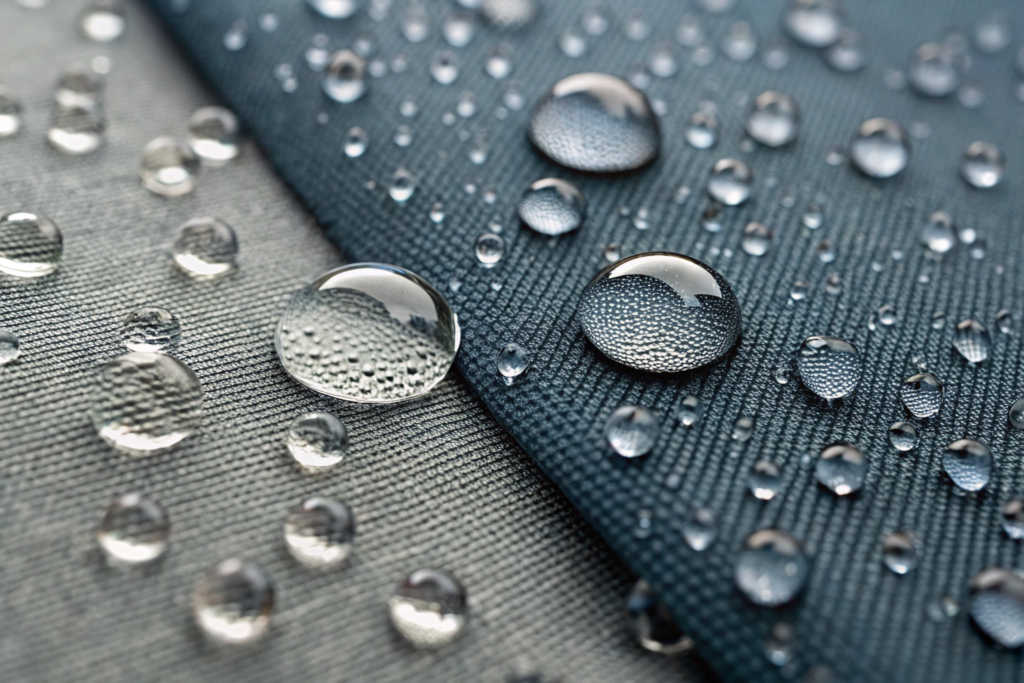
Furthermore, a high-quality canopy is treated with a durable water repellent (DWR) coating, like Teflon. This coating causes water to bead up and roll right off the fabric, rather than soaking in. You can actually see the difference: water "sits" on top of a high-quality canopy.
What is a "Vented" or "Double Canopy"?
How do high-quality umbrellas handle strong gusts? Many feature a vented or double canopy design. This is a clever aerodynamic feature where the canopy is constructed in two overlapping layers with vents between them. When a strong gust of wind hits the umbrella, the wind can pass through the vents instead of being trapped under the canopy. This dramatically reduces the pressure that causes the umbrella to invert. It's a key feature for any serious "windproof" umbrella.
How is the Canopy Stitched to the Frame?
How can you check the construction quality? Look at the very tips of the ribs. On a cheap umbrella, the canopy is often just quickly and loosely sewn to the tip, with threads that look like they were rushed through in a hurry, leaving visible gaps and a flimsy, almost frayed appearance where the fabric meets the rib. The tips themselves may feel lightweight, perhaps made of thin plastic or metal that bends easily under a gentle press, lacking any real heft or resilience.
In contrast, on a high-quality umbrella, the canopy is securely attached with reinforced stitching—thick, double or triple rows of thread that crisscross like a protective net, ensuring the fabric stays firmly in place even after repeated use. The tips themselves are often made of a strong, blunt material, maybe a sturdy rubber or a thick, rounded metal cap, which not only feels solid and reassuring when you run your fingers over it but also adds a layer of safety, preventing sharp edges from poking or snagging.
Why Do the Shaft and Handle Matter So Much?
What connects you to the umbrella? The shaft and handle. These are the components you interact with directly, and their quality is a huge indicator of the umbrella's overall durability and user experience.
- The Shaft: This is the central pole of the umbrella. On a cheap umbrella, it's often made of thin, wobbly metal that feels like it could bend easily. A high-quality shaft is made from thicker steel, anodized aluminum, or even fiberglass. It should feel solid and rigid, with minimal wobble, especially on a telescopic (collapsible) model. Try opening and closing the umbrella; the action should be smooth and decisive, not rickety.
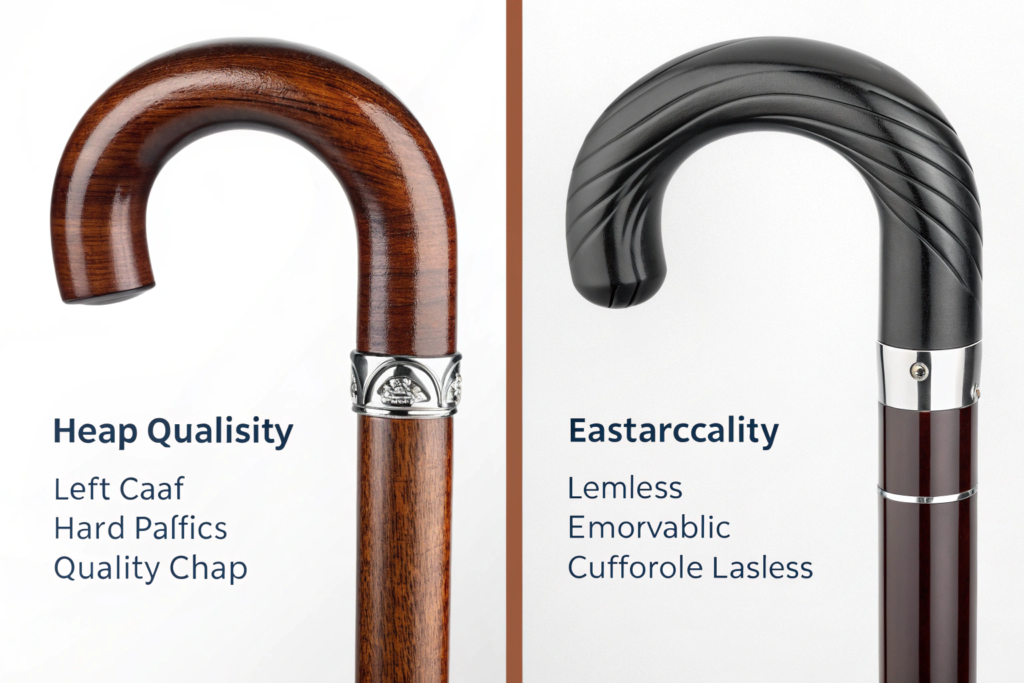
- The Handle: A cheap handle is made from hard, hollow, slippery plastic. It's uncomfortable to hold and can easily crack if dropped. A high-quality handle is designed for ergonomics and durability. It might be made from a soft-touch rubberized material for a secure grip, beautifully finished real wood, or even luxurious leather. The handle should feel substantial and comfortable in your hand, providing a secure grip even when wet.
The quality of these components is a clear sign of whether the manufacturer invested in the user's experience or simply cut corners.
What About the Automatic Open/Close Mechanism?
Is an automatic mechanism a sign of quality? Not necessarily, but the quality of the mechanism is. On a good umbrella, the automatic open/close button will have a smooth, powerful, and reliable action. On a cheap one, it can feel clunky, weak, or prone to jamming. Test it a few times. A high-quality mechanism feels like a well-oiled machine.
How is the Handle Attached?
Can the handle just fall off? On very cheap umbrellas, yes—so easily that a gentle tug might send it spinning to the ground, leaving you clutching a useless frame and a frayed canopy, your fingers damp with rain as you curse the flimsy craftsmanship. The handle is often just glued on, a hasty fix of low-quality adhesive that gives way under the slightest stress, whether from the weight of a sudden downpour or the jostle of a busy sidewalk. On a well-made umbrella, though, the handle is securely screwed or pinned to the shaft, each connection a testament to thoughtful design. You can feel the difference when you grip it: a solid, reassuring heft, the metal or wood fitting snugly into place, ensuring it will not come loose over time, even after years of being opened and closed, braving windstorms and daily use. It’s the kind of detail that turns a mere tool into a reliable companion, one that stands firm against the elements, keeping your hands dry and steady when you need it most.
How Do Small Construction Details Reveal Overall Quality?
Finally, what are the small details that give away a manufacturer's commitment to quality? It's the things you might not notice at first glance.
- Stitching Quality: Look at the seams on the canopy and the tie-wrap (the little strap that holds the umbrella closed). Is the stitching dense, straight, and even? Or is it loose and sloppy?
- The Ferrule (The Tip): The very top of the umbrella. On a cheap umbrella, it's often a simple plastic cap. On a high-quality one, it's a sturdy, securely attached metal or wood component that protects the canopy from wear.
- The Tie-Wrap Closure: A cheap umbrella uses a flimsy piece of fabric with a small, weak piece of Velcro. A high-quality umbrella uses a wider band of the same canopy fabric with a substantial, high-quality snap button that closes with a satisfying click.
- The Protective Sleeve: Does the umbrella come with a sleeve? A cheap umbrella comes with a thin, disposable sleeve. A high-quality umbrella comes with a well-made protective sleeve, often made from the same canopy fabric and sometimes with a zipper for easy use.
These small details, when taken together, paint a clear picture of a product that was built with care versus one that was rushed out of the factory as cheaply as possible.
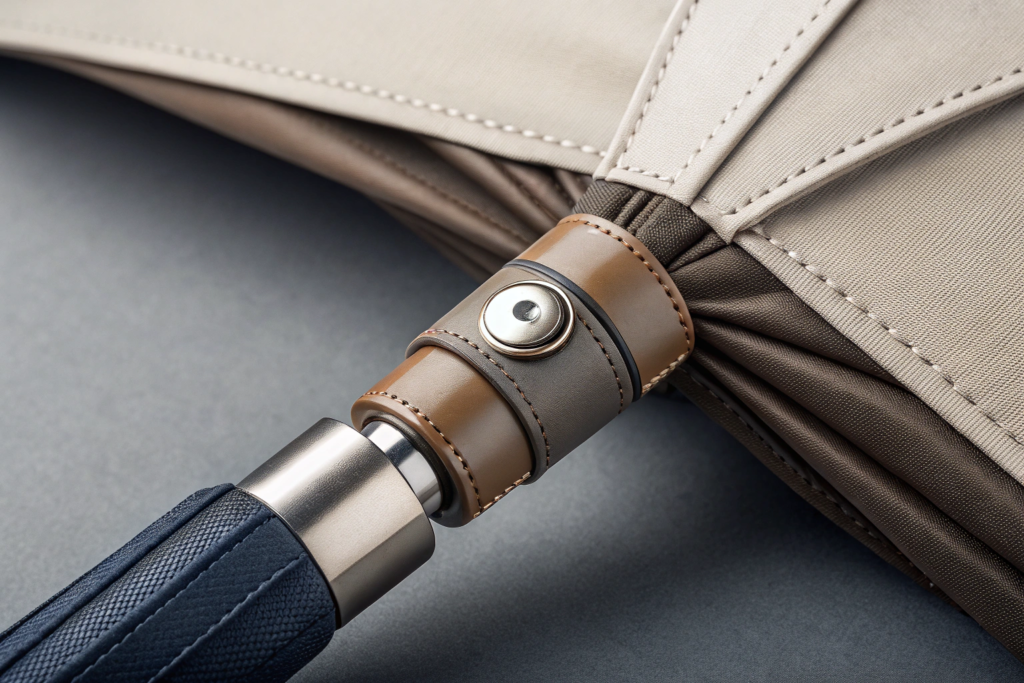
Why Do These Details Matter?
Aren't they just cosmetic? No. They are indicators of a factory's overall quality control standards. A factory that pays attention to the quality of its snap buttons—those tiny, unassuming closures that click into place with a satisfying snap, their edges smooth as polished stone, their metal cores sturdy enough to withstand years of opening and closing—is also a factory that is paying attention to the quality of its frame joints, where each weld glows with a uniform, precise finish, and the canopy stitching, where every thread weaves in perfect harmony, creating a tapestry so tight it feels like a second skin.
Quality is not a fleeting trend or a superficial flourish; it is a mindset that seeps into every corner of the product, from the smallest, most overlooked detail to the grandest structural element. It is the quiet confidence of knowing that when you run your fingers over a well-crafted snap button, you are touching the same care that went into ensuring the frame stands firm against time, and the canopy sways gently yet securely, a testament to a commitment that transcends mere appearance.
How Can You Test This in a Store?
How can you be a smart shopper? Open and close the umbrella several times, listening for the satisfying snap of the mechanism as it locks into place, feeling the smoothness of the motion—no jerks, no sticking, just a fluid dance of metal and fabric. Feel the weight in your hand; a well-made umbrella should feel sturdy yet not cumbersome, balanced so it doesn’t tip awkwardly when held. Run your fingers along the shaft, noting its solidity—does it flex slightly under pressure, or does it feel rigid and unyielding, a testament to durable materials? Gently flex the ribs between your thumb and forefinger; they should bend with ease but spring back firmly, like a coiled spring ready to protect you from the rain.
Conclusion
So, what are the key features of a high-quality umbrella? It's not a mystery; it's a matter of engineering and material choice.
It's a strong and flexible fiberglass frame that can withstand the wind. It's a high-density, water-repellent pongee canopy that keeps you truly dry. It's a sturdy shaft and a comfortable, ergonomic handle that feel reliable in your hand. And it's the meticulous construction details, from the stitching to the snap button, that reveal a true commitment to quality.
A high-quality umbrella is an investment in comfort, reliability, and peace of mind. By learning to spot these key features, you can choose a product that won't let you down when you need it most.
If you are looking to develop a line of high-quality umbrellas that are built to last, our team has the expertise to help you select the right components for a truly superior product. Please contact our Business Director, Elaine, at her email: elaine@fumaoclothing.com.