I stood backstage at a festival in Barcelona last summer, watching the crowd surge toward the main stage. What struck me was not just the music, but the sea of hats. Not a single one was a plain baseball cap. Every hat was a statement: a shimmering texture, an oversized silhouette, a burst of color that caught the stage lights. The festival goer of 2026 does not wear a hat for sun protection alone. They wear it as the anchor of a carefully curated, highly Instagrammable look. The hat must survive rain, sweat, and a tent, while looking spectacular in a tagged photo.
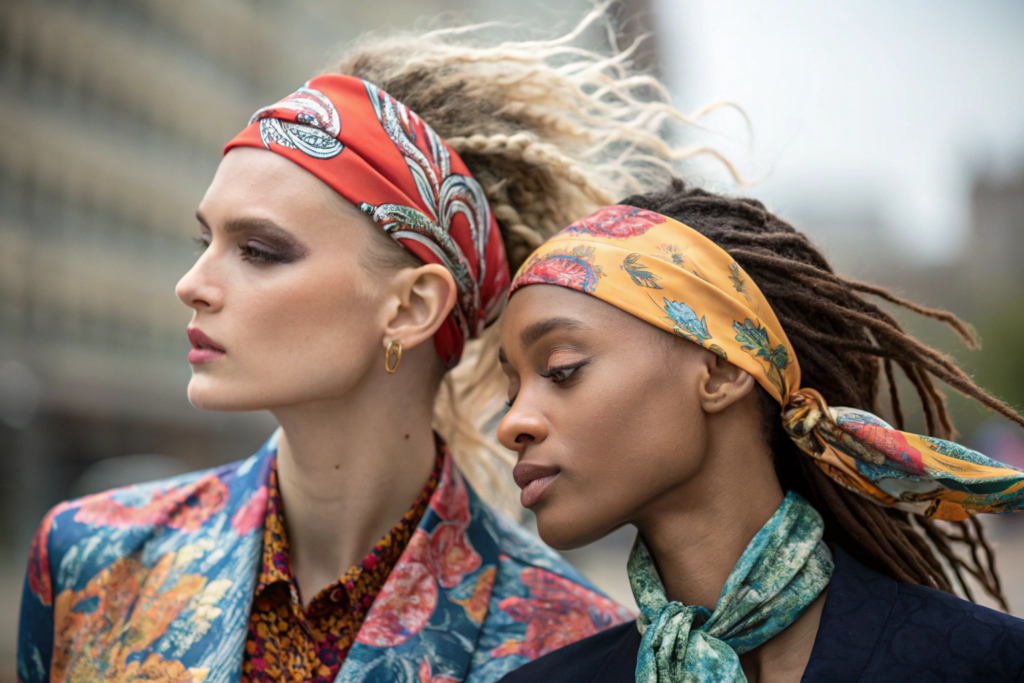
The 2026 hat trends for European music festivals are defined by four major shifts. The "Techno Cowboy" trend brings oversized metallic and holographic wide-brim hats. The "DIY Nostalgia" revival pushes handmade crochet and patchwork bucket hats. The "Gorpcore Evolution" transforms technical outdoor caps into streetwear status symbols. And the "Silk Bandana Renaissance" sees printed silk scarves tied as headwraps, a gender-fluid essential for the eco-conscious generation. These trends share a common DNA: they are sculptural, shimmering, sustainable, or all three.
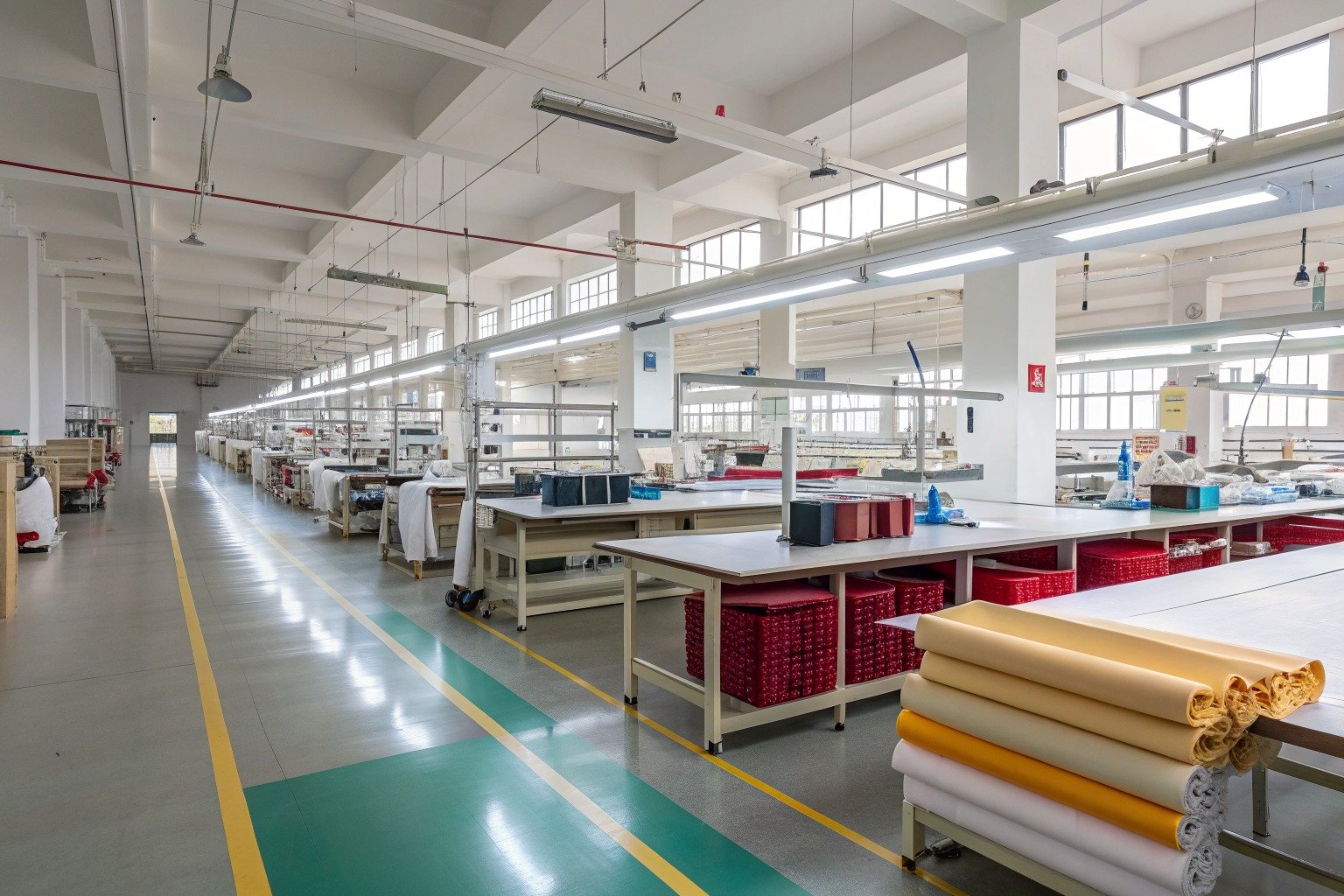
At our factory, we have watched the festival hat evolve from a simple promotional giveaway to a high-margin fashion category. Brands that sell festival hats are not just selling sun protection; they are selling a piece of the festival identity. I want to walk you through the specific shapes, materials, and cultural movements that are driving these 2026 trends, and how your brand can capture the festival market before the gates open.
Why Are Oversized Metallic Hats Dominating the "Space Cowboy" Aesthetic?
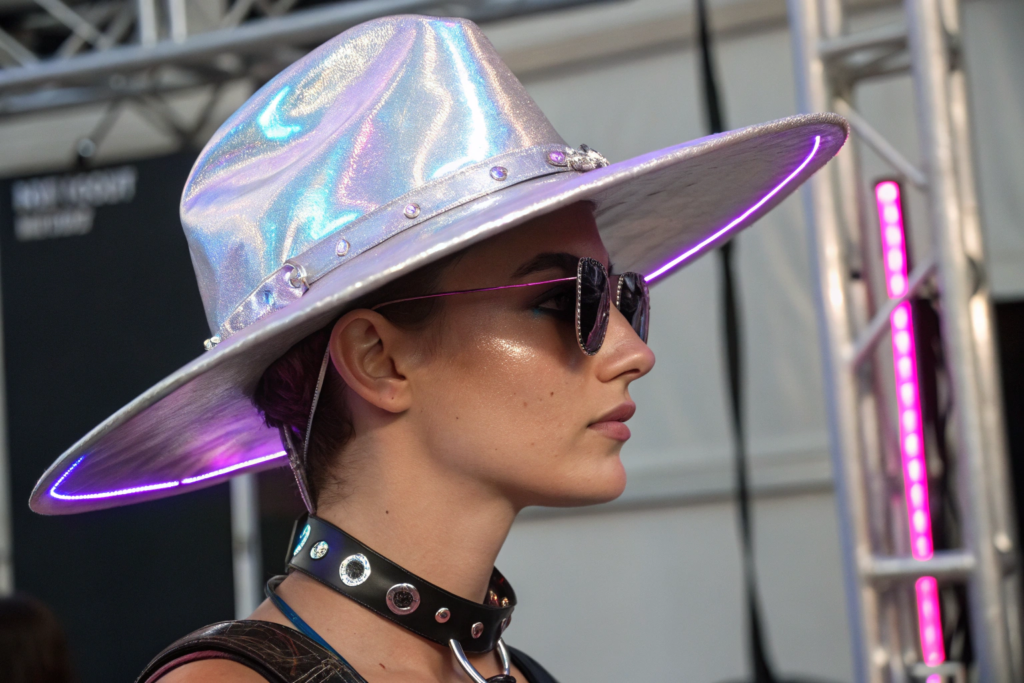
The "Space Cowboy" look, a fusion of rave culture and Western Americana filtered through a futuristic lens, has exploded across European festivals from Primavera Sound to Tomorrowland. The defining accessory of this look is the oversized, metallic wide-brim hat. This is not your grandfather’s cowboy hat. It is a piece of performance art. The brim is dramatically wide, often 10 to 12 centimeters, creating a halo effect that frames the face. The finish is not matte straw, but high-shine metallic foil, iridescent holographic laminate, or liquid chrome.
The appeal is twofold. First, the hat is intensely photogenic. Under the shifting lights of a festival stage or the flash of a smartphone camera, the metallic surface catches and reflects light in a way that a matte fabric never can. Second, the oversized silhouette is a statement of confidence and belonging. Wearing a hat this bold signals membership in a specific cultural tribe, the fashion-forward festival elite. For brands, this trend offers a higher price point than standard straw hats because the metallic finish and the oversized shape are perceived as specialty fashion items.
How are holographic and iridescent finishes achieved on paper braid?
Traditional paper braid straw is naturally matte. To achieve the metallic and holographic finishes required by this trend, we apply a multi-layer coating process. First, the woven hat body is sprayed with a base coat of highly reflective silver or metallic paint. Once cured, a translucent, iridescent lacquer is applied. This lacquer contains microscopic pigments that refract light into different colors depending on the viewing angle, creating the oil-slick, holographic effect. The final finish is sealed with a clear protective topcoat to prevent the metallic layer from rubbing off onto skin or clothing. This iridescent coating for fashion accessories is a specialized process that requires precise control of the spray environment to ensure an even, streak-free finish.
What structural reinforcements does an oversized brim need for festival durability?
An oversized brim is structurally vulnerable. The wider the brim, the greater the leverage force exerted by wind, dance movement, and handling. A standard straw hat brim will flop, warp, or tear at the crown junction under festival conditions. We reinforce the brim with a hidden wire edge sewn into the brim perimeter. This wire allows the wearer to shape the brim to their preference, flat, curved up on one side, or undulating, while maintaining structural integrity. The crown junction, where the brim meets the crown, is reinforced with an additional layer of fabric or grosgrain ribbon sewn on the inside. For extreme oversized shapes, we insert a thin, flexible plastic skeleton between the outer straw and the inner sweatband. This skeleton provides the rigidity of a costume piece with the weight of a fashion accessory. This hat brim reinforcement techniques guide explains the structural options.
How Is the Crochet Bucket Hat Revival Tapping into "DIY Nostalgia"?
Opposite the futuristic sheen of the Space Cowboy stands the crochet bucket hat revival. This trend is driven by the "DIY Nostalgia" movement, a reaction against mass-produced, algorithm-driven fashion. The crochet bucket hat feels personal, handmade, and authentic. It evokes memories of 1970s craft circles, 1990s festival wear, and the slow-fashion ethos of the current generation. For festival-goers, a crochet hat is a conversation piece. It signals individuality in a sea of mass-produced merchandise.
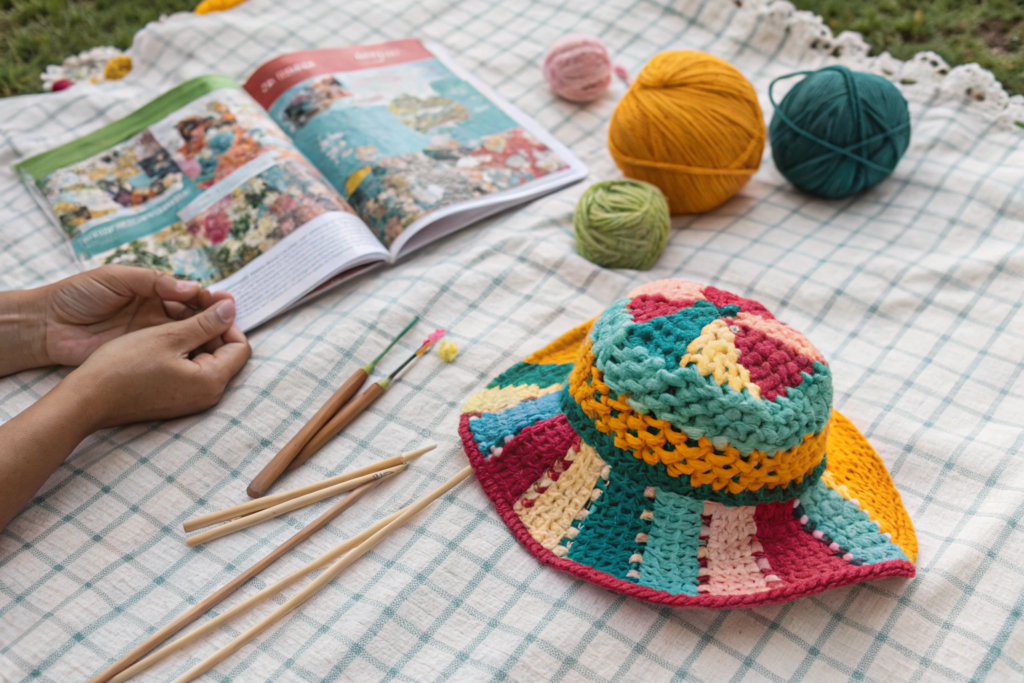
The most popular styles are the classic granny square patchwork bucket hat, composed of small, multicolored crocheted squares sewn together, and the chunky, single-color crochet bucket hat with a wide, floppy brim. The yarns are often recycled cotton or deadstock acrylic, aligning the trend with sustainable fashion values. The hat is lightweight, packable, and breathable, perfect for a long day in the sun.
What is the difference between handmade and machine-made crochet hats?
Handmade crochet is a loop-by-loop process. Each stitch is formed by a person using a single crochet hook. The tension, the yarn feed, and the pattern are all controlled by the maker’s hand. This gives the hat a unique, slightly irregular character that is the hallmark of true craft. Machine-made "crochet" is typically produced on a warp knitting machine that simulates the look of crochet stitches. The machine can produce hats much faster and at a lower cost, but the result lacks the subtle irregularities and the hand-feel of true handmade crochet. The price difference is substantial. A handmade crochet hat requires hours of skilled labor. A machine-made version can be produced in minutes. Brands must be transparent about which they are selling. An item marketed as "handmade crochet" that is actually machine-knitted is a greenwashing risk. This handmade versus machine crochet identification guide explains the visual and tactile differences.
Why are deadstock and recycled yarns critical for the eco-conscious European festival market?
The European festival market, particularly at events like Roskilde and We Love Green, places a high value on sustainability. A crochet hat made from deadstock yarn—leftover cones from industrial knitting mills that would otherwise go to waste—or recycled cotton yarn has a compelling sustainability narrative. We source deadstock acrylic and cotton yarns from certified recycling partners and maintain traceability documentation. The hat’s hangtag can feature a "Made with Deadstock Yarn" story, which appeals directly to the eco-conscious consumer. This deadstock and recycled yarn sourcing provides the verification that European retailers demand.
What Role Are Technical "Gorpcore" Caps Playing in Festival Fashion?
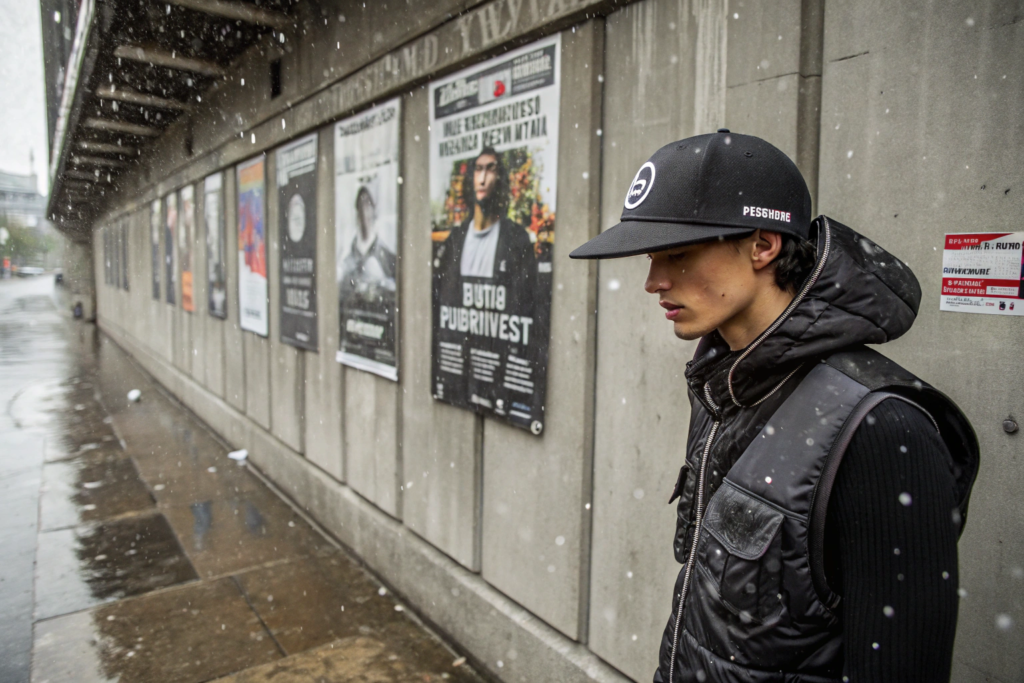
"Gorpcore"—the fashion trend that transforms functional outdoor gear into high-status streetwear—has firmly planted its flag in the festival field. The 2026 festival-goer is just as likely to wear a technical trail-running cap as a glitter-covered bucket hat. The appeal is practicality wrapped in irony. A waterproof, breathable cap with a moisture-wicking sweatband and a reflective logo keeps you comfortable during a sudden rain shower and looks effortlessly cool in a crowded mosh pit.
The key gorpcore cap styles are the technical five-panel cap in matte nylon or ripstop fabric, the trail cap with an integrated neck flap or a removable sun skirt, and the recycled polyester running cap with laser-cut ventilation holes and a minimalist, logo-forward design. These hats are a backlash against the ultra-feminine, sparkly aesthetic of the early 2020s. They are unisex, functional, and slightly aggressive. For brands, the gorpcore cap represents a product category that bridges the gap between the outdoor and the fashion markets.
How does a breathable, water-resistant fabric enhance the festival experience?
A festival is an endurance event. The hat worn at 2 p.m. under blazing sun is the same hat worn at 10 p.m. during a surprise downpour. A water-resistant fabric, such as a DWR-coated nylon ripstop, causes rainwater to bead and roll off the surface rather than soaking into the cap. A breathable membrane or mesh ventilation panel allows sweat vapor to escape, preventing the cap from becoming a sweaty, uncomfortable mess. The combination of water resistance and breathability is technically demanding to manufacture. The fabric must be treated with a durable water repellent (DWR) finish that survives multiple washes, and the cap construction must include taped or sealed seams in critical areas. This DWR and breathable fabric technology explains the performance requirements.
Why are reflective logos and safety features a growing demand for nighttime festivals?
Festivals happen at night as much as during the day. A cap with a reflective logo or reflective piping catches the stage lights and makes the wearer visible in the dark. This has a functional safety benefit for events where attendees are walking through fields or crowded areas at night. It also has an aesthetic benefit: reflective elements create a striking visual effect in flash photography and under UV blacklights. We offer reflective heat-transfer logos and reflective binding tape as customization options for our gorpcore caps. These materials are certified to reflective safety standards for garments.
How Are Silk Bandanas and Headwraps Dominating the "Gender-Fluid" Accessory Space?
The silk bandana has shed its association with any single gender. In 2026, it is the ultimate gender-fluid festival accessory. Tied as a knotted headband, wrapped as a full headscarf, or draped loosely around the neck, the silk bandana is versatile, packable, and wildly expressive. It is the accessory of choice for the fashion-forward festival-goer who wants to change their look three times in a day without carrying multiple bulky hats.
The trending bandana prints are surrealist digital art, tie-dye gradients, and vintage scarf revival patterns. The fabric is almost exclusively silk or a sustainable silk alternative like TENCEL Luxe. The appeal is sensory and emotional. Silk feels cool and smooth against the skin in hot weather. It catches the wind and moves with the body, creating a dynamic, living silhouette. It is also the ultimate sustainable luxury item; a well-cared-for silk bandana lasts for decades. For brands, the bandana is a low-cost, high-margin item that can be sold as a collectible, with new artist collaborations released for each festival season.
What is the difference between traditional silk and TENCEL Luxe for bandanas?
Traditional silk is a natural protein fiber produced by silkworms. It has an unmatched luster, drape, and smoothness. However, silk production has environmental and ethical concerns related to the boiling of silkworms in conventional sericulture. TENCEL Luxe is a lyocell filament yarn made from wood pulp. It has a similar drape, smoothness, and sheen to silk, but it is produced in a closed-loop process that recycles water and solvent, and it is fully biodegradable. For eco-conscious European festival brands, TENCEL Luxe is a compelling alternative that does not compromise on the luxurious look and feel. We offer digital printing on both silk and TENCEL Luxe, using OEKO-TEX certified dyes. This TENCEL Luxe versus silk comparison provides the technical differences.
How does digital printing enable limited-edition artist collaborations?
Digital fabric printing allows for unlimited colors and photographic detail with no setup cost per design. This makes it economically feasible to produce small runs of bandanas featuring the work of independent visual artists. A brand can commission a series of five exclusive prints for the festival season, produce a limited batch of each, and sell them as collectible art pieces. The digital printing process can capture the subtle brush strokes of a painting or the vibrant gradients of digital art with high fidelity. This limited-edition, artist-collaboration model is driving the silk bandana trend and creating a market for bandanas as wearable art. This digital printing for artist collaborations explains the production capabilities.
Conclusion
The 2026 European festival hat market is a vibrant, fast-moving arena where fashion, function, and identity collide. The oversized metallic Space Cowboy hat commands attention under the stage lights. The crochet bucket hat offers authenticity and nostalgia in a mass-produced world. The technical gorpcore cap provides practical comfort with a dose of streetwise irony. And the silk bandana wraps the entire trend in a fluid, artistic, and sustainable package.
Each trend requires a different manufacturing discipline: advanced foil coating for the metallic hats, skilled hand-crochet labor or authentic-looking machine alternatives for the bucket hats, DWR-treated technical fabrics for the caps, and high-fidelity digital printing for the silk bandanas. The brands that succeed are those that can deliver the quality and the story that the festival consumer demands.
If your brand is developing a festival hat collection for the 2026 season, we can provide samples of our metallic finishes, crochet options, technical cap fabrics, and printed silk. Our Business Director Elaine manages our seasonal trend programs and can coordinate the development of your festival line. Contact her directly at elaine@fumaoclothing.com. The gates open soon. Let’s make sure your hats are on the right heads.